
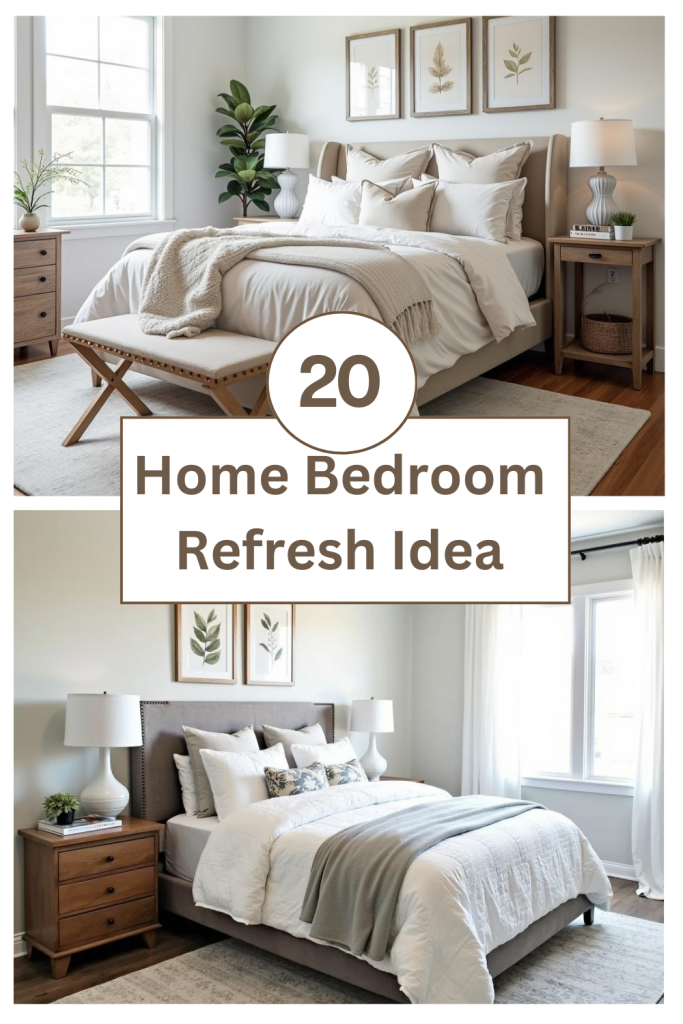

A bedroom is more than just a place to sleep; it’s a sanctuary where you can unwind and rejuvenate. If you’re looking to give your bedroom a fresh new look without spending a fortune, here is the summary table for the 20 simple home bedroom refresh ideas.




1. Change Your Bed Linens
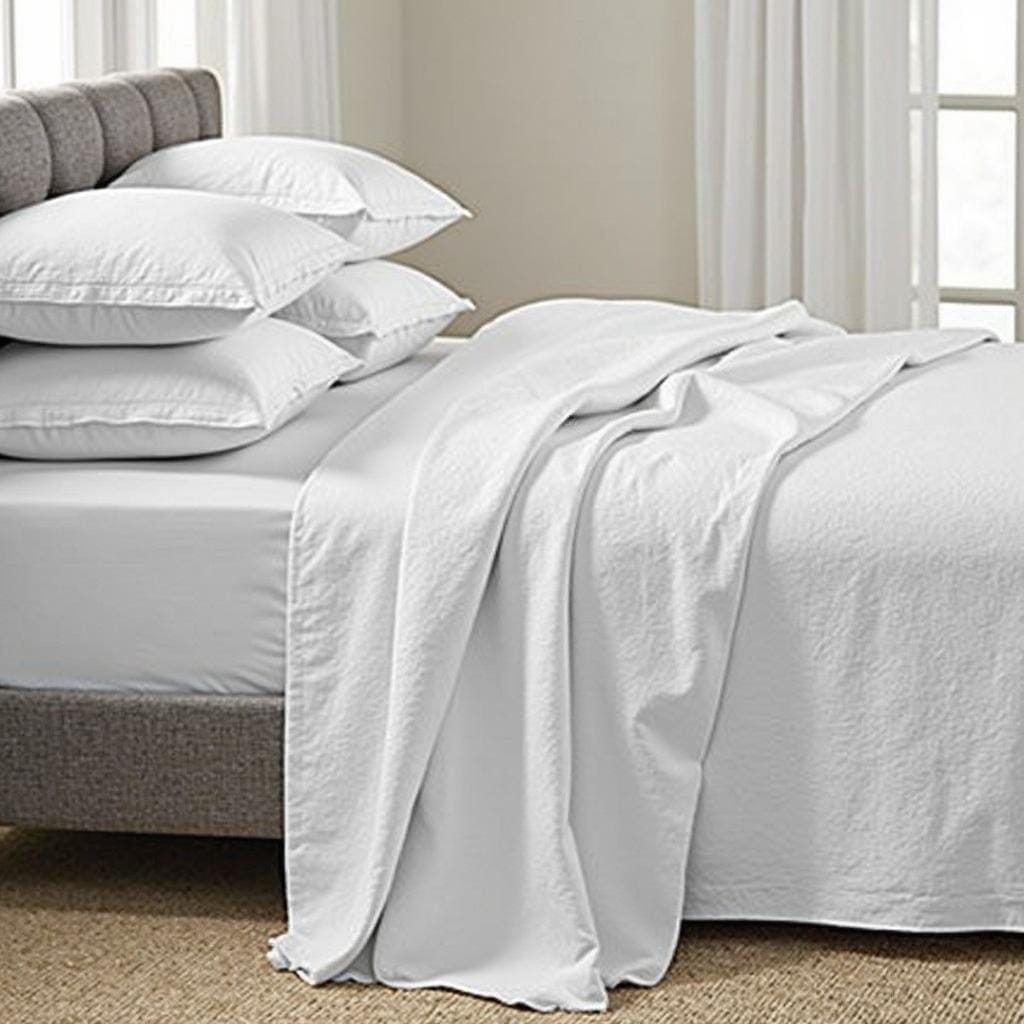
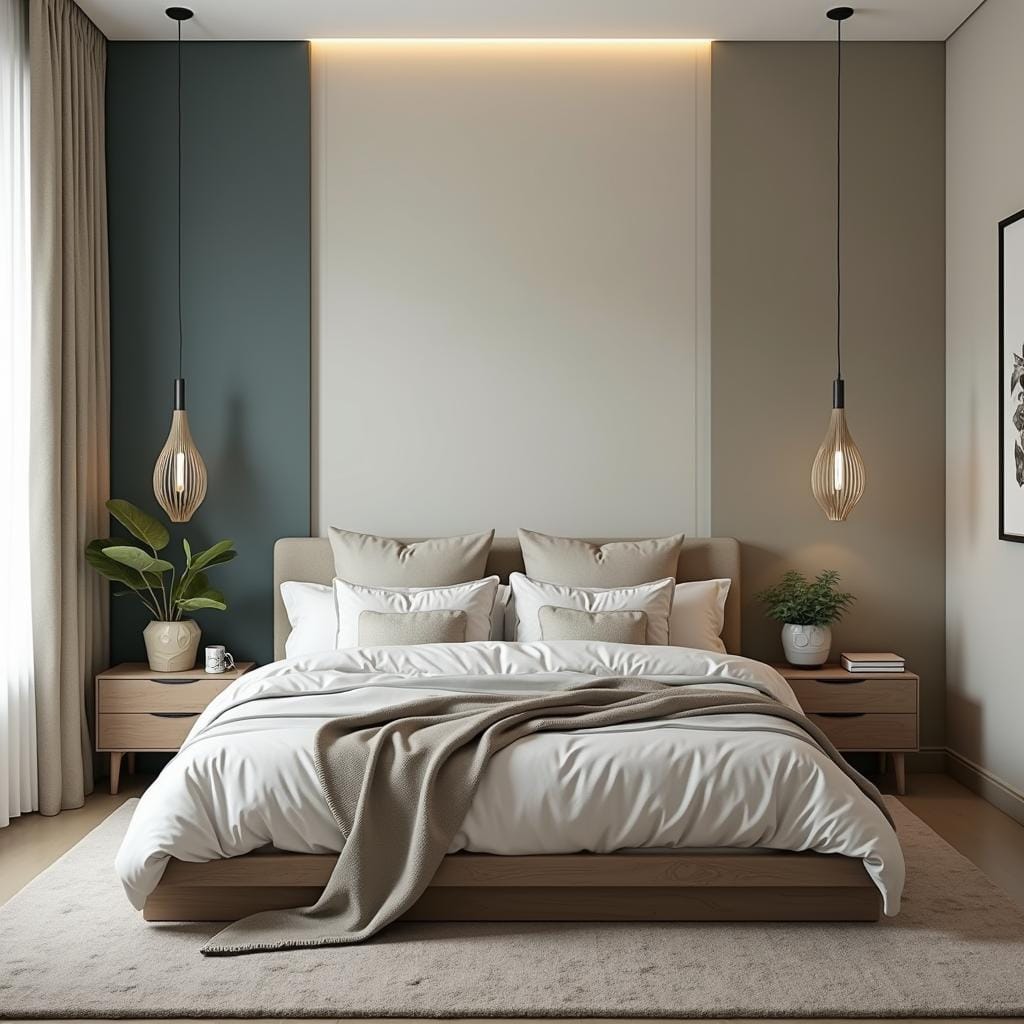
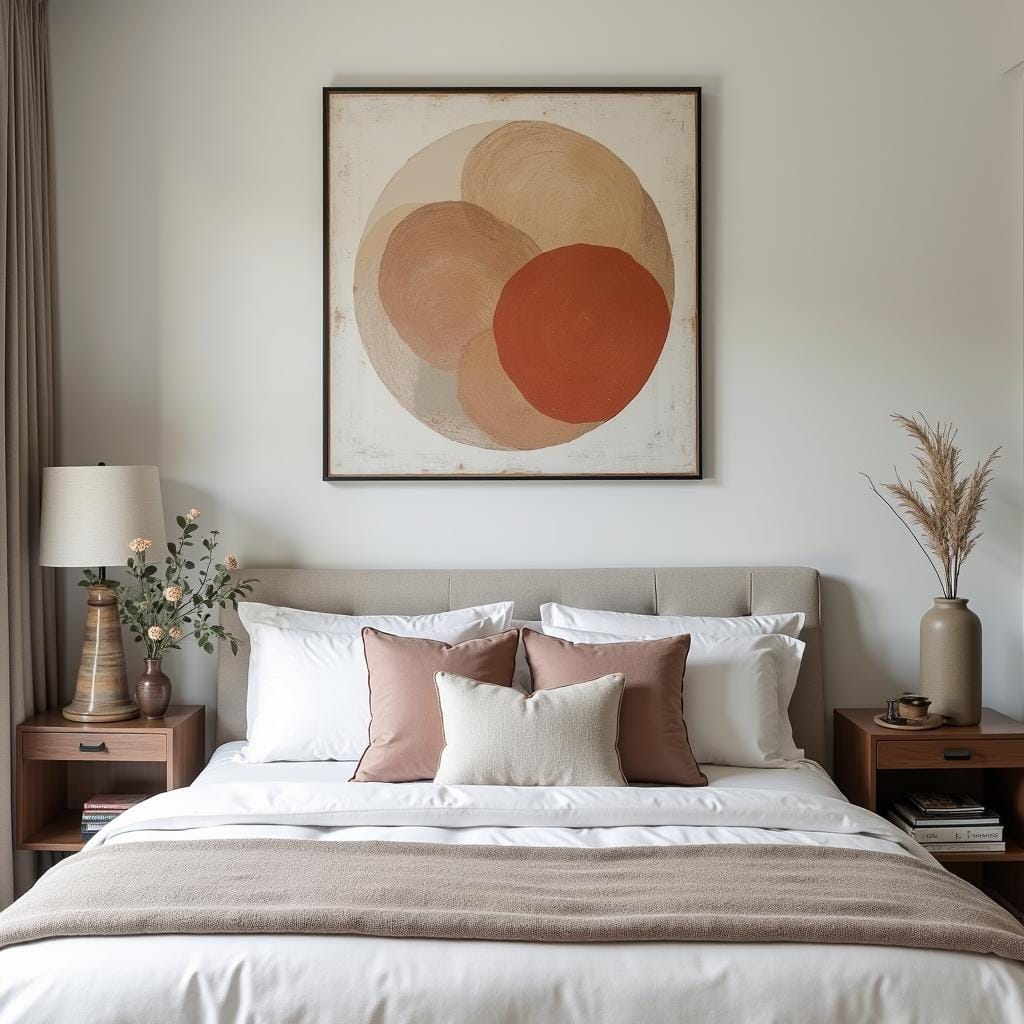
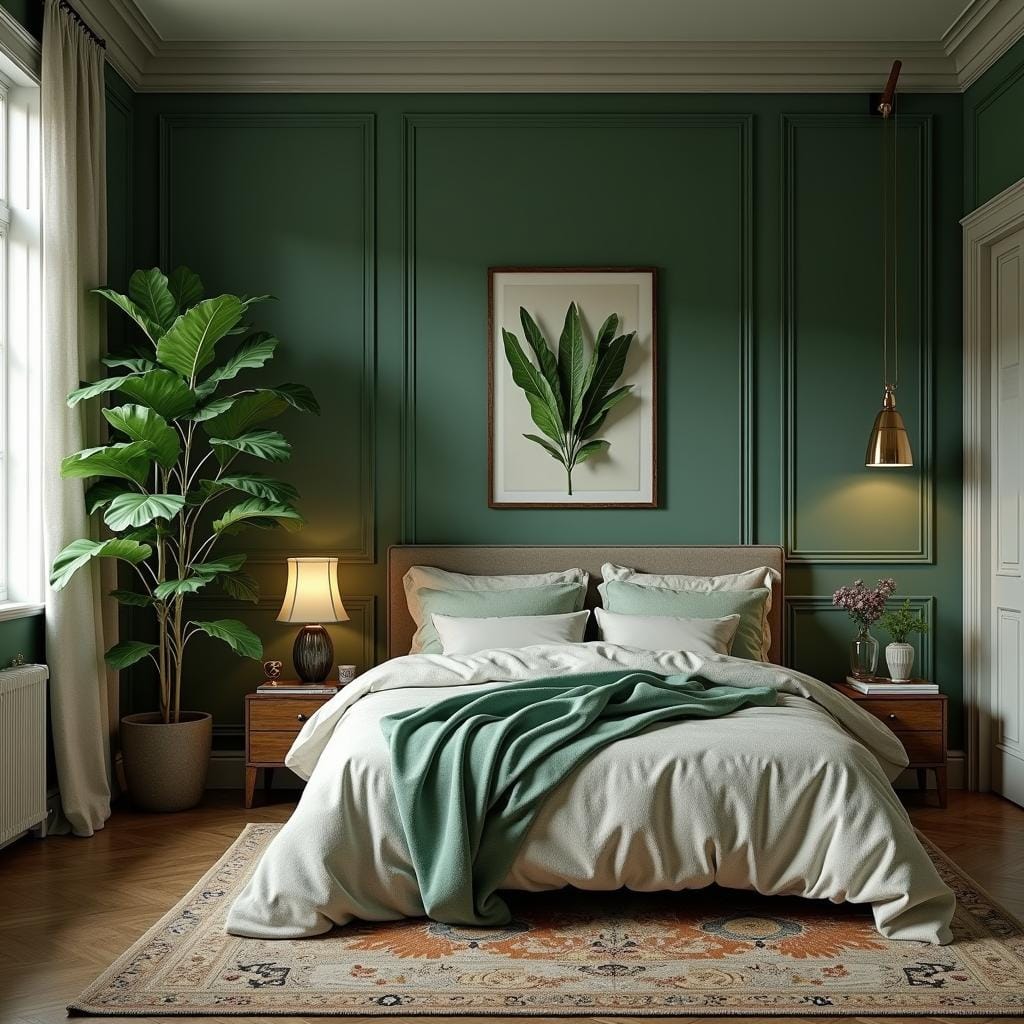
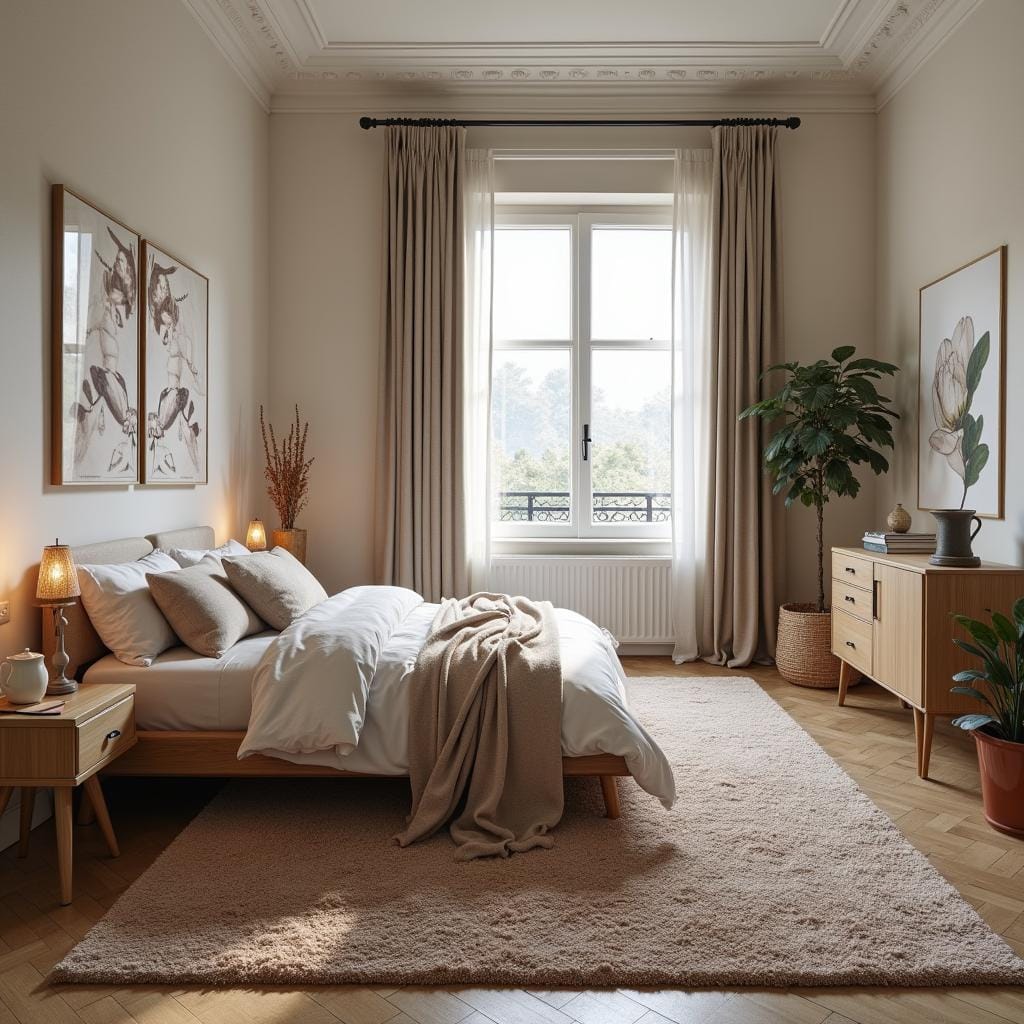
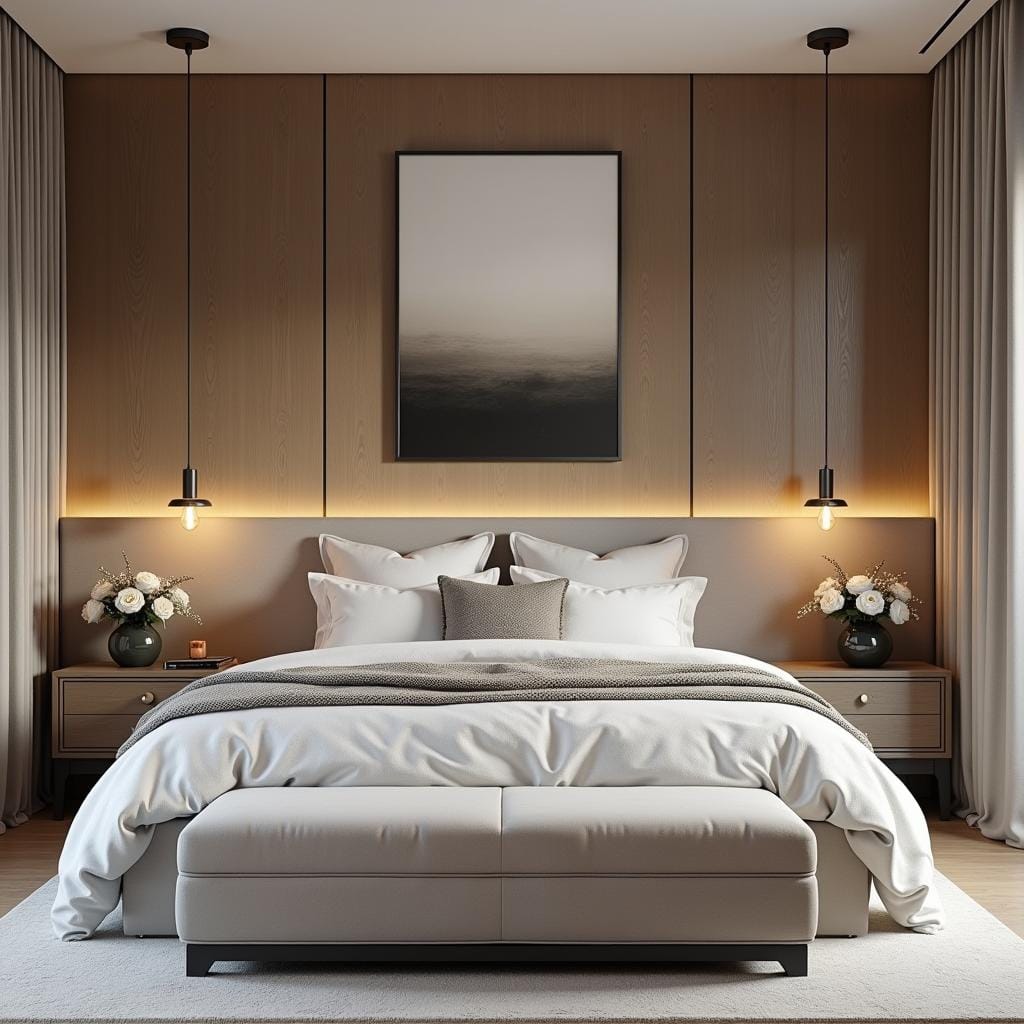
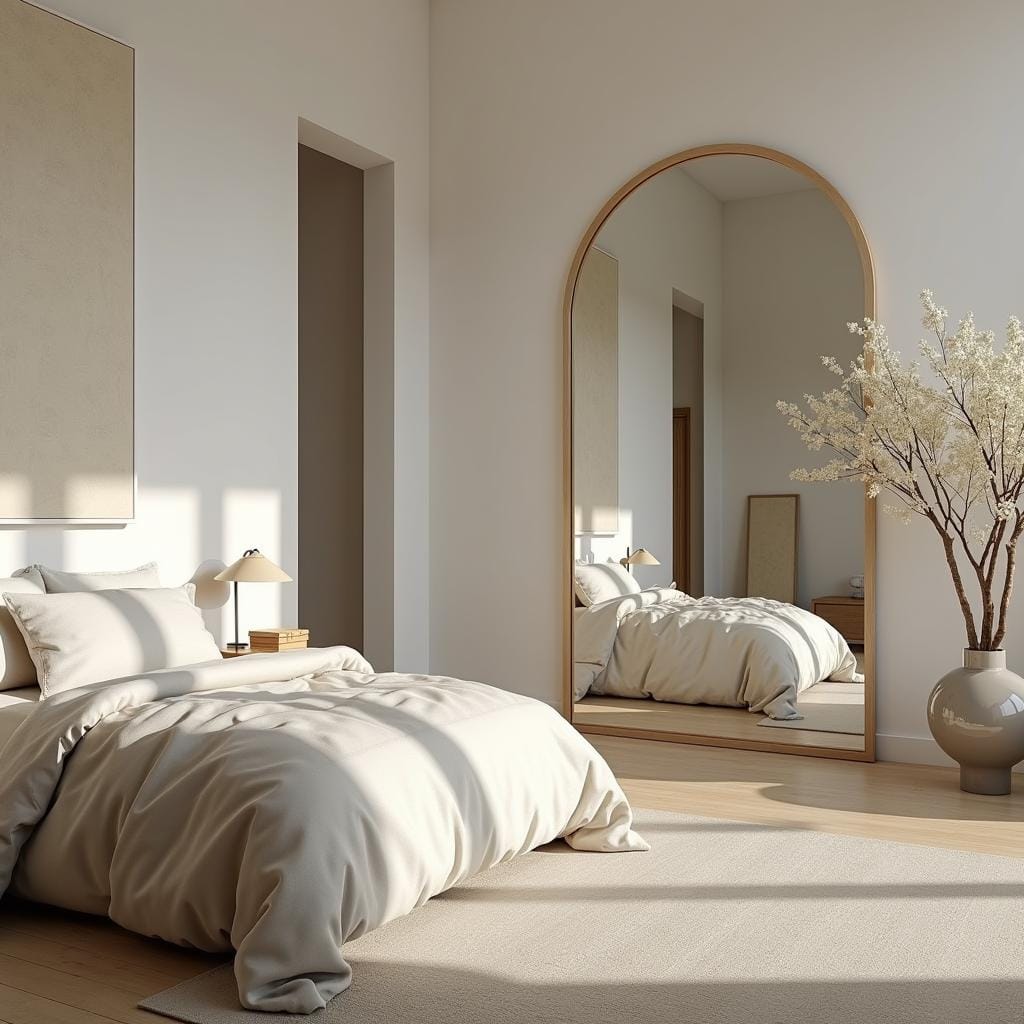
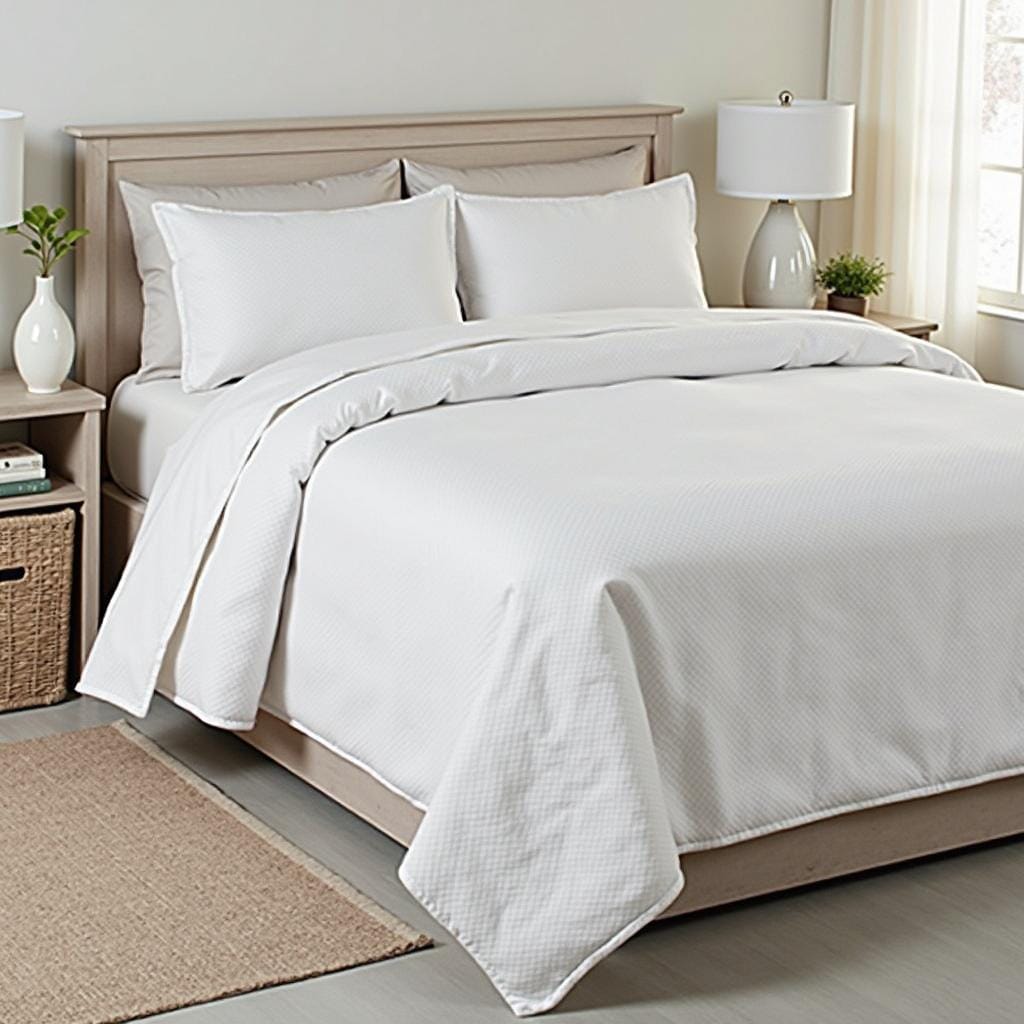
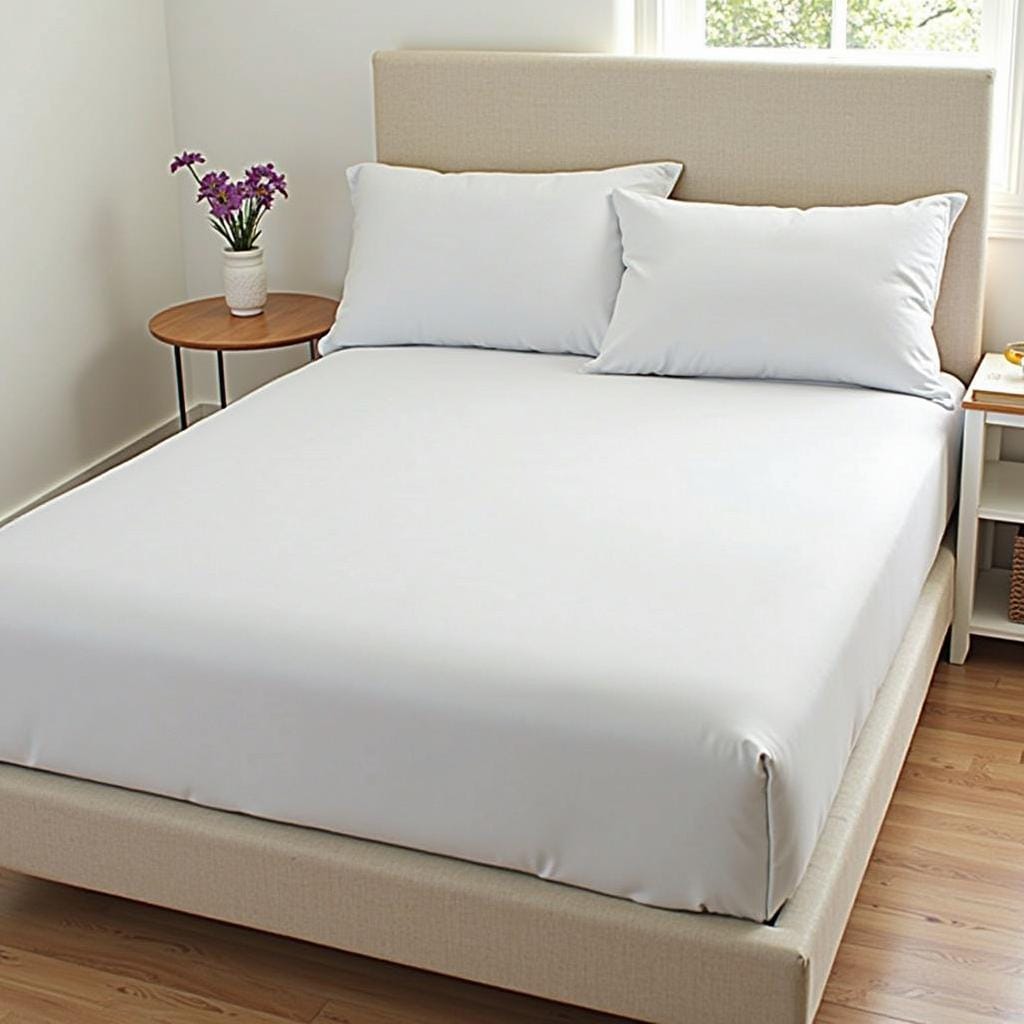
A quick and easy update is to swap out your bedding. Choose new sheets, pillowcases, and a comforter in colors or patterns that suit your style. Soft neutrals or bold patterns can create a cozy or dramatic feel.


Pro Tips:
- Choose materials wisely: cotton percale is crisp and cool, sateen is silky and smooth, while linen is breathable and gets softer with each wash.
- Use a duvet cover. It’s much easier and more affordable to wash or switch out a cover than an entire comforter.
- Measure your mattress depth to ensure your fitted sheet has deep enough pockets for a snug, secure fit.
- Understand that high thread count isn’t always better; focus on the quality of the fiber instead.
- To get that crisp, hotel-bed look, lightly iron or steam your pillowcases and the top fold of your flat sheet.
- Layer your bedding with a flat sheet, a quilt or coverlet, and a duvet for all-season comfort and a plush look.
- Always wash new linens before use to remove any manufacturing residues and soften them up.
- Store out-of-season linens in breathable fabric bags to prevent mustiness.
- To easily put on a duvet cover, use the “burrito” or “inside-out” method—it’s a game-changer.
- Buy an extra set of pillowcases to change out mid-week for a fresh feel.
Style Tips:
- For a calm and serene vibe, stick to a palette of soft neutrals like white, cream, beige, or light gray.
- Create a sophisticated monochromatic look by layering different shades and textures of the same color.
- Master the art of pattern mixing by combining a large-scale pattern (like floral) with a small-scale one (like a pinstripe).
- Use crisp white linens as a versatile base, allowing you to easily change up the look with colorful pillows and throws.
- Fold your comforter or duvet down a third of the way to show off your stylish sheets and pillows.
- Introduce texture with a waffle-knit, seersucker, or pintuck duvet cover for added visual interest.
- Match your bedding to a secondary color in your wall art or rug to create a cohesive look.
- For a bold statement, choose bedding in a rich, saturated jewel tone like emerald, sapphire, or ruby.
- A classic, hotel-style bed often features a white duvet with a simple colored border.
- Don’t be afraid to mix and match sets; a patterned pillowcase with a solid sheet can look very chic.
2. Add a Throw Blanket
A stylish throw blanket can bring color and texture to your bed. Drape it over the end of your bed for a sophisticated touch or pile it for extra warmth and comfort.


Pro Tips:
- Choose the right material for your needs: wool is incredibly warm, cotton is breathable and lightweight, and faux fur or chenille adds luxurious texture.
- Check the care label before buying to ensure it’s easy to clean.
- A weighted blanket can be a great option for promoting relaxation and better sleep.
- For a king-sized bed, choose an oversized throw (at least 60″ wide) so it drapes nicely.
- Fold the throw neatly in thirds and lay it across the foot of the bed for a tidy, hotel-like appearance.
- Store extra throws in a decorative basket or a storage bench at the foot of the bed.
- When layering, place the thinnest throw down first and the thickest, most textured one on top.
- Some chunky knit blankets can shed, so read reviews or test them before purchasing.
- A throw isn’t just for the bed; drape one over an accent chair or at the end of a bench.
- For a quick refresh, simply changing the way you drape your throw can alter the room’s feel.
Style Tips:
- For a relaxed, effortless look, casually drape the throw diagonally across one corner of the bed.
- A chunky knit throw adds instant coziness and a touch of “hygge” to any bedroom.
- Use a brightly colored or patterned throw to serve as a pop of color in a neutral room.
- Contrast textures by placing a plush faux fur throw on top of a smooth linen duvet.
- Choose a throw that picks up an accent color from your pillows or artwork to tie the room together.
- A simple, lightweight linen or cotton throw is perfect for a minimalist or coastal aesthetic.
- In a modern room, a throw with a bold geometric pattern can act as a piece of art.
- For a touch of luxury, opt for a cashmere or fine merino wool throw.
- A classic plaid or tartan throw is perfect for a traditional, farmhouse, or cabin-style room.
- Drape a throw over your headboard for an unexpected and soft touch.
3. Switch Up Your Throw Pillows
Throw pillows are a fun and affordable way to add visual interest. Try mixing different shapes, sizes, and textures to create a cozy, inviting atmosphere.

Pro Tips:
- Always use pillow inserts that are 1-2 inches larger than your pillow covers for a full, plush, professional look.
- Down or feather-filled inserts are best for achieving the classic “karate chop” indent.
- Arrange pillows in layers, starting with the largest ones at the back against your headboard.
- Store extra pillow covers flat to prevent wrinkles; they take up very little space.
- Don’t overdo it. You should be able to get into bed without having to move a mountain of pillows.
- For a standard queen bed, a set of 3 to 5 throw pillows is usually the perfect amount.
- Mix shapes by combining standard squares with a rectangular lumbar or a round pillow.
- To clean, remove the covers and wash them according to the care instructions.
- If you can’t find the perfect pillow, buying plain covers and adding your own iron-on designs or trim is an easy DIY.
- Invest in quality inserts that you can reuse; then you only need to buy new covers for a refresh.
Style Tips:
- Follow the designer’s rule of three: group pillows in odd numbers for a more dynamic look.
- Create a cohesive palette by choosing pillows in three different colors pulled from your room’s decor.
- Mix patterns like a pro: combine one large-scale pattern, one medium-scale pattern, and one solid color or subtle texture.
- A long lumbar pillow placed in front of your square pillows provides a clean, modern finish.
- Vary your textures by mixing velvet, linen, faux fur, leather, and knit pillows.
- Use your throw pillows to introduce a bold accent color without committing to it on the walls.
- For a minimalist look, use two or three pillows in muted, solid colors with interesting textures.
- Seasonal pillow swaps (e.g., velvet in winter, light cotton in summer) are an easy way to update.
- In a glam bedroom, don’t shy away from pillows with sequins, beading, or metallic threads.
- A single, unique statement pillow can sometimes have more impact than a group of simple ones.
4. Change the Wall Color
A fresh coat of paint is one of the most transformative updates you can make. opt for soothing neutrals like soft grays or whites for a calm feel or try a deep jewel tone for a bold statement.


Pro Tips:
- Always test paint samples on your walls. View them at different times of day to see how the light affects the color.
- Choose the right paint finish. A matte or flat finish is great for hiding imperfections, while eggshell is more durable and easier to clean.
- Proper preparation is key. Clean the walls, patch any holes, and use high-quality painter’s tape for crisp lines.
- Use a primer, especially if you are painting over a dark color or a fresh wall.
- To create a feature wall, choose the wall behind your bed for the biggest impact.
- Calculate the square footage of your room to buy the right amount of paint. It’s better to have a little extra for touch-ups.
- Invest in good tools, including a quality angled brush for cutting in and a roller with the right nap for your wall texture.
- Ensure proper ventilation by opening windows while you paint and let it dry.
- Paint in a “W” pattern with your roller for the most even coverage without leaving lines.
- Remove painter’s tape while the paint is still slightly wet for the cleanest edge.
Style Tips:
- For a serene sanctuary, choose calming colors like soft blue, sage green, or pale lavender.
- Create a dramatic, cozy den by painting the room in a dark, moody color like charcoal gray, navy blue, or deep emerald.
- Consider “color drenching” by painting the walls, trim, and even the ceiling the same color for a bold, immersive look.
- A painted arch behind the bed can create the illusion of a headboard.
- Light colors like white, cream, and pale gray can make a small bedroom feel larger and brighter.
- Warm neutral colors like beige, taupe, or greige create a cozy and inviting atmosphere.
- Match your wall color to your favorite piece of bedding or artwork to tie the room together.
- A feature wall with a bold pattern (created with stencils or tape) can add a custom touch.
- Painting the ceiling a slightly lighter shade than the walls can create a sense of height.
- For a touch of glam, consider a metallic paint finish on an accent wall.
5. Add Statement Wall Art
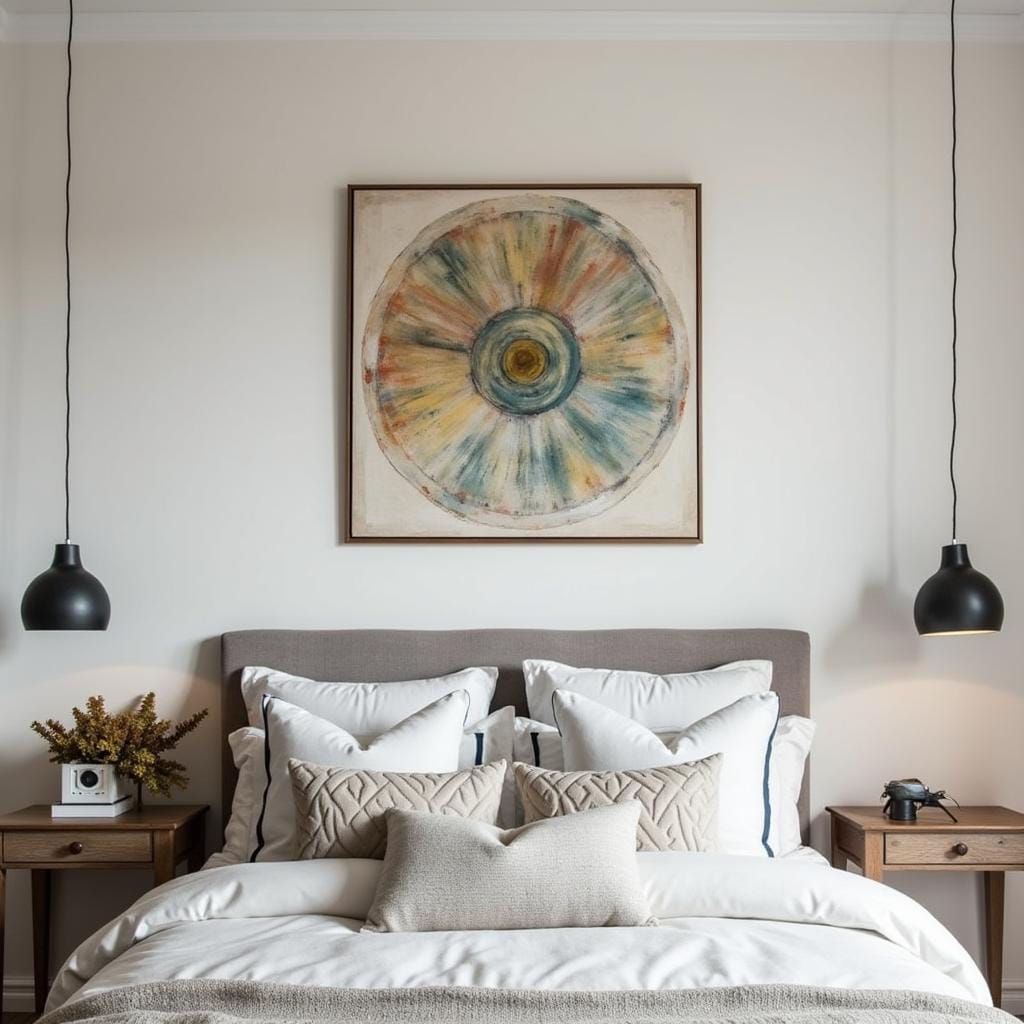
Wall art can set the tone for your entire room. Choose pieces that reflect your personality or match your new color scheme. A gallery wall can add a touch of sophistication to your space.

Pro Tips:
- Start by sketching out a few potential layouts on paper or using a free online room planner.
- Measure your furniture and your room’s dimensions before you start moving things.
- Use furniture sliders under the legs of heavy items to make them easy to move and prevent scratching your floors.
- The first thing to place is your bed, as it’s the focal point. The wall opposite the door is often the best spot.
- Ensure there’s a clear, comfortable pathway to walk through the room—at least 24-30 inches wide.
- Check that you can easily open all closet doors, room doors, and dresser drawers in the new layout.
- Consider the location of electrical outlets for your lamps, alarm clock, and phone charger.
- If you can, try to position your bed so you have a pleasant view when you wake up.
- Don’t push all your furniture against the walls; even pulling a dresser out a few inches can make a room feel less boxy.
- Take a photo of your old layout before you start, just in case you want to go back.
Style Tips:
- Creating a symmetrical layout, with matching nightstands and lamps on either side of the bed, gives a formal, balanced feel.
- An asymmetrical layout, with different nightstands or lighting, can feel more relaxed and modern.
- Place a bench or a pair of small stools at the foot of the bed to anchor it and provide a spot to sit.
- Angle a comfortable chair in a corner to create a cozy reading nook.
- If you have a desk in your room, try to place it near a window for natural light.
- In a large room, you can “float” the bed away from the wall to create a more dynamic space.
- Use a dresser as a room divider to create a separate dressing area in a long room.
- A round nightstand can soften the look in a room with a lot of rectangular furniture.
- Try placing your bed diagonally in a corner for an unconventional and dramatic look (best in larger rooms).
- Even a small shift, like moving your dresser to a different wall, can make the room feel entirely new.
6. Install New Lighting Fixtures
Lighting has a big impact on the ambiance of your bedroom. Consider replacing old light fixtures with something modern and sleek, or add a few stylish lamps to create a warm, inviting glow.

Pro Tips:
- Get the size right. In a bedroom, the rug should be large enough to extend at least 18-24 inches on either side of the bed, giving you a soft place to land your feet.
- An alternative for a king or queen bed is to have the rug only under the bottom two-thirds of the bed and the bench.
- Always use a rug pad. It prevents slipping, adds extra cushion, and protects your floor and the rug.
- For high-traffic areas, choose a low-pile, durable material like wool or a synthetic blend.
- If you have pets or kids, look for rugs that are specifically marketed as stain-resistant and easy to clean.
- Vacuum your rug regularly (without the beater bar for delicate rugs) to keep it looking its best.
- When a new rug arrives, roll it out and let it air out for a day or two to dissipate any new-smell odors.
- To flatten curled corners, you can use rug tape or place a heavy book on them for a day.
- You can also place two smaller runners on either side of the bed instead of one large rug.
- Consider the pile height; a high-pile or shag rug feels luxurious but can be harder to keep clean.
Style Tips:
- A rug is a great way to anchor your furniture and define the sleeping area in your room.
- Use your rug to introduce a new color or pattern. Pull accent colors from the rug for your pillows and throws.
- For a calming, serene look, choose a rug in a solid neutral color with a subtle texture.
- Layering a smaller, patterned rug (like a faux cowhide) over a larger, neutral rug (like jute) adds dimension and personality.
- A vintage Persian or Turkish-style rug adds a sense of history and character to any bedroom, from modern to traditional.
- A plush, high-pile shag rug is perfect for creating a cozy, luxurious, or bohemian vibe.
- Geometric-patterned rugs work well in modern and mid-century modern spaces.
- Natural fiber rugs, like jute or sisal, bring an organic, earthy texture that’s perfect for coastal or rustic rooms.
- Let the rug be the star of the show by keeping the rest of the decor relatively simple.
- A round rug can be an unexpected and fun choice, especially in a smaller or square-shaped room.
7. Incorporate Plants
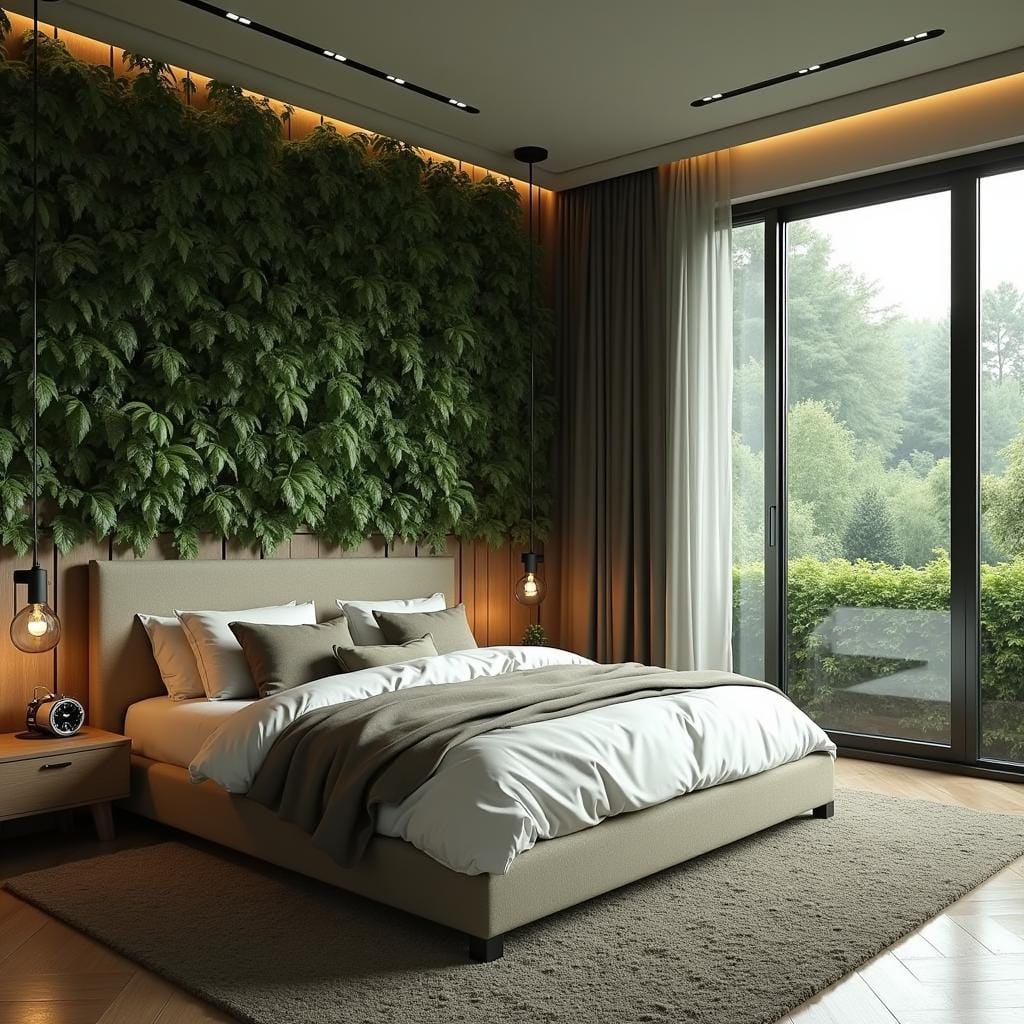
Adding greenery to your bedroom can make the space feel more vibrant and fresh. Easy-to-care-for plants like succulents, pothos, or snake plants are perfect for adding some life to the room.

Pro Tips:
- Choose plants that match your room’s light conditions. Snake plants and ZZ plants are great low-light options.
- Many popular plants are toxic to pets, so check the ASPCA’s list if you have furry friends.
- The most common mistake is overwatering. Check if the top inch or two of soil is dry before watering again.
- Ensure your pots have drainage holes at the bottom to prevent root rot.
- Wipe down the leaves with a damp cloth every few weeks to remove dust and help the plant breathe.
- For a no-fuss option, choose high-quality faux plants. The best ones are incredibly realistic.
- Rotate your plants every week or two so that all sides get equal light exposure.
- Group plants together to increase humidity, which helps them thrive.
- A self-watering planter can be a lifesaver if you’re a forgetful plant parent.
- Air-purifying plants like spider plants or peace lilies can help improve the air quality while you sleep.
Style Tips:
- A tall floor plant, like a fiddle-leaf fig or a monstera, makes a dramatic statement in an empty corner.
- Use plant stands to create varying heights and a more dynamic arrangement.
- Trailing plants like pothos or string of pearls look beautiful cascading from a high shelf or a hanging planter.
- Hanging planters are a perfect way to add greenery without taking up any floor or surface space.
- The pot is part of the decor. Choose planters that match your style—ceramic for modern, terracotta for boho, or metallic for glam.
- A collection of small succulents or cacti on a windowsill adds a touch of green.
- Place a small, simple plant on your nightstand or dresser.
- Use a plant to add a pop of natural color to a neutral room.
- A minimalist room benefits from the simple, sculptural lines of a snake plant.
- A large, leafy plant can help to soften the hard edges of modern furniture.
8. Rearrange Your Furniture
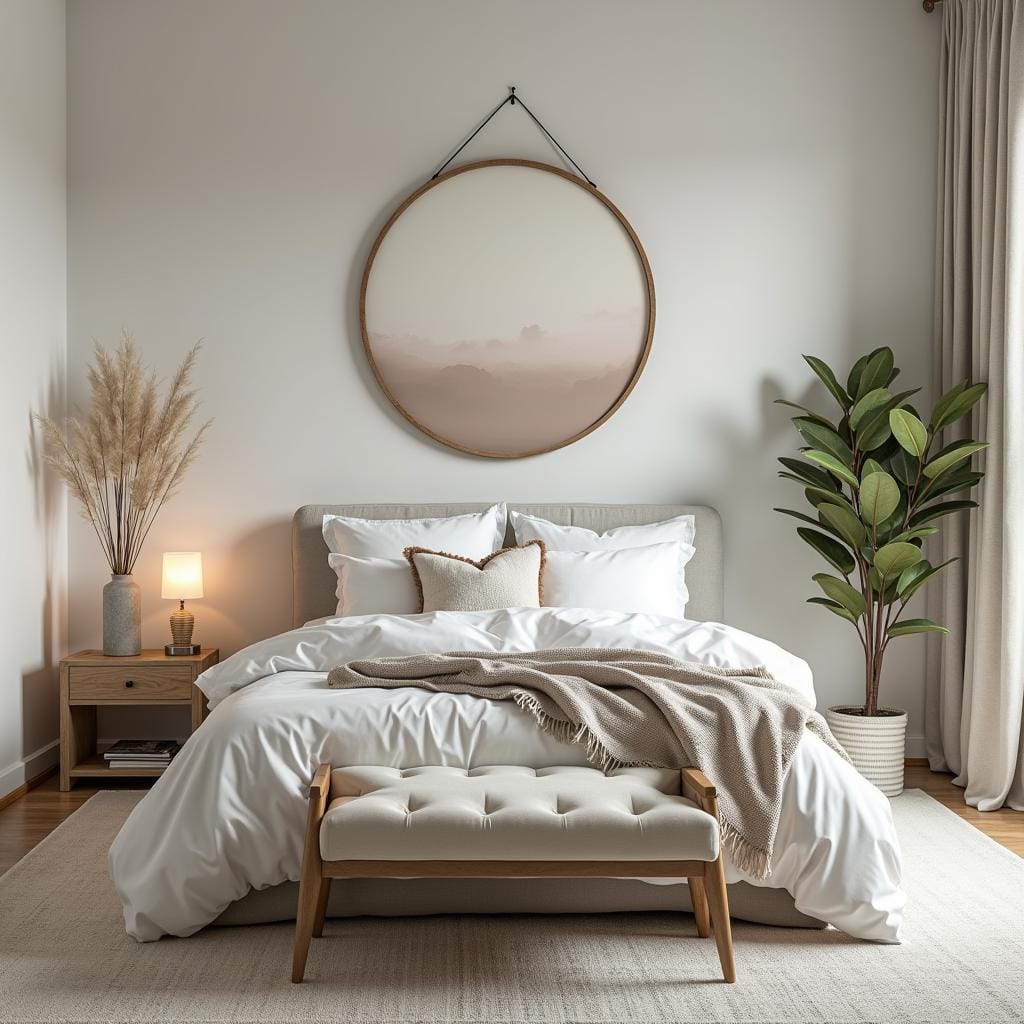
A simple reconfiguration of your furniture can completely change the flow of your room. Experiment with different layouts to create more space or improve functionality.
Pro Tips:
- Start by sketching out a few potential layouts on paper or using a free online room planner.
- Measure your furniture and your room’s dimensions before you start moving things.
- Use furniture sliders under the legs of heavy items to make them easy to move and prevent scratching your floors.
- The first thing to place is your bed, as it’s the focal point. The wall opposite the door is often the best spot.
- Ensure there’s a clear, comfortable pathway to walk through the room—at least 24-30 inches wide.
- Check that you can easily open all closet doors, room doors, and dresser drawers in the new layout.
- Consider the location of electrical outlets for your lamps, alarm clock, and phone charger.
- If you can, try to position your bed so you have a pleasant view when you wake up.
- Don’t push all your furniture against the walls; even pulling a dresser out a few inches can make a room feel less boxy.
- Take a photo of your old layout before you start, just in case you want to go back.
Style Tips:
- Creating a symmetrical layout, with matching nightstands and lamps on either side of the bed, gives a formal, balanced feel.
- An asymmetrical layout, with different nightstands or lighting, can feel more relaxed and modern.
- Place a bench or a pair of small stools at the foot of the bed to anchor it and provide a spot to sit.
- Angle a comfortable chair in a corner to create a cozy reading nook.
- If you have a desk in your room, try to place it near a window for natural light.
- In a large room, you can “float” the bed away from the wall to create a more dynamic space.
- Use a dresser as a room divider to create a separate dressing area in a long room.
- A round nightstand can soften the look in a room with a lot of rectangular furniture.
- Try placing your bed diagonally in a corner for an unconventional and dramatic look (best in larger rooms).
- Even a small shift, like moving your dresser to a different wall, can make the room feel entirely new.
9. Add a New Rug
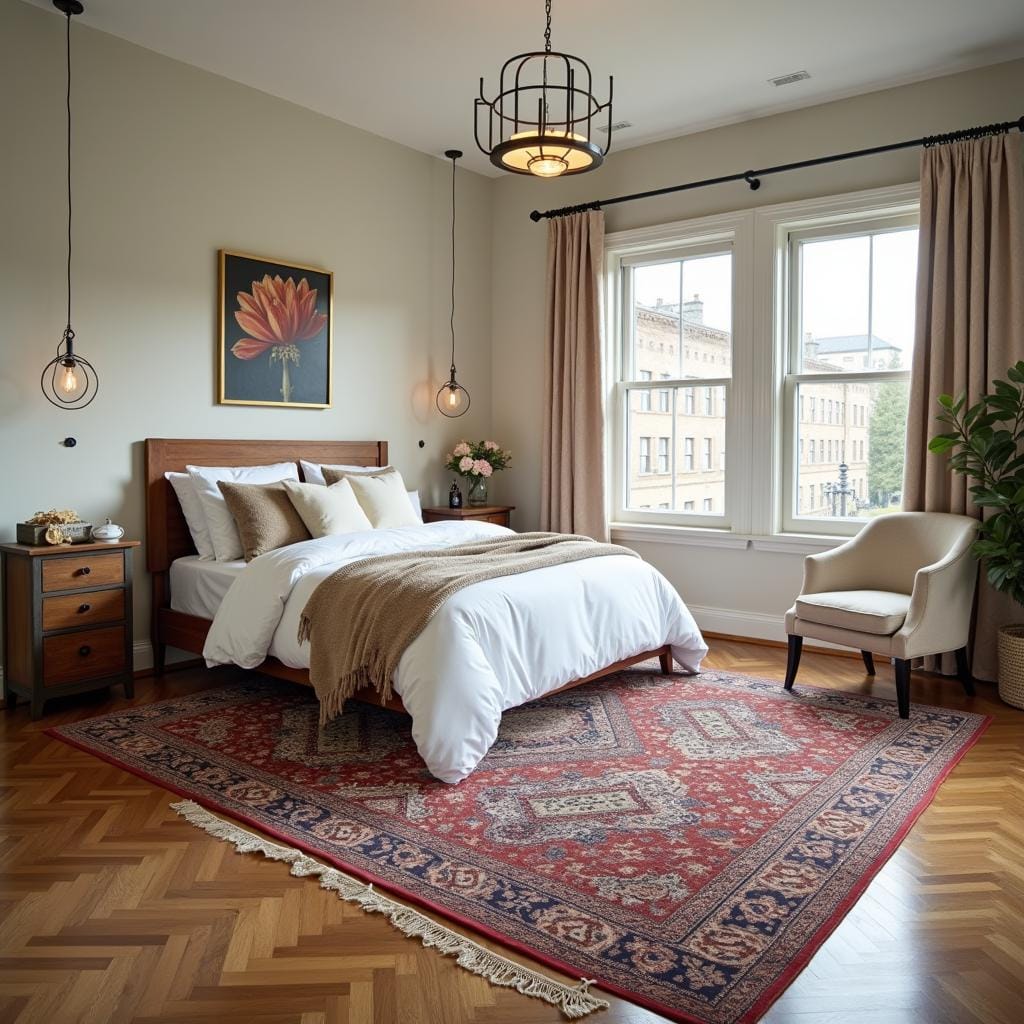
A beautiful rug can add warmth and color to your bedroom. Choose one that complements your existing furniture and color scheme, and make sure it’s soft underfoot.

Pro Tips:
- Get the size right. In a bedroom, the rug should be large enough to extend at least 18-24 inches on either side of the bed, giving you a soft place to land your feet.
- An alternative for a king or queen bed is to have the rug only under the bottom two-thirds of the bed and the bench.
- Always use a rug pad. It prevents slipping, adds extra cushion, and protects your floor and the rug.
- For high-traffic areas, choose a low-pile, durable material like wool or a synthetic blend.
- If you have pets or kids, look for rugs that are specifically marketed as stain-resistant and easy to clean.
- Vacuum your rug regularly (without the beater bar for delicate rugs) to keep it looking its best.
- When a new rug arrives, roll it out and let it air out for a day or two to dissipate any new-smell odors.
- To flatten curled corners, you can use rug tape or place a heavy book on them for a day.
- You can also place two smaller runners on either side of the bed instead of one large rug.
- Consider the pile height; a high-pile or shag rug feels luxurious but can be harder to keep clean.
Style Tips:
- A rug is a great way to anchor your furniture and define the sleeping area in your room.
- Use your rug to introduce a new color or pattern. Pull accent colors from the rug for your pillows and throws.
- For a calming, serene look, choose a rug in a solid neutral color with a subtle texture.
- Layering a smaller, patterned rug (like a faux cowhide) over a larger, neutral rug (like jute) adds dimension and personality.
- A vintage Persian or Turkish-style rug adds a sense of history and character to any bedroom, from modern to traditional.
- A plush, high-pile shag rug is perfect for creating a cozy, luxurious, or bohemian vibe.
- Geometric-patterned rugs work well in modern and mid-century modern spaces.
- Natural fiber rugs, like jute or sisal, bring an organic, earthy texture that’s perfect for coastal or rustic rooms.
- Let the rug be the star of the show by keeping the rest of the decor relatively simple.
- A round rug can be an unexpected and fun choice, especially in a smaller or square-shaped room.
10. Update Your Window Treatments
Swap out heavy curtains for light, airy ones to let in more natural light. Alternatively, consider adding stylish blinds or shades to control light and privacy.


Pro Tips:
- Hang curtains high and wide. Mount the curtain rod 4-6 inches above the window frame and extend it 6-10 inches on either side to make the window appear larger and let in more light.
- For optimal sleep, choose blackout curtains or blinds, or layer sheer curtains over a blackout shade.
- Make sure your curtains are the right length. They should either just skim the floor or puddle slightly for a more dramatic look.
- Layering window treatments gives you the most flexibility. Combine functional blinds for privacy with decorative curtain panels for softness and style.
- Measure your windows carefully before buying anything. Measure the width and the height from where you’ll mount the rod to the floor.
- For safety in homes with children or pets, choose cordless blinds or shades.
- Read the cleaning instructions; some curtains are machine washable, while others are dry-clean only.
- A double curtain rod allows you to easily hang two layers of curtains, like sheers and blackout panels.
- Don’t forget the hardware. The curtain rod, rings, and finials are part of the overall look.
- When in doubt, it’s always better for curtains to be too long than too short.
Style Tips:
- Light, airy linen or sheer cotton curtains create a relaxed, breezy, and bright atmosphere.
- Rich velvet curtains in a deep color add a sense of drama, luxury, and sophistication.
- Roman shades offer a clean, tailored look that is more structured than curtains.
- Woven wood or bamboo shades are perfect for adding natural texture and warmth to a room.
- Choose patterned curtains to make a bold statement, especially if your walls and bedding are solid colors.
- For a seamless, high-end look, match the color of your curtains to your wall color.
- Decorative tie-backs can be used to pull curtains aside in a formal, traditional style.
- Choose a curtain rod finish that complements other metals in your room, like your lamps or bed frame.
- A simple, clean-lined roller shade is a great minimalist option for light control.
- Puddling your curtains on the floor (letting them have an extra 1-3 inches of length) creates a romantic, elegant feel.
11. Declutter Your Space
A clutter-free bedroom is essential for relaxation. Take time to declutter by donating or tossing items you no longer need. A clean space always feels more refreshing.

Pro Tips:
- Start small. Tackle one area at a time, like your nightstand or a single dresser drawer, to avoid feeling overwhelmed.
- Use the four-box method: have boxes or bags labeled “Keep,” “Donate,” “Trash,” and “Relocate.”
- Follow the “one in, one out” rule. Every time you bring a new item into the room, an old one has to go.
- Maximize your storage by using drawer dividers, closet organizers, and under-bed storage containers.
- Be ruthless. Ask yourself: “Do I love it? Do I use it? Does it make me happy?” If the answer is no, let it go.
- Find a permanent “home” for every single item you decide to keep. Clutter happens when things don’t have a designated spot.
- The “landing strip”—a small tray or bowl on your dresser—is a great place to drop keys, loose change, and other pocket contents.
- Digitize sentimental clutter like old photos, letters, and children’s artwork to save space.
- Make decluttering a regular habit, not a once-a-year marathon. Spend 15 minutes each weekend tidying up.
- For clothes, use the “hanger trick”: turn all your hangers one way, and after you wear an item, turn its hanger the other way. After six months, donate anything you haven’t worn.
Style Tips:
- Adopt a “clear surfaces” policy. Keep your nightstand and dresser tops as empty as possible, with only a few essential or beautiful items on display.
- Use stylish storage. Woven baskets, decorative boxes, and lidded containers can hide clutter while adding to your decor.
- Invest in furniture with hidden storage, like a storage ottoman, a bed with drawers, or a deep dresser.
- Use trays to corral smaller items like perfume, jewelry, or skincare on your dresser, making them look organized and intentional.
- A minimalist approach focuses on quality over quantity. A few well-chosen, beautiful items have more impact than a lot of clutter.
- Open shelving should be styled, not stuffed. Leave “breathing room” around your displayed items.
- A streamlined color palette can make a room feel less visually cluttered.
- Choose furniture that is the right scale for your room; oversized pieces can make a space feel cramped.
- Hide wires and cables using cord concealers or by bundling them neatly behind furniture.
- A clutter-free space allows the key design elements of your room to truly shine.
12. Add a Headboard
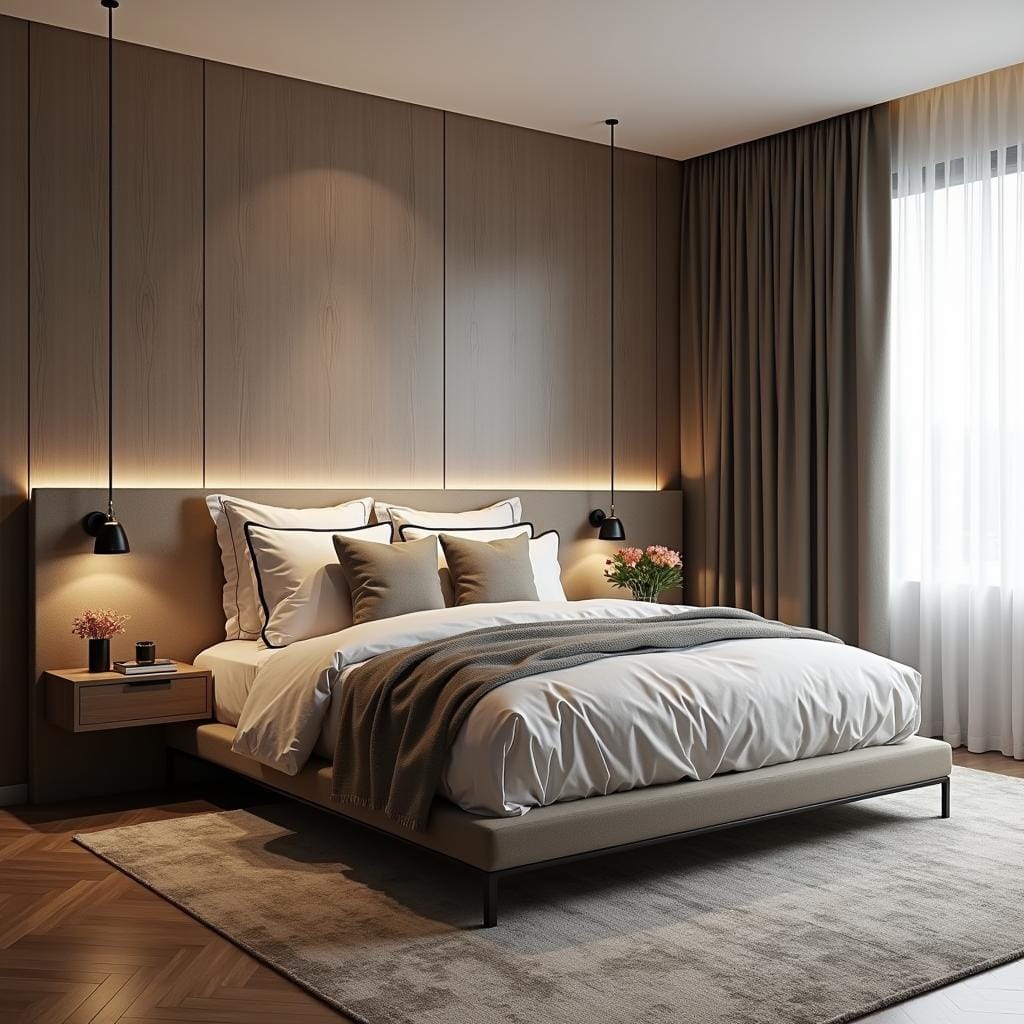
A new headboard can dramatically change the look of your bed and the overall aesthetic of your room. Whether you go for a plush fabric one or a wooden statement piece, it adds character and structure to your bed.

Pro Tips:
- Measure your bed frame and mattress width carefully before purchasing a headboard.
- Decide between a frame-mounted or wall-mounted headboard. Wall-mounted options can offer more stability and style choices.
- Consider the height. A taller headboard makes a more dramatic statement, but ensure it fits proportionally with your ceiling height.
- Upholstered headboards are comfortable to lean against but may require more cleaning than wood or metal.
- You can easily DIY a headboard by upholstering a piece of plywood or painting a design directly on the wall.
- Check for stability after installation; a wobbly headboard can be annoying and noisy.
- If your bed is in front of a window, a low-profile or open-frame headboard will obstruct less light.
- Before buying, think about how you use your bed. If you read or watch TV in bed, a comfortable, padded headboard is a must.
- Place felt pads on the back of the headboard to prevent it from scuffing or damaging the wall.
- Ensure the headboard doesn’t block any necessary electrical outlets.
Style Tips:
- A deeply tufted, upholstered headboard in a fabric like velvet or linen adds a touch of luxury and classic elegance.
- A rustic, reclaimed wood headboard is perfect for a farmhouse, industrial, or coastal-style room.
- A simple, black metal frame headboard can lend a vintage, minimalist, or industrial feel.
- Rattan or cane headboards are on-trend and are the perfect centerpiece for a bohemian or tropical-inspired bedroom.
- A tall, wingback-style headboard creates a cozy, enveloping nook for sleeping.
- For a minimalist look, a simple, low-profile wooden or upholstered headboard is ideal.
- Use the headboard to introduce a bold color or pattern into an otherwise neutral room.
- A DIY headboard painted as an arch or rectangle on the wall is a creative and budget-friendly option.
- A channel-tufted headboard offers a slightly more modern, Art Deco-inspired alternative to traditional button tufting.
- A live-edge wood slab headboard makes a stunning, one-of-a-kind natural statement.
13. Use Mirrors to Create Light
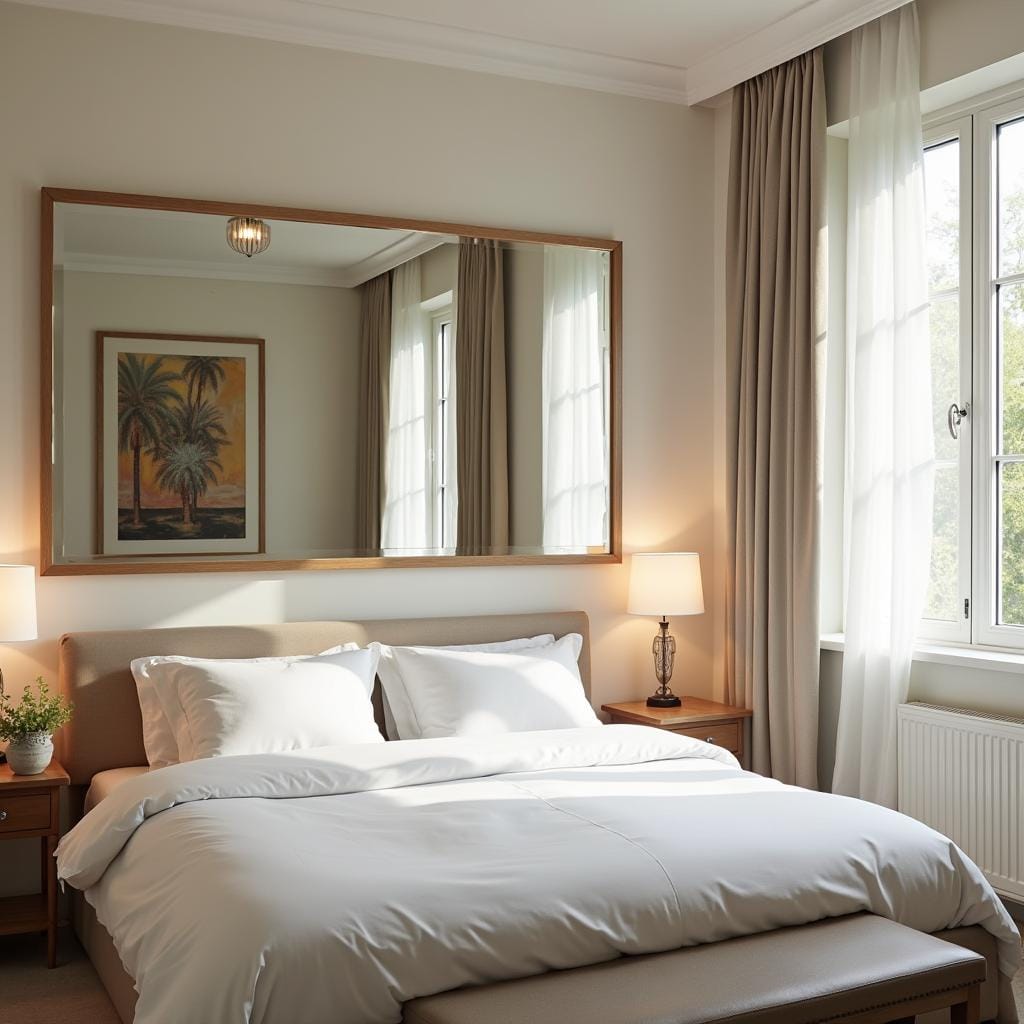
Mirrors can help reflect natural light and make the room feel larger. Add a large statement mirror or smaller decorative ones around the room to enhance the brightness.

Pro Tips:
- Place a large mirror on the wall directly opposite a window to maximize its light-reflecting power.
- To make a room feel taller, use a tall, full-length floor mirror.
- Always be mindful of what your mirror is reflecting. Position it to reflect a beautiful view, a piece of art, or a tidy corner.
- Use proper, heavy-duty hardware to hang heavy mirrors securely.
- Clean mirrors with a microfiber cloth and a solution of vinegar and water for a streak-free shine.
- Avoid placing a mirror directly facing your bed if the reflection might disturb your sleep (a common feng shui guideline).
- Create a gallery wall of smaller, decorative mirrors for an artistic, eclectic look.
- A mirror with a built-in shelf can be a functional and stylish addition to an entryway or small bedroom.
- Check the reflection from different angles in the room before you commit to hanging it.
- Leaning a large floor mirror against the wall is a great option for renters as it requires no holes.
Style Tips:
- An oversized mirror with an ornate, gilded frame can be a glamorous focal point in a traditional or Parisian-style room.
- A simple, thin-framed round or rectangular mirror works perfectly in a modern or minimalist space.
- A sunburst or starburst mirror hung above the bed or a dresser adds a touch of mid-century modern flair.
- Mirrored furniture, like nightstands or a dresser, can add a touch of glam and light without being overwhelming.
- A windowpane-style mirror can create the illusion of an extra window in the room.
- Group a collection of small, vintage mirrors for a unique, charming display.
- A simple, frameless mirror offers the sleekest, most unobtrusive look.
- A floor mirror with a rustic wood frame is a great fit for a farmhouse or coastal-style room.
- Placing a lamp in front of a mirror will double its soft, ambient glow in the evenings.
- A mirror with an interesting shape, like an arch or an octagon, can act as a piece of wall art.
14. Change Your Nightstand
A new nightstand or a coat of fresh paint on your current one can breathe new life into your bedroom. Try incorporating stylish storage options to keep your space organized.

Pro Tips:
- The ideal nightstand height is level with or slightly below the top of your mattress for easy access.
- If you’re painting your current nightstand, be sure to properly sand, prime, and seal it for a durable finish.
- Consider your storage needs. Do you need open shelves for books, or drawers to hide clutter?
- Updating the hardware (knobs or pulls) is a super easy and affordable way to completely change the look of a nightstand.
- For a coordinated look, your nightstands should have at least one element in common (like color or material), even if they don’t match perfectly.
- Leave enough surface space for essentials: a lamp, a glass of water, your phone, and a book.
- Use drawer organizers to keep the inside of your nightstand tidy and functional.
- Think outside the box: a stack of vintage suitcases, a small stool, or a floating shelf can all work as unique nightstands.
- For small spaces, a narrow C-table can slide over the edge of the bed to save floor space.
- Ensure the nightstand’s scale is appropriate for your bed; a tiny nightstand can look lost next to a large, heavy bed.
Style Tips:
- Floating nightstands create a clean, modern, and airy look, and make it easier to vacuum underneath.
- Using mismatched nightstands is a trendy way to create a more curated, eclectic, and less “matchy-matchy” feel.
- Mirrored nightstands add a touch of glamour and help bounce light around the room.
- A nightstand with natural wood tones can bring warmth to a cool-toned or minimalist room.
- For a small room, a nightstand with legs (rather than a solid block) feels lighter and less bulky.
- Using a small dresser or a bachelor’s chest as a nightstand provides ample storage.
- A round nightstand can soften all the straight lines and right angles in a typical bedroom.
- Choose a nightstand in a bold color to act as a fun accent piece.
- A nightstand with cane or rattan details is perfect for a bohemian or coastal vibe.
- A sleek, high-gloss nightstand adds a contemporary, polished feel.
15. Install Floating Shelves
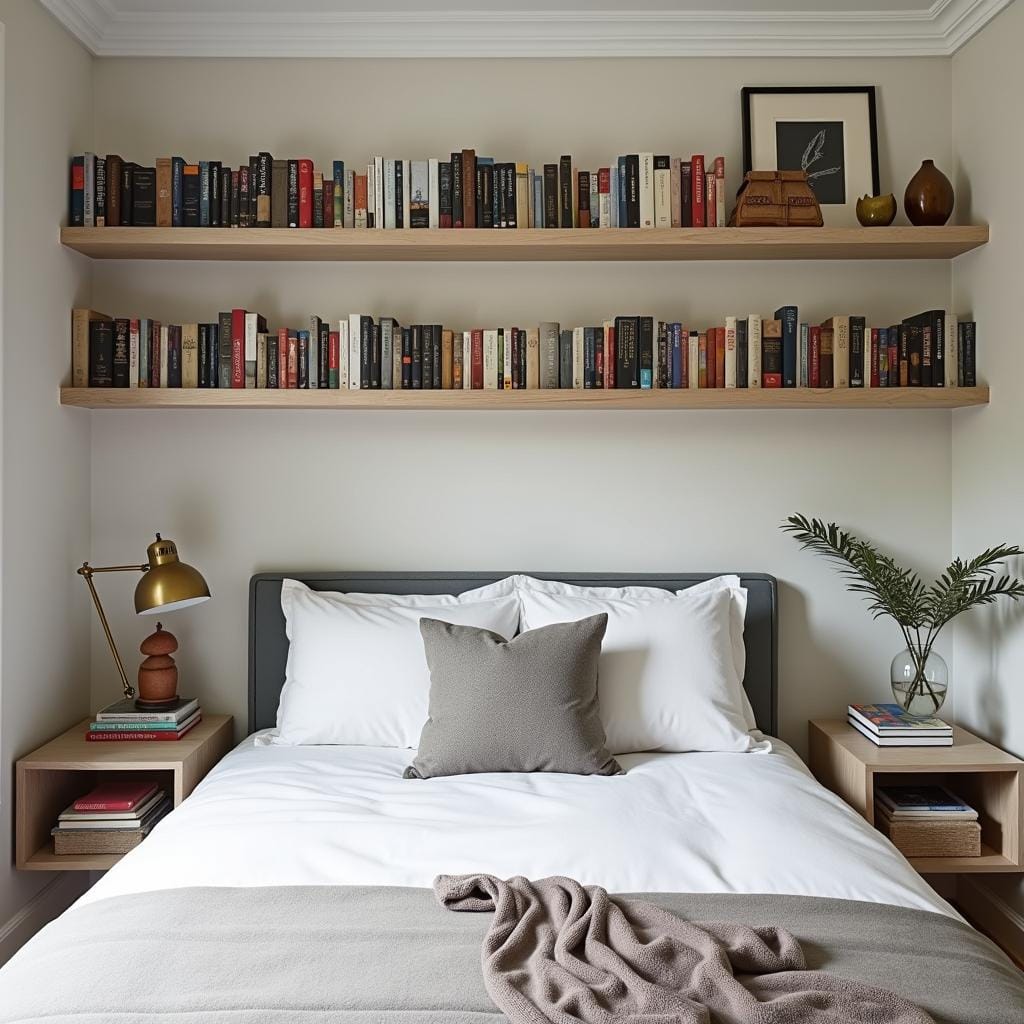
Floating shelves are a great way to add both function and style. Use them to display books, plants, or personal photos without taking up floor space.


Pro Tips:
- For maximum stability, install floating shelves directly into wall studs. Use drywall anchors if studs aren’t available.
- A laser level is your best friend for ensuring your shelves are perfectly straight and aligned.
- Don’t overload your shelves. Check the weight capacity and be mindful of what you place on them.
- Consider the shelf’s depth. A shallow picture ledge is great for frames, while a deeper shelf is needed for books or larger objects.
- Floating shelves are a fantastic solution for small or awkward spaces, like a narrow wall or a corner.
- To create a built-in look, install shelves wall-to-wall in an alcove.
- Use them as a space-saving alternative to a traditional, bulky nightstand in a small bedroom.
- Install shelves high up on a wall to draw the eye upward and make the room feel taller.
- Before you drill, use painter’s tape to mark out the placement on the wall to visualize the final look.
- For a cohesive look, choose a shelf finish that matches other wood or metal tones in the room.
Style Tips:
- Style your shelves using the “rule of threes”—grouping items in odd numbers is more visually appealing.
- Vary the height, shape, and texture of the objects you display. Mix books, plants, vases, and framed art.
- Create a “visual triangle” by placing items of a similar color or shape at different points to guide the eye.
- Leave some “negative space” or empty areas on the shelves. This breathing room is key to avoiding a cluttered look.
- Lean smaller framed art against the wall instead of hanging it for a casual, layered effect.
- Stack books both vertically and horizontally for more visual interest.
- Stick to a consistent color palette for your displayed items to create a curated, intentional look.
- A single, long picture ledge mounted above the bed is a great place to display a rotating collection of art.
- Use them to display a collection, like vintage cameras, pottery, or perfume bottles.
- In a minimalist room, display only a few carefully chosen, beautiful objects.
16. Introduce Soft Lighting
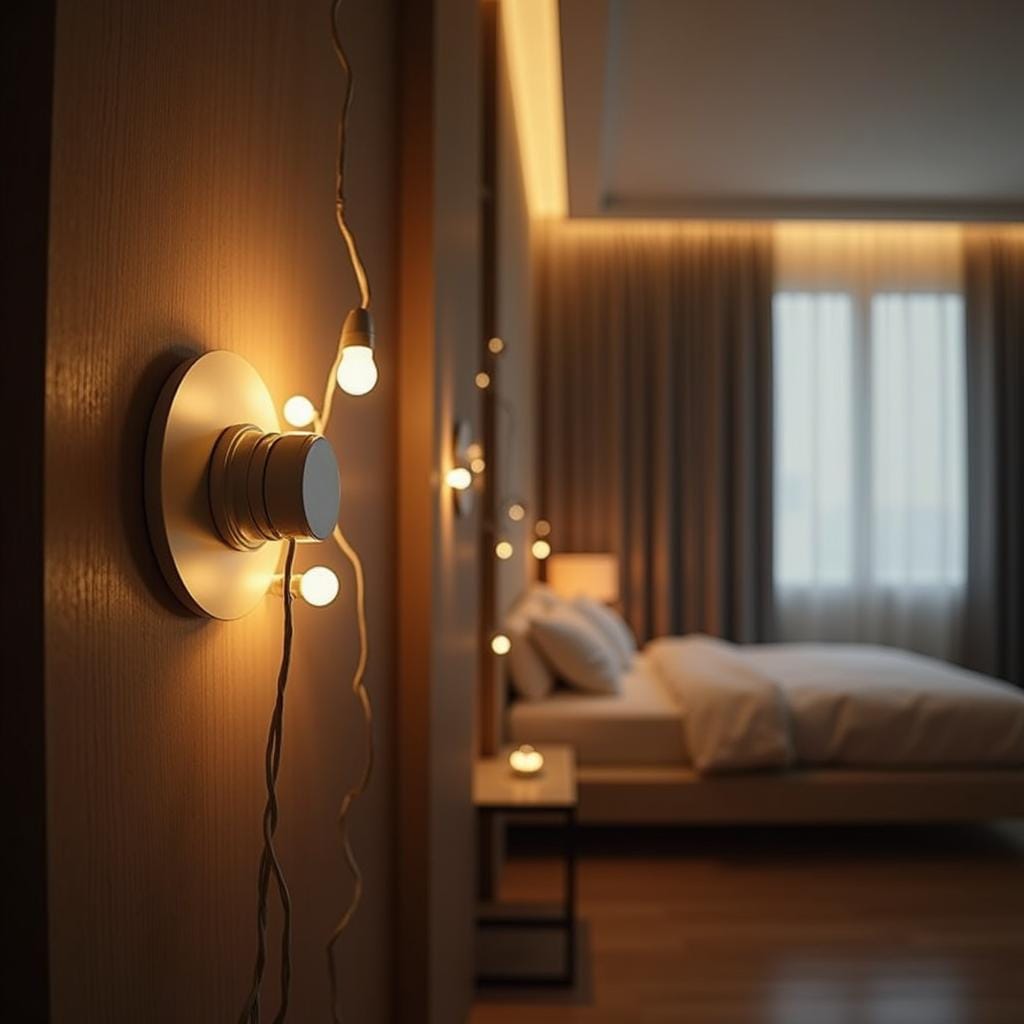
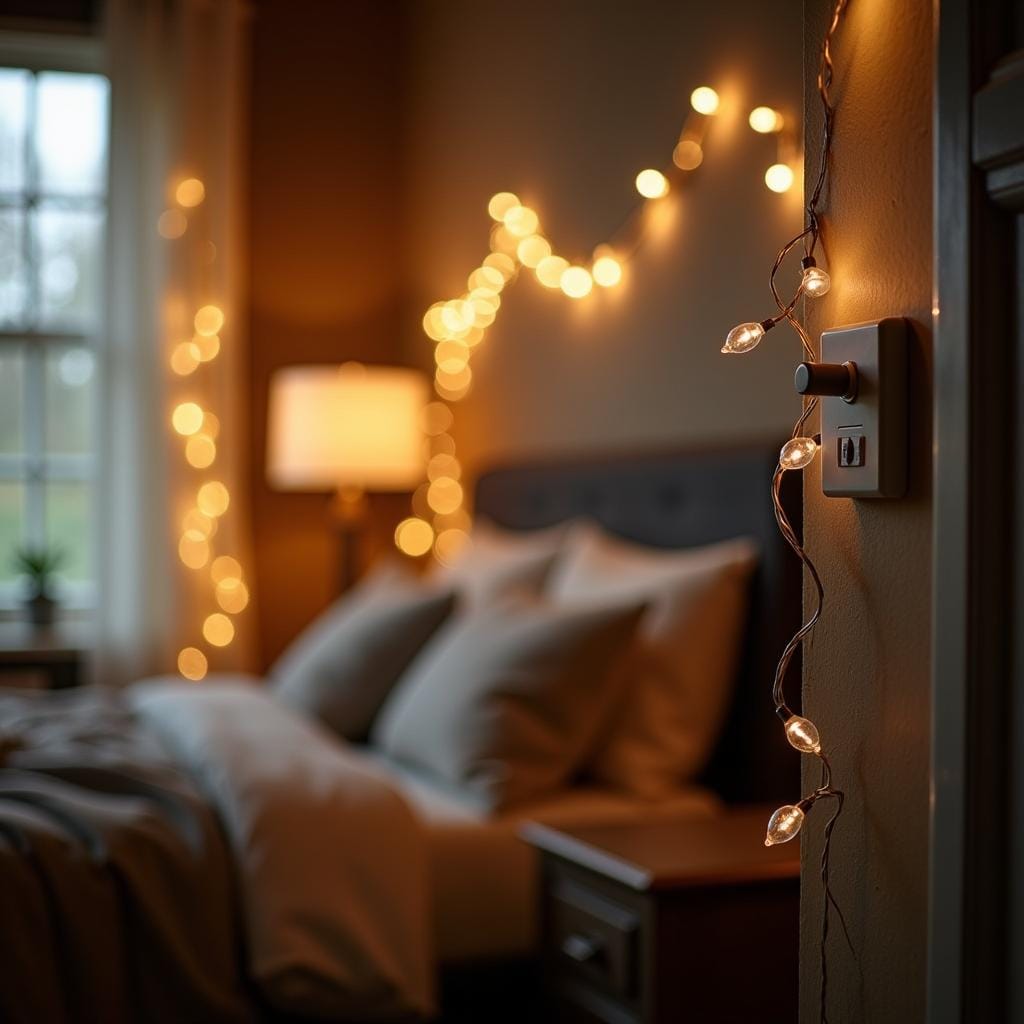
Dimmer switches or string lights can add a soft, romantic atmosphere to your bedroom. Consider adding wall sconces or floor lamps with soft, warm bulbs for a cozy vibe.

Pro Tips:
- Use bulbs with a “warm white” color temperature (2700K-3000K) for a cozy, flattering glow.
- Installing dimmer switches is a non-negotiable for creating a truly relaxing bedroom atmosphere.
- Use multiple sources of light. Don’t rely on just one overhead fixture. Layer in table lamps, floor lamps, and sconces.
- Place lights strategically. A floor lamp can brighten a dark corner, while a table lamp provides task lighting on a dresser.
- Smart plugs can turn any lamp into a “smart” lamp, allowing you to control it with your voice or phone.
- Hide lamp cords for a cleaner look using cord concealers or by routing them behind furniture.
- The bottom of a lampshade on your nightstand should be at about chin level when you’re sitting up in bed to avoid glare.
- For reading in bed, a lamp with an adjustable arm is ideal.
- A lampshade’s color will affect the light; a white or off-white shade provides bright, clean light, while a darker shade creates a moodier glow.
- Consider the wattage. You don’t need super bright bulbs in your bedroom lamps; lower wattage is often better for ambiance.
Style Tips:
- Drape string lights or “fairy lights” behind a sheer curtain or around a headboard for a magical, whimsical feel.
- A Himalayan salt lamp casts a warm, soothing pinkish-orange glow that is perfect for winding down.
- Place an uplight on the floor behind a large plant or a piece of furniture to create a soft, dramatic ambient light.
- Wall sconces on either side of the bed create a sophisticated, hotel-chic look and free up nightstand space.
- A sculptural floor lamp can act as a piece of art while also providing light.
- Use lamps with stylish bases or shades that tie into your room’s decor theme.
- Battery-operated flameless candles can provide a safe, flickering, romantic glow.
- A paper lantern-style lamp provides a very soft, diffused light that is great for a calm atmosphere.
- In a glam bedroom, a lamp with a crystal or metallic base can add a touch of sparkle.
- A dimmer cord can be added to any lamp to give you control over its brightness.
17. Add Personal Touches
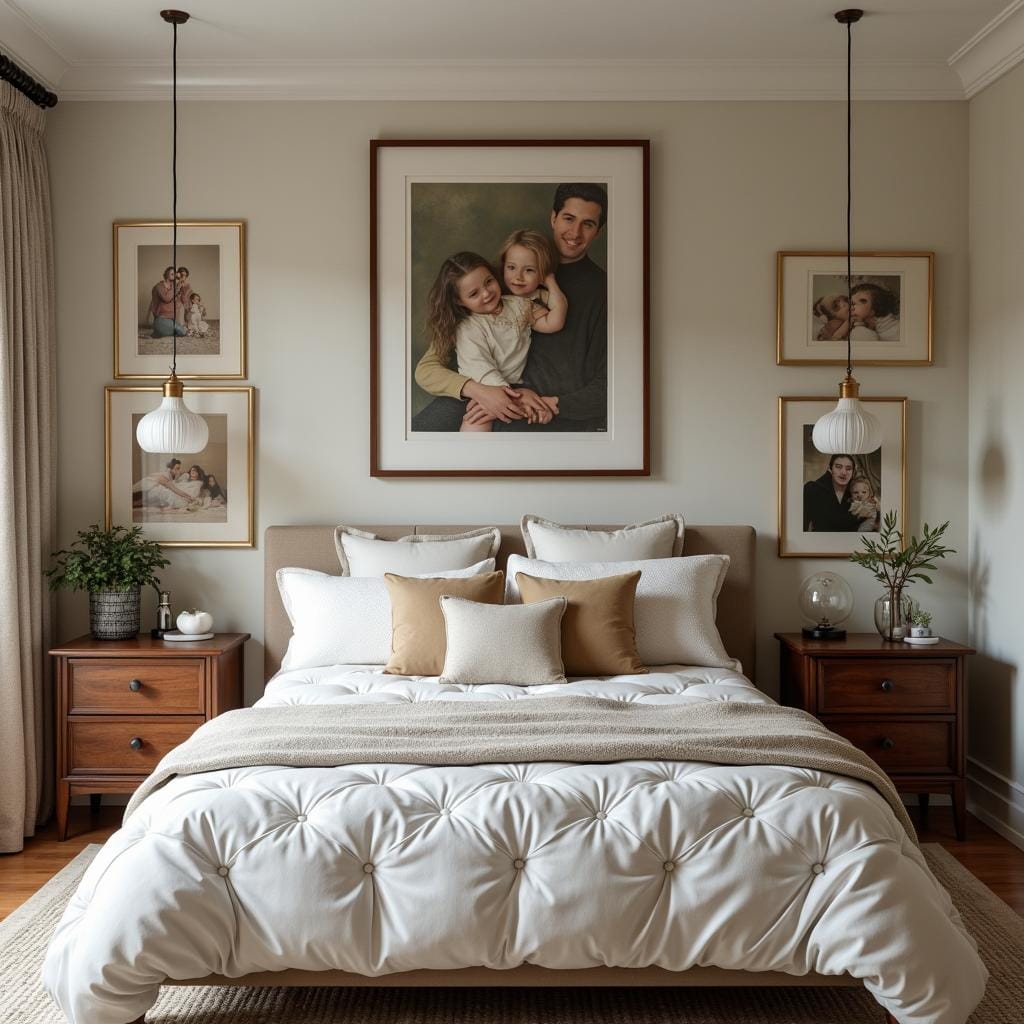
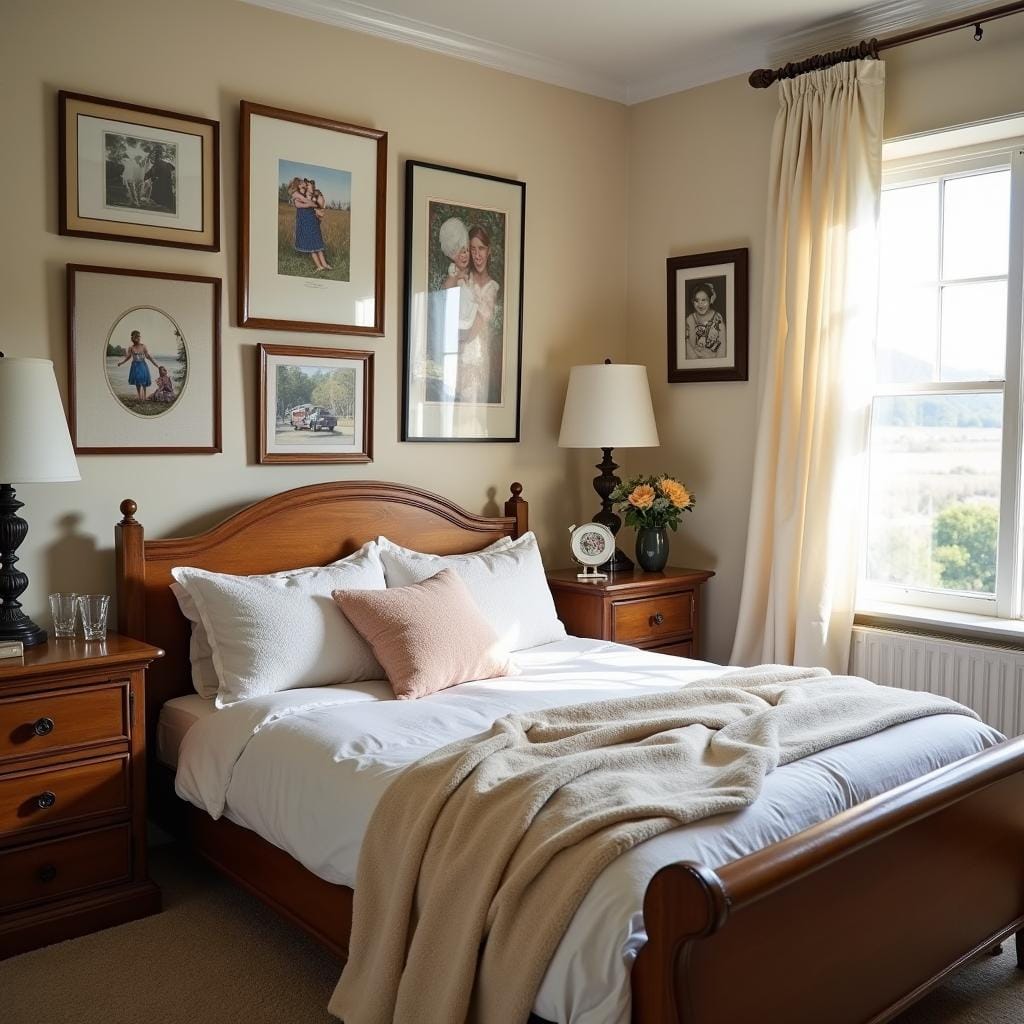
Display items that are meaningful to you, such as family photos, cherished trinkets, or your favorite books. These personal touches make your bedroom feel truly yours.

Pro Tips:
- Curate, don’t clutter. Choose a few of your most meaningful items to display rather than putting everything out at once.
- Create a dedicated display area, like a specific shelf, a picture ledge, or a tray on your dresser.
- Group items together. A collection of similar objects looks more intentional than single items scattered around.
- Rotate your personal items seasonally or whenever you want a change to keep the room feeling fresh.
- Frame your photos. Using frames that are all the same color or material can create a cohesive look for a gallery wall.
- Think about the story you want to tell. Arrange items in a way that reflects your journey, your family, or your passions.
- Keep displayed items clean and dusted to show you care for them.
- Mix old and new. Pair a modern vase with a vintage photo or a family heirloom.
- Don’t forget about scent. A favorite candle or a reed diffuser can be a powerful personal touch.
- Your bookshelf is a great place to display personal items; tuck small objects in between stacks of books.
Style Tips:
- A gallery wall of family photos in black and white creates a timeless, cohesive display.
- Display a cherished piece of clothing, like a vintage scarf or a baby’s christening gown, in a shadow box.
- Use a beautiful tray on your dresser or nightstand to corral perfume bottles, jewelry, and other small personal items into a stylish vignette.
- A stack of beautiful, hardcover coffee table books can add color, height, and personality.
- Display a collection, like vintage cameras, sea glass in a jar, or unique pottery.
- Frame something unexpected and sentimental, like an old ticket stub, a handwritten letter, or a favorite recipe card.
- An instrument you play, like a guitar, can be mounted on the wall as both a personal item and a piece of art.
- Showcase your hobbies by displaying handmade pottery, a beautiful quilt, or your painting supplies.
- A beautiful jewelry box or a stand with your favorite pieces on display adds a personal and functional touch.
- Use your favorite mug as a pencil holder or a small planter.
18. Create a Reading Nook
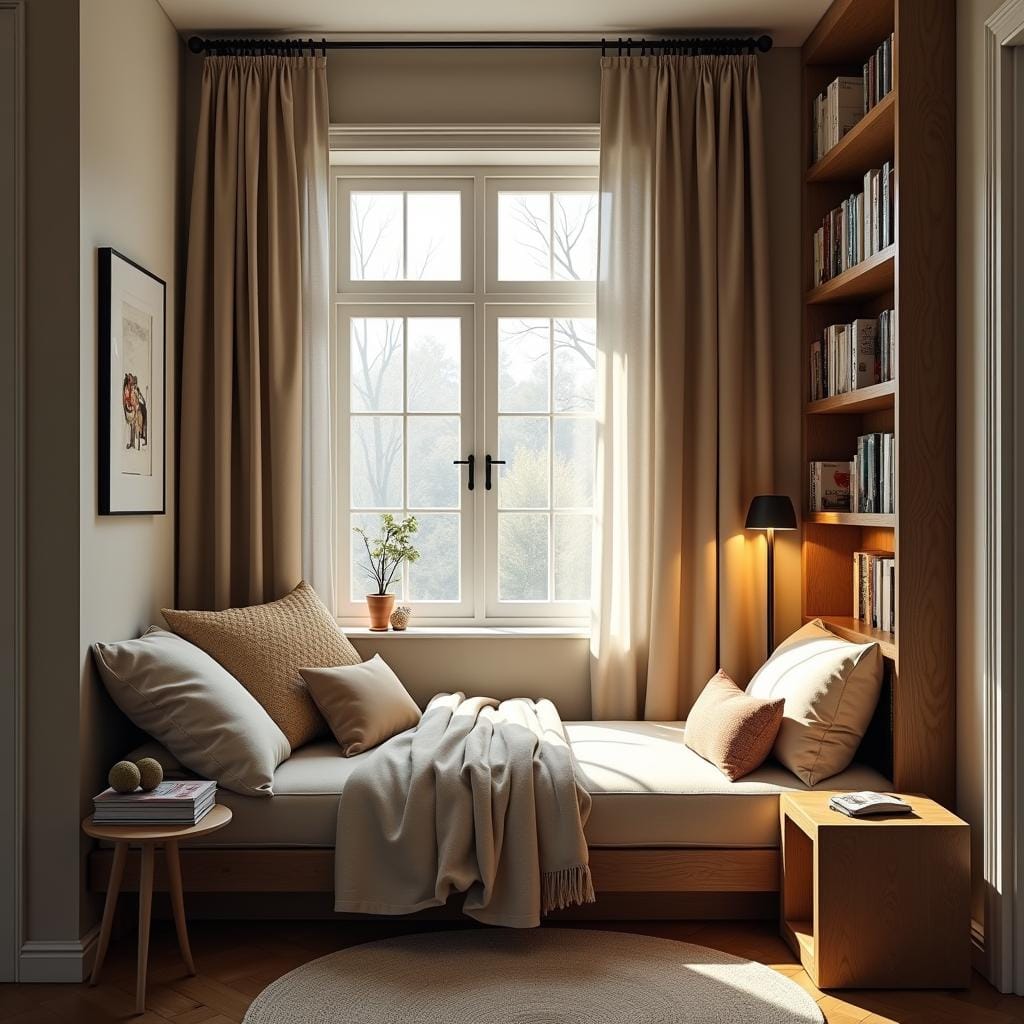
If you have the space, set up a cozy reading nook in a corner. A comfortable chair, a small table, and good lighting can make it the perfect spot to unwind with a good book.
Pro Tips:
- Choose a comfortable chair. It should be supportive enough for long reading sessions, but cozy enough to curl up in.
- Good lighting is non-negotiable. Use a dedicated floor lamp or a wall sconce that provides direct, focused light on your book.
- Include a small side table or a garden stool to hold your book, a cup of tea, and your reading glasses.
- Define the space. A small, round rug under the chair can visually separate the nook from the rest of the bedroom.
- Pick the right location, preferably in a quiet corner of the room or next to a window for natural light.
- Ensure there’s an electrical outlet nearby for your lamp or for charging devices.
- Add a footstool or an ottoman to put your feet up for maximum comfort.
- Keep a cozy throw blanket draped over the chair, ready for use.
- Consider book storage. A small, narrow bookshelf or a decorative basket on the floor can keep your current reads nearby.
- Test it out. Sit in the chair and make sure everything you need is within comfortable reach.
Style Tips:
- Make a statement with a bold accent chair in a vibrant color or a unique shape.
- Layer textures to make the nook extra inviting: a plush velvet chair, a chunky knit blanket, and a faux fur pillow.
- A stylish, adjustable arc floor lamp can serve as both functional lighting and a sculptural art piece.
- Hang a small piece of art or a few framed photos on the wall within the nook to make it feel more intimate.
- A sheepskin rug or throw instantly adds a layer of soft, hygge-inspired coziness.
- Choose a chair that complements the style of your room but has its own distinct personality.
- A hanging rattan chair can create a whimsical, bohemian reading nook.
- A small plant on the side table or on the floor next to the chair will bring life to the corner.
- Drape a string of fairy lights around the nook for a magical, ambient glow.
- Use a pouf as a flexible ottoman; it can be used for your feet, as extra seating, or as a makeshift table.
19. Try a New Accent Color
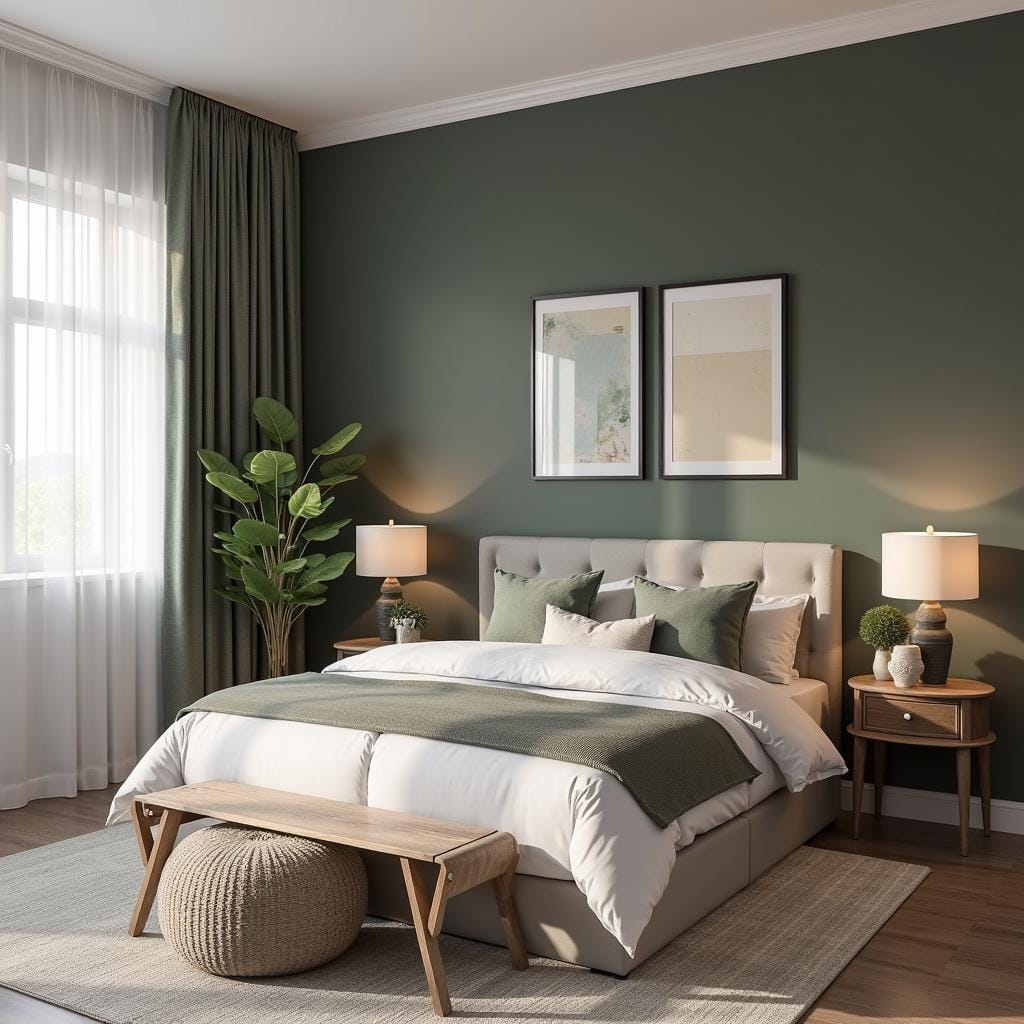
Choose a fresh accent color to tie the room together. Add pops of color through pillows, artwork, or accessories to make the room feel vibrant without overwhelming the space.
Pro Tips:
- Follow the 60-30-10 rule: 60% of your room is a dominant color (walls), 30% is a secondary color (furniture, curtains), and 10% is your accent color.
- Choose your accent color from a piece you already love, like a pattern in your rug or a color in your wall art.
- Start small. It’s easy and inexpensive to experiment with an accent color through throw pillows or a vase before committing to larger items.
- Test the color in your space. What looks good in the store might look different in your room’s specific lighting.
- Spread the accent color around the room. Use it in at least three different places to make it feel intentional and balanced.
- Don’t go overboard. The power of an accent color is that it’s used sparingly.
- Consider color psychology. Blues and greens are calming, while yellows and oranges are more energizing.
- A color wheel can be a great tool for finding complementary (opposite) or analogous (neighboring) colors that work well together.
- Remember that the texture of an item can change how a color looks; a velvet pillow will look richer than a cotton one in the same shade.
- Live with it for a few days before making any big decisions or purchases.
Style Tips:
- Paint an accent wall behind your bed in a bold, new color for a high-impact change.
- A single piece of furniture, like a painted dresser or an upholstered bench, can be a fantastic way to introduce an accent color.
- Choose a vibrant throw blanket to drape over your neutral bedding.
- A pair of colorful lampshades can add an unexpected and stylish pop of color.
- Let a large piece of abstract art with a bold color palette be the source of your accent.
- Use patterned curtains that feature your chosen accent color.
- A statement rug is one of the most effective ways to introduce color and pattern into a bedroom.
- Group a collection of vases or decorative objects in your accent color on a shelf or dresser.
- An upholstered headboard in a rich jewel tone can be a luxurious and colorful focal point.
- Fresh flowers are a temporary but beautiful way to test out an accent color.
20. Switch to Minimalist Decor
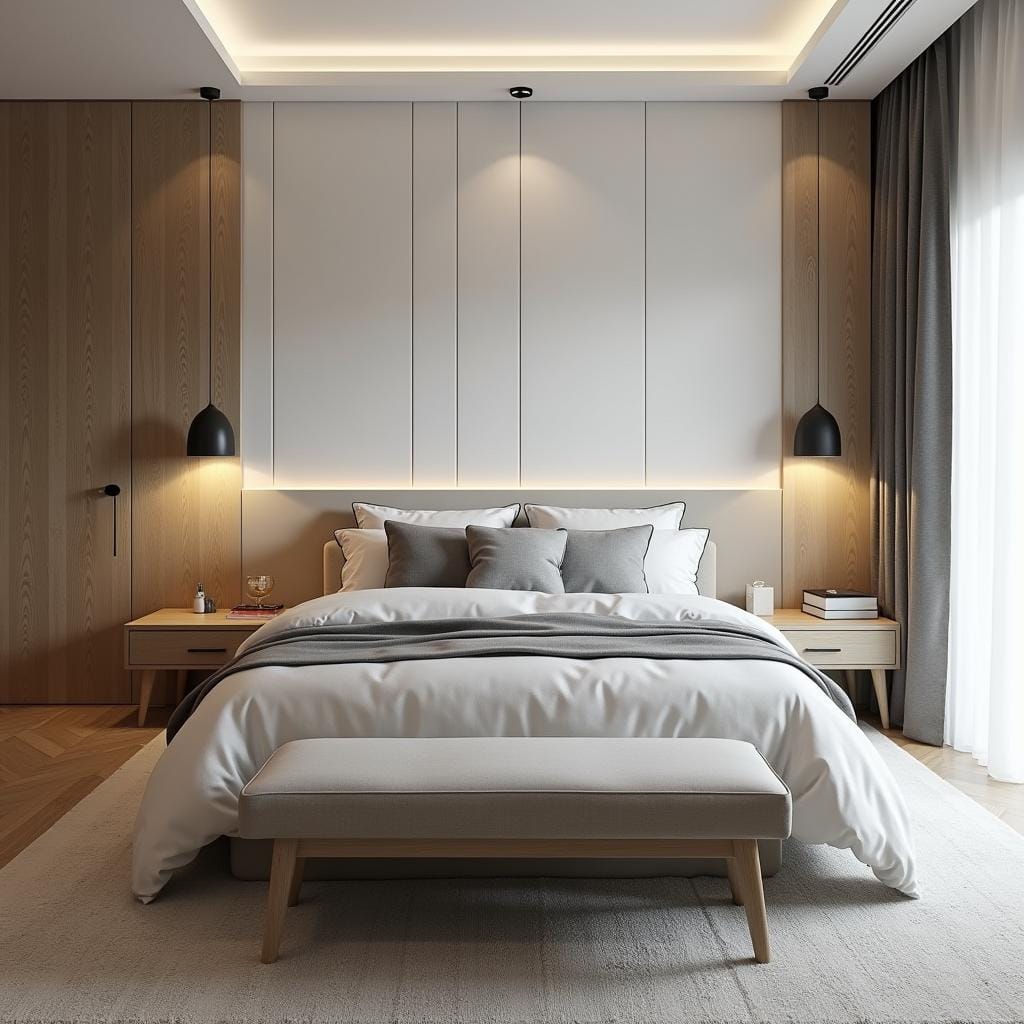
Sometimes less is more. Simplify your decor by focusing on a few key pieces and letting them stand out. Minimalism can help create a calm, peaceful atmosphere in your bedroom.
Pro Tips:
- Minimalism starts with decluttering. Be ruthless and keep only what is beautiful, functional, or deeply meaningful.
- Embrace negative space. Don’t feel the need to fill every wall and every surface.
- Focus on quality over quantity. Invest in a few well-made pieces that will stand the test of time.
- Function is paramount. Every item in the room should have a clear purpose.
- Use smart, hidden storage to keep clutter out of sight. A place for everything, and everything in its place.
- Keep surfaces clear. Your nightstand and dresser should be almost entirely free of clutter.
- Edit your possessions regularly to maintain the minimalist aesthetic.
- Think about the lines of your furniture. Choose pieces with clean, simple silhouettes.
- A clear and easy-to-navigate floor plan is a key component of minimalist design.
- Apply the minimalist mindset to your closet as well to create a more serene dressing experience.
Style Tips:
- Stick to a simple, neutral color palette, such as whites, grays, and beiges, to create a calm backdrop.
- Introduce warmth and interest through natural textures, like linen bedding, a wool rug, a wooden bench, or a stone vase.
- Let a single, large-scale piece of simple, abstract art be the room’s only focal point.
- Choose furniture with clean lines and a low profile.
- Window treatments should be simple, like plain roller shades or unadorned, neutral-colored curtains.
- Lighting fixtures should be sculptural but simple, acting as functional art.
- A single, beautiful plant in a simple pot can provide a perfect, organic touch without adding clutter.
- Make your bed perfectly every day. In a minimalist room, a tidy bed is a key design element.
- Focus on high-quality, solid-colored bedding in natural materials.
- Let the architectural features of the room, like a beautiful window or high ceilings, be the star of the show.
Conclusion
Refreshing your bedroom doesn’t have to involve a major renovation. With a few simple changes, you can transform the space into a stylish, relaxing retreat. From updating your bed linens to incorporating plants and rearranging furniture, these 20 ideas will help you achieve a new look without breaking the bank. Whether you’re looking for small updates or a full makeover, these simple bedroom refresh ideas are sure to inspire a beautiful transformation.