


For book lovers, a home library is a sanctuary a cozy retreat where stories come alive and imagination thrives. Whether you have a small nook or an entire room to dedicate, these dreamy home library ideas will help you create a space that’s functional, stylish, and uniquely yours.

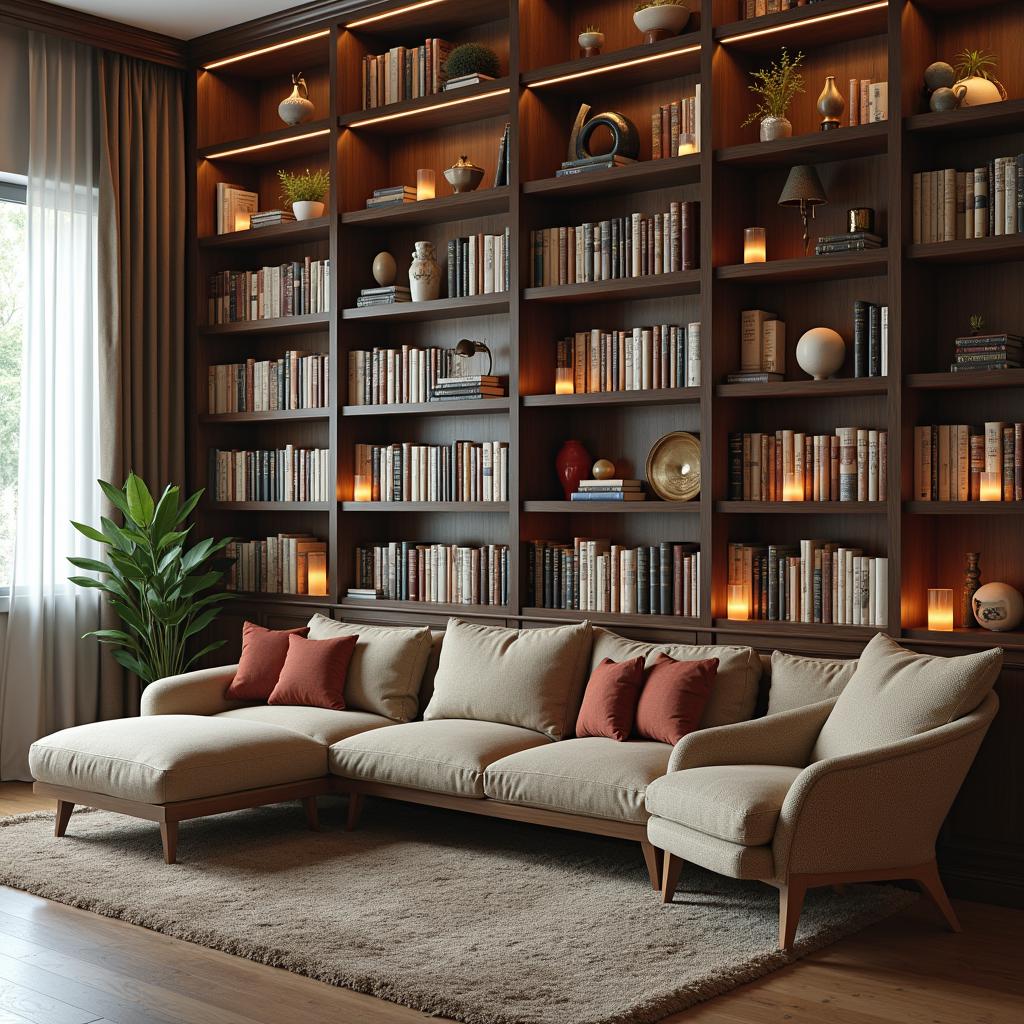

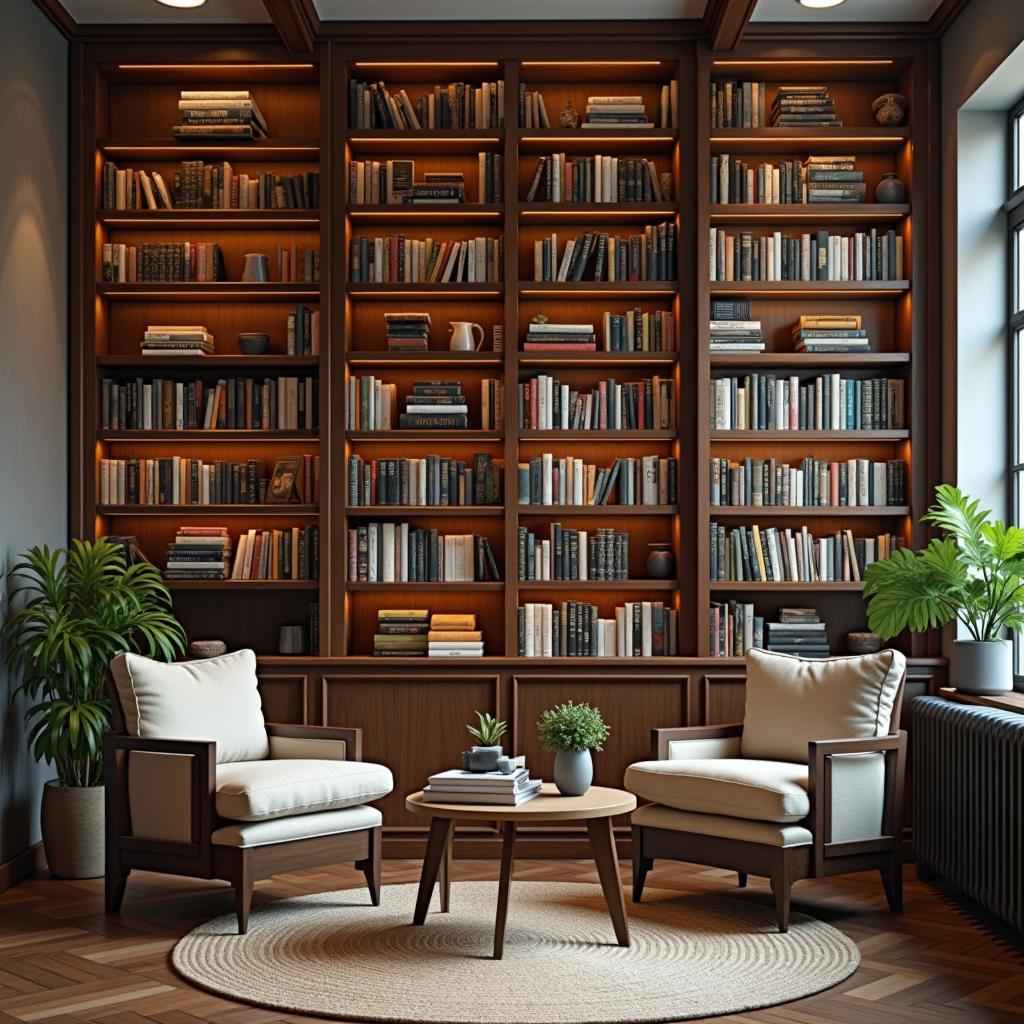

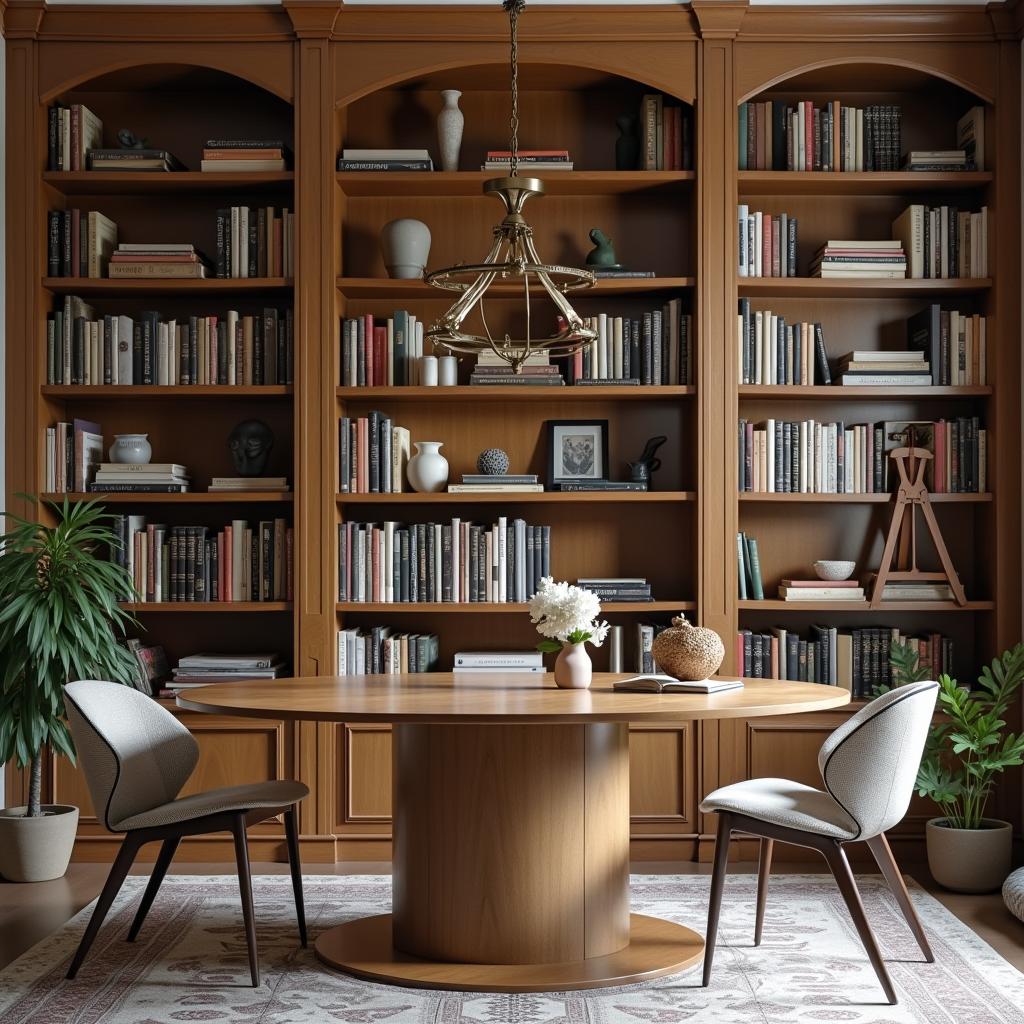
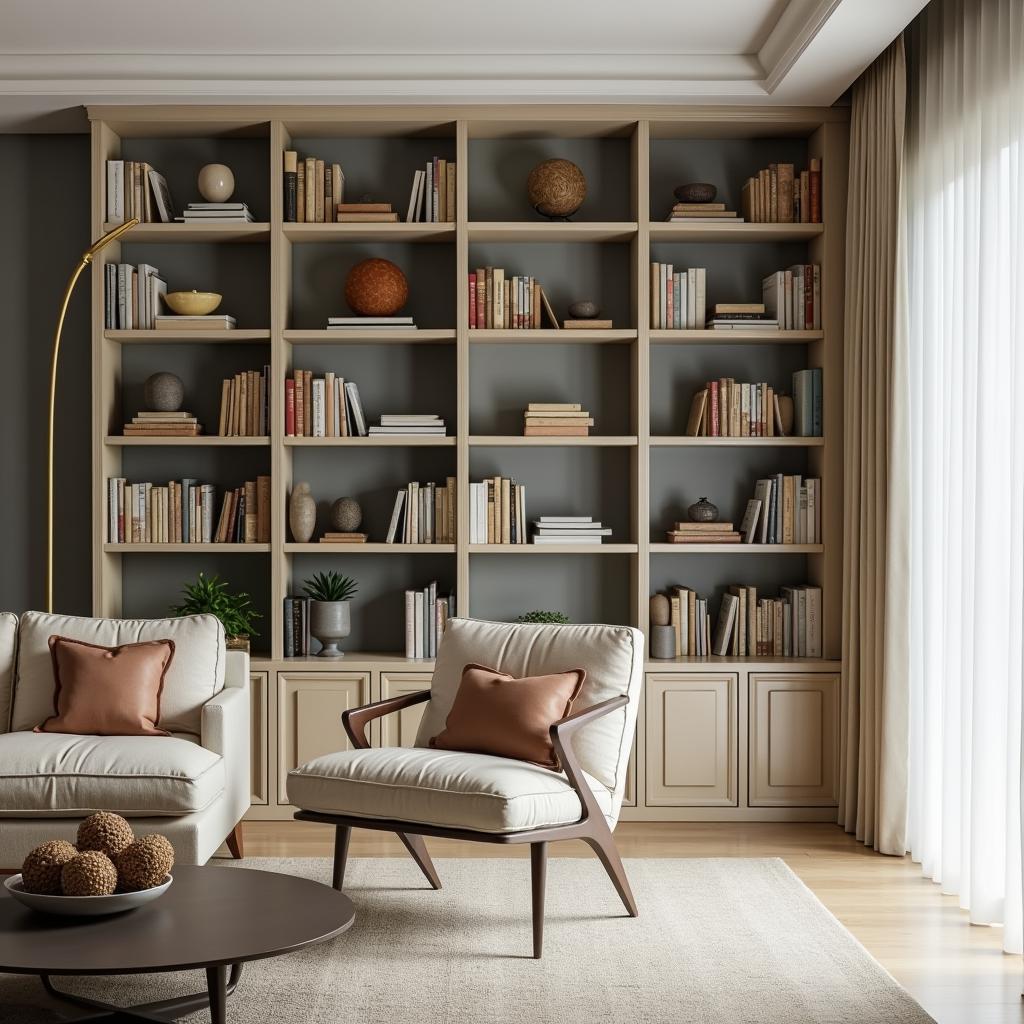
1. Wall-to-Wall Bookshelves
Transform an entire wall into a library by installing floor-to-ceiling bookshelves. This classic design makes your collection the centerpiece of the room.
Pro Tips
- Always anchor floor-to-ceiling units securely to wall studs to prevent tipping, especially in homes with children.
- Use shelves no longer than 36 inches without a vertical support to prevent sagging under the weight of books.
- Opt for adjustable shelving to accommodate books of various heights, from paperbacks to oversized art books.
- Plan for electrical outlets by cutting out access points in the back panel of the bookshelves before installation.
- Install integrated lighting such as puck lights or LED strips on the underside of shelves to illuminate your collection.
- Consider the depth of your shelves; 8 to 10 inches is standard for most books, but 12 inches is better for larger volumes.
- If installing a rolling ladder, ensure the track is professionally installed and can support the weight.
- For a built in look, add crown molding at the top and baseboards at the bottom that match the room’s existing trim.
- Before starting, take a full inventory of your books to accurately estimate the amount of shelf space you will need.
- Use a high quality, durable material like solid wood or thick plywood for longevity; avoid particleboard for heavy loads.
Style Tips
- Paint the back of the bookshelves a contrasting color to make your books and decor items pop.
- Break up the rows of books by interspersing decorative objects like vases, sculptures, or framed photos.
- Arrange some books horizontally in stacks to create visual interest and serve as platforms for small items.
- Choose a rolling ladder in a contrasting material, such as black metal against wood shelves, for a modern industrial touch.
- Leave some “breathing room” on each shelf; an overstuffed library can feel cluttered rather than curated.
- Install elegant brass picture lights above each section to create a warm, traditional, and sophisticated ambiance.
- Group books by spine color for a dramatic, rainbow like effect that turns the wall into a piece of art.
- Place a comfortable armchair and a small side table in front of the shelves to create an inviting reading zone.
- Use bookends that are both functional and sculptural to add a touch of personality.
- Apply removable wallpaper to the back panels of the shelves for an easy to change, patterned backdrop.

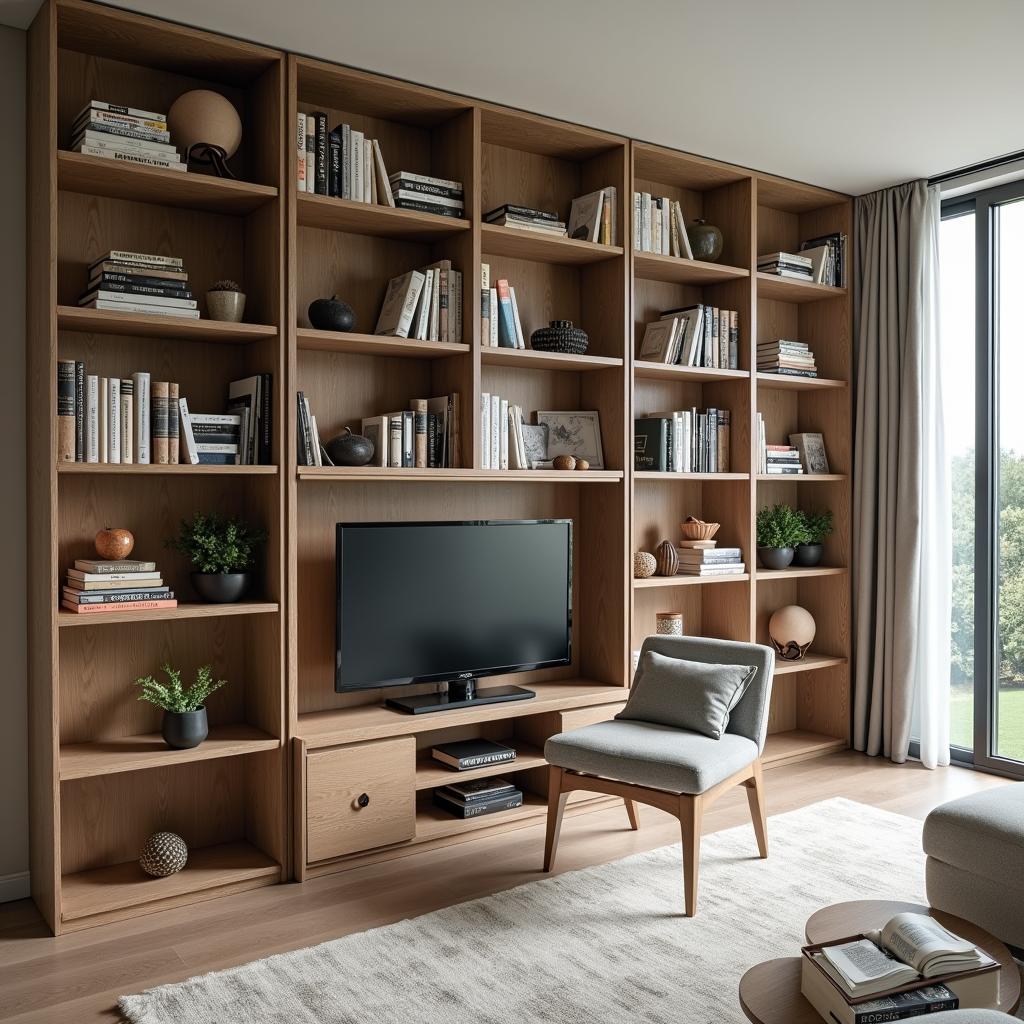

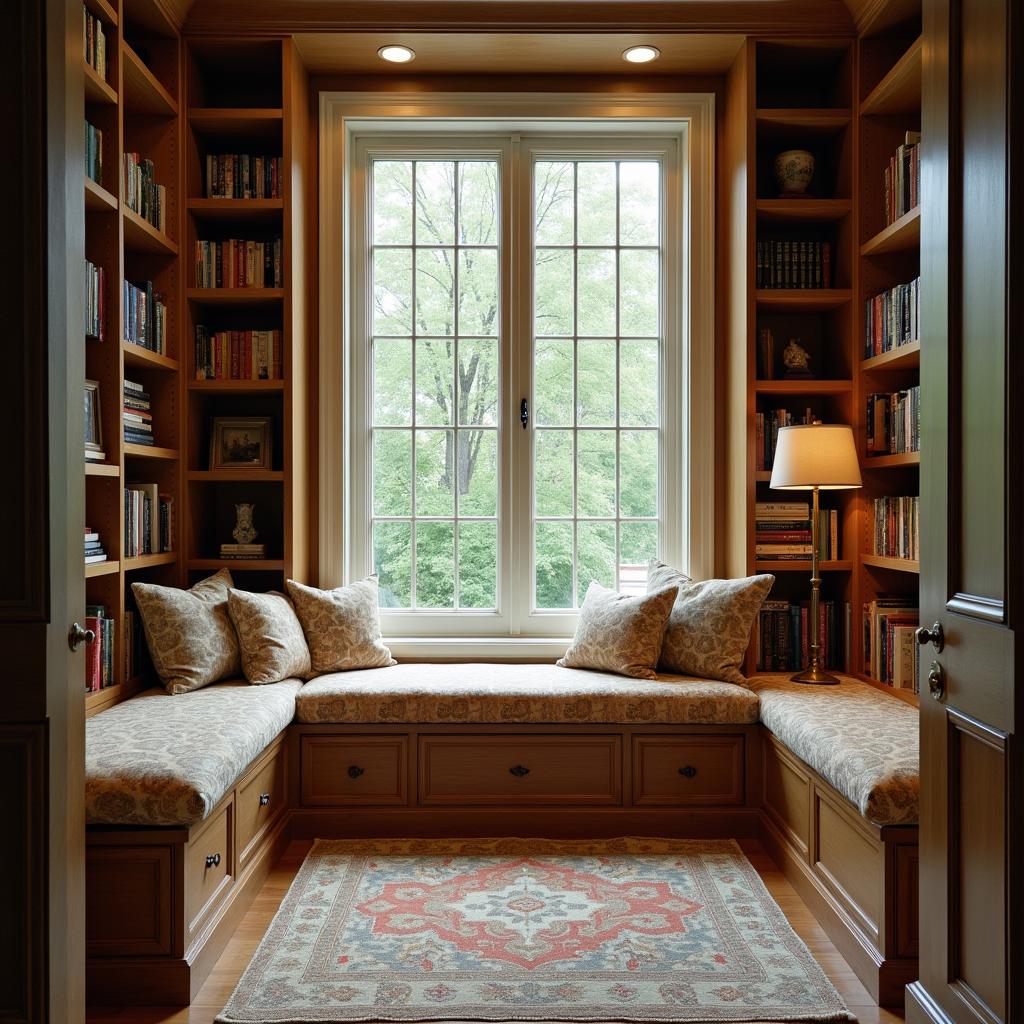
2. Window Seat Library
Create a cozy reading nook by installing bookshelves around a window seat. This combines storage with a comfortable spot bathed in natural light.
Pro Tips
- Ensure the window is well insulated to prevent drafts while you are reading.
- Incorporate drawers or lift top storage beneath the window seat for hidden storage of blankets or extra books.
- Measure the height of the seat to be comfortable for sitting, typically around 18 inches including the cushion.
- Install a dedicated, adjustable reading lamp for nighttime reading when natural light is not available.
- Use high density foam for the seat cushion to provide firm, comfortable support that will not flatten over time.
- Maximize storage by building the shelves all the way to the ceiling around the window frame.
- Consider installing a recessed power outlet near the seat for charging devices.
- Ventilate the area if the window seat is placed over a heating vent to ensure proper airflow.
- For custom built ins, hire a professional carpenter to ensure a perfect and safe fit.
- Use durable, fade resistant fabric for the cushion cover, as it will be exposed to sunlight.
Style Tips
- Choose a cushion fabric that complements the colors of your book spines or the room’s decor.
- Pile on plenty of throw pillows in various textures and sizes for ultimate comfort and style.
- Hang sheer curtains or roman shades on the window to control light and add softness.
- Paint the bookshelves and the window seat the same color for a seamless, built in look.
- Place small, low light plants on the surrounding shelves to bring a bit of nature into your nook.
- Drape a soft, chunky knit throw blanket over the seat to make it look extra inviting.
- Use the shelves closest to the seat for your current reading list for easy access.
- Install a small, floating shelf next to the seat to hold a cup of tea or coffee.
- Choose a color palette for the nook that is calming and conducive to reading, like soft blues, grays, or greens.
- Hang a small, meaningful piece of art on the wall next to the window seat.



3. Under-the-Stairs Library
Turn the often-overlooked space beneath your stairs into a compact library. Install shelves that fit the slanted ceiling for a snug and creative book haven.
Pro Tips
- Take precise measurements of the slanted space to have shelves custom cut for a perfect fit.
- Install integrated LED strip lighting along the front edge of each shelf to ensure all book titles are visible.
- Use the deepest part of the nook for storing larger, oversized books.
- Ensure there is proper ventilation, as under stair spaces can sometimes be stuffy.
- Maximize every inch by building shelves that go all the way to the floor.
- If the space is large enough, incorporate a small built in desk or bench.
- Consult a professional to ensure that modifying the space will not impact the structural integrity of the stairs.
- Use push-to-open cabinet doors on the lowest shelves to create hidden storage.
- Install a durable flooring material that can withstand foot traffic from the adjacent area.
- Plan for wiring and outlets during the construction phase if you want to add a reading lamp or charging station.
Style Tips
- Paint the interior of the nook a bold, dark color like navy or charcoal to create a cozy, den like feel.
- Add a single, comfortable armchair or a large floor cushion to turn it into a true reading corner.
- Use wallpaper with a whimsical or literary theme on the back wall for a touch of fun.
- Hang a single, statement pendant light or a small sconce to provide warm, focused illumination.
- Place a small, plush rug on the floor to define the space and add softness.
- Use brass or black metal shelf brackets for an industrial or modern touch.
- Keep the book styling simple to avoid making the small space feel cluttered.
- Install a sliding barn door or a curtain to conceal the library when not in use.
- Display a few favorite book covers facing forward as art.
- Lean a small, decorative ladder against the shelves for a charming, rustic look.


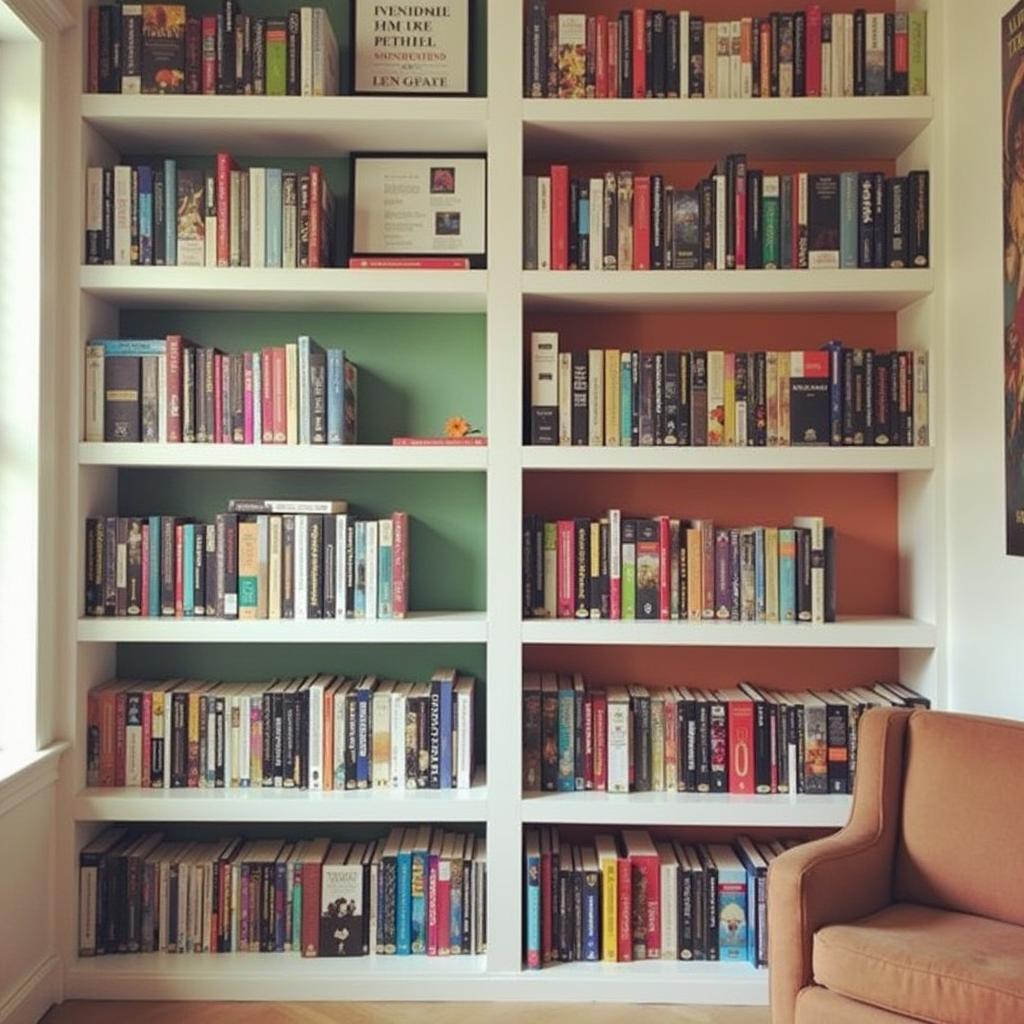
4. Color-Coded Bookshelves
Organize your books by color for an eye-catching, artistic display. This approach doubles as decor, turning your library into a vibrant focal point.
Pro Tips
- For a more cohesive look, remove the paper dust jackets from hardcover books to reveal the solid color of the binding.
- Take a “shelfie” photo of your arrangement to help you remember where specific books are located.
- If you have many books of one color, break them up with a small, neutral colored decorative object.
- Leave some space between color blocks to give each hue room to breathe.
- Start the process by sorting all of your books into color piles on the floor before arranging them on the shelves.
- This system works best for fiction collections where you remember books by their cover, not for research or reference libraries.
- Use an app like Libib or Goodreads to create a digital catalog of your books so you can search by title if you forget its color.
- To maintain the look, be prepared to find a specific spot for new books as you acquire them.
- If a book has a multi-colored spine, place it in the section that matches its most dominant color.
- Regularly dust the shelves and books to keep the colors looking bright and fresh.
Style Tips
- Arrange the colors in a rainbow gradient (ROYGBIV) for a cheerful and visually satisfying effect.
- For a more subtle look, create an ombre effect by grouping books in shades of a single color, from light to dark.
- Use neutral colored shelves, like white, black, or natural wood, to make the book colors the star of the show.
- Break up the color blocks with metallic accessories in gold or silver for a touch of glam.
- Place books with beautiful or graphic covers facing forward within their color section.
- Coordinate the colors of your books with other accents in the room, such as throw pillows or artwork.
- Alternate sections of color-coded books with sections of all white or all black spined books for a graphic contrast.
- In a minimalist space, use only books in a monochrome palette of black, white, and gray.
- This styling method looks particularly stunning on tall, wall to wall bookshelves.
- Incorporate plants with green foliage to complement the natural green section of your rainbow.



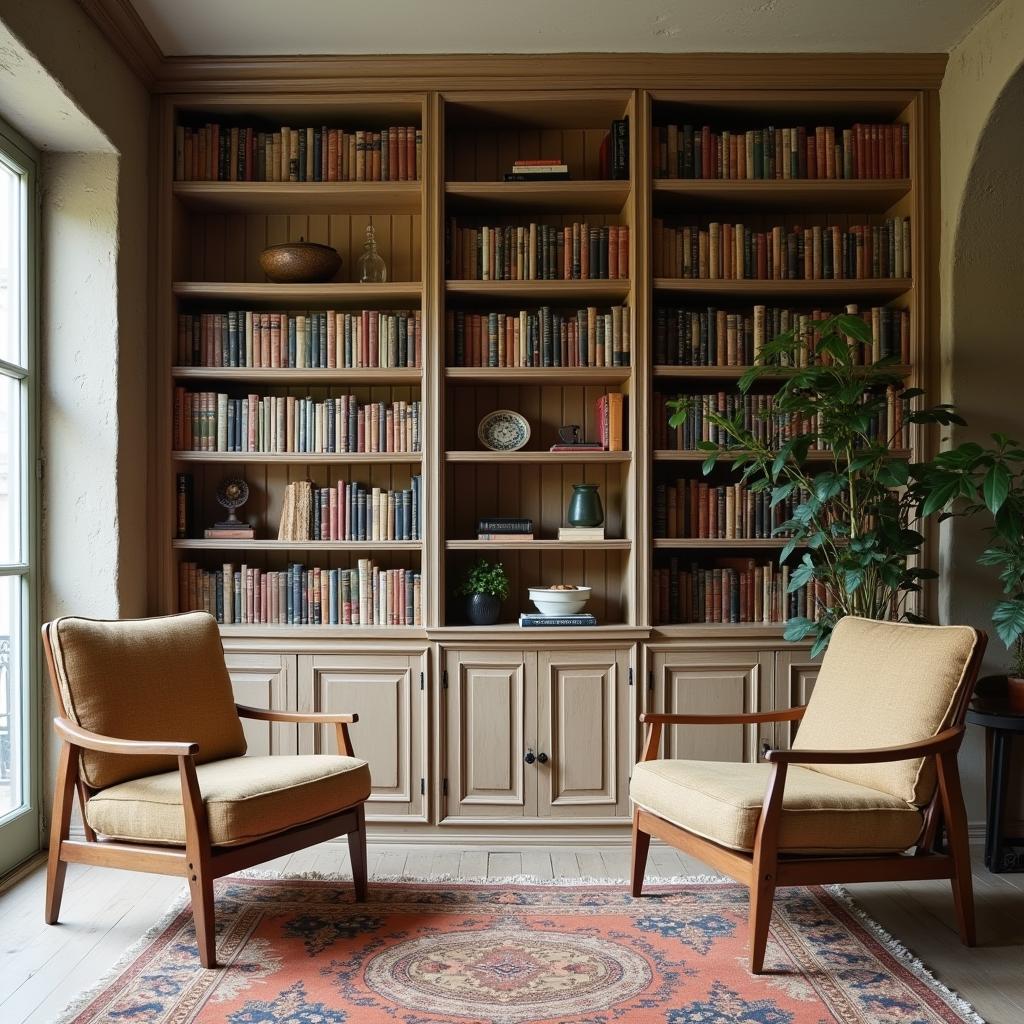
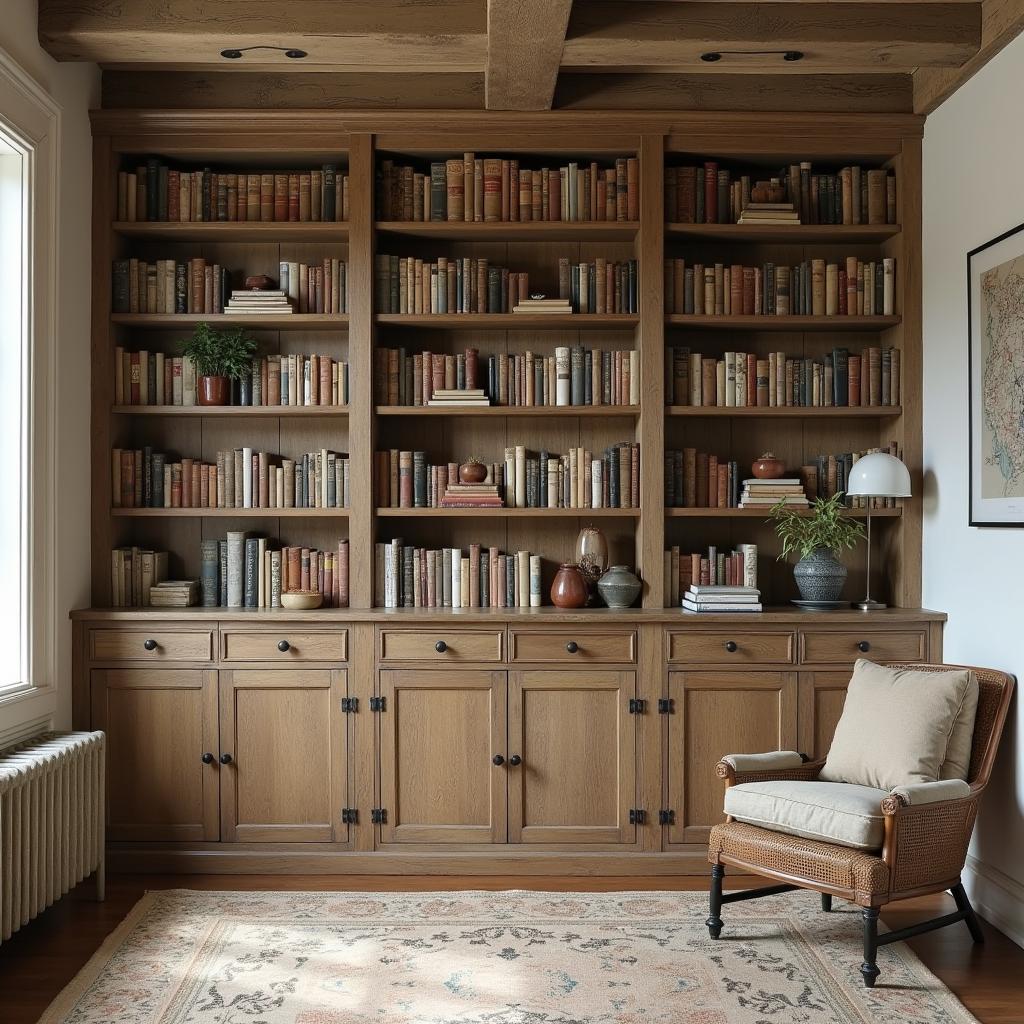
5. Rustic Wooden Shelves
Choose wooden shelves with a natural or distressed finish to give your library a warm and rustic vibe. Pair with vintage furniture for a cohesive look.
Pro Tips
- Source reclaimed wood from old barns, pallets, or architectural salvage yards for authentic character.
- Sand the wood just enough to remove splinters but leave the original texture and imperfections.
- Use heavy duty industrial pipe fittings or cast iron brackets to securely mount the shelves.
- Apply a clear matte sealant to protect the wood without adding a glossy shine.
- Ensure the wall anchors you use are appropriate for the weight of the shelves and the books they will hold.
- Vary the thickness and depth of the wooden planks for a more organic, less uniform appearance.
- Check reclaimed wood carefully for any signs of pests before bringing it into your home.
- Space the shelves generously to allow room for taller books and decorative items.
- For a DIY approach, use a distressing technique on new lumber with tools like chains, hammers, and dark wax.
- Consider a live edge wood slab for a truly unique and natural looking shelf.
Style Tips
- Pair the rustic shelves with a comfortable, worn leather armchair and a plaid wool blanket.
- Style the shelves with vintage items like old cameras, globes, or antique tin boxes.
- Use warm, ambient lighting from fixtures like an Edison bulb lamp or a lantern style sconce.
- Place a cowhide or jute rug on the floor to enhance the rustic, natural texture.
- Mix in metal elements like wire baskets or galvanized metal bookends.
- Stack books both vertically and horizontally to create a relaxed, collected-over-time feel.
- Incorporate natural elements like pinecones, dried botanicals, or small potted ferns.
- Lean a large, unframed piece of art against the wall on one of the shelves.
- Choose books with vintage or classic-looking covers to complement the rustic theme.
- Paint the wall behind the shelves a warm, earthy tone like olive green or deep beige.


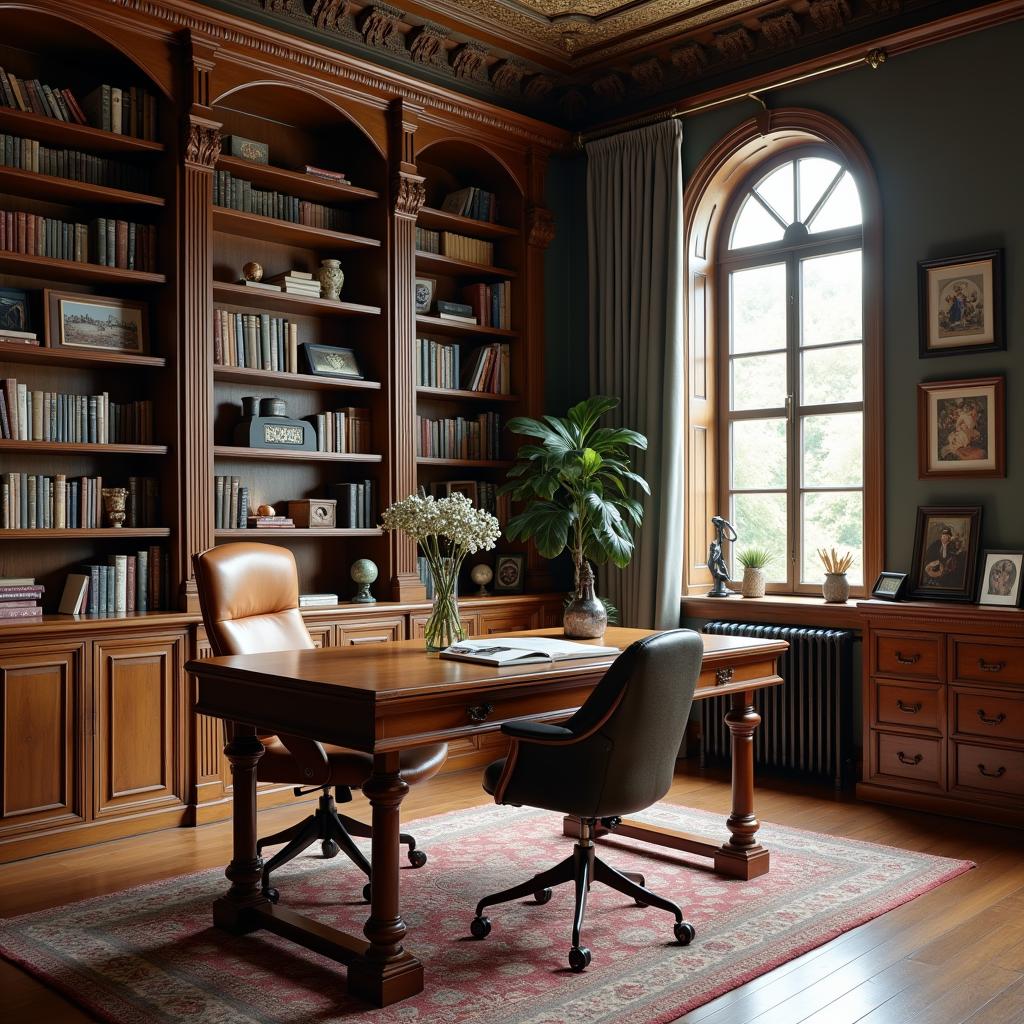
6. Home Office Library
Integrate your library into your home office by lining the walls with bookshelves. This dual-purpose space maximizes functionality and inspires creativity.
Pro Tips
- Position your desk to face away from the bookshelves to minimize distractions while you work.
- Install task lighting directly over the desk area and ambient lighting for the bookshelves.
- Use closed storage or cabinets for the lower part of the shelving to hide office supplies and clutter.
- Organize your books by subject matter to create a functional reference library for your work.
- Ensure your office chair is ergonomic to provide proper support during long periods of reading and working.
- Keep a clear zone on the shelves nearest your desk for work in progress and frequently used reference materials.
- Run computer and charging cables behind the bookshelves or through discreet cord management channels for a clean look.
- Measure your office equipment, like printers and scanners, to ensure they will fit on the designated shelves.
- Soundproof the room if possible by using heavy curtains and rugs to create a quiet environment for focus.
- A library ladder can be a great tool for accessing reference books on high shelves.
Style Tips
- Choose a large, handsome desk in a material like dark wood or metal to anchor the space.
- Paint the bookshelves a sophisticated color like charcoal gray or deep navy blue to create a studious atmosphere.
- Use elegant brass or leather accessories on the desk, such as a pen holder or a desk lamp.
- Place a comfortable armchair in a corner to create a separate reading zone away from your workspace.
- Select a high quality, stylish rug to define the office area and add warmth.
- Mix personal photos and inspirational art among your professional books to personalize the space.
- Use matching magazine files or document boxes to neatly organize papers and periodicals.
- A globe, either vintage or modern, makes a classic and appropriate accessory for a home office library.
- Hang a large corkboard or whiteboard on a free wall for brainstorming and organizing thoughts.
- Choose window treatments, like roman shades or wooden blinds, that offer good light control.


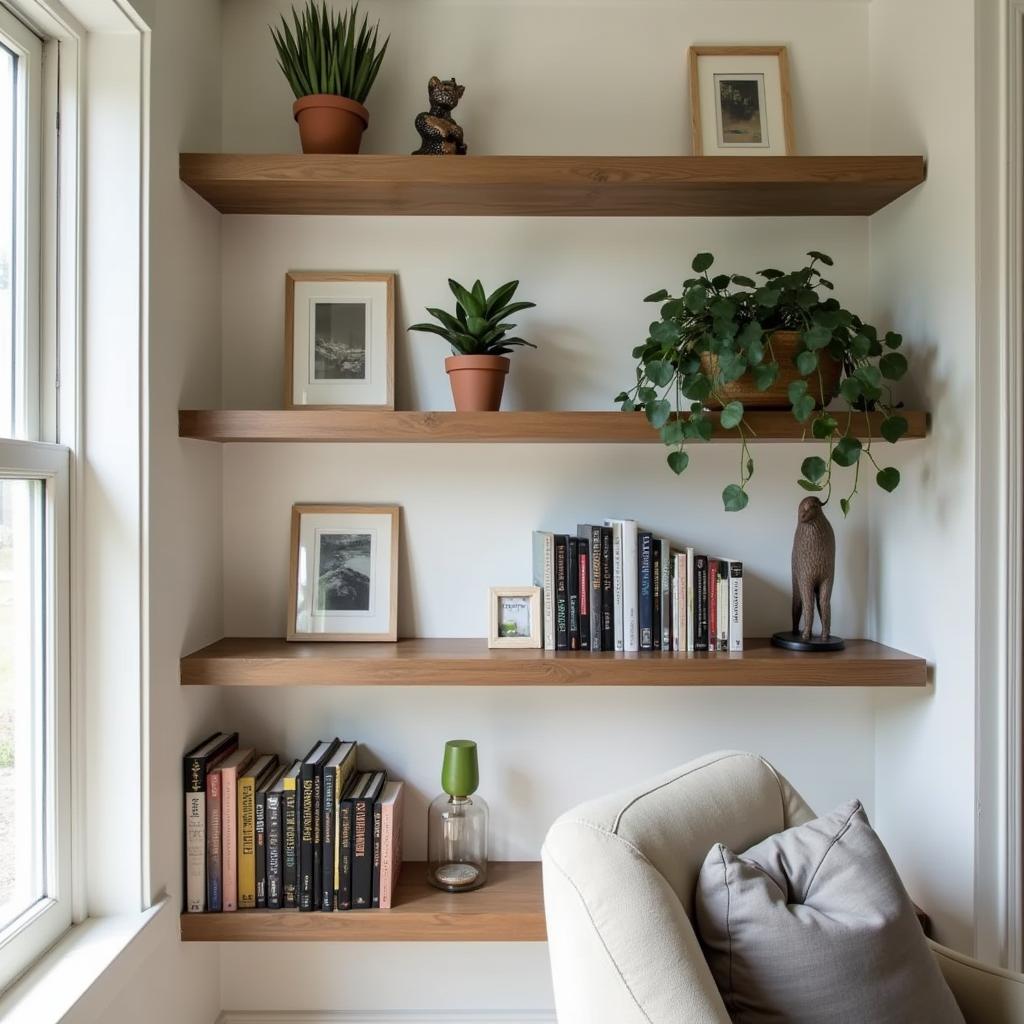
7. Floating Shelves
Use floating shelves for a sleek and modern library. This design works well in smaller spaces or as an accent wall in a larger room.
Pro Tips
- Use high quality floating shelf hardware that anchors directly into wall studs for maximum weight capacity.
- Do not overload floating shelves; they are best for smaller collections or paperbacks, not heavy encyclopedias.
- Install shelves at varying heights to create a more dynamic and interesting composition.
- Use a laser level during installation to ensure all your shelves are perfectly straight.
- For a minimalist look, choose shelves that are the same color as the wall.
- Consider the thickness of the shelf; a thicker shelf generally looks more substantial and can hold more weight.
- Arrange shelves in a symmetrical grid or an asymmetrical, staggered pattern depending on your desired look.
- These shelves are great for displaying books in unconventional spaces, like above a doorway or along a hallway.
- Check the weight limit specified by the hardware manufacturer before loading up your shelves.
- For very heavy books, look for floating shelves with a hidden steel bracket that runs the full length of the shelf.
Style Tips
- Mix books with decorative items like small plants, candles, or framed art for a balanced display.
- Create visual interest by alternating the orientation of books, with some standing vertically and others stacked horizontally.
- Use “invisible” bookshelves, which are small metal ledges that make your books appear to float on the wall by themselves.
- Color coordinate the items on each shelf for a curated, boutique like feel.
- Leave plenty of negative space around each object to avoid a cluttered look and highlight each piece.
- Use a series of short floating shelves to create a vertical “book tower” in a narrow space.
- Place a sleek, modern bench or a pair of stools underneath the shelves to create a simple reading spot.
- Paint the wall behind the shelves a bold accent color to frame the display.
- Use shelves made of interesting materials like acrylic, glass, or metal for a contemporary twist.
- Display only your most beautiful book covers facing forward, treating them like individual pieces of art.

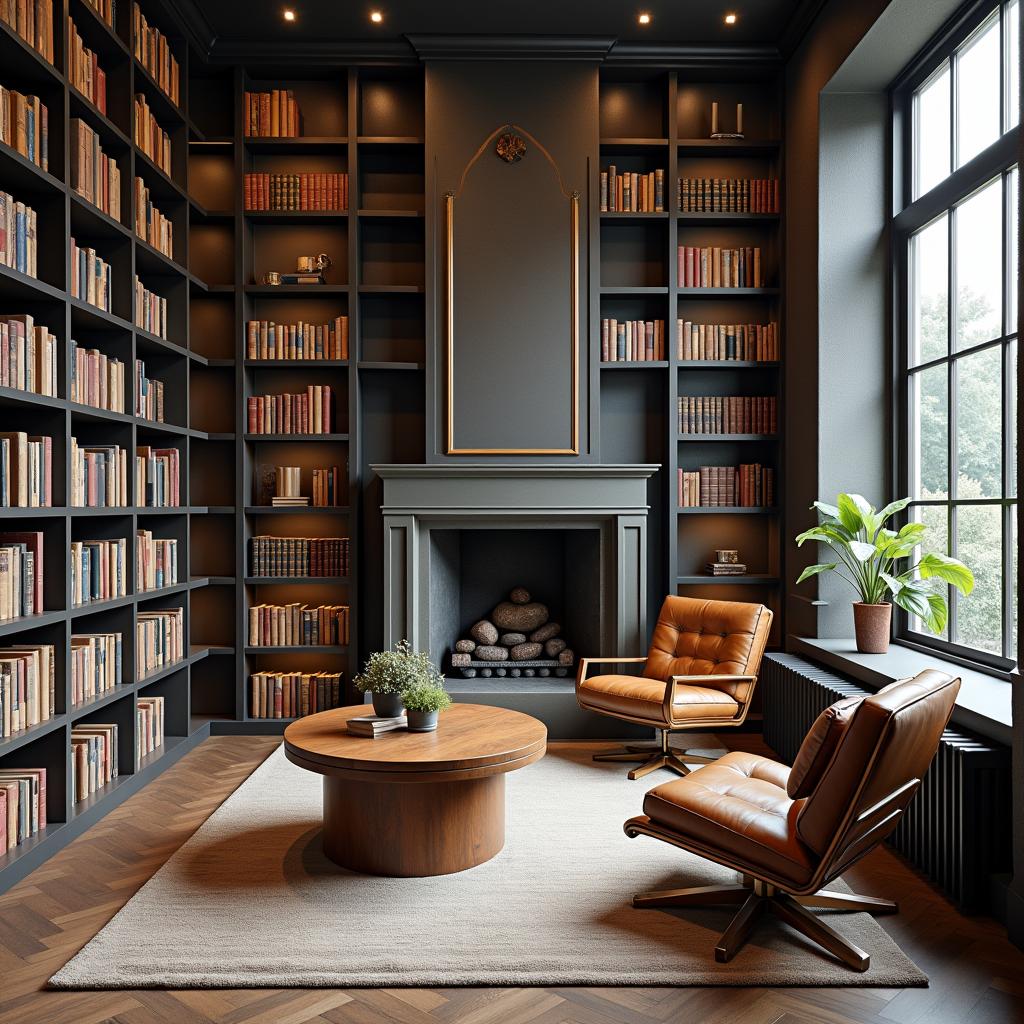
8. Loft-Style Library
If you have high ceilings, consider building a mezzanine or loft area dedicated to your books. Add a staircase or ladder for access.
Pro Tips
- Hire a structural engineer and a professional contractor to ensure the loft is built safely and to code.
- Plan the placement of the staircase or ladder carefully to ensure it does not obstruct the flow of the room below.
- Install sturdy railings on the loft for safety.
- Incorporate plenty of lighting in the loft area, as it can often be dark. Skylights are an excellent option.
- Consider the acoustics of the space; use rugs and soft furnishings to absorb sound in an open plan home.
- Plan for heating and cooling in the loft space, as heat tends to rise.
- Use lower, backless shelving along the edge of the loft to keep the space feeling open.
- Install electrical outlets in the loft for lamps and charging devices.
- A spiral staircase can be a great space saving option for accessing the loft.
- Ensure the floor of the main level can support the added weight of the loft structure and a full collection of books.
Style Tips
- Use metal railings and a spiral staircase for an industrial look, or wood for a warmer, more traditional feel.
- Place a comfortable, low profile sofa or a collection of large floor pillows in the loft to create a cozy lounge area.
- Hang pendant lights from the high ceiling so they drop down into the loft space, providing light and a dramatic visual.
- Keep the color palette simple to avoid overwhelming the space.
- A shag or high pile rug will add texture and a sense of cozy luxury to the loft floor.
- Install bookshelves that are built into the walls of the loft to maximize space.
- Use a glass railing to keep the view open and make the entire home feel larger.
- Add a built in desk along one wall to create a private, elevated home office.
- Paint the ceiling of the loft a dark color to make the space feel more intimate and cozy.
- Use a consistent style for both the lower level and the loft to create a cohesive design.


9. Hidden Library Door
Install a secret bookshelf door that leads to a private library. It’s a fun and mysterious feature that adds character to your home.
Pro Tips
- This is a complex project that requires a specialized hinge system and professional installation for proper function and safety.
- Use lightweight, decorative books or hollowed out book spines on the door itself to reduce the weight.
- Ensure the door mechanism is high quality and can handle the stress of daily use.
- The door should be perfectly balanced to swing open and closed smoothly.
- Plan for a discreet handle, such as a specific book that acts as a lever.
- The frame around the bookshelf door must be reinforced to support the weight.
- This works best when the surrounding wall is also filled with real bookshelves to help camouflage the door.
- Consider soundproofing the hidden room for an even more private and quiet retreat.
- Make sure the locking mechanism is reliable but can also be opened from the inside.
- Install a threshold to prevent light from seeping out from under the door and giving away the secret.
Style Tips
- Fill the hidden room with dark, moody decor, like leather chairs and dark wood, to enhance the speakeasy vibe.
- Use a single, dramatic light fixture inside the secret room, like a vintage chandelier.
- To make the secret more fun, do not point it out to guests and see who discovers it on their own.
- The books on the door should look realistic and be arranged naturally to blend in.
- Inside the hidden library, display quirky or personal collections that you might not want in the main living area.
- A rich, patterned oriental rug will add to the mysterious and luxurious feel of the secret room.
- Paint the interior a deep, rich color like burgundy or forest green.
- Consider a theme for the hidden room, such as a prohibition era bar or a Sherlock Holmes style study.
- Add a small, well stocked bar cart for the ultimate adult retreat.
- Keep the decor inside the room completely different from the outer room for a surprising contrast.


10. Reading Alcove
Carve out a small alcove with built-in shelves and a comfy chair for a mini-library that’s perfect for quiet moments.
Pro Tips
- Measure your favorite comfy chair before designing the alcove to ensure it will fit perfectly.
- Install recessed lighting on a dimmer switch to provide adjustable, focused light without taking up space.
- Build shelves into the three walls of the alcove to completely surround yourself with books.
- Add a small, floating shelf on the wall just large enough to hold a drink and a small snack.
- Incorporate a power outlet inside the alcove for an e-reader, phone charger, or a small lamp.
- Use the highest shelves for storing books you access less frequently.
- Ensure the depth of the alcove is sufficient to sit comfortably without feeling cramped.
- This is a great way to utilize an existing but awkward architectural recess in a room.
- A built in bench can be a space saving alternative to a freestanding chair.
- Pad the walls with upholstered panels for extra comfort and sound absorption.
Style Tips
- Paint the inside of the alcove a different color from the main room to define it as a separate zone.
- Use a plush, comfortable armchair in a soft texture like velvet or bouclé.
- Hang a curtain that can be drawn across the opening of the alcove for extra privacy.
- Wallpaper the back wall of the alcove with a beautiful pattern to create a focal point.
- Add a small, soft rug and a footstool for maximum coziness.
- Keep the styling minimal to prevent the small space from feeling cluttered.
- Drape a string of fairy lights inside the alcove for a magical, whimsical touch.
- Choose a chair in a bold, vibrant color to make the nook pop.
- Mount a single, small piece of art that you love on one of the side walls.
- Add a single, luxurious throw pillow and a soft blanket.

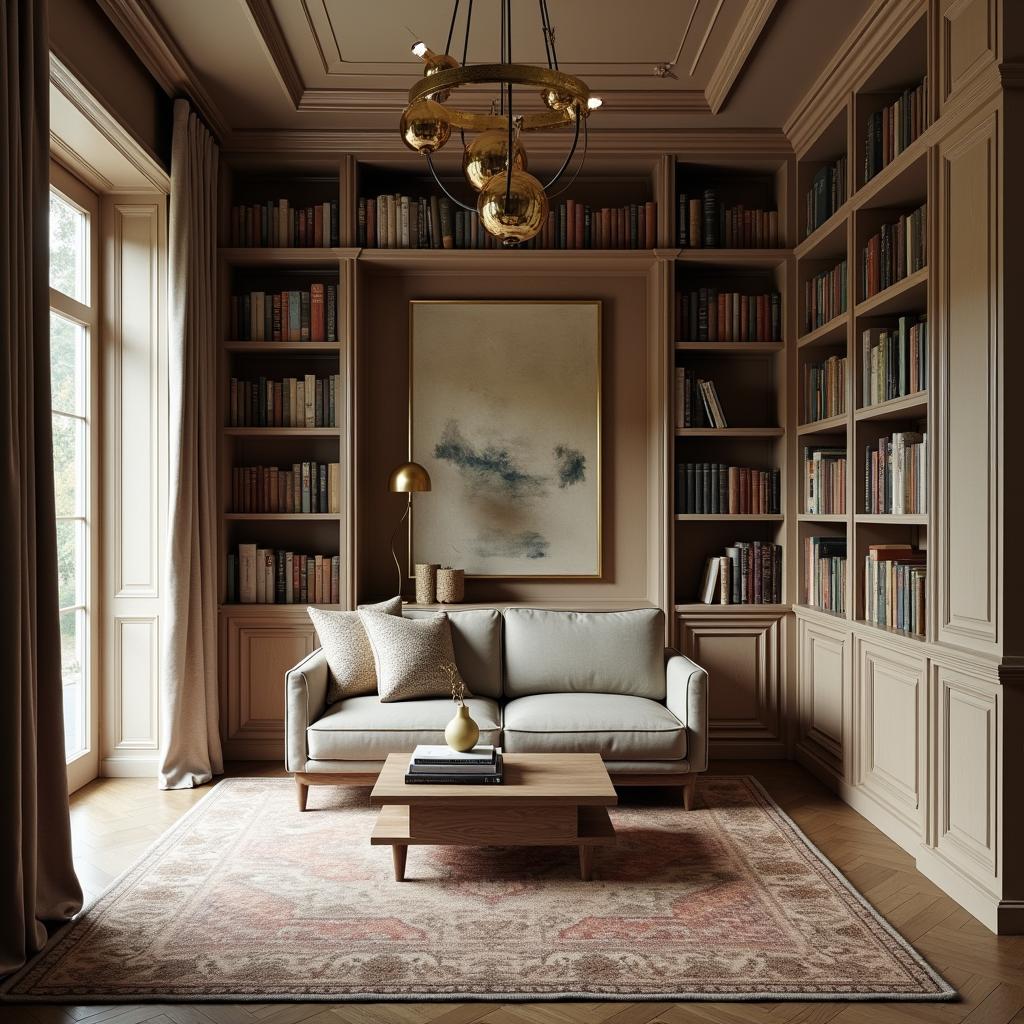


11. Monochrome Library
Paint your shelves and walls the same color for a dramatic and cohesive library look. Choose deep tones like navy or forest green for added sophistication.
Pro Tips
- Use a high quality paint with a durable finish, like satin or eggshell, as shelves get a lot of wear and tear.
- Paint the shelves, walls, and any trim or molding in the exact same color and finish for a true monochrome effect.
- This technique works well in a small room or a room with interesting architectural details, as it highlights the shape of the space.
- Ensure you have excellent lighting, as a dark monochrome room can feel gloomy without it.
- Prime all surfaces thoroughly, especially if you are painting over wood or laminate.
- To create separation, you can use the same color but in different finishes, for example, matte on the walls and semi gloss on the shelves.
- Test your chosen color in the room at different times of day to see how it looks in natural and artificial light.
- This is a great way to make a collection of mismatched bookshelves look like expensive, custom built ins.
- When painting, remove all the books and allow the shelves to cure completely for several days before reloading them to prevent sticking.
- A paint sprayer can give you a smoother, more professional finish than brushing or rolling.
Style Tips
- Choose a deep, moody color like charcoal gray, navy blue, emerald green, or even black for a dramatic, enveloping feel.
- Add contrast and warmth with furniture and accessories in materials like leather, brass, and natural wood.
- Let the book spines provide the primary pops of color in the room.
- Use lighting fixtures in a metallic finish, like gold or brass, to stand out against the dark color.
- Layer different textures in the room through a plush rug, velvet curtains, and leather seating to keep it from feeling flat.
- Hang large scale art with a light or white background to create a strong focal point.
- Incorporate mirrors to reflect light and add a sense of depth to the space.
- Add live plants with vibrant green leaves for a touch of natural color and life.
- Choose one or two accent colors for small decor items to create a cohesive look.
- A light colored ceiling will prevent the room from feeling too closed in.


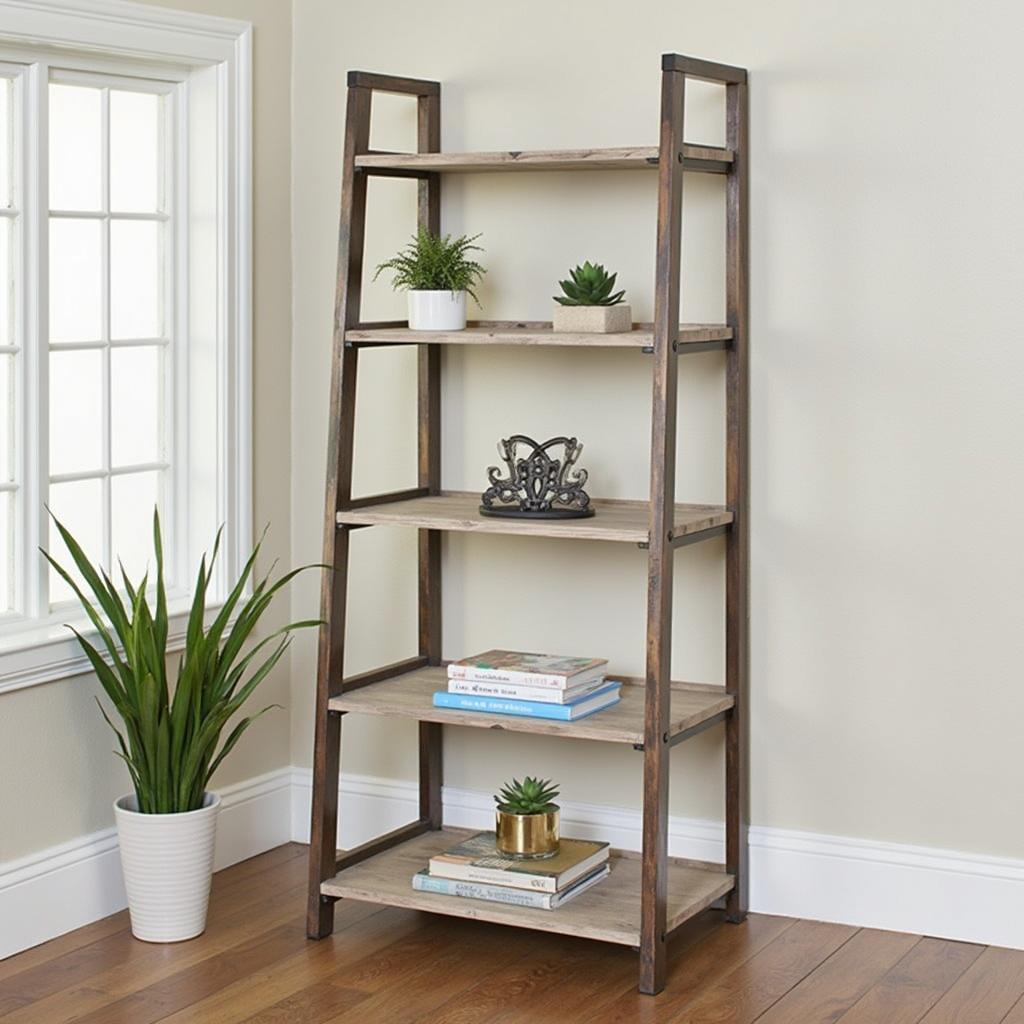
12. Ladder Bookshelves
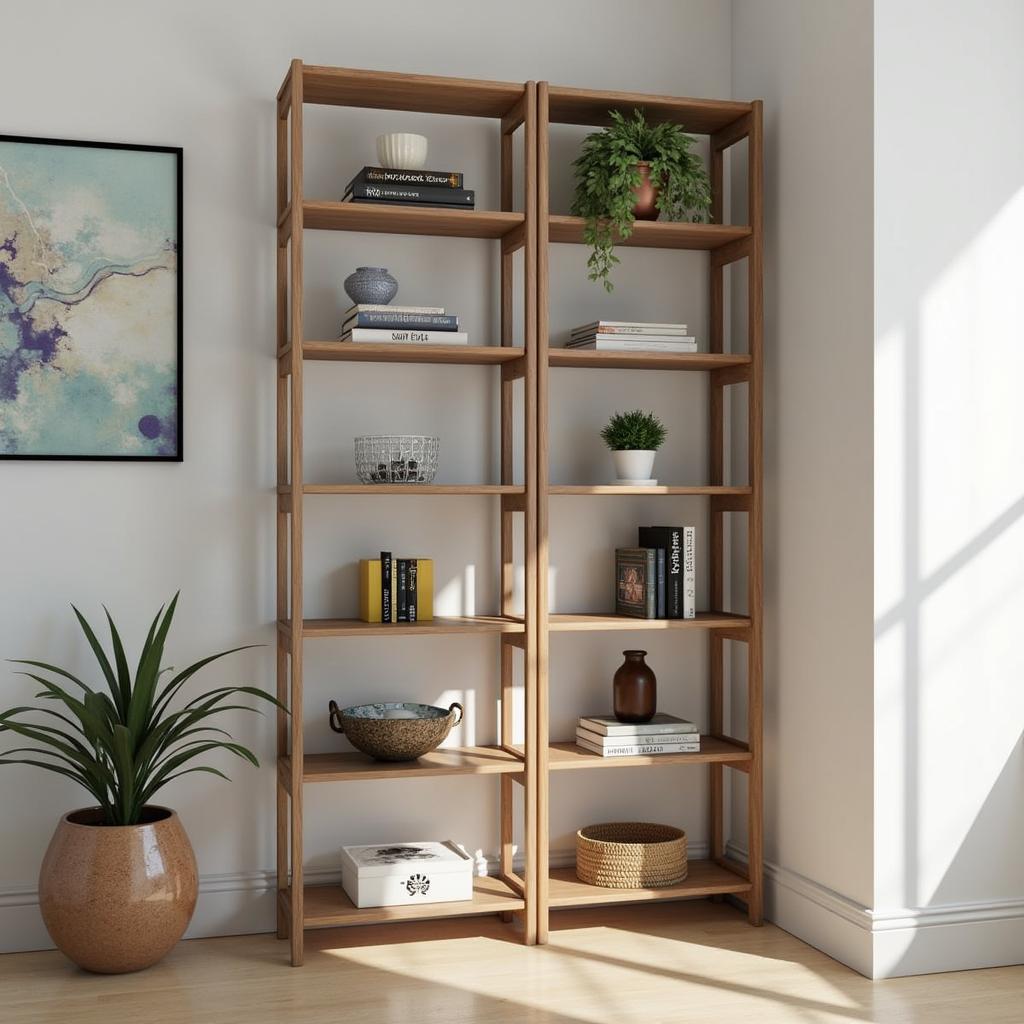
Use freestanding ladder-style shelves for a casual and chic library. These are easy to set up and perfect for smaller collections.
Pro Tips
- Always secure the top of a ladder shelf to the wall with an anti tip kit, especially in homes with kids or pets.
- Place heavier books and objects on the lower, wider shelves for stability.
- Use two identical ladder shelves on either side of a window or fireplace for a symmetrical look.
- Check the depth of the shelves to ensure they can accommodate your largest books.
- This type of shelving is not ideal for a very large or heavy book collection.
- You can easily build your own ladder shelves using basic lumber for a custom size and finish.
- Look for ladder shelves that have a cross brace on the back for added stability.
- These shelves are easy to move, making them a great choice for renters.
- Make sure the shelf is placed on a level surface to prevent wobbling.
- Measure the total height of the unit to ensure it will fit in your space, especially in rooms with lower ceilings.
Style Tips
- Choose a ladder shelf in a two tone finish, like white shelves with wood sides, for a modern farmhouse look.
- Lean into the “ladder” concept by styling with a very relaxed, slightly undone aesthetic.
- Mix books with trailing plants like pothos or string of pearls that can cascade down the sides.
- Use baskets on the lower shelves to corral smaller items or magazines.
- In a bathroom, a ladder shelf is perfect for holding towels, toiletries, and a few good books for bath time reading.
- Do not overcrowd the shelves; the open design looks best with some space around the items.
- Use decorative bookends to keep smaller rows of paperbacks tidy.
- Lean a piece of framed art on one of the shelves instead of hanging it.
- A single ladder shelf can be a great way to create a mini library in a bedroom corner.
- Choose a material that complements your existing decor, such as dark wood, black metal, or painted white.


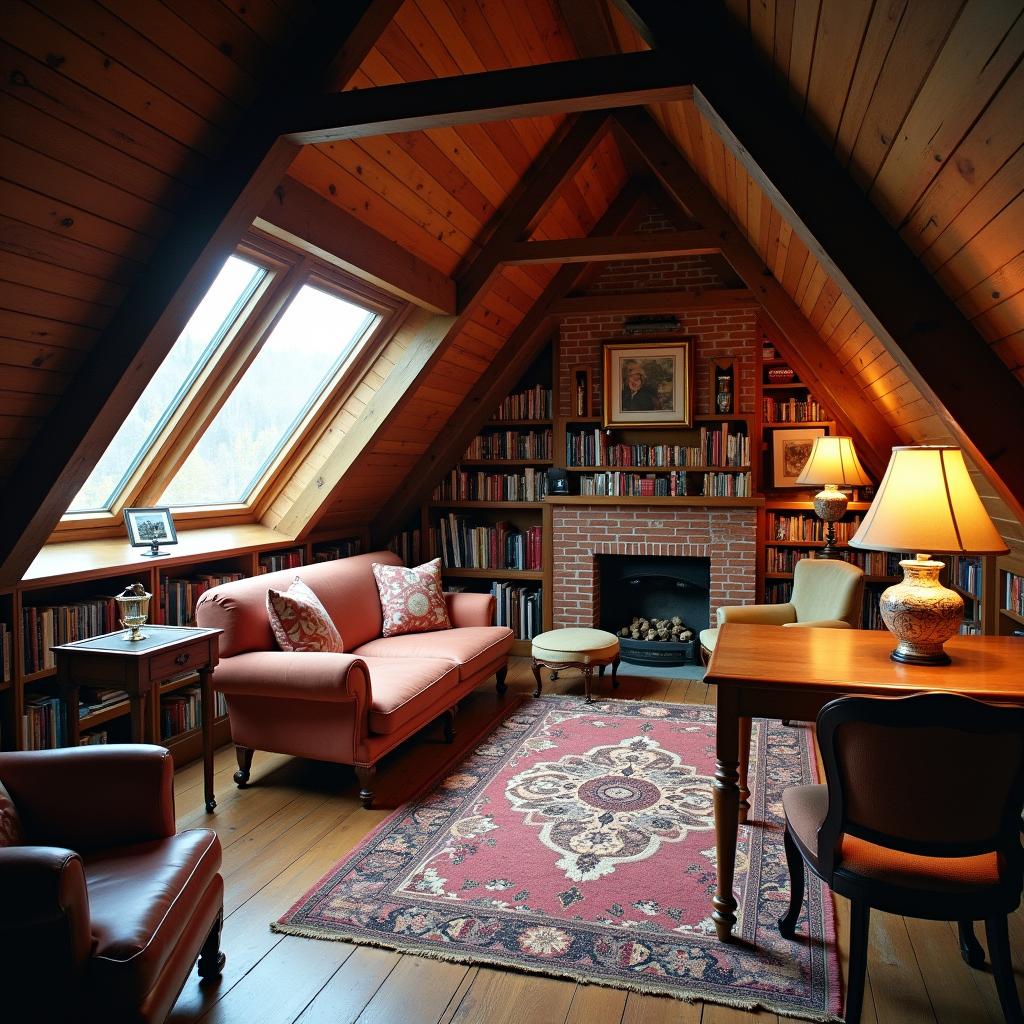
13. Attic Library
Transform your attic into a cozy library retreat. The sloped ceiling creates an intimate atmosphere perfect for curling up with a good book.
Pro Tips
- Ensure the attic is properly insulated and finished to be a comfortable living space.
- Install a skylight or a dormer window to bring in much needed natural light.
- Check the floor’s load bearing capacity to make sure it can handle the weight of many books and furniture.
- Use low, custom built bookshelves that fit neatly under the eaves to maximize storage.
- Plan for heating and air conditioning, as attics can experience extreme temperatures.
- A spiral staircase or a fixed, sturdy ladder can be a good space saving solution for access.
- Use a combination of recessed lighting, floor lamps, and task lamps to create a well lit space.
- Soundproof the floor to prevent noise from traveling to the rooms below.
- Ensure the access to the attic is safe and meets building codes.
- Incorporate plenty of electrical outlets for lighting and electronics.
Style Tips
- Embrace the sloped ceilings by painting them a dark, cozy color or covering them in wood planks.
- Use a large, soft area rug to define a central seating area and make the space feel warm.
- Furnish the space with low profile furniture, like floor cushions, bean bags, or a daybed.
- Hang string lights or fairy lights along the ceiling beams for a magical, enchanting atmosphere.
- Create a window seat under a dormer window for the perfect reading spot.
- Use the unique nooks and crannies created by the roofline for built in storage or display areas.
- Keep the color palette warm and inviting with tones of cream, beige, and warm woods.
- A hammock or a hanging chair can be a fun and comfortable seating option.
- Lean into the “secret hideaway” feel with vintage trunks, old maps, and quirky accessories.
- Use warm wood tones on the floor and shelves to enhance the cozy, cabin like feel.

14. Eclectic Library Design
Mix and match different styles of shelves and furniture for a unique, bohemian library. Add colorful rugs and mismatched chairs for an eclectic vibe.
Pro Tips
- To keep the look cohesive, stick to a general color palette even while mixing styles.
- Start with a few large, anchor pieces, like a unique sofa or a large bookshelf, and build the room around them.
- Do not be afraid to mix different wood tones and metal finishes.
- Source furniture and decor from a variety of places, including thrift stores, antique markets, and modern retailers.
- The key to successful eclectic design is a confident and personal mix; choose items you truly love.
- Use open shelving to display not just books, but also personal collections, travel souvenirs, and art.
- Even in an eclectic space, every item should have a “home” to avoid a cluttered feel.
- Balance busy patterns with areas of solid color to give the eye a place to rest.
- Pay attention to scale; mix large statement pieces with smaller, more delicate items.
- Arrange your furniture to encourage conversation and interaction.
Style Tips
- Layer multiple, colorful patterned rugs on the floor for a rich, bohemian look.
- Use a variety of seating options, such as a vintage velvet armchair, a modern sofa, and floor poufs.
- Create a gallery wall with a mix of art, photos, and objects in different frames and sizes.
- Incorporate plenty of plants of all shapes and sizes to add life and a natural element.
- Use textiles like throw pillows and blankets in a wide array of textures and patterns.
- Don’t be afraid to use bold, saturated colors on the walls or on a large piece of furniture.
- Lighting should be varied and layered, with a mix of chandeliers, floor lamps, and table lamps.
- Display books in a relaxed manner, mixing vertical and horizontal stacks.
- Showcase your personality through quirky and unexpected decor items.
- The overall feeling should be creative, collected, and uniquely you.


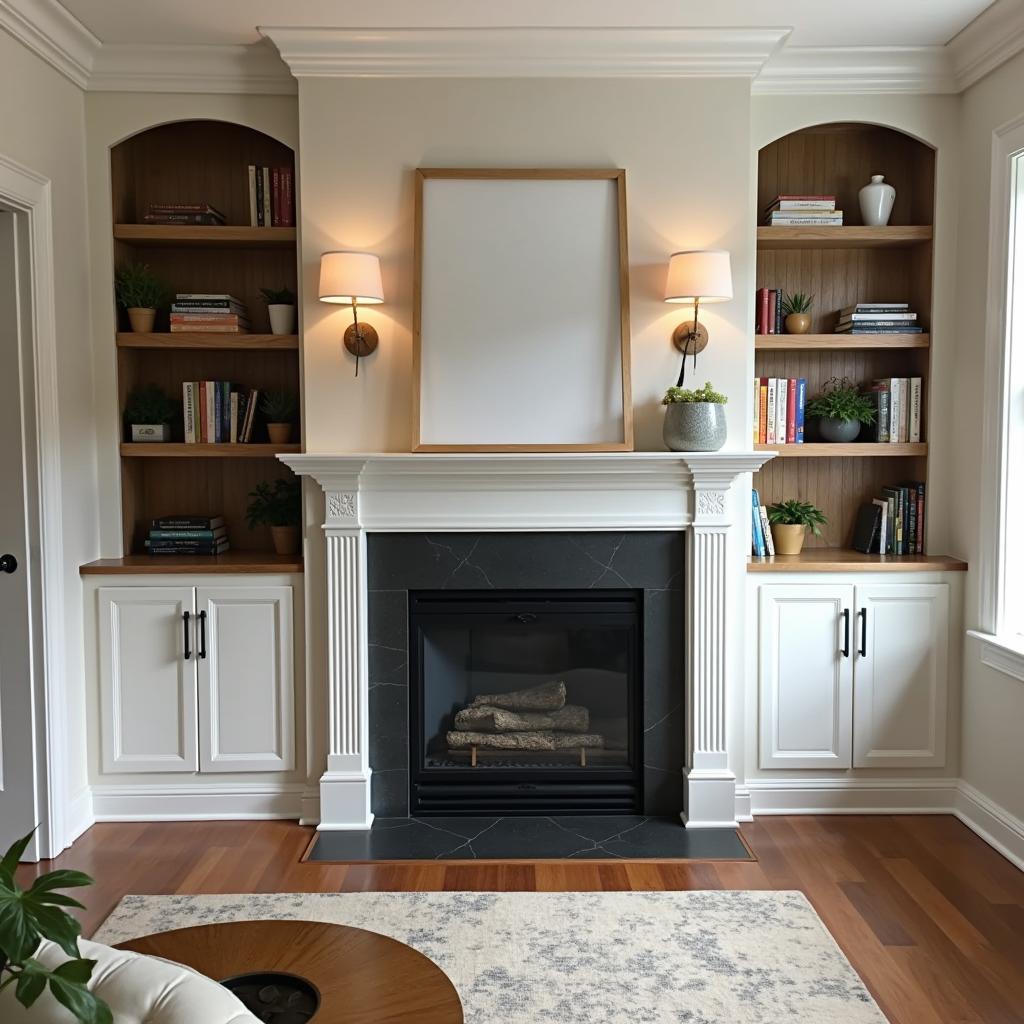
15. Built-In Bookcases Around a Fireplace
Frame your fireplace with built-in bookcases for a cozy and traditional home library. The warmth of the fire complements the charm of your book collection.
Pro Tips
- Ensure the bookcases are built with proper clearance from the fireplace opening, following all local fire safety codes.
- Consider the heat output of your fireplace; do not store valuable or delicate books on the shelves closest to the firebox.
- Incorporate closed cabinets at the bottom of the built ins for storing firewood, games, or media equipment.
- A professional carpenter can create seamless built ins that look original to the house.
- Run wiring for a mounted television above the fireplace before the bookcases are built, if desired.
- Install recessed lighting or picture lights above the bookcases to highlight your collection.
- The depth of the shelves should ideally match the depth of the fireplace hearth for a balanced look.
- Paint the built ins the same color as the fireplace mantel for a cohesive design.
- Make sure the design of the bookcases complements the architectural style of the fireplace.
- This is a permanent addition that can add significant value to your home.
Style Tips
- Arrange the books on the shelves symmetrically on both sides of the fireplace for a balanced, formal look.
- Place two comfortable armchairs facing the fireplace to create a cozy conversation and reading area.
- Style the mantelpiece as the central focal point with a large piece of art or a mirror.
- Use brass or dark bronze for any hardware or lighting to enhance the warm, traditional feel.
- Incorporate decor items on the shelves that tie into the colors of the fireplace surround, be it brick, stone, or tile.
- A plush, traditional rug in front of the fireplace will anchor the seating area.
- During winter, drape soft wool or cashmere blankets over the armchairs.
- Use the lowest shelves for larger, art-style books.
- Keep the decor on the shelves classic, with items like antique clocks, silver photo frames, or ginger jars.
- Paint the back of the bookcases a dark color to add depth and make the objects on the shelves stand out.

16. Minimalist Library
Choose simple, clean-lined shelves and stick to a neutral color palette. This minimalist approach highlights your books and creates a serene space.
Pro Tips
- Quality over quantity is key; this style works best with a curated, smaller collection of books.
- Keep shelving uncluttered, with plenty of negative space around each book or object.
- Use concealed mounting hardware for shelves to maintain clean lines.
- Opt for integrated, seamless storage with push-to-open doors to hide any clutter.
- A “one in, one out” policy for books can help maintain the minimalist aesthetic.
- Choose furniture that is simple in form and function, without ornate details.
- Invest in a few high quality, beautifully designed books to display as art objects.
- Keep the entire room tidy and well organized at all times.
- Select lighting fixtures that are sculptural but simple in their design.
- Focus on natural materials like light wood, stone, and linen to add warmth without adding clutter.
Style Tips
- Stick to a strict color palette of white, gray, beige, and black.
- Turn some books around so their neutral-colored pages face out for a very serene, textured look.
- Select one or two pieces of large scale, simple abstract art for the walls.
- Furniture should have sleek lines and a low profile.
- Choose one or two high quality decor items, like a designer vase or a sculptural object, for display.
- Use a single, beautiful plant, like a fiddle leaf fig or a snake plant, for a touch of organic life.
- The focus should be on light, space, and form.
- Keep window treatments simple, like sheer white curtains or minimalist roller blinds.
- Any textiles, like rugs or throw blankets, should be solid colors in natural textures.
- The overall goal is to create a calm, peaceful, and contemplative environment.


17. Bookshelf Room Divider
Use a freestanding bookshelf as a room divider to separate spaces while creating a mini-library. This is perfect for open-concept living areas.
Pro Tips
- Choose an open, backless bookshelf so that light can still pass through, keeping the space feeling airy.
- Ensure the bookshelf is very stable and sturdy. If possible, anchor it to the floor or ceiling for safety.
- This works well to create a separate entryway, a home office corner, or to divide a living and dining area.
- Place heavier items and books on the bottom shelf to act as a ballast and improve stability.
- Consider the view from both sides of the bookshelf when styling the shelves.
- This is a great solution for renters as it divides a space without any permanent construction.
- Use a bookshelf that is tall enough to feel like a real wall, but not so tall that it completely blocks the view.
- You can place two lower bookshelves back to back to create a divider with more depth and storage.
- Make sure there is a clear pathway to walk around both sides of the divider.
- For added functionality, look for a unit that incorporates both open shelves and closed cabinets.
Style Tips
- Style the shelves with a mix of books, plants, and decorative objects that look good from all angles.
- Use beautiful baskets or decorative boxes to store less attractive items.
- Place trailing plants on the top shelf to create a beautiful green canopy.
- Alternate the direction of items on each shelf, so both sides of the divider have interesting things to look at.
- Use the divider to define two different but complementary style zones.
- Stick to a cohesive color palette for the items on the shelf to create a unified look.
- Place a console table or a bench against one side of the bookshelf to help anchor it in the space.
- A bookshelf made of a warm wood can add a natural, organic element to a large, open room.
- Use the shelves to display a collection, such as pottery or glass.
- The divider itself can be a statement piece; choose a unit with an interesting geometric design.

18. Vintage Library Look
Incorporate antique furniture, ornate rugs, and classic lighting like chandeliers or table lamps for a vintage-inspired library.
Pro Tips
- Scour antique stores, flea markets, and estate sales for authentic vintage pieces.
- Look for furniture with classic details like carved wood, turned legs, and leather upholstery.
- Have old wiring on vintage lamps professionally checked and updated for safety.
- Do not be afraid to mix pieces from different vintage eras for a collected, authentic look.
- A real wood-burning or gas fireplace is a major bonus for achieving this aesthetic.
- Invest in a high quality, traditional style rug as the foundation of the room.
- Use real, solid wood bookshelves, preferably in a dark stain like mahogany or walnut.
- If you cannot find antique furniture, look for high quality reproductions.
- A vintage library table or partner’s desk makes a great centerpiece for the room.
- Incorporate a globe bar or a vintage bar cart for storing drinks.
Style Tips
- Choose a rich, warm color palette for the walls, such as deep red, hunter green, or a warm brown.
- Use tufted leather chesterfield sofas or armchairs as the primary seating.
- Layer the lighting with a central chandelier, multiple table lamps with fabric shades, and a floor lamp for reading.
- Hang oil paintings, particularly portraits or landscapes, in ornate gold frames on the walls.
- Accessorize with vintage items like brass magnifying glasses, old maps, leather-bound books, and antique clocks.
- Use heavy, luxurious curtains in a material like velvet or brocade for the windows.
- An oriental or Persian rug is the perfect choice for the floor.
- Display your best leather-bound or classic book editions prominently.
- A rolling library ladder is almost a necessity for completing the look.
- Incorporate plaid, tweed, or paisley patterns in textiles like throw pillows or blankets.


19. Children’s Library Nook
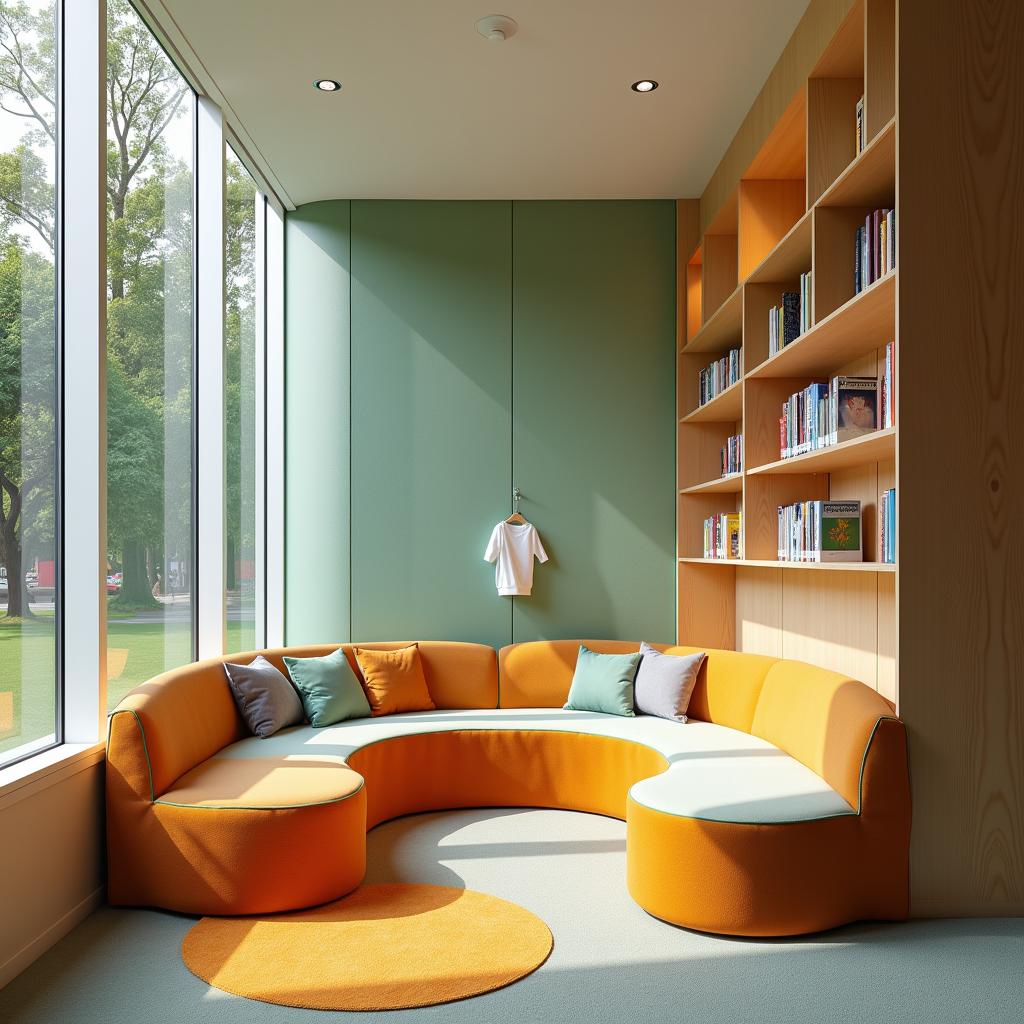
Create a kid-friendly library with low shelves, colorful decor, and bean bags or floor cushions. This encourages a love of reading from a young age.
Pro Tips
- All shelves and furniture must be securely anchored to the wall to prevent tipping.
- Use front-facing bookshelves that display the colorful covers of the books, which is more appealing to young children.
- Choose storage bins and baskets that are lightweight and easy for small hands to handle.
- Select seating that is soft, durable, and easy to clean.
- Install a soft, washable rug or interlocking foam mats on the floor for a comfortable play surface.
- Rotate the books on display regularly to keep the selection fresh and interesting.
- Install a dimmer switch on the main light so you can create a calming atmosphere for bedtime stories.
- Make sure all decor items are child safe, with no small parts or sharp edges.
- Organize books into simple categories using picture labels, such as “Animals,” “Cars,” or “Fairy Tales.”
- Create a small art station within the nook with crayons and paper for kids to draw their favorite characters.
Style Tips
- Choose a fun, imaginative theme for the nook, like a jungle, outer space, or a magical forest.
- Paint a playful mural or use whimsical wall decals on the walls.
- Hang a canopy or create a tent like structure to make the space feel like a secret hideout.
- Use a bright, cheerful color palette with lots of primary or pastel colors.
- Drape string lights or star-shaped fairy lights for a magical ambiance.
- Use plush character pillows or bean bags shaped like animals for fun seating.
- Frame and hang illustrations from classic children’s books on the walls.
- Install a low, floating shelf to display their favorite figurines or Lego creations.
- A personalized sign with the child’s name, like “Leo’s Library,” makes it feel special.
- Use a fun, patterned rug to add color and comfort to the space.

20. Outdoor Library
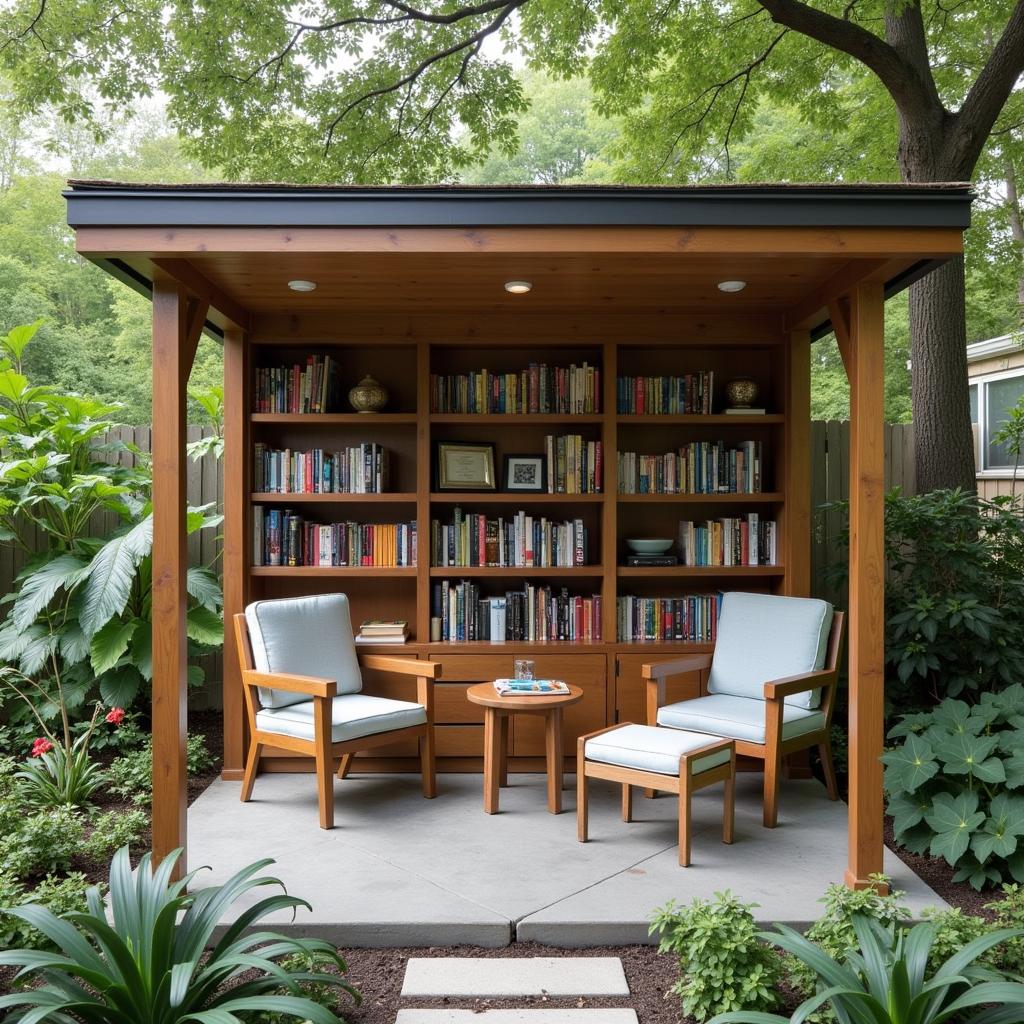
For the ultimate unique space, consider an outdoor library in a covered patio or garden shed. Use weather-resistant furniture and storage to protect your books.
Pro Tips
- The space must be completely waterproof and protected from the elements. A well-built shed or a deeply covered patio is essential.
- Use sealed, weatherproof storage trunks or cabinets to store the books when not in use.
- Install good ventilation to prevent humidity and mildew from damaging the books.
- Consider a small, portable dehumidifier for the space.
- Use only a small, rotating collection of books that you would not be devastated to lose to unexpected weather.
- Install outdoor-rated lighting and electrical outlets for evening reading.
- Screen in the area to protect from insects.
- Use outdoor-rated fabrics for all cushions and seating.
- A small, portable heater can extend the use of the space into cooler evenings.
- Make sure the location is shaded from direct, harsh sunlight which can fade book covers and pages.
Style Tips
- Use comfortable outdoor furniture like a deep-seated loveseat or an outdoor daybed.
- Surround the space with potted plants, hanging baskets, and climbing vines to blend it with the garden.
- Hang outdoor curtains or fabric panels that you can draw for privacy and shade.
- Lay down a durable, colorful outdoor rug to define the space and add comfort underfoot.
- Use solar-powered string lights or lanterns to create a magical atmosphere at night.
- A small, portable fire pit can add warmth and ambiance.
- Use natural materials like teak, wicker, and stone to complement the outdoor setting.
- Incorporate a small water feature nearby for a soothing background sound.
- A comfortable outdoor hammock is the perfect spot for reading on a lazy afternoon.
- Use bright, cheerful colors in your textiles to contrast with the natural greens of the garden.

Conclusion
A dreamy home library is more than just a place to store books it’s a reflection of your personality and a sanctuary for relaxation and inspiration. Whether you prefer a grand wall-to-wall design, a cozy reading nook, or a quirky under-the-stairs setup, these ideas can help you create the perfect space for your literary adventures. Start planning today and make your book-lover’s dream a reality!