
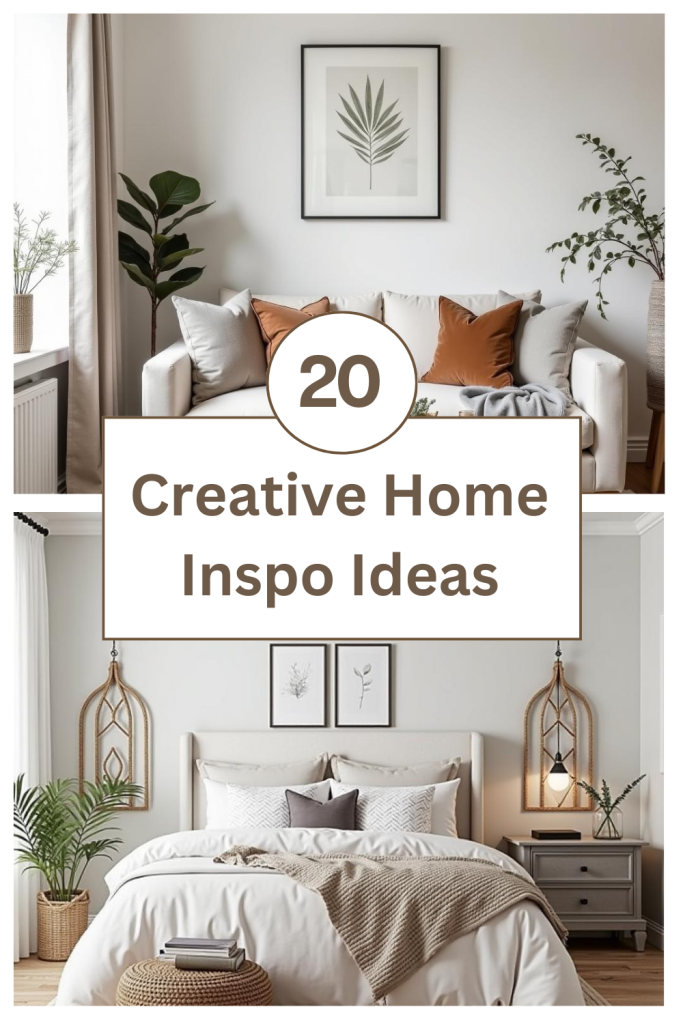

Transforming your home into a space that reflects your personality, lifestyle, and needs can be a rewarding experience. Whether you prefer modern minimalism, rustic charm, or eclectic flair, there are plenty of creative ideas to inspire your home makeover. Here’s a list of 20 ideas to refresh your living space, organized by different design styles.


1. Modern Minimalism: Clean Lines and Functionality
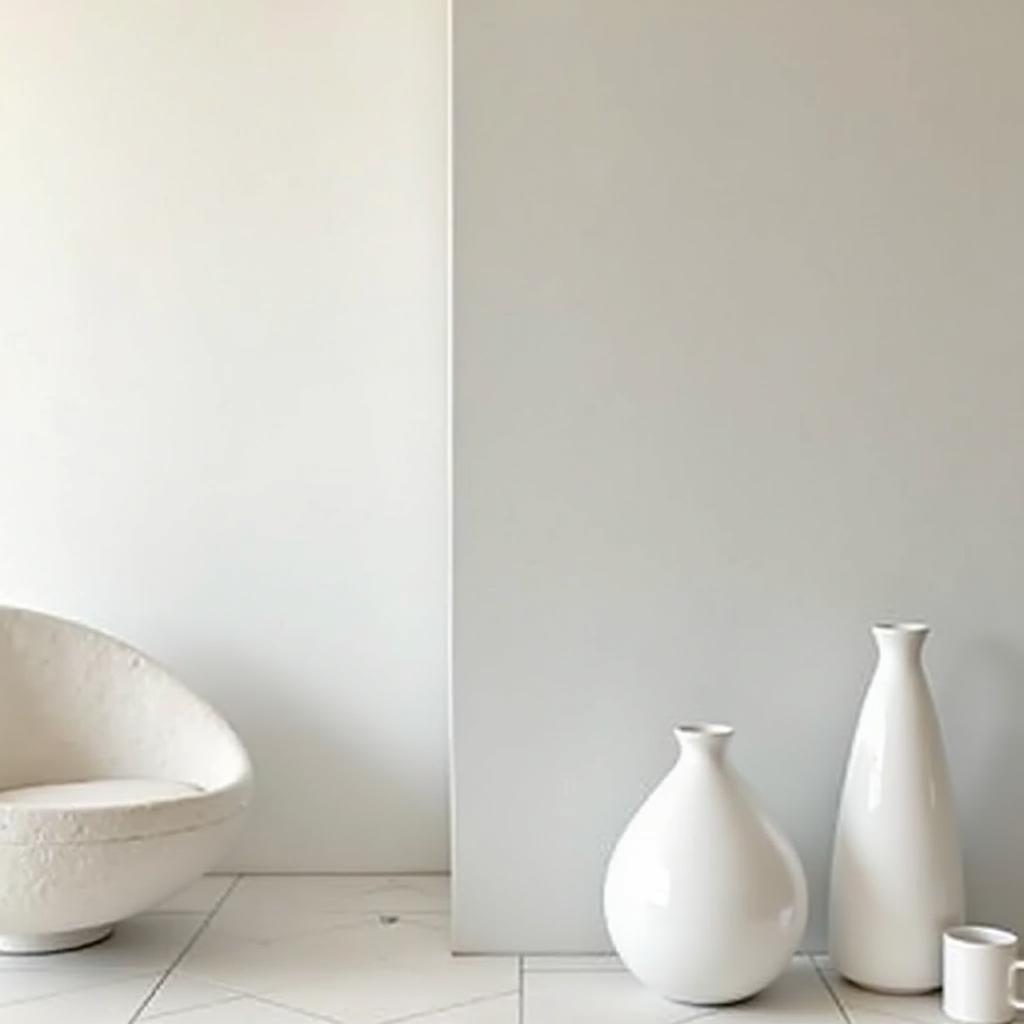
1.1 Neutral Color Palette
Stick to a neutral color palette with shades of white, gray, and beige to create a serene, clean environment. This approach reduces visual noise and creates a cohesive, calming backdrop for your entire home. To prevent the space from feeling sterile, introduce subtle texture through materials like linen curtains, a wool rug, or a soft boucle chair. The beauty of minimalism is in its simplicity, where every element feels intentional and contributes to a tranquil atmosphere.

1.2 Floating Furniture
Use floating furniture like wall-mounted shelves and desks to maximize floor space and create an airy atmosphere. By lifting furniture off the ground, you create an uninterrupted sightline across the floor, which visually expands the room and makes it feel larger and more open.
This technique is especially effective for media consoles, bathroom vanities, and nightstands, contributing to the clean, uncluttered lines that define the minimalist aesthetic.


1.3 Open Shelving
Install open shelves in the kitchen or living room to showcase a few select, beautiful items, as this maintains a clean look while adding a personal touch.
The key to successful minimalist open shelving is careful curation; it’s not for general storage but for displaying items that are both functional and aesthetically pleasing, like a stack of matching ceramic bowls or a few sculptural objects. This forces intentionality and turns everyday objects into deliberate decor.


2. Bohemian: Free-Spirited and Eclectic
2.1 Layered Textiles
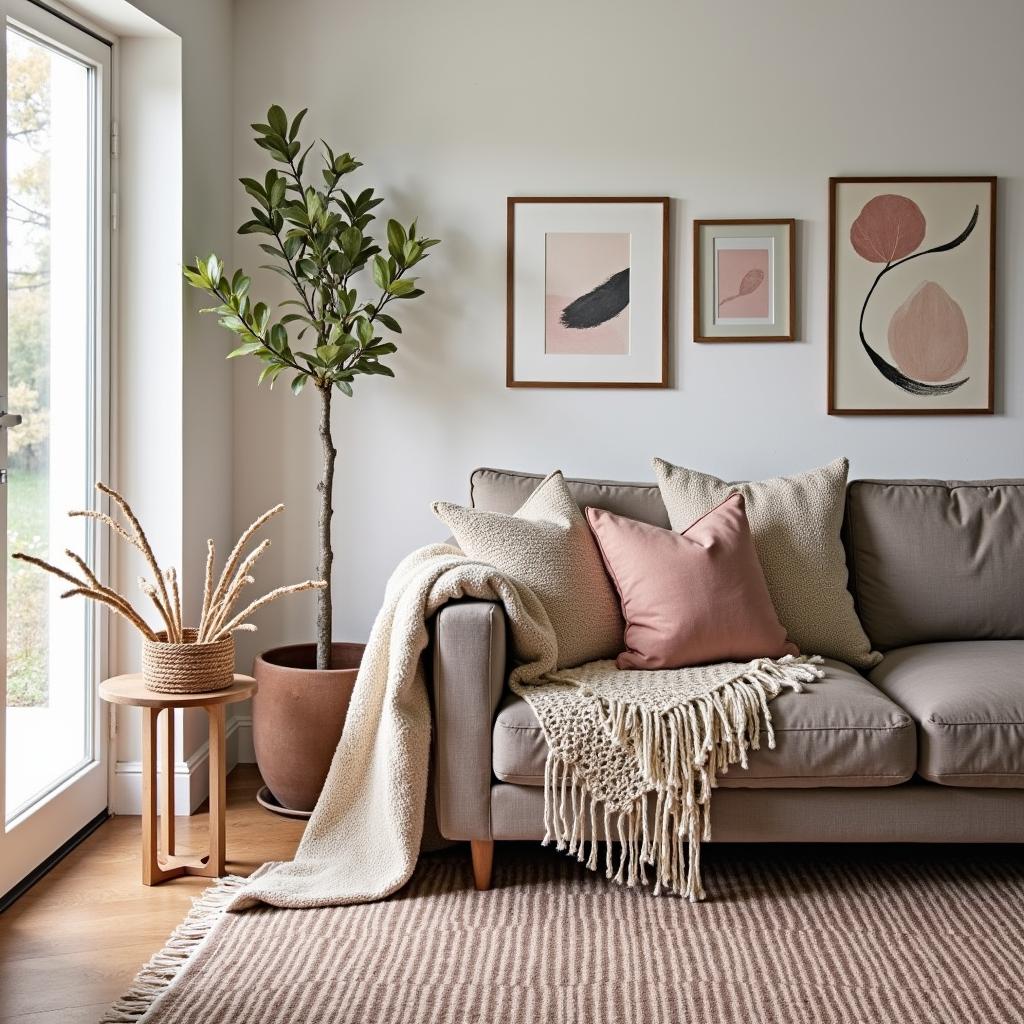
Mix and match various fabrics, such as rugs, throw pillows, and blankets, to add warmth, depth, and personality to the space. The bohemian style thrives on a rich tapestry of textures and patterns, so do not be afraid to layer a colorful Moroccan rug over a neutral jute one or pile velvet pillows next to macrame and embroidered cushions.
These layers make a room feel cozy, comfortable, and well-traveled, telling a story through touchable, inviting materials.

2.2 Vintage Finds
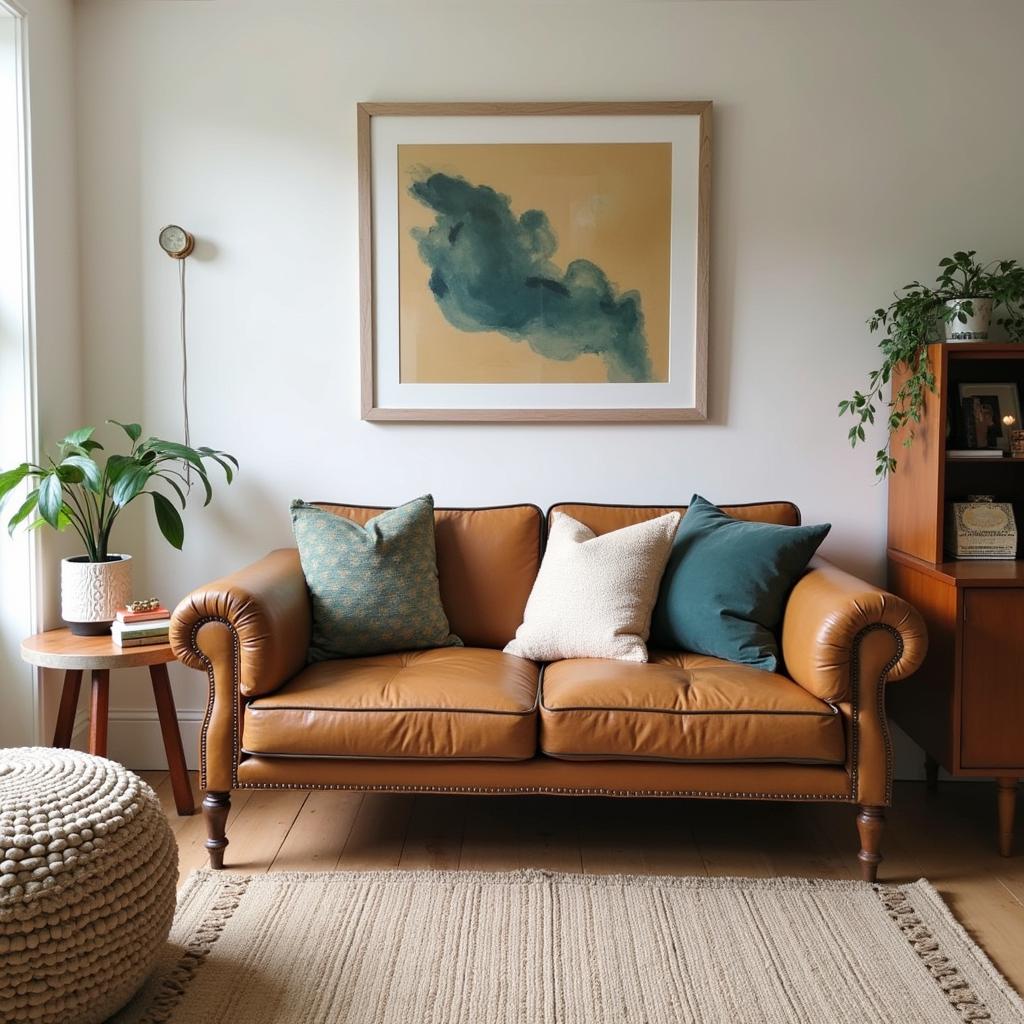
Incorporate vintage furniture and accessories to give your space a unique, lived-in charm that feels collected over time. Scour flea markets and thrift stores for one-of-a-kind pieces like a distressed wooden chest for a coffee table or a retro rattan armchair.
These items bring history and soul into your home, ensuring your space is deeply personal and unlike any other, perfectly capturing the free-spirited nature of boho design.

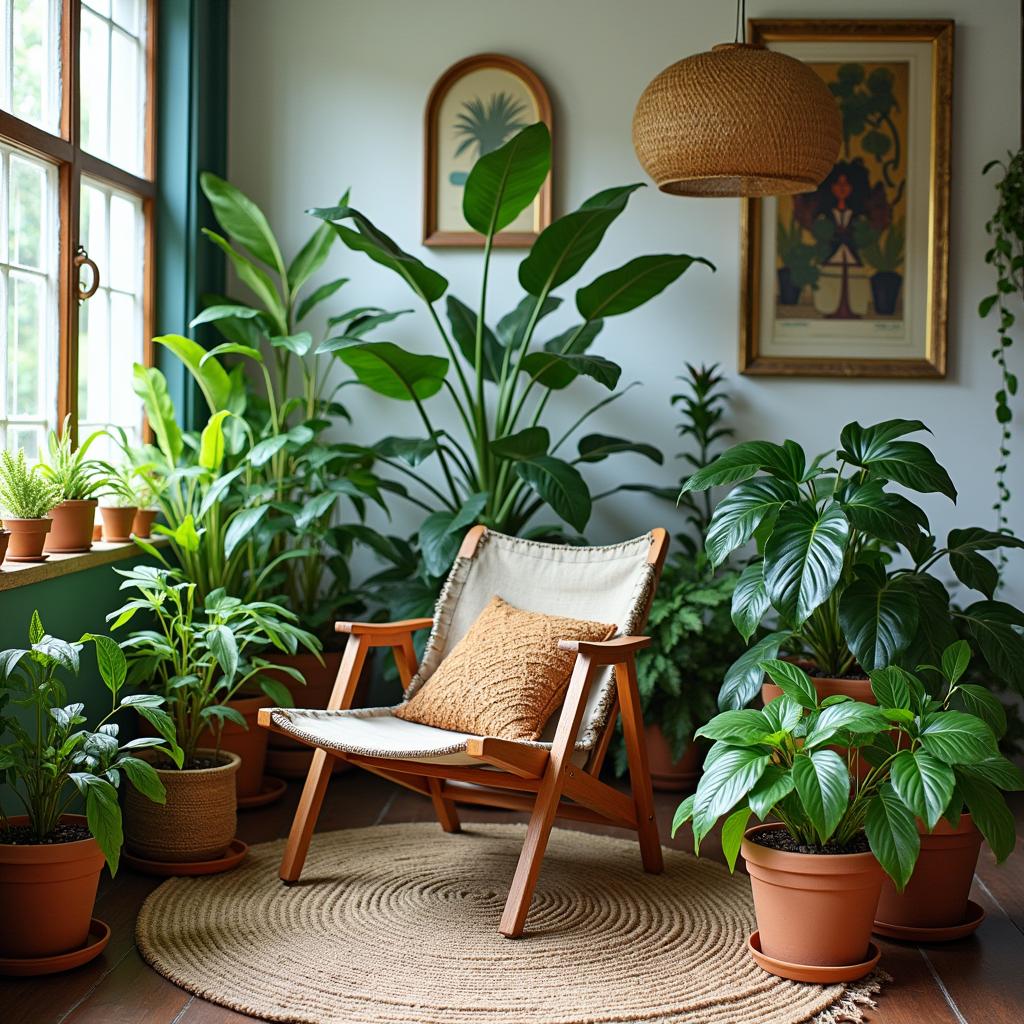
2.3 Indoor Plants
Bring the outdoors inside with a wide variety of plants to create a lush, vibrant, and life-filled boho space. They not only purify the air but also serve as living decor, adding pops of natural color and organic shapes.
Create your own indoor jungle by mixing large floor plants like a Monstera, hanging plants like a Pothos, and smaller succulents on shelves, using an array of terracotta pots and woven basket planters to enhance the earthy vibe.

3. Industrial: Raw and Urban
3.1 Exposed Brick Walls
A classic feature in industrial design, exposed brick walls bring a powerful sense of texture and character to your home, instantly evoking a loft-like, urban feel.
Whether you have an original brick wall to uncover or opt for a realistic-looking faux brick paneling, this feature serves as a stunning backdrop. It provides a raw, tactile quality that contrasts beautifully with smoother surfaces like metal and glass, grounding the space with its historic, weathered appeal.


3.2 Steel and Wood Furniture
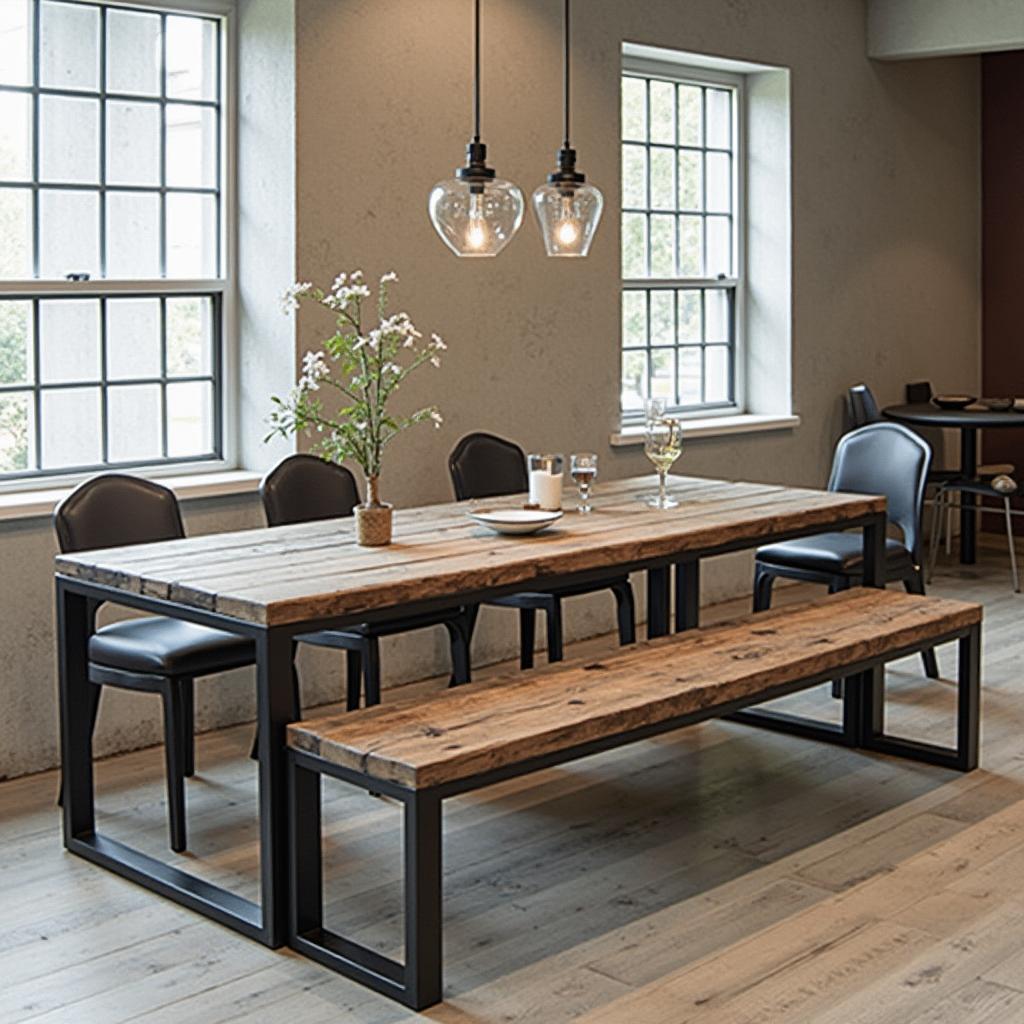
Combine steel and reclaimed wood for a stylish yet functional look that is the hallmark of industrial design. This pairing brings an edgy, utilitarian feel to your home, from dining tables with metal legs and a thick wooden top to bookshelves made from iron pipes and rustic planks.
The contrast between the cold, hard metal and the warm, natural wood creates a dynamic balance that is both visually interesting and incredibly durable.

3.3 Statement Lighting
Install large, statement lighting fixtures such as pendant lamps or chandeliers with exposed bulbs to enhance the industrial vibe.
Look for fixtures made of dark metal, aged brass, or concrete, and consider designs inspired by old factory or warehouse lighting. These pieces act as functional sculptures, drawing the eye upward and illuminating the space while reinforcing the raw, mechanical aesthetic of the industrial style.


4. Scandinavian: Simple, Functional, and Cozy
4.1 Natural Materials
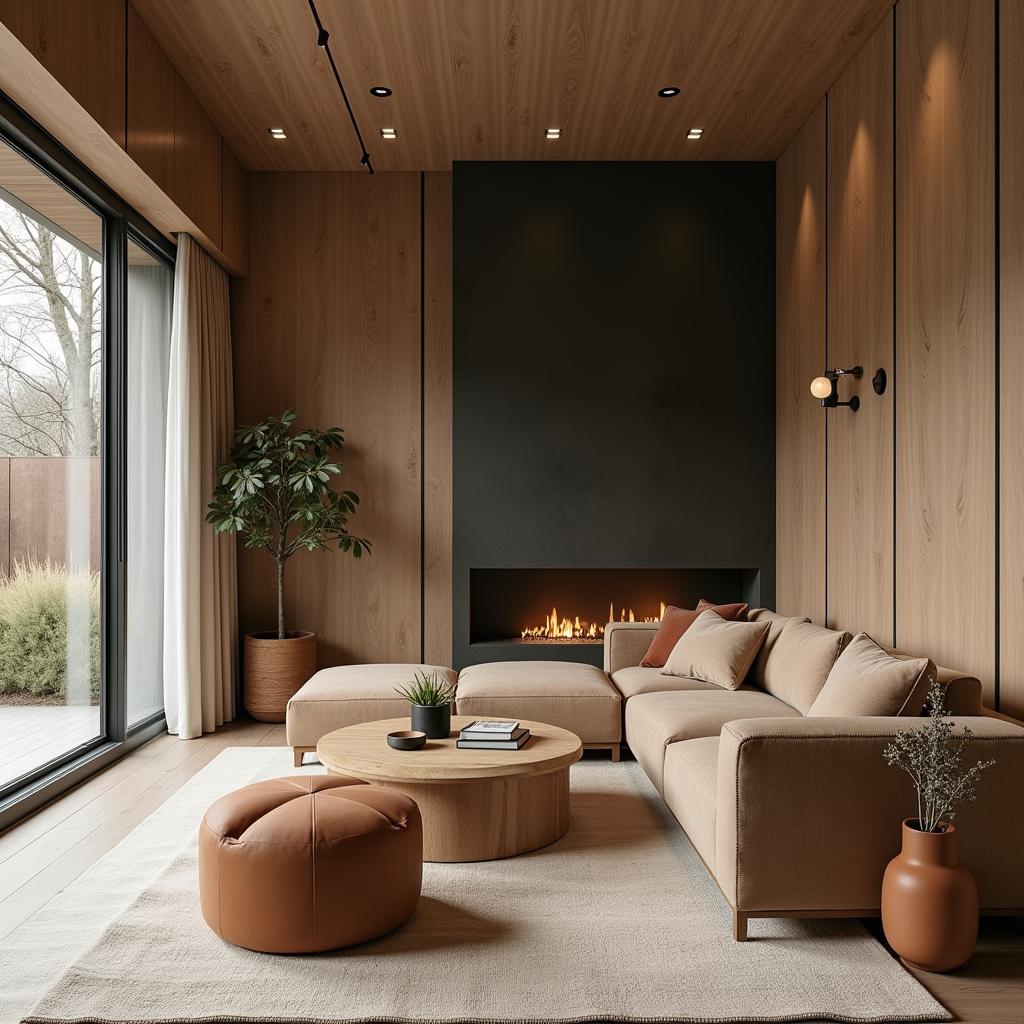
Use materials like light-toned wood, soft leather, and cozy linen to keep the space warm, inviting, and highly functional. Scandinavian design celebrates nature, so incorporating these organic elements is key to achieving its signature cozy (“hygge”) feeling.
A pale oak dining table, a worn leather armchair, or simple linen bedding can create a tactile and comforting environment that feels both clean and deeply connected to the natural world.

4.2 Light-Filled Spaces
Maximize natural light by using sheer, lightweight curtains and keeping windows as unobstructed as possible to make rooms feel open and airy. In a region with long, dark winters, light is a precious commodity, and Scandinavian design reflects this by creating bright, luminous interiors.
White walls, reflective surfaces like mirrors, and a minimal approach to window treatments all work together to amplify daylight and foster a cheerful, spacious atmosphere.


4.3 Minimalist Furniture
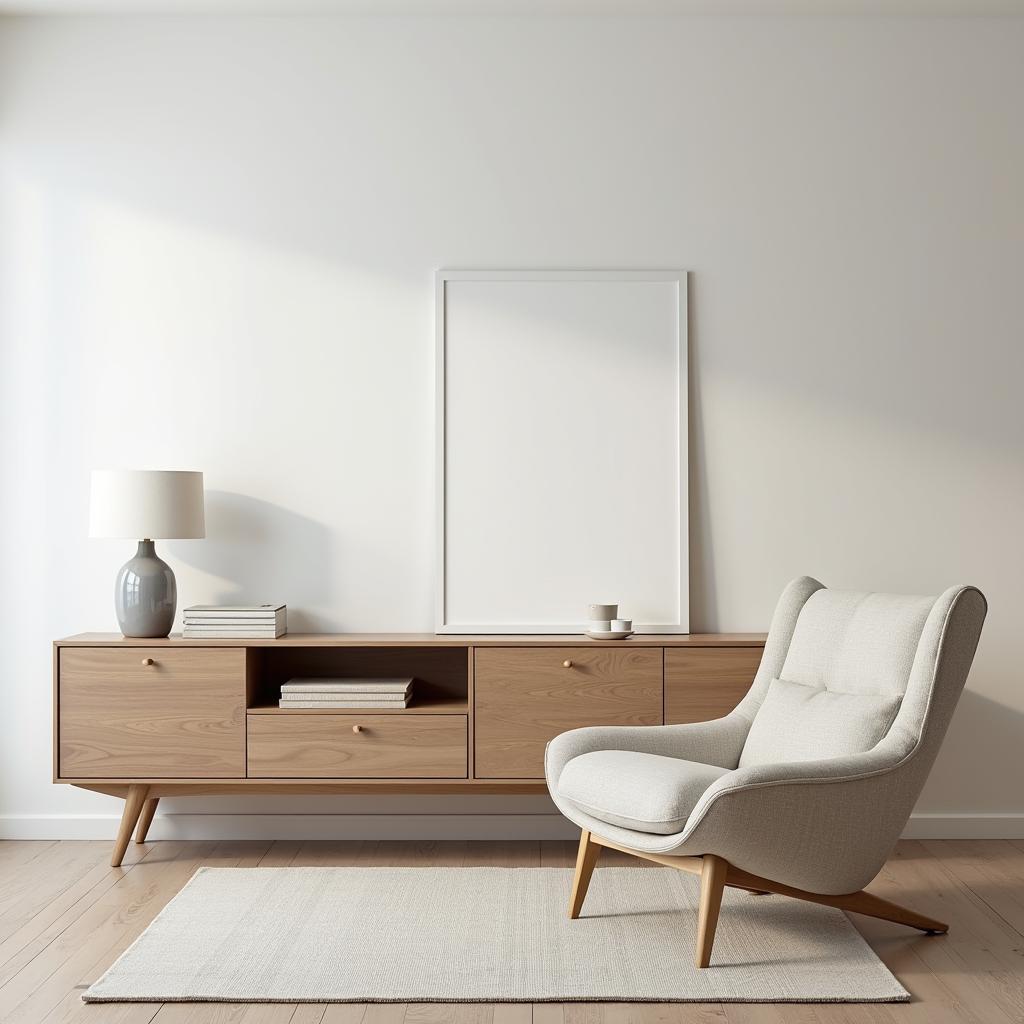
Choose sleek, highly functional furniture with clean lines and neutral tones to embrace the Scandinavian principle of simplicity. Pieces should be beautiful but also practical, often featuring clever storage solutions or multi-purpose designs.
Look for items with tapered legs, gentle curves, and an uncluttered silhouette, which contribute to a sense of order and calm while ensuring the space remains comfortable and livable.

5. Coastal: Fresh, Breezy, and Inviting
5.1 Light Blue and White Tones
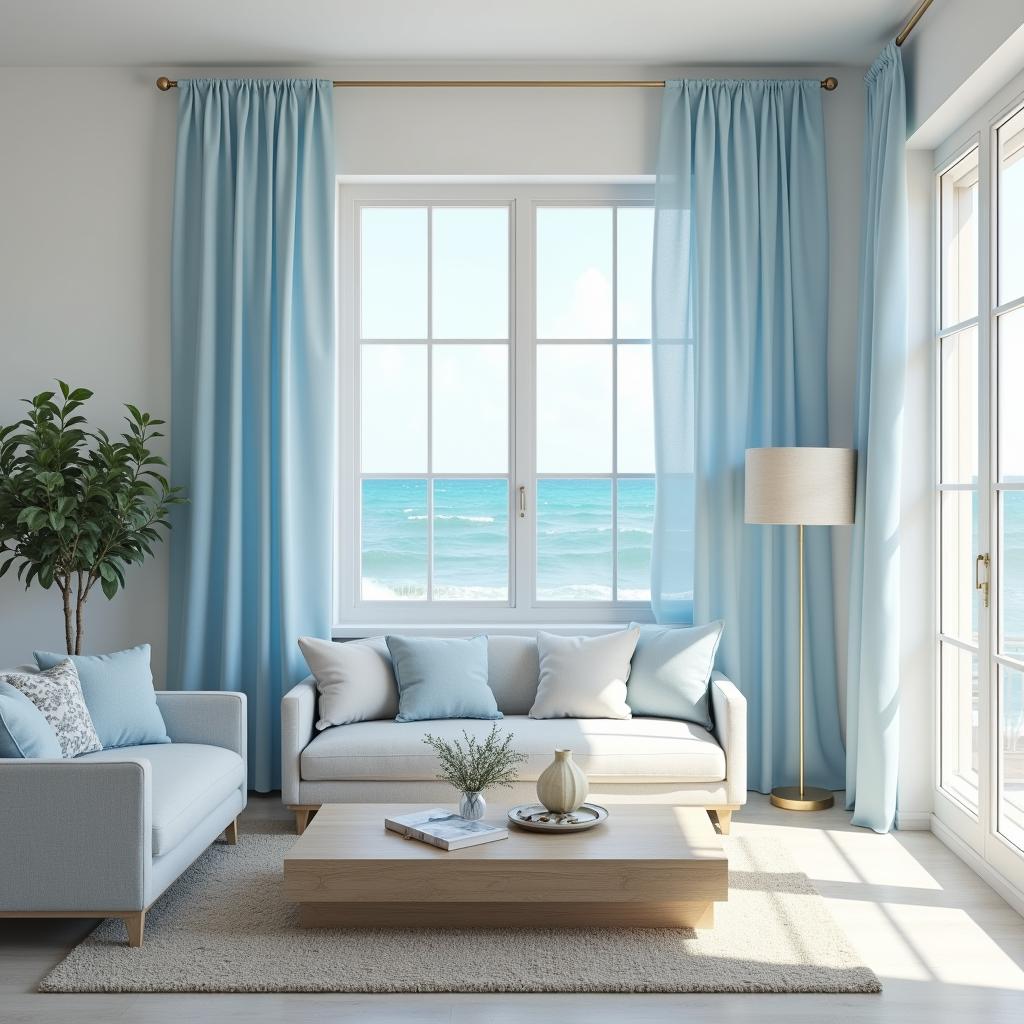
Use a color palette of soft blues, crisp whites, and sandy neutrals to evoke a relaxing, beachy feel within your home. These colors are directly inspired by the coastal landscape, reminding you of the ocean, sky, and sand, which helps to create a serene and airy ambiance.
This simple color scheme can make any room feel brighter, larger, and more open, instantly transforming it into a tranquil seaside escape.

5.2 Nautical-Inspired Accessories
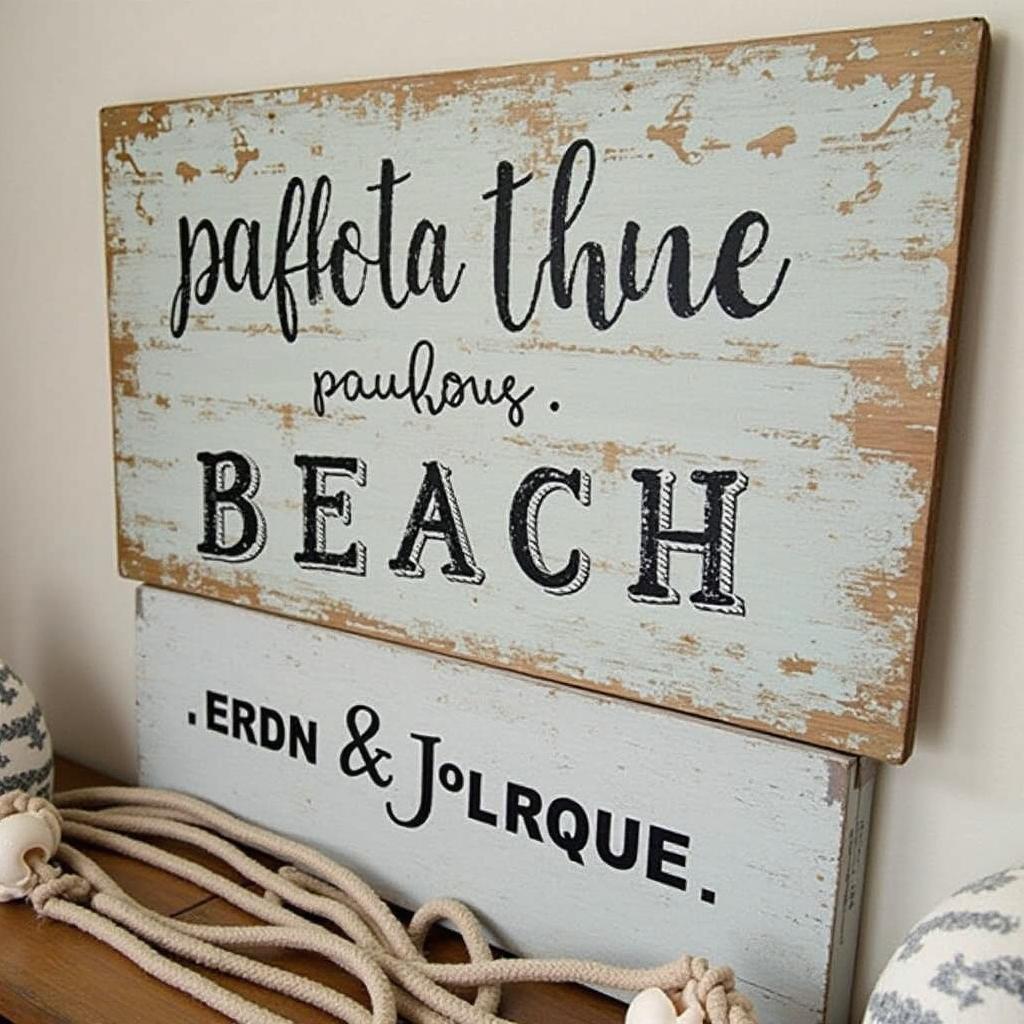
Add subtle nautical elements like decorative ropes, beautiful seashells displayed in a glass jar, or a vintage-style beach sign to create an authentic coastal vibe. The key is to be selective and avoid clichés; instead of over-the-top themes, aim for understated accents that hint at life by the sea.
These small touches add layers of interest and personality, completing the narrative of a relaxed, waterside retreat.

5.3 Natural Fiber Rugs
Choose rugs made from natural fibers like jute, sisal, or seagrass to bring in an earthy, textural touch that perfectly complements the coastal style. These materials evoke the feeling of sandy shores and windswept dunes, grounding the space with their organic texture and neutral tones.
They are also incredibly durable, making them a practical choice for high-traffic areas while reinforcing the casual, laid-back elegance of a beach house.


6. Traditional: Classic and Timeless Elegance
6.1 Rich Wood Furniture
Incorporate dark, solid wood furniture, such as mahogany, cherry, or oak, to add a sense of richness, permanence, and warmth to any traditional home. These pieces often feature ornate details like carved legs, intricate moldings, and elegant hardware that speak to classic craftsmanship.
A stately dining table, a detailed armoire, or a four-poster bed made from these fine woods can serve as an anchor for the room’s design, lending it an air of sophistication.


6.2 Patterned Fabrics
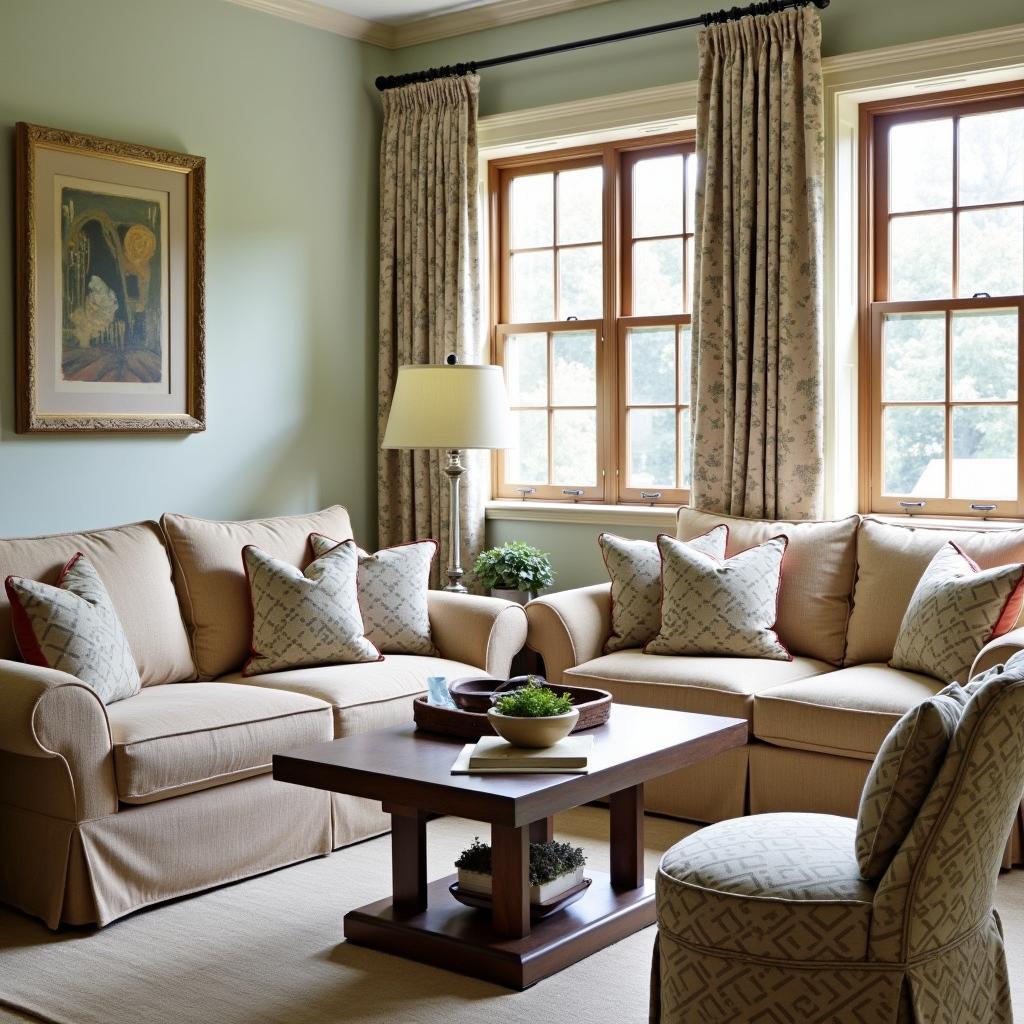
Opt for classic patterned fabrics such as floral, damask, or plaid for upholstery, curtains, and throw pillows to add depth, color, and style.
Traditional design embraces detailed patterns to create a layered and visually interesting space that feels both comfortable and refined. Combining these timeless motifs on sofas, armchairs, and window treatments helps to build a cohesive and elegantly decorated room.

6.3 Antique Decor
Incorporate antique or heirloom pieces to add a unique sense of history and character to your home, making it feel curated over generations. An ornate gilded mirror, a vintage grandfather clock, or a collection of inherited porcelain can become a cherished focal point and a conversation starter.
These items bring a story and a soul to the space that cannot be replicated with new decor, lending authenticity to the traditional aesthetic.


7. Mid-Century Modern: Retro and Functional
7.1 Bold Color Accents
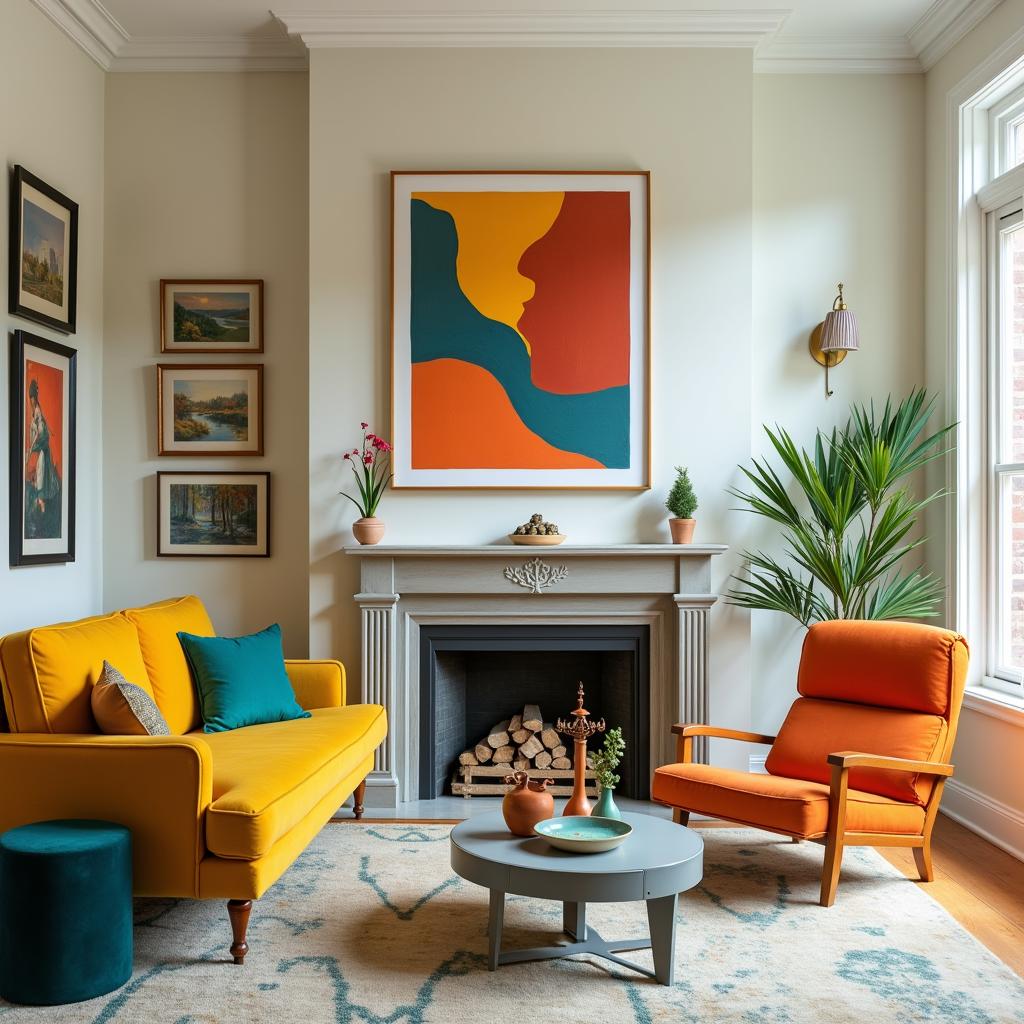
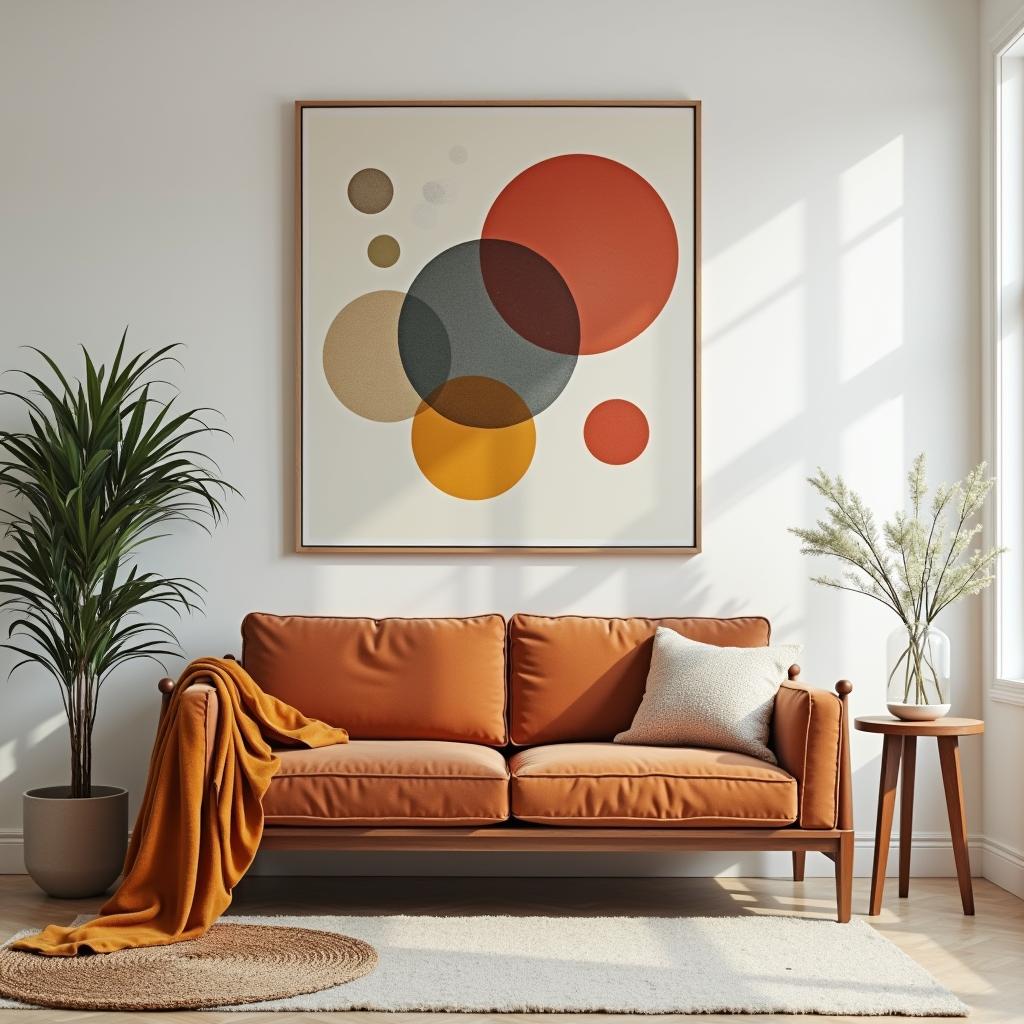
Introduce pops of bold, optimistic color, such as mustard yellow, avocado green, teal, or burnt orange, to brighten up the space. Use these vibrant hues in moderation on an accent wall, a statement armchair, or through decorative accessories like cushions and vases.
This use of color provides a playful contrast against the style’s typical backdrop of warm wood tones and neutral walls, capturing the confident spirit of the mid-century era.

7.2 Geometric Patterns
Embrace clean geometric shapes and graphic patterns in wall art, textiles, and even furniture design for a classic mid-century modern aesthetic. Look for prints featuring bold sunbursts, atomic-inspired motifs, and interlocking shapes on rugs, curtains, and wallpaper.
These patterns add a dynamic layer of visual interest and retro flair, perfectly complementing the clean lines and organic curves of the furniture.

7.3 Iconic Furniture Pieces
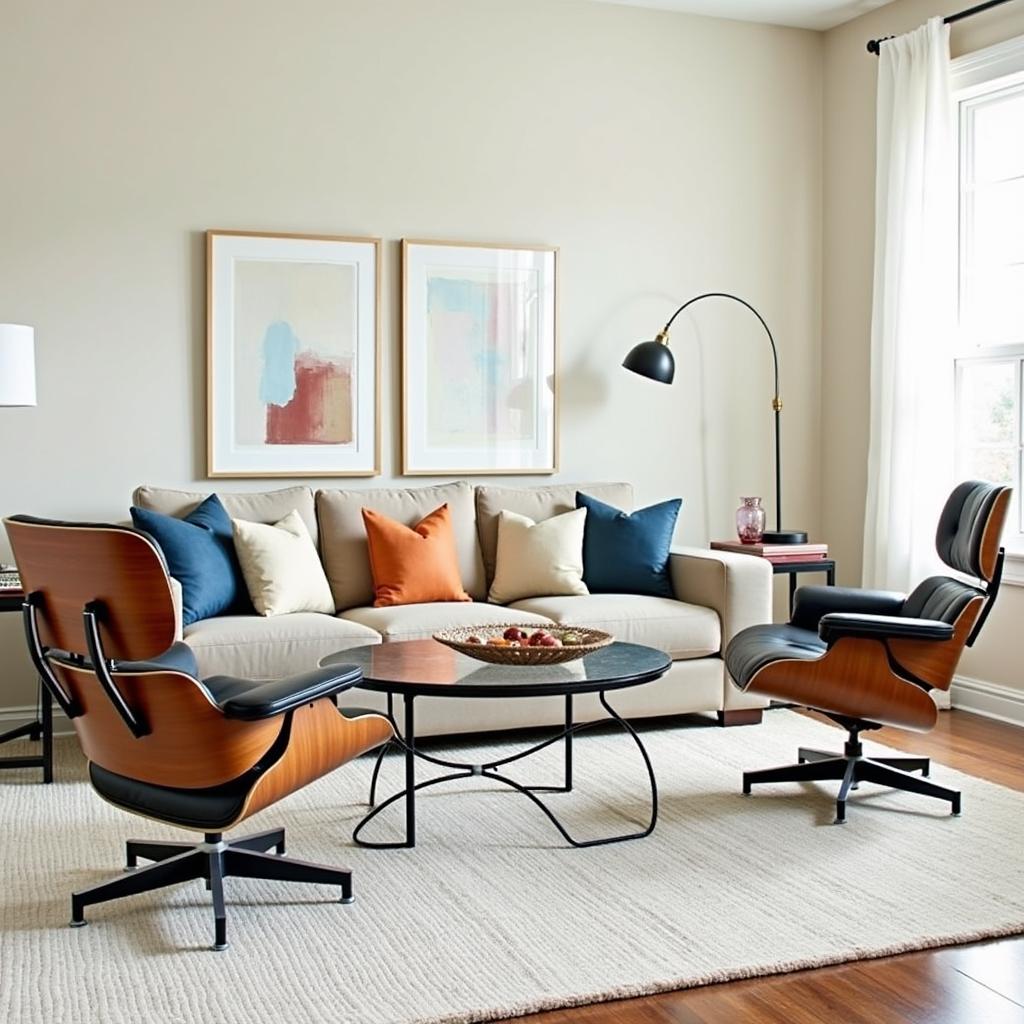
Choose one or two iconic mid-century modern furniture pieces, such as an Eames lounge chair, a Noguchi coffee table, or a Womb chair, to anchor the design.
These timeless items are celebrated for their fusion of form and function and serve as functional art in any room. Investing in a signature piece instantly communicates the style and provides a sophisticated focal point around which you can build the rest of your space.

8. Farmhouse: Cozy and Rustic
8.1 Shiplap Walls
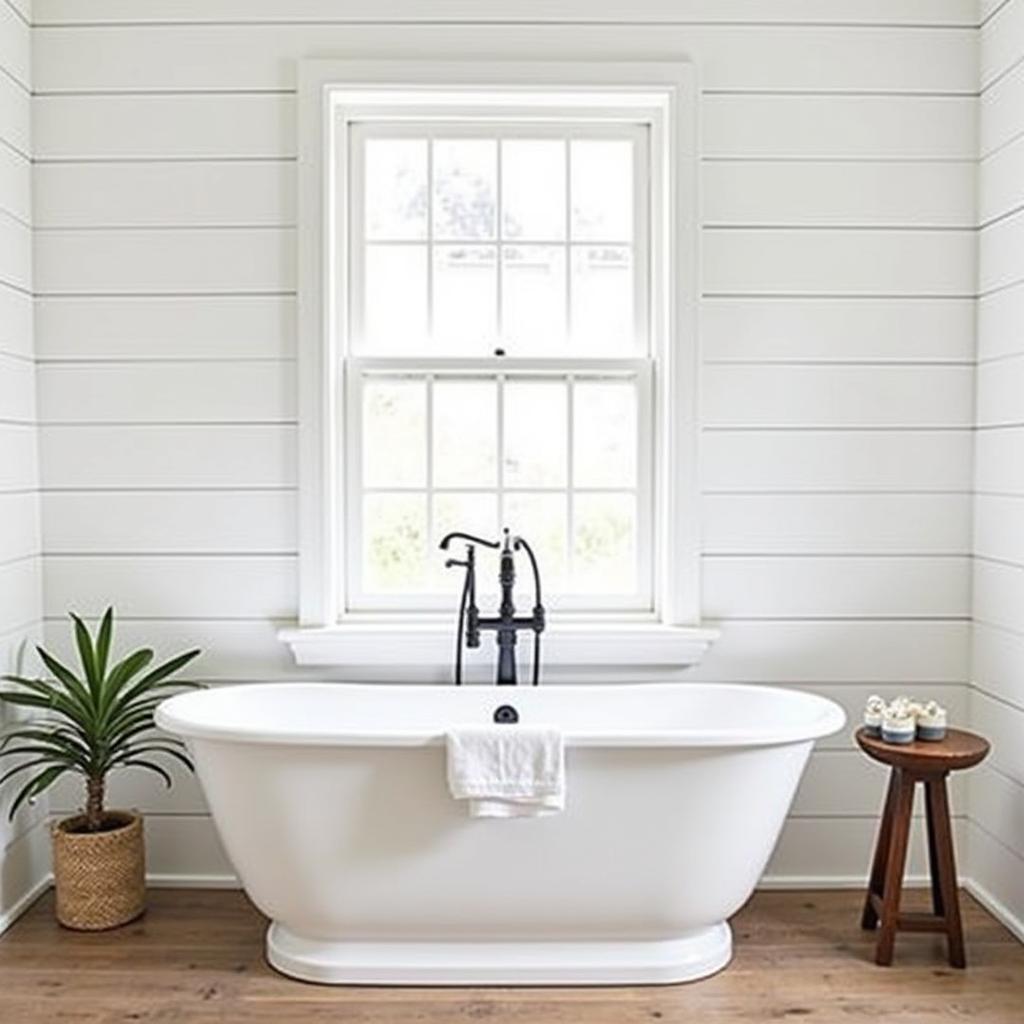
Install shiplap walls for a quintessential rustic touch that adds texture and character to any room. This timeless farmhouse feature, with its clean horizontal lines, works well as an accent wall in a living room, a full wall treatment in a bathroom, or as a kitchen backsplash.
Painted a crisp white, it creates a bright yet textured backdrop that feels both clean and cozy, perfectly embodying the modern farmhouse look.




8.2 Farmhouse Sink
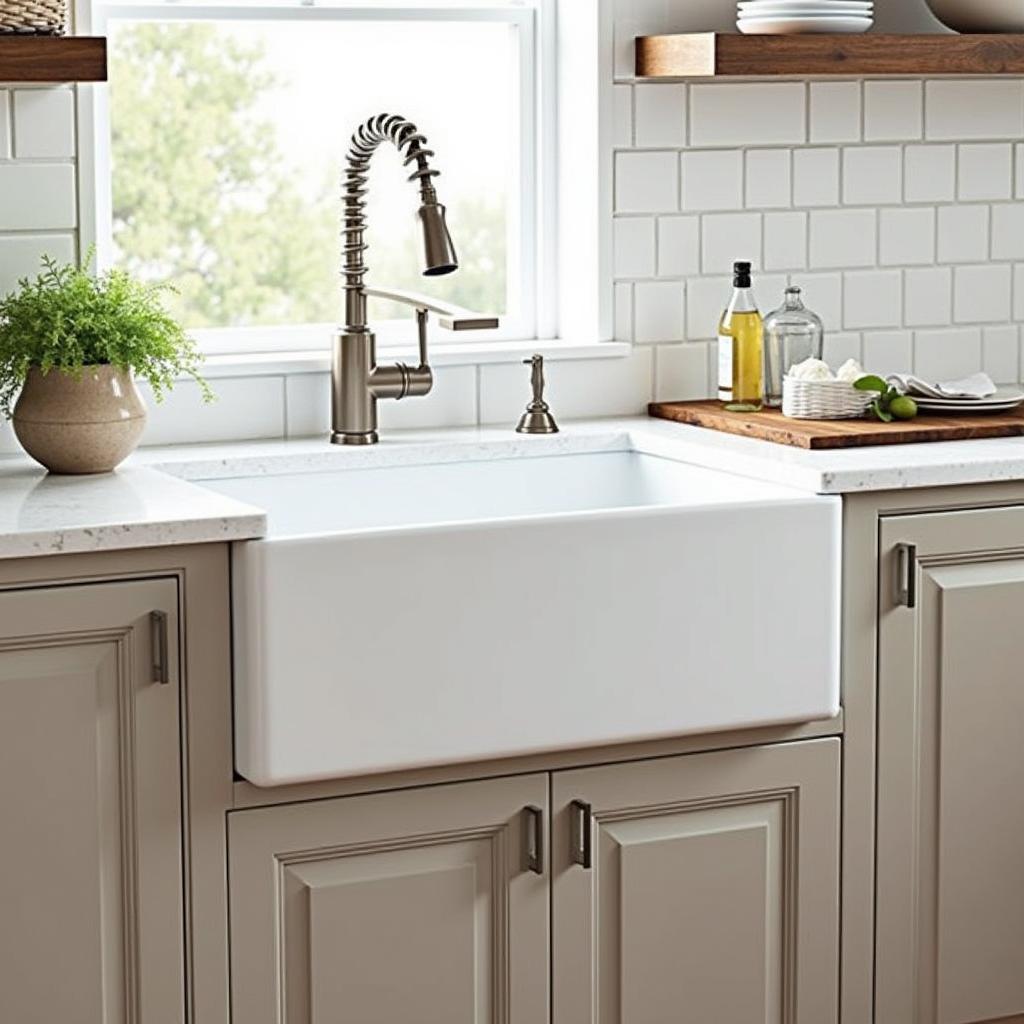
A large, deep-basin farmhouse sink, also known as an apron-front sink, is not only highly functional but also adds an authentic, country-inspired look to your kitchen.
Its exposed front creates a prominent focal point that is central to the farmhouse aesthetic, blending practicality with classic charm. This single element can transform the entire feel of a kitchen, making it feel more welcoming and rooted in tradition.

8.3 Mason Jar Lighting
Use mason jars creatively as light fixtures or as simple decorative accents to infuse your farmhouse-style home with nostalgic charm. A cluster of mason jars can be transformed into a unique chandelier over a dining table, or they can be used individually as rustic pendant lights.
Even when used simply as vases for wildflowers or as holders for candles, they evoke a sense of simplicity and resourcefulness that is at the heart of the farmhouse style.


9. Contemporary: Sleek and Stylish
9.1 Statement Art Pieces
Choose large, bold, and impactful art pieces to create a dramatic focal point and inject personality into a room. Contemporary design often uses art as the primary decorative element, so a single oversized painting or a striking sculpture can define the space’s color palette and mood.
This approach keeps the room feeling uncluttered while making a powerful and sophisticated statement that reflects current artistic trends.


9.2 Open Concept Layout
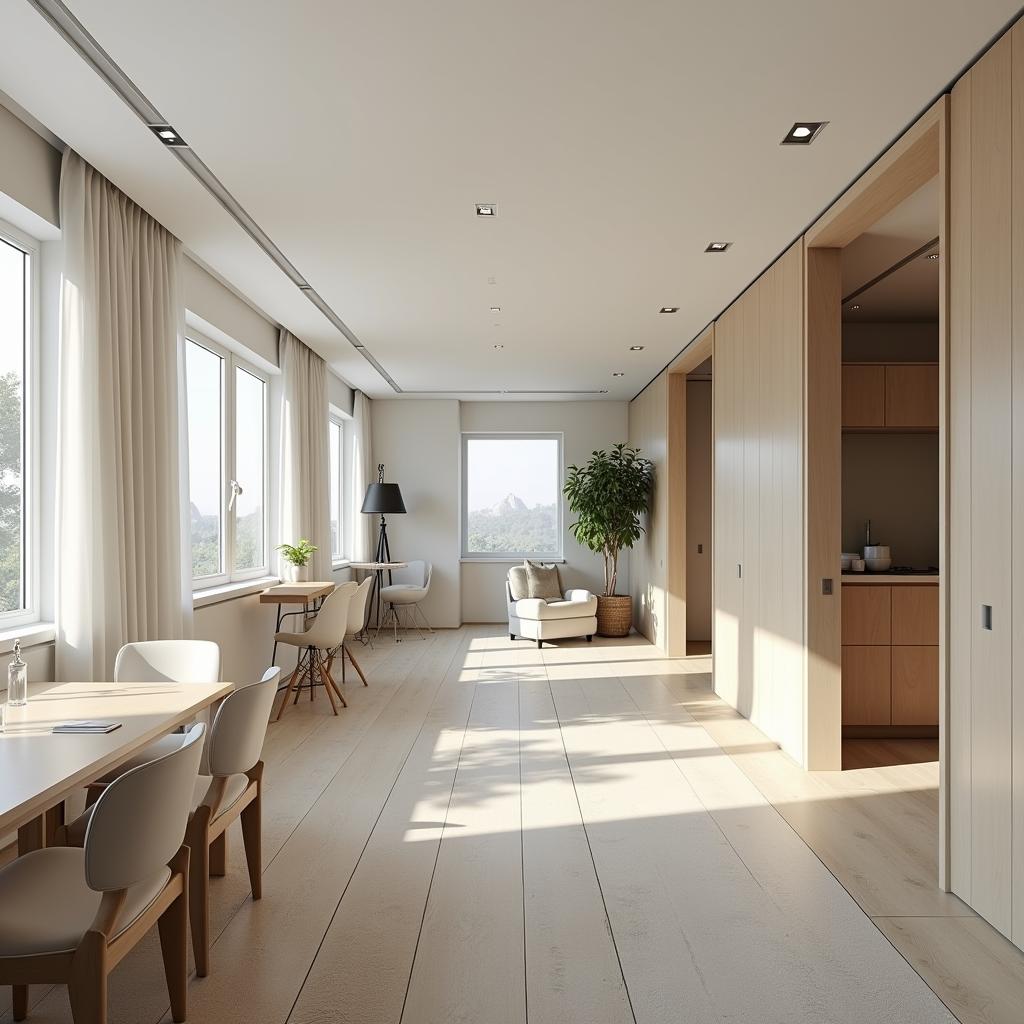
Create an open, free-flowing layout by removing unnecessary walls to give the space a modern, spacious, and connected feel. This architectural choice is a hallmark of contemporary living, promoting sociability and allowing light to travel freely throughout the home.
Defining different “zones” with area rugs, furniture groupings, or lighting helps maintain a sense of order and purpose within the large, multifunctional space.

9.3 Metallic Accents
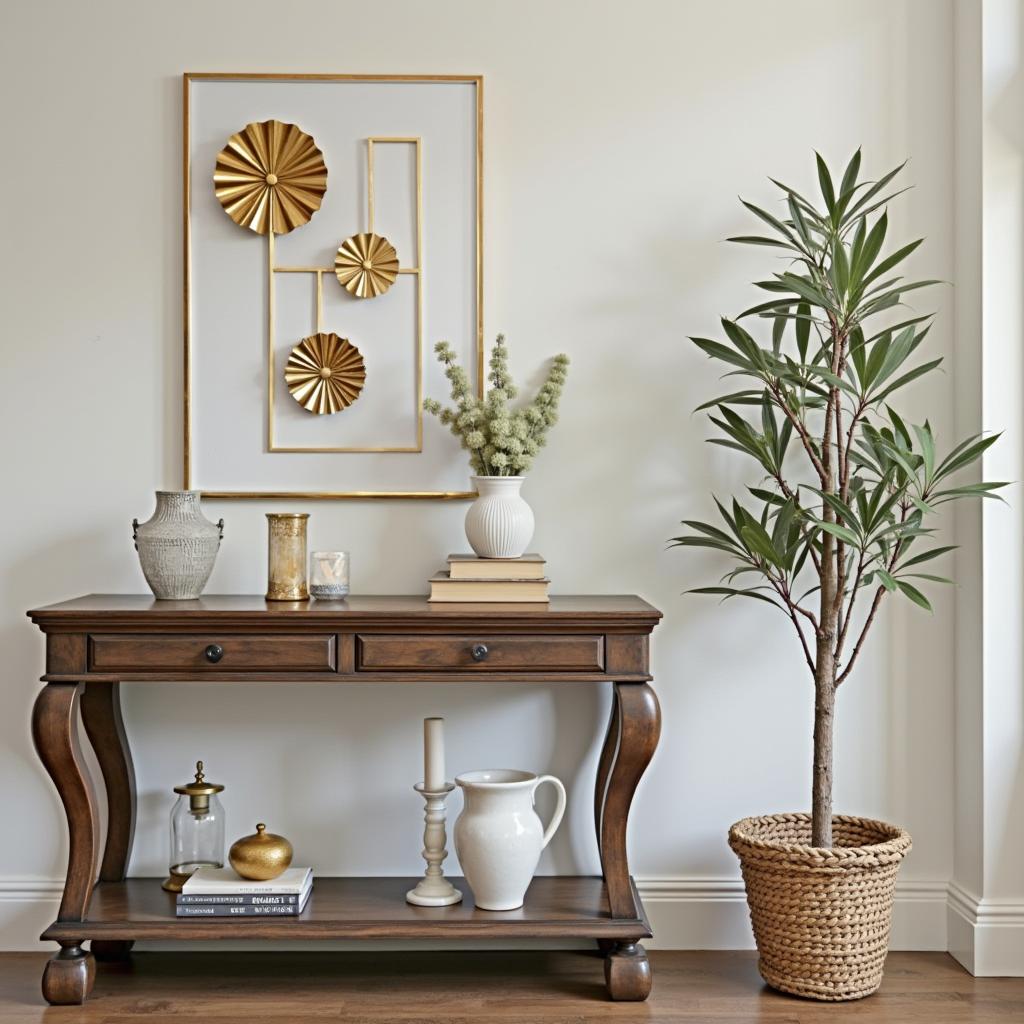
Incorporate sleek metallic finishes, such as polished gold, brushed silver, chrome, or even matte black, to add a touch of glamour and luxury. Use these accents in lighting fixtures, furniture legs, cabinet hardware, or decorative objects like trays and vases.
These reflective surfaces catch the light and provide a sophisticated contrast to softer textures and neutral colors, giving the space a chic, polished finish.

10. Rustic: Warmth and Earthiness
10.1 Exposed Beams
Showcase heavy, natural wooden beams in the ceiling for a powerful rustic and earthy look that adds immense architectural character. Whether they are original to the home or added for decorative effect, these beams draw the eye upward and introduce a sense of history and sturdiness.
The raw, unrefined texture of the wood brings a significant amount of warmth and authenticity to any room, making it feel like a cozy, countryside retreat.


10.2 Stone Accents
Integrate natural stone features, like a rugged stone fireplace surround or an accent wall made of stacked slate, to bring the beauty and solidity of nature into your home.
The varied colors and textures of stone provide an organic, earthy element that feels both grounding and dramatic. It creates a strong focal point and pairs beautifully with other rustic materials like wood and iron, enhancing the connection to the outdoors.


10.3 Vintage Tools and Décor
Incorporate old farming tools, antique lanterns, weathered wooden crates, and other vintage decor pieces to evoke a strong sense of rural charm and history. These found objects can be repurposed in creative ways, such as using an old ladder for a blanket rack or a wooden barrel as a side table.
These elements tell a story of a simpler time and add a layer of authenticity and nostalgia that is central to the rustic design philosophy.


Conclusion: Find Your Style and Personalize Your Space
No matter your aesthetic preference, there are countless ways to creatively inspire your home. From minimalist spaces that exude serenity to rustic rooms filled with warmth, you can curate a space that reflects who you are and how you live. By choosing the right elements, whether it’s bold colors, natural textures, or quirky accessories, you can transform any room into a stylish and inviting haven.