
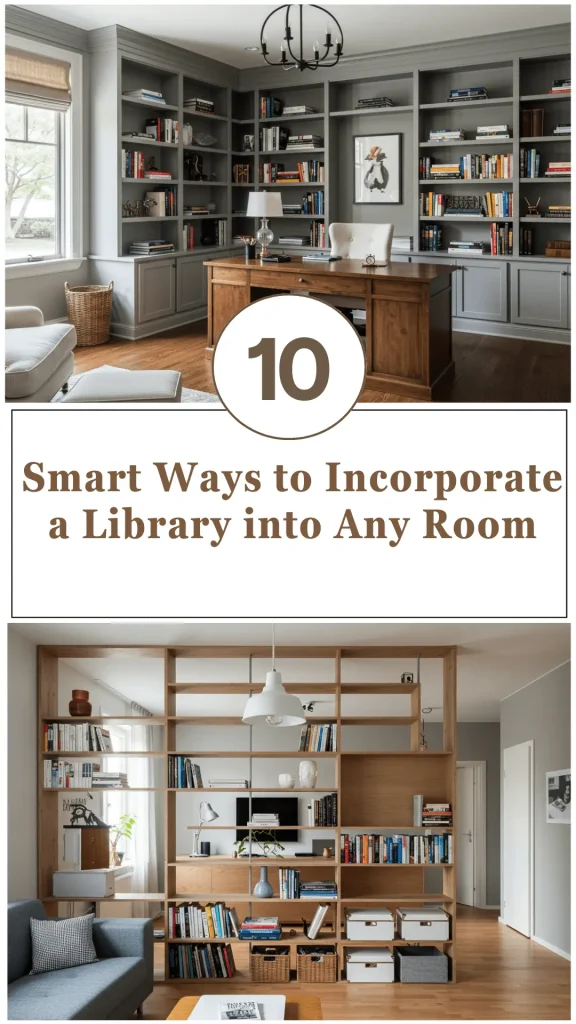

Introduction
A home library is a dream for book lovers, but not everyone has an entire room to dedicate to books. The good news is that you can integrate a library into almost any space in your home with creativity and smart planning. Whether you have a small apartment or a spacious house, there are plenty of ways to make room for your beloved books. Here are ten clever ways to incorporate a library into any room.




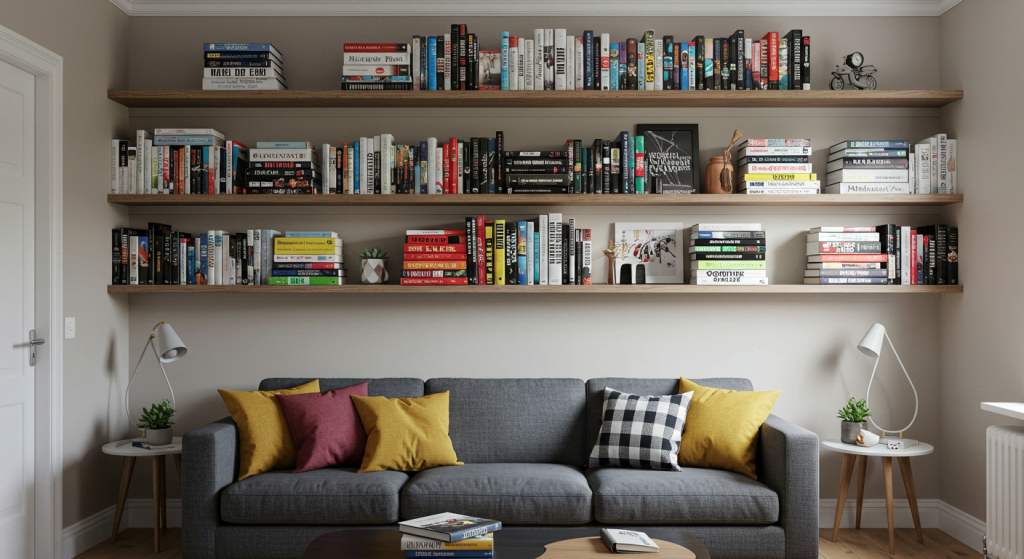
1. Transform an Unused Corner
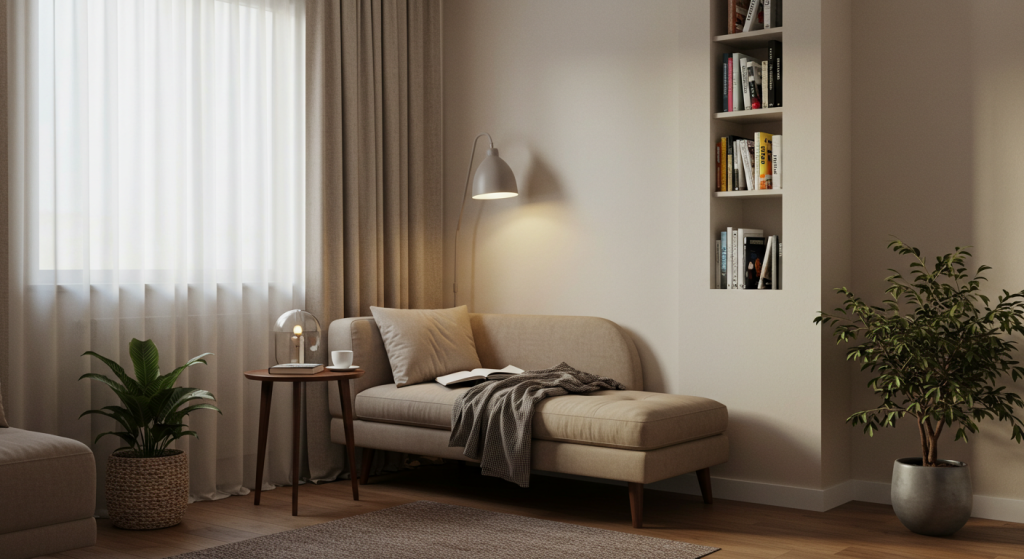
Every home has an underutilized corner that can be turned into a cozy reading nook. Add floating shelves or a corner bookshelf to make the most of the space. Pair it with a comfortable chair and a floor lamp for a perfect reading retreat.
Styling Tips
- Choose a comfortable accent chair that makes a statement, like a classic wingback for a traditional feel or a plush velvet armchair for a touch of luxury.
- Use a round rug to visually anchor the corner and define it as a distinct zone from the rest of the room.
- Install floating shelves in a staggered pattern for a more dynamic and modern look, or use a tall, narrow bookcase to draw the eye upward.
- Opt for an arcing floor lamp that can hang over the chair, providing direct, focused light for reading without taking up table space.
- Add a small, C-shaped side table that can slide under the chair, perfect for holding a cup of tea and your current read.
- Incorporate a soft, chunky knit throw blanket and a lumbar pillow for an extra layer of comfort and coziness.
- Paint the corner walls a slightly darker or different color than the rest of the room to create a sense of enclosure and intimacy.
- Add a small, low light plant, like a snake plant or a ZZ plant, to bring a touch of life to the corner.
- Personalize the shelves with not just books but also a few meaningful objects, like a framed photo or a small piece of pottery.
- Hang a single, beautiful piece of art on the wall within the nook to complete the look and make it feel truly intentional.

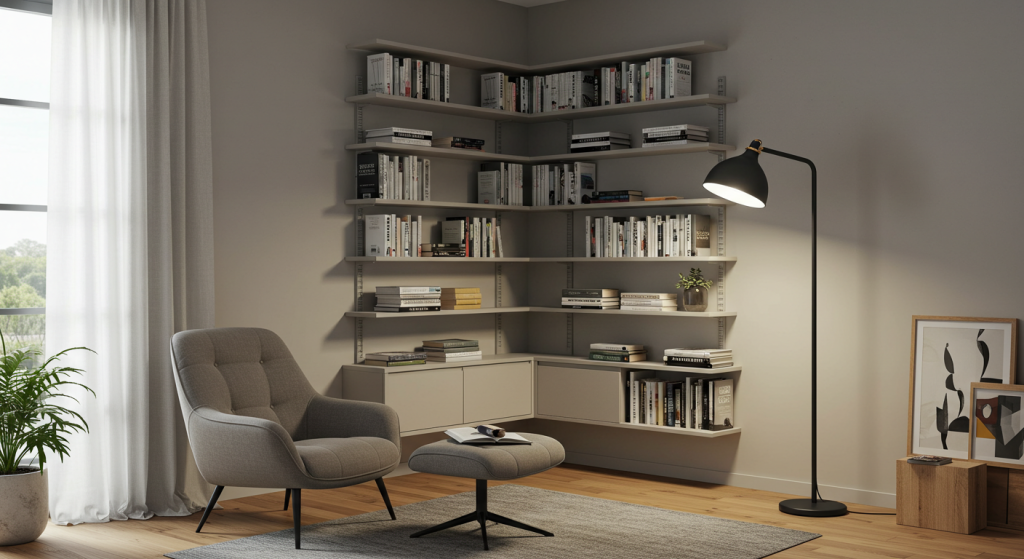
2. Use Built-In Shelves Around a Doorway
The area around doors is often wasted space, but it can be the ideal spot for bookshelves. Built-in shelves above and around the doorway create a visually striking home library without taking up extra room.
Styling Tips
- Paint the built-in shelves the same color as your wall trim or moldings for a cohesive, seamless, and truly custom look.
- Use a library ladder, either rolling or hook-on, to add classic charm and to make the highest shelves easily accessible.
- Place your less frequently read books or more decorative hardcovers on the top shelf above the door.
- Install small, directional puck lights or a library-style picture light at the top to illuminate the collection and create ambiance.
- Ensure the shelves are built from sturdy, thick wood to prevent bowing under the weight of the books.
- Arrange the books symmetrically on both sides of the doorway to create a sense of balance and formal elegance.
- Break up the rows of books by incorporating a few decorative objects, such as vases or sculptural pieces, into the display.
- Consider adding a closed cabinet at the very bottom of the side shelves for hidden storage.
- This design works especially well in rooms with higher ceilings, as it draws the eye upward and emphasizes the height of the space.
- For a pop of surprise, paint the back wall of the shelves a contrasting color before installing them.

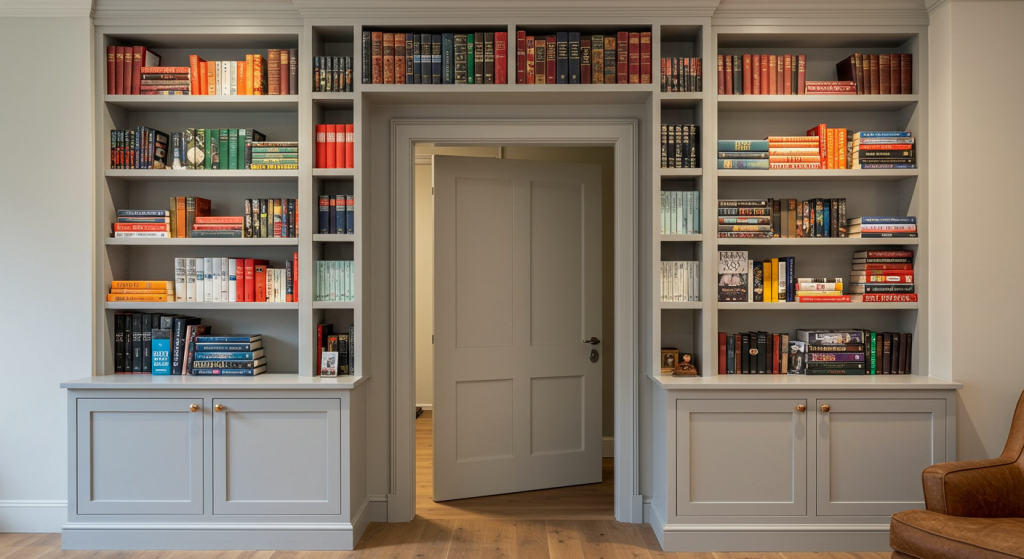
3. Turn a Hallway into a Mini Library
Long hallways are great for built-in bookshelves. Floor-to-ceiling shelves can transform an otherwise plain hallway into a stunning home library. Add a bench or a few chairs to create a comfortable reading spot.
Styling Tips
- Use shallow bookshelves, around 8 to 10 inches deep, to ensure you maintain a comfortable walkway and do not make the hallway feel cramped.
- Install wall sconces or gallery-style picture lights above the shelves to provide even lighting and to highlight your collection.
- Lay down a beautiful runner rug to add warmth, color, and softness underfoot, making the space feel more like a room.
- If space allows, place a narrow console table or a low bench against the opposite wall to create a small seating area.
- Paint the hallway a light, bright color to counteract any potential darkness from the tall shelves.
- Break up the visual expanse of books by creating a small gallery wall of art or photos in an open section of the shelving.
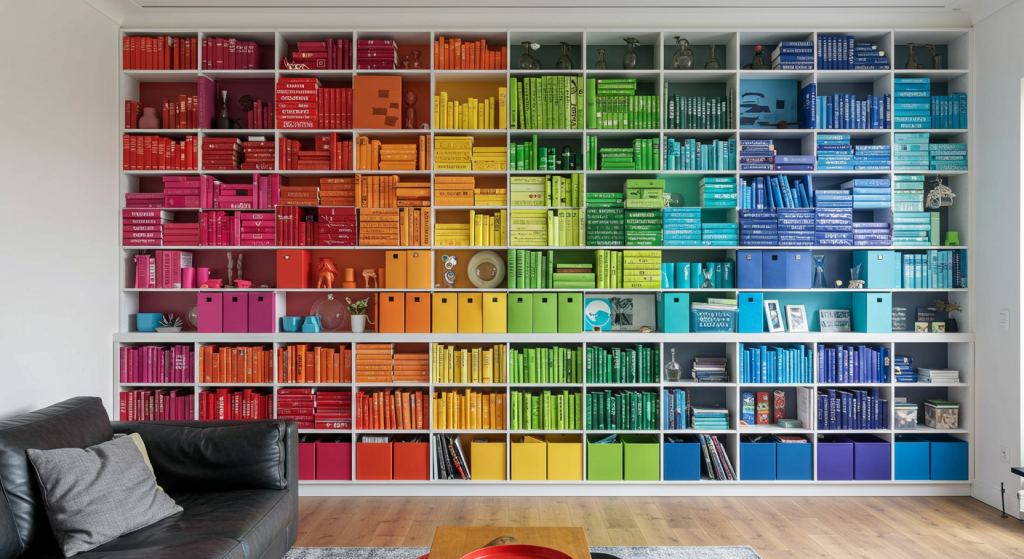
- Organize the books by color to create a vibrant, rainbow-like effect that turns the hallway into a piece of art.
- Ensure the shelving is securely anchored to the wall for safety, especially if it is floor to ceiling.
- Leave the bottom shelf open or use it for attractive storage baskets to keep the floor level from looking too heavy.
- A mirror hung at the end of the hallway can create the illusion of a longer, grander library and reflect more light.

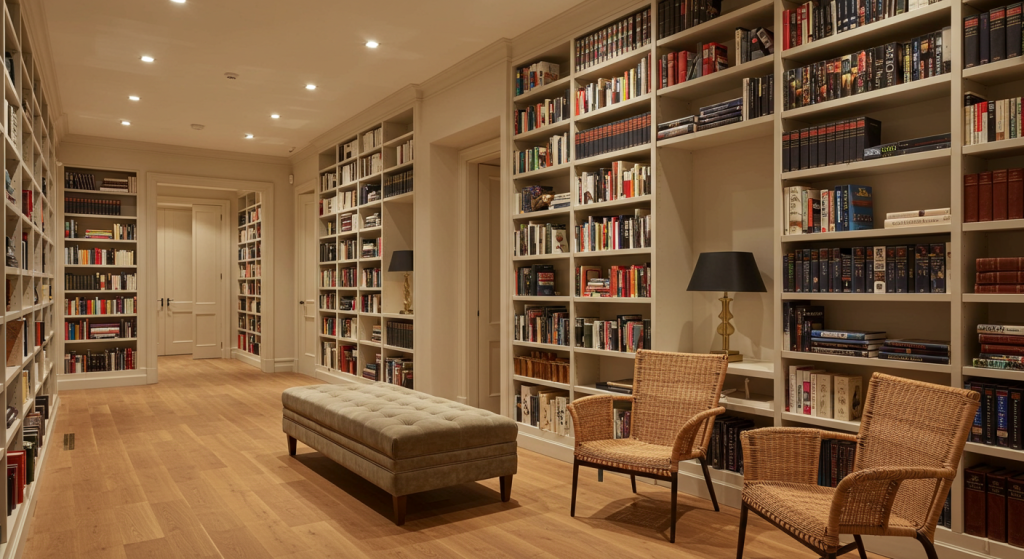
4. Make Use of the Space Under the Stairs
If you have a staircase with unused space beneath it, consider installing bookshelves. This area is perfect for a compact library that blends seamlessly into your home. You can even add a small reading nook with cushions for a cozy hideaway.
Styling Tips
- Have custom shelves built to perfectly fit the unique triangular shape for a high end, integrated look.
- Paint the back of the bookshelves a dark, moody color to create a sense of depth and make the nook feel like a cozy retreat.
- Install a small, adjustable wall sconce inside the nook to provide focused reading light without taking up space.
- If building a bench, make sure it has a hinged top to provide valuable hidden storage for blankets or extra books.
- Layer the nook with comfortable cushions in a variety of textures and a soft throw blanket to make it extra inviting.
- For a simpler DIY approach, use a series of small, floating shelves arranged to follow the angle of the stairs.
- Use the deepest part of the space for your largest books and the shallower parts for smaller paperbacks.
- If a full nook is not possible, simply place a small, comfortable armchair and a footstool right next to the under-stair shelves.
- Add a personal touch with a small, framed piece of art or a photo hung on the wall inside the nook.
- For a fun, whimsical touch, you could even add a small curtain that can be drawn across the opening for privacy.

5. Convert a Closet into a Library Nook
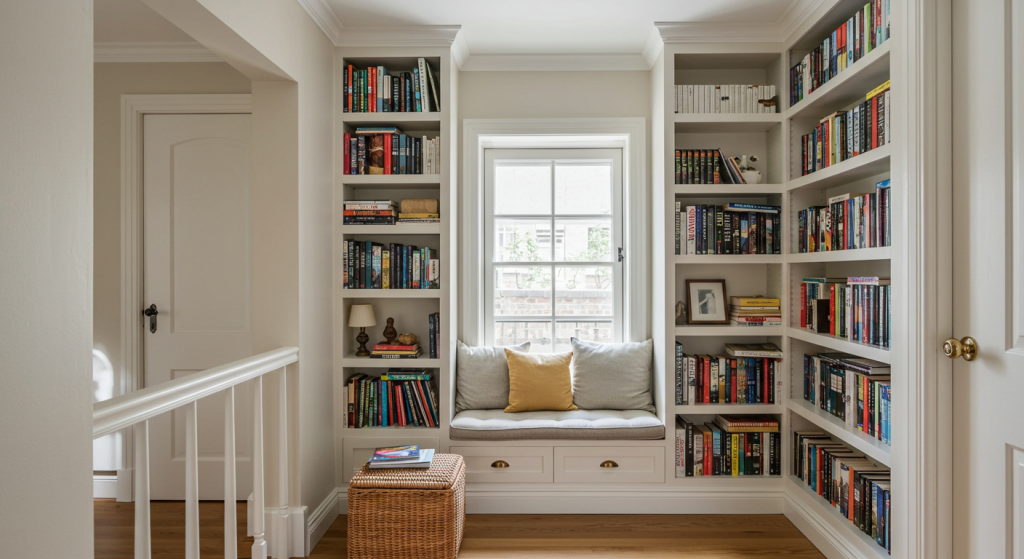
If you have a spare closet, remove the doors and install bookshelves inside. Add soft lighting and a small seat to turn it into a charming reading retreat. This is an excellent option for small homes where space is limited.
Styling Tips
- Paint the interior of the closet a bold and surprising color to make it feel like a special, jewel-box space.
- Use battery-powered, stick-on LED puck lights or thin light strips under each shelf for a warm, even glow that requires no wiring.
- Maximize storage by installing shelves that go all the way up to the ceiling.
- Instead of a chair, use a large, plush floor cushion or a small beanbag to create a cozy and informal seating area on the floor.
- Replace the closet doors with a beautiful, heavy curtain that can be drawn for privacy and to add a touch of softness.
- Use the very top shelf to store items you do not need to access often, like keepsakes or archival books.
- Hang a small, narrow mirror on one of the side walls to make the nook feel a little bit larger and brighter.
- Install a small floating shelf at desk height that can be used to hold a drink or as a tiny writing surface.
- Use this dedicated space to house a specific part of your collection, such as your poetry books or your favorite fantasy series.
- Add a few small, decorative hooks on the inside walls to hang a small tote bag or a cozy cardigan.

6. Create a Library Wall in the Living Room
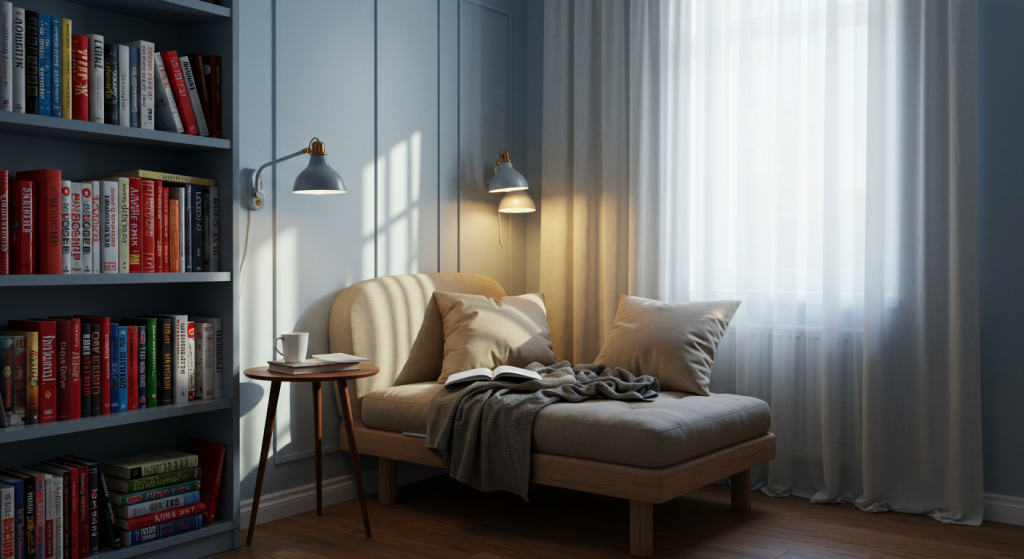
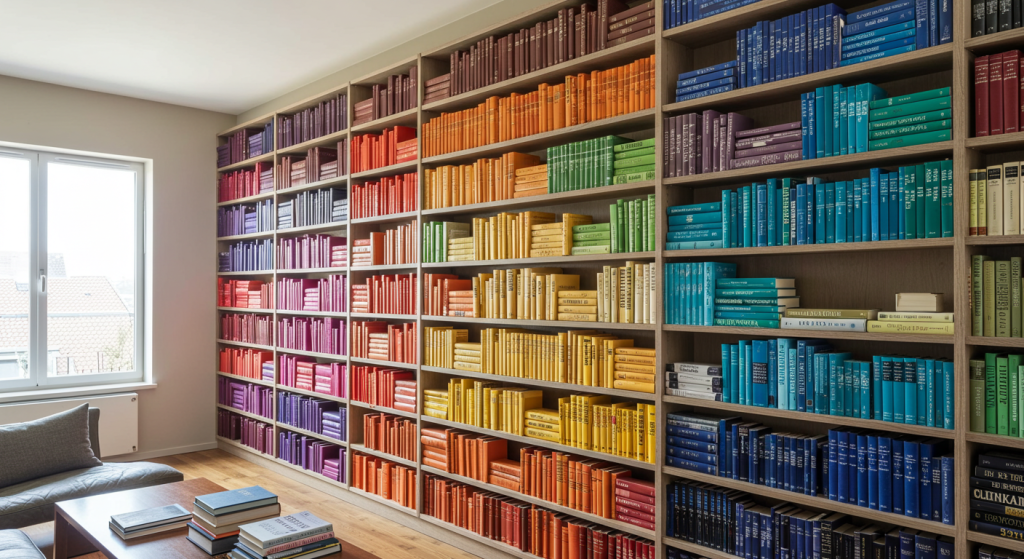
Your living room is an ideal place for a home library. A full-wall bookshelf can serve as both a storage solution and a design feature. Organize books by color or theme to create an aesthetically pleasing display.
Styling Tips
- For a seamless look, choose a shelving system that matches the style of your living room, like a sleek, modern system or a traditional wood bookcase.
- Break up the grid of books by leaving some sections open for displaying art, ceramics, or other cherished decorative objects.
- Integrate your television into the bookshelf wall for a cohesive media and library unit.
- Position a comfortable sofa or a pair of armchairs directly in front of the library wall to create an inviting conversation and reading area.
- A rolling library ladder can add a dramatic, classic touch and is practical for reaching the highest shelves.
- Organizing books by color can turn the wall into a massive piece of abstract art, creating a huge visual impact.
- Install lighting directly into the shelving system, such as picture lights above certain sections, to highlight the collection.
- For a more affordable option than custom built-ins, use multiple identical, tall bookshelves, like the IKEA Billy, placed side by side.
- Make sure to anchor all tall shelving units securely to the wall to prevent any risk of tipping.
- Use the bottom shelves for larger, heavier coffee table books, which provides a stable and visually pleasing base.

7. Add Shelving Above Furniture
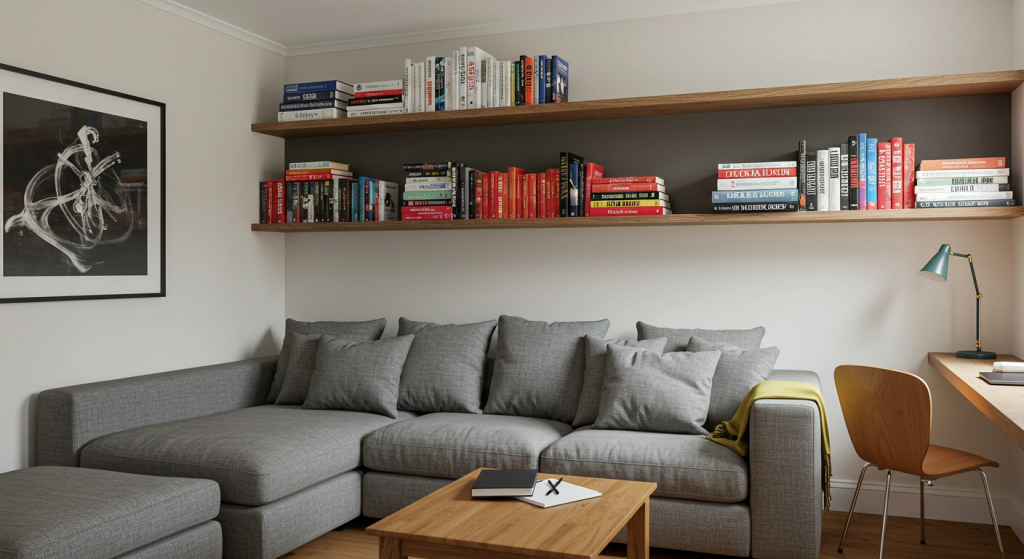
Maximize vertical space by installing shelves above sofas, beds, or desks. This approach keeps books within reach without taking up valuable floor space. It also adds character to the room while making it more functional.
Styling Tips
- Use long, sturdy picture ledges to display books with their beautiful covers facing forward, creating a rotating art gallery.
- When placing shelves above a sofa or bed, ensure they are hung high enough so you will not bump your head when sitting or standing up.
- A series of floating shelves installed above a desk creates the perfect home office library, keeping reference materials close at hand.
- Paint the shelves the same color as the wall to make them recede visually, putting the focus squarely on the books themselves.
- Choose brackets that match the other hardware and finishes in the room for a cohesive look.
- For safety, avoid placing very heavy objects or books on these shelves, especially above a place where people will be sitting or sleeping.
- Mix books with other items, like small plants and framed photos, to create a balanced and personalized display.
- A single, long shelf running the length of the sofa can create a clean, minimalist line and provide ample storage.
- Use stylish bookends to keep the books on open shelves neat and secure.
- This is a great place to display your collection of more lightweight paperbacks.

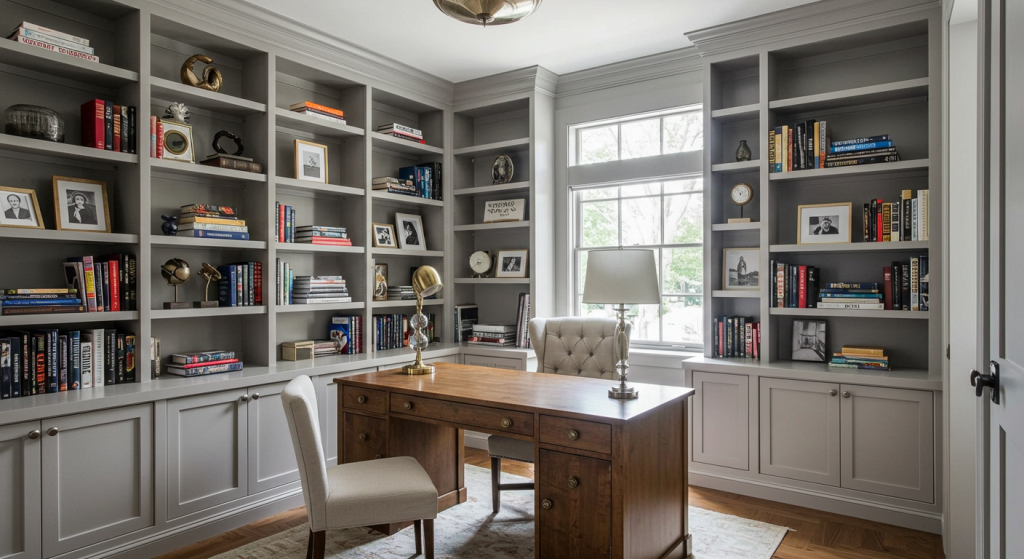
8. Integrate a Library into the Home Office
A home office and a library go hand in hand. Install bookshelves behind or beside your desk to create a sophisticated workspace. This setup keeps reference materials close and enhances the overall look of the office.
Styling Tips
- Choose a high quality, traditional wooden bookshelf for a classic, stately look, or a sleek metal one for a more modern, industrial feel.
- Use stylish magazine files and document boxes on the shelves to keep loose papers and work materials organized and out of sight.
- Dedicate specific shelves to work related books and others to your personal reading collection to create a sense of order.
- Install under shelf lighting to illuminate your desk area and provide excellent task lighting for working.
- A comfortable armchair and a small side table in the corner of the office can create a separate reading zone within the room.
- Use attractive bookends to keep your frequently used reference books neat and upright on your desk itself.
- Make sure your office chair has enough clearance to move around freely without bumping into the bookshelves.
- Color code your work files and binders to match the aesthetic of your library for a truly cohesive and organized look.
- Leave some empty space on the shelves for decorative items that inspire you, like a globe, a motivational quote, or a piece of art.
- A leather desk set and a classic banker’s lamp will perfectly complement the traditional library aesthetic.

9. Use a Room Divider with Bookshelves
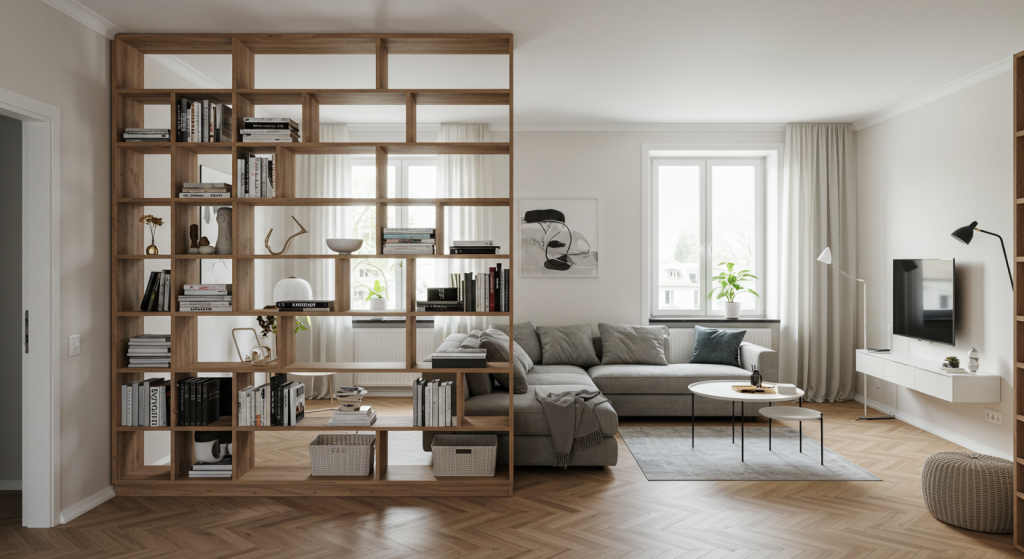
If you have an open-concept space, a bookshelf can serve as both storage and a room divider. This method helps define different areas while keeping books accessible. Opt for an open-shelf design to maintain an airy feel.
Styling Tips
- Choose a backless shelving unit to create separation while still allowing for a visual connection between the two spaces.
- Arrange the items on the shelves artfully, as they will be visible from both sides.
- Alternate placing books with their spines facing different directions to create interest from every angle.
- Mix books with sculptural objects, vases, and plants to keep the divider from looking too heavy or cluttered.
- Ensure the shelving unit is very stable and secure, either by weighting the bottom shelf or anchoring it to the floor or ceiling if possible.
- Use a pair of identical, smaller bookshelves placed back to back to create a divider with more depth.
- This is a great way to create a more private entryway or foyer in a home that opens directly into the living space.
- Weave in some attractive storage baskets on the lower shelves to hold items you want to keep out of sight.
- Place your most beautiful coffee table books and art books here, as they will be on prominent display.
- A room divider bookshelf works particularly well to separate a home office area from a living room or bedroom.

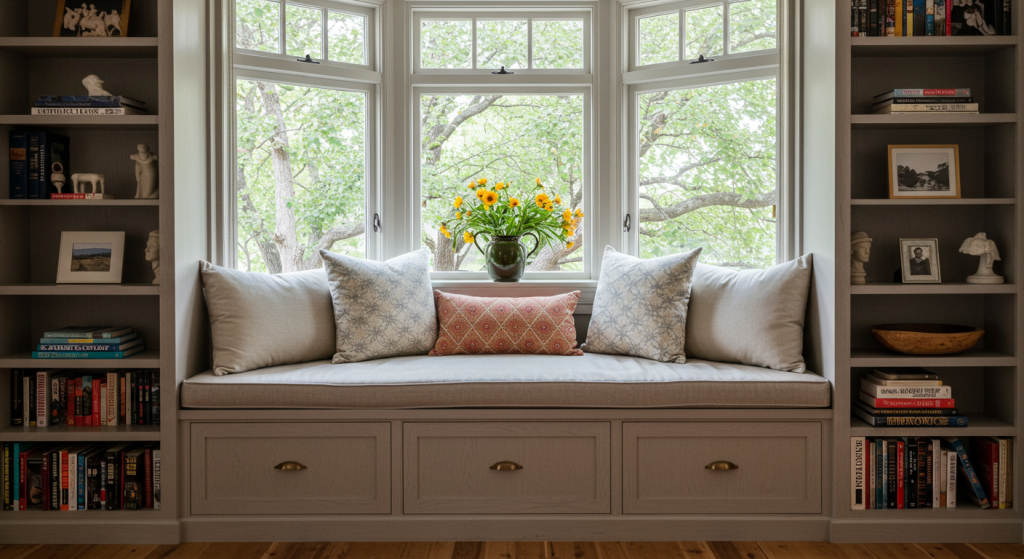
10. Build a Window Seat Library
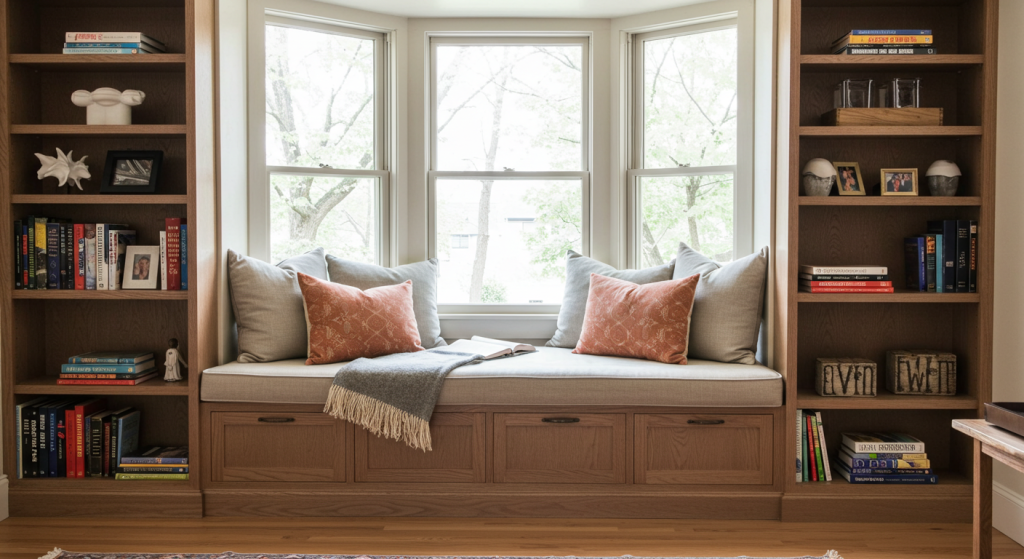
A window seat with built-in bookshelves underneath provides both seating and storage. This idea is perfect for bay windows or any area with a view. It creates a cozy space where you can relax with a good book.
Styling Tips
- Order a custom, thick foam cushion for the top of the seat and have it upholstered in a durable, attractive fabric.
- Pile on plenty of comfortable throw pillows in various sizes to create a cozy and inviting backrest.
- Install a small, adjustable wall sconce on the wall next to the window seat for perfect reading light on cloudy days or in the evening.
- If your window seat is deep, you can even have bookshelves built into the sides of the window alcove as well as underneath.
- Make sure the built-in shelves are deep enough to hold standard sized books comfortably.
- A small, pull out tray or a tiny floating shelf installed nearby is perfect for holding a cup of tea.
- Choose a window with a view of nature, if possible, to create an even more serene and relaxing atmosphere.
- In a child’s room, a window seat library can become a magical spot for story time.
- Use attractive bins or baskets on the shelves to hold smaller books or to add some textural variety.
- Keep a soft, folded blanket on the seat at all times, making it always ready for a cozy reading session.

Extra Tips
Caring for Your Collection
To ensure your books last a lifetime, proper care is essential.
Keep them out of direct, prolonged sunlight, as UV rays can cause severe fading to the spines and yellowing of the pages.
Be mindful of humidity as well. A room that is too damp can lead to mildew and foxing, while a room that is too dry can make old bindings brittle. Try to maintain a stable environment.
When shelving books, do not pack them in too tightly. They need room to breathe, and pulling a book from a very tight shelf can cause damage to the top of the spine.
Dust your collection regularly with a soft, clean cloth or a feather duster to prevent buildup on the tops of the pages.
Acquiring Books on a Budget
Building a library does not have to be an expensive hobby. Some of the best collections are built over time with savvy finds.
Make friends with your local public library and ask them about their annual or seasonal book sales, where you can often get beautiful hardcovers for a dollar or two.
Thrift stores and flea markets are also treasure troves for unique, vintage editions with beautiful covers and inscriptions that tell a story.
Consider starting a book swap with friends or joining an online book exchange program to get new titles for free.
For classics that are in the public domain, Project Gutenberg offers tens of thousands of free ebooks that you can read on any device, helping you build a massive digital library for free.
Advanced Organizational Strategies
While organizing by color is visually stunning, you might prefer a system that is more personal or functional.
Consider organizing your books alphabetically by author, like a traditional library. Or, you could try organizing them by genre, dedicating sections to fiction, history, poetry, and so on.
For a more personal approach, try organizing your books autobiographically, in the order that you read them. This turns your shelves into a timeline of your life.
Another creative idea is to organize them by how they made you feel. Create sections for books that inspire you, books that comfort you, and books that challenge you.
A very practical method is to create a dedicated “to be read” shelf. This keeps your unread books visible and encourages you to tackle your reading list.
Mastering Library Lighting
Good lighting is arguably the most important element in a functional library. You need to think in layers.
First is ambient light, the general overhead lighting of the room that provides a base level of brightness.
Second, and most crucial, is task lighting. This is the direct light you need for reading to prevent eye strain. This could be a floor lamp next to your chair, a wall sconce, or a clip-on book light.
Choose bulbs with a warm white color temperature, around 2700K, to create a cozy, inviting glow that is also easy on the eyes for long reading sessions.
The third layer is accent lighting. This is used to highlight the collection itself. You can install picture lights above certain shelves, use LED light strips on the underside of shelves, or place a small lamp directly on a bookshelf to create a beautiful, warm ambiance.
Creating the Perfect Ambiance
A library is more than just shelves and books; it is about creating a multi-sensory experience.
Think about scent. Use a scented candle or an essential oil diffuser with calming, studious scents like sandalwood, cedar, lavender, or vanilla to create a signature library fragrance.
Consider sound as well. If you live in a noisy environment, a pair of comfortable noise-canceling headphones can be a great investment for creating instant quiet.
Alternatively, you can play soft, instrumental music, classical compositions, or even ambient soundscapes like rain or a crackling fire to help you focus and relax.
Personalizing Your Space
Your library should be a deep reflection of you. Intersperse your books with personal objects that tell your story.
Display framed photos of family and friends, souvenirs from your travels, or inherited heirlooms that hold special meaning.
Showcase art that you love, whether it is a postcard from a museum, a piece of pottery, or even a child’s drawing.
Incorporate natural elements. A few small, easy-to-care-for plants like succulents or a vase of fresh flowers can bring life and color to the shelves.
The goal is to create a space that feels curated by you and for you, a true personal sanctuary.
Planning for the Future
A book collection is a living, growing thing. When designing your library, it is wise to plan for future acquisitions.
If you are installing custom shelves, consider making them adjustable so you can reconfigure them as your collection changes and grows.
Always try to leave some empty space on your shelves, about 10 to 20 percent. This not only gives your current books room to breathe but also leaves you dedicated space for new finds.
This prevents you from having to completely reorganize every time you bring home a new book.
If you have the space, designate a specific area or a beautiful basket for “new arrivals” before they are permanently shelved. This thoughtful planning will ensure your library can evolve gracefully with you over time.thumb_upthumb_down
Conclusion
Incorporating a library into your home does not require a dedicated room. With smart planning, you can add bookshelves and reading spaces to almost any area. Whether it is a hallway, a living room, or even a closet, creative solutions can turn any space into a functional and stylish library. Choose the option that best fits your home and enjoy a beautifully integrated book collection.