
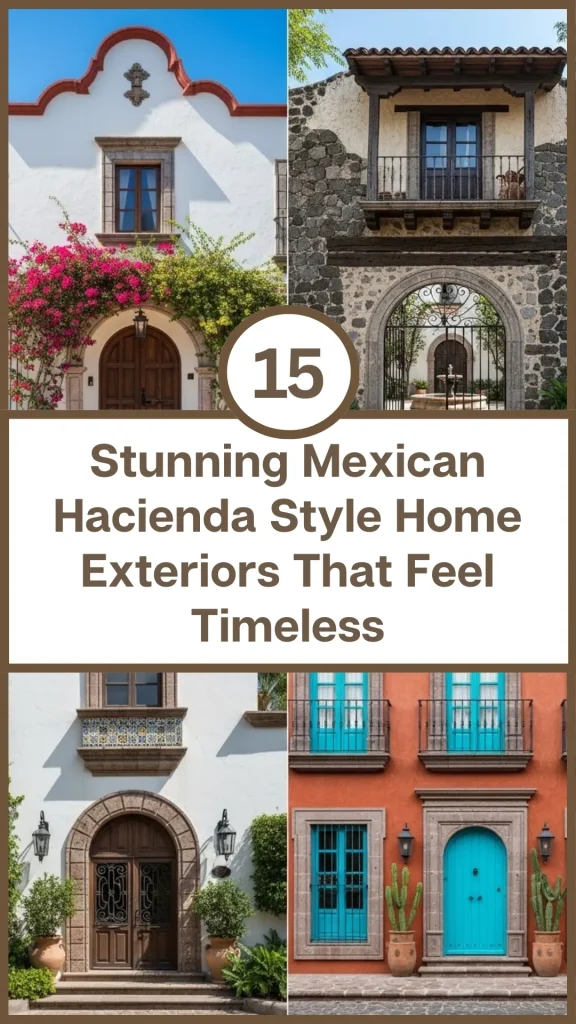

Mexican hacienda architecture represents a beautiful blend of Spanish colonial influences and indigenous craftsmanship. These homes are famous for their ability to withstand warm climates while providing an atmosphere of luxury and peace. The exterior of a hacienda tells a story of tradition, family, and a deep connection to the surrounding land.
The hallmark of this style is the use of natural materials that age gracefully over several decades. Elements like thick walls, clay tiles, and wrought iron create a sense of permanence and structural integrity. Modern homeowners are increasingly drawn to this aesthetic for its warmth and its organic, handcrafted feel.
Whether you are building from scratch or looking to renovate, understanding the core components is essential. The following ideas explore how specific design elements contribute to the overall timelessness of the hacienda look. Each section provides insight into the history and application of these iconic Mexican architectural features.

1. The Classic White Stucco and Red Tile Roof
The combination of bright white stucco walls and red clay roof tiles is the most recognizable hacienda feature. This pairing serves a practical purpose by reflecting intense sunlight and keeping the interior spaces cool. The contrast between the crisp walls and the earthy tones of the roof creates a striking visual balance.
Handmade barrel tiles, known as tejas, provide a rhythmic texture that defines the roofline of the home. These tiles are often laid in an overlapping pattern that allows for natural water drainage and ventilation. The slight variations in the color of the clay add a rustic charm that machine made products cannot replicate.
White stucco provides a neutral canvas that allows other architectural details, like wood and iron, to stand out. The finish can range from perfectly smooth to a more textured, hand troweled look depending on your preference. This timeless color palette ensures the home feels fresh while maintaining its traditional roots in colonial design.
DIY Tips
- Choose a high quality masonry paint that is specifically designed to resist cracking and peeling on stucco.
- Power wash your exterior walls once a year to remove dust and maintain the brilliance of the white finish.
- Inspect your roof tiles after heavy storms to replace any cracked pieces and prevent water leaks.
- Apply a clear sealant to the clay tiles to protect them from moisture absorption and salt damage.
- Use a sponge or a soft brush to create a subtle texture when applying new stucco patches to small areas.


2. Grand Arched Entryways and Wooden Doors
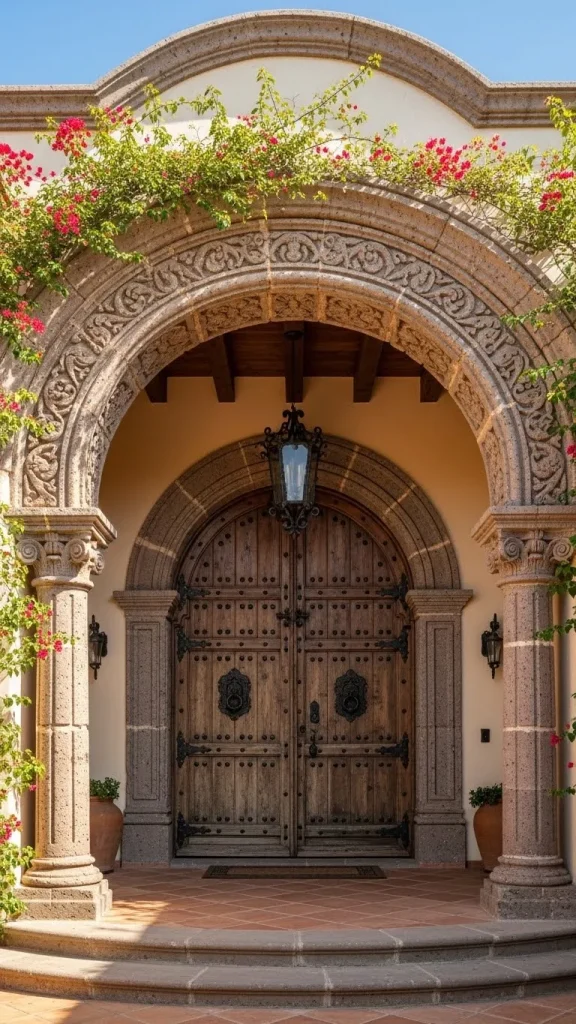
Arches are a central theme in Mexican hacienda design, inspired by the grand cathedrals and estates of Europe. A grand arched entryway creates an immediate sense of arrival and sets a tone of elegance for the entire property. These structures often lead into a sheltered porch or directly into a central courtyard area.
The doors used in these entryways are typically made from heavy, solid wood like mesquite or reclaimed pine. They often feature intricate carvings or decorative iron studs known as clavos to add a layer of historical detail. A thick wooden door provides excellent insulation and serves as a powerful focal point for the front of the home.
The archway itself can be finished with simple plaster or framed with ornamental stone or decorative tiles. This architectural shape softens the straight lines of the building and creates a welcoming atmosphere for guests. Maintaining the wood with natural oils ensures the door remains beautiful and functional for many generations.
DIY Tips
- Refinish your wooden doors with a UV resistant stain to prevent the sun from fading the natural wood grain.
- Add decorative iron clavos to a plain wooden door to give it an instant and affordable hacienda look.
- Install a heavy duty door knocker made of wrought iron to enhance the traditional feel of your entrance.
- Keep door hinges lubricated with silicone spray to prevent squeaking and ensure a smooth swing.
- Seal the gap between the door frame and the archway with weatherstripping to improve the energy efficiency.

3. Central Courtyards with Stone Fountains
In traditional hacienda living, the central courtyard or patio is the heart of the daily social life. This enclosed outdoor space provides a private sanctuary away from the street and the outside world. It allows for natural light and fresh air to circulate through all the surrounding rooms of the house.
A stone fountain is usually placed in the center of the courtyard to act as a tranquil focal point. The sound of trickling water helps to cool the air through evaporation while providing a relaxing soundtrack. Tiered fountains made from cantera stone are particularly popular for their traditional and regal appearance.
The floor of the courtyard is often paved with stone, brick, or terracotta tiles to create a durable surface. Potted plants and flowering vines are added to bring color and life to the stone and plaster surroundings. This layout encourages an indoor outdoor lifestyle that is synonymous with the Mexican hacienda experience.
DIY Tips
- Check the water pump in your fountain monthly to ensure it is clear of debris and functioning properly.
- Add aquatic plants like lilies to your fountain basin to help naturally filter the water and prevent algae.
- Use a vinegar and water solution to remove calcium deposits and mineral buildup from stone surfaces.
- Install low voltage LED lighting around the fountain to create a beautiful glow during the evening hours.
- Place a layer of pebbles at the bottom of the fountain to hide the pump and create a more natural look.


4. Wrought Iron Window Grilles and Balconies
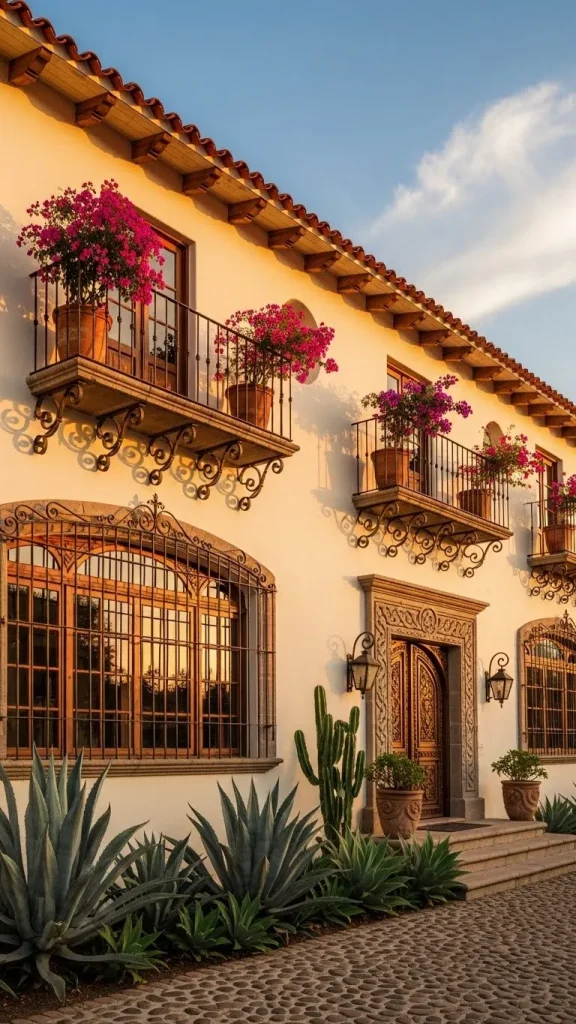
Wrought iron is a decorative and functional staple that adds a layer of security and artistry to the home. Ornate window grilles, known as rejas, protect the glass while allowing for maximum airflow and visibility. The dark metal creates a beautiful contrast against the light colored stucco walls of the exterior.
Balconies with iron railings are often found on the second story of larger hacienda style estates. These features allow residents to overlook the street or the courtyard while enjoying the outdoor breeze. The patterns in the ironwork can range from simple vertical bars to complex floral and scroll designs.
Ironwork is often hand forged by skilled artisans, making each piece a unique work of art for the home. This material is incredibly durable and can withstand harsh weather conditions with very minimal maintenance. Properly cared for ironwork will last as long as the house itself and only gain character as it ages.
DIY Tips
- Sand away any small spots of rust as soon as they appear to keep the iron from deteriorating over time.
- Apply a fresh coat of rust inhibitive black paint every few years to maintain the crisp look of the metal.
- Use a soft cloth and mild soap to wipe down your iron grilles and remove accumulated dust or pollen.
- Check the mounting points where the iron meets the wall to ensure the brackets remain tight and secure.
- Add small flower boxes to the base of your window grilles to bring a splash of color to the ironwork.

5. Vibrant Talavera Tile Accents
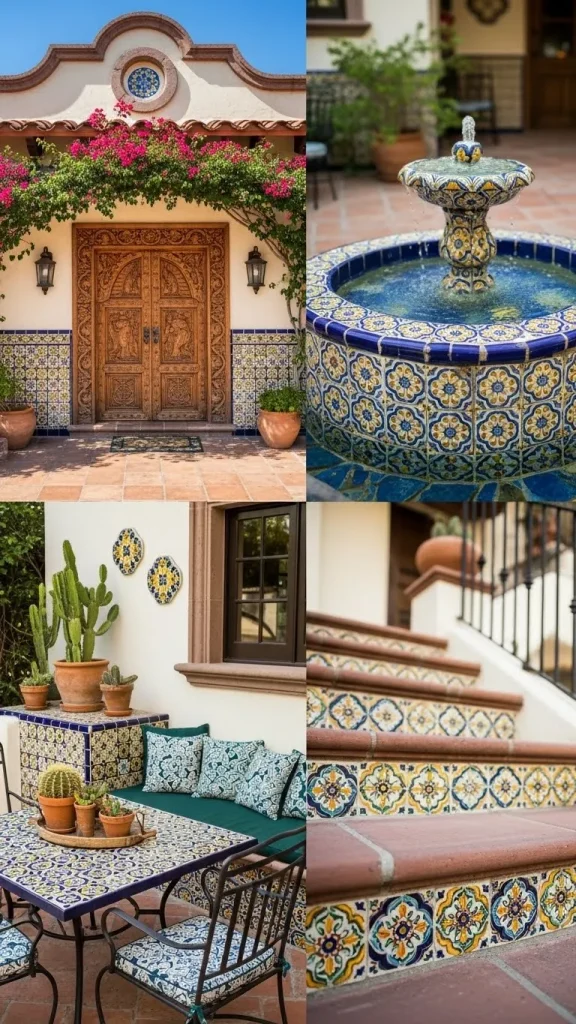
Talavera tiles are hand painted ceramic tiles that originated in the city of Puebla, Mexico. They are famous for their bold colors and intricate geometric or floral patterns that catch the eye. These tiles are frequently used as accents around windows, doors, and along the risers of exterior stairs.
Incorporating Talavera tiles adds a sense of personality and cultural heritage to the exterior of the home. The blues, yellows, and oranges used in the designs reflect the vibrant spirit of Mexican art and culture. Because they are handmade, the tiles have a charming irregularity that adds to the rustic hacienda aesthetic.
You can use these tiles sparingly for a subtle look or create large murals to make a bolder design statement. They are also an excellent way to define different zones of the exterior, such as a patio or a garden wall. Talavera tiles are resistant to fading and will maintain their brilliant colors even under intense sunlight.
DIY Tips
- Use a high quality thin set mortar when installing tiles on vertical surfaces to prevent them from sliding.
- Apply a waterproof grout sealer to protect the gaps between the tiles from dirt and moisture penetration.
- Mix different tile patterns within the same color family to create a more authentic and eclectic look.
- Clean your Talavera tiles with a non abrasive cleaner to avoid scratching the hand painted glaze.
- Store a few extra tiles from your project in case you ever need to replace a damaged piece in the future.


6. Exposed Wooden Beams and Vigas
Exposed wooden beams, or vigas, are a structural element that has become a defining aesthetic feature. These beams often protrude through the exterior walls, showcasing the heavy timber construction of the roof. The dark wood provides a warm, organic contrast to the cool masonry and plaster of the hacienda.
Vigas are traditionally made from whole logs that have been stripped of their bark and treated for preservation. They provide a sense of strength and scale that makes the home feel grounded and substantial. On the interior and exterior porches, these beams support the roof while adding architectural interest overhead.
Using exposed wood creates a connection between the home and the natural environment surrounding it. This feature is particularly common in the high desert regions where wood was a precious and celebrated material. Regularly staining and sealing the exposed ends of the beams is vital to prevent rot and sun damage.
DIY Tips
- Inspect the protruding ends of your vigas annually for signs of wood rot or insect infestations.
- Apply a deep penetrating wood sealer every two years to protect the timber from drying out in the sun.
- Use a wood filler that matches the color of your beams to repair any deep cracks or weathering.
- Dust the top of exposed porch beams using an extendable duster to prevent cobweb buildup and dirt.
- Avoid painting the beams a solid color as it hides the natural beauty and texture of the wood grain.


7. Lush Bougainvillea and Desert Landscaping
The landscape design is just as important as the architecture when creating a timeless hacienda look. Bougainvillea is the signature plant of this style, known for its brilliant pink, purple, and red bracts. This hardy vine thrives in warm climates and can be trained to climb walls, fences, and balconies.
Desert landscaping often includes a mix of agave, yucca, and various cacti to create a low maintenance garden. These plants reflect the rugged beauty of the Mexican landscape and require very little water to stay healthy. The structural shapes of succulents provide a modern contrast to the traditional curves of the hacienda.
Using gravel or decomposed granite instead of grass helps to conserve water and fits the arid aesthetic. The combination of lush flowering vines and sculptural desert plants creates a dynamic and colorful exterior. Proper placement of trees, such as mesquite or olive, can provide much needed shade for the house and patio.
DIY Tips
- Prune your bougainvillea in the late winter to encourage more vibrant blooms during the spring and summer.
- Install a drip irrigation system to deliver water directly to the roots of your plants and reduce waste.
- Group plants with similar water needs together to make your garden more efficient and easier to manage.
- Apply a layer of organic mulch around the base of your plants to help retain moisture in the soil.
- Use thick gloves when handling cacti or agave to protect your hands from sharp thorns and spines.


8. Wrap Around Verandas and Portales
The portal, or wrap around veranda, is a covered walkway that typically borders the central courtyard. These spaces provide essential shade and protection from the rain while allowing for outdoor movement. They act as a transition zone between the private interior rooms and the open outdoor spaces.
Portales are often supported by a series of arches or heavy wooden columns known as posts. The ceilings of these verandas frequently showcase the underside of the roof beams and wooden slats. This area is the perfect place for outdoor furniture, hanging hammocks, and socializing with family members.
A well designed veranda helps to naturally regulate the temperature of the interior rooms by blocking direct sun. The depth of the portal allows for comfortable seating even during the hottest parts of the day. This architectural feature is a key component in achieving the relaxed lifestyle associated with hacienda homes.
DIY Tips
- Sweep the floors of your portal daily to keep the outdoor living area clean and inviting for guests.
- Hang a hammock between two sturdy columns to create a traditional spot for a midday siesta or nap.
- Install outdoor ceiling fans to improve air circulation and keep the veranda cool during the summer.
- Use weather resistant rugs to define different seating areas and add comfort under your feet.
- Check the integrity of the support columns regularly to ensure they remain stable and rot free.


9. Rustic Stone Walls and Pathways
Natural stone is frequently used in hacienda architecture to add texture, weight, and a sense of history. Stone walls can be used as the primary building material or as an accent on the lower portions of the house. Cantera stone, a volcanic rock native to Mexico, is particularly prized for its soft colors and ease of carving.
Pathways made from cobblestone or flagstone lead guests through the gardens and toward the main entrance. The irregular shapes and varied colors of the stones create a more organic and less formal appearance. Stone is also an excellent material for retaining walls, gate posts, and decorative garden borders.
Over time, stone surfaces develop a patina of moss or lichen that adds to the aged look of the property. This material is nearly indestructible and provides excellent thermal mass to help regulate temperatures. The use of local stone ensures that the home feels perfectly integrated into its natural surroundings.
DIY Tips
- Fill the gaps between your pathway stones with sand or fine gravel to prevent them from shifting.
- Use a stiff brush and water to clean dirt from stone surfaces without using harsh chemical cleaners.
- Check for loose stones in your walls or pathways and secure them with a bit of exterior mortar.
- Plant small groundcovers like thyme or moss between flagstones to soften the look of the path.
- Seal porous stones with a penetrating sealer to prevent them from staining or absorbing too much water.


10. Hand Forged Outdoor Lanterns
Lighting plays a crucial role in creating the magical evening atmosphere that haciendas are known for. Hand forged iron lanterns are the traditional choice for illuminating entryways, portales, and courtyard walls. These fixtures often feature amber or seeded glass to create a warm and inviting glow at night.
The designs of these lanterns can range from simple rustic boxes to elaborate colonial style lamps. Placing lanterns on either side of a grand door creates a symmetrical and welcoming entrance for the home. The play of light and shadow from the ironwork adds a layer of mystery and romance to the exterior.
Hanging lanterns from the ceiling of the portal provides consistent light for evening outdoor dining. Using fixtures that match the other ironwork on the house, like window grilles, creates a cohesive look. Properly chosen lighting ensures that the architectural details of the home are celebrated even after dark.
DIY Tips
- Clean the glass panes of your lanterns regularly to ensure the light remains bright and clear.
- Use warm white LED bulbs to mimic the look of traditional candlelight and save on energy costs.
- Apply a small amount of wax to the iron parts of the lantern to protect them from moisture and rust.
- Ensure all outdoor electrical connections are housed in waterproof boxes for safety and longevity.
- Install a timer or a light sensor so your exterior lanterns turn on automatically when the sun sets.

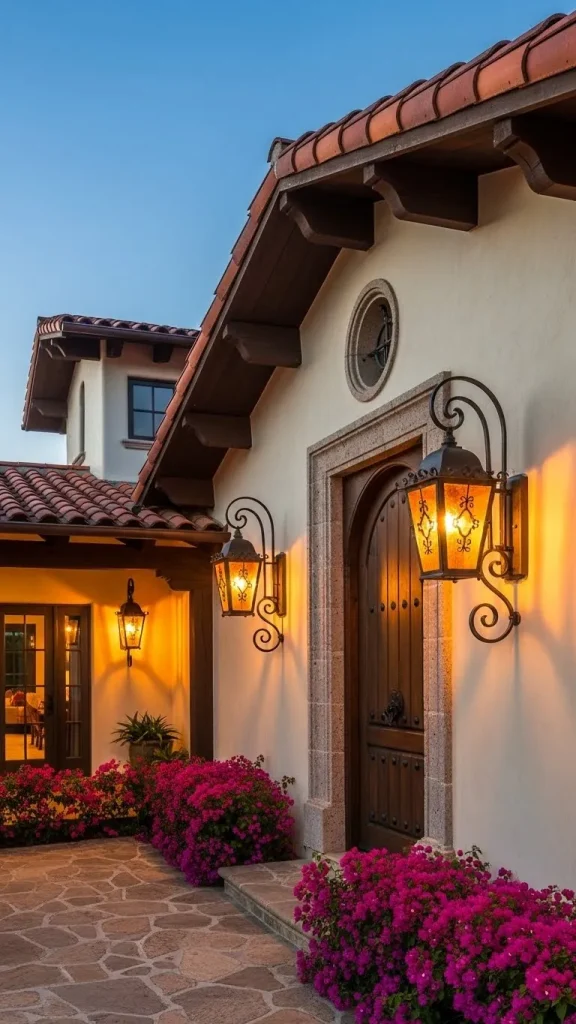
11. Terracotta Planters and Clay Pottery
Decorating with clay pottery is an easy and effective way to add character to a hacienda exterior. Terracotta planters in various sizes and shapes are used to hold colorful flowers and desert plants. The warm orange and red tones of the clay complement the white stucco and red tile roofs perfectly.
Large jars, known as tinajas, were traditionally used for water storage but now serve as decorative accents. Placing these large pots in groups of three at different heights creates a visually pleasing arrangement. Pottery can be used to frame an entryway, line a staircase, or add interest to a bare courtyard corner.
The porous nature of terracotta allows plant roots to breathe, which is ideal for many Mediterranean plants. Over time, these pots can develop a weathered finish that gives them a more antique and authentic look. Mixing plain clay pots with glazed or painted ceramic ones adds variety and a pop of extra color.
DIY Tips
- Soak new terracotta pots in water for an hour before planting to prevent them from absorbing moisture.
- Elevate your pots on small clay feet to allow for better drainage and prevent staining on the floor.
- Group your planters together to create a more impactful and lush display of greenery and flowers.
- Use a mixture of potting soil and sand for desert plants to ensure they have the proper drainage.
- Clean out old soil from your pots once a year to prevent the buildup of pests or plant diseases.


12. Earthy Color Palettes and Ochre Accents
While white is the classic choice for stucco, many haciendas feature a palette of warm, earthy colors. Shades of ochre, terracotta, burnt orange, and dusty rose are common choices for exterior walls. These colors are inspired by the natural pigments found in the soil and minerals of the region.
Using a warmer color palette can make a large home feel more intimate and grounded in its environment. Accent colors are often used on window frames, cornices, and decorative niches to provide visual contrast. The way these colors change and soften under the bright sun adds to the timeless appeal of the style.
A subtle wash of color, known as a lime wash, can provide a more mottled and aged appearance to the walls. This technique allows some of the underlying texture to show through, creating a sense of depth and history. Earthy tones also help to hide dust and weathering better than a stark white finish would.
DIY Tips
- Test a small patch of color on your exterior wall and observe it at different times of the day.
- Choose a flat or matte finish for your exterior paint to maintain the traditional lime wash look.
- Use a slightly darker shade for the base of the house to ground the building visually.
- Coordinate your wall color with the natural tones of the surrounding stone and landscape plants.
- Apply paint using a large brush or a sponge to achieve a more handmade and less uniform finish.


13. High Ceilings and Tower Elements
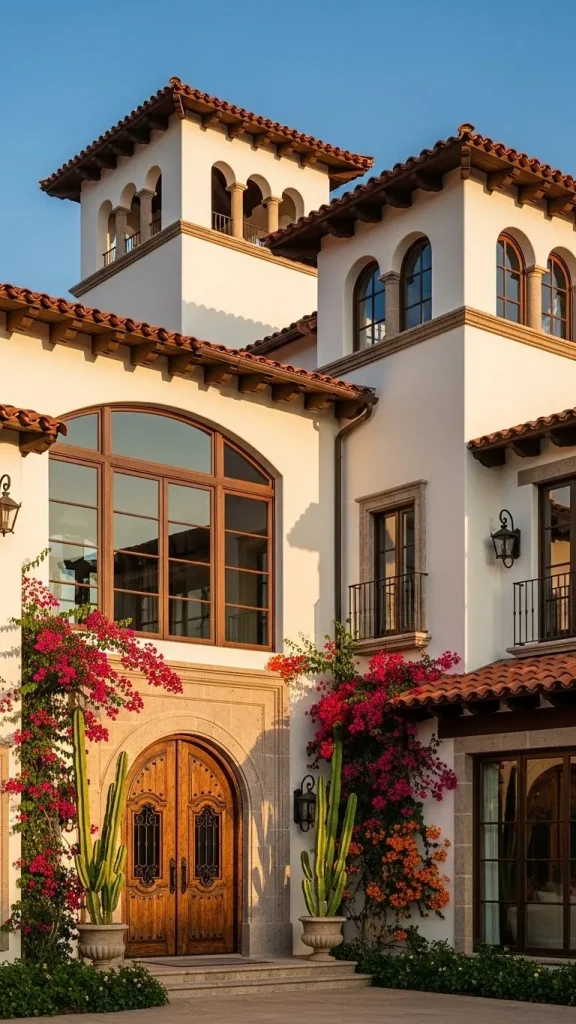
Haciendas often feature variations in roof height to create visual interest and improve ventilation throughout. Tower elements, or miradores, were originally used as lookout points over the vast estate grounds. Today, these towers add a sense of drama and verticality to the silhouette of the home.
High ceilings in the interior are reflected on the exterior through tall walls and elevated rooflines. This vertical space allows heat to rise and escape, which is a crucial cooling strategy in warm climates. Towers can also serve as a unique space for a home office, a guest room, or a private library.
The addition of small windows or decorative vents at the top of these towers encourages airflow. This architectural variety prevents the home from looking like a flat block and adds to its timeless charm. A tower can be finished with a small dome or a pyramidal tile roof to complete the colonial look.
DIY Tips
- Install a weather vane on top of a tower element to add a touch of traditional character.
- Use the high walls of a tower to display a large piece of outdoor art or a decorative mural.
- Ensure that any tall gutters or downspouts are kept clear of leaves to prevent water damage.
- Add a small balcony to your tower room to enjoy the best views of your surrounding property.
- Check the seals around tower windows regularly as they are more exposed to wind and rain.

14. Outdoor Living Rooms with Fireplaces
The outdoor living room is an essential component of the hacienda lifestyle, blending comfort with nature. These areas are often equipped with built in benches, comfortable seating, and an outdoor fireplace. A fireplace allows the space to be used comfortably during cool desert nights or winter months.
The design of the fireplace often mimics the interior kiva style, with a rounded and organic shape. Decorating the hearth with colorful Talavera tiles can turn the fireplace into a beautiful focal point. This area serves as a natural gathering spot for family and friends to relax and share stories.
Placing the outdoor living room under a portal or a pergola provides shade and a sense of enclosure. Outdoor kitchens and dining areas are often located nearby to facilitate easy entertaining and meals. This focus on outdoor comfort is what makes the hacienda style feel so hospitable and welcoming.
DIY Tips
- Keep a supply of dry firewood stored in a decorative iron rack near your outdoor fireplace.
- Clean the ashes out of your fireplace after each use to maintain proper airflow and cleanliness.
- Use outdoor grade cushions and pillows that can withstand moisture and sun exposure without fading.
- Place a large outdoor rug in the center of the seating area to make the space feel like a room.
- Add a few scented candles or lanterns to the mantle to create a cozy and romantic atmosphere.


15. Decorative Niches and Sculptural Walls
Niches are recessed areas built into the thick exterior walls to hold decorative objects or plants. They provide a sense of depth and architectural interest to what would otherwise be a flat surface. Niches are often framed with decorative tiles or finished with a contrasting paint color inside.
Sculptural walls with curved tops or decorative cutouts add a unique and artistic flair to the hacienda. These walls can be used to define the property boundaries or to create separate zones within a garden. The hand plastered finish gives these walls a soft and inviting quality that feels very personal.
Using niches to display religious icons, small sculptures, or simple pots adds to the cultural narrative. They are also an excellent place to install small lights that can highlight the objects within at night. This attention to detail is what makes a hacienda feel like a thoughtfully crafted and timeless home.
DIY Tips
- Paint the interior of a wall niche a bold accent color to make it stand out from the wall.
- Install a small puck light at the top of the niche to illuminate the artwork or plant inside.
- Ensure the base of an exterior niche is slightly sloped to allow rainwater to drain away easily.
- Use niches to display seasonal decorations or fresh flowers from your garden throughout the year.
- Avoid cluttering niches with too many small items to maintain a clean and intentional design look.


Conclusion
The Mexican hacienda style is a celebration of history, natural materials, and an indoor outdoor lifestyle. Each architectural element, from the red tile roofs to the central fountains, serves a specific purpose. These homes are designed to be sanctuaries that provide peace and comfort while honoring cultural traditions.
By incorporating elements like wrought iron, Talavera tiles, and lush landscaping, you create a timeless look. The beauty of a hacienda lies in its ability to age gracefully and develop more character over the years. The focus on craftsmanship and organic materials ensures that these homes never feel dated or out of style.
Whether you are implementing small accents or a full architectural design, the hacienda aesthetic is rewarding. It offers a warm and welcoming atmosphere that is perfect for families and for those who love to entertain. Ultimately, a Mexican hacienda style home is a beautiful tribute to the enduring spirit of colonial architecture.