

Table of Contents
- Comparing Material Durability: Teak, Wicker, and Metal Options
- Expert Installation Protocols: Structural Integrity and Hardware
- Swingscaping: Strategic Positioning for Privacy and Scenic Views
- Elevating Comfort: Ergonomics and Weather-Resistant Textiles
- The Seasonal Maintenance Timeline: preventing Rot and Rust
- Curating Your Suspended Sanctuary
- Expert Insight: Design & Durability
Selecting the perfect outdoor swing requires a balance between architectural integrity and aesthetic charm. Whether you are designing a tranquil backyard retreat or a professional courtyard, the structural material serves as the foundation for both longevity and comfort. A well chosen piece does more than provide seating; it enhances the visual flow of your exterior landscape.
Material science plays a pivotal role in performance across varying climates. Teak offers unparalleled natural oils for weather resistance, while premium wicker provides a textured, organic look suitable for contemporary settings. Metal options, ranging from wrought iron to aluminum, provide a sleek profile with diverse weight capacities and structural stability for high traffic areas.
This comprehensive guide examines the technical specifications and maintenance requirements for each primary material choice. By understanding the lifecycle and resilience of these options, you can make an informed decision that elevates your property value. Discover how to merge craftsmanship with practical utility for a lasting outdoor installation.
Comparing Material Durability: Teak, Wicker, and Metal Options

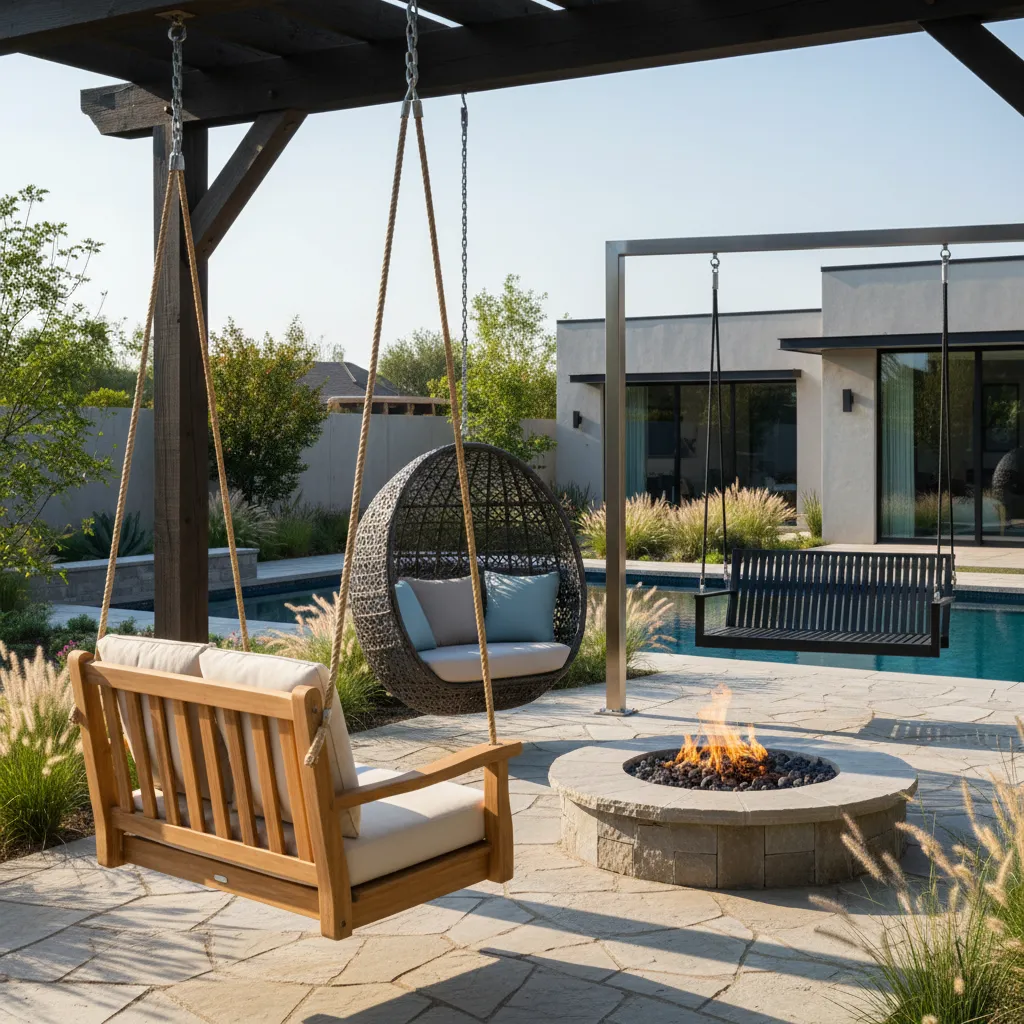
Selecting the right foundation for your outdoor swing dictates its lifespan. While aesthetics draw the eye, the material must withstand rain, UV rays, and temperature shifts without failing.
A swing is a functional anchor for your exterior space. Whether you are outfitting a sprawling veranda or looking for smart balcony ideas for apartment renters, the structural integrity of the frame is paramount.

Teak: The Gold Standard of Woods
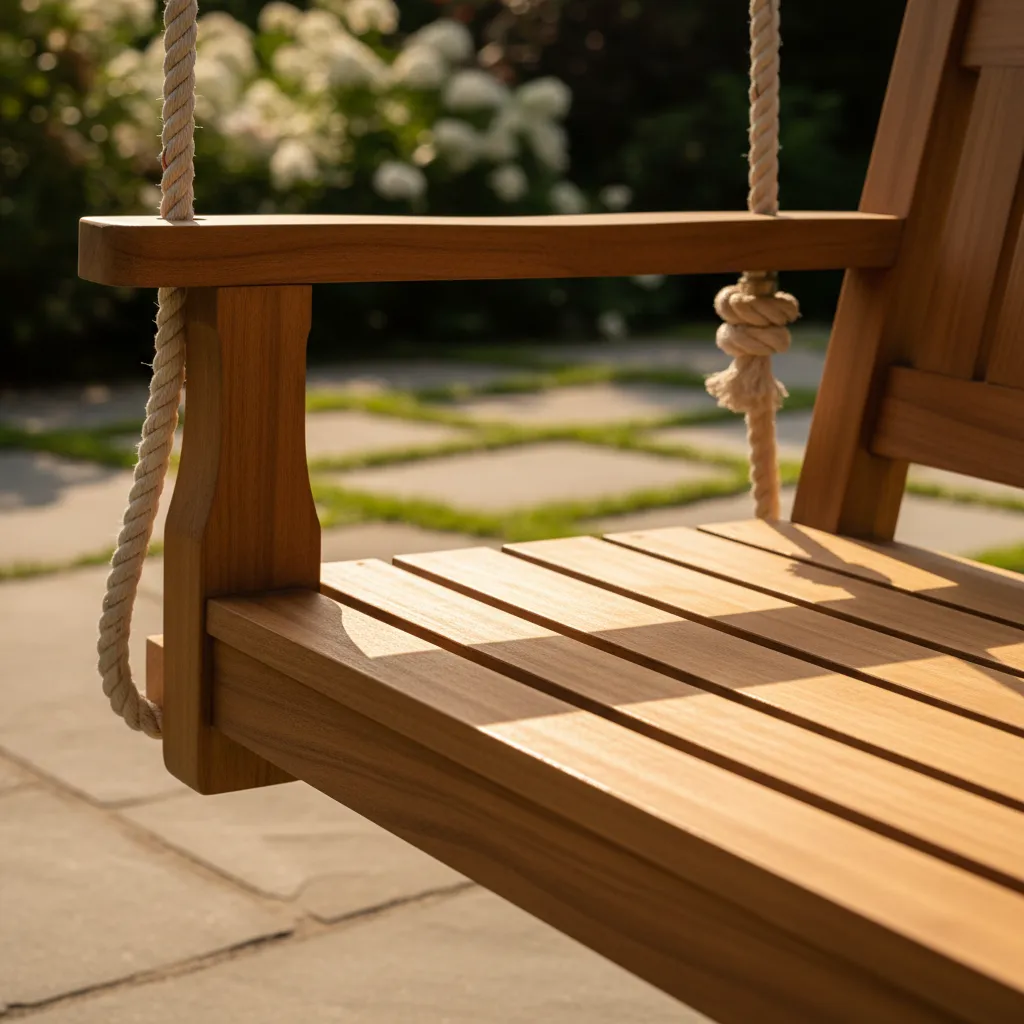
Teak remains the premier choice for wood lovers due to its high oil content. These natural oils repel water and prevent rot, making it exceptionally resilient against harsh climates.
Visually, new teak boasts a warm, honey-gold hue that feels organic and inviting. Over time, if left untreated, it patinas into a sophisticated silvery-grey that blends with coastal landscapes.
This material is heavy and stable, ensuring your swing does not sway violently in the wind. It requires minimal maintenance, usually needing only an annual scrub to remove surface grime.
True luxury in outdoor design is found where durability meets comfort, ensuring your sanctuary withstands the seasons.

Wicker: Synthetic Resin vs. Natural Rattan
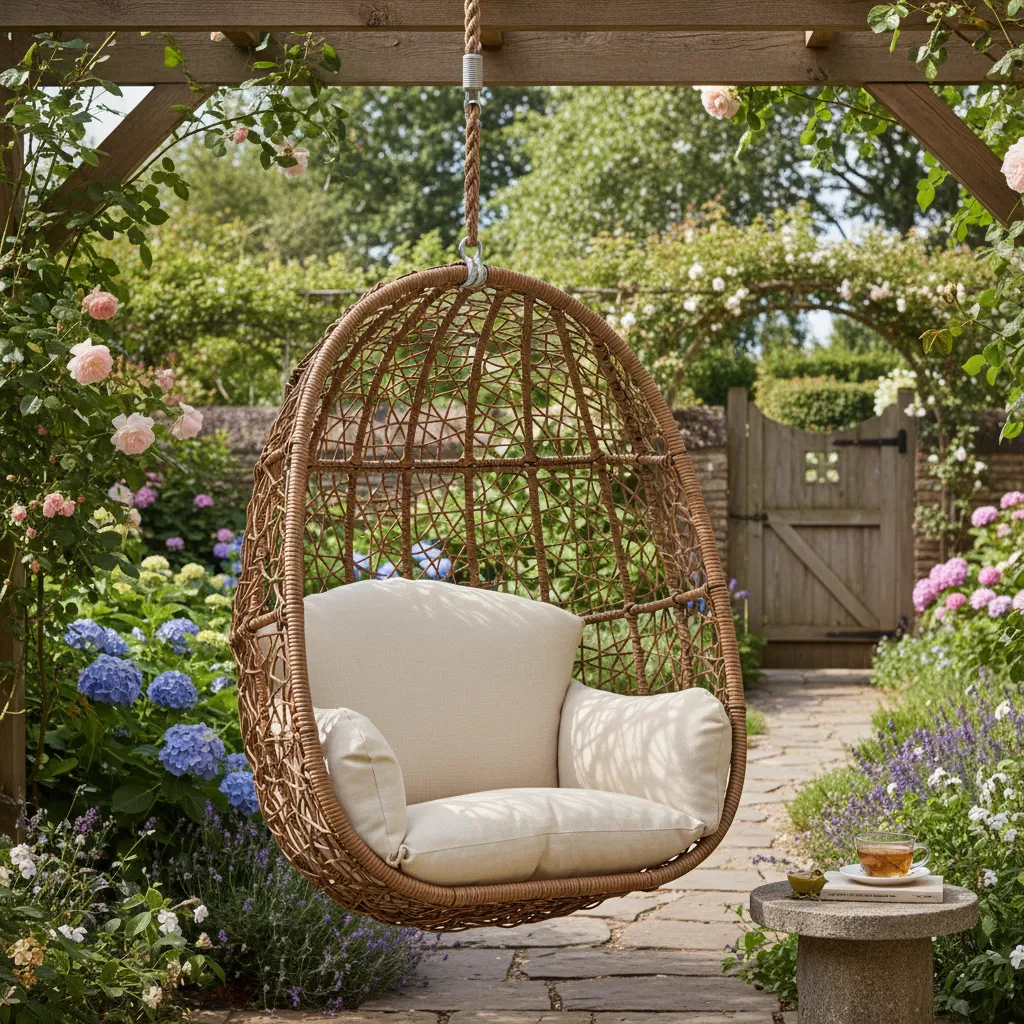
Traditional natural wicker is beautiful but fragile outdoors. Modern “all-weather” wicker uses high-density polyethylene (HDPE) resin wrapped around an aluminum frame for superior durability.
This material offers the intricate, woven texture of basketry without the risk of unraveling. It adds a cozy, tactile element that softens the hard lines of masonry or concrete patios.
Resin wicker is ideal for achieving a rustic look, fitting perfectly with pretty cottage exterior designs. It resists fading and cracking, even when exposed to direct sunlight.

Metal: Wrought Iron and Aluminum
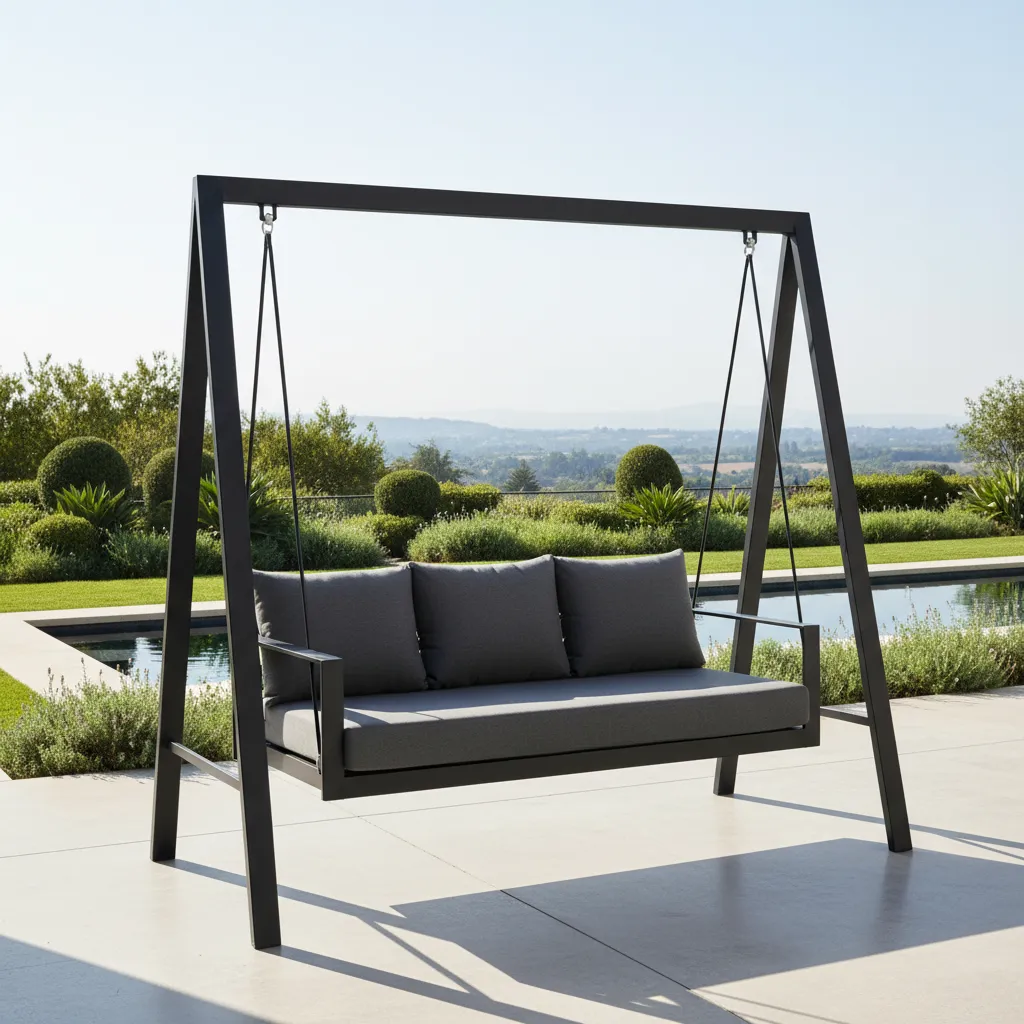
Metal swings offer the highest structural strength and allow for slender, elegant profiles. Wrought iron is heavy and classic, providing excellent stability in high-wind areas.
However, iron requires vigilance against rust. Powder-coated aluminum is a lighter alternative that is impervious to rust, making it the practical choice for humid or salty coastal environments.
Aluminum frames often feature sleek, architectural lines suited for contemporary homes. They are easy to move and clean, though they may require cushions for optimal comfort.
| Material | Weather Resistance | Maintenance Required | Best Aesthetic |
|---|---|---|---|
| Teak Wood | High (Rot/Pest Resistant) | Low (Oil optional) | Organic, Spa-like |
| HDPE Wicker | Very High (Fade Proof) | Very Low (Wash down) | Cozy, Cottage, Boho |
| Wrought Iron | Medium (Rust Risk) | High (Sealant needed) | Classic, Vintage |
| Aluminum | High (Rust Proof) | Low (Soap & water) | Modern, Minimalist |
When shopping for metal furniture, look for powder-coated aluminum, which is lightweight and rust-resistant, or steel, which is heavier and sturdier but must be treated to prevent rust.
Editors, Better Homes & Gardens
Durability Decoder
- Bring a small magnet when shopping for metal frames; if it sticks, the material is likely steel or iron (which needs rust protection), whereas a non-magnetic frame is likely rust-proof aluminum.
- Extend the lifespan of wrought iron swings by applying a thin coat of clear automotive wax once a season to create an invisible, water-repellent shield.
- To prevent dirt buildup in the deep texture of resin wicker, vacuum the weave with a soft brush attachment to loosen debris before hosing it down.
Expert Installation Protocols: Structural Integrity and Hardware

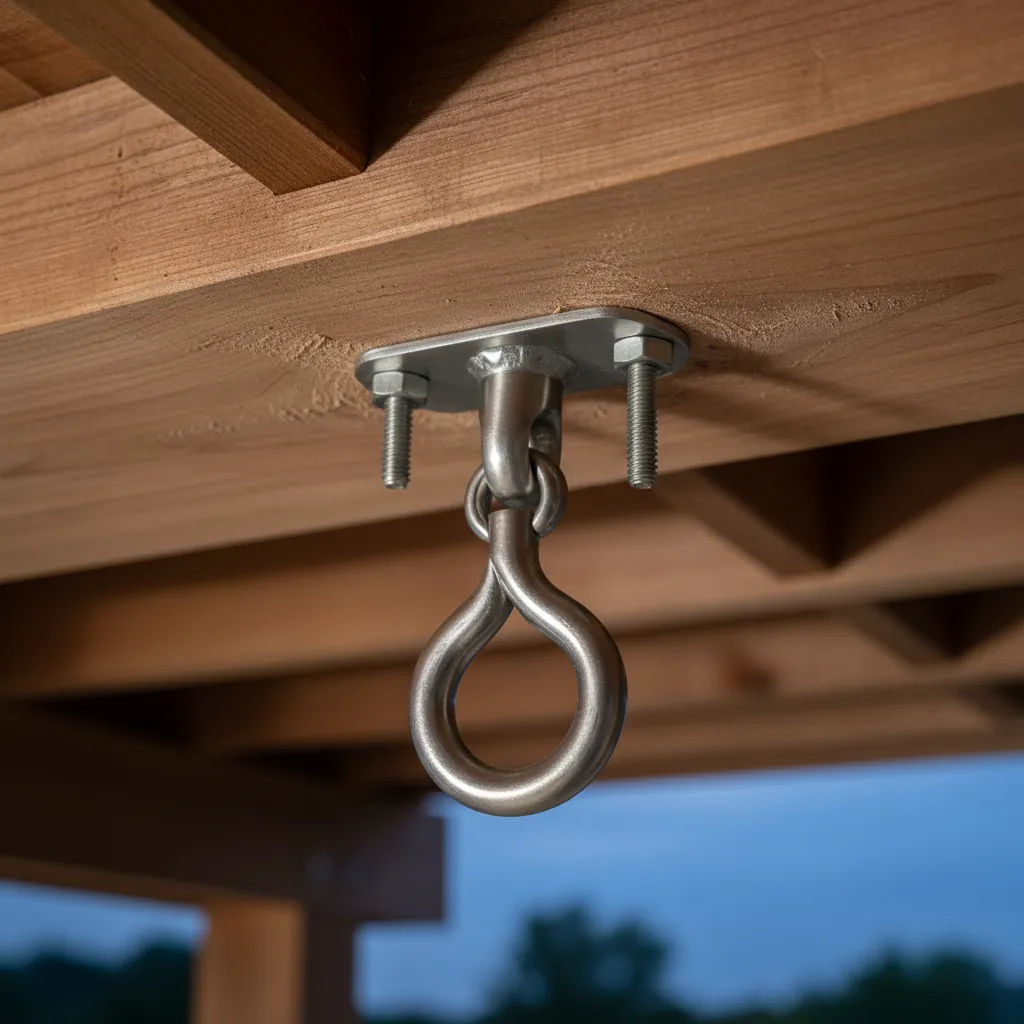
The longevity of an outdoor swing relies entirely on the suspension system. A beautiful seat means nothing without a secure anchor.
Structural integrity provides peace of mind. You must ensure the overhead framing can support the dynamic load of the swing in motion.
This goes beyond simple static weight. The force generated by swinging adds significant stress to the hardware and the wood beam above.
True luxury is the absence of worry, especially when suspended in the air.
Installation Intel
- Upgrade to heavy-duty comfort springs within your suspension system; they absorb dynamic shock to protect the overhead beam while creating a smoother, floating sensation.
- Always pre-drill pilot holes directly into the center of a structural beam to prevent wood splitting and ensure lag screws engage securely with solid timber.
- For uncovered outdoor spaces, prioritize marine-grade 316 stainless steel hardware to prevent hidden corrosion from compromising thread strength.
Locating the Proper Support Beam

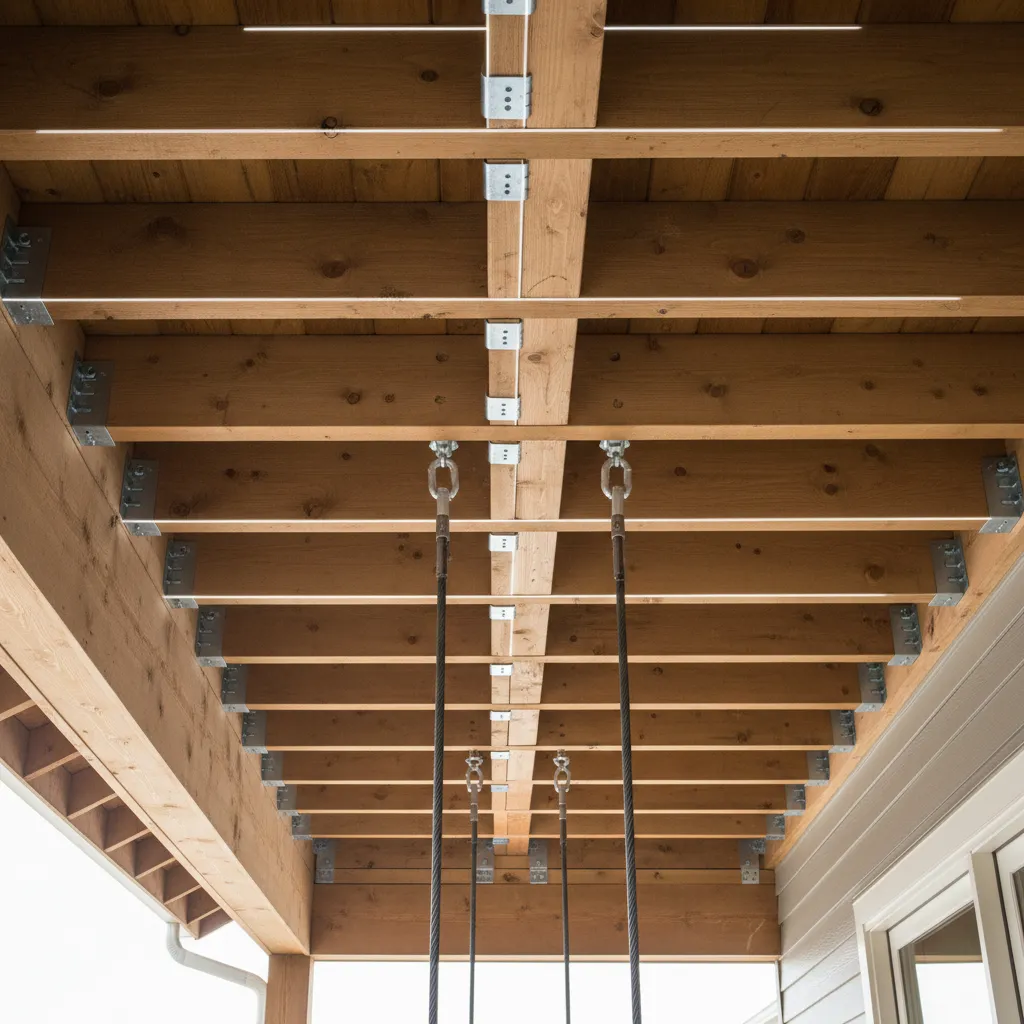
Never install hardware into plywood soffits or beadboard alone. These materials lack the density to hold weight. You must find the joist.
A 2×8 solid wood joist is the minimum recommendation for a standard swing. This ensures the wood will not split under pressure.
If your ceiling is finished, use a stud finder. Locate the center of the beam to maximize the holding power of the lag screws.
For open structures, similar to the engineering used in luxury tree houses, verify the beam has no rot or termite damage.
If the joists are not visible, you must access the area above the ceiling (the attic or crawl space) to verify the size and direction of the joists.
The Editors, This Old House
Master Builder’s Advice
- Use a deep-scan stud finder to accurately locate the center of the joist through thick drywall or plaster.
- Drill a small pilot hole with a thin bit to confirm you have hit solid wood before drilling the larger hole for the lag bolt.
- If the joists run parallel to your swing’s movement, install a 4×4 header between two joists to provide a secure and stable mounting point.
Selecting Hardware for Durability
Outdoor environments require corrosion-resistant metals. Standard zinc-plated hardware will eventually rust and compromise safety.
Stainless steel or galvanized steel are the only acceptable choices. They withstand humidity, rain, and temperature fluctuations.
Use heavy-duty eye bolts with a fully enclosed loop. Open hooks can disengage if the swing bounces unexpectedly.
Comfort springs are a functional addition. These steel coils absorb shock, creating a smoother floating sensation.
Hardware Pro Tips
- Opt for Grade 316 stainless steel if you live within 10 miles of the coast to prevent salt-air pitting.
- Apply a dab of marine-grade lubricant to pivot points to eliminate squeaking and reduce friction wear.
- Always use locking nuts or thread-locking fluid to ensure vibrations do not loosen bolts over time.
Suspension Materials: Chain vs. Rope

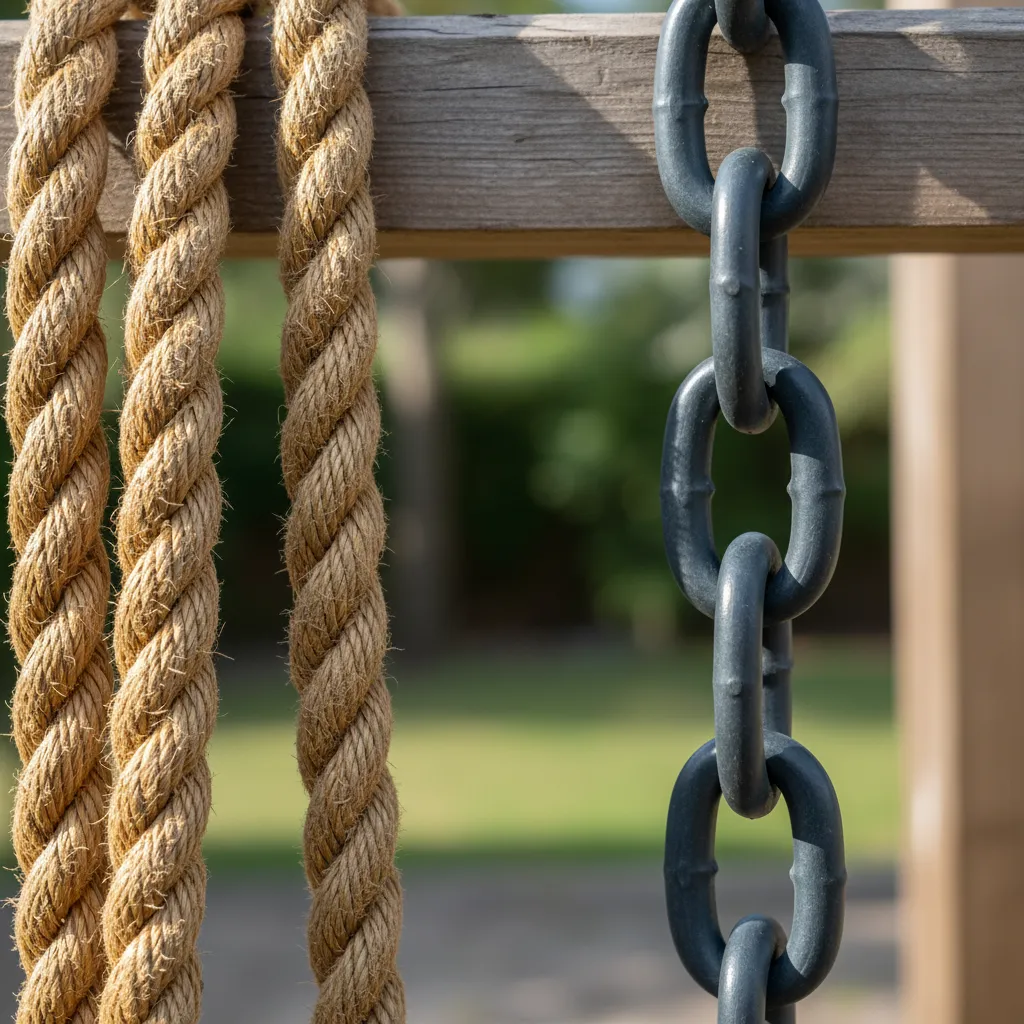
The choice between chain and rope affects both the aesthetic and the swing’s movement. Each offers a distinct tactile experience.
Chains
Chains offer permanence and zero elasticity. They provide a rigid, secure swing path that does not stretch over time.
Galvanized chains have an industrial, cool touch. For a softer feel, choose chains encased in vinyl tubing.
Rope
Rope adds a soft, organic texture. It complements pretty cottage exterior designs where rustic charm is priority.
Synthetic options like braided nylon mimic the look of natural hemp. However, they resist rot and UV damage far better than natural fibers.
Material Mastery
- Choose vinyl-coated chains to prevent pinched fingers and provide a more comfortable grip during colder weather.
- Opt for synthetic ‘poly-hemp’ rope to achieve a rustic cottage aesthetic without the fraying and rot associated with natural fibers.
- If using rope, inspect the knots seasonally to ensure they remain tight and secure against the swing’s weight.
Load Capacity and Hardware Specs
Understanding weight ratings is critical. Always choose hardware rated for higher loads than you anticipate needing.
| Component | Ideal Material | Min. Load Rating | Key Feature |
|---|---|---|---|
| Eye Bolts | 316 Stainless Steel | 400 lbs per bolt | Welded shut eyelet |
| Carabiners | Galvanized Steel | 600 lbs | Screw-lock gate |
| Comfort Springs | Zinc-Plated Steel | 600 lbs (pair) | Shock absorption |
| Rope | Marine-Grade Nylon | 1,000 lbs (tensile) | UV & Rot Resistance |
Inspect your hardware seasonally. Listen for squeaking metal, which indicates friction wear. Lubricate pivot points annually.
Check the connection points where metal meets wood. If you see sawdust, the bolt may be loose and wearing down the timber hole.
Pro Rigging Tips
- Aim for a safety factor of 2x; if your total load is 300 lbs, select hardware rated for at least 600 lbs to handle dynamic movement without stress.
- Use a dry graphite lubricant on squeaky pivot points instead of oil or grease to prevent dust and grit buildup that can accelerate metal-on-metal wear.
- Always pre-drill pilot holes before driving heavy-duty eye bolts into timber to prevent the wood from splitting, which significantly weakens the structural load capacity.
Swingscaping: Strategic Positioning for Privacy and Scenic Views

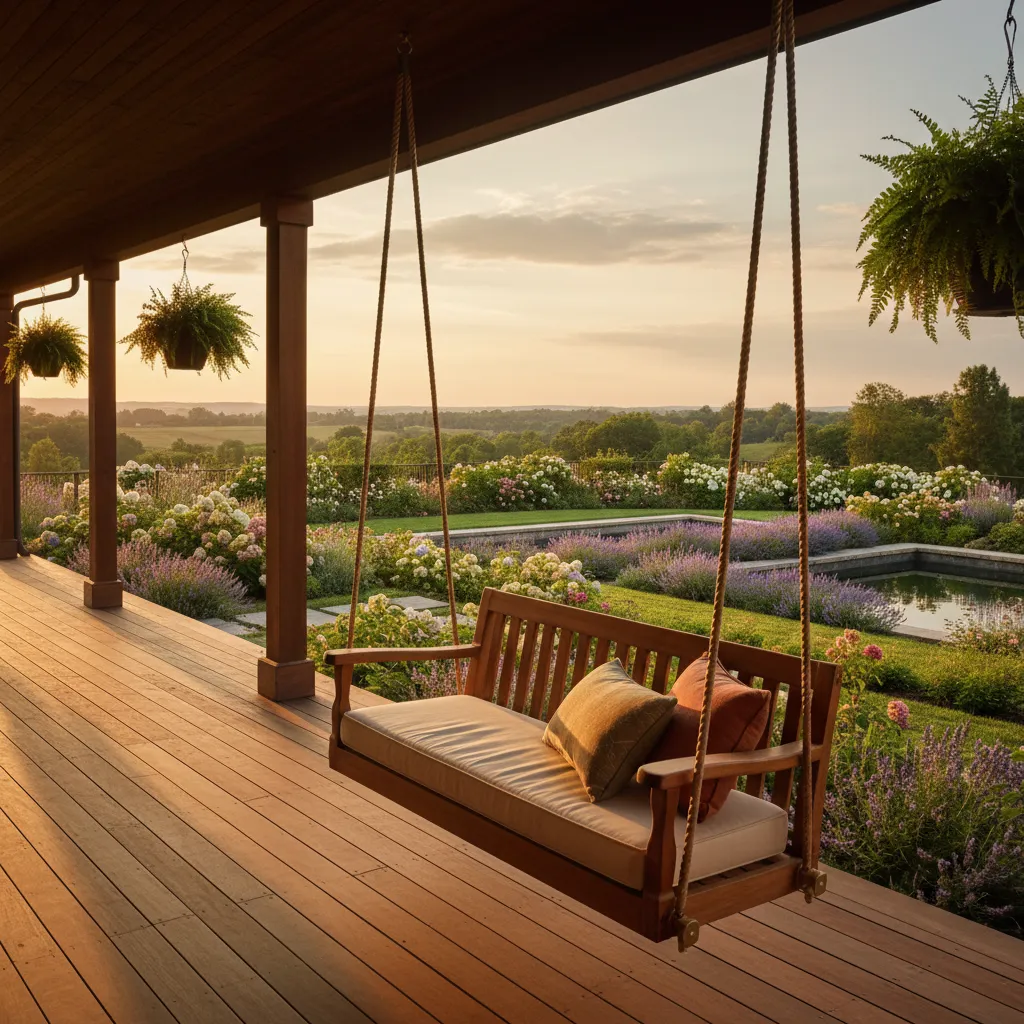
Swingscaping is the art of integrating your swing into the landscape rather than simply adding it as an afterthought. It requires a keen eye for spatial dynamics.
The placement of your outdoor swing dictates the atmosphere. A well-placed seat transforms a stagnant corner into a destination for relaxation.
You must consider the sightlines from inside the home as well. The swing should serve as a sculptural element that draws the eye outward, inviting you into nature.
The perfect swing placement does not just offer a seat; it frames the world you want to see.
Swingscaping Secret
- Layer tall ornamental grasses or a decorative trellis behind your swing to create a secluded cocoon effect without blocking natural light.
- Align your swing with a large window or sliding door to create a seamless visual bridge between your interior design and the landscape.
- Position the seat at a slight angle to your home’s main view to capture broader panoramas while maintaining a sense of architectural balance.
Creating Intimacy Through Greenery
Privacy is paramount for a truly restorative experience. Use vertical gardening elements to shield your relaxation zone from neighboring properties.


Tall potted grasses or a trellis laden with jasmine can create a fragrant, living wall. This adds a layer of texture that softens hard architectural lines.
For smaller footprints, consider how tiny houses with courtyard gardens utilize vertical space. You can replicate this enclosure effect to create a cozy, hidden reading nook.
Acoustics also play a role in privacy. Positioning your swing near a water feature can mask street noise, replacing it with the soothing sound of trickling water.
Lush Sanctuary Secrets
- Layer your greenery by combining tall ornamental grasses with low-lying shrubs to create a dense, natural screen that blocks sightlines completely.
- Install a trellis with fast-growing climbers like star jasmine or clematis to add both vertical privacy and a calming fragrance to your seating area.
- Place a small, recirculating water feature amidst your plants to provide white noise, effectively masking neighborhood sounds and enhancing the feeling of isolation.
Framing the Vista
The primary function of an outdoor swing is often visual appreciation. Orient your seat to face the most compelling natural element in your yard.
This might be a manicured flowerbed, a pool deck, or a distant horizon line. The swing acts as a dedicated viewing station for the changing seasons.
If you are fortunate enough to have elevation, look to captivating mountain view houses for inspiration. Notice how they align seating to capture the widest possible panorama.
Think of your outdoor space as a series of rooms. The transition between the indoors and outdoors should be seamless, with the furniture positioned to draw you out.
Timothy Corrigan, Architectural Digest
Vista Strategy
- Position your swing so natural elements like tall hedges or trees act as architectural ‘curtains’ to frame the primary focal point.
- Check the sun’s trajectory during your favorite relaxation hour to ensure your vista isn’t obstructed by harsh glare or direct heat.
- Maintain a clear sightline from your main indoor living area to the swing to create a visual invitation that draws you into the garden.
Orientation and Sun Exposure
The direction your swing faces significantly impacts its usability throughout the day. Direct sunlight can be pleasant in winter but unbearable in summer.
Understanding the path of the sun allows you to maximize comfort. Review this orientation guide to determine the optimal placement for your lifestyle:
- North-Facing: Provides consistent shade and cooler temperatures. Ideal for hot climates where escaping the midday sun is a priority.
- South-Facing: Maximizes sun exposure. Perfect for cooler regions or homeowners who want to enjoy the swing during crisp autumn afternoons.
- East-Facing: Captures the morning light. This is the ultimate spot for coffee drinkers who want to enjoy the sunrise without afternoon glare.
- West-Facing: The sunset position. While beautiful in the evening, it requires shade structures to block the harsh, low-angle afternoon sun.
The Glow-Up Guide
- Test your location with a portable chair at different times of day before drilling any holes to see how the shadows actually fall.
- For west-facing setups, add sheer outdoor curtains to filter harsh evening light while maintaining your sunset view.
- If you are in a high-sun area, opt for light-colored cushions to prevent them from absorbing excess heat and becoming uncomfortable to sit on.
Structural Anchoring and Flow
A swing should never impede the flow of traffic. Ensure there is at least three feet of clearance behind the swing and four feet in front for safe movement.

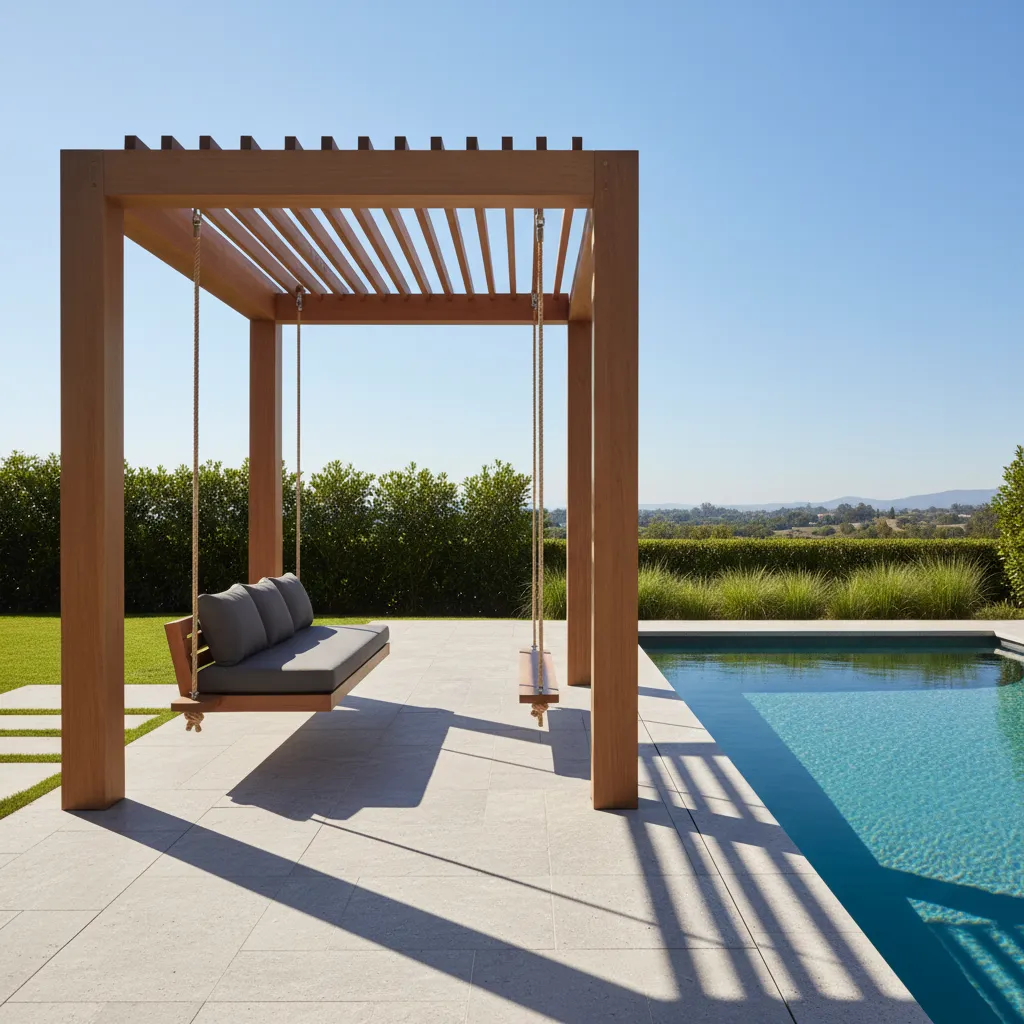
Anchor the swing visually with an area rug or distinct hardscaping. Changing the flooring material from grass to stone pavers defines the zone.
This grounding technique creates a dedicated “outdoor room.” It signals to guests that this is a place to pause, separate from the active walkway.
Layout Mastery
- Before drilling, mark the swing’s maximum arc on the ground with painter’s tape to ensure it won’t collide with side tables or planters during use.
- Use low-profile outdoor rugs to anchor the swing without creating a trip hazard in high-traffic transition zones.
- Align the swing’s center point with a focal feature, like a fire pit or garden view, to make the ‘outdoor room’ feel intentional and inviting.
Elevating Comfort: Ergonomics and Weather-Resistant Textiles

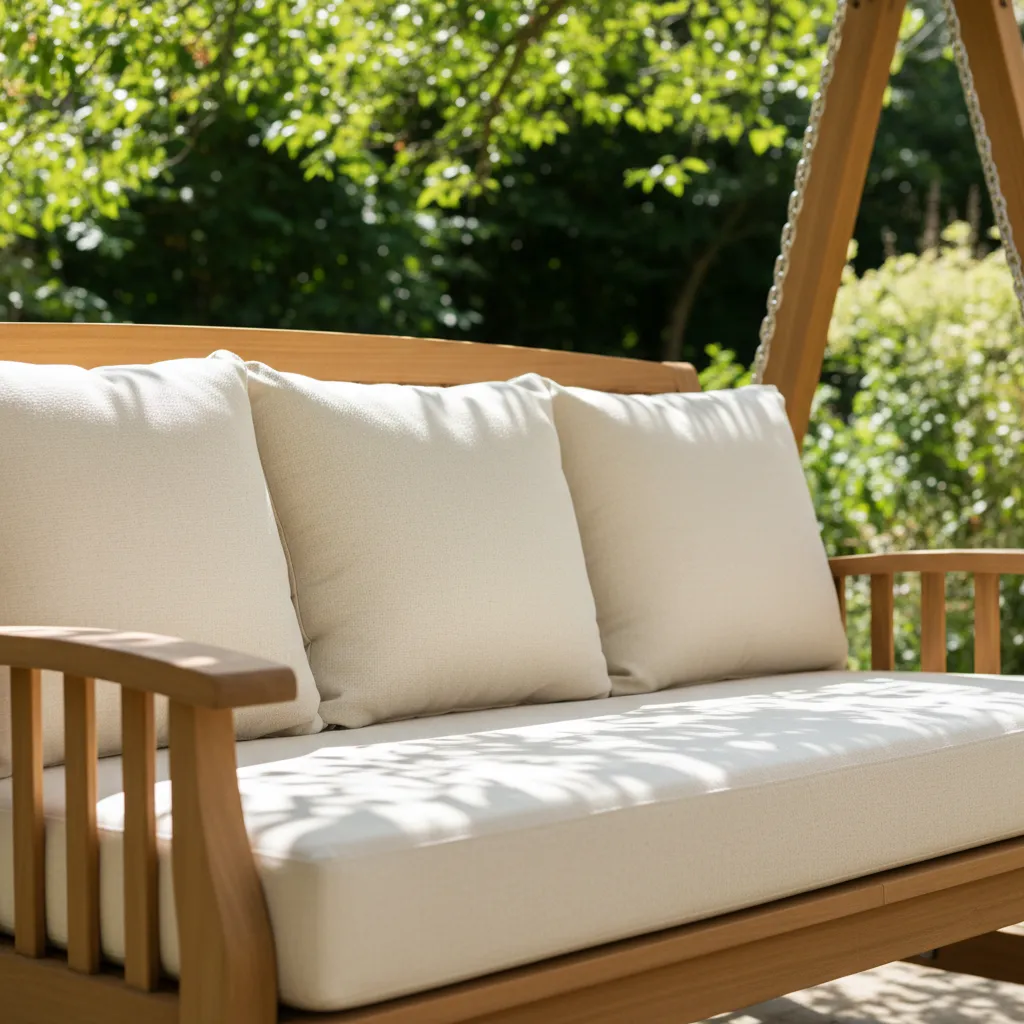
True luxury in an outdoor swing lies in how it feels when you sit. The visual appeal draws you in, but the ergonomics keep you there.
A swing must support the body’s natural curve. A seat depth of 20 to 24 inches is ideal for lounging. This allows for plush back pillows.
Consider the angle of the backrest carefully. A slight recline of 10 to 15 degrees encourages relaxation without causing slouching.
The Science of Supportive Cushions

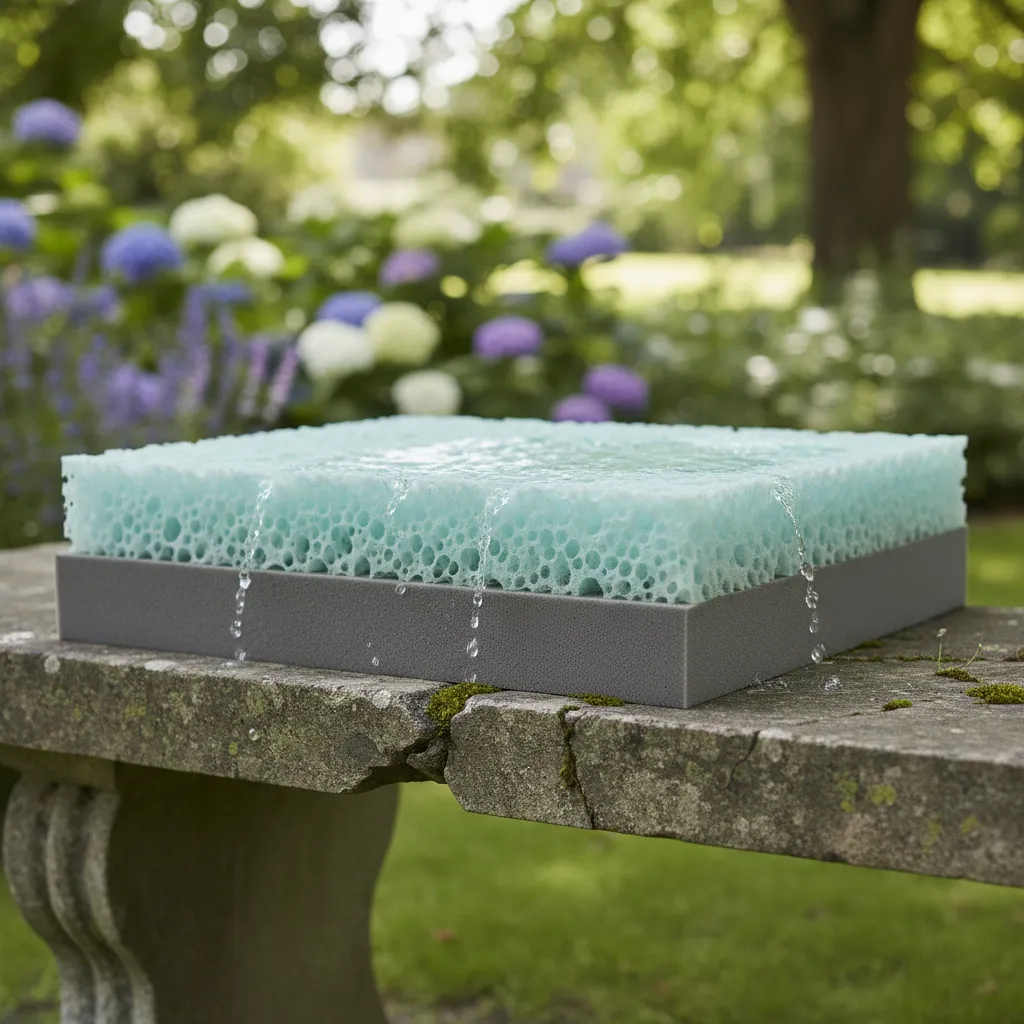
The interior fill of your cushions dictates longevity. Standard indoor foam acts like a sponge and holds water, which leads to mildew.
Opt for reticulated foam for outdoor applications. Its open-cell structure allows water to drain through almost instantly.
For those styling compact spaces, applying these comfort principles to smaller furniture is key. See our guide on 10 best balcony ideas for smart layouts.
Wrap the foam in a layer of batting for a crowned effect. This softens the edges and prevents the fabric from looking loose or wrinkled.
When choosing outdoor fabrics, look for solution-dyed acrylics. The color penetrates the fiber completely, preventing fading from UV rays.
The Editors, Veranda
Selecting Performance Fabrics

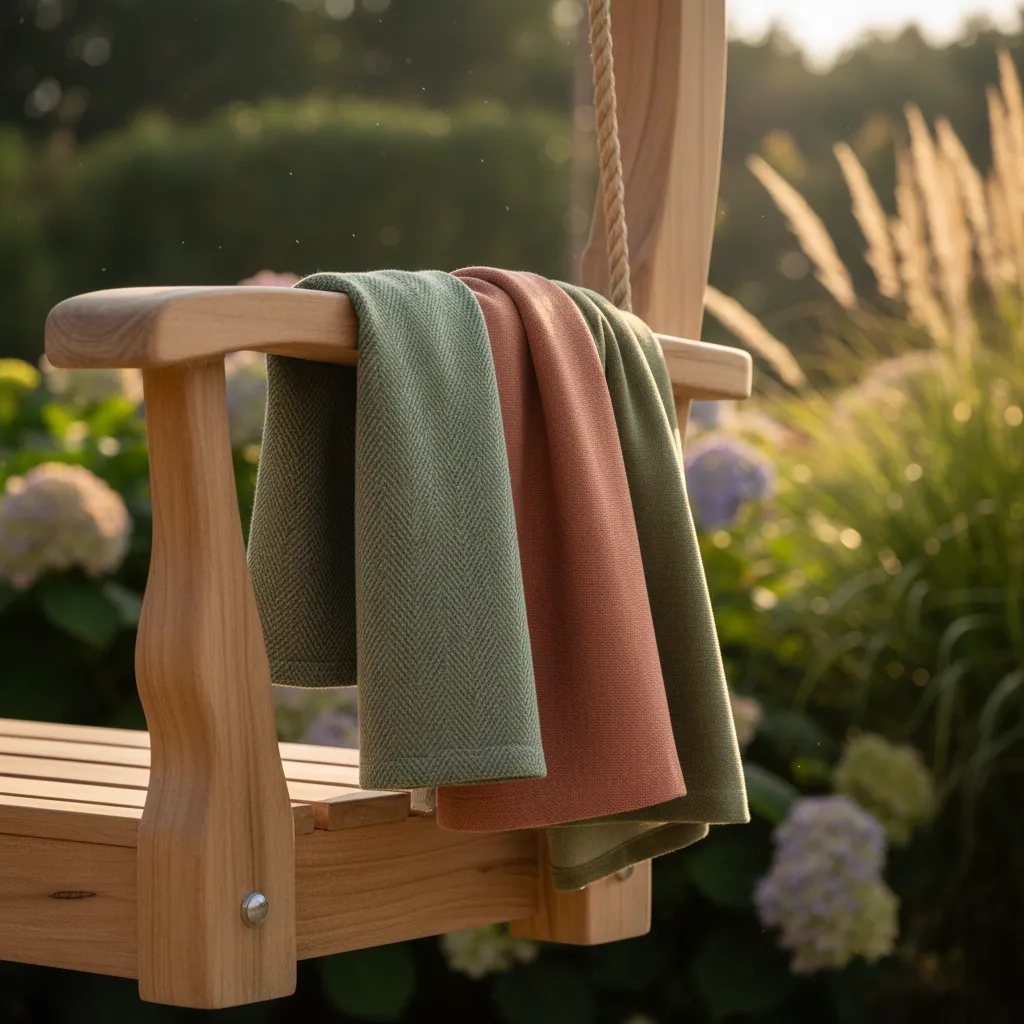
Durability does not require sacrificing softness. Modern performance fabrics mimic the hand of indoor velvet, chenille, and linen.
Solution-dyed acrylic is the gold standard currently. It resists UV fading and can often be cleaned with a bleach solution.
Essential Fabric Features Checklist:
- UV Resistance: Look for fabrics rated for at least 1,500 light hours to prevent fading.
- Abrasion Rating: A double-rub count over 15,000 ensures the fabric withstands friction from movement.
- Water Repellency: The finish should bead water on the surface rather than absorbing it immediately.
- Mold Resistance: Synthetic fibers inherently resist microbial growth better than natural cotton.
Coordinate your swing fabrics with other exterior elements. Matches with summer door hangers create a cohesive entry.
Design is not just what it looks like and feels like. Design is how it works.
Maintenance for Longevity
Even the best textiles require care to maintain their finish. Brush off loose dirt regularly before it becomes embedded in the weave.
Store cushions during harsh winter months. This simple step extends the life of the foam and fabric by several years.
If you choose a wooden swing, check the finish annually. A fresh coat of sealant protects the structural integrity from moisture.
The Designer’s Comfort Edit
- To achieve a high-end ‘crowned’ look, wrap your reticulated foam in a layer of polyester batting before slipping on the cover to prevent the fabric from sagging.
- After heavy rain, stand your cushions vertically with the zipper facing downward to speed up the drainage process through the open-cell foam.
- Extend the life of your performance fabrics by vacuuming them once a month to remove fine dust that acts like sandpaper on the fibers.
The Seasonal Maintenance Timeline: preventing Rot and Rust

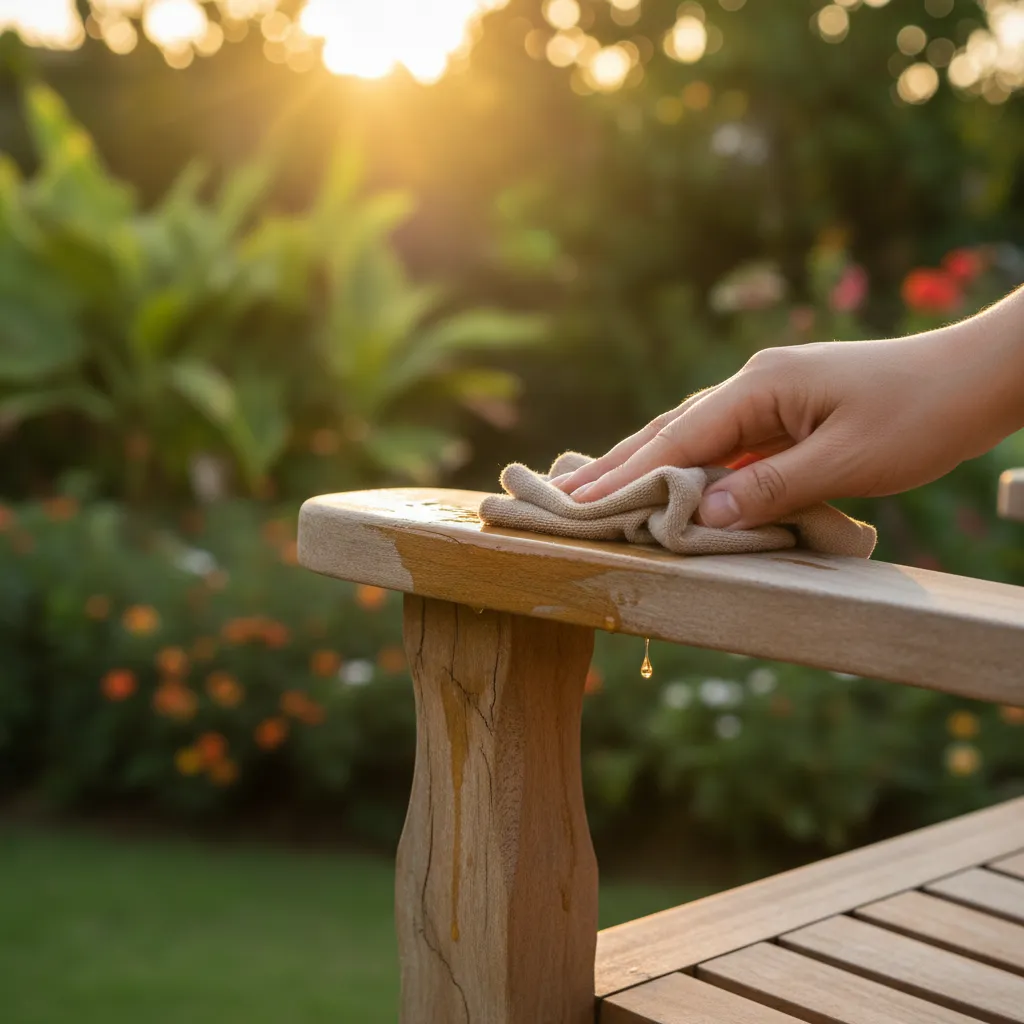
An outdoor swing is an investment in your home’s relaxation zones. However, exposure to the elements poses a constant threat to its structural integrity. Neglecting maintenance accelerates the aging process significantly.
Moisture leads to rot in timber and rust in metal. UV rays degrade synthetic wickers and bleach textiles. A proactive maintenance schedule preserves the aesthetic and functionality of your furniture.
Preserve & Protect
- Apply a thin layer of automotive wax to metal frames twice a year to create a moisture-repellent barrier that fights off rust.
- Check hardware joints monthly for minor oxidation; a quick scrub with a wire brush and a touch of rust-inhibiting paint can prevent structural failure.
- Use breathable, weatherproof covers during the off-season to block UV rays and prevent moisture trap, which is the leading cause of timber rot.
Preserving Wood and Metal Frames
Different materials require distinct defense strategies. For wooden swings, the goal is to maintain the natural oil balance while repelling water. Dry wood cracks, creating entry points for fungi.
Inspect your wooden swing for graying fibers. This indicates UV damage. Lightly sand the surface to expose fresh grain. Apply a penetrating oil or water-repellent sealer annually.
This process is similar to maintaining larger wooden structures, such as remote cabins that face harsh weather. Deep conditioning prevents the wood from becoming brittle.
Metal swings face the risk of oxidation. Check specifically where screws and chains meet the frame. These friction points often lose their protective coating first.
If you spot rust, use steel wool to remove it immediately. Touch up the area with a rust-inhibiting exterior paint. For aluminum frames, a simple wash with car wax can protect the finish.

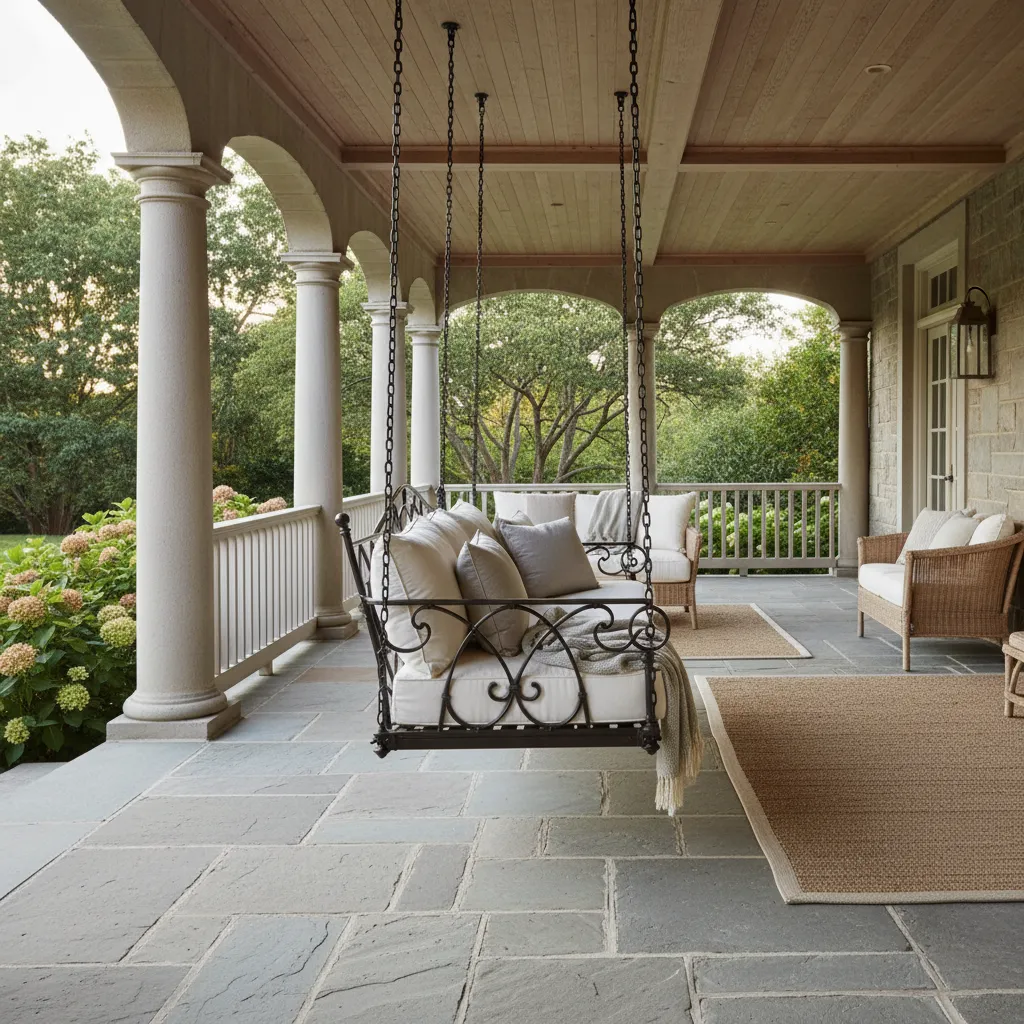
Maintenance is the silent guardian of design; it ensures that the beauty you installed today remains the sanctuary you enjoy tomorrow.
The Preservation Playbook
- Apply a penetrating oil or water-repellent sealer every spring to prevent the wood from drying out and cracking under UV exposure.
- Use steel wool to treat rust spots on metal frames immediately, then seal with a rust-inhibiting paint to stop oxidation in its tracks.
- Give aluminum frames a seasonal coat of car wax to maintain their finish and provide a protective barrier against the elements.
The Annual Care Calendar
Consistency is key to preventing irreversible damage. Breaking down tasks by season makes the workload manageable and ensures nothing is overlooked during critical weather transitions.
Spring is the time for revitalization. It involves inspecting the hardware for safety and cleaning off winter grime. This is the perfect moment to incorporate spring decor ideas like fresh throw pillows.
| Season | Primary Task | Specific Action | Goal |
|---|---|---|---|
| Spring | Hardware Check | Tighten all bolts and lubricate chain links. | Ensure structural safety. |
| Summer | UV Protection | Apply fabric guard to cushions. | Prevent color fading. |
| Autumn | Deep Clean | Remove organic debris and mold spores. | Prevent winter rot. |
| Winter | Storage | Cover with breathable, waterproof tarp. | Shield from freeze-thaw cycles. |
Winterizing is the most critical step in this timeline. If you cannot store the swing indoors, invest in a heavy-duty cover. Ensure the cover has vents to prevent condensation buildup underneath.
Trapped moisture under a cover is more damaging than rain. It creates a greenhouse effect for mildew. Always ensure the swing is completely dry before covering it for the season.
Teak is the gold standard for wood outdoor furniture… If it’s left outdoors, it will weather to a silvery gray. To maintain the original color, you’ll need to sand it and apply a teak oil.
Architectural Digest Editors, How to Choose Outdoor Furniture
Longevity Secrets
- Apply a silicone-based lubricant to swing chains in the spring to prevent rust without attracting the dust and grime that heavy oils often catch.
- Place moisture-absorbing packets or a small desiccant bag under your winter cover to combat the condensation that leads to mildew growth.
- If you prefer the original honey hue of teak over the weathered gray look, use a UV-rated teak sealer instead of oil for longer-lasting color protection.
Soft Goods and Textile Care
Cushions and canopies are the first to show signs of age. Even performance fabrics eventually succumb to mold if dirt is left to sit on the surface.
Brush off pollen and leaves weekly. These organic materials hold moisture against the fabric. If washing covers, close the zippers to prevent the track from warping in the machine.
Air dry all textiles. High heat from dryers can damage the water-resistant coating on synthetic outdoor fabrics. Reapply a waterproofing spray after every deep clean.
Fabric Longevity Secrets
- Store cushions in a dry, ventilated storage box during heavy rain to prevent deep moisture penetration.
- Spot treat spills immediately with a mild soap solution to prevent stains from setting into the fibers.
- Stand damp cushions on their side to allow water to drain more efficiently through the seams after a storm.
Curating Your Suspended Sanctuary
Choosing the perfect outdoor swing is an investment in both relaxation and architectural beauty. Your material choice defines the longevity of this retreat.
Teak offers organic warmth that ages gracefully, while HDPE wicker brings texture without the fragility of natural fibers. Both elevate the sensory experience.
For modern lines or windy regions, metal frames provide unmatched stability. Weigh your local climate against your aesthetic vision to find the ideal match.
Expert Insight: Design & Durability
Powder-coated aluminum and high-quality HDPE wicker are superior for wet environments. They resist rust and rot far better than wrought iron or natural rattan.
Sealing is optional. Without it, teak develops a distinguished silvery-grey patina. To maintain the original honey tone, an annual sealer application is required.
Most standard two-seater swings support between 400 and 550 pounds. Always verify the manufacturer’s rating for both the frame and the suspension hardware.
Generally, no. Even weather-resistant fabrics should be stored during harsh storms or winter. Prolonged moisture exposure can degrade the foam core.