

Table of Contents
- Select Woven Textures for Depth and Acoustic Dampening
- Incorporate Bohemian Mandalas for a Relaxed Focal Point
- Layer Textiles to Move Beyond Basic Dorm Aesthetics
- Utilize Damage-Free Hanging for Renter-Friendly Installation
- Clean and Steam Fabrics to Ensure Longevity
- Weaving It All Together
- Textile Tactics & Common Queries
Architects and designers often focus on the hard surfaces of a building, from the foundation to the final floor plan. However, the vertical surfaces of a room deserve equal attention to ensure a space feels complete. Decorative tapestries serve as a bridge between structural rigidity and refined interior styling, offering a sophisticated way to soften a room while maintaining a professional aesthetic.
Beyond their visual appeal, these textiles provide significant acoustic benefits for both residential and commercial environments. Large wall hangings act as effective sound dampeners, reducing echoes in open-concept layouts or busy office settings. By integrating fabric into your design strategy, you can manage noise levels without the need for intensive renovations or expensive soundproofing materials.
Whether you are a developer looking to stage a property or a DIY enthusiast crafting a unique focal point, tapestries offer endless versatility. They are easy to install and replace, allowing for seasonal updates or quick style shifts. Choosing the right material and weave ensures that your decor remains both a practical asset and a stunning piece of handmade craftsmanship.
Select Woven Textures for Depth and Acoustic Dampening

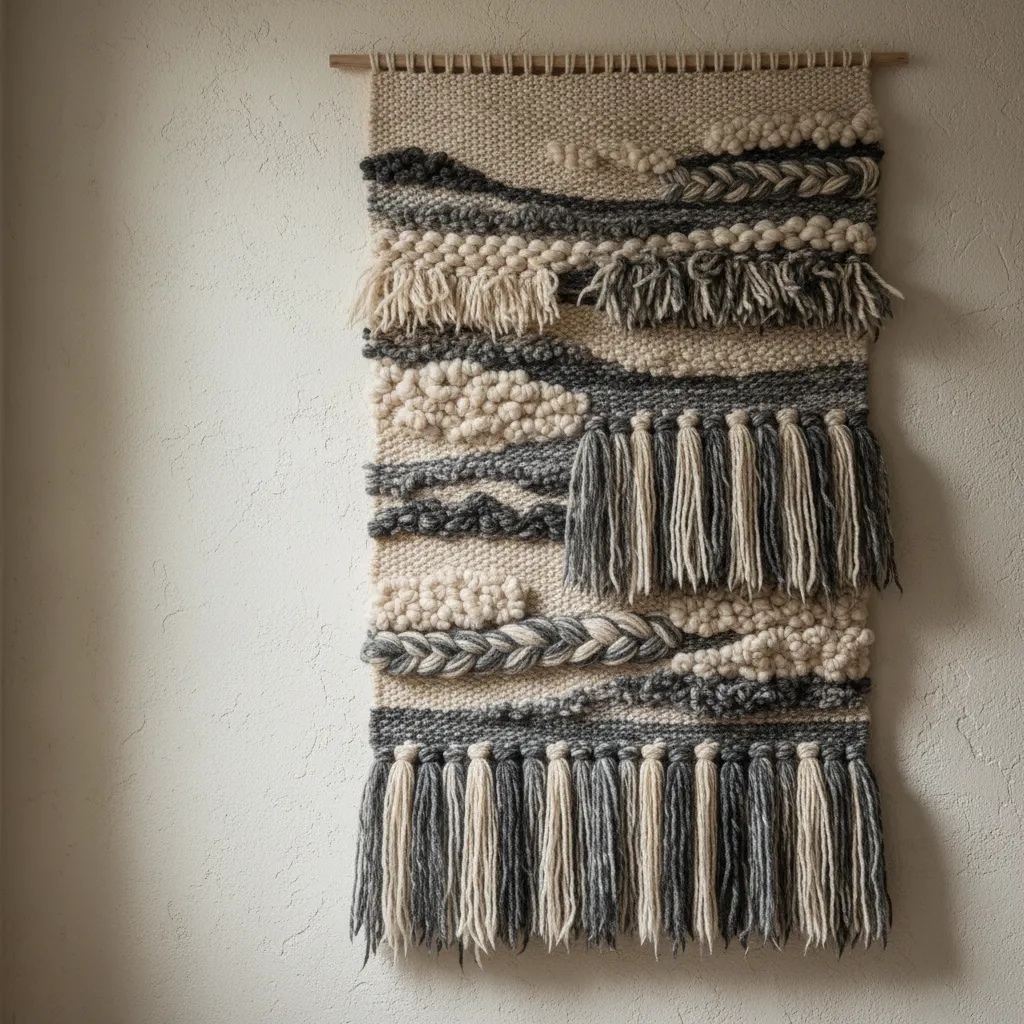
The visual impact of a tapestry is immediate, but its functional value is equally important. Large woven pieces serve as sophisticated architectural tools.
Hard surfaces like glass, concrete, and hardwood reflect sound waves. This creates echoes that make a room feel cold and impersonal.
Introducing heavy textiles breaks this cycle. The fibers trap noise, reducing reverberation and creating a quieter, more intimate atmosphere.
Texture is the silent language of design; it speaks to the senses without saying a word.
Analyzing Material Density for Sound Control

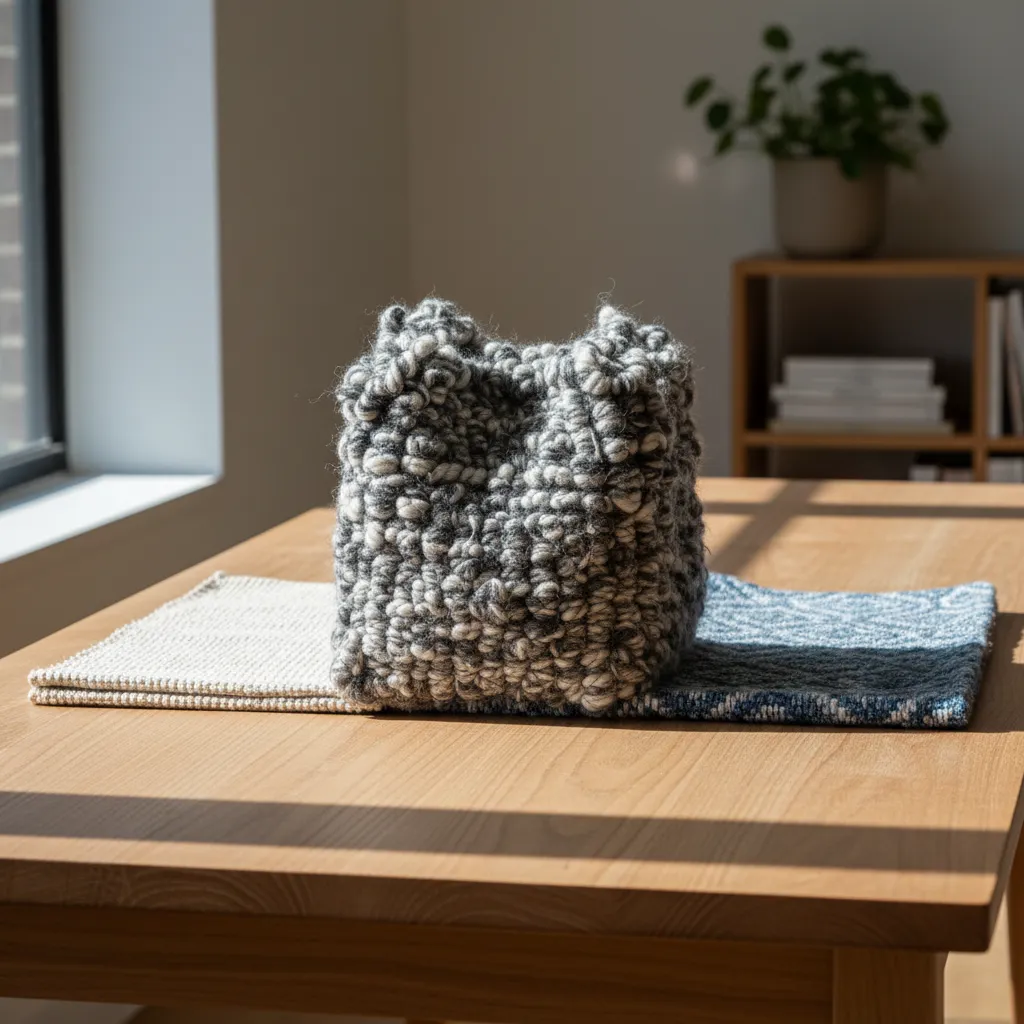
Not all wall hangings offer the same level of acoustic dampening. The density and pile height of the fiber dictate its effectiveness.
Wool is widely considered the superior choice for noise reduction. Its porous cellular structure traps air and sound vibrations efficiently.
For spaces requiring maximum quiet, such as a study modeled after cozy home library ideas, opt for high-pile wool or heavy macramé.
Lighter materials like cotton or linen offer visual softness but minimal sound control. These are better suited for hallways or low-traffic zones.
| Material Type | Acoustic Rating | Visual Texture | Ideal Placement |
|---|---|---|---|
| Raw Wool | High | Dense, Matte, Fuzzy | Media Rooms, Bedrooms |
| Heavy Cotton | Medium | Structured, Clean | Living Areas, Dining |
| Silk/Synthetic | Low | Smooth, Reflective | Hallways, Entryways |
| Jute/Sisal | Low-Medium | Coarse, Organic | Sunrooms, Patios |
Enhancing Visual Depth with 3D Weaves
Flat artwork creates a single plane of interest. A woven tapestry introduces a third dimension through knots, fringe, and varied pile heights.
This physical depth interacts with lighting in dynamic ways. As the sun moves, shadows shift across the weave, changing the art throughout the day.
Textiles and rugs are the soul of the room… They absorb sound and make a room feel cozy and finished.
Emily Henderson, Style by Emily Henderson
Chunky knits or mixed-media weavings work exceptionally well in minimalist spaces. They add warmth without introducing clutter or chaotic colors.
Consider placing highly textured pieces on walls opposite large windows. The raking light will exaggerate the relief of the fabric.
If your aesthetic leans toward vintage living room ideas, look for tapestries with velvet inlays or brocade detailing.
These distinct textures evoke a sense of history and craftsmanship. They anchor the room visually while simultaneously softening the acoustics.
Acoustic Styling Secret
- The Light Test: To quickly gauge acoustic potential, hold the fabric up to a window. If light passes through easily, sound will too; stick to dense wool or tight weaves for true noise dampening.
- Hidden Layers: Love a lightweight tapestry but need silence? Mount it over a discreet layer of acoustic felt or cork to achieve your desired aesthetic without sacrificing functionality.
- Lighting Logic: Install a directional picture light above high-pile weavings. The downward angle will catch the knots and fringe, emphasizing the 3D texture through shadow and making the piece look more expensive.
Incorporate Bohemian Mandalas for a Relaxed Focal Point

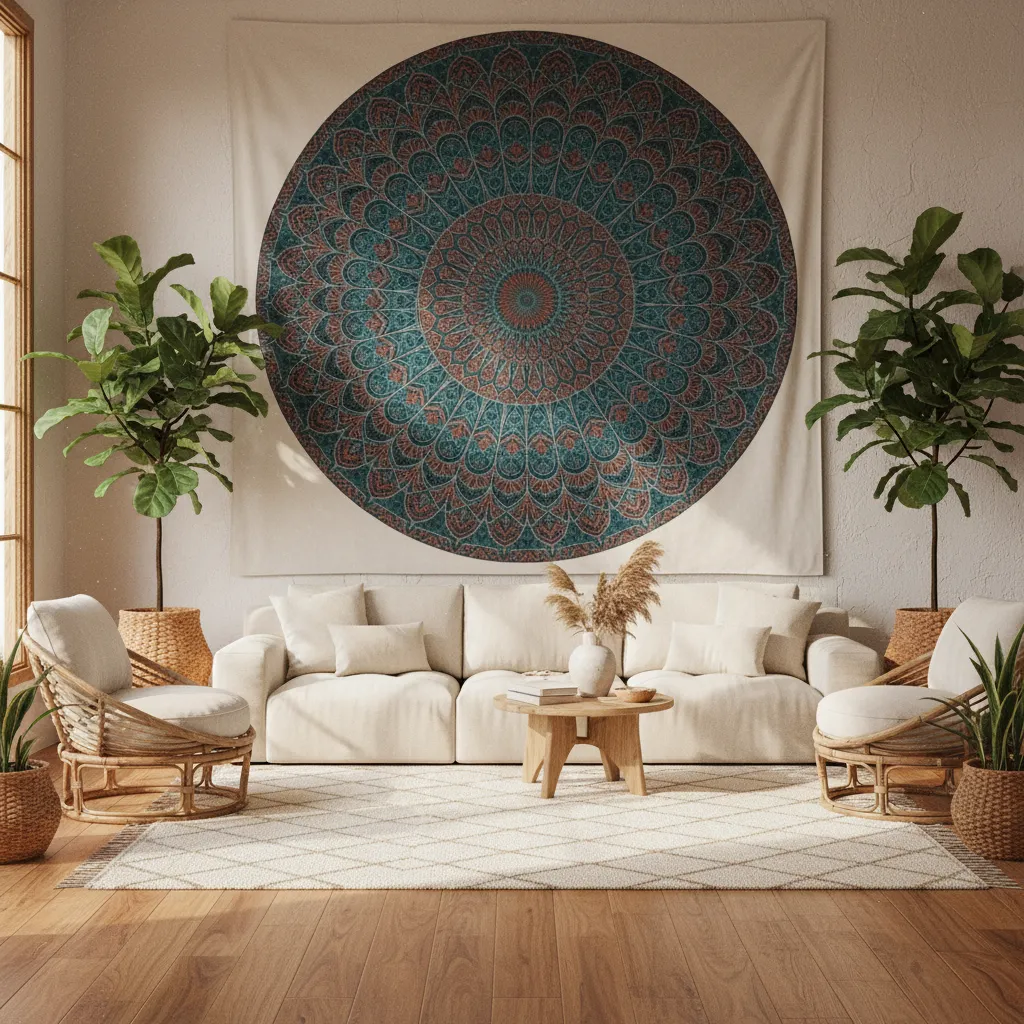
Mandala tapestries instantly transform a sterile wall into a sanctuary of visual interest. The radial symmetry draws the eye inward effectively.
This design choice creates a natural sense of balance and order. It anchors the room, preventing the furniture layout from feeling floating or disconnected.
In terms of texture, high-quality bohemian tapestries utilize heavy cottons. These fabrics absorb sound and soften the acoustics of a space.
A room without a focal point is like a sentence without a subject; it lacks direction and purpose.
Selecting the Right Color Palette

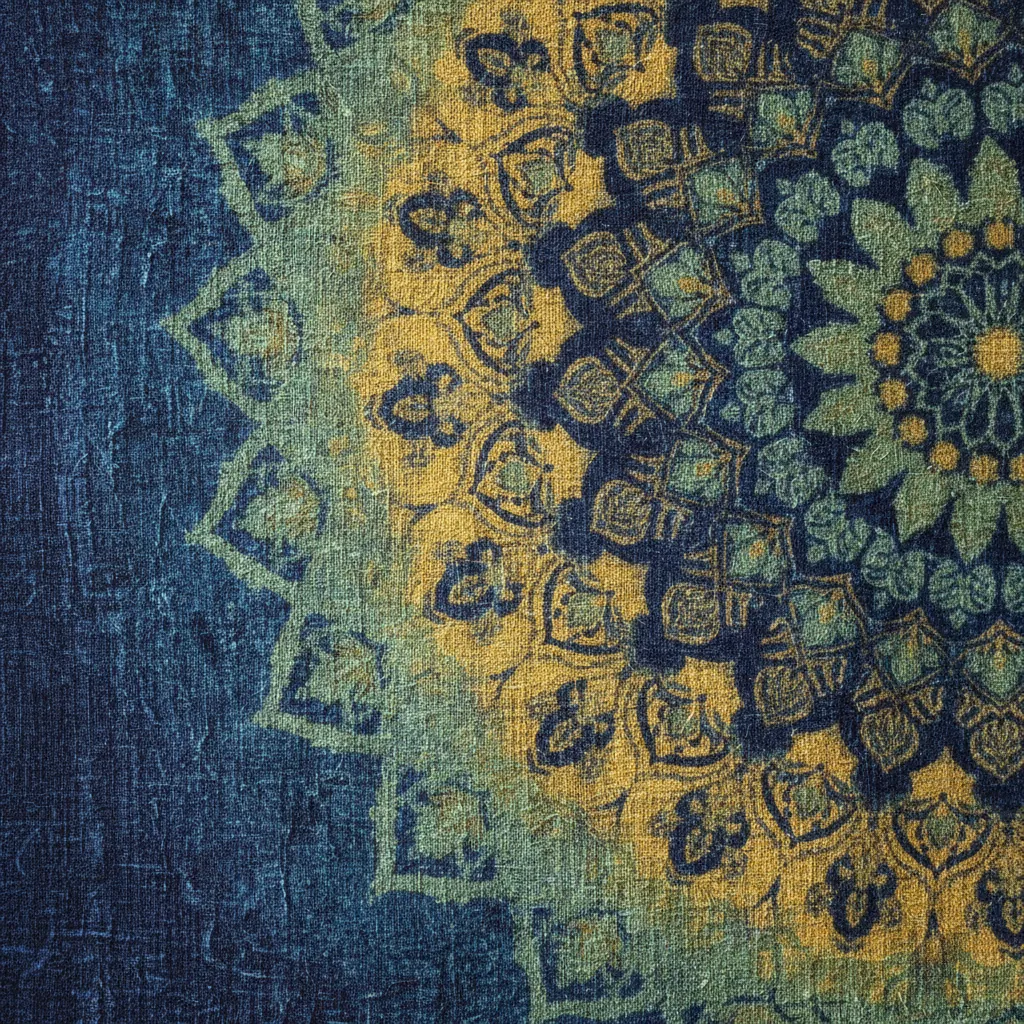
Color psychology plays a massive role in the mood of your tapestry. Earthy tones like ochre, rust, and sage ground the space in nature.
Jewel tones, such as deep indigo or amethyst, add a layer of sophistication. These richer hues interact beautifully with warm ambient lighting.
Avoid neon or synthetic-looking dyes if you want a high-end look. The goal is to mimic the organic feel of vintage dyes and hand-woven artistry.
Your home should tell the story of who you are, and be a collection of what you love.
Nate Berkus, Architectural Digest Feature
Placement Strategies for Maximum Flow

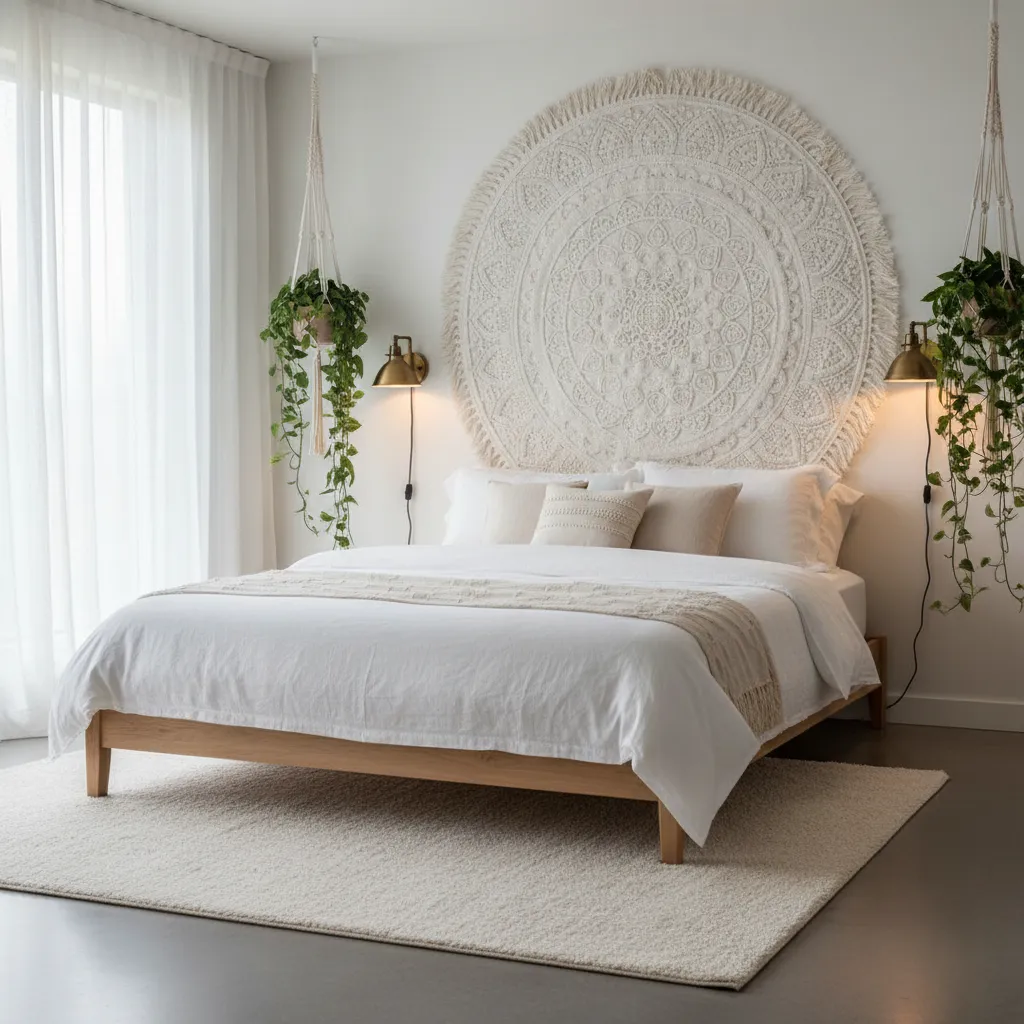
The placement of a mandala tapestry dictates the energy of the room. Hanging one directly above a sofa replaces traditional framed art effectively.
This creates a cohesive “zone” for conversation and relaxation. It also works as a stunning alternative to a headboard in a master suite.
If you are looking for Bedroom Inspirations for Small Rooms Cozy Minimalist Style, a tapestry is ideal. It adds significant visual weight without intruding into the physical space.
Ensure the center of the mandala sits at eye level. This alignment is crucial for maintaining comfortable ergonomics and visual harmony.
Styling Accompaniments
To prevent the tapestry from looking like a dorm decoration, styling is key. Frame the textile with structural elements to elevate the aesthetic.
Flanking the tapestry with wall sconces adds necessary dimension. The light casts shadows across the fabric folds, highlighting the weave.
Incorporating live greenery helps merge the tapestry with the room. Trailing plants like pothos soften the edges of the rectangular fabric.
- Wooden Dowels: Use a stained wood dowel and finials to hang the tapestry. This mimics the look of a scroll and adds architectural interest.
- Layered Lighting: Position a picture light above the tapestry. This gallery-style treatment immediately signals that the piece is art.
- Color Echoing: Pull accent colors from the mandala into your throw pillows. This repetition unifies the room’s color story.
- Texture Contrast: Pair the soft fabric with hard materials. Metal lamps or a glass coffee table create a necessary dynamic contrast.
- Rug Coordination: Ensure your floor rug does not clash. If the tapestry is busy, opt for a solid rug with a subtle texture.
By treating the tapestry as a serious piece of art, you elevate the bohemian vibe. It becomes a curated design choice rather than an afterthought.
Designer Style Secrets
- Always steam or iron your tapestry on a low heat setting before hanging; removing shipping creases is the single easiest way to make the textile look like high-end art rather than a temporary poster.
- To keep the tapestry laying flat and flush against the wall, apply small adhesive Velcro strips or double-sided carpet tape to the bottom corners to prevent curling or fluttering.
- For a magical evening ambiance, mount a warm LED strip light behind the tapestry to create a soft, diffused halo effect that highlights the mandala’s intricate silhouette.
Layer Textiles to Move Beyond Basic Dorm Aesthetics

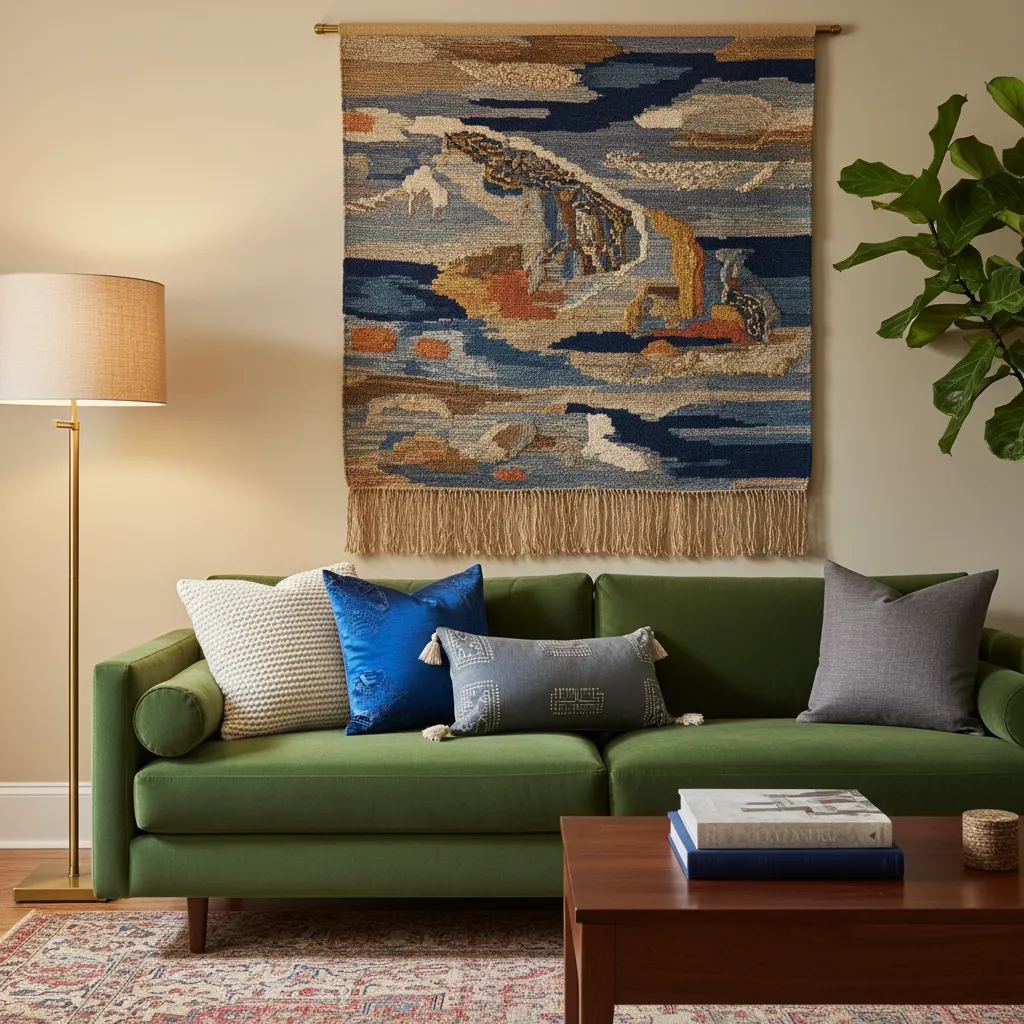
The difference between a college dorm and a curated home lies in intention. A tapestry simply pinned to a wall often feels flat and temporary.
To elevate the aesthetic, you must treat the tapestry as a foundational element rather than a poster. This involves introducing depth through layering.
By surrounding the wall hanging with complementary fabrics, you create a rich visual experience. This technique softens the acoustics of the room.
Contrast Materials for Visual Depth

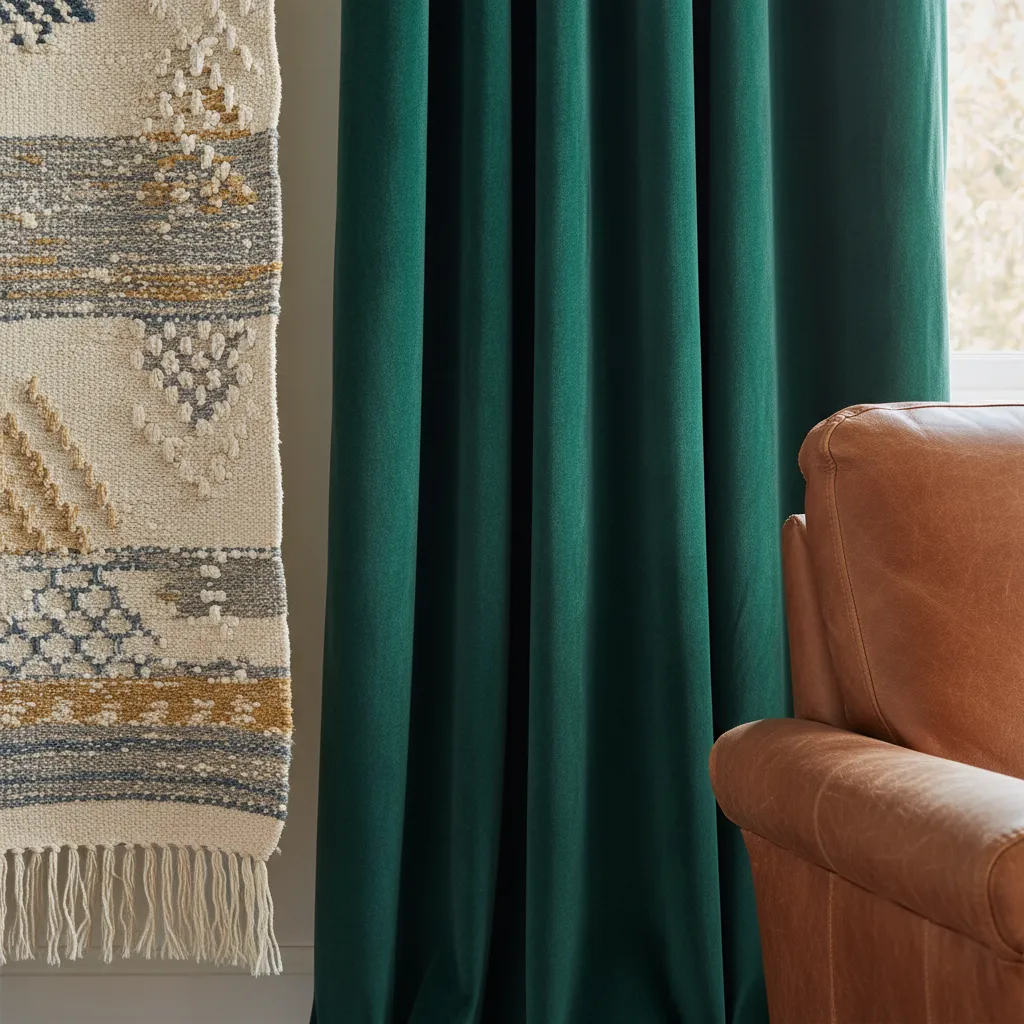
A common mistake is matching the tapestry fabric to your bedding or curtains. This creates a washed-out effect that lacks structural interest.
If your tapestry is a lightweight cotton print, contrast it with heavy, light-absorbing materials nearby. Think velvet pillows or wool throws.
This interplay of light absorption and reflection makes the space feel designed. It moves the eye across the room rather than letting it stall.
You should also consider how floor coverings interact with wall decor. Choosing the proper rug size for your sectional sofa helps ground the visual weight of a large wall hanging.
Textiles are the soul of a room. They provide the comfort and warmth that makes a house a home.
Penny Drue Baird, Architectural Digest
Hardware Elevates the Presentation

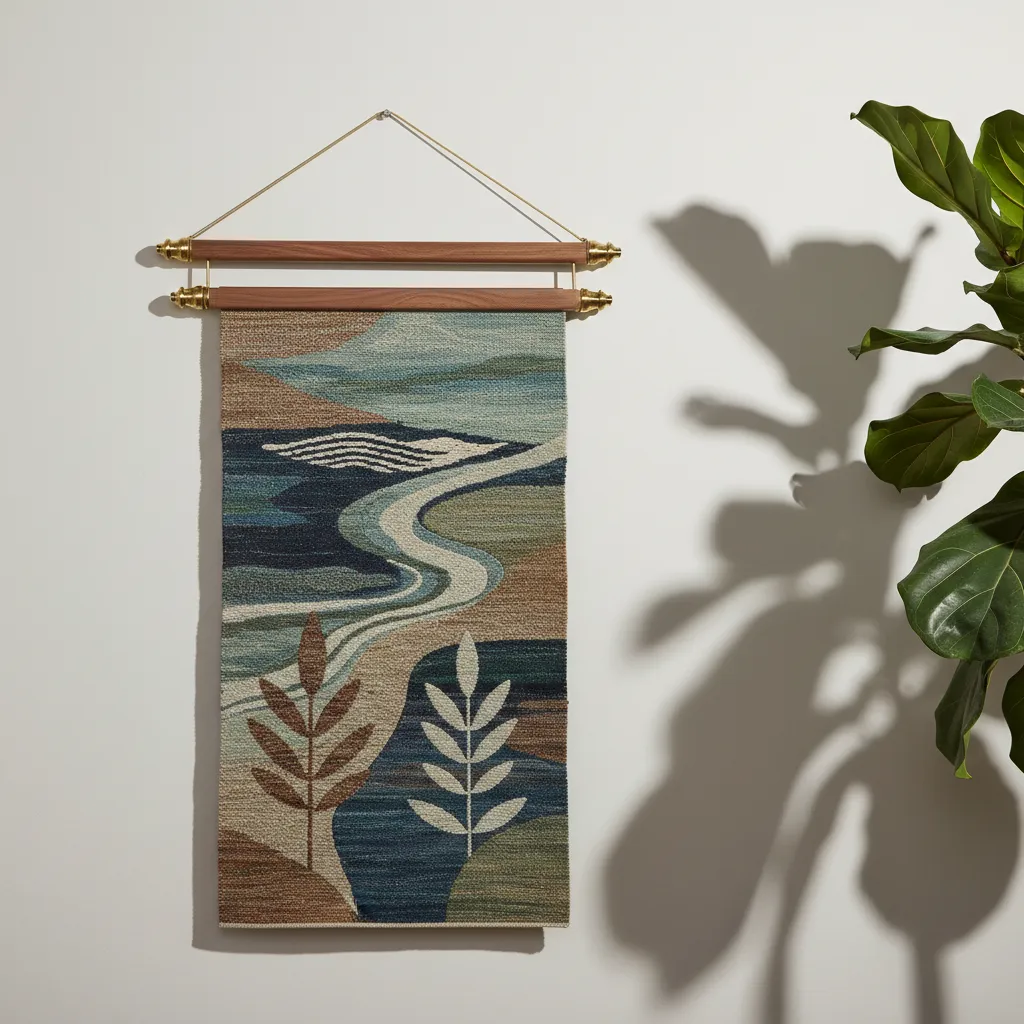
Nothing screams “temporary housing” louder than thumb tacks in the corners of a fabric sheet. Proper hardware is essential for a mature look.
Utilize wooden quilt hangers or magnetic poster rails to clamp the top edge. This straightens the fabric and adds an architectural line.
For a heavier, more permanent feel, consider stretching the textile over a canvas frame. This turns the fabric into structured art.
Framing a textile piece works exceptionally well in spaces inspired by vintage living room ideas where historical preservation is key.
Design is not just about what you see on the wall, but how the textures in the room speak to one another.
If using a rod, choose a finial style that matches other metals in the room. This continuity ties the wall decor to lamps and drawer pulls.
Finally, ensure the tapestry hangs flat. You may need to steam out fold lines before hanging to ensure the light hits the weave evenly.
Textile Styling Secrets
- Swap out basic thumb tacks for a wooden magnetic hanger or a decorative curtain rod to give your tapestry an intentional, architectural frame.
- Layer different weights of fabric by placing a plush velvet pillow or a chunky knit throw near a lightweight cotton wall hanging to create sophisticated visual contrast.
- Always steam or iron your textiles before mounting; removing fold lines ensures the fabric hangs perfectly flat and catches the light like a professional gallery piece.
Utilize Damage-Free Hanging for Renter-Friendly Installation

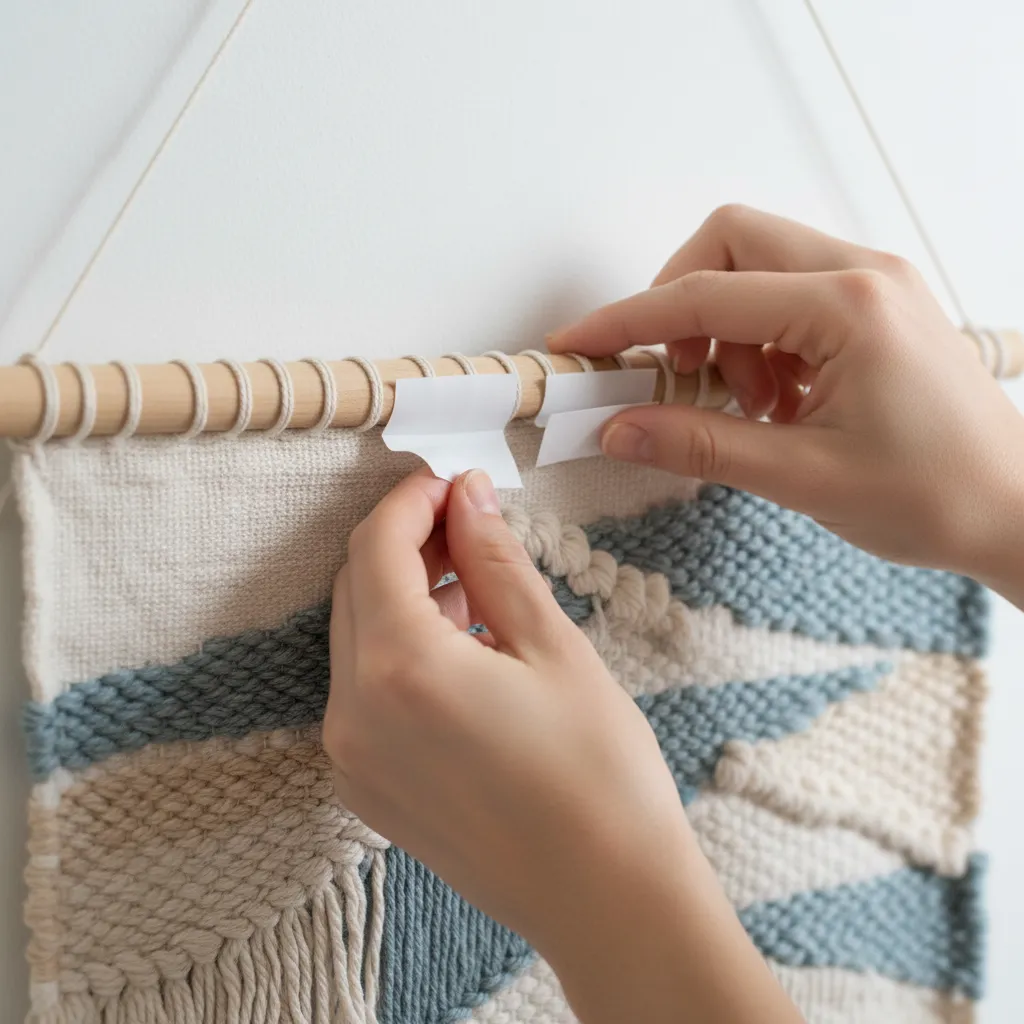
Renters often face the challenge of personalizing a space without forfeiting their security deposit. Hardscaping usually forbids nails or screws.
Fortunately, modern adhesive technology allows you to mount heavy textiles securely. This preserves the smooth finish of your drywall.
Mastering Adhesive Strips and Velcro

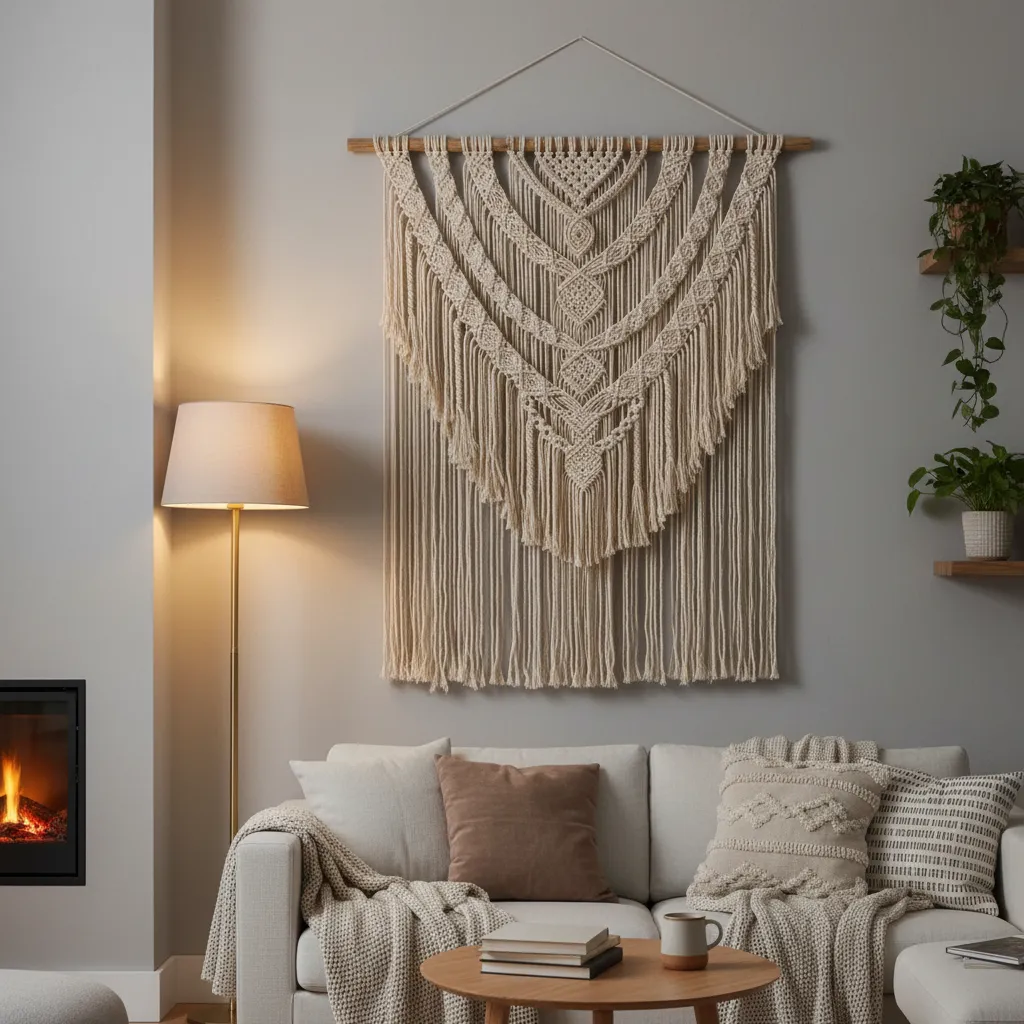
Adhesive strips are the gold standard for creating a floating effect. They keep the fabric flush against the wall, maintaining a clean profile.
For heavier weaves, industrial-strength Velcro tape distributes weight evenly. This prevents the fabric from sagging in the middle over time.
Always clean the wall surface with isopropyl alcohol before application. This removes oils that compromise the chemical bond of the adhesive.
This approach is essential for maintaining the integrity of vertical surfaces. It mirrors the care taken with balcony ideas apartment renters need to consider for exterior walls.
Leveraging Tension Rods for Recessed Areas

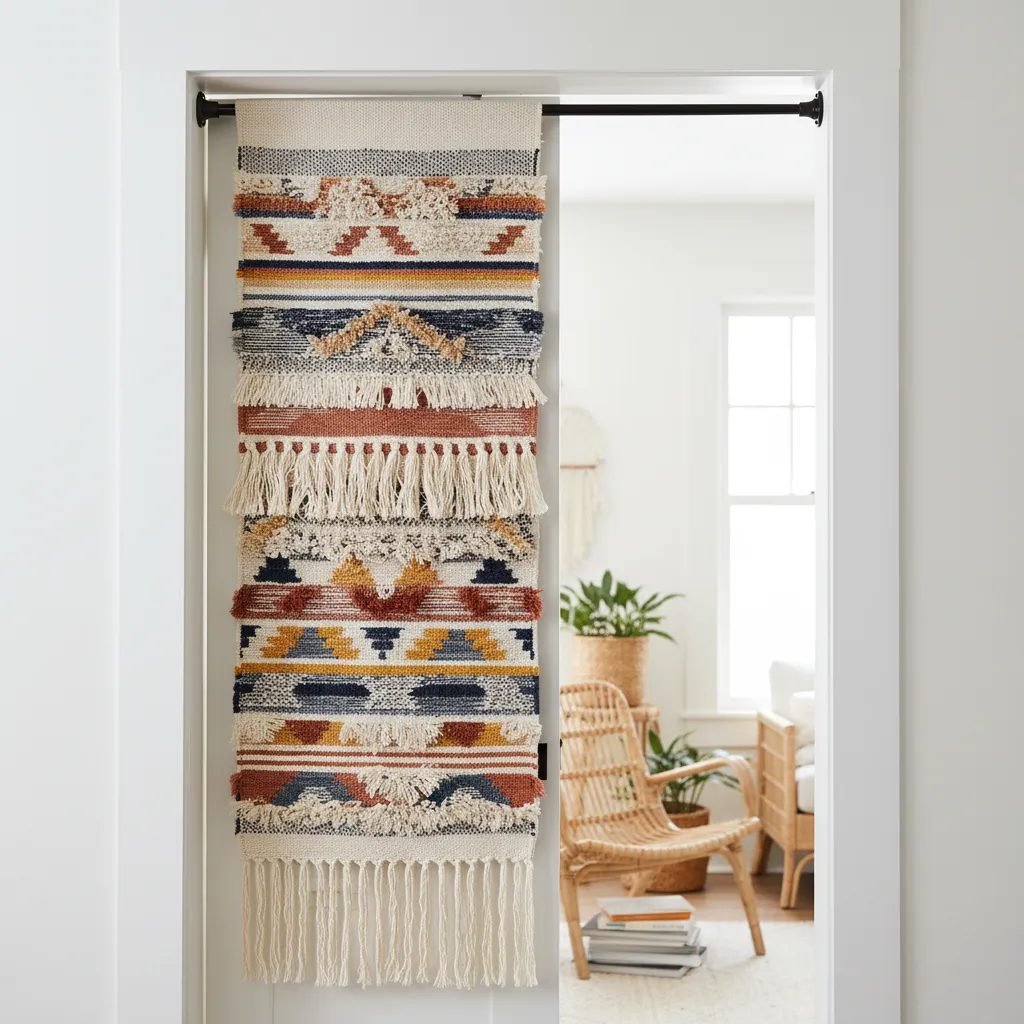
Tension rods offer a structural solution for alcoves or door frames. They rely on pressure rather than adhesives, protecting paint completely.
Slide the rod through the rod pocket of the tapestry. Expand the rod until it fits tightly within the recess of the architectural feature.
This method introduces a metallic or wooden texture depending on the rod finish. It works exceptionally well in transitional spaces like hallways.
Using a rod allows for a natural drape that softens the room’s acoustics. It adds a layer of depth often seen in primitive living room ideas involving heavy textiles.
Comparison of Damage-Free Methods
Selecting the right hardware depends heavily on the weight of your art. The following breakdown helps ensure structural stability.
| Method | Max Weight Capacity | Best Surface Type | Visual Impact |
|---|---|---|---|
| Heavy-Duty Strips | 12-16 lbs | Painted Drywall | Invisible/Flush |
| Velcro Tape | 5-10 lbs | Tile or Glass | Minimal Gap |
| Tension Rod | 15-20 lbs | Door Frames/Nooks | Visible Hardware |
| Adhesive Hooks | 4-8 lbs | Wood/Laminate | Casual Drape |
When using adhesive strips, always wait one hour after applying the strip to the wall before attaching the item. This allows the adhesive to cure and reach full strength.
The Command Brand Team, Command Usage Guide
Clips and Clothespins for a Casual Look

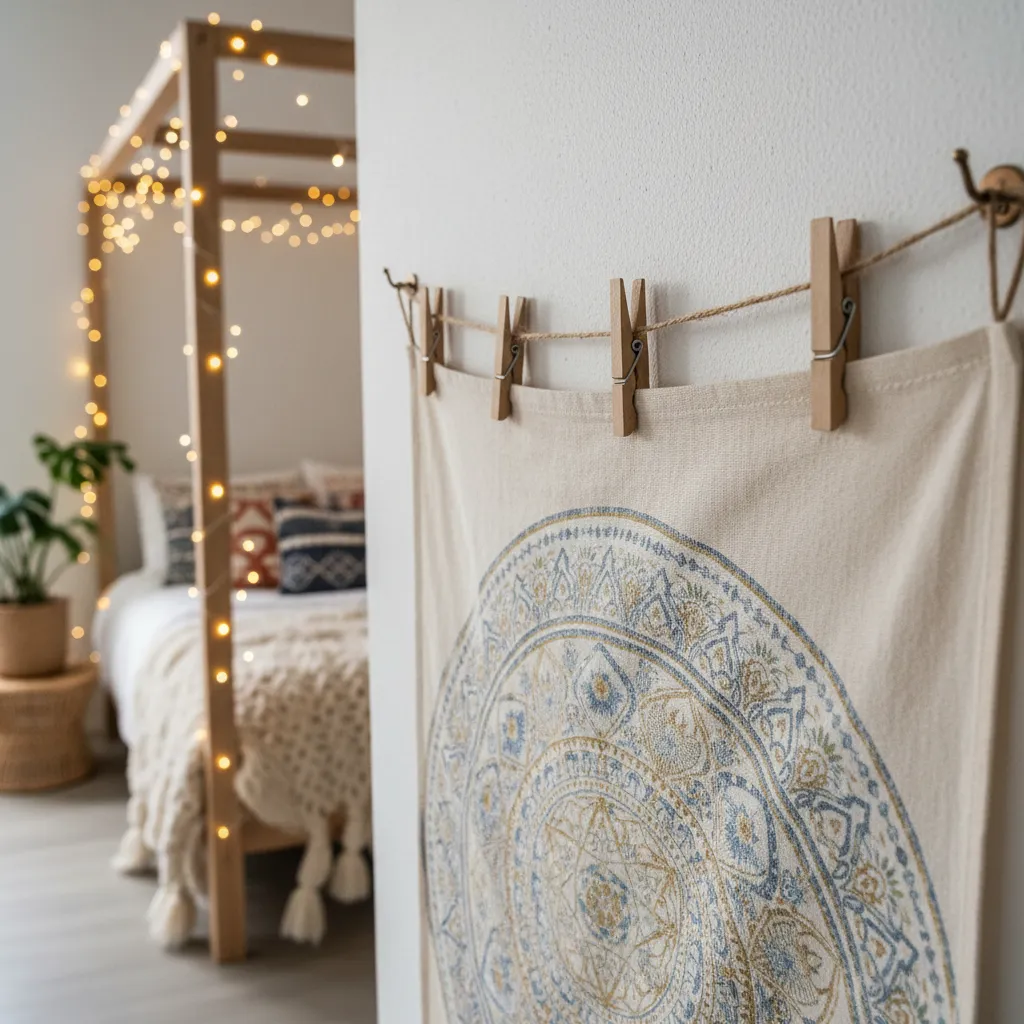
For a relaxed, bohemian atmosphere, utilize wooden clips attached to adhesive hooks. This allows the fabric to sway slightly with air circulation.
This technique works best for lightweight cotton or silk throws. It avoids putting stress on delicate fibers that might tear under tension.
The visual rhythm of the clips adds a raw, handcrafted element to the display. It transforms a simple piece of fabric into a focal point.
Your lease might restrict your renovations, but it cannot restrict your creativity or your style.
The Security Deposit Saver
- Always wipe down the wall with isopropyl alcohol before applying adhesives; this removes invisible oils that can cause the bond to fail.
- Patience prevents falls; wait at least one hour after applying the strip to the wall before hanging your textile to allow the adhesive to fully cure.
- Use industrial-strength Velcro tape along the entire top edge of heavier weaves to distribute weight evenly and prevent center sagging.
Clean and Steam Fabrics to Ensure Longevity

Preserving the visual impact of your wall decor requires a consistent maintenance routine. Dust settles into the weave of tapestries over time.
This accumulation dulls vibrant colors and degrades organic fibers. A gentle cleaning schedule ensures your investment remains a focal point.
Begin by dusting your tapestry bi-weekly. This prevents microscopic grime from embedding deep into the threads where it becomes difficult to remove.
Use a soft-bristled brush or a microfiber cloth for surface dusting. This simple act maintains the structural integrity of the fabric.
For a deeper refresh, utilize a vacuum cleaner with an upholstery attachment. Set the suction to the lowest level to avoid pulling loose threads.
If you are undertaking a full home refresh, similar to checking off your 15 best spring decor ideas, prioritize your textiles.
Vacuuming is the best way to keep tapestries clean. Use the upholstery attachment and a low suction setting to gently remove dust.
Mary Marlowe Leverette, The Spruce
The Art of Steaming

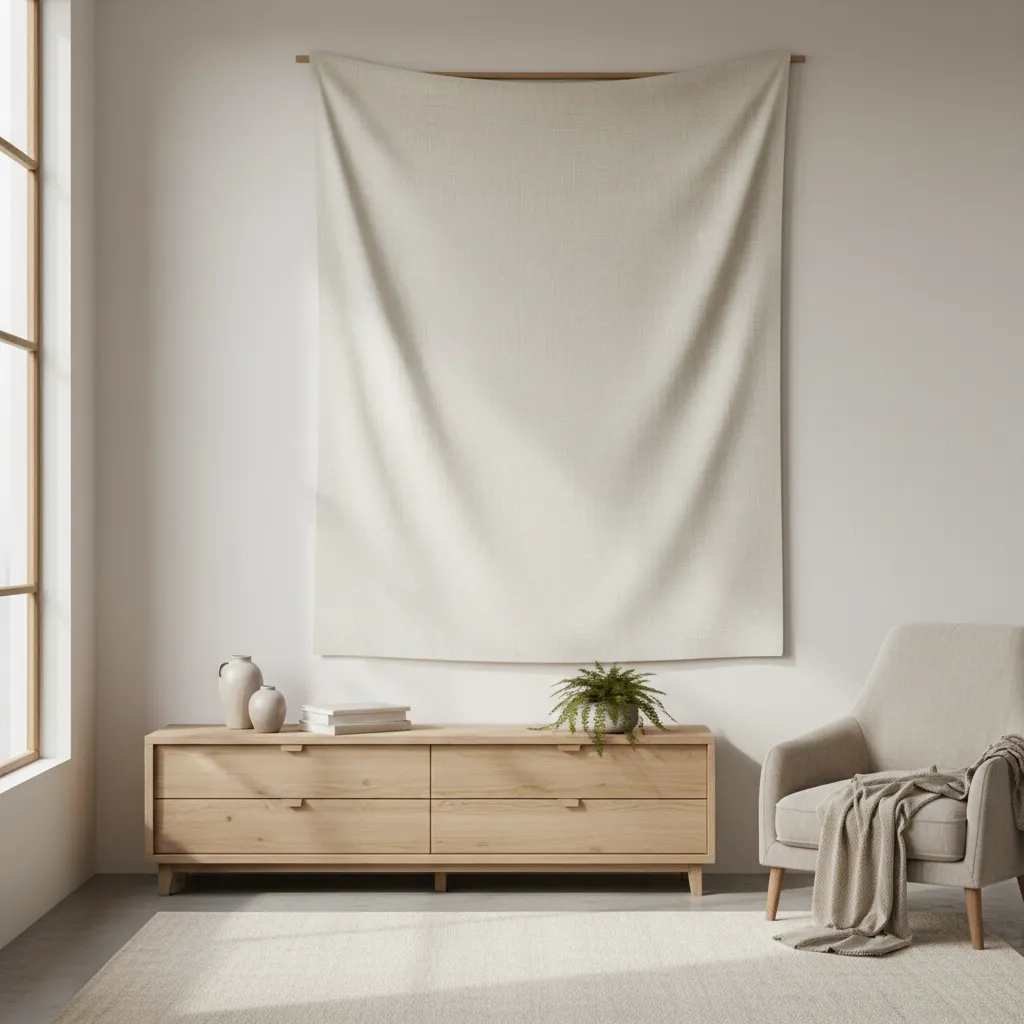
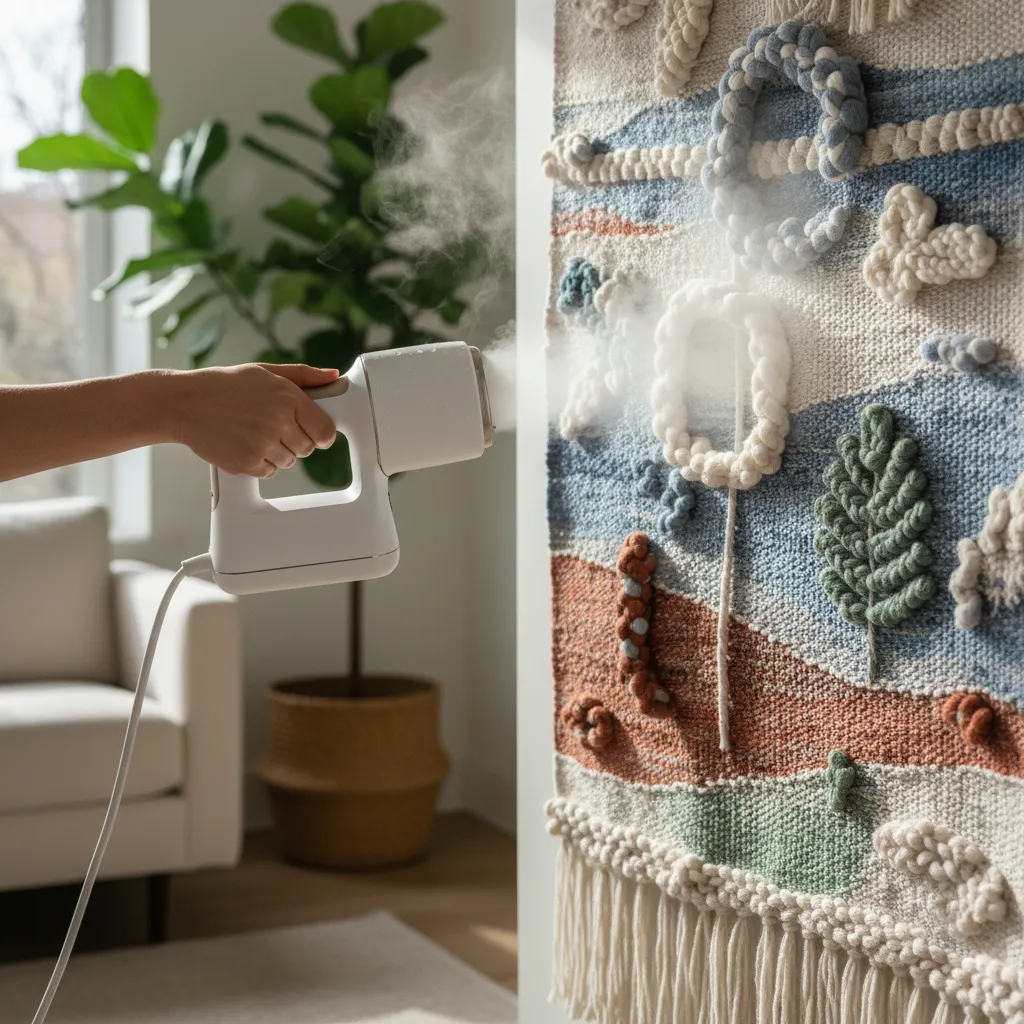
Wrinkles can disrupt the spatial flow of a room. Shipping and storage often leave unsightly creases in even the highest quality weaves.
Steaming is superior to ironing for wall hangings. The hot steam relaxes the fibers, allowing them to return to their natural shape without crushing.
Hold the steamer nozzle six inches away from the fabric. Move in slow, vertical strokes to allow the steam to penetrate the material fully.
Avoid soaking the fabric. The goal is to introduce just enough moisture to release the tension in the weave, restoring the drape of the piece.
Handling Stains and Spills

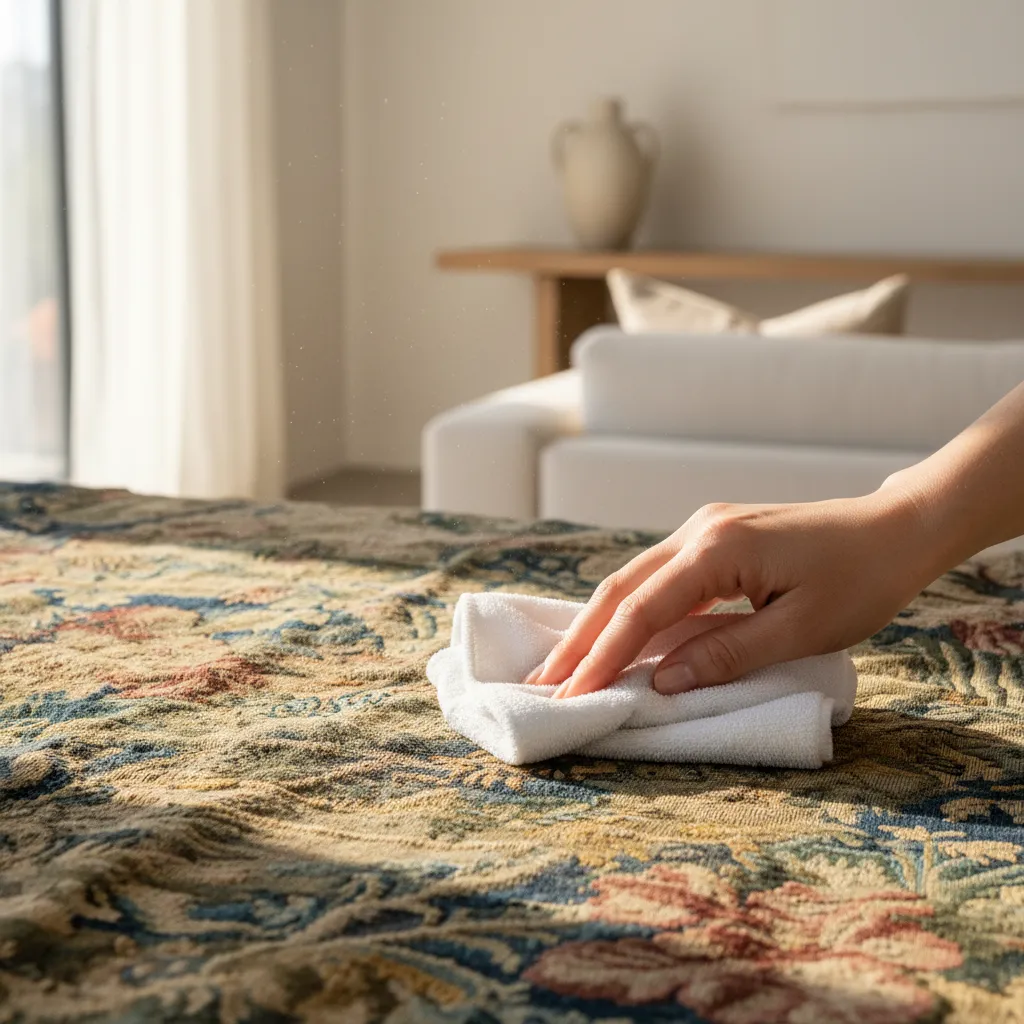
Spot cleaning is the safest method for addressing accidental spills. Full submersion can cause shrinkage or dye transfer in handmade items.
Always test your cleaning solution on the back of the tapestry. This hidden area reveals if the dye creates a reaction with the detergent.
Those who appreciate primitive living room ideas understand that vintage textiles require delicate handling to maintain their patina.
Use a clean, white cloth to blot the stain. Never rub the fabric, as this pushes the contaminant deeper into the fibers and causes pilling.
Fabric Care Best Practices
- Distilled Water: Always use distilled water in your steamer to prevent mineral deposits from staining the fabric.
- Padding: If you must iron, place a white towel between the iron and the tapestry to protect the surface texture.
- Rotation: Rotate your tapestries occasionally to ensure they do not collect dust in the same areas continuously.
- No Bleach: Avoid harsh chemicals completely; they weaken fibers and destroy the historical accuracy of the color palette.
- Flat Drying: If a damp clean is necessary, always dry the tapestry flat to prevent the weight of water from stretching it.
The longevity of a textile lies not just in its quality, but in the gentleness of the hand that cares for it.
Protecting your decor from environmental factors is also crucial. Direct sunlight is the primary cause of irreversible fading in textile art.
Position your tapestry on a wall that receives indirect, ambient light. This preserves the vibrancy of the dyes for decades to come.
Designer’s Fabric Care Secrets
- Always use distilled water in your steamer to prevent unsightly mineral deposits and yellowing on delicate weaves.
- Protect antique or fragile threads during vacuuming by placing a fine mesh screen over the fabric while using the lowest suction setting.
- To prevent permanent stretching, never hang a damp tapestry; always allow it to dry completely flat on a clean surface to maintain its structural integrity.
Weaving It All Together
Decorative tapestries offer more than just color; they provide essential texture and acoustic control. They transform sterile walls into warm, inviting focal points.
Whether you choose dense wool for a quiet study or a light cotton weave for a hallway, the impact is undeniable. These pieces bridge the gap between art and architecture.
By selecting the right materials, you elevate both visual depth and auditory comfort. It is the final layer that makes a house feel complete.
Textile Tactics & Common Queries
Yes. While they won’t block noise from outside, heavy fibers like wool absorb internal echoes. This dampens reverberation, making a room sound quieter and warmer.
Use a sturdy rod with brackets anchored into wall studs. For lighter pieces, a wooden quilt hanger or heavy-duty adhesive strips can work without leaving large holes.
Regular maintenance is key. Shake it out gently or use a vacuum with a low-suction upholstery attachment. Avoid washing machines; spot clean or dry clean only.
Absolutely. A vertical weaving draws the eye upward, creating the illusion of height. Choose a lighter color palette to add texture without overwhelming the space.