


The phrase “cozy minimalist” might sound like a contradiction. Minimalism often conjures images of stark white walls, severe lines, and a near absence of personal items. Coziness, on the other hand, brings to mind plush blankets, warm lighting, and a feeling of being enveloped in comfort.
This guide explores 35 distinct ideas to help you infuse your modern minimalist living room with an undeniable sense of coziness. We will move from the foundational elements of furniture to the subtle yet powerful touches of texture, light, and personal expression.


The Foundation: Furniture and Strategic Layout
The largest pieces in your room set the stage. A minimalist approach demands that each item is both beautiful and highly functional. The cozy factor comes from choosing shapes, materials, and arrangements that feel welcoming and soft.
1. The Low-Profile Sectional
A large sectional might seem counterintuitive for minimalism, but a low-profile model works wonders. Its low back and legs keep sightlines open, making the space feel airy and uncluttered.
Simultaneously, its large, unified form provides a powerful anchor for the room. It becomes a central hub for relaxation, inviting you to curl up without overwhelming the visual landscape.

Pro Tip
Opt for a sectional upholstered in a performance fabric. These materials are designed to resist stains and wear, ensuring your light-colored minimalist sofa stays looking pristine and inviting for years, reducing stress about spills.
2. A Single, Statement Armchair
Instead of a matching set of chairs, opt for a single, sculptural armchair. This piece should be chosen for its unique form and exceptional comfort.
It creates an intentional reading nook or a quiet spot for contemplation. Look for chairs with warm wood arms, soft boucle upholstery, or an interesting silhouette to add character without adding clutter.

Pro Tip
Create a small “vignette” around your statement chair. Pair it with a slim floor lamp and a small C-shaped side table that can tuck under the seat. This defines its purpose as a cozy, self-contained zone.
3. Embrace the Curve
Minimalism is often associated with straight lines and hard angles. To introduce coziness, embrace the curve. A sofa with a gentle, rounded back or a circular coffee table can instantly soften the entire room.
These organic shapes break up the rigidity of a typical modern space. They feel more natural and welcoming, subconsciously encouraging relaxation and conversation.

Pro Tip
Mirror the curves for a cohesive design. If you have a round coffee table, consider adding a circular mirror on the wall or a lamp with a domed shade to subtly echo the shape throughout the space.
4. Floating Shelves Over Bulky Bookcases
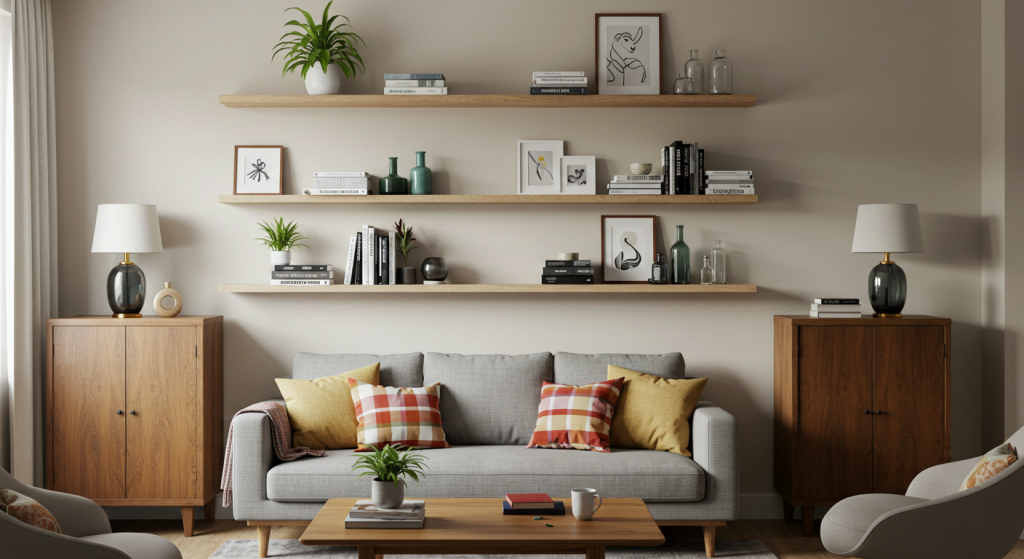
To display a few cherished items without a heavy footprint, use floating shelves. They utilize vertical space, drawing the eye upward and keeping the floor clear.
The key is curation. These shelves are not for storage overflow. Style them with a small stack of books, a single trailing plant, and one or two meaningful objects. The space between items is as important as the items themselves.
Pro Tip
For the ultimate minimalist look, paint the floating shelves the exact same color as the wall. This makes them almost disappear, causing your curated objects to look as if they are floating in mid-air.
5. The Multifunctional Ottoman
An ottoman is a minimalist’s best friend. It can serve as a footrest, extra seating, or, with a tray on top, a coffee table. Many even offer hidden storage.
This versatility reduces the need for multiple pieces of furniture. Choose one upholstered in a tactile fabric like linen or a soft leather to add a layer of texture and warmth.

Pro Tip
Look for an ottoman with a reversible lid. These clever designs often feature a plush, upholstered cushion on one side and a flat, hard wood surface on the other, giving you a coffee table and a footrest in one piece.
6. Nesting Coffee Tables
For ultimate flexibility, consider a set of nesting coffee tables. You can tuck them together to save space for daily living or pull them apart when guests arrive.
This adaptability is a core tenet of modern minimalism. Look for sets that combine materials, such as a wood top with a metal base, to add subtle visual interest.

Pro Tip
Do not feel constrained to keep the nesting tables together. You can use the smaller table as a side table next to an armchair or as a plant stand, bringing a cohesive element to another part of the room.
7. Negative Space as a Design Element
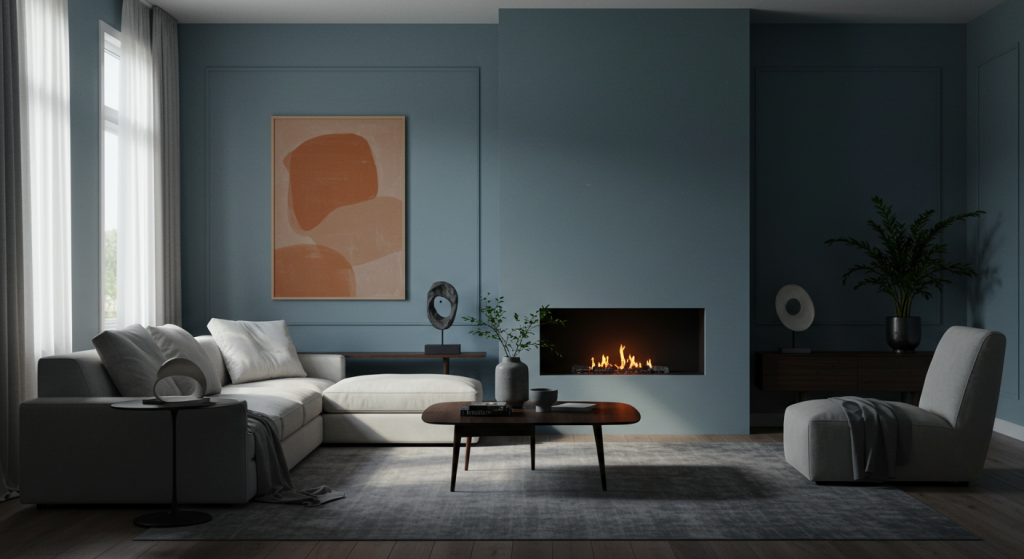
One of the most important elements in any minimalist room is the one that is not there: negative space. The empty space around your furniture is crucial.
Resist the urge to fill every corner. This breathing room allows each carefully chosen piece to stand out. It brings a sense of calm and order, which is the ultimate form of mental coziness.
Pro Tip
To maintain your carefully crafted negative space, adopt the “one in, one out” rule. For every new decorative item you bring into the living room, you must choose one to store or donate. This prevents gradual clutter creep.
The Heart of Comfort: Textiles and Tactile Textures
If furniture is the skeleton, textiles are the heart and soul of a cozy space. Texture is the single most effective tool for transforming a minimal room from cold to comforting.
8. The Essential Chunky Knit Blanket
This is perhaps the most iconic symbol of coziness. A large, chunky knit blanket draped over a sofa or armchair is an immediate invitation to relax.
Its exaggerated texture provides a powerful visual and tactile focal point. Opt for a neutral color like cream, charcoal, or a warm oat to complement your minimalist palette.

Pro Tip
Consider the material carefully. Merino wool is incredibly soft and luxurious but can be prone to pilling and shedding. For a more durable and lower maintenance option, look for chunky knits made from chenille or a soft acrylic blend.
9. The Art of Layering Rugs
A bare floor can feel cold and unwelcoming. Layering rugs is a sophisticated way to add warmth, texture, and depth underfoot.
A popular technique is to place a larger, low-pile neutral rug (like jute or sisal) as a base. Then, layer a smaller, plusher, and more decorative rug on top to define the main seating area.

Pro Tip
Pay attention to proportions. The top rug should be significantly smaller than the bottom rug, leaving at least a 12 to 18-inch border of the base rug visible on all sides. This ensures the layering looks intentional, not accidental.
10. Indulge in Bouclé Fabric
Bouclé, with its looped, nubby texture, is having a major moment for a reason. It is the perfect fabric for cozy minimalism.
It looks incredibly soft and inviting while maintaining a clean, modern aesthetic. A bouclé armchair or a set of bouclé cushions can add immense tactile warmth to your living room.

Pro Tip
Bouclé’s loops can snag on pet claws or sharp objects. When using it on a large piece like a sofa, place it in a lower-traffic area or choose a tighter, more robust weave to increase its longevity.
11. Softly Filtered Light with Linen Curtains
Heavy, blackout curtains can make a room feel small and stuffy. Instead, choose curtains made from a light, airy fabric like linen.
They do not block the light entirely. Instead, they diffuse it, casting a soft, gentle glow throughout the room that eliminates harsh shadows. Choose a color that is a shade or two off from your wall color for a seamless look.

Pro Tip
Hang your curtain rod as high and wide as possible. Mounting the rod 6 to 12 inches above the window frame and extending it 6 to 10 inches on either side makes the window appear much larger and more grand.
12. A Touch of Velvet
Velvet adds a touch of luxury and deep, light-absorbing texture. You do not need a velvet sofa to get the effect.
A few strategically placed velvet throw pillows in a rich, muted jewel tone like emerald, sapphire, or rust can provide a stunning and cozy contrast to more neutral fabrics.

Pro Tip
For a family-friendly space, seek out performance velvet. This modern iteration is highly durable, water repellent, and stain-resistant, giving you the luxe feel of velvet without the constant worry.
13. The Luxurious Sheepskin Throw
For pure, unadulterated coziness, nothing beats a sheepskin throw. Draped over a sleek modern chair, placed on a bench, or used as a small accent rug, it adds unparalleled softness and texture.
The natural, organic shape and feel of a sheepskin can soften the hardest lines of a minimalist piece of furniture.

Pro Tip
High-quality faux sheepskin rugs offer a very similar look and feel, are often machine washable, and provide an ethical, animal-friendly alternative without sacrificing the cozy aesthetic.
14. Woven Wall Hangings
Instead of another framed print, consider a woven wall hanging or a macrame piece. This introduces texture directly to your walls.
It adds a soft, handmade, and bohemian touch that perfectly complements a minimalist aesthetic. It provides the visual interest of art with the added benefit of warmth and tactility.

Pro Tip
Look for wall hangings that incorporate natural materials like wool roving, driftwood, or leather. These organic elements enhance the piece’s texture and strengthen the connection to nature in your space.
15. Felt Storage Baskets
Even your storage can be cozy. Swap out hard plastic or metal bins for soft, structured felt baskets.
Use them to stylishly contain extra blankets, magazines, or remote controls. Their soft material and clean lines are perfectly aligned with a cozy minimalist vibe.

Pro Tip
Create a subtle ombre effect by choosing baskets in several different shades of the same neutral color, like light grey, medium grey, and charcoal. This adds visual depth without introducing a jarring new color.
Setting the Mood: Lighting and Ambiance
Lighting is everything. The right lighting strategy can single-handedly make or break the cozy atmosphere of your living room. It’s about creating pools of warm, gentle light.
16. Dimmers are Non-Negotiable
If you do one thing to improve your living room’s ambiance, install dimmer switches on all your main lights.
The ability to control the intensity of your light is paramount. Bright light is for tasks; low, warm light is for relaxing. Having this control allows you to shift the mood of the room instantly.

Pro Tip
Upgrade to smart dimmers. These can be controlled from your phone or via voice commands, allowing you to set “scenes” like “Movie Night” or “Reading” that adjust multiple lights to preset levels with a single tap.
17. The Three Layers of Lighting
A single overhead light creates a flat, uninviting space. Professional designers use three layers of light to create depth and warmth.
First is ambient light, the overall illumination from a ceiling fixture. Second is task light, focused light for activities like reading. Third is accent light, which highlights art or architectural features.

Pro Tip
Put each layer of lighting on a separate switch or dimmer. This gives you maximum control to craft the perfect atmosphere for any occasion, from bright and functional to low and intimate.
18. The Sculptural Arc Floor Lamp
The arc floor lamp is a classic of modern design. Its elegant curve allows it to provide overhead light without requiring ceiling wiring.
It can hang gracefully over a coffee table or the corner of a sofa, creating an intimate pool of light. It acts as both a light source and a sculptural element in the room.

Pro Tip
Pay attention to the lamp’s base material. A heavy marble or travertine base not only provides stability but also introduces another layer of natural, tactile texture into your minimalist design.
19. Choose Warm-Toned Light Bulbs
This is a small change with a huge impact. Pay attention to the color temperature of your light bulbs, measured in Kelvins (K).
Avoid bulbs labeled “daylight” or “cool white” (4000K to 5000K). Opt for “warm white” or “soft white” bulbs (2700K to 3000K). They emit a yellowish, candle-like glow that is inherently cozier.

Pro Tip
Invest in “dim-to-warm” LED bulbs. Unlike standard LEDs that maintain their color temperature when dimmed, these bulbs cleverly mimic incandescent bulbs, becoming warmer and more amber in tone as you lower the brightness.
20. Candles for Scent and Flicker
The gentle, flickering light from a candle is primevally comforting. Use them intentionally.
Choose one or two high-quality candles with simple, minimalist vessels. Opt for subtle, natural scents like sandalwood, cedar, or vanilla rather than overpowering fragrances.

Pro Tip
For a flame-free option, use an electric candle warmer. It gently melts the wax from below, releasing the fragrance without any smoke or soot. This is a safer alternative, especially in homes with children or pets.
21. A Beautiful Table Lamp
Every side table deserves a small lamp. This creates a low, warm pocket of light that’s perfect for evening relaxation.
Choose a lamp with a sculptural base made of ceramic, wood, or stone. A fabric shade will diffuse light more softly than a metal or glass one.

Pro Tip
Consider a portable, rechargeable table lamp. These cordless wonders can be moved anywhere you need a small pool of light, from the coffee table to a bookshelf, offering ultimate flexibility.
The Canvas: Color, Walls, and Paint
Your walls and overall color scheme form the backdrop for everything. A cozy minimalist palette moves beyond stark white into a world of warm, soft, and nature-inspired hues.
22. A Warm Neutral Palette
Instead of pure, bright white, which can feel cold, explore the world of warm neutrals. Think of colors like soft beige, creamy off-white, warm taupe, or “greige.”
These colors have warm undertones that create a welcoming and enveloping feeling without sacrificing a clean, minimal look.

Pro Tip
Always test paint samples directly on your walls. Paint large swatches on at least two different walls and observe them throughout the day to see how they react to the changing natural light in your specific room.
23. The Muted Accent Wall
The accent wall is not dead; it has just matured. Forget loud, shocking colors.
Consider a single accent wall painted in a deep, muted color like dark charcoal grey, deep olive green, or a rich navy blue. This can add incredible depth and a sense of intimacy.

Pro Tip
For a truly sophisticated, high-end look, paint the baseboards, trim, and even any doors on the accent wall the exact same color. This “color drenching” technique creates a seamless and enveloping effect.
24. The Texture of Limewash Walls
For the ultimate in soft, tactile walls, explore limewash or Roman clay finishes. These painting techniques create a subtle, suede-like texture with gentle variations in color.
The result is a wall that feels ancient, soft, and full of character. It provides a depth that regular flat paint simply cannot achieve.

Pro Tip
The application technique is key. Use a specialized limewash block brush and apply the paint in broad, overlapping, multi-directional strokes to create the signature soft, cloud-like movement and texture.
25. Decorating in Tone-on-Tone
This is a sophisticated technique that creates a very serene and cohesive look. It involves using various shades, tints, and tones of a single color.
For example, you could have greige walls, a slightly darker greige sofa, charcoal grey cushions, and a light grey rug. The subtle variations create depth.

Pro Tip
To prevent a tone-on-tone scheme from feeling flat, you must amplify the use of different textures. Combine smooth linen, nubby bouclé, chunky knits, and sleek metal all within the same color family.
26. Modernized Wood Paneling
Forget the dated wood paneling of the past. A modern accent wall of vertical wood slats can add incredible warmth and architectural interest.
This feature adds natural texture and a connection to the outdoors. It works beautifully behind a sofa or as a feature wall for the television.

Pro Tip
Consider using thermally modified wood or reclaimed wood for your slat wall. These options are more sustainable and bring a level of unique character, history, and warmth that new wood cannot replicate.
The Soul of the Space: Personal and Natural Elements
This is what elevates a room from a well-designed space to a home. It’s about infusing the room with your personality and the life-giving energy of nature.
27. Bring the Outdoors In
Plants are living sculptures. They add color, organic shape, and literally breathe life into a room.
Choose plants with interesting leaf shapes, like a Fiddle Leaf Fig or a Monstera Deliciosa. Place a single large plant in a corner or a few smaller ones on a shelf.

Pro Tip
The planter is just as important as the plant. Choose pots made from materials that complement your room’s aesthetic, such as matte ceramic, textured concrete, or warm terracotta, to enhance the overall design.
28. A Single, Large Piece of Art
Instead of a gallery wall with many small frames, which can look cluttered, invest in one single piece of large-scale art.
This makes a powerful statement without creating visual noise. Choose something you truly love, whether it’s an abstract painting with calming colors or a large, atmospheric photograph.

Pro Tip
Frame your large art with a simple, thin gallery frame and a wide mat. The mat provides visual breathing room, drawing the eye inward and making the artwork feel more significant and intentional.
29. Dried Florals and Pampas Grass
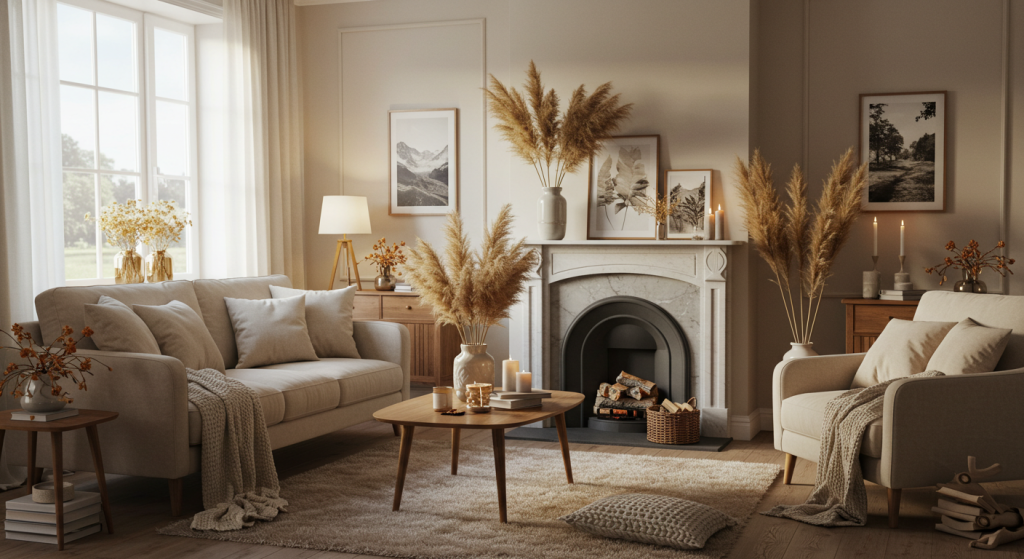
For a touch of nature that lasts, embrace dried elements. A tall vase filled with fluffy pampas grass or delicate dried stems like eucalyptus or bunny tails adds texture and softness.
Their muted, earthy tones are perfectly suited to a minimalist palette and they require zero maintenance.
Pro Tip
To prevent your pampas grass or other dried florals from shedding, take them outside and lightly spray them with a coat of high-hold hairspray. Let them dry completely before bringing them back inside.
30. Display Only Meaningful Objects
Follow the decluttering mantra: only keep and display items that are either useful or truly beautiful to you.
A stack of your favorite art books on a coffee table, a single handmade ceramic vase, or a photograph from a cherished memory are enough. These personal touches tell your story.

Pro Tip
Create a “decorative quarantine” box. When you buy a new object, place it in the box for a week. If you still love it and know exactly where it will go after seven days, it can earn a spot in your room.
31. The Warmth of Natural Wood
Incorporate different tones of natural wood. A light oak coffee table, a walnut media console, and a teak stool can all coexist beautifully.
Wood is an inherently warm material that connects us to nature. It adds a layer of organic texture and timeless appeal to a modern living room.

Pro Tip
To successfully mix different wood tones, make sure they share a common undertone (warm, cool, or neutral). Also, try to repeat each wood tone at least twice in the room to make the mix feel deliberate.
32. Curate Your Bookshelf
Your books are a reflection of your mind and interests. Use them as decor.
Instead of stuffing shelves full, give them breathing room. You can arrange them by color for a cohesive look, or turn some of the more garishly colored spines inward for a more neutral effect.

Pro Tip
Break up the monotony of book spines by interspersing them with small, simple objects. Place a small bowl or a sculptural object in front of a row of books to create layers and visual interest.
33. A Touch of Wabi-Sabi
Embrace the Japanese concept of wabi-sabi, which finds beauty in imperfection.
This could be a slightly irregular handmade ceramic pot, a weathered wooden stool, or a linen blanket with natural creases. These imperfect items add soul and character.

Pro Tip
The best place to find wabi-sabi objects is not at a big box store. Visit local artisan markets, flea markets, or antique shops to find unique, handmade, or time-worn pieces that have a story to tell.
34. Unseen Scentscaping
Coziness is a multi-sensory experience. Use a reed diffuser with a subtle, high-quality essential oil blend to gently scent the air.
Choose natural and grounding scents like cedar, amber, or frankincense. The goal is a barely-there aroma that creates a calming and welcoming background scent.

Pro Tip
Flip the reeds in your diffuser once a week to refresh the scent and provide a stronger throw. For a more subtle effect, simply use fewer reeds in the bottle.
35. Invest in Quality Sound
The final layer of coziness is auditory. The tinny sound from a phone or laptop speaker can be jarring.
Invest in a simple, high-quality speaker system with a clean design. The ability to fill your room with your favorite calming music or a gentle ambient soundscape is an invisible but powerful tool.

Pro Tip
Choose a speaker that is a design object in its own right. Many high-end audio brands now offer speakers with fabric grilles, wood accents, and sculptural forms that blend seamlessly into a minimalist aesthetic.
Conclusion: Your Intentional Sanctuary
Creating a cozy minimalist living room is a delicate and rewarding balancing act. It is a rejection of both cold, impersonal modernism and overwhelming, cluttered maximalism. It is a pursuit of intentional comfort.
Every item in your space should earn its place. It should serve a purpose, whether that is functional, aesthetic, or purely sentimental. By focusing on warm neutrals, rich textures, layered lighting, and meaningful personal touches, you can build a space that is both visually serene and deeply comforting.
Your living room should be more than just a collection of stylish things. It should be a true sanctuary, a place that calms your mind, welcomes your friends, and recharges your spirit. It is your personal haven, crafted with care, intention, and a profound appreciation for the simple, cozy beauty of home.