

Decorating your home doesn’t have to break the bank. With a little creativity and resourcefulness, you can transform your living space into a stylish and cozy sanctuary. Here are 20 beautiful decorating ideas that won’t stretch your budget.

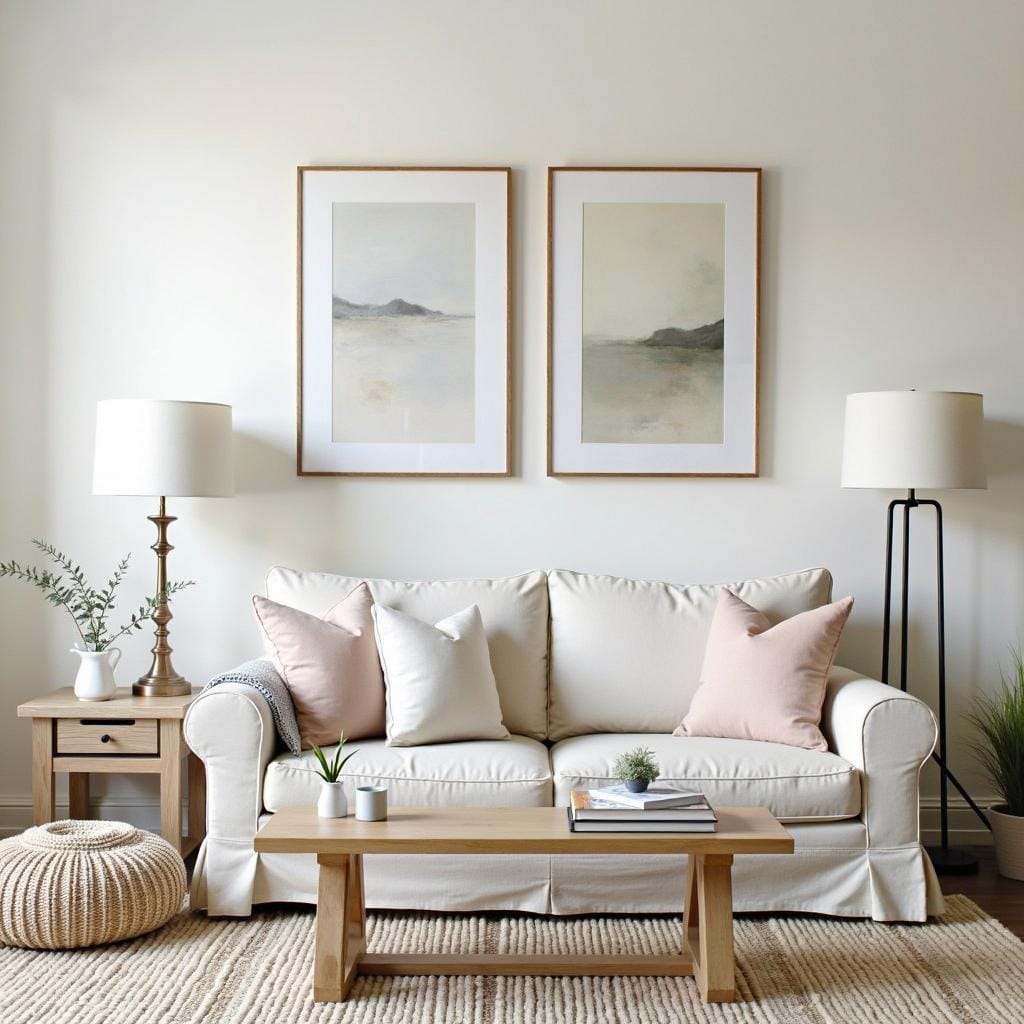

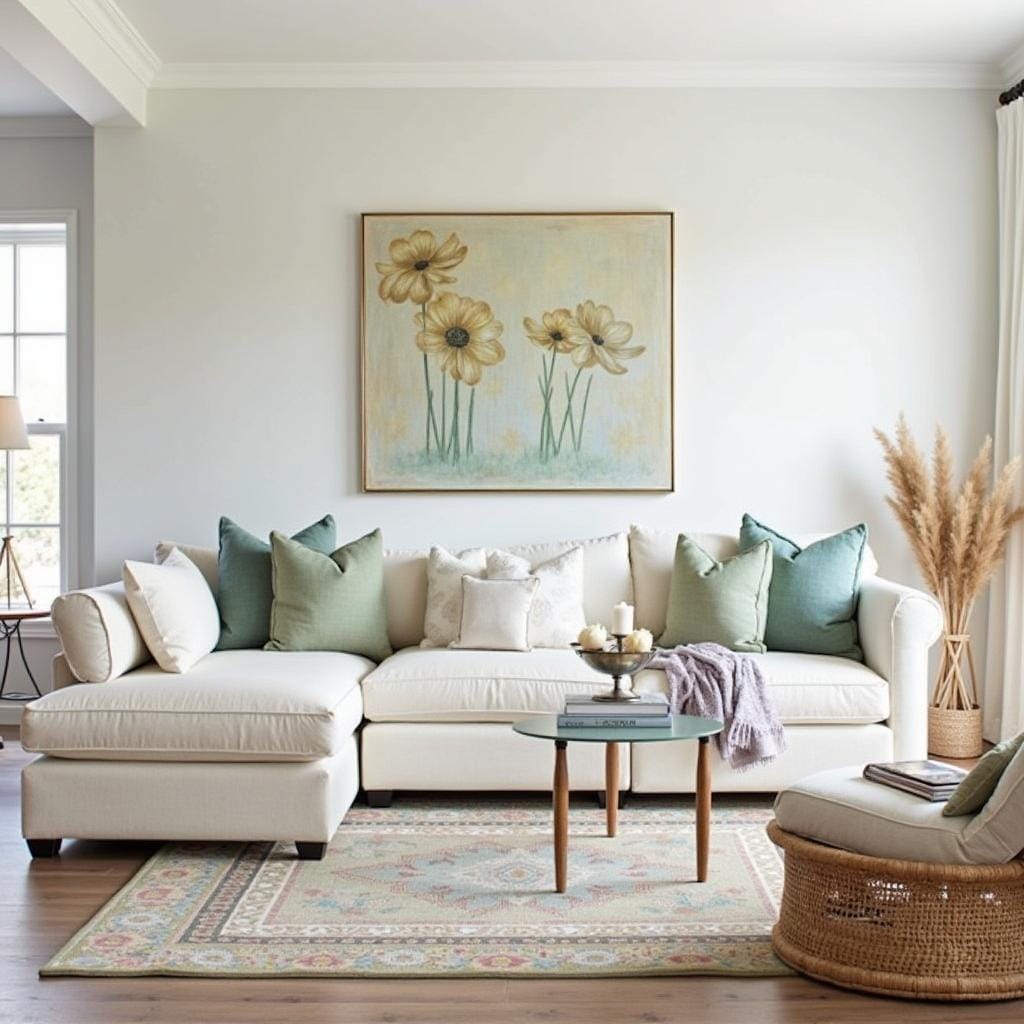
1. Use What You Already Have
Before buying new decor, take stock of what you already own. Rearranging furniture, swapping out throw pillows, or changing up artwork can give your home a fresh new look.


Pro Tips:
- Create an inventory of all decor items in your home, room by room.
- “Shop” other rooms in your house for items that could work better elsewhere.
- Take photos of your space to get a fresh, objective perspective on what’s working.
- Before moving heavy furniture, sketch out potential new layouts on paper.
- Remove everything from a surface (like a mantel or bookshelf) and start restyling from scratch.
- Group smaller, disparate items together on a tray to make them look cohesive and intentional.
- Swap lamps, including shades and bases, between rooms for an instant change.
- Turn your area rug 90 degrees to instantly change the feel and flow of a room.
- Don’t underestimate the power of subtraction; removing one piece of furniture can make a room feel larger.
- Give every item a good cleaning and polishing; a sparkling clean home always feels refreshed.
Style Tips:
- Restyle your coffee table using a stack of books, a small plant, and a candle you already own.
- Move an accent chair from the living room into a bedroom corner to create a new reading nook.
- Turn a stack of beautiful hardcover books into a makeshift side table next to a chair.
- Use a pretty bowl from your kitchen as a catch-all for keys and mail in the entryway.
- Drape a beautiful scarf or a small throw blanket over the back of a dining chair.
- Use a cake stand on a dresser or in a bathroom to elevate perfumes or toiletries.
- Gather all your plants from around the house and group them together to create a lush “jungle corner.”
- Repurpose pretty glassware or mugs as vases for small bouquets or as pencil holders.
- Use a blanket ladder to display your prettiest throws instead of keeping them in a closet.
- Swap pillow covers from your living room sofa with the ones on your bed for an easy, no-cost change.
2. DIY Wall Art
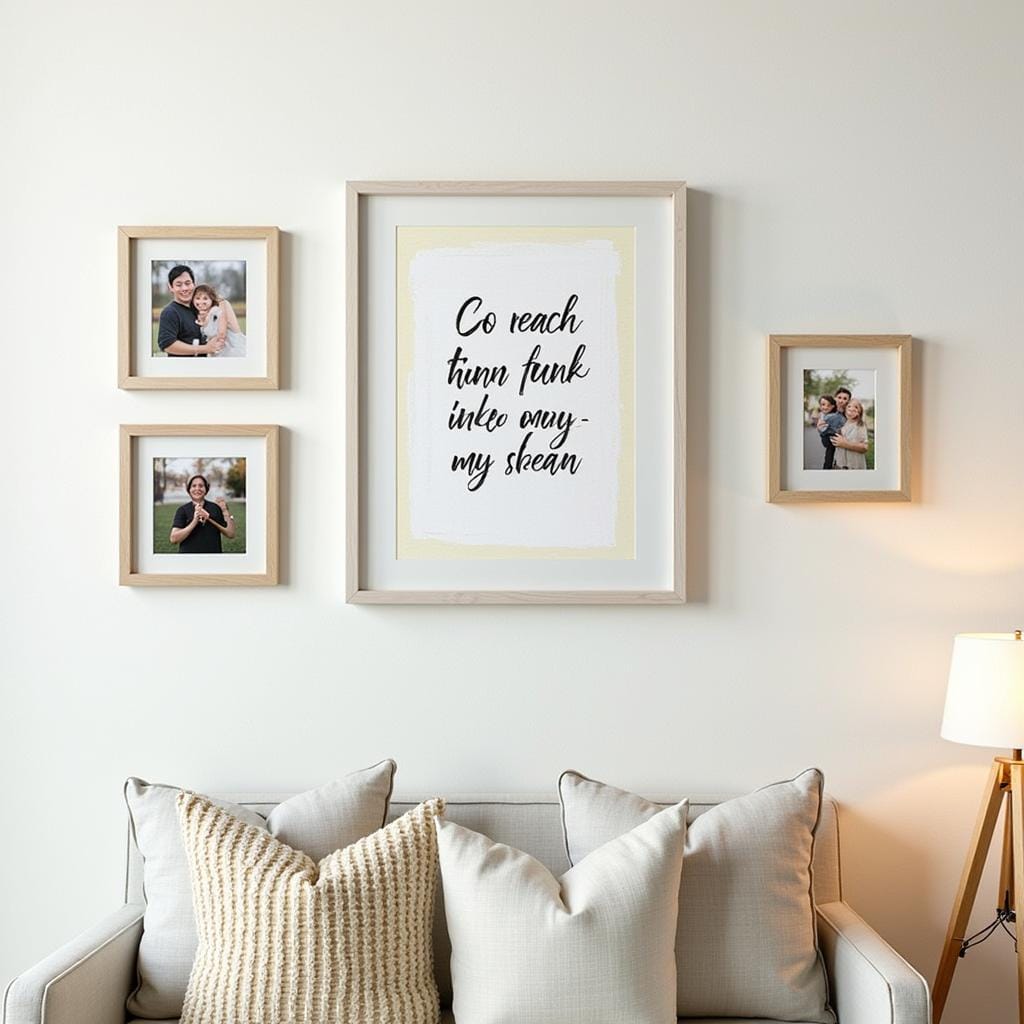
Instead of purchasing expensive artwork, create your own wall art using inexpensive supplies. You can make abstract paintings, framed photos, or even fabric wall hangings.



Pro Tips:
- Start with a simple abstract design using just two or three complementary colors.
- Use painter’s tape on a blank canvas to create sharp, clean geometric patterns.
- Paint over old, dated art from a thrift store; you get a pre-stretched canvas for a fraction of the price.
- Frame beautiful scraps of wallpaper, high-quality wrapping paper, or fabric for instant art.
- Press flowers and leaves between heavy books, then arrange and frame them for delicate botanical art.
- Use a projector to trace a complex image or text onto a canvas before painting.
- Print high-resolution public domain images from museum websites for free, high-quality art.
- Create a triptych by painting a single design across three separate, evenly spaced canvases.
- Use a level and measuring tape to ensure your DIY gallery wall is perfectly aligned.
- Seal your finished paintings with a clear matte or satin spray varnish to protect them.
Style Tips:
- A single, oversized abstract canvas painted by you can serve as a powerful and personal focal point.
- Frame your children’s artwork in identical, simple frames for a chic and sentimental gallery wall.
- Stretch a beautiful piece of patterned fabric (like mudcloth or shibori) over a wooden frame for instant textile art.
- Hang a collection of woven baskets or wide-brimmed hats for a 3D, bohemian-inspired art display.
- Paint a canvas a solid, moody color and use a metallic paint pen to write a favorite quote.
- Create texture by applying joint compound or spackle to a canvas with a putty knife before painting.
- Arrange a collection of empty, ornate frames on a wall for an architectural, deconstructed look.
- Frame beautifully designed greeting cards or postcards from your travels.
- Hang a vintage silk scarf or a beautiful rug as a large-scale tapestry.
- Frame architectural blueprints or old maps for a sophisticated, graphic look.
3. Thrift Store Finds
Thrift stores and second-hand shops are goldmines for budget-friendly decor. You can find unique furniture, accessories, and even artwork at a fraction of the cost.


Pro Tips:
- Go frequently and on weekdays when stores are often restocked and less crowded.
- Have a list of items you’re looking for, but keep an open mind for unexpected treasures.
- Keep the measurements of your space and doorways saved on your phone.
- Thoroughly inspect items for structural damage, wobbly legs, pests, and strong odors.
- Look for solid wood furniture with “good bones” that can be easily painted or refinished.
- Don’t ignore the housewares aisle; it’s a treasure trove for unique vases, frames, and glassware.
- Learn basic repair skills to fix minor issues like loose hardware or small scratches.
- Always wash or disinfect items, especially textiles and kitchenware, as soon as you get them home.
- If you see something you love, buy it. It likely won’t be there when you come back.
- Look for items that can be “hacked” or repurposed, like a small table that could become a nightstand.
Style Tips:
- Spray paint a dated, ornate picture frame in a modern matte black or a bold, glossy color.
- Group a collection of mismatched brass candlesticks to create a stunning centerpiece for a dining table or mantel.
- Find unique vintage lamps and give them a modern update with a new, simple drum shade.
- Use interesting vintage glassware as vases, pencil holders, or bathroom organizers.
- Look for unique pottery and ceramic pieces to use as planters or as standalone decorative objects.
- A single, interesting vintage wooden chair can serve as a perfect plant stand or an accent piece in a corner.
- Paint a small, dated side table a vibrant color to act as a statement piece next to a neutral sofa.
- Create a gallery wall of interesting, small-scale thrifted paintings for a curated, collected look.
- Stack a set of vintage suitcases to use as a unique and character-filled side table.
- Use old silver-plated trays to stylishly organize perfumes on a dresser or bottles on a bar cart.
4. Add Greenery
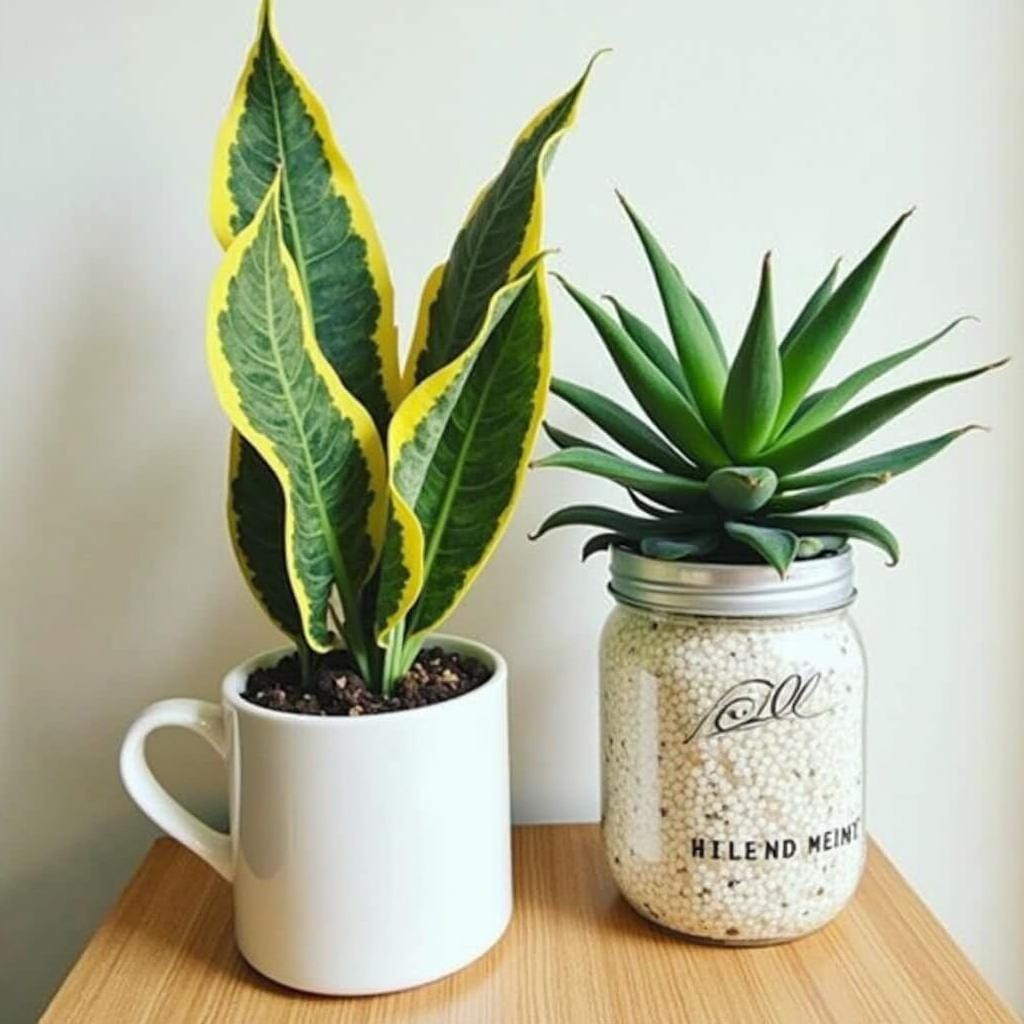
Indoor plants bring life and color to any room. They also purify the air and add a calming atmosphere.


Pro Tips:
- Start with low-maintenance “beginner” plants like snake plants, ZZ plants, or pothos that tolerate a range of conditions.
- Assess your room’s natural light before you buy to choose a plant that will thrive there.
- The most common mistake is overwatering. Check if the top 1-2 inches of soil are dry before watering again.
- Ensure your pots have drainage holes at the bottom to prevent root rot.
- Propagate new plants for free from your existing ones; pothos and spider plants are incredibly easy to propagate in water.
- Wipe down dusty leaves with a damp cloth every few weeks to help the plant photosynthesize efficiently.
- Check the ASPCA’s list of toxic plants if you have curious pets or small children.
- For a no-fuss option, use single stems of long-lasting greenery like eucalyptus or olive branches in a vase of water.
- Group plants together to increase the ambient humidity around them, which helps them thrive.
- Use a moisture meter (an inexpensive tool) to take the guesswork out of watering.
Style Tips:
- A tall floor plant, like a fiddle-leaf fig or a bird of paradise, makes a dramatic statement in an empty corner.
- Use plant stands of varying heights to create a layered, dynamic plant arrangement.
- Let a trailing plant, like a string of pearls or a pothos, cascade down from a high shelf or a hanging planter.
- The pot is a key decor element. Choose planters that match your style terracotta for boho, sleek ceramic for modern, or metallic for glam.
- A collection of small succulents or cacti arranged on a sunny windowsill adds a touch of green without taking up much space.
- Place a single, simple plant on your nightstand or desk to bring a bit of life to your personal space.
- In a minimalist room, the simple, sculptural lines of a snake plant can act as a living art piece.
- Use a large woven basket as a stylish, textural cover for a plain nursery pot.
- Place a small potted herb like mint or rosemary on your kitchen counter for fresh smells and easy access.
- A large, leafy plant can help to soften the hard lines and corners of modern furniture.
5. Create a Statement Wall
A bold, accent wall can instantly elevate a room. You can use paint, wallpaper, or even fabric to create a statement wall that adds visual interest.


Pro Tips:
- Choose the right wall to accent, typically the one you see first when entering a room or the wall behind a key piece of furniture like a bed or sofa.
- Peel-and-stick wallpaper is a fantastic, renter-friendly option that is easy to apply and remove.
- Use high-quality painter’s tape to create sharp, crisp lines for a painted geometric design.
- Always test paint samples on the wall first to see how the color looks in your room’s specific lighting.
- For a subtle effect, paint the accent wall just two shades darker than the other walls.
- A quart of paint is often enough for a small accent wall, making it a very low-cost project.
- Use a stencil to create an intricate, wallpaper-like pattern with paint.
- Proper prep is key: clean the wall and patch any holes before you begin for a smooth finish.
- For a fabric wall, use liquid starch to temporarily adhere lightweight fabric to the wall; it peels off easily later.
- A wood accent wall can be created affordably using thin plywood strips to create a board-and-batten or shiplap effect.
Style Tips:
- A deep, moody color like charcoal gray, navy blue, or emerald green creates a dramatic and cozy focal point.
- A large-scale floral or botanical wallpaper behind a bed can create a romantic, statement-making headboard effect.
- A gallery wall of art and photos hung floor-to-ceiling can serve as a personal and powerful accent wall.
- Paint a simple, graphic arch behind a desk or console table to define the zone with color.
- A wall of dark shiplap (painted black or dark gray) is a modern, sophisticated take on the farmhouse trend.
- Use a metallic paint or a metallic-flecked wallpaper for a touch of glamour.
- A mural, whether painted by hand or a large-scale wallpaper, can transport you to another place.
- Consider a textural finish, like a limewash or Roman clay, for a subtle, organic statement.
- A wall of open shelving, styled beautifully, can function as a dynamic and useful accent wall.
- In a child’s room, a chalkboard paint wall is a fun, interactive, and ever-changing accent.
6. Update Lighting Fixtures
Changing out old light fixtures for something more modern can completely transform the look of your home. You don’t need to spend a lot; many affordable options can be found online or in home improvement stores.


Pro Tips:
- Always turn off the power at the circuit breaker before attempting any electrical work. If in doubt, hire an electrician.
- For a quick, no-wiring update, focus on changing lampshades.
- Spray paint the metal base of an old, dated chandelier or lamp for a quick and modern makeover.
- “Magic Light Trick”: Use battery-operated, remote-controlled puck lights inside sconces or pendants where you don’t have wiring.
- Shop at stores like IKEA, Target, or home improvement centers for stylish, budget-friendly fixtures.
- Facebook Marketplace and thrift stores are great places to find unique, inexpensive secondhand light fixtures.
- Install dimmer switches on all your main lights; this is an affordable upgrade that makes a huge impact on ambiance.
- Clean your existing light fixtures and bulbs; you’d be surprised how much brighter they become.
- A simple drum shade can instantly modernize an old, fussy lamp base.
- Use a plug-in pendant light kit to hang a stylish shade anywhere without needing an electrician.
Style Tips:
- A rattan or wicker pendant light adds instant texture and a bohemian or coastal vibe.
- A simple, black metal “sputnik” style chandelier can be a great, affordable statement piece for a dining room.
- Replace a dated “boob light” with a stylish, modern flush-mount or semi-flush-mount fixture.
- Hang a pair of small pendant lights on either side of a bed as a space-saving and chic alternative to table lamps.
- A fixture with an exposed Edison-style bulb adds a vintage, industrial feel.
- Wrap a boring lamp base with rope using a hot glue gun for a nautical look.
- A simple paper lantern can provide soft, diffused light for a very low cost.
- A sculptural, arching floor lamp can provide overhead light without any ceiling wiring.
- Choose fixtures with brass or gold finishes to add warmth and a touch of glamour.
- A simple DIY project is to create a “beaded” chandelier using wooden beads strung over a basic pendant light kit.
7. Rearrange Your Furniture
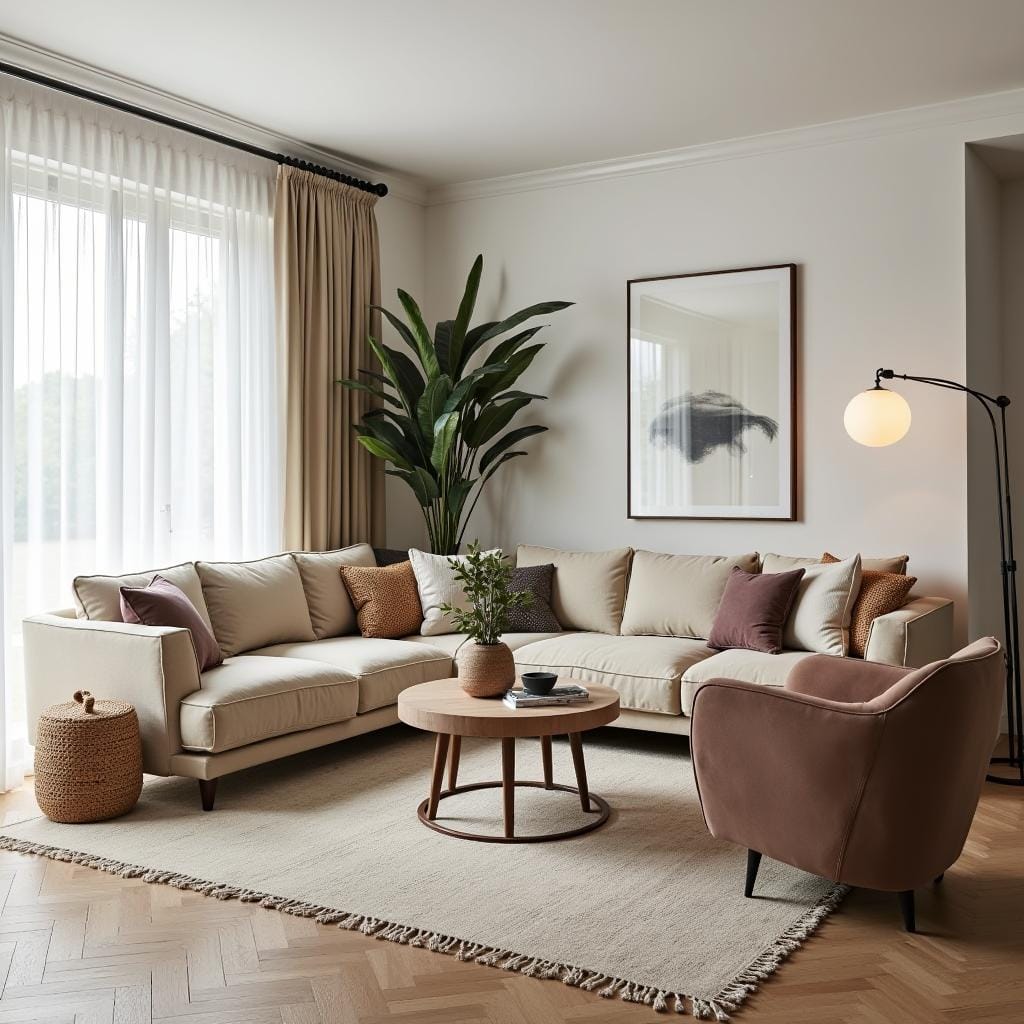
Sometimes, a simple furniture rearrangement can make your space feel brand new. Play around with different layouts to find the most functional and aesthetically pleasing arrangement.

Pro Tips:
- Empty the room as much as possible before you start so you have a blank canvas.
- Use furniture sliders under the legs of heavy items to protect your floors and your back.
- Start by placing your largest piece of furniture first (usually the sofa or bed) as it’s the anchor of the room.
- Ensure there are clear, comfortable pathways (at least 2-3 feet wide) to walk through the room.
- “Float” your sofa away from the wall to create a cozier, more intimate conversation area.
- Consider the location of outlets, windows, and doors when planning your new layout.
- Try placing furniture on a diagonal to break up the boxy feel of a room.
- Before moving anything, use painter’s tape on the floor to map out the footprint of your furniture in a new spot.
- Pull all the furniture slightly away from the walls; even a few inches can make the room feel bigger.
- Think about creating “zones” for different activities, like a reading zone, a conversation zone, and a TV-watching zone.
Style Tips:
- Create a symmetrical layout with a sofa flanked by matching end tables and lamps for a formal, traditional feel.
- An asymmetrical layout, with a floor lamp on one side of the sofa and a small table on the other, feels more casual and modern.
- Place a console table behind a “floating” sofa to define the space and provide a surface for lamps and decor.
- Angle a comfy chair and a small table in a corner to create an instant, cozy reading nook.
- In a bedroom, try placing the bed in front of a window (if the headboard is low) for a beautiful, light-filled focal point.
- Use a long, low bookshelf as a room divider in an open-plan space.
- If your room feels long and narrow, arrange furniture into two smaller, distinct seating groups.
- Try using a small bench or a pair of stools instead of a traditional coffee table for a more open feel.
- Move a dresser from a bedroom into a dining room to serve as a stylish buffet and storage piece.
- Place your desk facing out into the room rather than against a wall to create a more commanding and open “home office” feel.
8. Use Area Rugs to Define Spaces
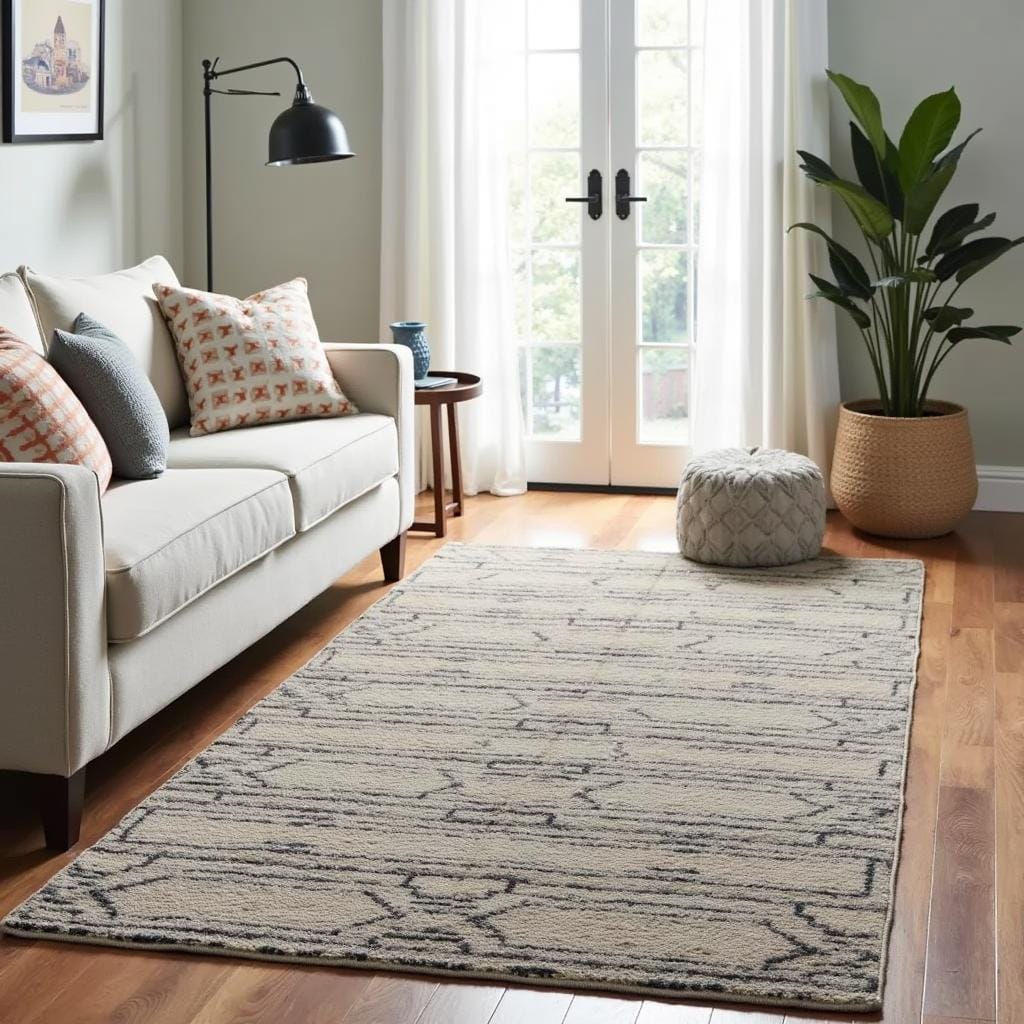
Area rugs are a great way to add warmth, color, and texture to a room. They can also define different areas in an open-concept space, like a living area and dining space.

Pro Tips:
- The most common mistake is buying a rug that’s too small. In a living room, at least the front legs of your main furniture should be on the rug.
- Look for affordable, durable rugs at discount stores, online retailers like Wayfair or Rugs USA, or even on Facebook Marketplace.
- Always use a rug pad. It prevents slipping, adds cushion, and extends the life of your rug.
- Natural fiber rugs like jute or seagrass are often very affordable, durable, and provide a great textural base.
- If you fall in love with a small, expensive rug, use it as the top layer in a layered rug look.
- You can often find good deals on large carpet remnants at flooring stores, which can be bound into a custom-sized area rug for a low cost.
- Outdoor rugs are very durable, easy to clean, and can be a great, affordable option for high-traffic indoor areas like entryways or dining rooms.
- Use painter’s tape to mark out the ideal rug size on your floor before you start shopping.
- Rotate your rug every 6-12 months to ensure even wear.
- To flatten a new rug that has been rolled, try “reverse rolling” it for a day or placing heavy books on the corners.
Style Tips:
- Use a rug to anchor a seating area in a living room, visually grouping the sofa and chairs together.
- In an open-concept space, use different but complementary rugs to define the living and dining zones.
- Layering a smaller, patterned or faux-hide rug over a larger, neutral jute rug is a classic designer trick for adding depth and style.
- A bold, colorful rug can serve as the main source of color and pattern in an otherwise neutral room.
- A vintage-style rug can add a sense of history and soul to even the most modern space.
- Runners are not just for hallways; use one in a kitchen to add softness and color, or on either side of a bed.
- A round rug can be a great way to soften a room with a lot of angular furniture or to define a small nook.
- Let the colors in your rug guide your choices for accent pillows, throws, and artwork.
- A simple, solid-colored shag or plush rug can add a ton of cozy texture to a bedroom.
- Don’t be afraid to place a rug over wall-to-wall carpet to add definition and style.
9. Repurpose Old Furniture
Repurposing old furniture is an excellent way to save money while giving your home a fresh look. You can turn an old dresser into a bathroom vanity, or convert a wooden pallet into a coffee table.


Pro Tips:
- Proper preparation is 90% of the work. Always clean, sand, and prime a piece of furniture before painting for a durable finish.
- Chalk paint is very beginner-friendly as it often requires minimal sanding and priming.
- Update old furniture instantly by swapping out the hardware. New knobs or pulls can make a huge difference.
- Look for free or cheap furniture on the side of the road, on Facebook Marketplace, or from friends and family.
- When repurposing, think creatively: an old door can become a headboard, a dresser can become a TV stand.
- Use a high-quality paintbrush or a small foam roller to avoid brush strokes when painting.
- Seal your finished piece with a clear coat of wax or polyurethane to protect it.
- Add new legs to an old piece (like an IKEA Kallax shelf) to give it a more high-end, custom look.
- Think about function. Ensure your repurposed piece is sturdy and safe for its new use.
- Start with a small, low-stakes project to build your confidence before tackling a large, important piece.
Style Tips:
- Paint an old, dated wooden dresser a bold, glossy color to create a modern statement piece.
- Turn an old wooden ladder into a unique and stylish leaning bookshelf or a place to hang blankets in the living room.
- Remove the bottom drawers of a dresser to create an open shelf for a TV console.
- Use an old bar cart as a mobile plant stand, a side table, or a craft storage cart.
- Cut a round dining table in half and mount it to the wall to create a unique console table for a narrow entryway.
- Use a small, vintage stool as a plant stand or a side table next to a bathtub.
- Repurpose an old window frame (without the glass) as an architectural art piece or hang a wreath inside it.
- Turn a simple, inexpensive bookshelf on its side to create a long, low bench or media console.
- Use an old wooden crate as a rustic side table or for vinyl record storage.
- Convert a sturdy old dresser into a kitchen island by adding a new top and caster wheels.
10. Use Mirrors to Reflect Light
Mirrors are not only decorative, but they also help reflect light, making a space feel larger and brighter. Look for budget-friendly mirrors at thrift stores or discount home goods stores.


Pro Tips:
- Place a large mirror directly opposite a window to capture and bounce the maximum amount of natural light around the room.
- Hang mirrors using heavy-duty hardware appropriate for their weight and your wall type.
- Clean mirrors with a microfiber cloth and a 50/50 solution of white vinegar and water for a streak-free shine.
- Be mindful of what the mirror will reflect. Position it to reflect a beautiful view or a favorite piece of art, not a cluttered corner.
- For a cheap and custom-sized mirror, you can buy unframed mirror panels from a home improvement store and add your own simple wood trim.
- Leaning a large, full-length floor mirror against a wall is a great, no-holes option for renters.
- To make a room feel taller, use a tall, vertically oriented mirror. To make it feel wider, use a horizontally oriented one.
- Place a lamp in front of a mirror on a console table or dresser to double the amount of ambient light it produces.
- Look for cheap, unframed mirrors and glue them to the back of closet doors to add function without taking up wall space.
- Check the reflection from multiple angles before you permanently hang a mirror.
Style Tips:
- An oversized mirror with an ornate, gilded frame can be a glamorous focal point in a traditional or eclectic room.
- A simple, round mirror with a thin metal frame is perfect for a modern, minimalist, or mid-century modern space.
- Hang a windowpane-style mirror on a blank wall to create the illusion of an extra window.
- Create a gallery wall using a collection of small, mismatched vintage mirrors found at thrift stores.
- A sunburst or starburst mirror is a classic choice for adding a touch of glam and style above a bed or console table.
- Mirrored furniture, like a nightstand or a console table, can add light and glamour in a subtle way.
- A simple, large, frameless mirror can make a small bathroom or entryway feel significantly larger.
- A floor mirror with a rustic, chunky wood frame is perfect for a farmhouse or coastal-style home.
- Use mirrored tiles to create a budget-friendly, custom-sized “mirror” or a glamorous backsplash.
- Hang a mirror in your dining room to reflect the light from your chandelier and create a beautiful, sparkling ambiance during dinner parties.
11. Add Personal Touches
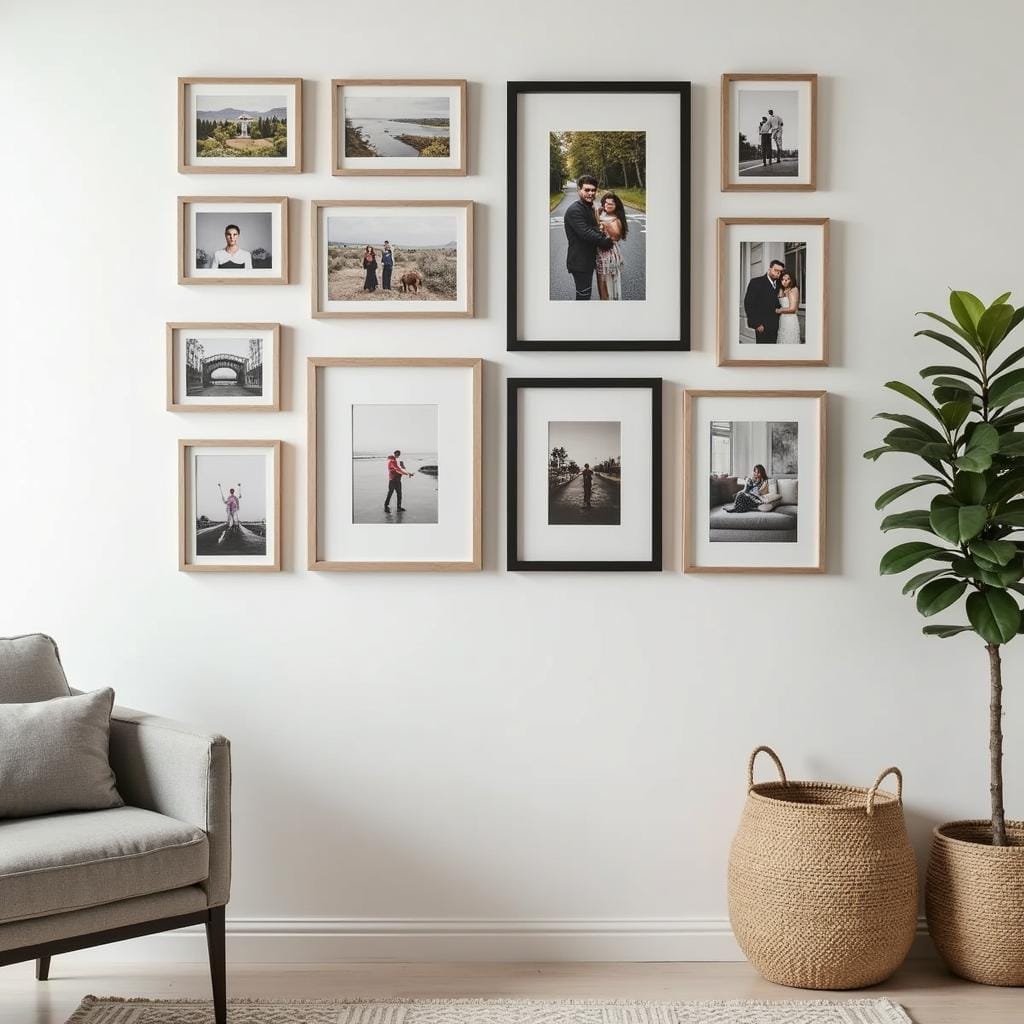
Personalize your space with items that reflect your personality. This could include framed family photos, heirlooms, or souvenirs from your travels.

Pro Tips:
- Curate your collections; displaying a few special items with intention looks better than putting out everything you own.
- Group similar items together to create a collection with more impact (e.g., all your blue and white vases).
- Use picture ledges to easily rotate and layer framed photos and small objects without putting more holes in the wall.
- Don’t just display items use them! Drink from your grandmother’s teacups or write in a journal from your travels.
- Frame sentimental items that aren’t traditional art, like a child’s first drawing, a family recipe card, or concert tickets.
- Create a “memory box” for smaller, less display-worthy items that you can still look through.
- Regularly dust and care for your personal items to show they are cherished.
- When traveling, look for small, unique, and easy-to-pack items like textiles, small ceramics, or art prints.
- Write down the story behind an heirloom and tape it to the back so the history isn’t lost.
- Mix high and low; place a cherished heirloom next to a simple, modern object for a beautiful contrast.
Style Tips:
- Create a gallery wall of black and white family photos in identical frames for a timeless, cohesive look.
- Display a beautiful piece of clothing, like a vintage kimono or your wedding veil, by hanging it on the wall as art.
- Use a beautiful tray on a coffee table or dresser to create a stylish “vignette” with your favorite perfume, a candle, and a small personal object.
- A stack of coffee table books that reflect your hobbies and interests (art, travel, fashion) is both personal and stylish.
- Showcase a collection of pottery or glassware on open shelves in your kitchen or dining room.
- Use a shadow box to display a collection of small objects like seashells, vintage brooches, or military medals.
- An instrument you play, like a guitar or a violin, can be mounted on the wall as a beautiful and personal art piece.
- Let your bookshelf tell your story. Mix books with personal photos and travel souvenirs.
- Use a favorite mug as a planter for a small succulent or as a pencil holder on your desk.
- Frame a map and use pins to mark all the places you’ve traveled.
12. Use Fabric for Easy Upgrades
Fabric is a versatile and affordable way to refresh your home decor. You can make pillow covers, table runners, or even use fabric to upholster a chair.


Pro Tips:
- Look for affordable fabric at craft stores (check the remnant bin!), online fabric stores, or even by repurposing old curtains, clothes, or tablecloths.
- No-sew hem tape is a magical tool for creating simple curtains or pillow covers without a sewing machine.
- To create a new “headboard,” hang a beautiful piece of fabric or a small rug on the wall behind your bed.
- Use a staple gun to easily reupholster a dining chair seat or a small bench.
- Measure carefully before you cut any fabric. “Measure twice, cut once” is the golden rule.
- Always wash and iron your fabric before you start a project to account for any shrinkage.
- Fabric can be used to cover ugly storage boxes or line the back of a bookshelf for a pop of pattern.
- To test a fabric in your space, get a small sample (a fat quarter) and tape it up on the wall or drape it over furniture.
- Hot glue can be used for simple, no-sew projects like trimming a lampshade with ribbon.
- Use liquid starch to temporarily apply fabric to a wall like wallpaper it’s completely removable.
Style Tips:
- Create a set of custom, envelope-style pillow covers to instantly change the look of your sofa.
- Drape a large piece of beautiful, lightweight fabric (like a sarong or a scarf) over a curtain rod for an instant, breezy window treatment.
- A simple fabric table runner can add color and pattern to your dining table.
- Use a staple gun to attach a piece of bold, graphic fabric to a blank canvas for easy, oversized wall art.
- Create a simple, gathered bed skirt with a piece of fabric and some upholstery pins.
- Line the back of a hutch or a bookshelf with a fun, patterned fabric for an unexpected pop of style.
- Make your own custom cloth napkins from a yard of your favorite cotton fabric.
- Update a plain lampshade by wrapping it in a new, more stylish fabric.
- Create a soft, upholstered-look headboard by covering a piece of foam or plywood with fabric.
- If you have a glass-top coffee table, place a beautiful piece of fabric underneath the glass for a changeable display.
13. Decorate with Books
Books can double as both decor and functional items. Stack books in a creative way on coffee tables or use them as a base for vases and sculptures.


Pro Tips:
- Shop at thrift stores, library book sales, and flea markets for beautiful, inexpensive hardcover books.
- Remove torn or unattractive dust jackets to reveal the often beautiful binding underneath.
- Stack books horizontally to create a “pedestal” to elevate a lamp, vase, or other decorative object.
- When stacking books, arrange them from largest on the bottom to smallest on top for stability.
- Use books to add height and create levels in your shelf styling.
- A stack of books can be used as a simple, low-profile laptop stand on a desk.
- If you have a non-working fireplace, fill it with a neat stack of books for a charming, intellectual look.
- Use heavy, sturdy books as bookends for a row of other books.
- Dust your books regularly with a soft cloth or a vacuum brush attachment.
- Don’t be afraid to mix paperbacks and hardcovers for a more eclectic, realistic look.
Style Tips:
- Arrange your books by color to create a stunning, rainbow-like visual effect on a bookshelf.
- For a neutral, serene look, turn your books around so the pages face out instead of the spines.
- Create a coffee table vignette with a stack of 2-3 large, beautiful coffee table books, topped with a small decorative object.
- A single, beautiful, open book on a stand can be a piece of art in itself.
- Use a stack of vintage books to create a rustic, charming side table next to a low chair.
- Hollow out an old, thick book to create a secret storage spot for remotes or other small items.
- Alternate vertical rows and horizontal stacks of books on your shelves for a more dynamic, designed look.
- Choose books with spines that match your room’s color palette.
- Display children’s books with beautiful covers facing forward on picture ledges in a playroom or kid’s bedroom.
- Create a “river” of books flowing down a set of stairs or across the floor for a whimsical, temporary art installation.
14. Use Color to Brighten Up a Room
A fresh coat of paint in a new color can work wonders on a room’s atmosphere. You don’t need to paint the entire room; just accent walls or furniture pieces can make a big difference.


Pro Tips:
- Paint is one of the cheapest ways to make the biggest impact. Look for “oops” paint at home improvement stores for major discounts.
- Before painting a whole room, start by painting a small piece of furniture, a picture frame, or the inside of a bookshelf.
- Always test a paint sample on your wall and look at it in the morning, afternoon, and evening light.
- A small sample pot of paint is often enough to paint a small accent piece or a few frames.
- Proper prep work is essential. Clean your walls, use painter’s tape for crisp lines, and use a primer if making a drastic color change.
- Don’t forget about the “fifth wall” painting your ceiling a light, interesting color can make a huge impact.
- Use leftover paint to paint the edge of a door for a fun, unexpected pop of color when it’s open.
- To make a room feel larger and brighter, choose a light, cool color like a pale blue or soft gray.
- To make a large room feel cozier, choose a warm, deep color like a rich terracotta or a warm gray.
- Use a high-quality brush and roller for a much smoother, more professional-looking finish.
Style Tips:
- Paint an old, dated piece of furniture (like a dresser or a side table) in a bold, unexpected color like kelly green or bright yellow.
- Create a color-blocked accent wall with a few different complementary paint colors.
- Paint the inside back of a bookshelf a contrasting color to make your displayed items pop.
- Use color to create a faux headboard by painting a large rectangle or arch on the wall behind your bed.
- A fresh coat of white paint can instantly make any space feel cleaner, brighter, and more modern.
- Paint your interior doors a dark, moody color like black or charcoal gray for a sophisticated, high-end look.
- Choose an accent color from a piece of art or a rug in your room and repeat it in small doses.
- Paint a simple, inexpensive vase or planter to match your decor.
- Create a two-toned wall by painting the bottom third a different color from the top two-thirds.
- Use a pop of color on your front door to instantly boost your home’s curb appeal.
15. Upcycle Old Containers for Storage
Old jars, cans, and containers can be repurposed for stylish and practical storage. You can use them to store office supplies, kitchen items, or even bathroom essentials.

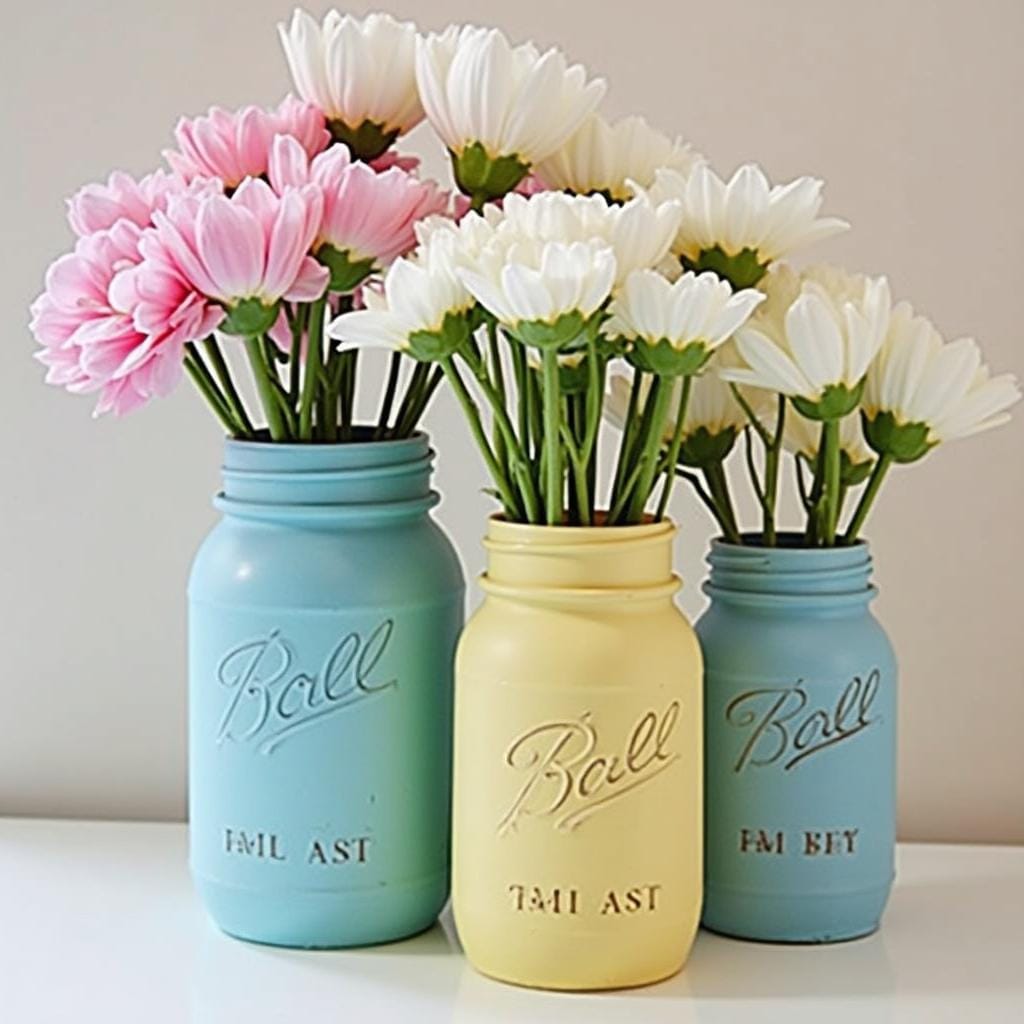
Pro Tips:
- Thoroughly clean and remove labels from all containers before you start. Soaking in hot, soapy water often works; Goo Gone can help with stubborn residue.
- Use spray paint specifically designed for glass or metal for the best, most even coverage.
- Prime your containers before painting, especially if they are metal or glass, to help the paint adhere better.
- Drill drainage holes in the bottom of cans or jars to turn them into planters for succulents or herbs.
- Ensure there are no sharp edges, especially on tin cans. You can use pliers to flatten the rim.
- Wrap containers in rope, twine, or fabric using a hot glue gun for a textural, rustic look.
- Use stencils or paint pens to add labels or decorative patterns.
- Seal your finished containers with a clear spray sealant to make them more durable and water-resistant.
- For a cohesive look, paint a collection of mismatched jars and containers all the same color.
- Think about safety. Don’t store food in containers that have been painted on the inside.
Style Tips:
- Paint old mason jars and use them as vases for flowers or to hold kitchen utensils.
- Use a collection of decorated tin cans on a desk to organize pens, pencils, and scissors.
- A pretty teacup from a thrift store can be a perfect holder for rings and small jewelry on a nightstand.
- Cover old shoeboxes with beautiful paper or fabric to create stylish storage for photos or craft supplies.
- Use glass jars in the bathroom to hold cotton balls, Q-tips, and bath salts for a spa-like feel.
- An old coffee can, painted and decorated, can be a great container for kitchen compost scraps.
- Use a collection of small, decorated jars to create a window herb garden.
- A vintage biscuit tin can be a charming and stylish way to store tea bags or cookies.
- Spray paint an old wicker basket to give it a fresh, modern look and use it for storing magazines or blankets.
- Use a group of small jars to organize spices; you can paint the lids with chalkboard paint to label them.
16. Use Statement Pillows and Throws
Decorative pillows and throws can instantly update your furniture and add a cozy, inviting atmosphere. Look for budget-friendly options in different textures and colors to change up the look of your room.


Pro Tips:
- Shop for affordable pillows and throws at discount stores like HomeGoods, T.J. Maxx, or Target.
- The cheapest way to get a new look is to buy pillow covers and use inserts you already own.
- For a full, “choppable” pillow, use a feather-down insert that is 1-2 inches larger than your pillow cover.
- Learn to make simple, no-sew, envelope-style pillow covers using hemming tape or fabric glue.
- Don’t be afraid to mix and match. A curated collection often looks more stylish than a pre-matched set.
- Store out-of-season pillow covers and throws folded neatly in a closet or a storage ottoman.
- Rotate your pillows and throws between different rooms for a quick and free refresh.
- Look for textiles with interesting textures, like chunky knits, faux fur, velvet, or linen.
- A throw blanket doesn’t have to be perfectly folded; a casual drape can look more inviting.
- Wash your pillow covers and throws regularly according to their care instructions to keep them looking fresh.
Style Tips:
- Follow the designer’s rule of three: mix three different patterns in a similar color family (e.g., one large floral, one medium geometric, one small stripe).
- A chunky knit throw blanket draped over a sofa or bed adds instant coziness and a “hygge” vibe.
- Use pillows and a throw to introduce a bold accent color to a neutral room.
- For a sophisticated, monochromatic look, use pillows and throws in different shades and textures of the same color.
- A long lumbar pillow is a chic and modern alternative to a pile of square pillows on a bed.
- Layer textures for a rich, inviting look: a velvet pillow, a linen pillow, and a faux fur throw.
- A classic plaid or buffalo check throw is perfect for a rustic, farmhouse, or cabin-style room.
- In a glam space, don’t shy away from pillows with metallic threads, sequins, or beaded details.
- A simple, lightweight cotton or linen throw is perfect for a breezy, coastal, or minimalist aesthetic.
- Swap out your pillows and throws seasonally: light cottons in the summer, cozy wools and velvets in the winter.
17. Add Accent Furniture Pieces
Accent furniture pieces like side tables, ottomans, and chairs can add both function and style to your space. Look for budget-friendly options at discount stores or online marketplaces.


Pro Tips:
- Check Facebook Marketplace, Craigslist, and thrift stores for high-quality, inexpensive secondhand pieces.
- Think about function first. Do you need extra seating, storage, or just a surface to put a drink on?
- A small, lightweight piece is more versatile and can be easily moved around as your needs change.
- Measure your space carefully to ensure the accent piece is the right scale and won’t overwhelm the room.
- Look for pieces that can be easily updated with a coat of paint or new hardware.
- Don’t be afraid to think outside the box: a garden stool can be a side table, a stack of vintage suitcases can be a nightstand.
- Always test a chair for sturdiness and comfort before you buy it.
- “Nesting” tables are a great space-saving option as they can be tucked away when not in use.
- A simple C-table is a fantastic, functional piece for small spaces as it can slide over the arm of a sofa.
- Before you buy new, see if you have an underutilized piece in another room that could be moved.
Style Tips:
- Use a small accent chair in a bold color or a fun pattern to add a pop of personality to a neutral living room.
- A stylish storage ottoman can serve as a coffee table, extra seating, and a place to hide blankets or toys.
- A slim, modern console table behind a sofa can provide a great surface for lamps and decor without taking up much space.
- A bar cart is a versatile accent piece that can be used for drinks, as a plant stand, or as a mobile side table.
- A rustic wooden bench can be used in an entryway, at the foot of a bed, or even as a unique coffee table.
- A small, decorative pouf can add a touch of bohemian style and serve as a footrest or low seating.
- Choose accent pieces with interesting materials, like a marble-topped side table or a rattan chair.
- A mirrored or metallic accent table can add a touch of glamour to a space.
- Paint a simple, inexpensive wooden stool a bright, glossy color to use as a small table or plant stand.
- Use a “martini table” (a very small, tall side table) next to an accent chair it’s just big enough for a single drink.
18. Hang String Lights
String lights can add a magical touch to any room. Whether you drape them over furniture, hang them on the walls, or add them to a centerpiece, they create a warm, inviting glow.


Pro Tips:
- Choose string lights with a warm white color temperature for a cozy, inviting glow rather than a harsh, blue-toned light.
- Battery-operated fairy lights with a timer function are great for areas without an outlet and for saving battery life.
- Use small, clear, removable command hooks for easy, damage-free hanging on walls and furniture.
- To hide a green or black cord, you can wrap it in a neutral-colored floral tape or choose lights with a copper or silver wire.
- Use multiple strands for a more dramatic, layered effect.
- Outdoor “cafe” style string lights with larger bulbs can be used indoors for a cool, industrial-bistro vibe.
- When wrapping lights around an object, start at the end closest to the outlet or battery pack.
- Check that your lights are rated for indoor use and don’t leave them on unattended for long periods.
- For a concentrated glow, bunch a strand of fairy lights inside a glass cloche or a large lantern.
- LED string lights are more energy-efficient and stay cooler to the touch than traditional incandescent ones.
Style Tips:
- Drape string lights around a large mirror to create a beautiful, glowing frame.
- Create a faux “headboard” by arranging string lights in a pattern on the wall behind your bed.
- Hang string lights vertically behind a sheer curtain to create a magical, twinkling wall of light.
- Weave fairy lights through a large houseplant to highlight its leaves at night.
- Use small clips to attach photos to a strand of string lights for a personal and illuminated gallery display.
- Fill a few empty wine bottles or mason jars with battery-operated fairy lights for a simple, beautiful table centerpiece.
- Wrap string lights around a rustic branch and hang it on the wall as a unique light fixture.
- In a child’s room, drape string lights over a canopy or a play tent to create a magical fort.
- Outline a doorway or a window with string lights for a welcoming glow.
- For a dinner party, run a strand of fairy lights down the center of your dining table like a runner.
19. Create a Gallery Wall
A gallery wall is an excellent way to display art, photos, and other meaningful items. You don’t need to buy expensive frames; use mismatched frames or budget-friendly options for a more eclectic look.


Pro Tips:
- Plan your layout on the floor first. Trace each frame onto kraft paper, cut them out, and tape them to the wall to perfect your arrangement before hammering any nails.
- Start with a large “anchor” piece and build out from there.
- Maintain consistent spacing between your frames (usually 2-3 inches) for a clean, cohesive look.
- Use a level to ensure every piece is perfectly straight.
- For a unified look with mismatched frames, spray paint them all the same color, like black, white, or gold.
- Look for inexpensive frames at thrift stores, dollar stores, or IKEA.
- Mix in objects that aren’t traditional art, like a small mirror, a decorative plate, or a sentimental object.
- Use removable picture-hanging strips to create a gallery wall without damaging your walls perfect for renters.
- When hanging a grid-style gallery wall, precision is key. Measure everything carefully.
- Don’t feel like you have to fill the whole wall at once. Start with a few pieces and let your collection grow over time.
Style Tips:
- For a formal, traditional look, create a symmetrical grid using identical frames and similar-themed art (like a series of botanical prints).
- For an eclectic, bohemian look, mix frames of different sizes, styles, and finishes, and incorporate art, photos, and textiles.
- A gallery wall of all black and white photos is a timeless and sophisticated choice.
- Create a gallery wall that wraps around a corner for an unexpected and immersive effect.
- A staircase is a perfect place for a gallery wall, with the art following the upward angle of the stairs.
- Picture ledges are a great alternative, allowing you to easily layer and swap out frames without putting more holes in the wall.
- Choose a color palette for your art and photos to tie the whole collection together.
- A gallery wall doesn’t have to be just pictures. Incorporate small shelves, sconces, or even a plant.
- For a minimalist gallery wall, use just two or three large, simple pieces with plenty of negative space around them.
- Create a personal story with your gallery wall by including family photos, travel souvenirs, and art from places you’ve lived.
20. Invest in Multi-Functional Furniture
Furniture that serves more than one purpose can save space and money. Look for pieces that double as storage, such as a sofa with hidden compartments or a coffee table that can also be a desk.


- Before you buy, assess your primary needs. Is storage the biggest issue, or do you need flexible seating?
- Read reviews to ensure the “multi-functional” aspect of the piece is well-designed and easy to use.
- Measure your space carefully. Multi-functional pieces can sometimes be bulkier than their single-function counterparts.
- Look for secondhand multi-functional furniture on online marketplaces to save even more money.
- Consider the long-term use. Will this piece still be useful if you move to a larger or smaller space?
- Think about DIY options. Can you add wheels to a bookshelf to make it a mobile room divider? Can you build a simple storage bench?
- For small spaces, look for “murphy” style furniture, like a desk or a bed that folds up into the wall.
- Choose pieces with durable, easy-to-clean materials, especially if they will get a lot of use.
- Opt for pieces with clean, simple lines that can adapt to changing decor styles over time.
- Don’t sacrifice comfort for function, especially for pieces like a sofa bed.
- A storage ottoman is a decor workhorse: it can be a coffee table (with a tray on top), extra seating, a footrest, and a place to hide blankets or games.
- A lift-top coffee table can be raised to a comfortable height for eating or working from the sofa.
- A daybed can serve as a stylish sofa in a small living room or home office and easily convert into a guest bed.
- Use a bar cart as a versatile side table, a nightstand, a plant stand, or a bathroom organizer.
- A tall, open-backed bookshelf can work as a room divider in a studio apartment, creating separation while still providing storage.
- A drop-leaf dining table can be pushed against a wall as a small console table and then opened up to seat guests.
- Nesting tables are a great, space-saving alternative to a traditional coffee table.
- In a bedroom, a storage bench at the foot of the bed provides seating and a place to store extra linens.
- A “ladder desk” is a stylish, space-saving option that provides shelving and a small workspace.
Conclusion
You don’t need a huge budget to create a beautifully decorated home. With a little creativity and resourcefulness, you can transform your space into a stylish and inviting retreat. Whether you’re upcycling old furniture, adding personal touches, or simply rearranging what you already have, there are plenty of ways to make your home look stunning without spending a fortune. Start with a few of these budget-friendly decorating ideas and enjoy the process of creating a space you love!