

Table of Contents
- Blooming Tulip Cupcakes Using Russian Piping Tips
- Pressed Edible Flower Designs for a Botanical Look
- Pastel Ombre Swirls for a Soft Seasonal Aesthetic
- Minimalist Lemon Twist and Fresh Herb Garnishes
- Sculpted Fondant Butterfly and Bee Toppers
- Curating Your Edible Spring Garden
- The Baker’s Blueprint: Common Queries
The structural integrity of any culinary presentation begins with a solid foundation, much like drafting the initial floor plans for a bespoke residence.
When approaching the art of spring cupcake decoration, one must consider the density of the sponge and the stability of the frosting as the primary load-bearing elements.
This technical precision ensures that the application of delicate botanical accents remains secure and visually balanced throughout the event.
Selecting the correct edible botanicals requires the same discernment used when choosing sustainable flooring or premium interior finishes.
The texture and color palette of crystallized violas or fresh mint leaves must harmonize with the underlying design scheme to create a cohesive aesthetic.
We will examine the pros and cons of using candied versus fresh specimens to ensure your edible arrangements meet the highest standards of safety and sophistication.
Transitioning from technical specifications to final styling allows for a flourish of creativity suitable for corporate office gatherings or intimate home settings.
By treating each cupcake as a miniature design project, you can achieve a level of craftsmanship that resonates with professional developers and makers alike.
These actionable guides will empower you to construct edible masterpieces that are as structurally sound as they are visually inspiring.
Blooming Tulip Cupcakes Using Russian Piping Tips

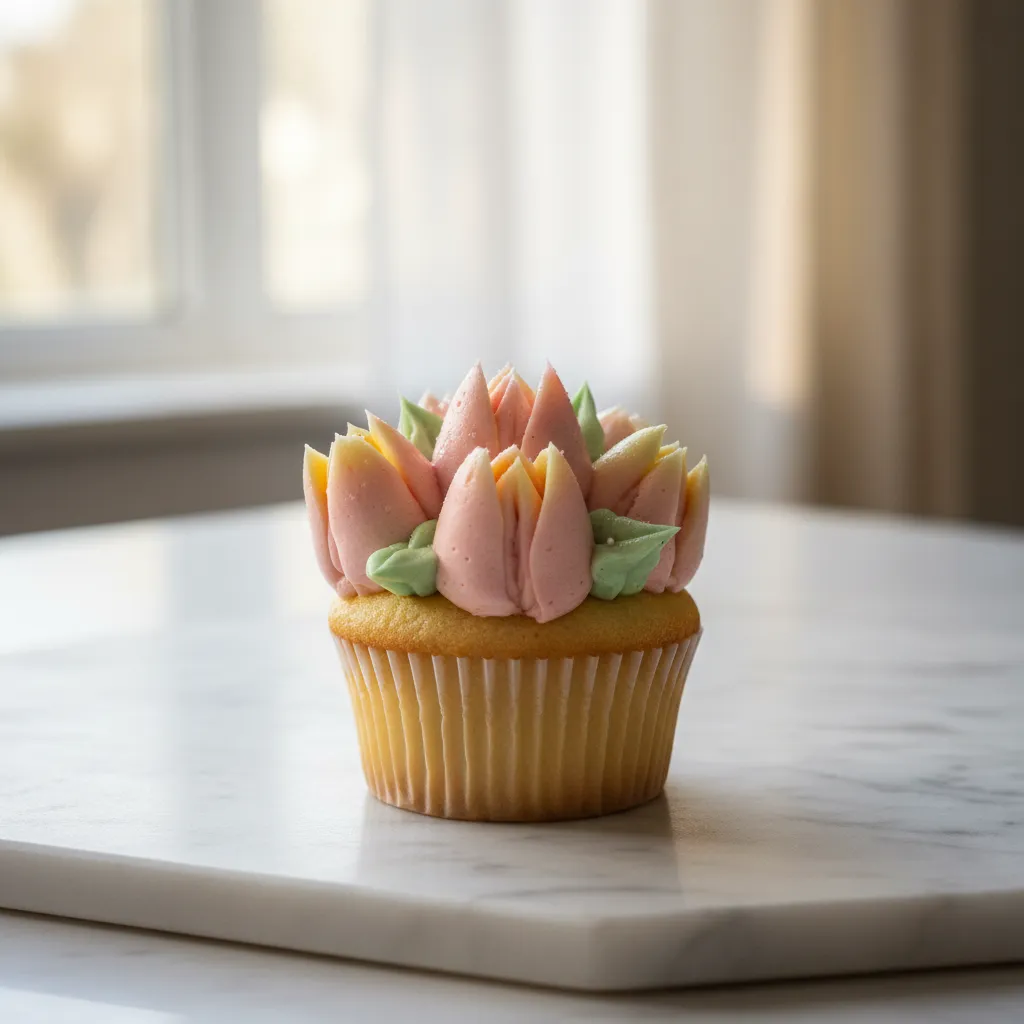
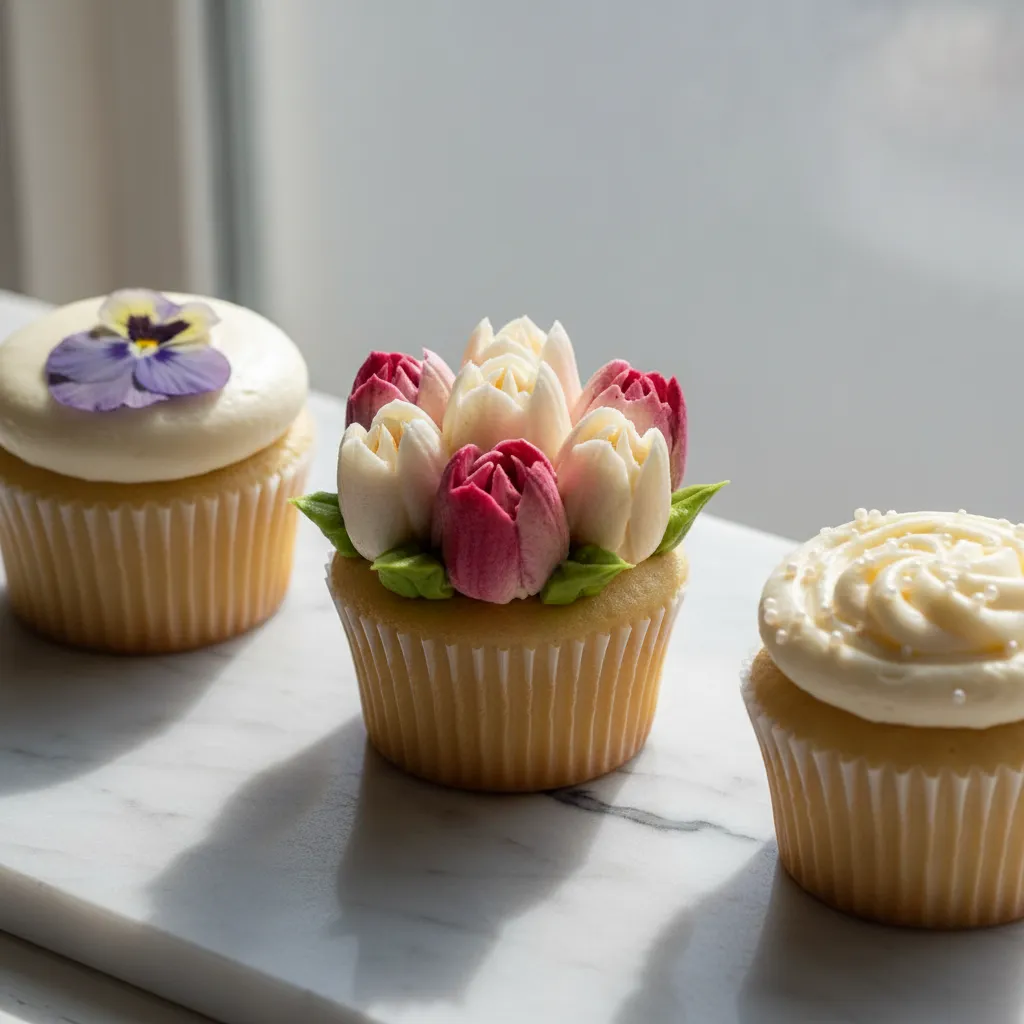
Russian piping tips are a revolutionary tool for the home baker. They transform standard frosting into intricate 3D sculptures. These large nozzles pipe an entire flower bud with a single squeeze.
The aesthetic appeal lies in the organic structure of the petals. Unlike traditional piping that requires petal-by-petal construction, these tips offer instant gratification and uniformity.
Success with this technique relies entirely on texture. You must use a stiff buttercream that holds its shape against gravity. Soft icing will cause the delicate petals to merge into a blob.
These floral designs are perfect when serving elegant Easter sweet treats to guests. The height of the tulips adds vertical interest to a flat dessert table.
In culinary design, texture is just as vital as taste; it transforms a simple bite into an experience.
Mastering the Two-Tone Technique

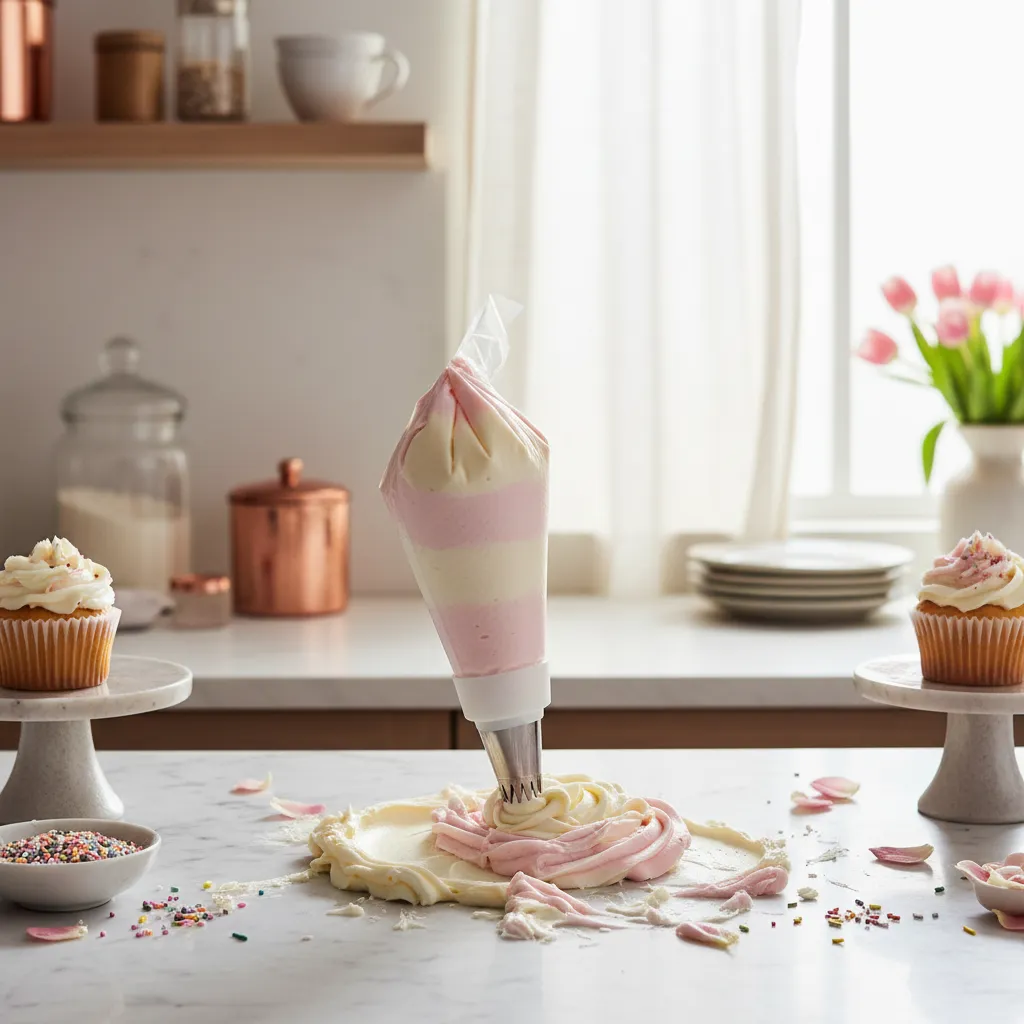
Real flowers are rarely a single flat color. To achieve a realistic spring look, you should utilize a double-bagging method. This creates depth and mimics the natural gradient of a blooming tulip.
Spread a layer of deep pink or purple frosting along the inside of your piping bag. Fill the center with a core of white or pale yellow. This results in petals with distinct, contrasting edges.
The base of the cupcake matters for structural integrity. A dense sponge, like these lemon blueberry muffins, supports the weight of the heavy frosting better than an airy chiffon.
The key to successful piping with Russian tips is keeping your buttercream cool. If it gets too warm, the definition of the petals is lost instantly.
The Wilton School, Cake Decorating Blog
Comparing Piping Methods

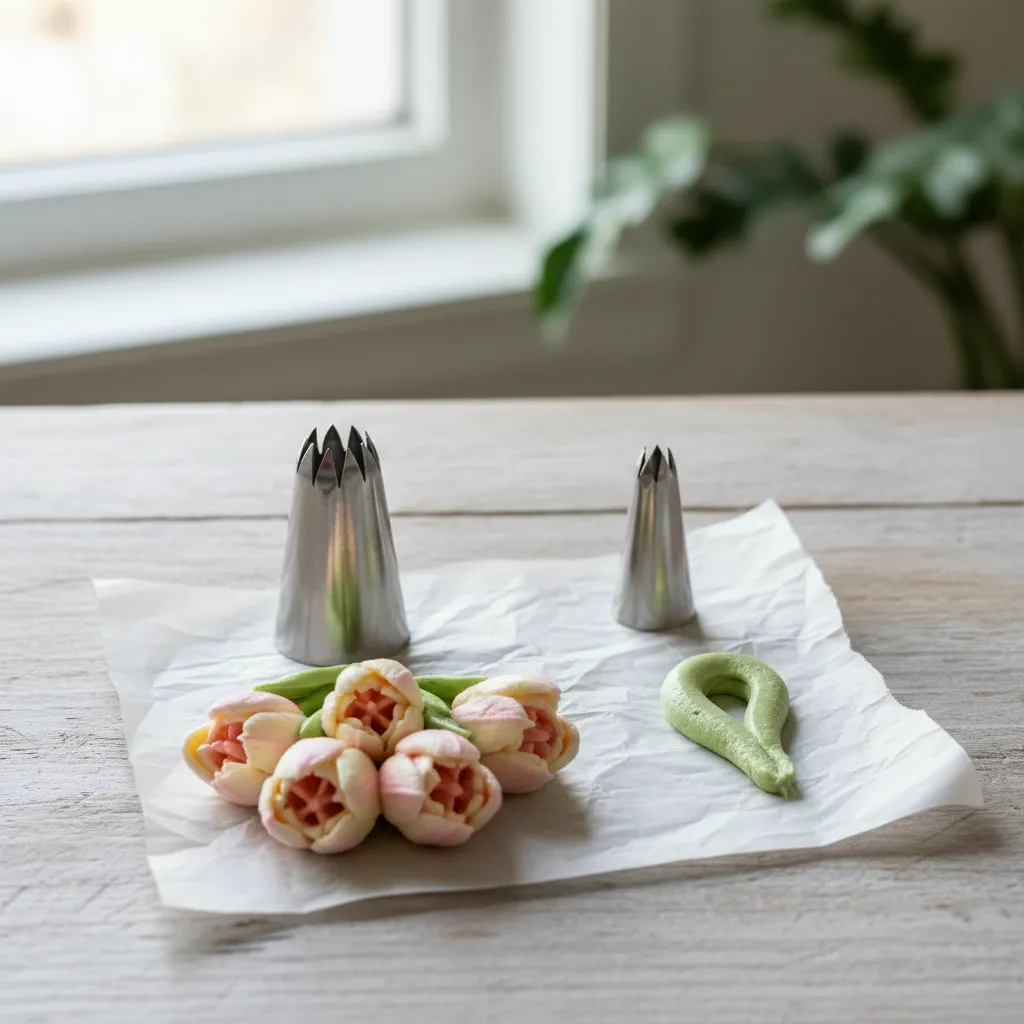
Choosing the right tool affects your workflow and final design. Russian tips are designed for speed and volume, while standard tips offer precision. Here is how the two methods stack up.
| Feature | Russian Piping Tip | Standard Petal Tip |
|---|---|---|
| Speed | Instant bloom (1 second) | Slow build (30+ seconds) |
| Skill Level | Beginner Friendly | Advanced / Expert |
| Visual Finish | Dense, clustered bouquet | Delicate, singular bloom |
| Frosting Vol. | High usage per cupcake | Moderate usage |
Finish the design by piping small green leaves at the base using a leaf tip. This fills gaps and frames the bouquet. It creates a lush, garden-inspired look that feels fresh and modern.
Petal Perfection Secrets
- Chill your piping bag for 5–10 minutes if the petals start to merge; stiff, cool buttercream is essential for maintaining sharp 3D definition.
- Achieve a realistic gradient by spreading a darker frosting color along the bag’s inner walls and filling the center with a lighter shade.
- Use a standard leaf tip to fill gaps between the tulips; this adds lush contrast and cleverly conceals any messy bases.
Pressed Edible Flower Designs for a Botanical Look

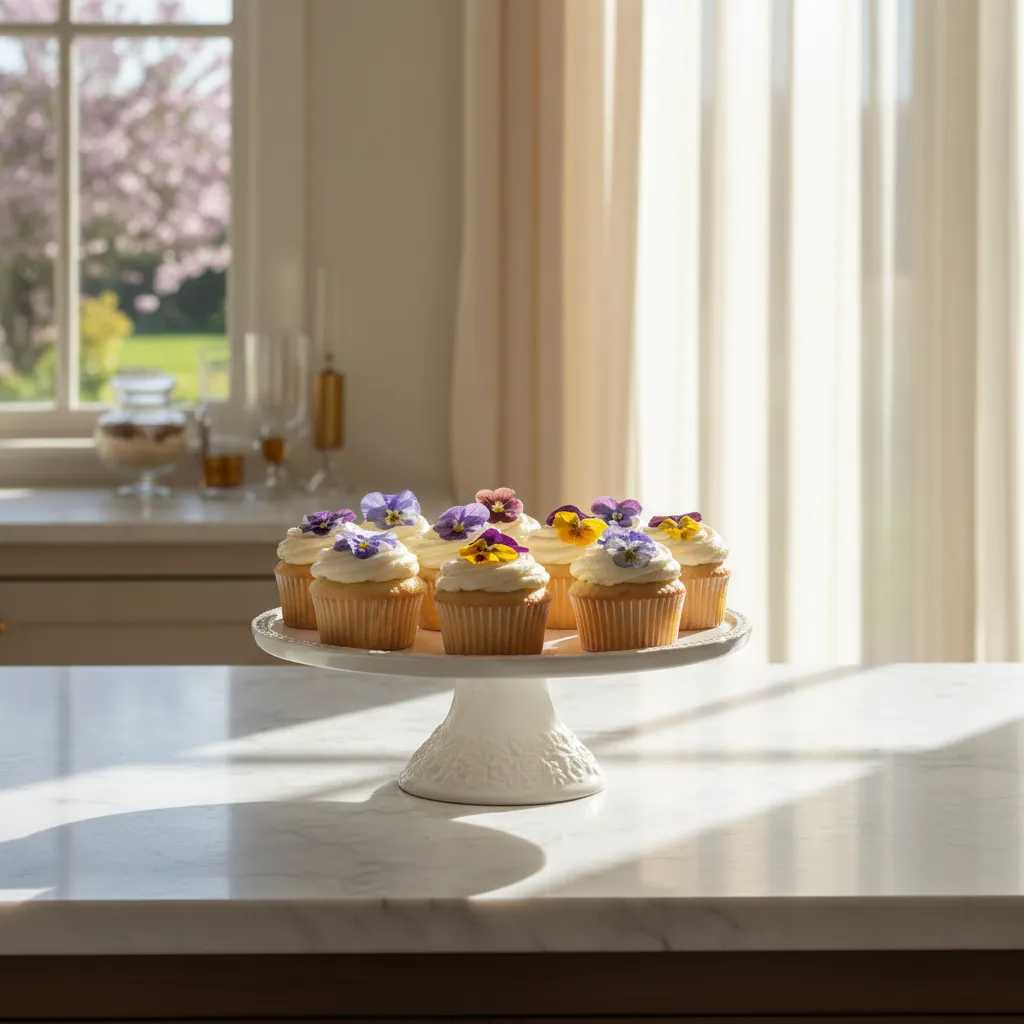
Bringing the garden indoors creates a seamless transition between nature and culinary art. Pressed edible flowers offer a sophisticated aesthetic.
This design choice mirrors the biophilic trends currently dominating interior architecture. It focuses on organic materials and natural palettes.
The texture of a pressed pansy or viola adds a delicate, paper-thin contrast to the density of buttercream. It transforms a simple treat into a focal point.
Functionality is key when working with botanical elements. Unlike fresh blooms, pressed flowers lay flat against the frosting.
This ensures the decoration remains intact during transport. It solves the common issue of wilting garnishes that often plague three-dimensional designs.
Nature provides the most sophisticated color palettes; we simply curate them for the table.
The Garden Edit
- Accelerate the pressing process by placing fresh blooms between parchment paper sheets and microwaving them in short, 10-second bursts until moisture-free.
- Use culinary tweezers for precise application; the warmth and oil from your fingertips can easily damage delicate petals or smudge the frosting.
- Ensure safety by sourcing only organic, pesticide-free flowers specifically grown for consumption, rather than using blooms from standard florist bouquets.
Selecting the Right Botanicals

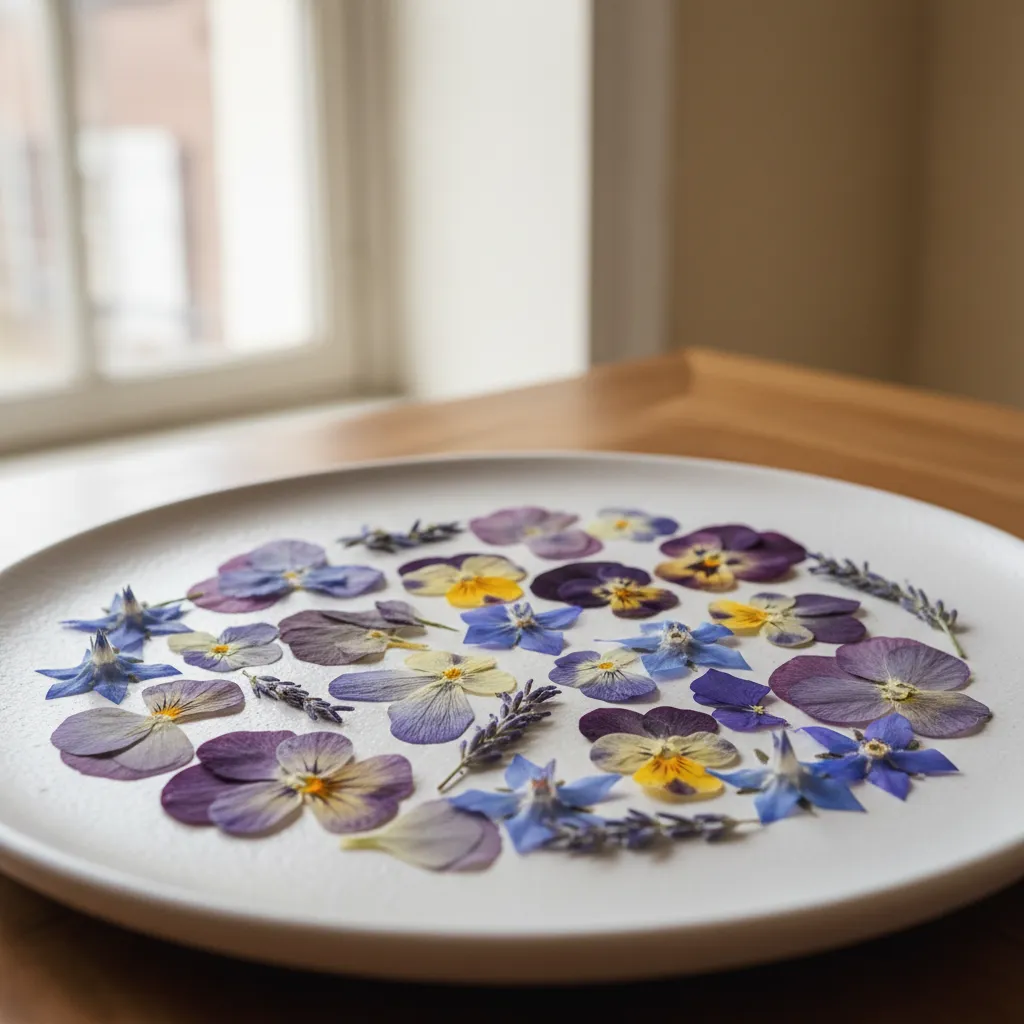
Not all blooms are suitable for consumption or pressing. You must ensure the flowers are grown without pesticides to maintain safety.
The visual impact relies on selecting varieties that retain their vibrancy after pressing. Deep purples and bright yellows tend to hold their hue best.
For those curating a full dessert table, these floral accents pair beautifully with Best Spring Cookies Recipes Easter Desserts: Design Guide.
Consider the flavor profile of the flower before application. The taste should complement, not overpower, the sweetness of the cake.
Edible Flower Flavor Profiles
- Pansies: These offer a mild, slightly grassy flavor. They work exceptionally well with vanilla or lemon profiles due to their subtle taste.
- Lavender: Known for a potent floral aroma. Use these sparingly with dark chocolate or honey-based frostings to avoid a soapy aftertaste.
- Violas: These small blooms possess a sweet, wintergreen nuance. Their diminutive size makes them perfect for mini-cupcakes or intricate patterns.
- Roses: The petals provide a classic floral essence. Ensure the white base of the petal is removed as it can introduce bitterness.
- Hibiscus: Offers a tart, berry-like flavor. This acidity cuts through rich cream cheese frostings effectively.
Flowers have always been a part of my life… and my cooking. They add color, texture, and flavor to everything from salads to desserts.
Miche Bacher, Cooking with Flowers
Bloom Expert Secrets
- To maintain the most vibrant hues, press your flowers between sheets of parchment paper immediately after picking to lock in those deep purples and bright yellows.
- Always trim away the bitter white ‘heel’ at the base of rose petals before application to ensure the flavor remains sweet and floral.
- When sourcing flowers, specifically look for ‘culinary grade’ labels to guarantee they have been grown without systemic pesticides and are safe for ingestion.
Application Techniques for Longevity

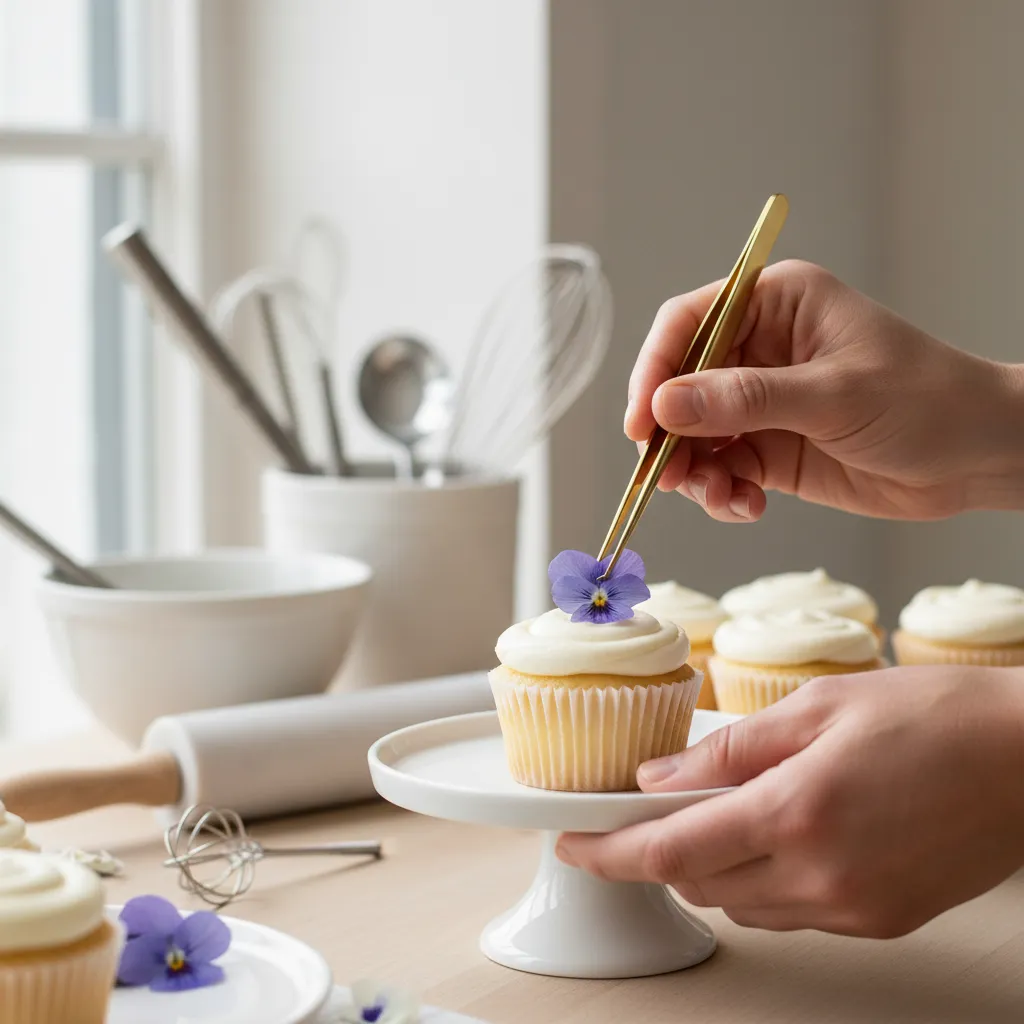
Moisture is the enemy of pressed botanicals. Apply the flowers immediately before serving to prevent them from rehydrating and losing their crisp texture.
If preparing ahead, place the flowers on a disc of fondant rather than directly on buttercream. The fondant acts as a barrier against moisture transfer.
This technique mimics the layering found in Spring Charcuterie Board Dessert Ideas for Entertaining.
Store your pressed flowers in an airtight container away from direct sunlight. UV exposure can fade the delicate pigments quickly.
Proper zoning on the cupcake surface is essential. Center a single large bloom for a modern look, or scatter small petals for a rustic vibe.
Petal Perfection Hacks
- Use sterile tweezers for precise placement to avoid natural oils from your fingers transferring to the delicate petals.
- Apply a micro-thin layer of melted white chocolate to the back of the bloom to create a waterproof barrier against moist frosting.
- For maximum color vibrancy, keep your finished cupcakes in a dark, cool place until the very moment they hit the dessert table.
Pastel Ombre Swirls for a Soft Seasonal Aesthetic

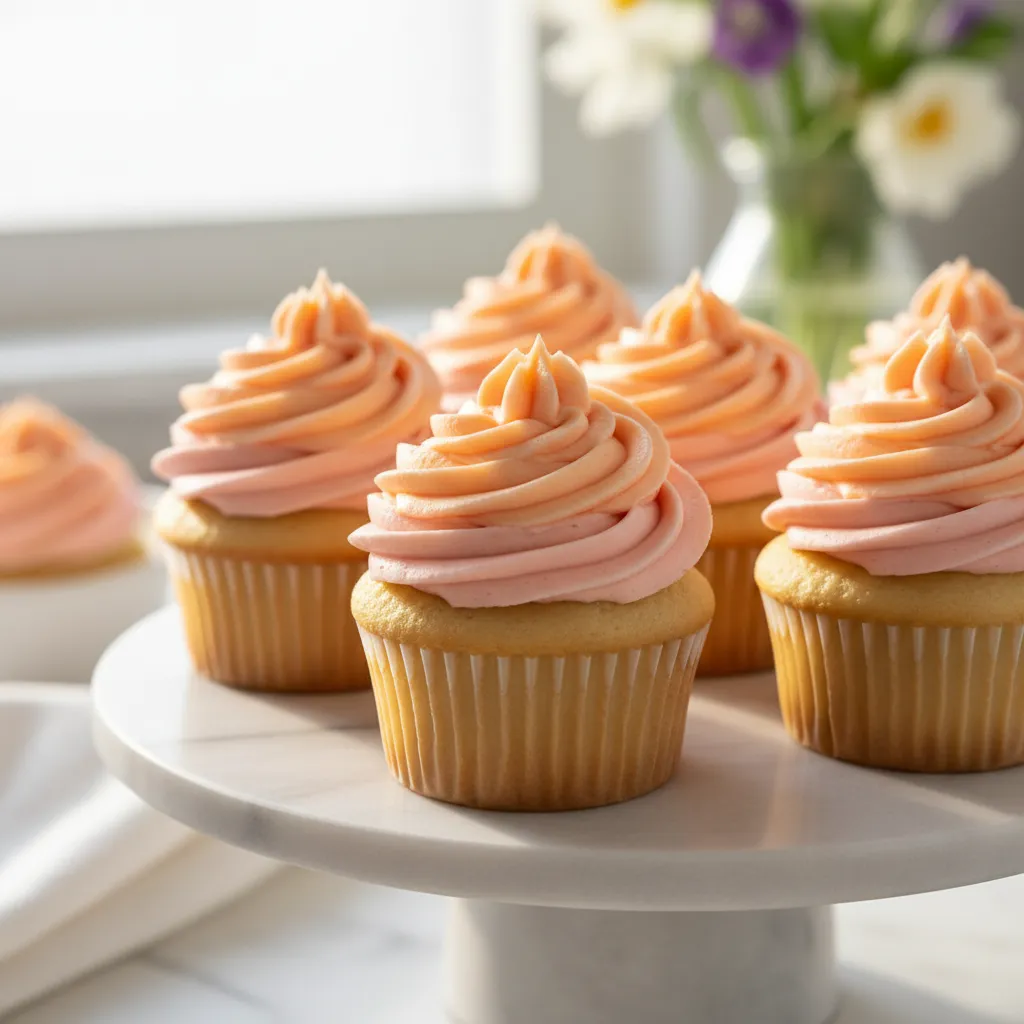
Nothing captures the essence of spring quite like the gentle transition of colors found in an ombre swirl. This design choice mimics the natural blooming process of seasonal flowers.
The gradient effect adds a layer of sophistication to your dessert table without requiring complex tools. It creates a cohesive visual flow that guides the eye across the display.
Achieving this velvety look relies on the consistency of your buttercream. A stiff meringue-based frosting holds the intricate edges of the piping tip better than softer glazes.
Ombre is not just a color trend; it is a visual whisper of spring’s arrival that softens the entire room.
Functionally, a tall and dense ombre swirl seals the moisture inside the cake. This ensures your treats remain fresh and tender throughout an open-air garden party or brunch.
When selecting your palette, consider the surrounding decor. Soft blush tones pair beautifully with neutral settings, similar to how pink wallpaper and lighting can transform a room’s atmosphere.
Mastering the Color Transition

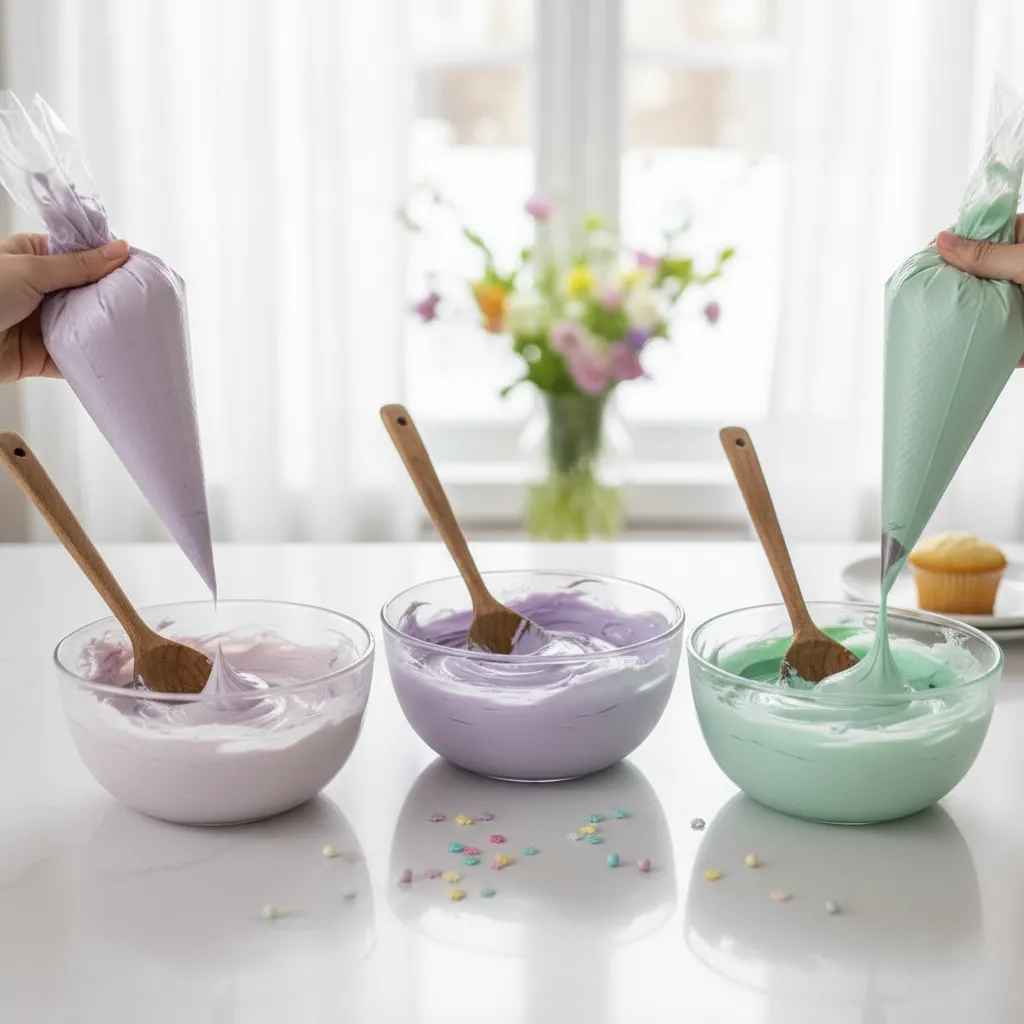
The secret to a seamless fade lies in the preparation of the piping bag. You do not need to mix twenty different shades to achieve a professional gradient on your cupcakes.
Start by placing a dark shade of your chosen color against the wall of the piping bag. Fill the center with white or a pale pastel to create a natural blend as you apply pressure.
These delicate swirls are ideal for high-stakes hosting events. They serve as a stunning centerpiece alongside other elegant Easter sweet treats during a gourmet brunch.
To ensure your design is both beautiful and structurally sound, use the following equipment checklist. This guarantees the frosting maintains its height and texture.
- Closed Star Tip (1M or 2D): Essential for creating deep ridges that catch the light and emphasize the color variation.
- Gel Food Coloring: Provides vibrant pigment without thinning the frosting consistency, preventing the swirl from collapsing.
- Heavyweight Piping Bags: Prevents bursting under pressure when piping stiff buttercream for defined architectural swirls.
- Turntable: Allows for a continuous motion while piping, ensuring the ombre spiral is symmetrical and centered.
Lighting plays a crucial role in how these colors are perceived. Place your display near natural light to enhance the soft, airy quality of the pastel tones.
Pastels are having a major moment… they feel fresh, optimistic, and happy. They are color therapy.
Emily Henderson, Style by Emily Henderson
Avoid harsh overhead lighting, which can wash out the subtle gradients. A warm ambient glow will highlight the texture of the frosting and make the colors pop.
The Ombre Edit
- Paint a single stripe of concentrated gel coloring or dark frosting down the inside wall of your piping bag before filling with white to achieve a seamless professional gradient in one squeeze.
- For the most architectural ridges chill your buttercream for ten minutes before piping to ensure the star tip’s definition stays sharp and resists wilting in warmer rooms.
- Always start your swirl from the outer edge and move inward in a steady spiral to create a wide stable foundation that supports a taller and more dramatic peak.
Minimalist Lemon Twist and Fresh Herb Garnishes

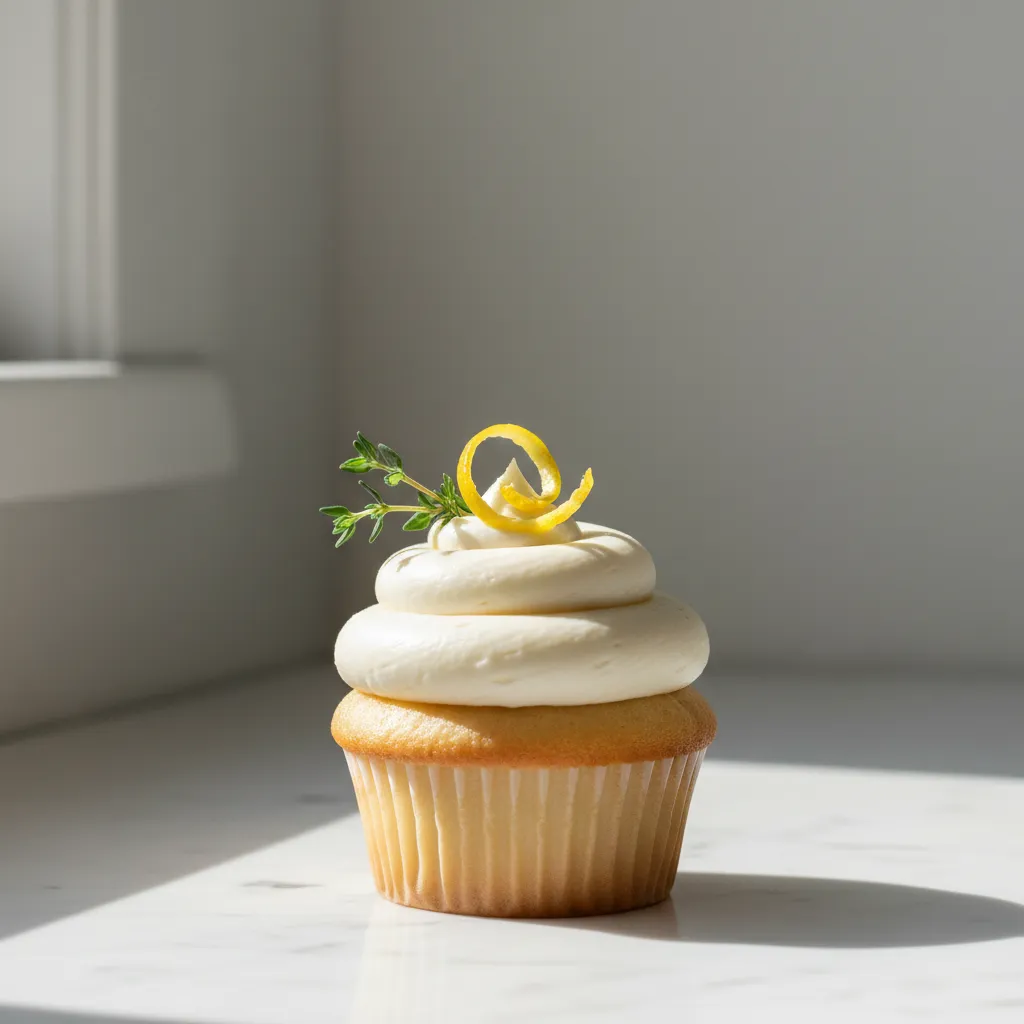
Simplicity often speaks louder than complex designs in culinary presentation. Adopting a minimalist approach allows the quality of ingredients to shine.
Using organic elements like citrus peels adds a vibrant pop of color without artificial dyes. The texture of a zest curl creates a focal point.
This design choice mirrors modern interior trends that favor neutral palettes with organic accents. It brings an earthy elegance to the dessert table.
True elegance in design is found in the subtraction of the unnecessary, leaving only the essential beauty of nature.
The Art of the Citrus Twist

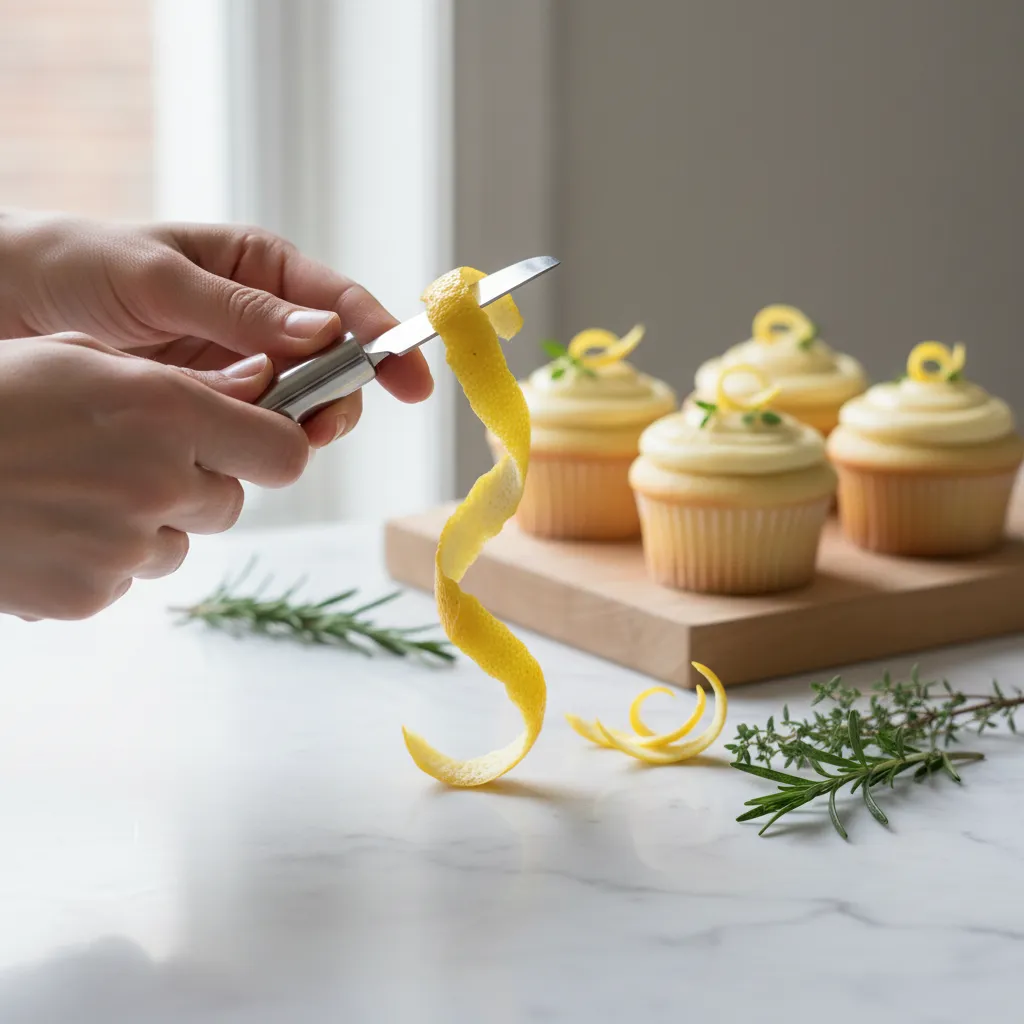
A perfect twist requires the right tools to ensure clean, sharp edges. A professional channel knife creates uniform strips that hold their shape.
The functionality of this garnish extends beyond visuals. The act of twisting the peel releases essential oils, adding a fresh aroma to the frosting.
For those interested in flavor profiles, understanding how citrus interacts with batters is key. You can apply similar principles found in lemon blueberry muffin recipes to your cupcake bases.
Place the curl centrally on the cupcake to guide the eye. This creates a sense of balance and symmetry, which is crucial for a polished look.
Herb Pairings for Spatial Depth

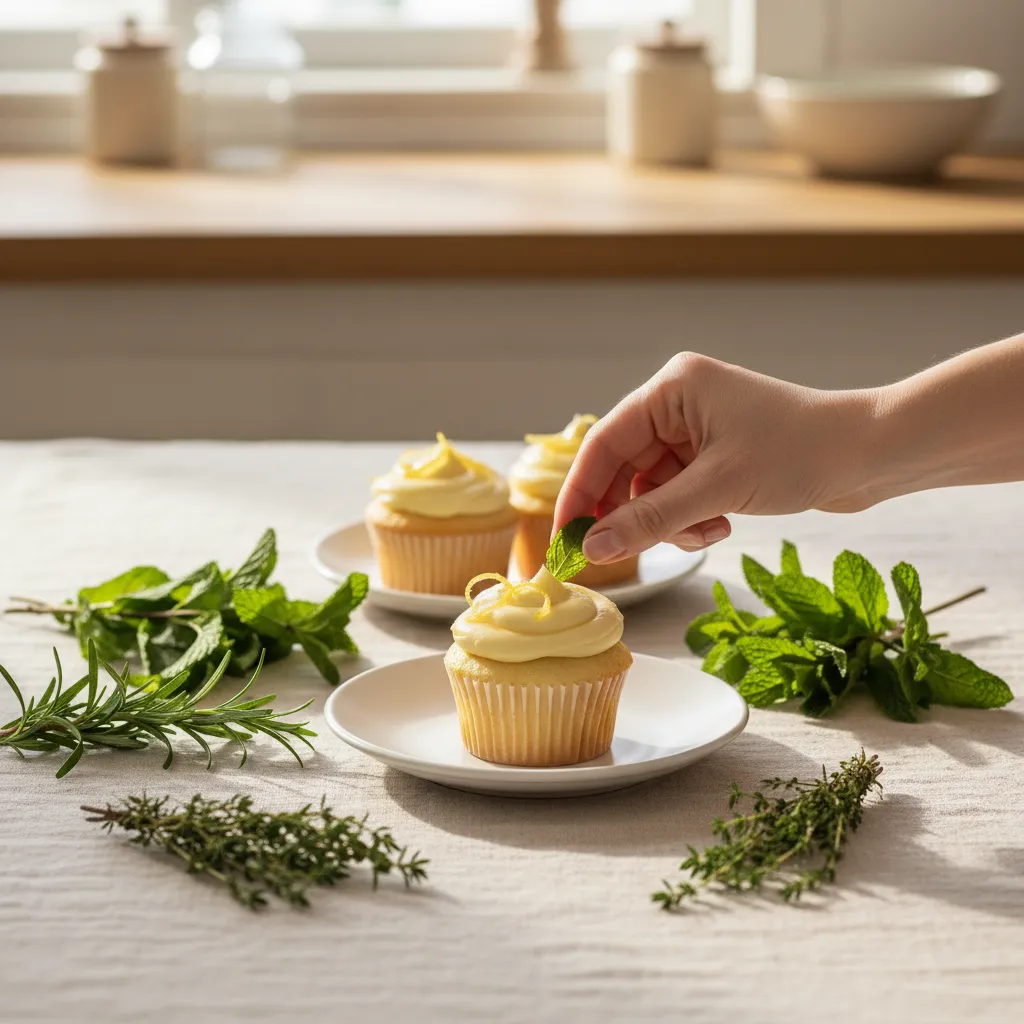
Fresh herbs introduce an architectural quality to soft frostings. A sprig of rosemary or thyme adds height and breaks up the visual softness.
Ensure all herbs are washed and completely dry before placement. Moisture can dissolve sugar structures, ruining the finish of your buttercream.
The details are not the details. They make the design.
Charles Eames, Eames Office Design Q&A
The contrast of deep green against white or pastel icing is striking. It mimics the color blocking techniques used in spring cookie designs for a cohesive spread.
Select herbs with woody stems for better structural integrity. Soft herbs like basil may wilt too quickly in warm room temperatures.
Flavor and Aesthetic Pairing Guide
Choosing the right botanical element requires balancing flavor intensity with visual appeal. Use this guide to select the perfect minimalist topper.
| Botanical Element | Visual Aesthetic | Flavor Profile | Styling Tip |
|---|---|---|---|
| Lemon Thyme | Delicate, tiny leaves | Subtle citrus earthiness | Place three sprigs off-center. |
| Candied Ginger | Translucent gold geometric | Spicy, sweet heat | Slice into thin, tall shards. |
| Fresh Mint | Vibrant, serrated green | Cooling and refreshing | Select only the smallest top leaves. |
| Lavender Bud | Soft purple texture | Floral and aromatic | Scatter sparingly to avoid perfume taste. |
The Finishing Flourish
- Chill your citrus in the freezer for ten minutes before using a channel knife to achieve the sharpest, most defined zest curls that hold their shape.
- Use culinary tweezers for placing delicate herb sprigs to maintain the pristine surface of your frosting and ensure precise minimalist positioning.
- If using softer herbs like mint, keep them in an ice bath until the moment of service, then pat completely dry to prevent wilting and moisture damage to the buttercream.
Sculpted Fondant Butterfly and Bee Toppers

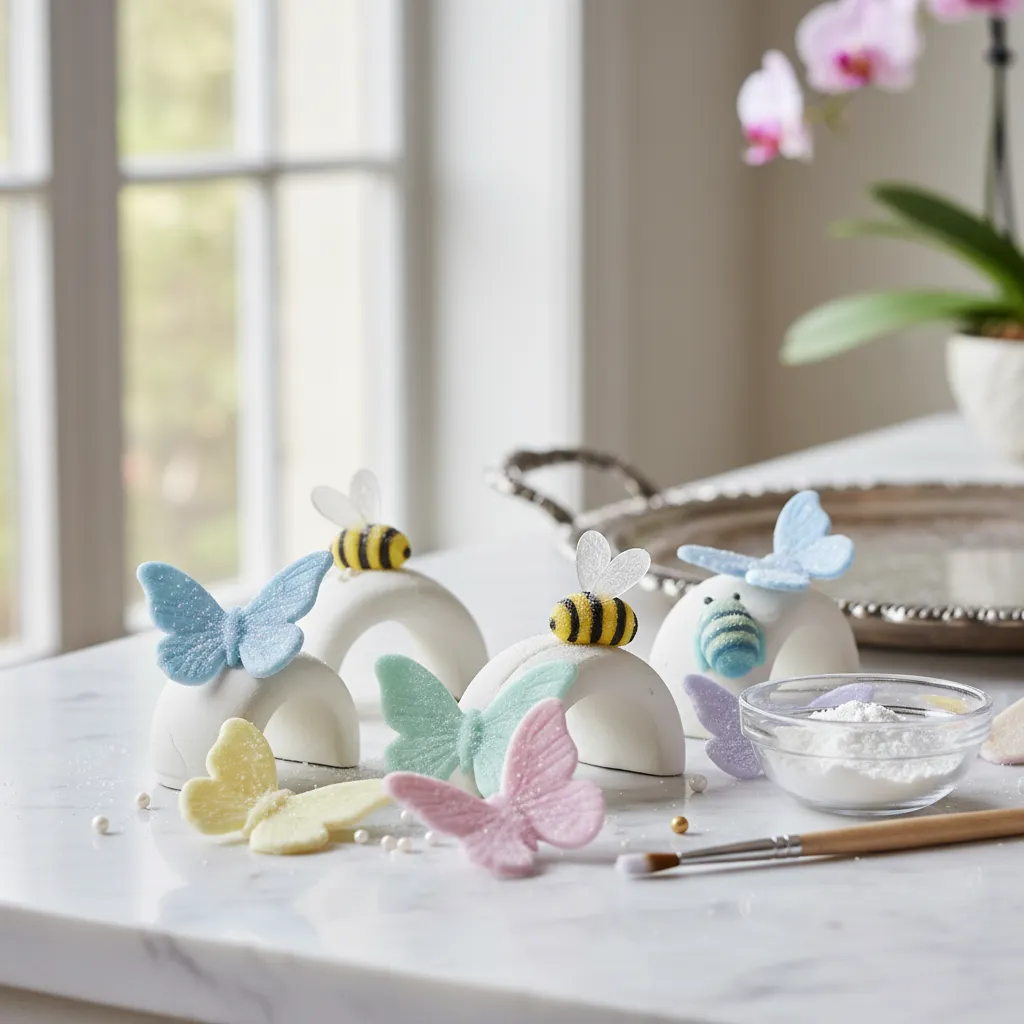
Sculpted fondant introduces a sophisticated architectural element to your spring dessert table. These edible sculptures transform a standard cupcake into a dynamic 3D art piece.
By lifting the decoration off the frosting surface, you create vertical interest and negative space. This approach mimics the movement of a garden in bloom, adding life to your presentation.
The key to professional results lies in the drying process. You must allow the wings to set on a curved surface, such as a flower former or a simple cardboard tube, to capture the illusion of flight.
Sugar artistry turns a fleeting moment of sweetness into a lasting visual memory.
Creating Translucent Wings

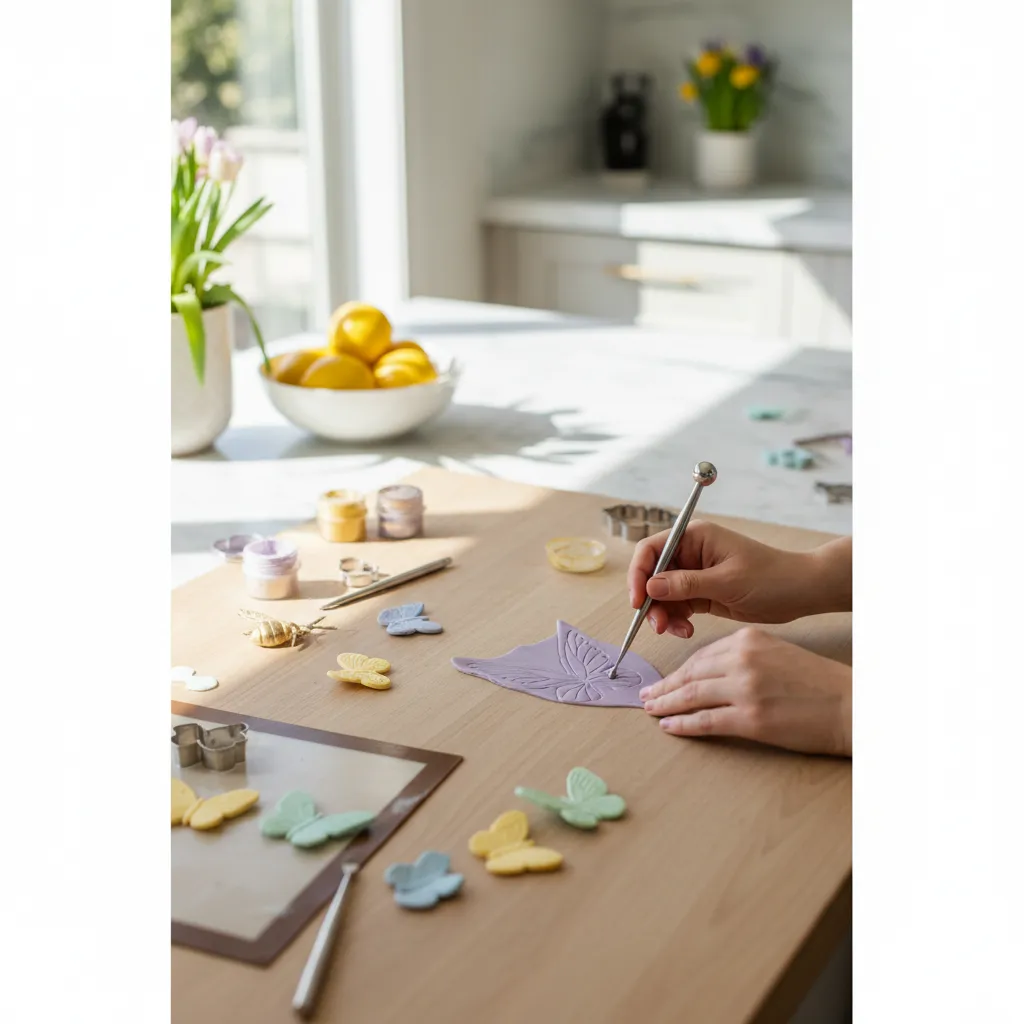
To achieve the delicate look of butterfly wings, standard fondant is often too soft. We recommend mixing in tylose powder or using gum paste to allow for thinner rolling without breakage.
Roll the medium until it is nearly translucent. Use a veining tool to press organic lines into the wings, radiating outward from the center. This texture catches the ambient light beautifully.
For a sophisticated finish, consider a marbled effect. Knead two complimentary pastel shades together briefly, stopping before they blend completely, to mimic natural asymmetry.
To attach your fondant decorations… use a small dab of water or edible glue. Too much liquid will cause the sugar to dissolve and slide.
The Wilton Team, Fondant 101
Textural Contrast with Bees
While butterflies rely on thinness and span, bumblebees offer an opportunity to play with density and texture. They provide a grounding visual weight to the airy butterfly toppers.
Create the body using yellow fondant, then paint the stripes using black gel food coloring mixed with a drop of vodka. The alcohol evaporates quickly, leaving a crisp and matte finish.
For the wings, consider using slivered almonds for a rustic look, or gelatin sheets for a modern, glass-like appearance. This variation in materials adds complexity to the overall design.
If you are planning a larger event, these toppers pair exceptionally well with spring charcuterie board dessert ideas for a cohesive theme.
Essential Sculpting Tools
Achieving a professional finish requires specific tools that go beyond standard kitchen equipment. The following items are crucial for refined sugar work.
- Ball Tool: Essential for thinning the edges of wings to create a ruffled, natural movement rather than a blunt cut.
- Drying Rack: A curved surface is non-negotiable for lifelike positioning. Flat drying results in static, lifeless insects.
- Edible Glue: More reliable than water, this secures heavy bodies to delicate wings without compromising structural integrity.
- Dusting Pouch: Filled with cornstarch, this prevents sticking and ensures a matte, fabric-like finish on the fondant surface.
Once dry, these toppers become durable enough to handle. They can be prepared weeks in advance, making them a practical choice for high-volume hosting or complex event logistics.
Store your finished pieces in a cardboard box away from direct sunlight and humidity. Avoid airtight plastic containers, as trapped moisture can cause the sugar wings to wilt and lose shape.
For a complete party aesthetic, you might coordinate these treats with sophisticated wedding party favors that echo the garden motif.
Pro Sculpting Secrets
- To prevent wings from wilting or losing their shape, always store finished toppers in a cardboard box rather than airtight plastic, which can trap moisture.
- For the most realistic butterfly wings, use a ball tool to thin the very edges of the fondant on a foam pad to create a delicate, ruffled effect.
- Add a professional shimmer by lightly brushing your dried toppers with edible luster dust for a subtle, iridescent glow that catches the light.
Curating Your Edible Spring Garden
Mastering the art of spring cupcake decoration requires a balance of structure and aesthetics. The right tools transform simple frosting into botanical sculptures.
Whether utilizing Russian piping tips for instant volume or applying pressed flowers for organic detail, precision remains key. Texture dictates the success of your design.
Embrace these techniques to elevate your seasonal table. With practice, you can curate a dessert spread that is as visually stunning as it is delicious.
The Baker’s Blueprint: Common Queries
You need a stiff American buttercream. Soft icings like Swiss meringue often collapse under the weight of the 3D flower structure, losing petal definition.
Use the double-bagging method. Spread a dark color on the piping bag’s inner wall and fill the center with a lighter shade to mimic natural gradients.
Only if they are specific culinary varieties grown without pesticides. Always verify that a species is edible, such as violas or pansies, before serving.
The frosting is likely too warm or too soft. Chill your hands and the piping bag, or add more powdered sugar to stiffen the mixture for better structural integrity.