
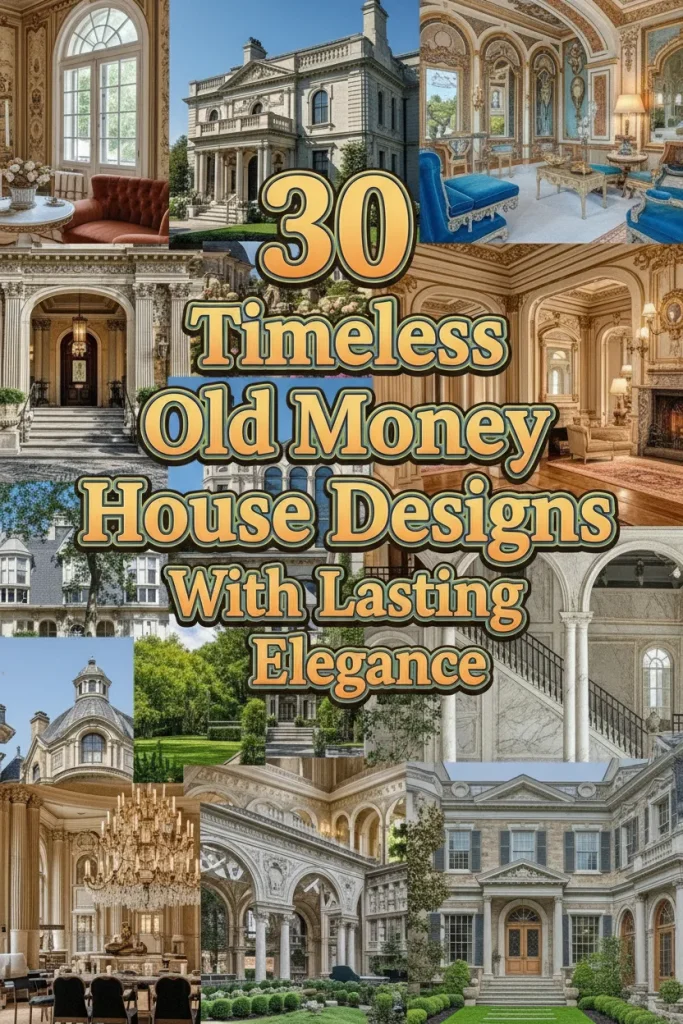

The concept of old money design is rooted in the idea of quiet luxury and inherited quality. These homes do not shout for attention but instead command respect through their history and craftsmanship.
True elegance in architecture is found in the balance of proportions and the use of natural materials. Stones, hardwoods, and marbles that age gracefully over centuries are the hallmarks of this aesthetic.
In this exploration, we will look at thirty distinct architectural styles that define the upper echelons of society. These designs have survived trends and remain as relevant today as they were a century ago.

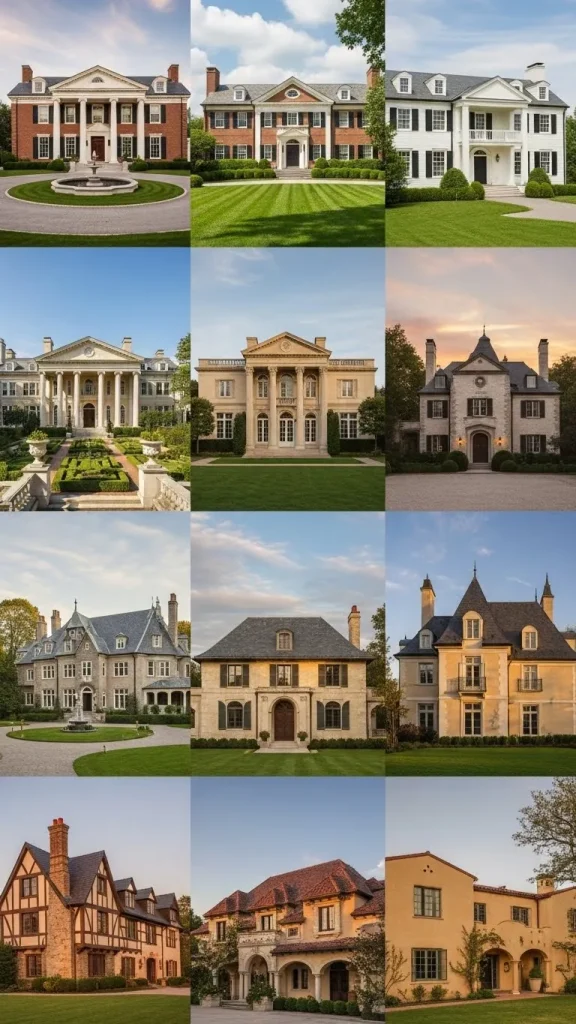
1. The Georgian Manor
The Georgian Manor is the quintessential example of symmetry and order in residential design. It relies on a mathematical approach to beauty that creates a sense of permanent stability.
These homes usually feature a brick or stone facade with a centered entrance and an equal number of windows on either side. The simplicity of the exterior hides a wealth of interior detail.
Inside, one often finds high ceilings and intricate plasterwork that reflects a deep appreciation for classical art. It is a style that favors the library and the formal dining room above all else.
DIY Tips
- Add classic wainscoting to your hallways to create a sense of architectural depth.
- Replace modern light fixtures with brass or crystal chandeliers to evoke a historical feel.
- Use a palette of muted tones like sage green or antique white for your primary walls.

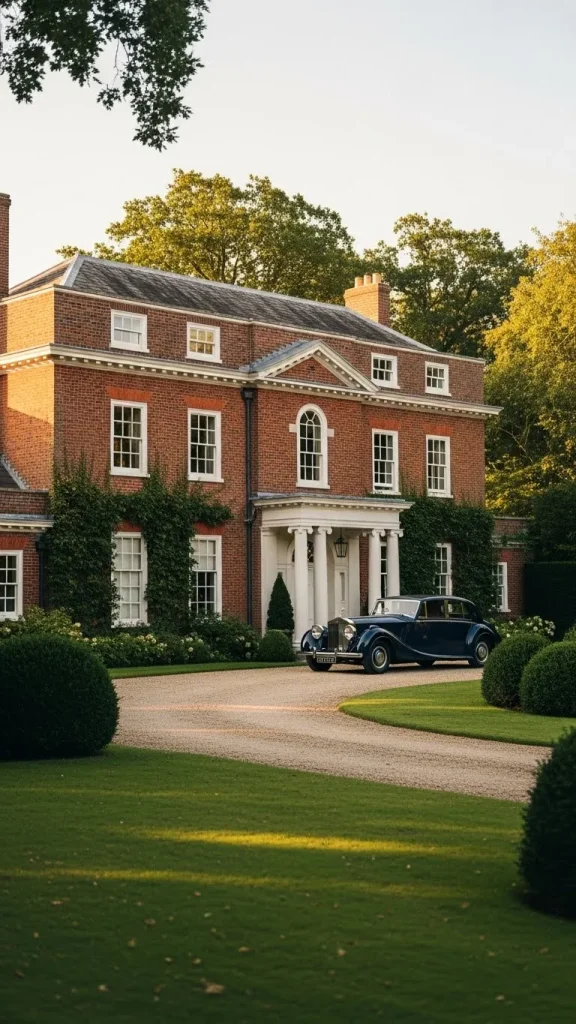
2. The French Chateau Influence
Inspired by the grand estates of the Loire Valley, the French Chateau style brings a sense of romance to the landscape. It is characterized by its steep rooflines and ornate stonework.
These houses often feature towers or turrets that give them a fairy tale appearance without losing their sense of gravitas. Large arched windows allow natural light to flood the expansive interior spaces.
The use of limestone is common in these designs, providing a soft and glowing exterior that changes with the light. It is a style that celebrates grand entrances and sweeping staircases.
DIY Tips
- Incorporate wrought iron elements into your staircase railings or outdoor gates for an old world touch.
- Use oversized mirrors with gilded frames to mimic the grand halls of French estates.
- Plant manicured boxwood hedges along your front walkway to create a formal garden entry.

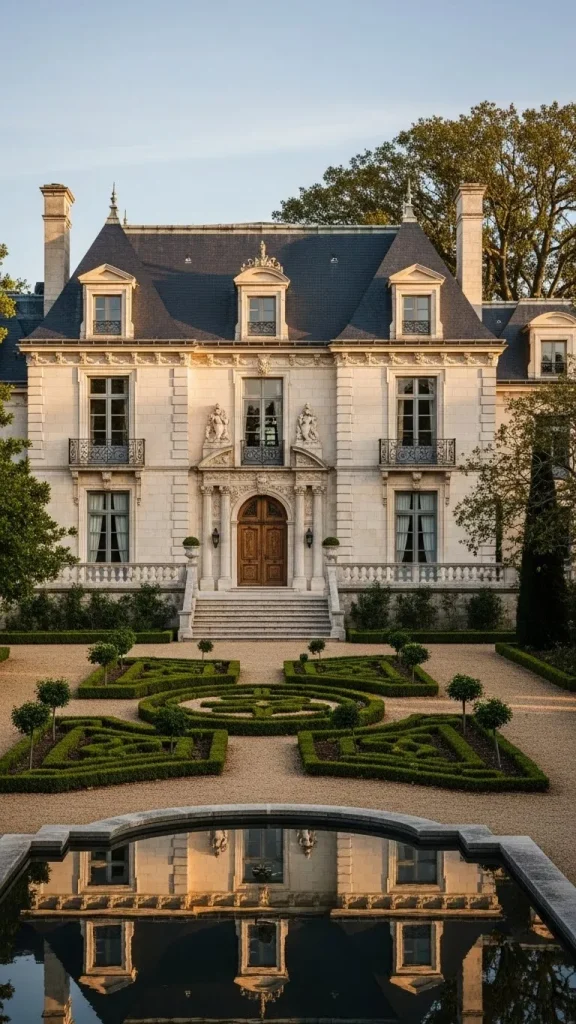
3. The English Tudor Estate
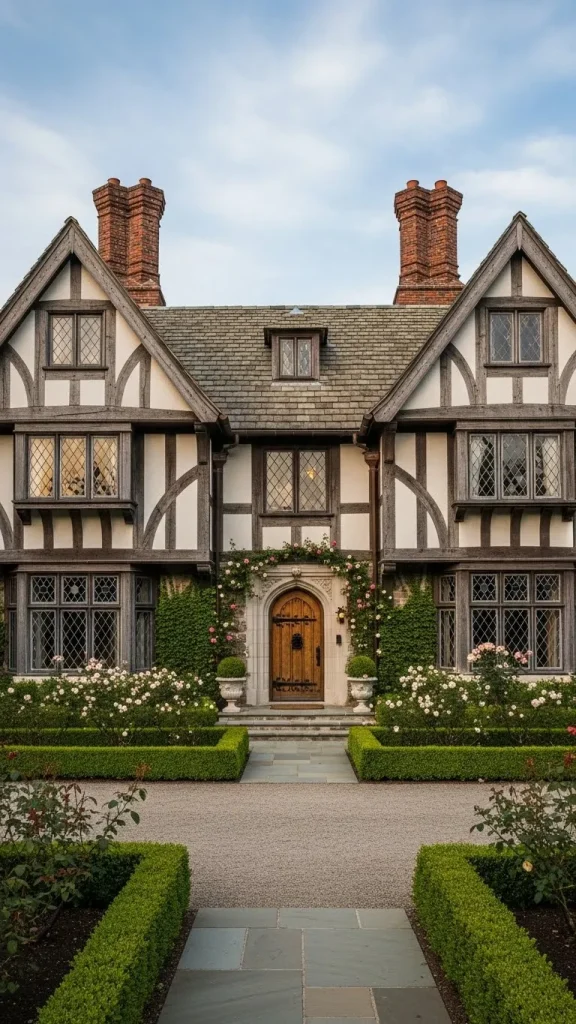
The English Tudor style is easily recognized by its decorative half timbering and steep gables. It evokes the feeling of a historic village and a connection to the forested lands of Britain.
These homes often use a combination of brick, stone, and wood to create a textured and visually interesting facade. Narrow windows with leaded glass add to the sense of privacy and seclusion.
Inside, massive stone fireplaces serve as the heart of the home, providing warmth and a focal point for family gatherings. Dark wood paneling is frequently used to create a cozy and intellectual atmosphere.
DIY Tips
- Apply dark wood stains to existing ceiling beams to replicate the look of structural timber.
- Choose heavy velvet curtains in deep jewel tones like burgundy or emerald to frame your windows.
- Install a stone veneer around a modern fireplace to give it a more historical and rugged appearance.

4. The Federal Style Mansion
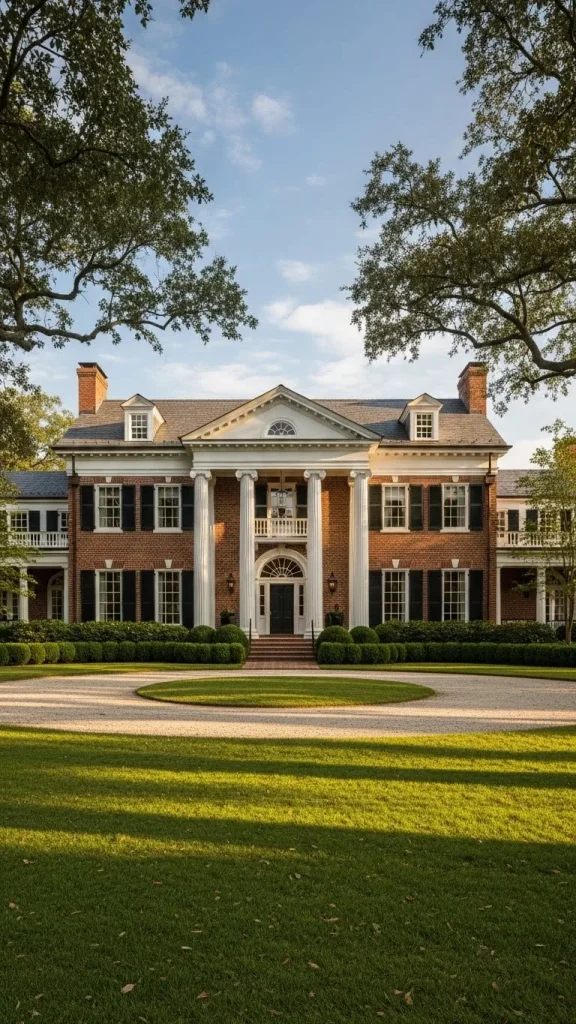
The Federal style is a refinement of Georgian architecture that rose to prominence in the early United States. It is known for its lighter and more delicate decorative elements.
An iconic feature of this design is the fanlight window located above the front door. This adds a touch of grace to the otherwise straight lines of the brick exterior.
These homes often incorporate curved rooms or elliptical staircases that show a high level of craftsmanship. It is an architecture of diplomacy and understated power that fits perfectly in historic neighborhoods.
DIY Tips
- Install a decorative fanlight or a similar glass insert above your main entrance to brighten the foyer.
- Use slender pilasters on your fireplace mantel to give it a more refined and delicate look.
- Opt for polished brass hardware on all your doors to provide a consistent and classic metallic accent.

5. The Italianate Villa
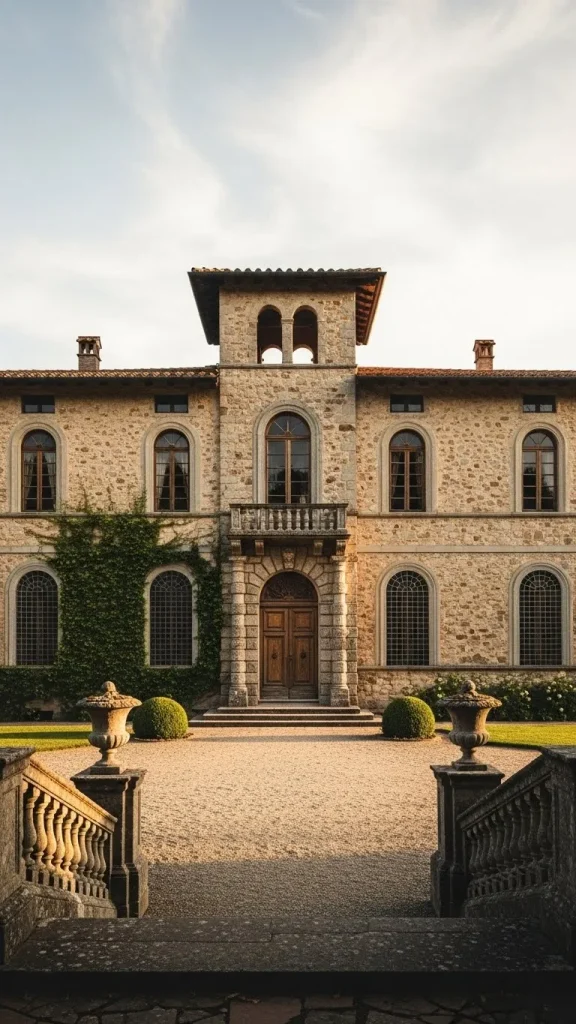
The Italianate style draws inspiration from the rambling farmhouses of the Italian countryside. It features wide eaves supported by decorative brackets that create interesting shadows on the walls.
These homes often include a square tower or a cupola that offers views of the surrounding grounds. Flat or low pitched roofs give the structure a relaxed yet sophisticated silhouette.
Tall and narrow windows often topped with rounded arches define the verticality of the design. It is a style that encourages a connection between indoor luxury and outdoor garden living.
DIY Tips
- Add decorative wooden brackets under your roof eaves to give your home a more architectural profile.
- Create a courtyard space with a stone fountain to bring a sense of Italian tranquility to your yard.
- Use tall and thin outdoor planters to emphasize the height of your entryways and windows.

6. The Colonial Revival Classic
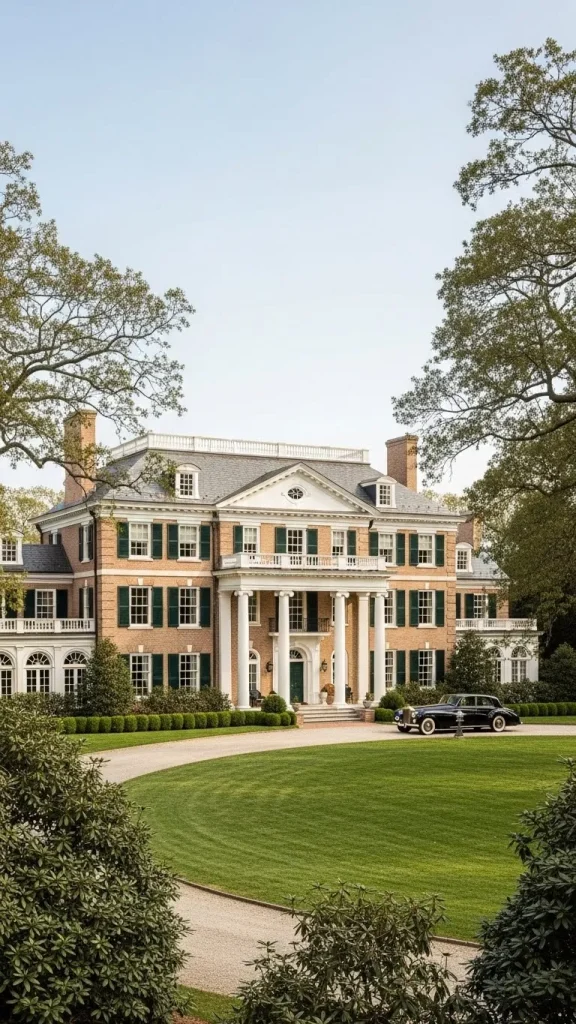
Colonial Revival is a celebration of early American heritage that became popular during the centennial celebrations. It takes the best elements of early homes and scales them for modern comfort.
These houses often feature large porches with massive columns that provide a sense of grandeur. The layout is typically formal, with a clear distinction between public and private spaces.
White siding or red brick paired with black shutters is the traditional color scheme for this enduring style. It represents a commitment to community and a respect for the foundational designs of the past.
DIY Tips
- Install shutters on your windows that are actually functional and use traditional iron hinges.
- Paint your exterior trim in a crisp white to make the primary colors of your home pop.
- Use brick pavers for your driveway or walkway to add a sense of history and texture.

7. The Greek Revival Estate
Greek Revival architecture sought to bring the dignity of ancient temples to the domestic sphere. It is dominated by massive white columns and a strong triangular pediment over the porch.
These homes are often painted entirely white to mimic the appearance of marble. The scale of the windows and doors is usually much larger than in other styles to maintain proper proportions.
Inside, the rooms are often vast and airy, featuring heavy moldings and Greek key patterns. It is a style that conveys a sense of democracy, wisdom, and lasting social standing.
DIY Tips
- Use Greek key stencils to add a classic border to your hardwood floors or area rugs.
- Swap out thin porch posts for thicker and more substantial fluted columns for a grander look.
- Decorate with plaster busts or classical sculptures to lean into the ancient Greek aesthetic.

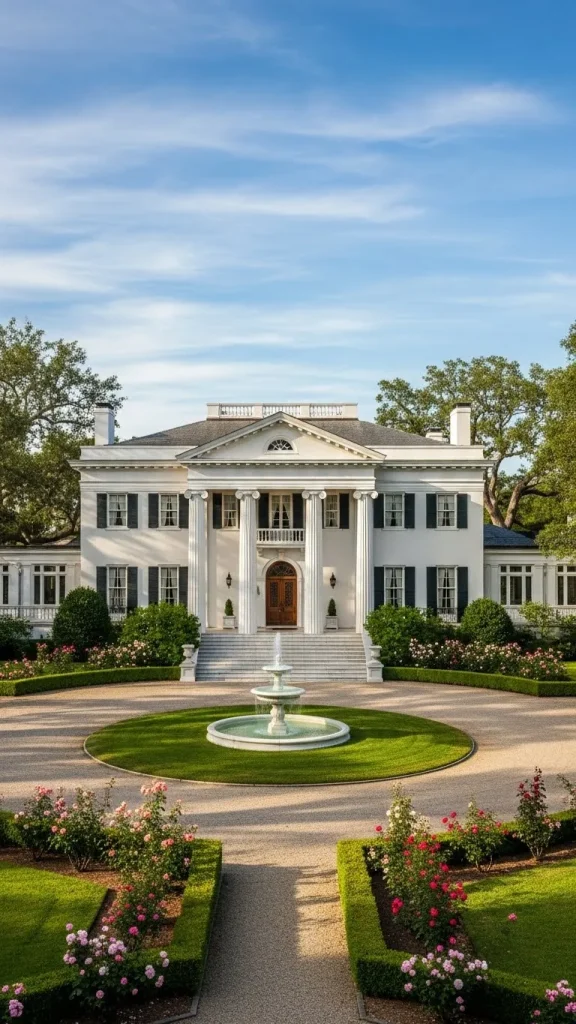
8. The Neoclassical Townhouse
Neoclassical design is a favorite in prestigious city neighborhoods where space is limited but style is not. It uses classical details in a more vertical and compact format.
Stone carvings and pilasters often decorate the facade, giving the building a sense of being carved from a single block. High windows with iron balconies allow residents to look out over the city streets.
The interiors are often designed with a sense of flow that makes the vertical living feel effortless. Rich materials like mahogany and marble are used throughout to signify wealth and taste.
DIY Tips
- Add a faux marble finish to your entry table or fireplace surround using high quality paint kits.
- Use floor to ceiling drapes to make your windows appear larger and more impressive in a small space.
- Install a small iron balcony railing outside a window to give the exterior more architectural interest.

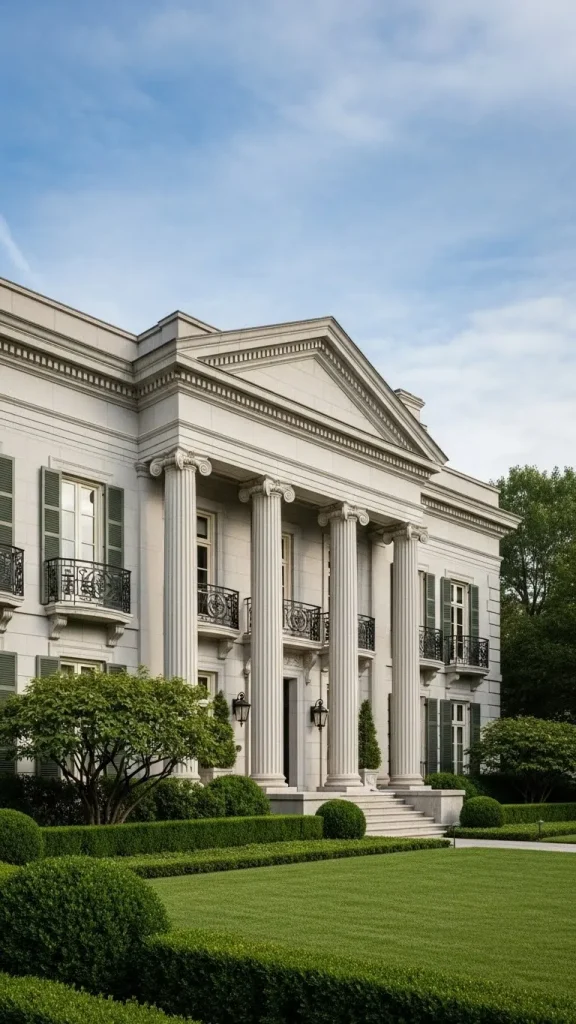
9. The Shingle Style Summer House
Shingle style architecture is synonymous with the wealthy coastal retreats of the late nineteenth century. It is a relaxed and organic style that wraps the entire house in cedar shingles.
These homes often have complex rooflines and wide porches that wrap around the corners of the building. The design is intended to blend in with the rocky shores and scrubby pines of the coast.
Inside, the focus is on comfort and hospitality, with large stone hearths and plenty of built in seating. It is the ultimate expression of old money at play, valuing nature and family over formality.
DIY Tips
- Use cedar shingles for a small shed or your home exterior and allow them to weather naturally.
- Create built in window seats with thick cushions to provide a cozy place for reading and relaxing.
- Use nautical accents like sisal rugs and brass lamps to lean into the coastal heritage of the style.

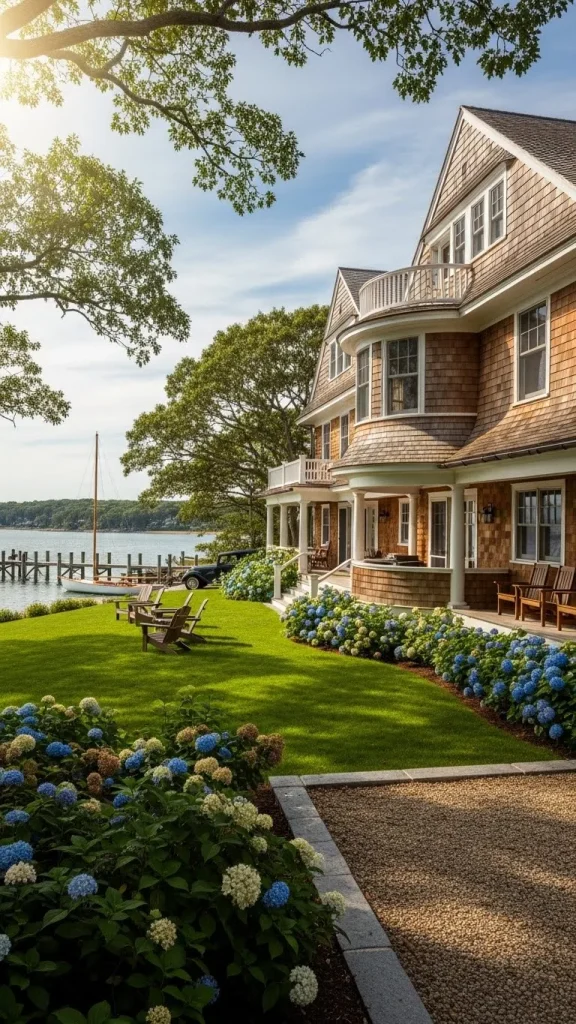
10. The Mediterranean Revival Palace
Mediterranean Revival architecture combines elements from Spain, Italy, and North Africa. It is characterized by red tile roofs and smooth stucco walls that reflect the sun.
These homes often feature beautiful courtyards with tiled floors and central fountains that provide cooling. Arched openings and heavy wooden doors are standard features that provide a sense of security.
The use of vibrant ceramic tiles for stairs and backsplashes adds a splash of color to the neutral walls. This style is perfect for warmer climates where outdoor living is a primary part of the day.
DIY Tips
- Apply a textured stucco finish to a garden wall to give it a Mediterranean feel.
- Replace standard kitchen or bathroom tiles with hand painted terra cotta patterns for a custom look.
- Hang a large decorative outdoor bell near your entrance to serve as a unique and historic doorbell.

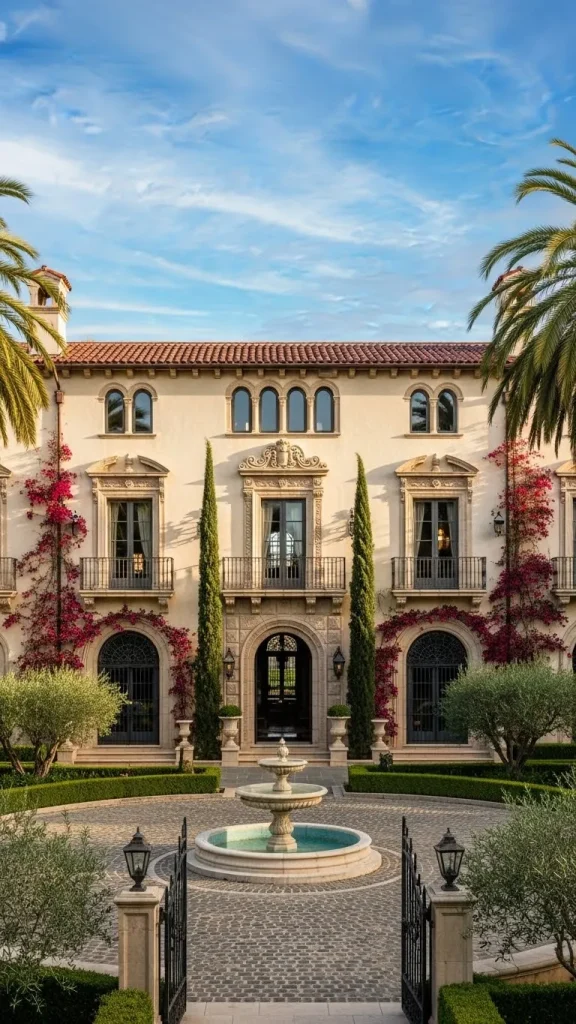
11. The Spanish Colonial Hacienda
The Hacienda style is built around the idea of a central protected courtyard that serves as an outdoor living room. It uses thick walls and small windows to keep the interior cool in high heat.
Exposed wooden beams, known as vigas, often protrude through the exterior walls, showing the structural soul of the home. The floors are typically made of dark wood or red clay tiles.
This style feels grounded and ancient, as if the house has been part of the landscape for centuries. It values the connection to the earth and the privacy of the family unit.
DIY Tips
- Use terra cotta pots of various sizes to decorate your porch or patio area for an earthy look.
- Install dark wood ceiling beams in your main living area to mimic the traditional viga construction.
- Choose furniture made of heavy and dark wood with iron hardware to match the ruggedness of the style.

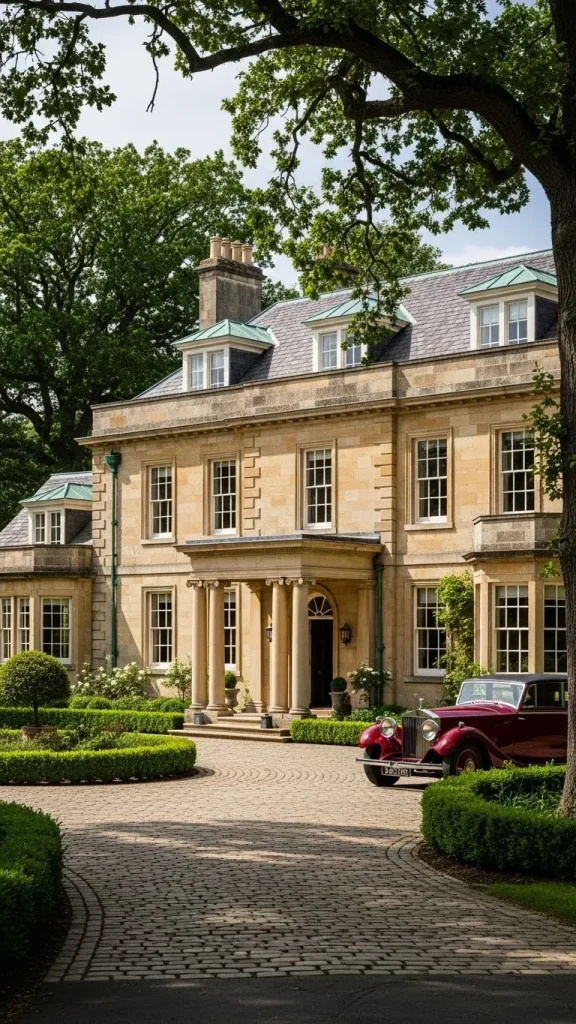
12. The Beaux Arts Residence
Beaux Arts architecture is the height of decorative grandeur and was popular during the Gilded Age. It is characterized by its use of classical motifs like garlands, swags, and medallions.
These buildings are usually constructed of light colored stone and feature a flat roof hidden behind a balustrade. The level of detail on the exterior is often unmatched by any other style.
The interiors are designed for large scale entertaining, with grand ballrooms and formal reception halls. It is a style for those who want their home to be a true monument to their success.
DIY Tips
- Add decorative plaster medallions around your ceiling light fixtures to give them a grander look.
- Use gold leaf kits to highlight the details on your picture frames or architectural moldings.
- Install a stone or concrete balustrade around your patio to create a more formal outdoor space.

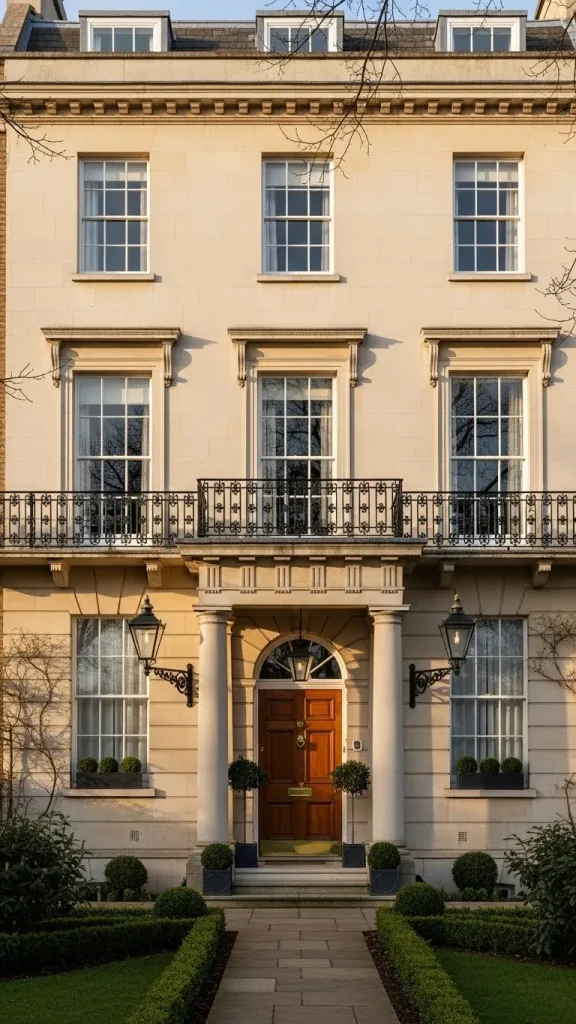
13. The Regency Style Terrace
Regency architecture is known for its elegance and the use of white painted stucco on the facade. It often features delicate ironwork and shallow curved bay windows.
These homes have a sense of lightness and grace that makes them stand out in urban environments. The use of black iron for fences and balconies creates a sharp and sophisticated contrast.
Inside, the rooms are often circular or octagonal to provide a unique and luxurious living experience. It is a style that emphasizes high fashion and social grace in every detail.
DIY Tips
- Paint your exterior walls in a very light cream or off white to replicate the stucco look.
- Use thin black metal furniture on your balcony to mimic the delicate ironwork of the period.
- Install a curved curtain rod in a bay window to emphasize the soft lines of the architecture.

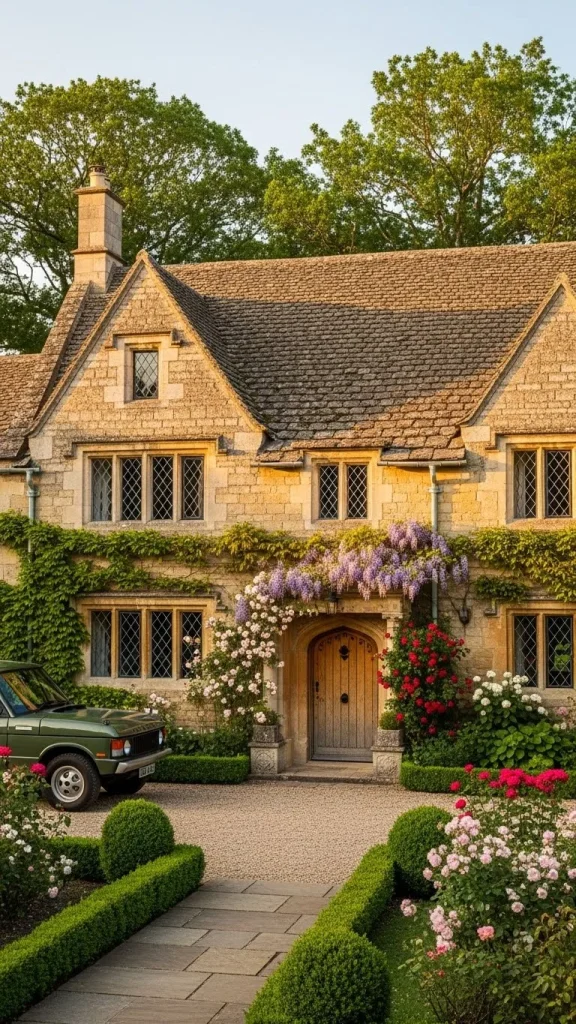
14. The Cotswold Stone Cottage
The Cotswold style is the ultimate expression of rustic English charm and lasting durability. These homes are built from thick honey colored limestone that only looks better with age.
Steeply pitched roofs made of stone slates and small dormer windows create a cozy and protected feel. The gardens around these homes are often wild and filled with climbing roses.
Inside, the low ceilings and uneven walls add to the character and history of the space. It is a design that values the local environment and the craftsmanship of the stonemason.
DIY Tips
- Use natural fieldstone to build a low garden wall that looks like it has been there for decades.
- Plant climbing hydrangea or ivy to grow up your walls and soften the look of the structure.
- Install a heavy oak door with a rounded top to give your entrance a true cottage feel.

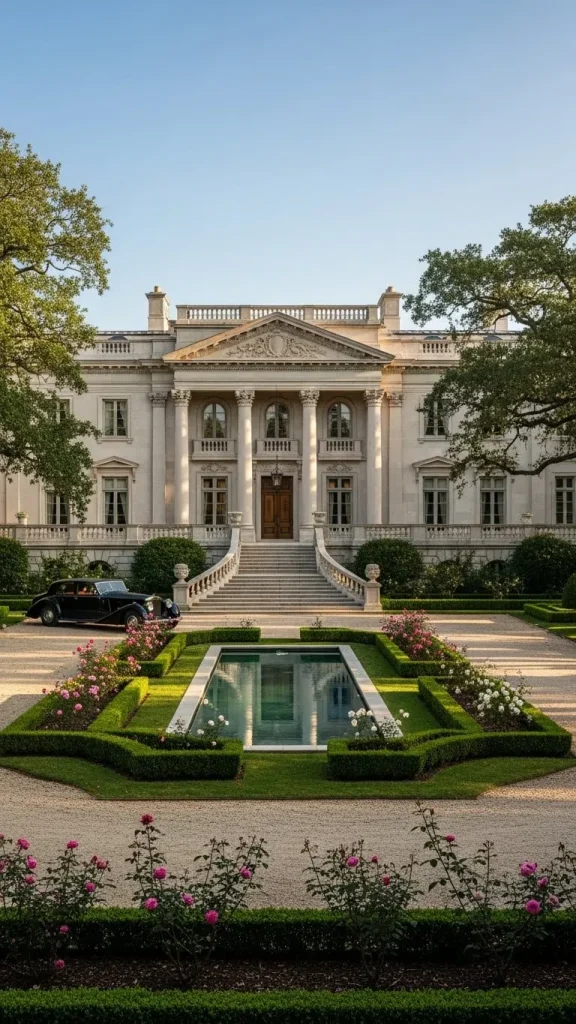
15. The Palladian Country House
Palladianism is a style based on the designs of the Italian architect Andrea Palladio. It is defined by a central building flanked by symmetrical wings or pavilions.
This layout creates a dramatic and expansive presence on the land that is perfect for large estates. The central feature is often a portico with a pediment supported by four or six columns.
The proportions of every room are carefully calculated to create a sense of harmony and peace. It is a favorite style for those who appreciate the logic and beauty of classical mathematics.
DIY Tips
- Use a large central piece of art and two smaller ones on the sides to create a Palladian arrangement.
- Install a Palladian window with its characteristic arched center to serve as a focal point in a room.
- Arrange your landscaping so that it mirrors the symmetry of your home on both sides of the lawn.

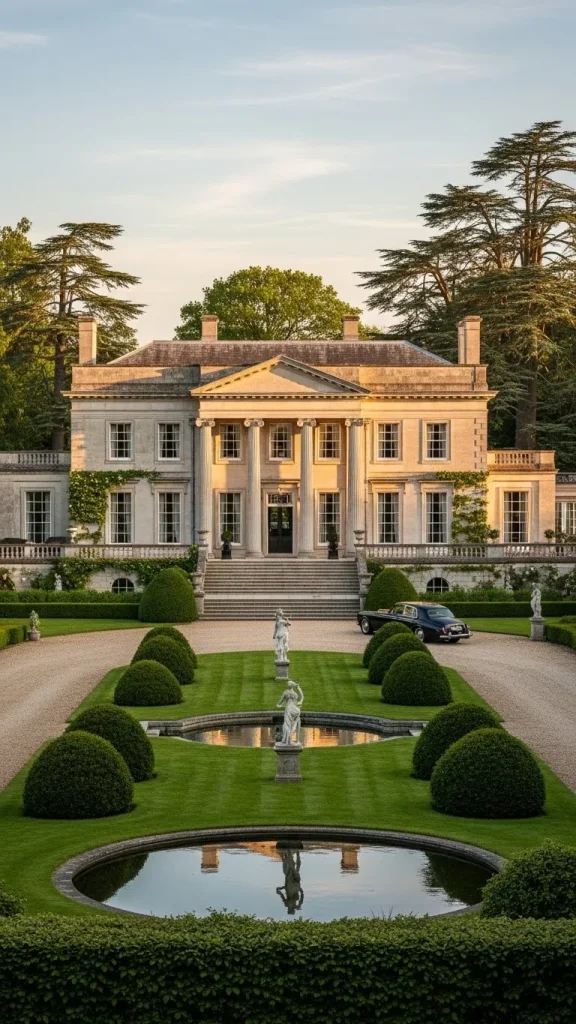
16. The Arts and Crafts Manor
The Arts and Crafts movement was a reaction against industrialization, focusing on hand made quality. These homes use local woods and stones to create a warm and honest environment.
The architecture features low rooflines with wide eaves and large porches supported by tapered columns. The focus is on the beauty of the materials and the skill of the carpenter.
Inside, you will find a wealth of built in cabinetry, stained glass, and decorative tile work. It is a style that feels incredibly solid and connected to the natural world.
DIY Tips
- Use mission style furniture with straight lines and oak wood to ground your interior design.
- Install a stained glass panel in a window that gets direct sunlight to add color and privacy.
- Build a simple wooden bookcase with hand hammered copper hardware for an authentic touch.

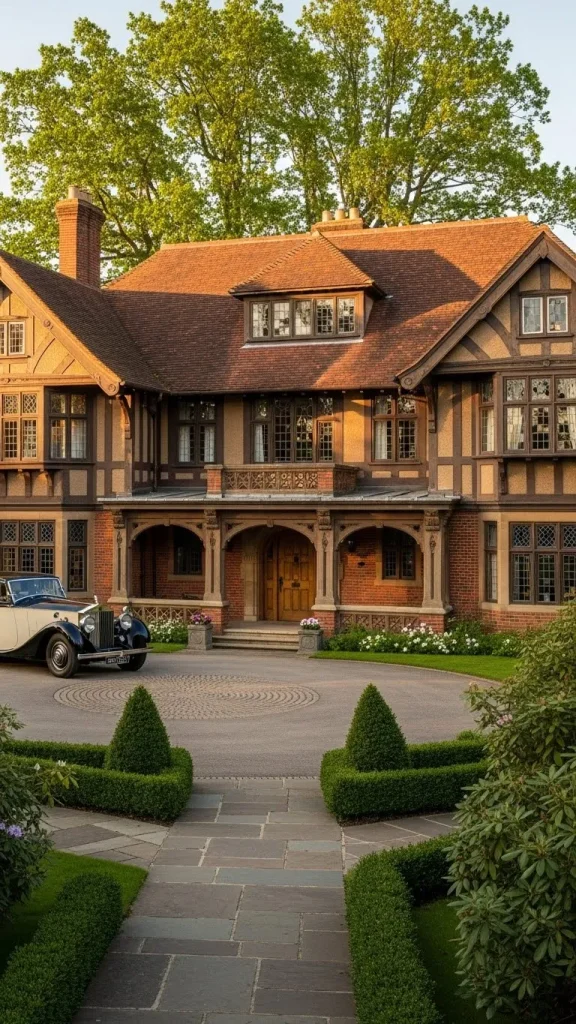
17. The Dutch Colonial Farmhouse
The most distinctive feature of the Dutch Colonial style is the gambrel roof, which looks like a barn roof. This design allowed for more living space on the second floor without a full third story.
These homes often have a wide side overhang that protects the walls from the elements. They feel sturdy and practical, reflecting the sensible nature of the early Dutch settlers.
Large chimneys at either end of the house provide multiple fireplaces for heating the various rooms. It is a comfortable and family oriented style that has remained popular for centuries.
DIY Tips
- Use a gambrel roof design for a garden shed to practice the style before applying it to a house.
- Install a Dutch door that allows the top half to open while the bottom half stays closed.
- Paint your shutters in a deep barn red or navy blue to stay true to the farmhouse roots.

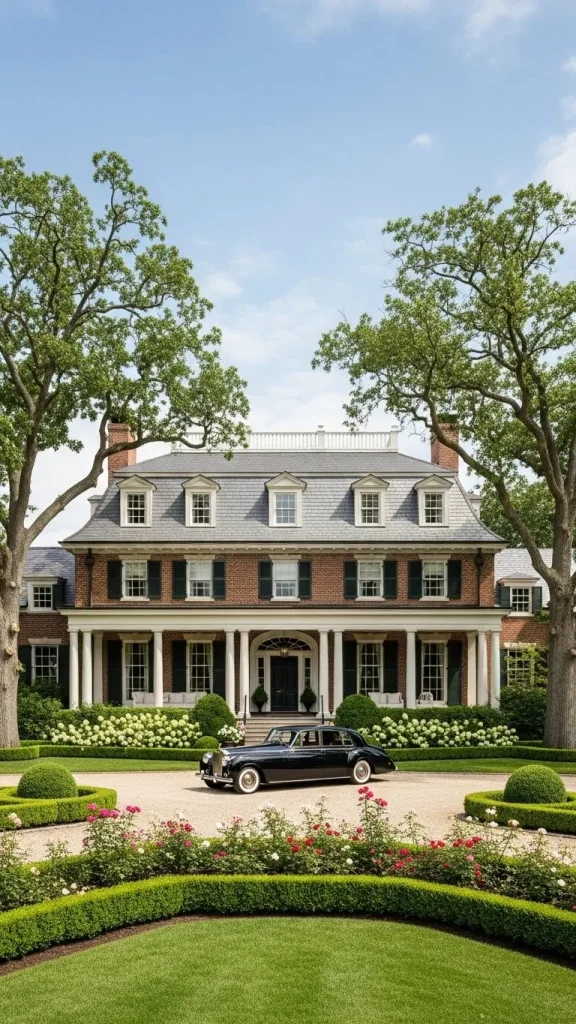
18. The Victorian Queen Anne Mansion
The Queen Anne style is the most elaborate of the Victorian era, known for its variety of textures. It often features wrap around porches, towers, and decorative gingerbread trim.
No two surfaces on a Queen Anne home are usually the same, with different styles of shingles and siding used. It is a celebration of the excess and the industrial capability of the late 1800s.
The interiors are just as complex, featuring multiple parlors and secret nooks for reading. It is a house that feels like a playground for the imagination and a museum of detail.
DIY Tips
- Use several different shades of the same color family when painting your exterior to highlight different textures.
- Add decorative brackets or spindles to your porch to give it a more ornate Victorian look.
- Create a small window nook with a built in bench and lots of pillows for a cozy retreat.

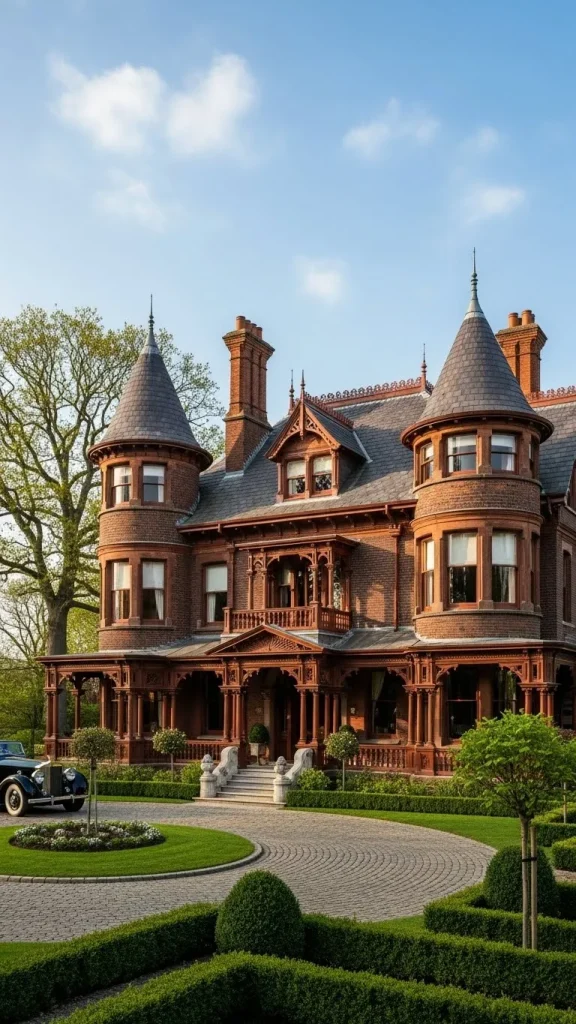
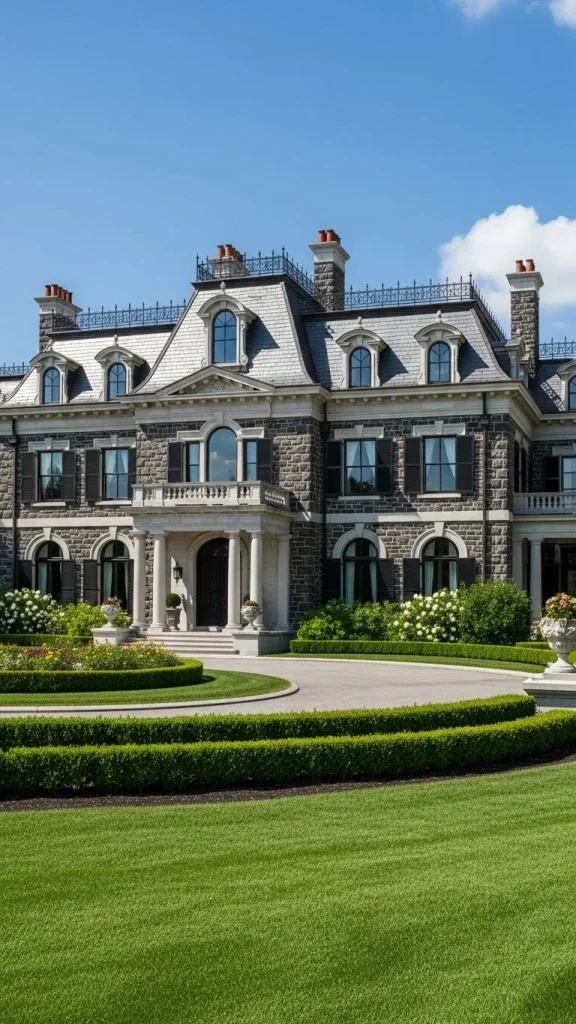
19. The Second Empire Estate
The Second Empire style is defined by its mansard roof, which is a four sided gambrel style roof. This design originated in France and was used to maximize the usable space in the attic.
These homes often feature dormer windows with decorative surrounds and a sense of height and verticality. They look like grand French townhouses transported to the American suburbs.
The use of iron cresting along the top of the roof adds a finishing touch of elegance and detail. It is a style that feels very formal and authoritative in its presence.
DIY Tips
- Install a dark slate or high quality shingle roof to give your home the weight required for this style.
- Use tall and thin floor lamps to emphasize the high ceilings often found in these designs.
- Add a small iron fence along the ridge of your roof to mimic the traditional metal cresting.

20. The Southern Classic Manor
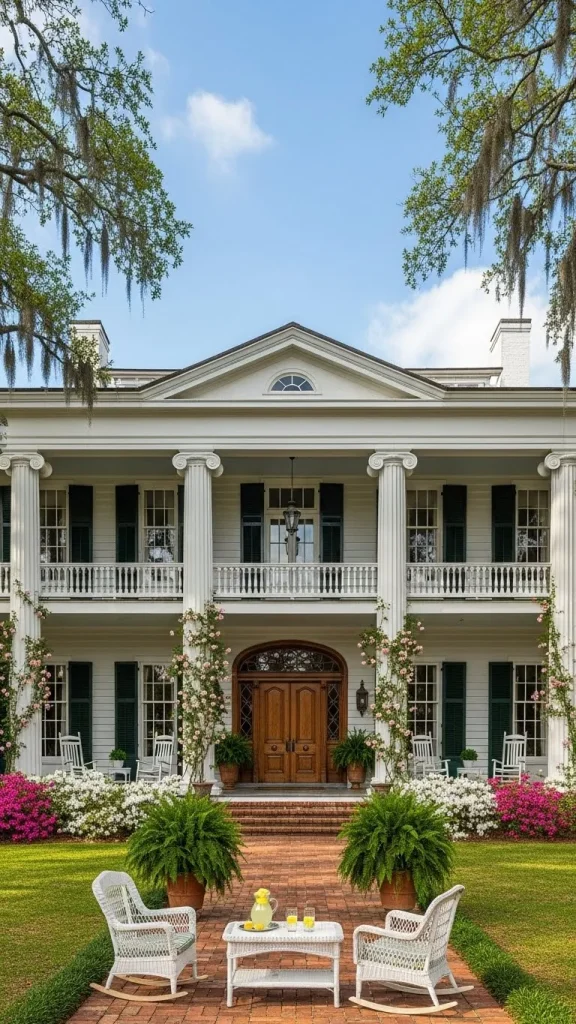
Southern manors are designed to handle heat and provide a space for social gathering on a grand scale. They are famous for their deep porches that wrap around the entire house.
Huge windows and high ceilings allow for maximum airflow in the days before air conditioning. The use of white columns and shutters creates a look that is both cool and sophisticated.
These homes are often set back from the road behind long avenues of oak trees. It is a style that values tradition, hospitality, and a slower pace of life in the sun.
DIY Tips
- Install a row of rocking chairs on your porch to create an inviting and classic social space.
- Use ceiling fans with large wooden blades to keep the air moving on your porch or in your living room.
- Plant large leafy trees like magnolias or oaks to provide natural shade and a sense of history.

21. The Scandinavian Gustavian Manor
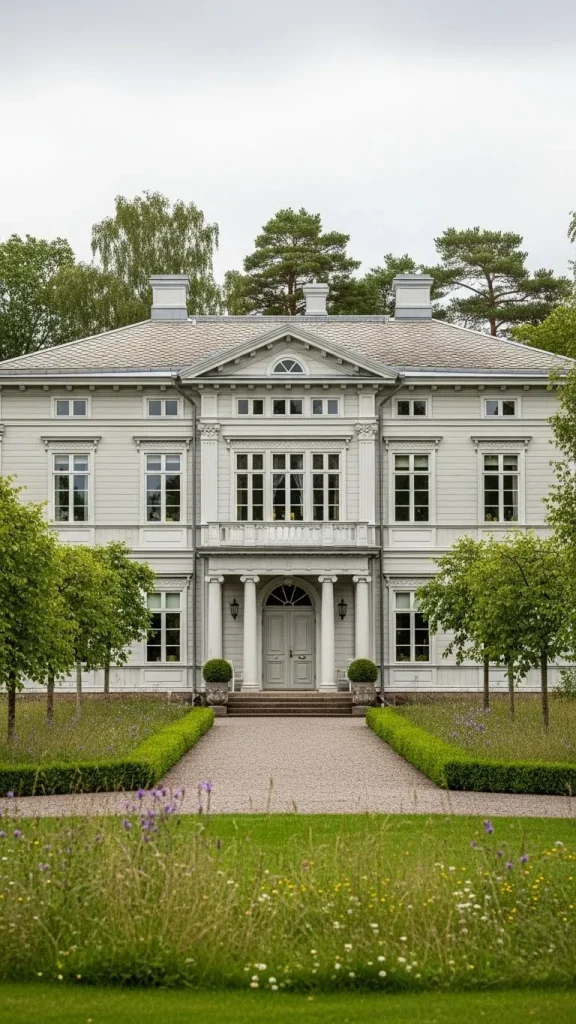
The Gustavian style is a Swedish take on French Neoclassicism, focusing on lightness and simplicity. It uses a palette of pale blues, greys, and whites to reflect the northern light.
The furniture in these homes is often painted and distressed to give it a soft and aged appearance. The architecture is clean and symmetrical, with an emphasis on functional elegance.
Crystal chandeliers and large mirrors are used to catch and amplify the limited winter sunlight. It is a refined and calm style that feels incredibly peaceful and organized.
DIY Tips
- Paint your wooden furniture in a soft grey and use sandpaper to lightly distress the edges.
- Use light linen fabrics for your upholstery and curtains to keep the rooms feeling airy.
- Place a large mirror opposite a window to double the amount of natural light in your space.

22. The Cape Cod Heritage Home
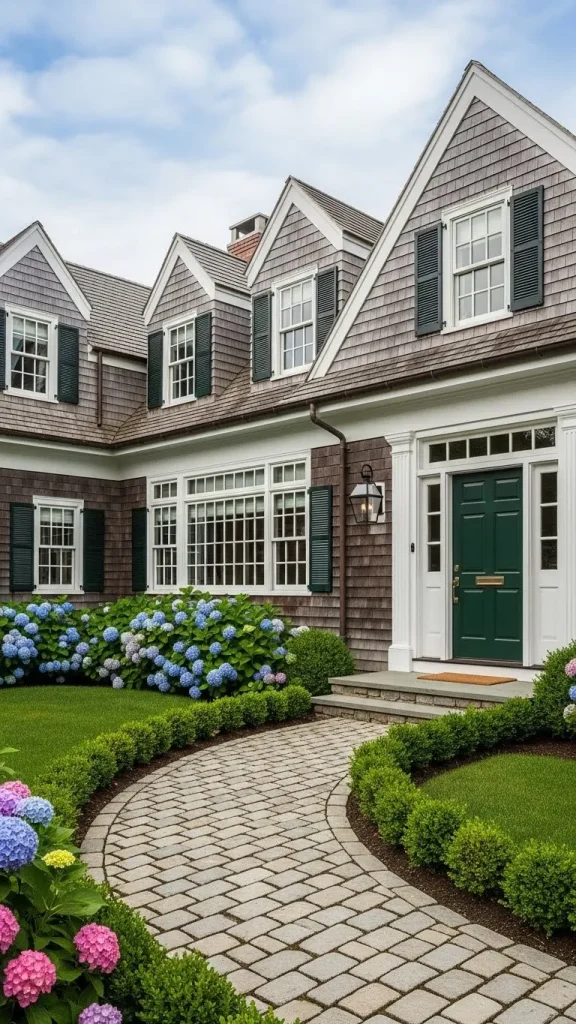
The Cape Cod style began as a simple and rugged shelter against the harsh Atlantic winds. Over time, it evolved into a beloved symbol of American coastal living and quiet wealth.
It features a steep roof and a central chimney that provide warmth and stability during winter storms. The siding is usually weathered cedar shingles or white painted clapboard.
Inside, the rooms are cozy and centered around the hearth, with low ceilings that trap heat. It is a style that values functionality, durability, and a connection to the sea.
DIY Tips
- Use a central fireplace as the focal point for your living room furniture arrangement.
- Install window boxes filled with colorful flowers to add a splash of life to the simple facade.
- Use light blue and white stripes for your interior pillows to lean into the Cape Cod theme.

23. The Edwardian Grandeur Townhouse
The Edwardian era followed the Victorian and brought a focus on light and space. These homes have larger windows and simpler decorative details than their predecessors.
They often feature red brick with white stone details and beautiful stained glass in the upper window panes. The layout is more open, reflecting a change in social customs and a desire for airiness.
Inside, the wood is often lighter, and the wallpapers are more floral and less heavy than Victorian styles. It is a transition into modern living while maintaining a deep respect for the past.
DIY Tips
- Replace dark heavy doors with ones that have glass panels to let more light move through your home.
- Use floral patterns in your wallpaper or rugs to bring the soft Edwardian aesthetic into your rooms.
- Polishing your hardwood floors to a high shine will help reflect the light from the larger windows.

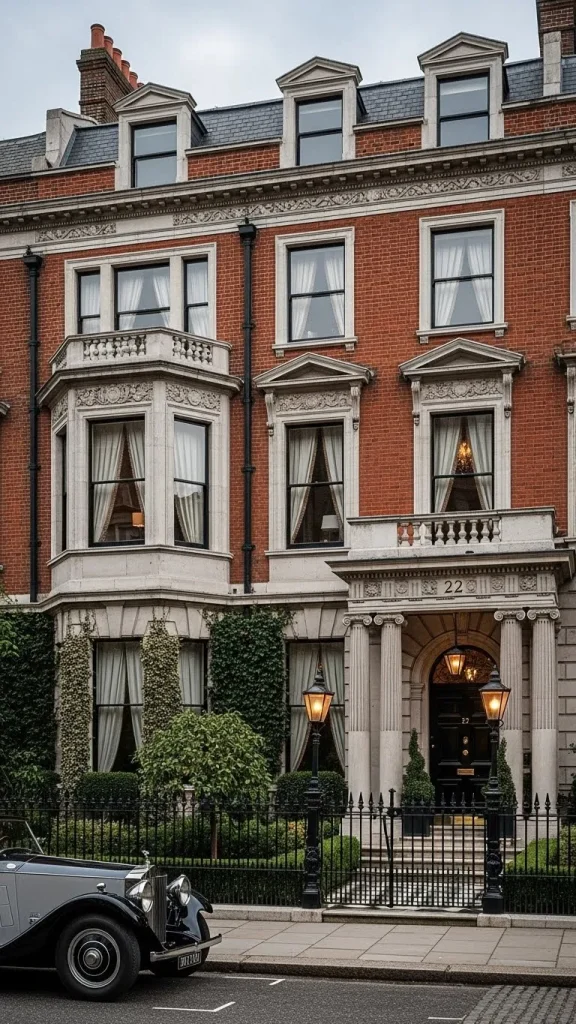
24. The Romanesque Revival Fortress
Romanesque Revival architecture uses heavy stone and rounded arches to create a house that feels like a castle. It is a style of great strength and permanence.
The windows are often small and deeply set into the thick stone walls, providing a sense of security. Towers and asymmetrical shapes give the building a rugged and interesting silhouette.
Inside, one often finds massive stone arches and dark wood beams that continue the fortress theme. It is a style that appeals to those who want a home that feels like a sanctuary.
DIY Tips
- Use heavy stone coasters or decorative objects to bring the Romanesque weight to your tables.
- Install a rounded archway between two rooms to mimic the architectural style of the period.
- Use wrought iron wall sconces to provide a moody and historic lighting scheme in your hallways.

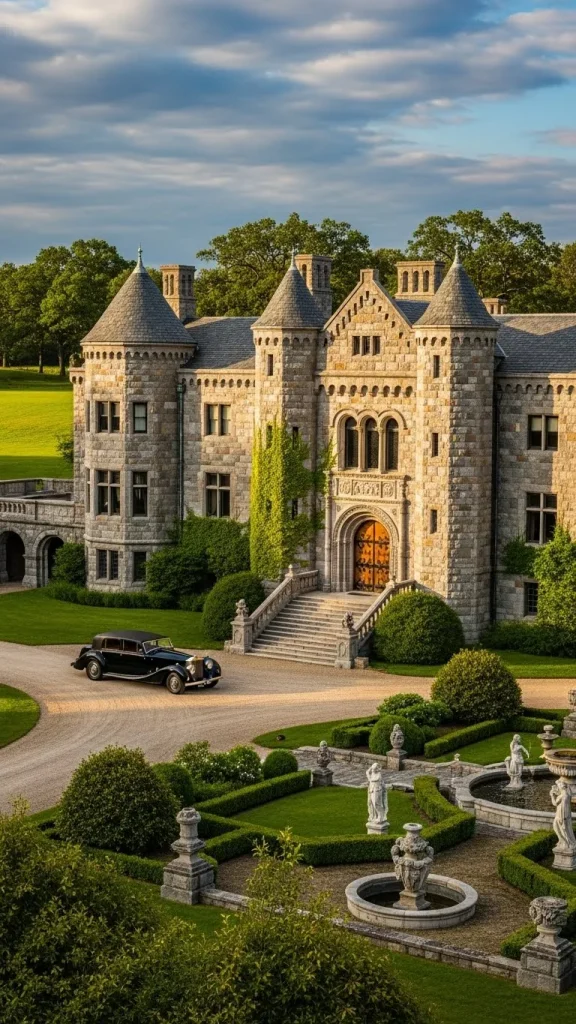
25. The Monterey Colonial Estate
This style is a blend of Spanish and New England influences that originated in California. Its most famous feature is the second floor balcony that runs the entire length of the house.
The ground floor is often made of stone or stucco, while the second floor is made of wood. This creates a visually balanced house that feels suited to both land and sky.
The balcony provides a covered porch for the first floor, making it a perfect design for indoor and outdoor living. It is an elegant solution to the varied climates of the western coast.
DIY Tips
- If you have a two story home, consider adding a balcony to the second floor for a Monterey look.
- Use a mix of stone and wood on your exterior to create the characteristic Monterey contrast.
- Paint your upper wooden level in a different but complementary color to the lower stone level.

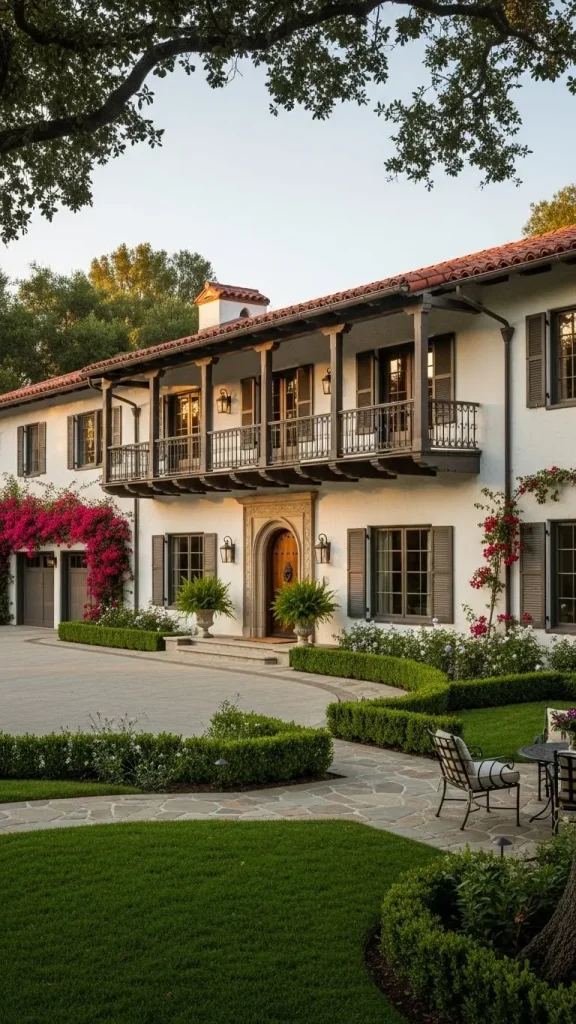
26. The Adobe Heritage House
The Adobe style uses thick earth walls and rounded corners to create a home that is part of the desert. It is one of the oldest and most sustainable building styles in the world.
The walls are typically finished in a warm tan or reddish plaster that matches the local soil. Wooden beams called vigas support the flat roof and provide a rustic interior detail.
Inside, the thick walls create deep window sills that can be used for seating or displaying art. It is a quiet and cool retreat from the intense sun and wind of the Southwest.
DIY Tips
- Round off the sharp corners of your interior drywall to give your rooms an Adobe feel.
- Use warm earthy paint colors like terracotta or sand for your walls to mimic natural plaster.
- Decorate with woven blankets and pottery to complement the organic nature of the design.

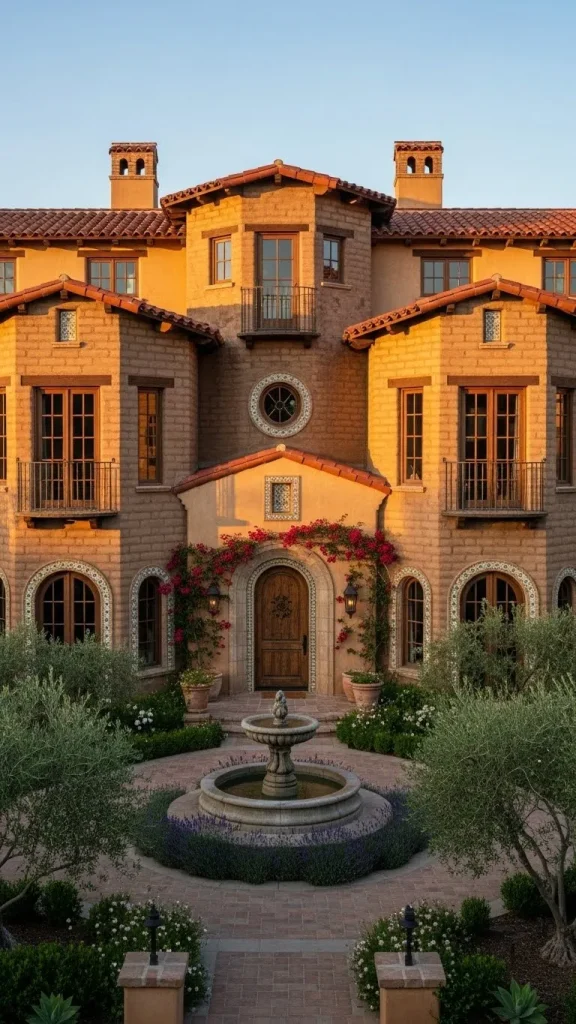
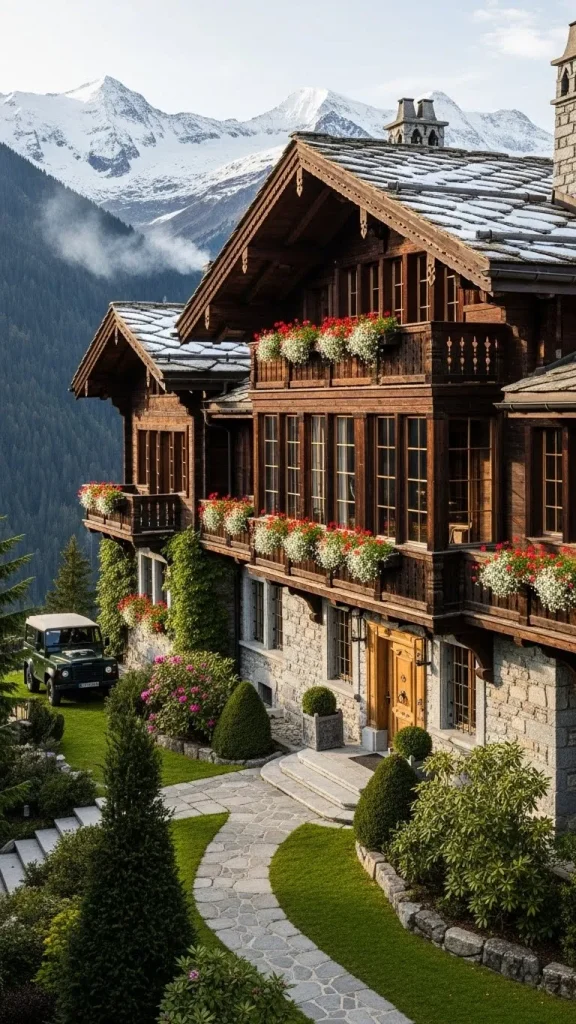
27. The Swiss Chalet Retreat
The Swiss Chalet style was popularized in the nineteenth century as a romantic mountain escape. It features wide overhanging eaves and decorative wooden balconies.
The ground floor is often made of stone to handle the snow, while the upper floors are made of wood. Intricate carvings on the railings and shutters add a touch of handcrafted beauty.
Large windows are designed to frame the views of the surrounding peaks and valleys. It is a style that encourages a life of adventure followed by cozy evenings by the fire.
DIY Tips
- Add decorative wooden cutouts to your balcony railings to give them a Swiss appearance.
- Use heavy wool blankets and sheepskin rugs to make your seating areas feel like a mountain lodge.
- Install window shutters that feature small cutouts like hearts or stars for an authentic touch.

28. The Modernist Heirloom House
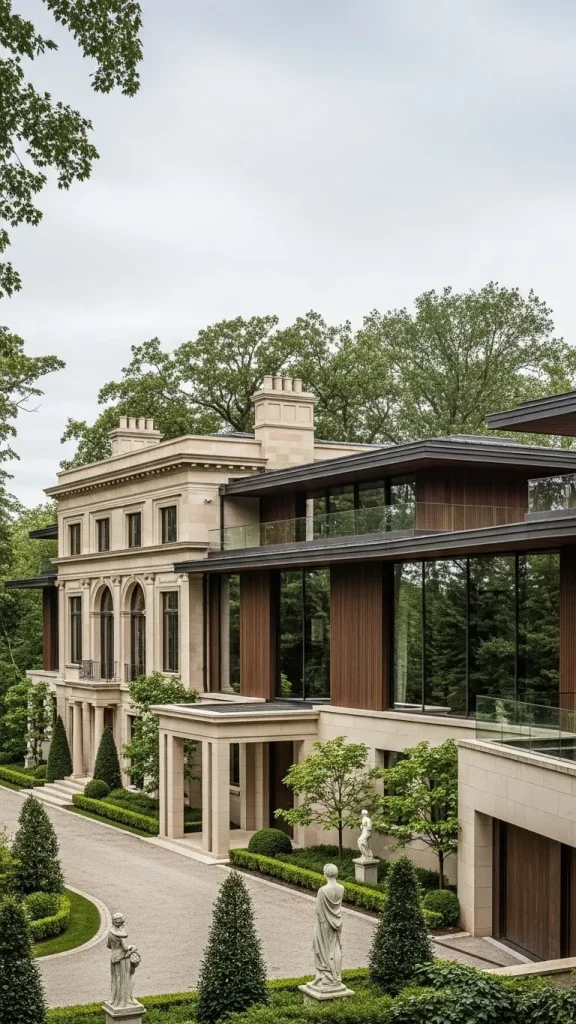
Modernist architecture can also be old money when it focuses on quality and integration with the landscape. These homes use large walls of glass and open floor plans.
The focus is on the honesty of materials like steel, concrete, and high end hardwoods. The design is intended to remove the barriers between the resident and the natural beauty outside.
While the lines are clean and minimal, the level of finish is incredibly high. It is a style for those who value the future of design while respecting the timelessness of nature.
DIY Tips
- Use large single panes of glass for your windows to create an unobstructed view of your garden.
- Choose furniture with clean lines and high quality leather to maintain a minimalist but luxury feel.
- Keep your spaces clutter free to allow the architecture and the materials to be the main focus.

29. The Jacobean Estate
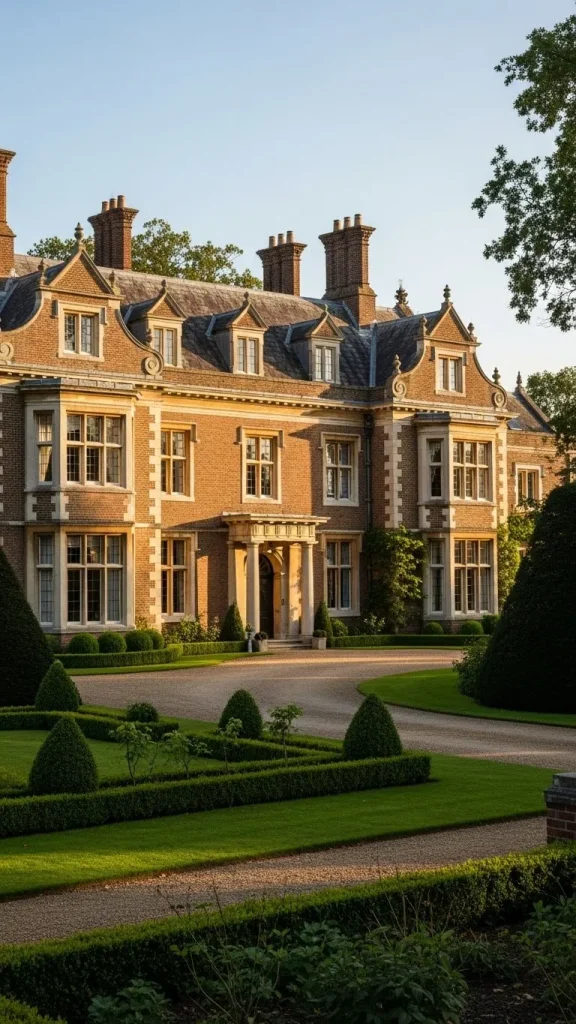
The Jacobean style is an evolution of the Tudor, adding more classical and symmetrical elements. It is famous for its use of shaped gables and large banks of windows.
These homes often feature a great hall with a high ceiling and a massive staircase. The brickwork is often very detailed, using different colors of brick to create patterns.
It is a style that feels very royal and established, suitable for large families and extensive entertaining. The complexity of the roofline makes it a standout in any environment.
DIY Tips
- Use patterned brickwork for a small patio or path to add a Jacobean detail to your yard.
- Install a large and heavy wooden staircase with carved posts to serve as your home’s centerpiece.
- Use high backed chairs with intricate carvings in your dining room to match the royal theme.

30. The Renaissance Revival Villa
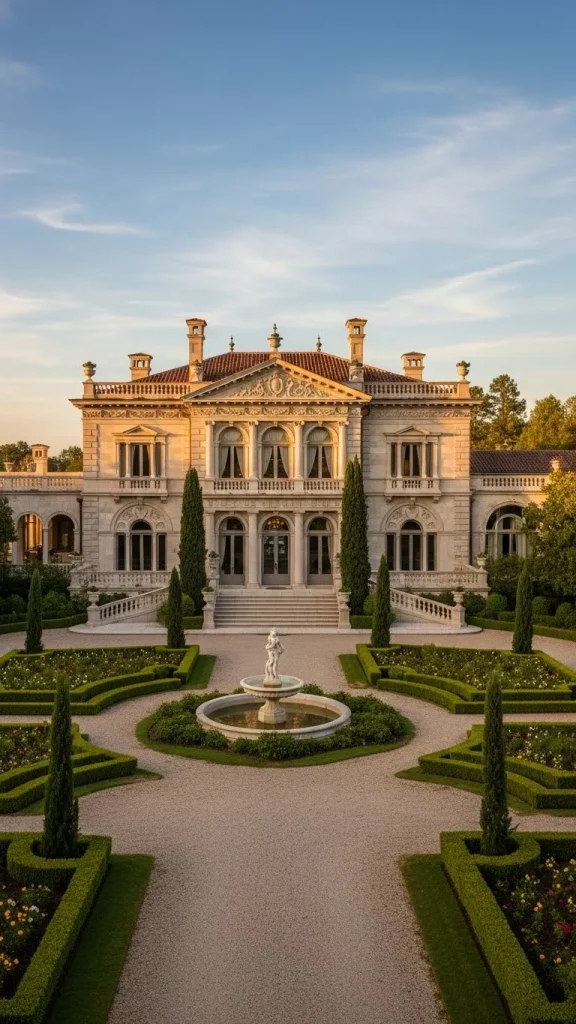
Renaissance Revival architecture seeks to bring the beauty of sixteenth century Italy to the modern world. It is a style of great balance, featuring rows of arched windows.
The facade is usually very orderly, with each floor clearly marked by a horizontal band of stone. Ornate carvings around the windows and doors provide a sense of luxury and art.
Inside, the rooms are often decorated with frescoes and marble floors to create a museum like atmosphere. It is a style for the true lover of history and classical beauty.
DIY Tips
- Use a horizontal trim piece on your exterior to create the look of separate floors.
- Install marble tile in your entry hall to give it an instant Renaissance upgrade.
- Use decorative stone headers over your windows to give them a more substantial and artistic look.

Conclusion
Old money house designs are more than just a collection of architectural features. they are a philosophy of living that prioritizes quality over quantity and history over trends.
By choosing styles that have stood the test of time, homeowners can create spaces that will remain elegant for generations. These homes provide a sense of continuity in a world that is always changing.
Whether you prefer the rugged charm of a stone cottage or the grand symmetry of a Georgian manor, the key is in the details. Investing in natural materials and classic proportions is the true secret to lasting elegance.