
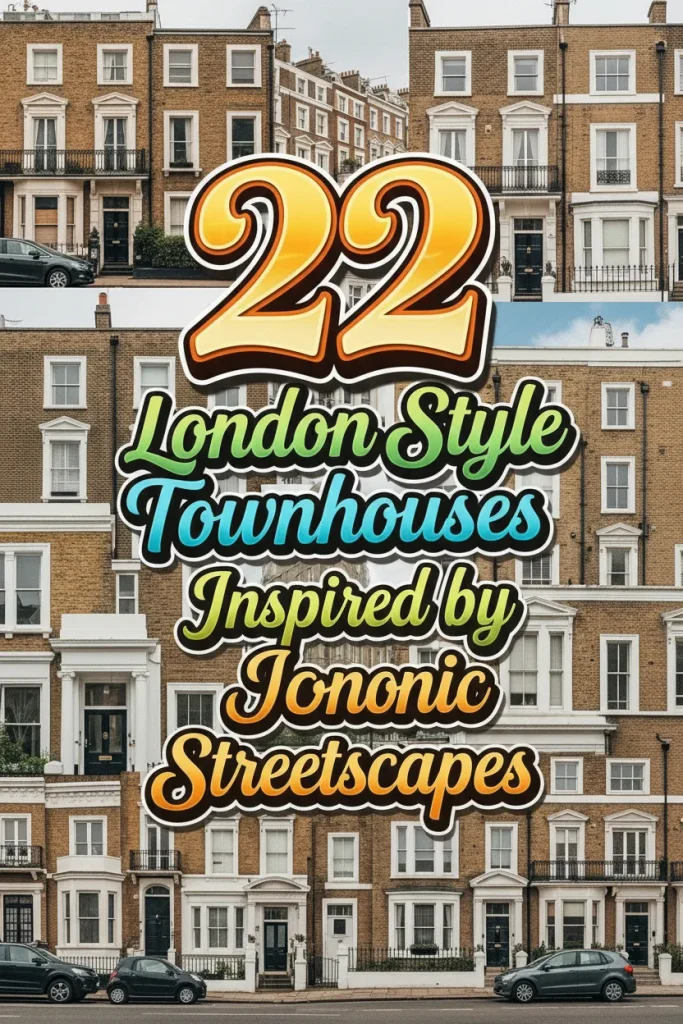

London is a city defined by its residential architecture which tells the story of centuries of urban growth and social change. From the grand estates of the west to the industrial heritage of the east, the streets serve as a living museum of design.
This article explores twenty three iconic townhouse styles that have shaped the aesthetic of the British capital over the years. Each style offers unique lessons in symmetry, materials, and urban living that can be applied to any home regardless of its location.
By understanding the history and design principles of these iconic streetscapes, homeowners can bring a touch of London sophistication to their own properties. We will look at both historical and modern examples to provide a comprehensive guide.
Townhouses are a unique solution to high density living that do not sacrifice the elegance of a private residence. They maximize vertical space and often feature hidden gardens or terraces that provide a sense of sanctuary in the middle of a busy city.
The charm of a London home often lies in the small details such as the weight of a brass door knocker or the specific shade of a painted facade. These elements combine to create a cohesive look that is both prestigious and welcoming.

1. The Georgian Elegance of Marylebone
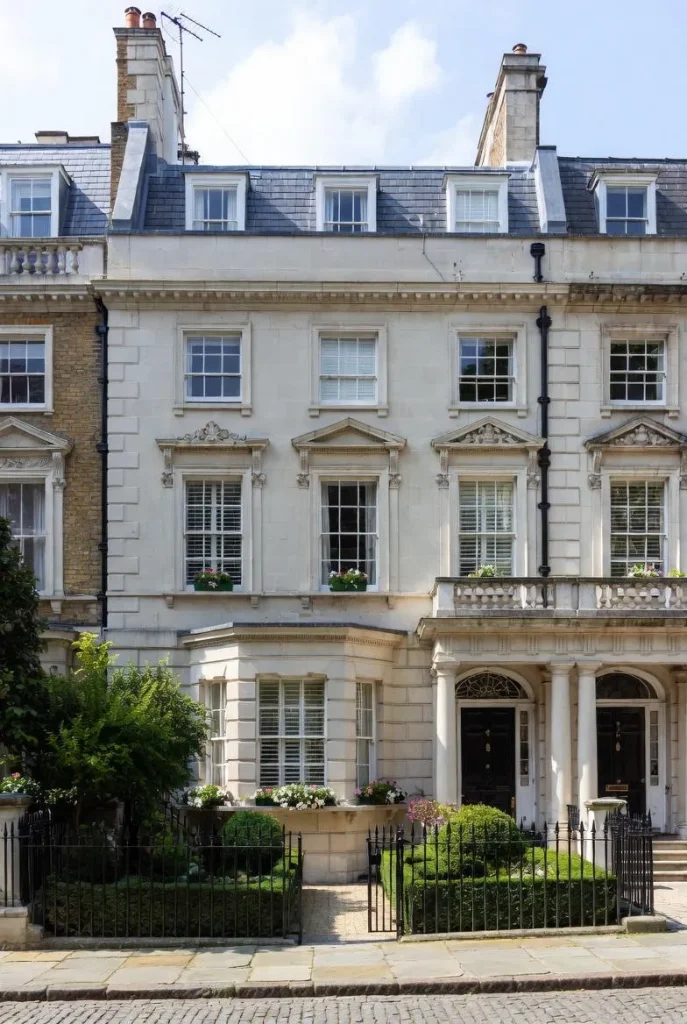
The Georgian style is perhaps the most famous of London architectural eras, known for its strict adherence to symmetry and classical proportions. These homes were built during the reigns of the four King Georges between 1714 and 1830.
Marylebone features some of the best preserved examples of these brick terraces, which were designed to look like a single unified palace. The facades are usually made of yellow stock brick or red brick with white or cream stone dressings.
Windows are a key feature of this style, typically following the rule of three across each floor. The windows on the ground and first floors are the largest, while those on the upper floors become smaller to create a sense of height.
Inside, the rooms are characterized by high ceilings and delicate plasterwork known as cornicing. The layout is usually formal, with a grand entrance hall leading to reception rooms that were designed for entertaining guests in a refined setting.
The Georgian townhouse remains popular today because its simple and balanced design provides a perfect backdrop for both traditional and modern furniture. It is a style that values order, light, and mathematical harmony above all else.
DIY Tips for Georgian Style:
- Paint your front door in a deep navy, forest green, or classic black using a high gloss finish.
- Apply a simple plaster molding to your ceiling to replicate the elegant cornicing of the 18th century.
- Use sheer white curtains or traditional timber shutters to allow maximum natural light into your rooms.
- Incorporate furniture with tapered legs and simple silhouettes to match the balanced proportions of the era.
- Hang a large rectangular mirror over your fireplace to reflect light and make the room feel more spacious.

2. Victorian Red Brick Splendor in Chelsea
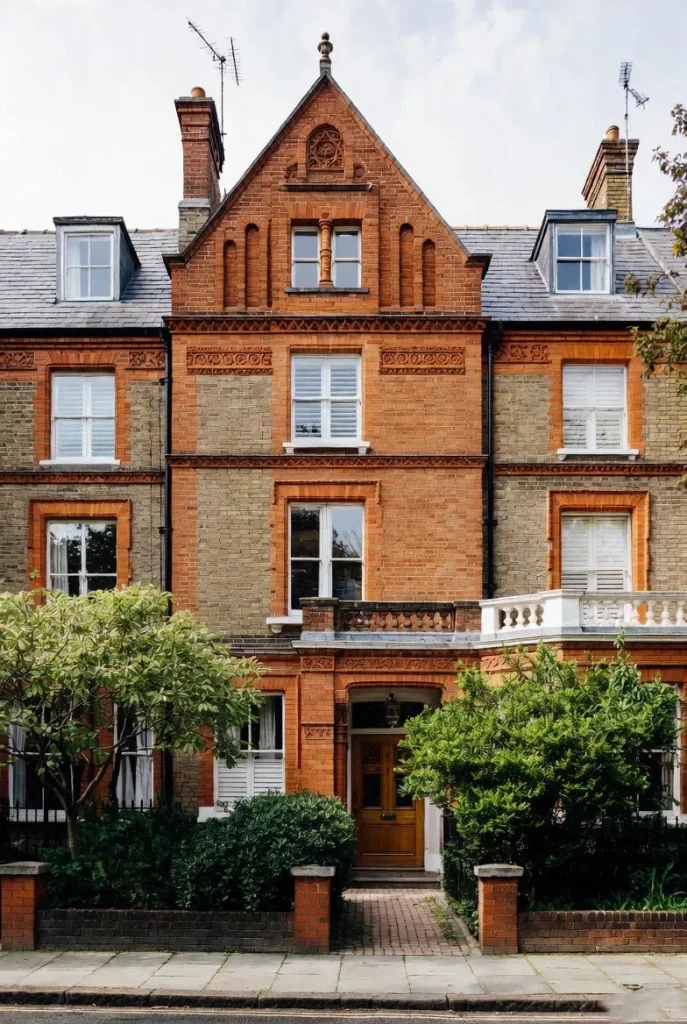
Victorian townhouses are celebrated for their warmth and the intricate decorative details that reflect the industrial and artistic confidence of the 19th century. These homes are often built with rich red bricks and feature ornate terracotta tiles.
In Chelsea, these properties often include beautiful bay windows that extend outward, providing extra floor space and a unique vantage point of the street. The roofs are frequently steeply pitched and decorated with pointed gables.
The Victorian era saw a move away from the simplicity of the Georgians toward a more eclectic and highly decorated aesthetic. This is visible in the stained glass panels often found in the upper sections of windows and front doors.
The interiors of Victorian homes are known for being cozy and filled with character. They often feature deep skirting boards, patterned floor tiles in the hallways, and heavy marble fireplaces that served as the primary heat source.
These homes were built during a time when domestic life became the focus of the family. As a result, the rooms are often designed to feel intimate and protective, with thick walls and substantial timber doors throughout the house.
DIY Tips for Victorian Character:
- Use a stencil kit to create a geometric black and white tile pattern on your entryway floor.
- Install a decorative ceiling rose around your central light fixtures to add a touch of Victorian opulence.
- Apply colorful stained glass film to small window panes to recreate the look of authentic leaded glass.
- Paint your walls in deep jewel tones like ruby red or emerald green to enhance the cozy atmosphere.
- Replace modern hardware with cast iron or darkened bronze handles and hinges for an aged look.

3. The Pastel Rows of Notting Hill
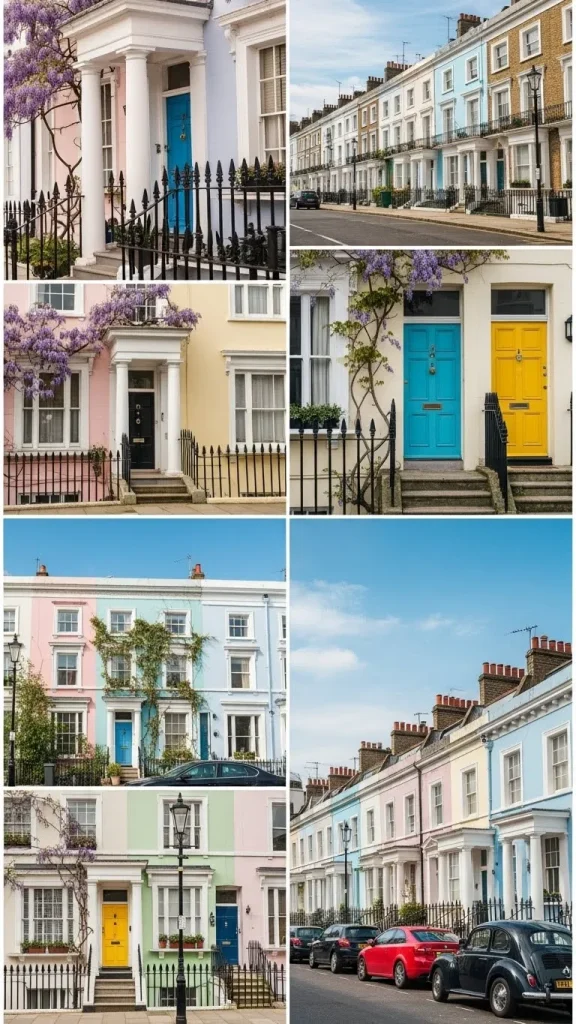
Notting Hill is world famous for its vibrant streetscapes where every house is painted in a different pastel hue. This style is largely based on the Italianate architecture that became popular during the mid 19th century.
The houses are typically finished with a smooth stucco render that provides the perfect surface for bright colors like mint green, baby blue, and dusty pink. This creates a cheerful and artistic atmosphere that defines the neighborhood.
These townhouses often feature large sash windows and small balconies with decorative iron railings. The contrast between the colorful walls and the white painted window surrounds gives the streets a crisp and clean appearance.
Many of these properties have lower ground floors with separate entrances, originally intended for staff but now often used as independent apartments. The main entrance is usually reached by a short flight of stone steps.
The interior of a Notting Hill home is often as creative as the exterior, blending period features with contemporary art and eclectic furniture. The light reflecting off the colorful houses opposite often gives the rooms a unique glow.
DIY Tips for Colorful Facades:
- Select a pastel paint color for your exterior that complements the colors of the neighboring houses.
- Paint your window frames and porch pillars in a brilliant white to provide a sharp contrast to the main wall color.
- Use window boxes filled with white flowers to help balance out a brightly colored house exterior.
- Install a modern matte black house number to give the colorful facade a contemporary edge.
- Keep your front railings painted in a consistent black to ground the various colors of the street.

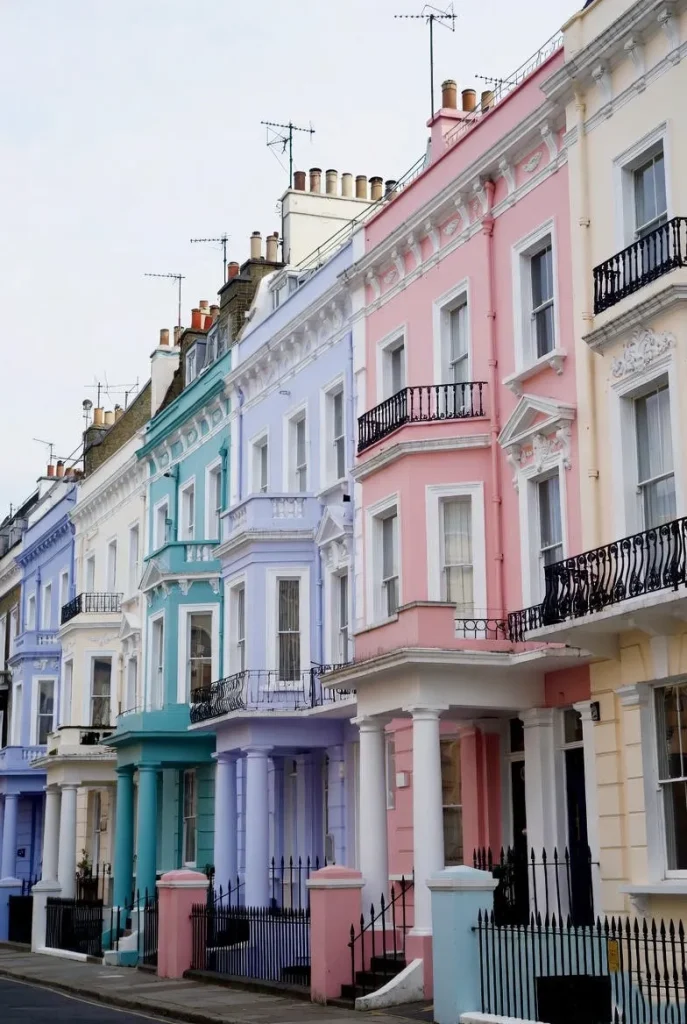
4. Regency Stucco Grandeur in Belgravia
Belgravia represents the height of Regency architectural sophistication, with its massive white stucco terraces designed by Thomas Cubitt. These buildings were intended to rival the palaces of Europe in their scale and decorative detail.
The style is characterized by the use of grand columns, heavy porticos, and repetitive classical motifs. The uniform white color of the buildings creates a sense of immense scale and quiet luxury that is unique to this part of London.
The streets in Belgravia are wide and often arranged in grand crescents or squares around private gardens. This layout was designed to provide the wealthy residents with a sense of space and privacy in the heart of the city.
The windows in these homes are exceptionally tall, often reaching from the floor to the ceiling on the first floor. This was done to maximize the view of the street and to allow as much light as possible into the grand drawing rooms.
Inside, the architecture is formal and imposing, with wide staircases and enormous rooms designed for high society gatherings. Every detail, from the door frames to the floorboards, is executed to the highest possible standard.
DIY Tips for Regency Style:
- Use a high quality masonry paint in cream or off white to give your home a stone like finish.
- Install a pair of large, classical style planters on either side of your front door for a symmetrical look.
- Place a large crystal chandelier in your main hallway to evoke the feeling of Regency grandeur.
- Use long, floor length curtains in heavy silk or velvet to emphasize the height of your windows.
- Polish any brass fixtures on your exterior weekly to maintain the high end appearance of the property.

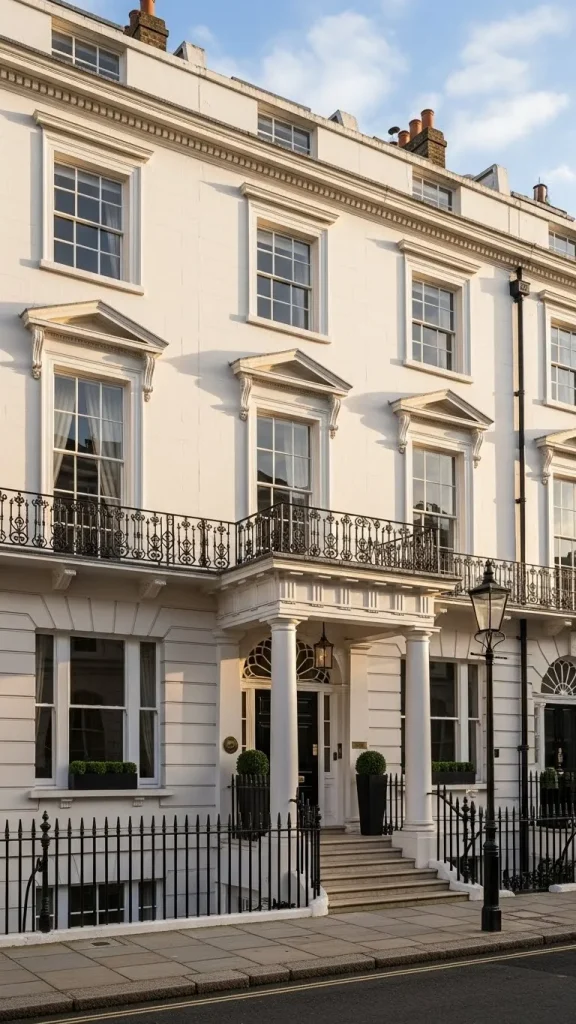
5. Edwardian Space and Light in Hampstead
Edwardian townhouses were built in the early 20th century and represent a shift toward more practical and spacious family living. These homes are generally wider and deeper than the Victorian houses that came before them.
In Hampstead, Edwardian architecture often features a mix of red brick and white roughcast or timber framing. This gives the homes a less formal and more suburban feel that is perfect for the leafy surroundings of the area.
Large front porches and wide hallways are common features of this style, designed to create a welcoming first impression. The windows are often very large and feature stained glass in the upper sections to add a touch of color.
The Edwardians were the first to truly embrace the idea of the garden as an extension of the home. Many of these townhouses feature large glass doors at the rear that lead directly out onto a terrace or lawn.
The interiors are characterized by a sense of lightness and simplicity compared to the heavy Victorian style. The wood used for floors and furniture is often lighter in color, and the wallpaper patterns are more floral and delicate.
DIY Tips for Edwardian Living:
- Restore or install a wooden front porch to provide a sheltered and welcoming entrance to your home.
- Use light oak or pine for your flooring to create an airy and natural feeling in the living areas.
- Choose wallpaper with soft botanical or floral prints to reference the popular trends of the Edwardian era.
- Incorporate a built in wooden bench in your hallway to provide both storage and a place to sit.
- Add a decorative timber trellis to your garden fence to create a classic and organized outdoor space.

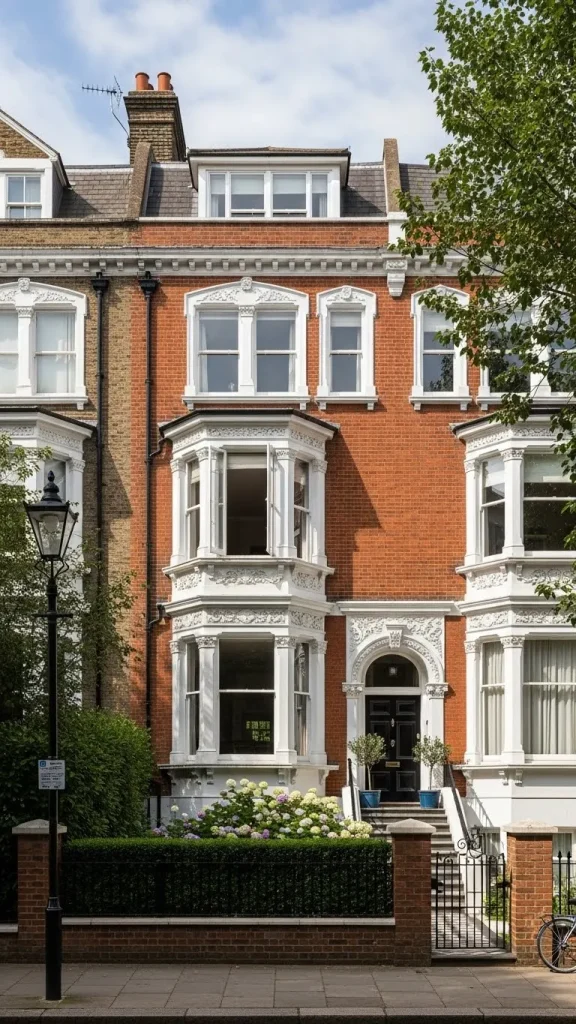
6. The Industrial Lofts of Shoreditch
Shoreditch is the center of London’s industrial heritage where old warehouses and factories have been converted into stunning modern townhouses. This style celebrates raw materials and the history of manufacturing in the East End.
Exposed brick walls, massive steel framed windows, and high ceilings are the defining features of these properties. The architecture is honest and rugged, showing off the structural elements that were once hidden.
The layouts are often open plan, with large spaces that can be used for both living and working. Mezzanine levels are frequently used to create bedrooms or offices without closing off the volume of the main room.
The use of materials like concrete, reclaimed wood, and blackened steel creates a cool and contemporary aesthetic. This style is perfect for those who appreciate a more edgy and urban way of living in the city.
The light in these homes is often spectacular due to the oversized industrial windows that were originally designed to provide workers with maximum visibility. Today, they offer panoramic views of the evolving London skyline.
DIY Tips for Industrial Design:
- Create an accent wall using thin brick veneers to give a room an authentic warehouse feel.
- Replace standard interior doors with sliding barn doors made of reclaimed wood and black metal tracks.
- Use matte black spray paint on metal furniture or lighting fixtures to achieve a consistent industrial look.
- Install open shelving in the kitchen using simple wooden planks and heavy duty industrial brackets.
- Hang oversized pendant lights with amber glass bulbs to provide a warm and atmospheric glow.

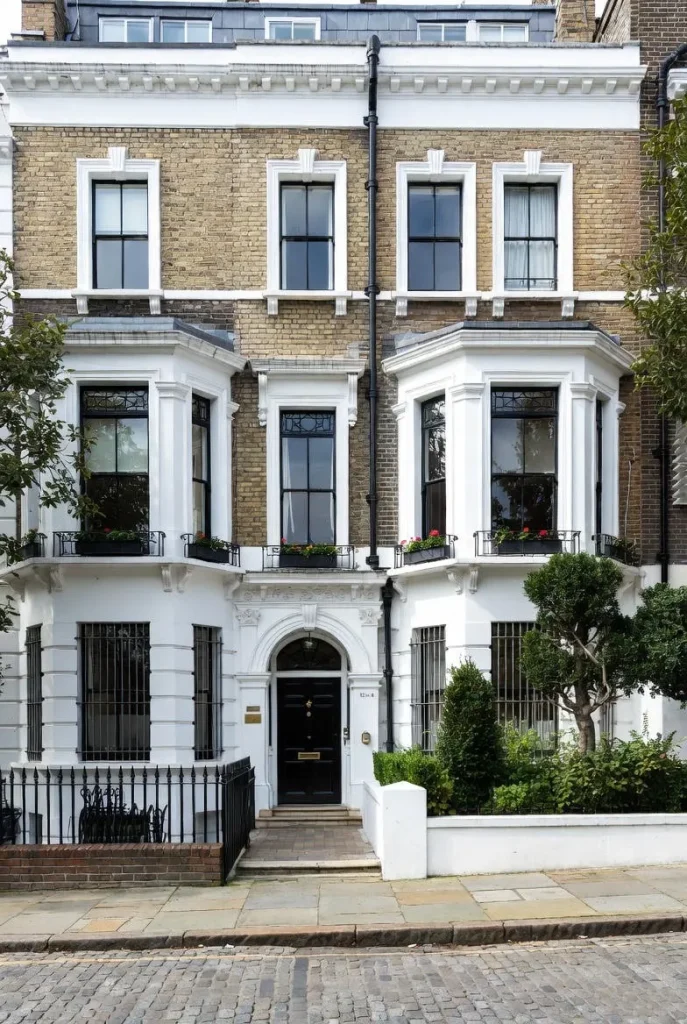
7. The Hidden Mews Houses of Mayfair
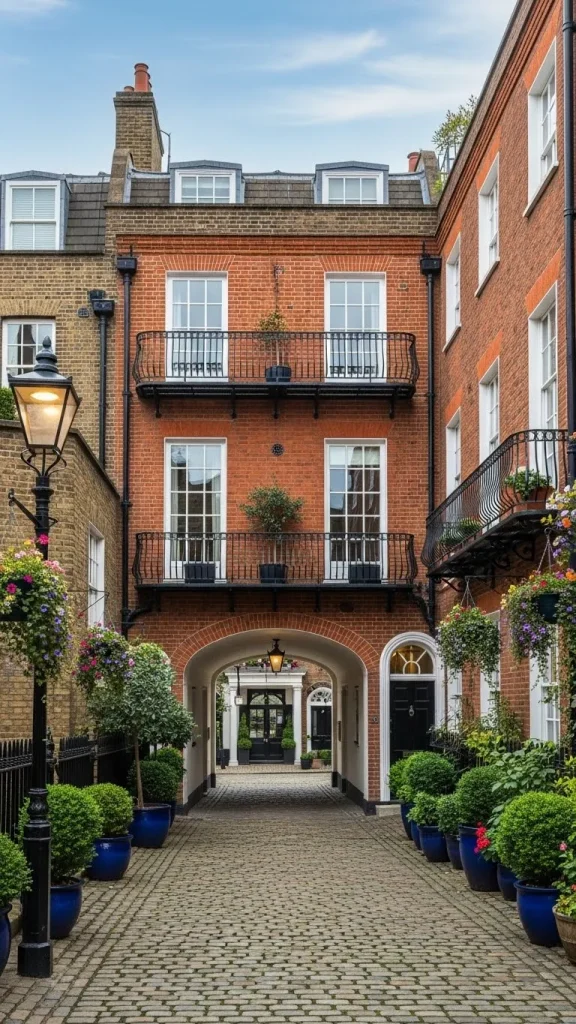
Mews houses are among the most charming and sought after properties in London, originally built as stables and living quarters for the staff of grand mansions. They are tucked away in quiet, cobblestone lanes.
The architecture is typically low rise, usually only two stories high, with large doors on the ground floor that once allowed carriages to enter. These doors are now often replaced with large windows or bi fold doors.
Mayfair mews houses are often painted in soft whites or creams, with colorful front doors and an abundance of climbing plants. They offer a unique sense of privacy and quiet in the middle of a bustling commercial district.
The lack of through traffic makes these streets feel like private courtyards where residents can place pots and small benches outside. This creates a strong sense of community that is rare in a major global city.
Inside, mews houses are masters of space efficiency, with clever storage solutions and integrated furniture. The upper floors often feature cozy bedrooms with sloping ceilings and small dormer windows.
DIY Tips for Mews Style:
- Place a small wooden bench outside your front door to create a welcoming and communal atmosphere.
- Use large terracotta or glazed ceramic pots to grow evergreen shrubs or small trees by your entrance.
- Install a window box on the upper floor and fill it with cascading plants like ivy or petunias.
- Paint your garage door or main entrance in a bold, contrasting color to make the small facade stand out.
- Use light colored rugs and furniture inside to make the compact rooms feel larger and more open.

8. Riverside Grandeur in Richmond
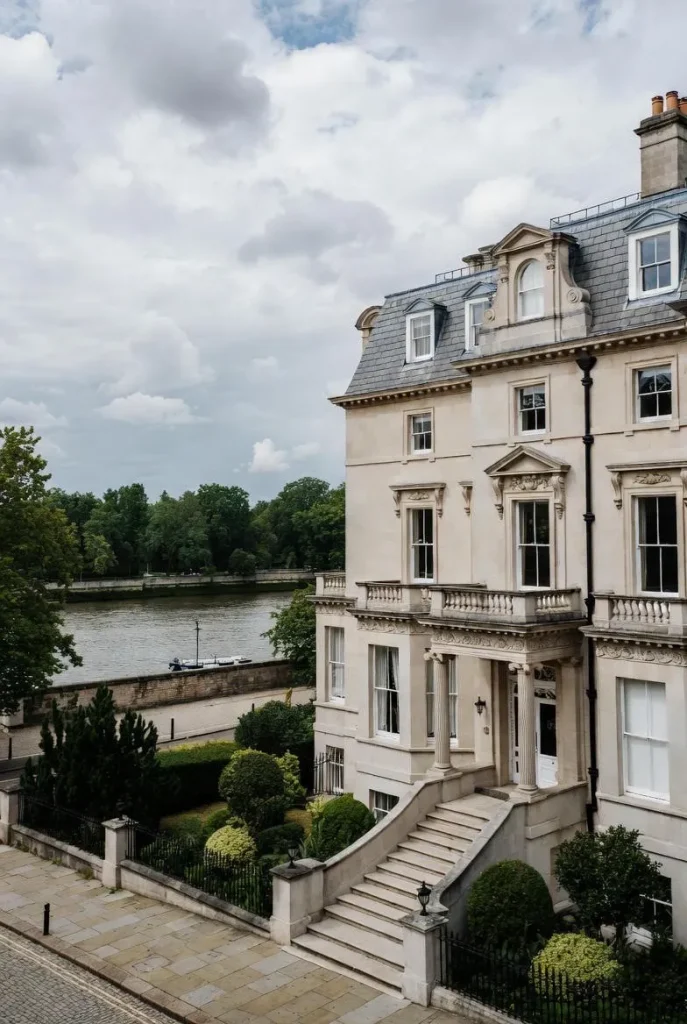
Richmond is home to some of the most beautiful riverside townhouses in London, designed to take full advantage of the views across the Thames. These properties often feature multiple levels of balconies and terraces.
The architecture here is often a mix of Queen Anne and Georgian styles, with a focus on elegance and a connection to the natural landscape. The use of white painted wood and large glass expanses is common.
The color palette is typically inspired by the river and the surrounding greenery, with soft blues, sage greens, and sandy tones. These homes feel more like coastal retreats than urban townhouses.
Large windows are essential in Richmond to capture the changing light on the water and the movement of the trees in the nearby parks. The interiors are often bright and breezy, with a focus on comfortable, relaxed living.
The gardens of these homes often slope down toward the river or open out onto public walkways along the bank. This creates a unique lifestyle where the resident feels part of the natural beauty of the Thames.
DIY Tips for Riverside Living:
- Use light linen or cotton fabrics for your upholstery to create a relaxed and airy feeling.
- Install a glass balustrade on your balcony or terrace to ensure your view remains unobstructed.
- Incorporate natural textures like wicker, seagrass, and light wood into your interior decor.
- Hang landscape paintings or photographs of water scenes to bring the riverside theme inside.
- Create a comfortable outdoor lounge area with weather resistant cushions and a low coffee table.

9. Artisan Cottages of Greenwich
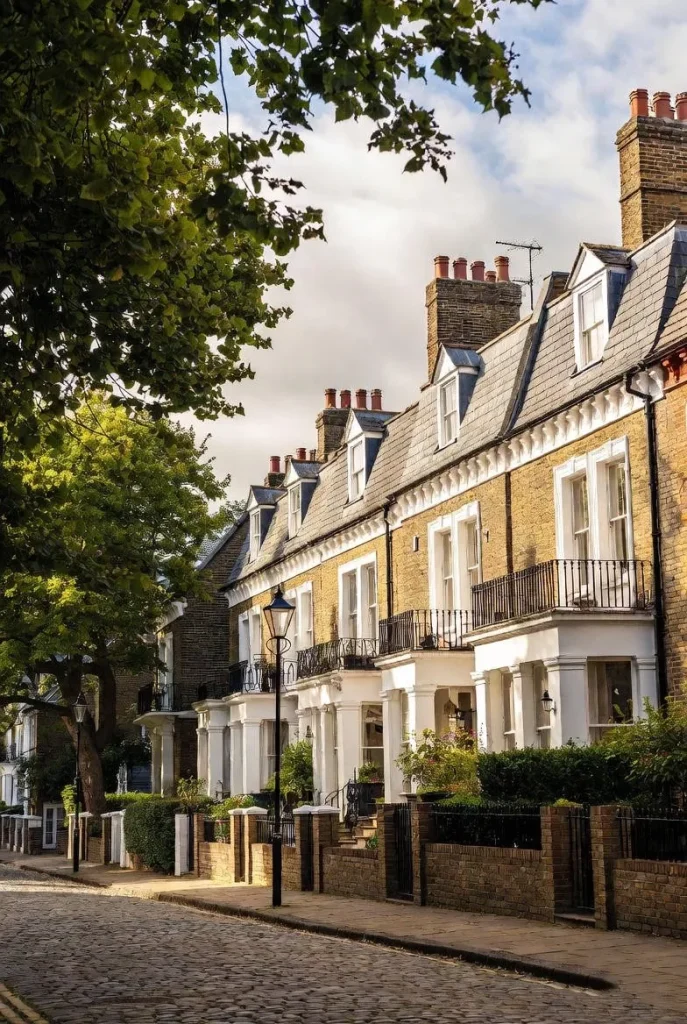
Greenwich features rows of small, charming townhouses that were originally built for the artisans and workers of the Royal Dockyards. These homes are packed with character and a sense of maritime history.
The architecture is simple and sturdy, often using dark brick and small timber windows. The front doors are frequently small and painted in traditional colors, with heavy iron hardware that reflects the local heritage.
The streets are often narrow and winding, giving the neighborhood a village like feel that is very different from the grand squares of central London. These homes prove that small scale living can be incredibly stylish.
Inside, the cottages often feature low ceilings and original fireplaces that make the rooms feel very cozy. Exposed timber beams and brickwork are common features that add to the historic atmosphere of the home.
The focus in an artisan cottage is on craftsmanship and the clever use of every available inch of space. They are often decorated with a mix of vintage finds and handmade items that reflect the owner’s personality.
DIY Tips for Cottage Charm:
- Install a traditional cast iron coat rack in your hallway to provide functional and stylish storage.
- Use a distressed wood finish on your kitchen table to give it an aged and artisanal appearance.
- Hang small, multi pane mirrors on your walls to reflect light and reference traditional window styles.
- Use woven baskets for storage to add texture and a rustic feel to your living spaces.
- Paint your interior woodwork in a soft cream or grey rather than a modern bright white.

10. Gothic Revival Atmosphere in Highgate
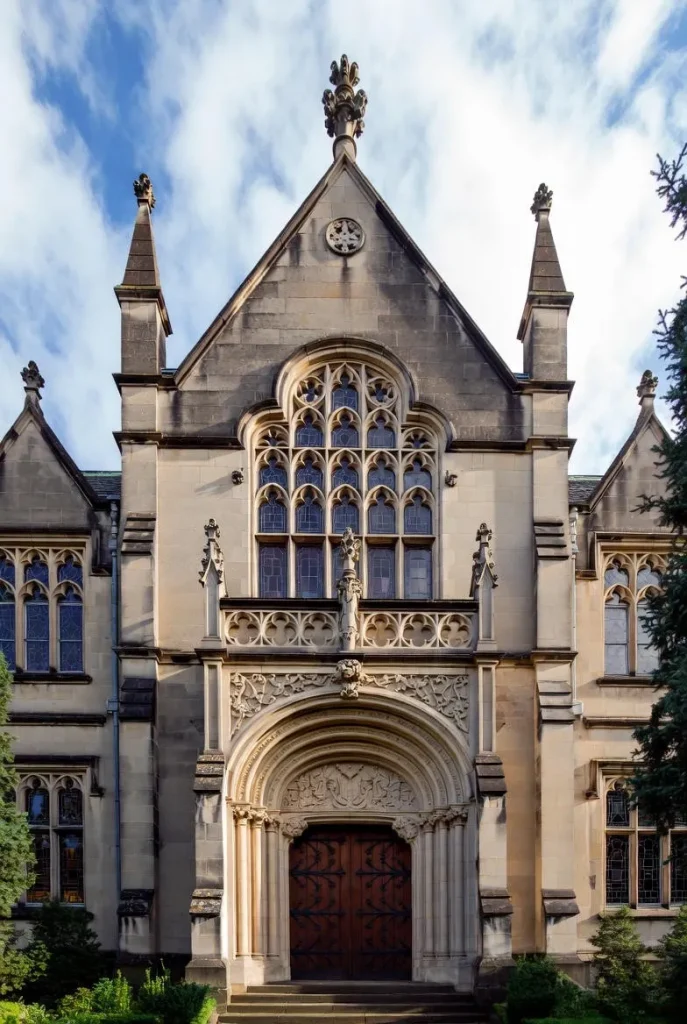
Highgate is known for its dramatic Gothic Revival townhouses which feature pointed arches, steep gables, and intricate stone carvings. This style is inspired by the medieval architecture of the great cathedrals.
The use of dark stone and heavy timber gives these homes a sense of mystery and permanence. They often feature large gardens with old trees that complement the moody and atmospheric style of the buildings.
The windows are a defining feature, often featuring stone tracery and pointed tops that create beautiful patterns of light inside. This style is perfect for those who want a home with a strong and unique personality.
Inside, the rooms are often grand with high vaulted ceilings and dark wood paneling. The fireplaces are usually large and made of carved stone, serving as a dramatic focal point for the main reception rooms.
Gothic Revival homes often feel very private and secluded, with thick walls that block out the noise of the city. They offer a sense of retreat and contemplation that is rare in modern urban environments.
DIY Tips for Gothic Style:
- Use dark wood stains on your furniture and trim to emulate the heavy timber of the Gothic era.
- Add decorative wall sconces with candle style bulbs to create an atmospheric and historic glow.
- Choose heavy velvet drapes in deep colors like burgundy or navy to frame your windows.
- Place a large, ornate rug in the center of your room to add warmth and a sense of luxury.
- Use stone effect wallpaper or paint techniques to create a dramatic feature wall in your hallway.

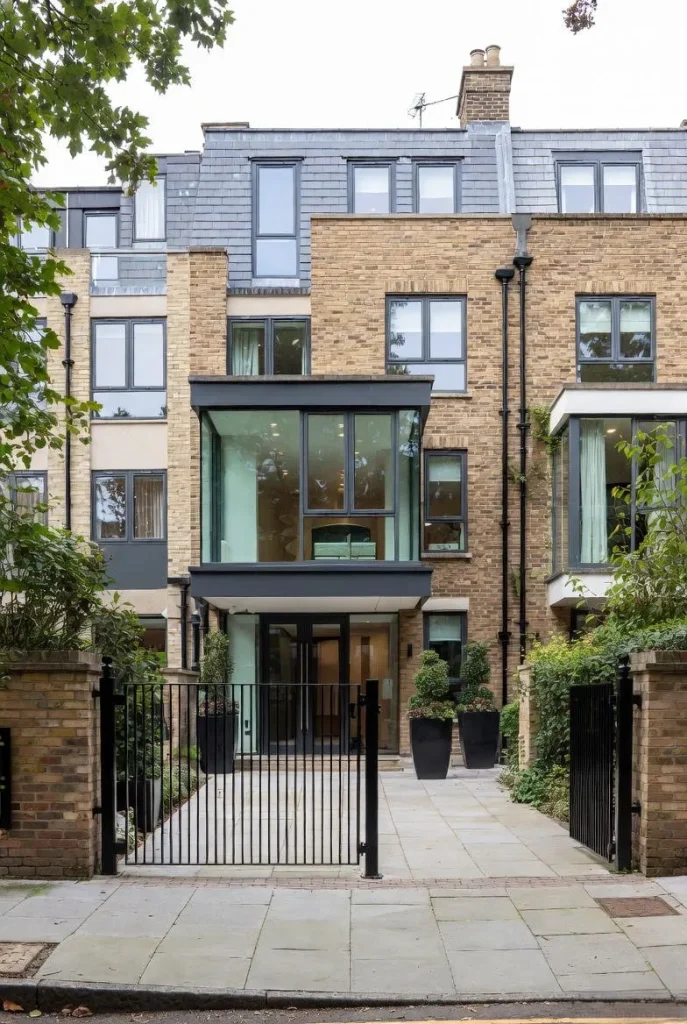
11. Modern Glass and Steel in Canary Wharf
In the heart of London’s financial district, you will find a new generation of townhouses made of glass and steel. These homes are designed for modern urban professionals who value light and high tech materials.
The architecture is sleek and transparent, with floor to ceiling windows that offer panoramic views of the docks and the skyscrapers. The use of polished metal and glass creates a futuristic and clean aesthetic.
These townhouses are often built over multiple levels with integrated technology and smart home features throughout. The focus is on efficiency and a seamless connection between the interior and the city outside.
Roof terraces are a key feature, providing private outdoor spaces that feel like they are floating above the water. These areas are perfect for entertaining guests while enjoying the lights of the city at night.
The interiors are typically minimalist, with hidden storage and high quality finishes like marble and stainless steel. The sense of space and light is the primary luxury in these modern properties.
DIY Tips for Modern Living:
- Install smart LED lighting that can be controlled by your phone to change the mood of your home.
- Use high gloss furniture and reflective surfaces to bounce light around your living areas.
- Choose a minimalist color palette of whites, greys, and blacks for a cohesive and modern look.
- Install sleek, handleless cabinets in your kitchen to maintain the clean lines of the design.
- Use large indoor plants with architectural shapes to add a touch of nature to a glass and steel home.

12. Brutalist Boldness at the Barbican
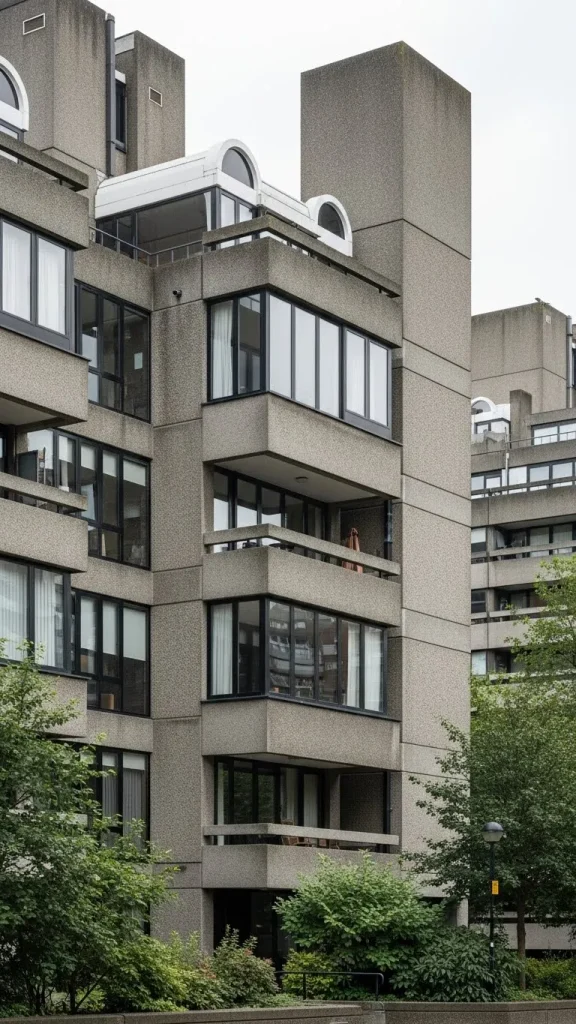
The Barbican estate is one of London’s most famous examples of Brutalist architecture, featuring unique townhouses made of raw, textured concrete. This style is about honesty in materials and bold geometric forms.
The townhouses are designed with split levels and large balconies that look out over the estate’s lakes and gardens. The use of bush hammered concrete gives the buildings a rugged and powerful appearance.
While some find the exterior harsh, the interiors of Barbican homes are known for being incredibly bright and well designed. The large windows and clever layouts make the most of every square foot of space.
The estate was designed as a total environment, with walkways and green spaces that are completely separated from the traffic below. This creates a quiet and peaceful urban oasis for the residents.
Living in a Brutalist townhouse is a statement of appreciation for modernism and structural integrity. The style has a cult following among designers and architects who value the unique character of the estate.
DIY Tips for Brutalist Style:
- Incorporate concrete accessories like planters, lamps, or bookends to reference the building’s material.
- Use a monochromatic color scheme with different shades of grey to highlight the textures of your home.
- Add soft textiles like thick wool rugs and velvet cushions to balance the hardness of the concrete.
- Keep your window treatments simple and functional to avoid distracting from the architectural lines.
- Use geometric patterns in your artwork and rugs to complement the bold shapes of the building.

13. The Stucco Stateliness of Kensington
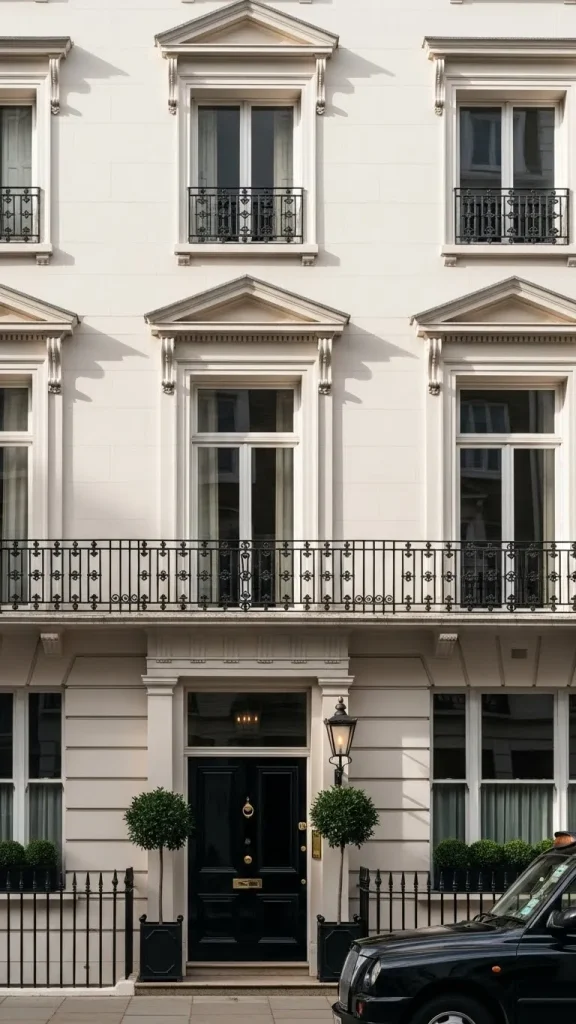
Kensington is synonymous with some of the most prestigious stucco fronted townhouses in the world. These buildings are defined by their pristine white facades and the high level of maintenance they receive.
The architecture is formal and grand, with repetitive columns and ornate carvings around the windows and doors. These homes represent the traditional wealth and social standing of the Royal Borough.
The streets are often lined with mature trees and feature private gardens for the residents. This creates a very green and peaceful atmosphere despite being in one of the most central parts of the city.
The windows in Kensington are typically large and feature traditional timber frames painted in a high gloss black. This creates a sharp and sophisticated contrast against the brilliant white of the stucco walls.
Inside, the homes feature grand entrance halls and formal reception rooms with high ceilings. The use of high quality materials like marble and oak is standard, ensuring the homes look as good inside as they do out.
DIY Tips for Stately Exteriors:
- Hire a professional to clean your exterior stucco annually to keep it looking bright and prestigious.
- Paint your front railings in a high quality black gloss paint to protect them from the elements.
- Use symmetrical arrangements of topiary trees in black pots to frame your entrance.
- Install a large brass door knocker and keep it polished to a high shine at all times.
- Use warm white bulbs in your outdoor lanterns to create a welcoming and elegant evening glow.

14. Bohemian Eclecticism in Camden Town
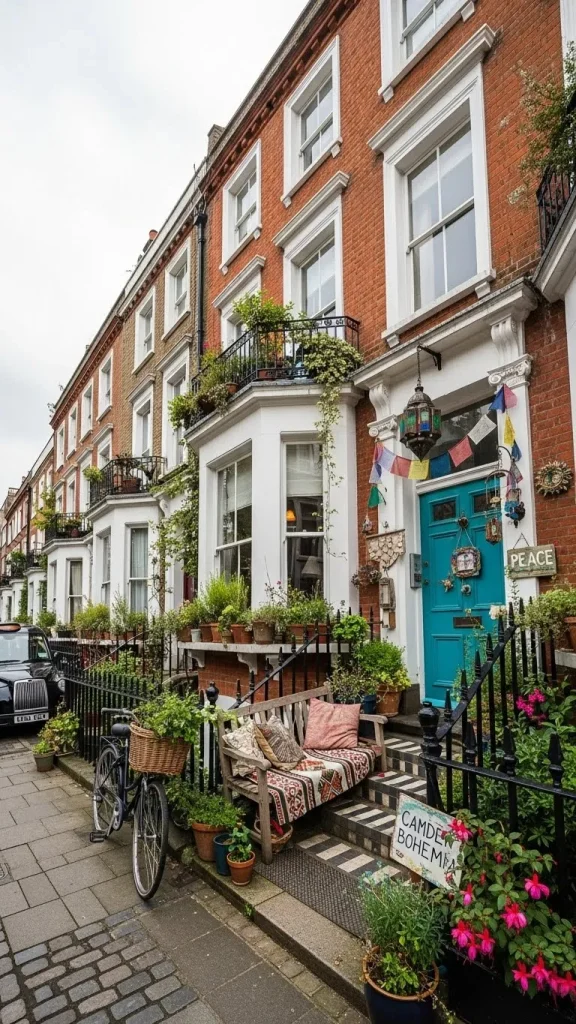
Camden Town offers a more relaxed and artistic take on the London townhouse, with rows of brick properties that have been personalized by their creative owners. This neighborhood values individuality and self expression.
The architecture is a mix of Victorian and Georgian styles, but often features colorful doors, unique window displays, and street art. These homes feel lived in and vibrant, reflecting the energy of the local area.
Many Camden townhouses have small front gardens or basement lightwells that are filled with a variety of plants and interesting objects. This creates a layered and textured streetscape that is full of surprises.
The interiors are often just as eclectic, with a mix of vintage furniture, contemporary art, and global textiles. There is no single rule for decorating a Camden home, as long as it reflects the owner’s personality.
This style is perfect for those who want their home to feel like an evolving collection of stories and experiences. It is a place where history meets modern youth culture in a uniquely London way.
DIY Tips for Eclectic Design:
- Create a gallery wall in your hallway using a mix of different frame styles, sizes, and types of art.
- Use colorful patterned tiles for your kitchen backsplash to add a touch of bohemian personality.
- Mix and match different styles of chairs around your dining table for a casual and creative look.
- Incorporate vintage lighting fixtures like mid century modern lamps or industrial pendants.
- Use bold paint colors in unexpected places like the inside of your closets or the back of your bookshelves.

15. Minimalist Lines in Southwark
Southwark has become a hub for modern minimalist townhouses that prioritize simplicity and the quality of space. These buildings often use materials like zinc, brick, and glass in clean and precise ways.
The facades are usually flat and feature hidden window frames, giving the buildings a very calm and ordered appearance. This style is about removing the unnecessary to focus on the essential beauty of the architecture.
Inside, the layouts are open plan and designed to flow seamlessly from one area to another. Large skylights and internal courtyards are often used to bring natural light into the center of the home.
The color palette is typically neutral, with whites, greys, and natural wood tones dominating the interior. This creates a serene and peaceful environment that is a perfect retreat from the busy city outside.
Modern technology is often integrated into the fabric of the building, with hidden speakers and climate control systems. This ensures that the minimalist aesthetic is not interrupted by the clutter of daily life.
DIY Tips for Minimalism:
- Invest in high quality built in storage to keep your surfaces free of clutter and daily mess.
- Paint your walls, ceilings, and trim in the same shade of white to create a seamless and expansive space.
- Choose a few large, high quality pieces of furniture rather than filling a room with many small items.
- Use hidden or recessed lighting to provide a clean and even glow throughout your home.
- Keep your window treatments simple and motorized if possible to maintain a clean and uncluttered look.

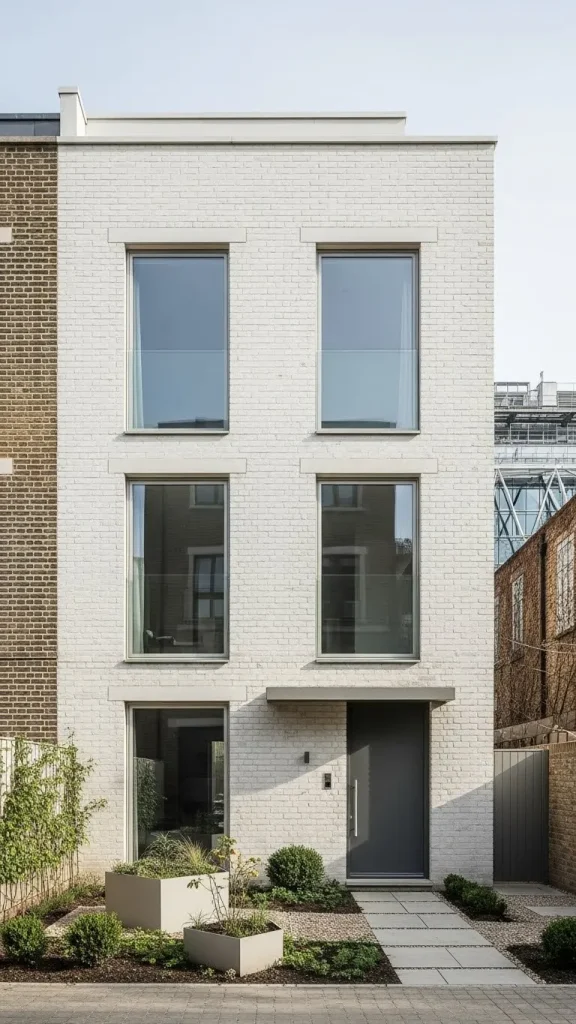
16. The Historic Wharves of Wapping
Wapping is famous for its massive warehouse conversions that sit right on the edge of the River Thames. These townhouses offer a unique living experience with deep brick walls and heavy timber beams.
The architecture is rugged and historical, with original features like iron hoisting cranes and thick timber doors still visible. These homes feel like they are part of the city’s maritime soul.
The windows are often large and offer incredible views of the shipping traffic on the river. The sound of the water against the river wall adds a layer of tranquility that is unique to this part of London.
Inside, the homes often feature large open spaces and original brickwork that adds a sense of history and texture. The use of industrial materials like steel and concrete is common in these modern renovations.
Living in a Wapping wharf is about appreciating the history of the city while enjoying a spacious and modern home. The unique location and character of these buildings make them highly sought after by residents.
DIY Tips for Warehouse Living:
- Leave at least one wall of original brickwork exposed to serve as a natural and beautiful focal point.
- Use large, oversized rugs to define different functional areas within a large open plan space.
- Install heavy industrial style lighting fixtures like large metal pendants with Edison bulbs.
- Incorporate leather furniture and wool blankets to add warmth and a sense of luxury to the space.
- Use large, framed maps of the historic London docks as artwork to reference the local heritage.

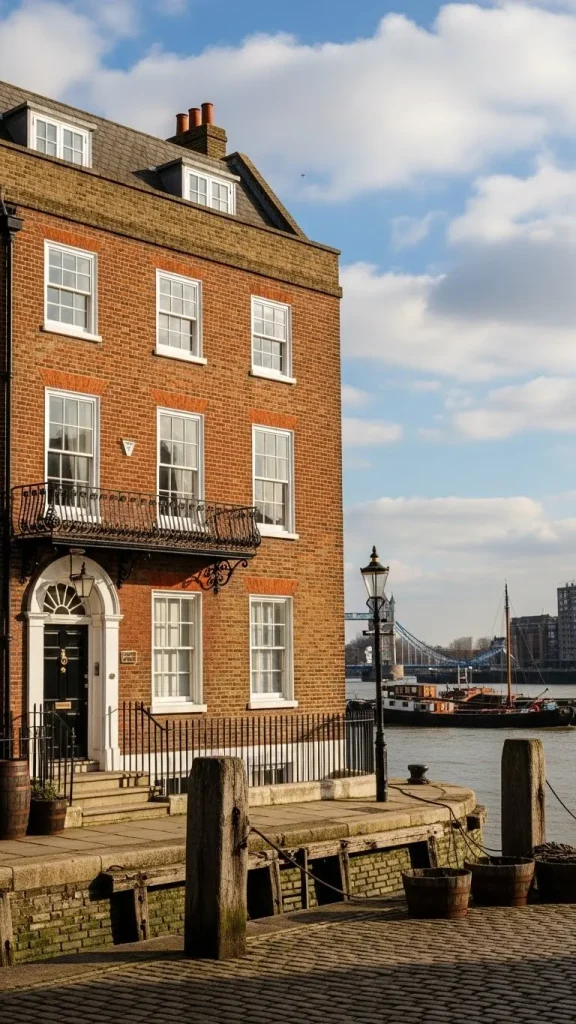
17. Village Style in Wimbledon
Wimbledon townhouses often feel like they belong in a country village rather than a major city. The architecture is characterized by pitched roofs, pretty front porches, and a focus on garden spaces.
These homes are often built with a mix of red brick and white painted wood, giving them a warm and welcoming appearance. The neighborhood is leafy and green, which is reflected in the design of the houses.
Many Wimbledon townhouses feature large bay windows and decorative timber work that adds a touch of charm. The atmosphere is quiet and family oriented, making it a popular choice for those wanting a slower pace.
The interiors are typically classic and comfortable, with large kitchens and plenty of space for entertaining guests. The gardens are an essential part of the home, often used for outdoor dining and gardening.
This style is about creating a sanctuary that feels far removed from the noise of central London. It is a place where residents can enjoy the benefits of city living while having the space and peace of a village.
DIY Tips for Village Charm:
- Paint your front gate and garden fence in a soft color like sage green or duck egg blue.
- Install a traditional wooden porch swing or a bench in your garden for a relaxed and cozy feel.
- Use floral or botanical prints for your curtains and cushions to bring a touch of nature inside.
- Create a well maintained front garden with a variety of seasonal flowers and evergreen shrubs.
- Use wicker or rattan furniture in your sunroom or on your terrace for a light and natural look.

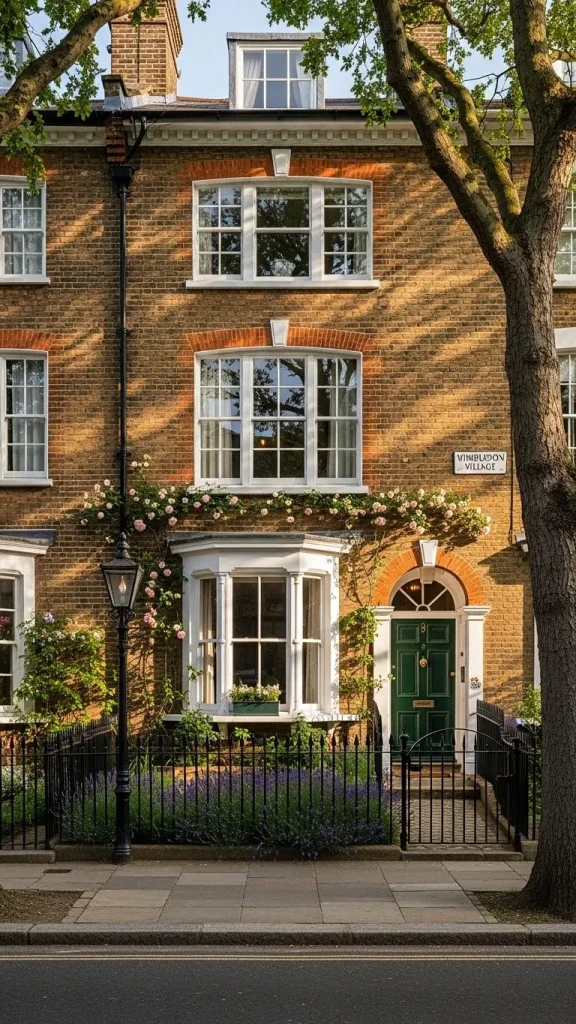
18. Art Deco Geometry in Bloomsbury
Bloomsbury features some rare and beautiful examples of Art Deco townhouses from the 1930s. This style is characterized by its use of curved corners, geometric patterns, and sleek white surfaces.
The architecture is a celebration of the modern age, with decorative ironwork and stylized motifs around the entrances. These homes offer a unique and glamorous alternative to the more common traditional styles.
Windows in Art Deco homes often feature horizontal bars that emphasize the sleek lines of the building. The use of green or black metal for the frames creates a sharp and stylish look against the white walls.
Inside, the homes often feature built in furniture and beautiful parquet flooring in geometric patterns. The use of mirrors and metallic finishes is common, adding a sense of luxury and light to the rooms.
Art Deco townhouses are a unique piece of London history that remain incredibly stylish today. They are perfect for those who appreciate the elegance and glamour of the early 20th century.
DIY Tips for Art Deco Style:
- Add a large, round mirror with a gold or chrome frame to your living room for a classic deco touch.
- Use geometric patterned wallpaper in a small area like a bathroom or a hallway to add interest.
- Replace standard door handles with glass or polished metal knobs in a stepped or curved design.
- Incorporate velvet chairs in bold jewel tones like sapphire blue or emerald green into your decor.
- Use black and white floor tiles in a geometric pattern for your entryway to create a high contrast look.

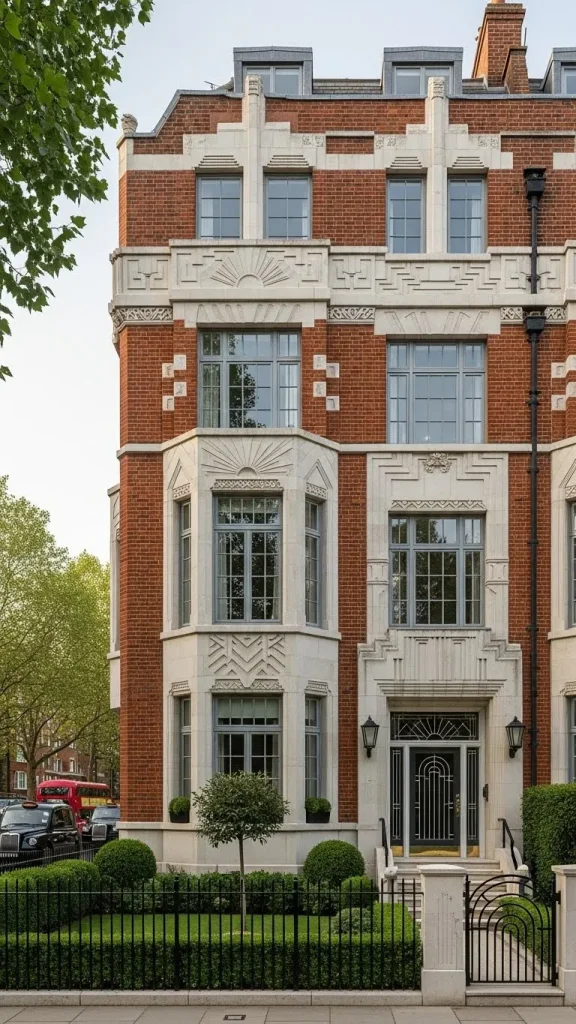
19. Green Suburban Retreats in Chiswick
Chiswick is known for its beautiful suburban townhouses that are surrounded by parks and the river. The architecture is often a mix of Victorian and Edwardian styles, with a focus on space and light.
The homes are typically set back from the road with large front gardens and wide, leafy streets. This creates a very green and peaceful environment that is perfect for families and nature lovers.
Many Chiswick townhouses have been extended with modern glass structures at the rear to create large kitchen and dining areas. This blending of old and new is a hallmark of the neighborhood.
The interiors are often bright and airy, with a focus on practical family living. Soft neutral colors and natural materials are used to create a calm and relaxing atmosphere throughout the house.
The proximity to the Thames and several large parks means that outdoor living is a big part of the lifestyle. The gardens are often the highlight of these homes, used for everything from play to dining.
DIY Tips for Suburban Living:
- Install a large glass door at the rear of your home to create a seamless connection to your garden.
- Use a large area rug to define your seating area and add warmth to a wooden or tiled floor.
- Create a dedicated outdoor dining area with a high quality wooden table and comfortable seating.
- Paint your interior walls in soft, warm neutrals to create a calm and welcoming environment.
- Add a wooden trellis with climbing plants like roses or jasmine to your garden walls for a classic look.

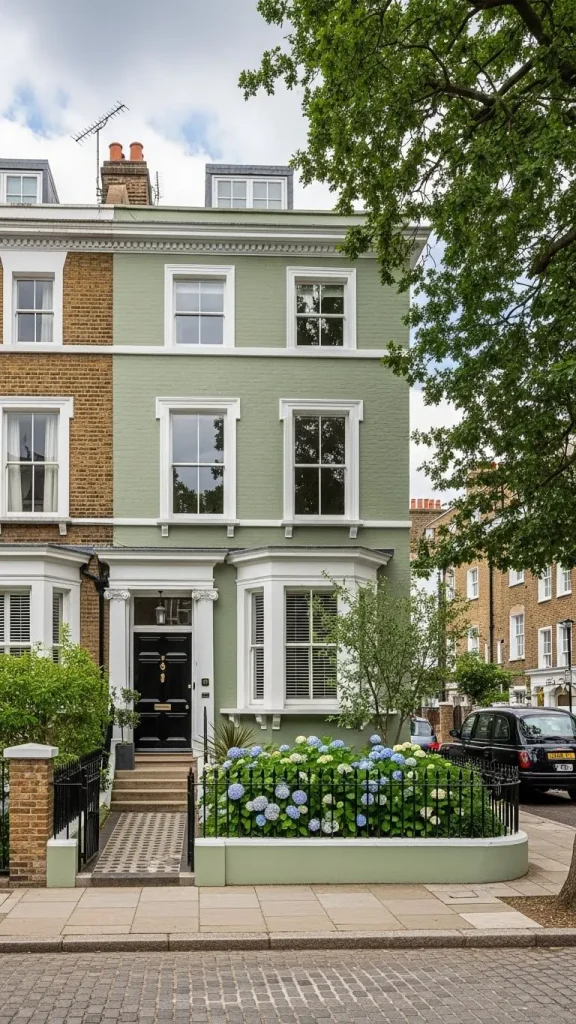
20. Artistic Studio Living in Fitzrovia
Fitzrovia is a neighborhood of narrow streets and hidden artistic history, where townhouses were often built as both homes and studios. This is reflected in the large windows and flexible living spaces.
The architecture is a mix of styles, often featuring brick facades with unique stone details and decorative ironwork. These homes feel creative and authentic, reflecting the artistic heritage of the area.
Many Fitzrovia townhouses have large windows on the upper floors that were originally designed to provide artists with the best possible light. Today, these rooms make for incredible living or working spaces.
The interiors are often used in creative ways, with a mix of traditional features and contemporary art. The atmosphere is vibrant and lived in, making it a perfect place for those who enjoy an artistic lifestyle.
Living in Fitzrovia is about being in the heart of the city while feeling part of a secret creative community. The unique character and history of these homes make them very special places to live.
DIY Tips for Artistic Touches:
- Use open shelving to display your collection of art books, unique objects, and creative tools.
- Install a large pegboard in your home office or studio area to keep your supplies organized and visible.
- Paint your floors in a light color or a pale wood finish to reflect light and create a gallery like feel.
- Use an old wooden easel as a unique and creative way to display a favorite painting or photograph.
- Hang large, industrial style lamps over your workspace to provide plenty of light and a professional feel.

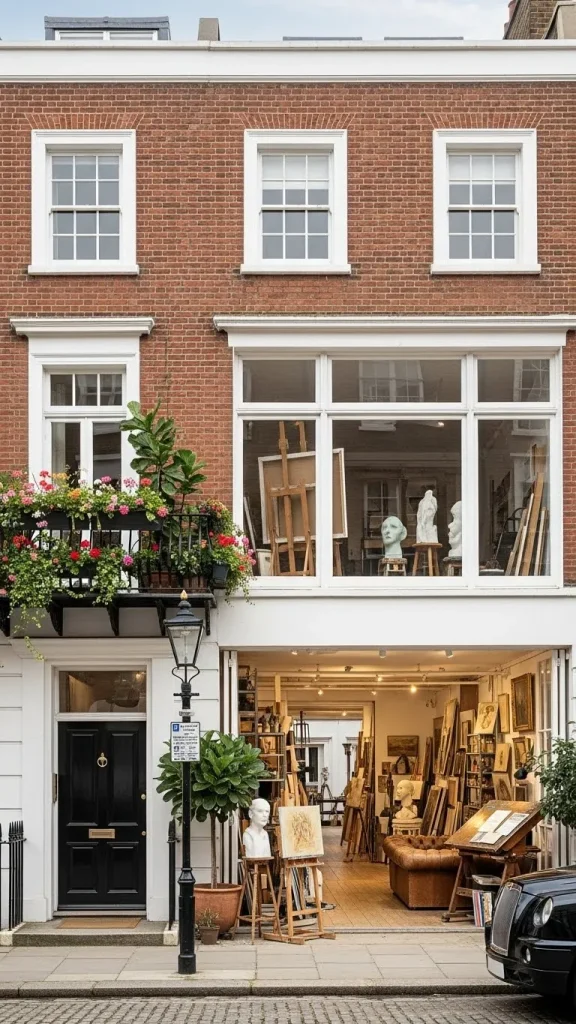
21. Reclaimed Materials in Bermondsey
Bermondsey has a long history of tanning and food production, and its townhouses often reflect this industrial past through the use of reclaimed materials. This style is both rugged and modern.
The architecture often features weathered brickwork, blackened steel, and reclaimed timber. These materials add a sense of history and texture to even the newest townhouse developments in the area.
Many homes in Bermondsey have roof terraces that offer views of the nearby Shard and the city skyline. The use of metal and glass gives the buildings a sharp and contemporary edge that is very stylish.
Inside, the homes often feature professional style kitchens and open plan living areas that are perfect for modern living. The use of warm wood balances the cooler industrial elements of the design.
Bermondsey is famous for its food markets, and this love of quality and craft is reflected in the home designs. It is a style that feels very authentic to the history and culture of South London.
DIY Tips for Reclaimed Style:
- Use copper or brass piping to create unique and industrial style curtain rods or towel racks.
- Install a large slate chalkboard in your kitchen for writing menus, notes, and creative drawings.
- Choose leather bar stools or chairs to add a touch of rugged luxury to your kitchen or living area.
- Use a vintage wooden crate as a side table or a storage unit to add texture and history to a room.
- Incorporate warm amber lighting throughout your home to make industrial materials feel cozy and inviting.

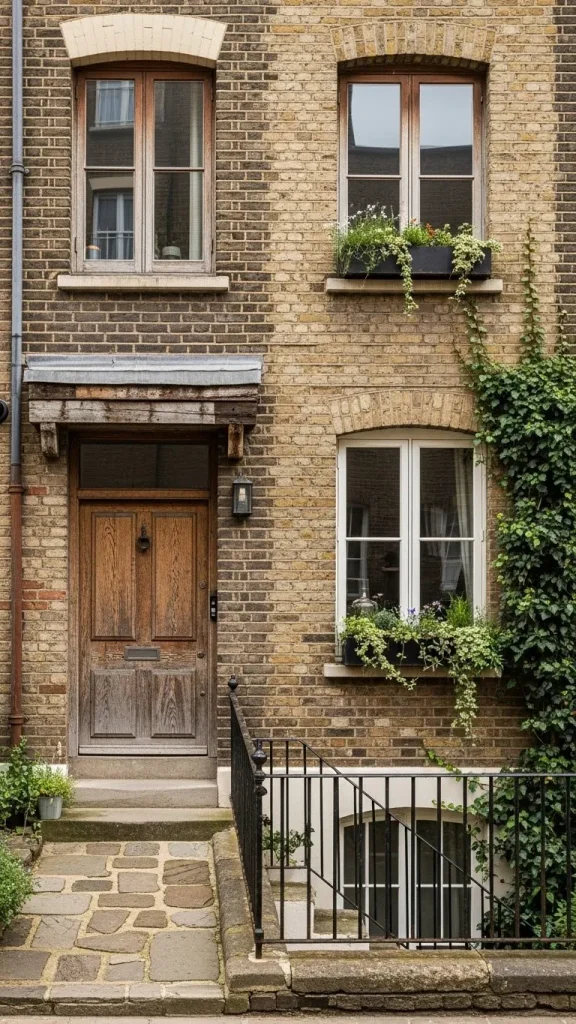
22. Modernist Innovation in Peckham
Peckham has become a center for modern architectural innovation, with new townhouses that challenge traditional design ideas. These homes often use bold materials like corrugated metal or charred wood.
The focus is on sustainability and creating unique shapes that stand out on a traditional street. Large windows and internal courtyards are often used to bring light and nature into the center of the home.
These townhouses are designed for 21st century living, with energy efficient systems and flexible layouts. The use of natural materials like plywood inside creates a bright and modern feeling.
The architecture of these new homes reflects the vibrant and changing nature of the local area. It is a style for those who want to live in a home that is both practical and a piece of modern art.
Peckham townhouses show that urban living can be creative and sustainable, providing a template for the future of London housing. They offer a unique and exciting alternative to the more common historic styles.
DIY Tips for Modern Innovation:
- Use plywood panels to create custom shelving, a modern headboard, or a minimalist feature wall.
- Install a small vertical garden or a green wall in your courtyard to improve air quality and add nature.
- Choose a single bold primary color for a piece of furniture or a door to create a striking focal point.
- Use sustainable materials like cork flooring or recycled glass countertops in your modern renovation.
- Add a hanging chair or a hammock to a quiet corner of your living room for a fun and modern touch.

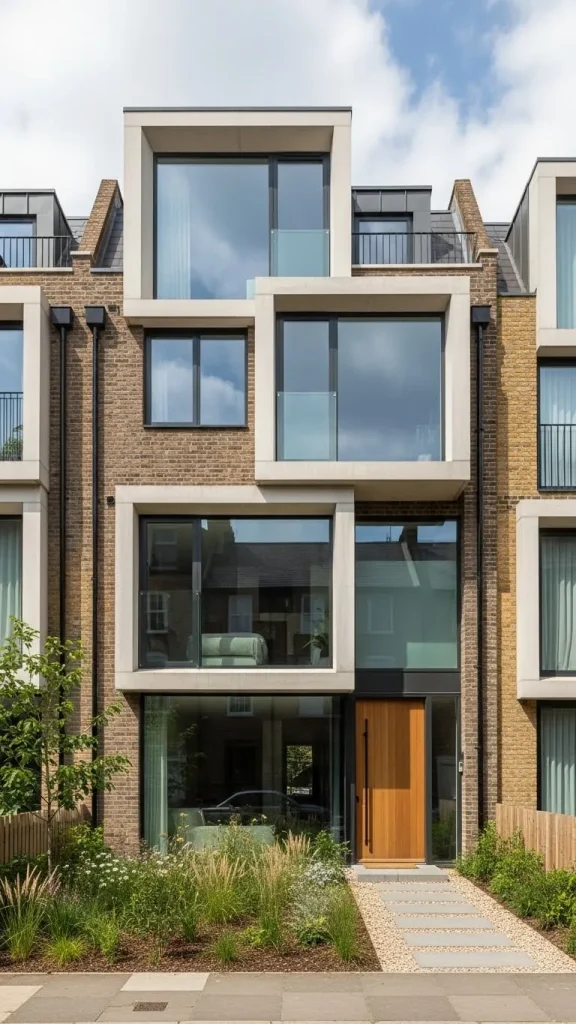
Conclusion
The twenty three townhouse styles explored in this article demonstrate the incredible diversity and richness of London’s architectural landscape. Each style, from the grandest mansion to the smallest cottage, offers a unique way of experiencing the city. By understanding these iconic streetscapes, we can find inspiration to improve our own homes and appreciate the history around us.
Whether you prefer traditional symmetry or modern innovation, the principles of good design remain the same. Capturing the essence of a London townhouse is about more than just copying a facade; it is about creating a home that is functional, beautiful, and full of character. These architectural lessons continue to influence designers around the world and will shape the future of urban living for years to come.
Your home is a part of the evolving story of design, and with a bit of creativity, you can bring a piece of London style to your own street. Through careful attention to detail and a respect for materials, anyone can create a space that feels timeless and sophisticated.
As we move forward, these iconic styles will continue to adapt and inspire, ensuring that the spirit of the London townhouse remains as vibrant as ever. Thank you for exploring these twenty three unique perspectives on home and architecture.