


Minimalism is often misunderstood. Many people picture stark white walls, cold metal furniture, and an atmosphere that feels more like a gallery than a home.
But true minimalism is not about deprivation. It is about intention. It is about clearing away the clutter to make space for what truly matters, including comfort, warmth, and a sense of peace.


The Foundation: Color and Light
1. A Warm Neutral Palette
Forget cold, clinical whites. Instead, build your foundation with warm neutrals. Think of colors like oatmeal, beige, mushroom, and soft greige. These shades have undertones of yellow or pink, which create an inherently welcoming and gentle atmosphere.

- Pro Tip: To find the perfect warm neutral, get paint samples and test them on different walls. Observe how the color changes with the natural light throughout the day. A color that looks great in the store can look completely different at home.
- Directions: Select a primary warm neutral for the majority of your walls. Then, choose a slightly darker shade from the same color family for an accent, like the wall behind your sofa, to create subtle depth.
2. The Moody Monochrome
A monochrome scheme does not have to be boring. A minimalist room using varying shades of a single deep color, like charcoal or forest green, can be incredibly enveloping. The key is to use a wide range of tones.

- Pro Tip: To prevent a monochrome room from feeling flat, ensure you incorporate a wide variety of textures. Combine a matte wall finish with a velvet pillow, a linen curtain, and a wool rug, all in shades of your chosen color.
- Directions: Choose a base color you love. Paint the walls in a mid-tone version. Select furniture and large textiles in darker shades and use the lightest tints for smaller accents and decor.
3. The Power of an Earthy Accent
Introduce a single, powerful earthy accent color. A deep terracotta, a rich olive green, or a warm mustard yellow can add immense character. Use it on a single wall, a statement armchair, or a large piece of art.

- Pro Tip: The most successful accent colors are drawn from nature. Think of the color of clay, moss, or autumn leaves. These tones have a timeless quality and pair beautifully with wood and other natural materials.
- Directions: Start small. Introduce your chosen earthy accent with a few throw pillows or a vase. If you love the effect, you can commit to a larger element like a piece of furniture or a painted feature wall.
4. Layered Lighting is Everything
One overhead light is rarely cozy. A truly comfortable space uses layered lighting with different sources at different heights. Combine a soft overhead light with a floor lamp for reading and a small table lamp for ambient glow.

- Pro Tip: Use smart bulbs in your various lamps. This allows you to control the brightness and even the color temperature of each light source individually from your phone, creating customized lighting scenes for any mood.
- Directions: Identify the three key lighting layers. First, ambient (your main overhead light). Second, task (a floor or desk lamp for reading). Third, accent (a small lamp to highlight art or a plant). Ensure your room has at least one of each.
5. Install Dimmer Switches
This is one of the simplest yet most effective tricks for instant coziness. Dimmer switches give you ultimate control over the intensity of your lighting. Being able to lower the lights creates an immediate sense of intimacy.

- Pro Tip: Opt for LED compatible dimmer switches to avoid the flickering or buzzing that can occur with older models. Modern dimmers offer a smooth, seamless transition from bright to low light.
- Directions: Identify the light you use most for evening relaxation, usually the main overhead fixture. Hire an electrician to replace the standard switch with a dimmer. It is a quick and relatively inexpensive upgrade.
6. The Sculptural Floor Lamp
Choose a floor lamp that is both a source of light and a piece of art. An arc lamp with a graceful curve can soften the hard lines of a room. Its gentle light can create a perfect reading nook or highlight a corner.

- Pro Tip: Look for a floor lamp with a fabric or paper shade. These materials diffuse the light beautifully, casting a soft, warm glow instead of a harsh, direct beam. This greatly enhances the cozy atmosphere.
- Directions: Place the sculptural floor lamp in a corner behind an armchair or at the end of a sofa. This placement integrates it with the furniture, allowing it to provide useful light while its form adds to the room’s overall composition.
7. The Warmth of Candlelight
Never underestimate the primitive, flickering glow of candles. Their warm light is naturally soft and creates a dynamic, living ambiance. For a safer option, high quality flameless LED candles can provide a similar effect.

- Pro Tip: Group candles on a simple tray made of a natural material like slate, wood, or ceramic. This contains any wax drips and turns the collection into a single, intentional decorative element.
- Directions: Gather three to five candles of varying heights but similar colors. Arrange them in a tight cluster on your coffee table or mantelpiece. The variation in height makes the arrangement more visually interesting.
The Feel of Things: Texture and Textiles
8. The Chunky Knit Throw
A chunky knit blanket is the epitome of cozy. Its exaggerated texture is visually appealing and practically begs you to curl up with it. Drape one over the back of your sofa or the arm of a chair.

- Pro Tip: Look for throws made from merino wool. While more expensive, it’s incredibly soft, breathable, and less prone to pilling than many synthetic alternatives. Its quality adds a touch of quiet luxury.
- Directions: Don’t fold the throw perfectly. For a relaxed, inviting look, drape it casually over one corner of the sofa, letting it spill onto the seat cushion slightly. This “artfully messy” placement looks more natural.
9. The Allure of Bouclé Fabric
Minimalism celebrates touchable textures, and bouclé fabric is a prime example. Its looped, nubby surface is soft and visually interesting. A single armchair or a few throw pillows in a cream bouclé can add significant comfort.

- Pro Tip: While cream bouclé is classic, consider it in a warmer tone like camel or a muted olive green. This adds a unique touch while maintaining the sophisticated, textural appeal of the fabric.
- Directions: Introduce bouclé with one or two round or bolster shaped throw pillows on your sofa. Their distinct texture and shape will stand out beautifully against a smoother sofa fabric.
10. The Softness of a High Pile Rug
Ground your space with a soft, high pile rug. A shag, flokati, or plush wool rug provides a luxurious feeling underfoot. It defines the living area and absorbs sound, making the entire room feel quieter and more insulated.

- Pro Tip: A high pile rug can show footprints and flatten in high traffic areas. Use a rug rake or a vacuum with a beater bar turned off to fluff the fibers back up regularly, keeping it looking plush.
- Directions: When choosing a size, ensure at least the front two legs of your sofa and any armchairs are sitting on the rug. This visually connects the furniture and makes the space feel cohesive and grounded.
11. Linen Curtains for Diffused Light
Heavy, dark curtains can feel oppressive. Instead, opt for lightweight linen curtains in a natural or off white shade. They do not block the light completely but diffuse it, casting a soft, ethereal glow throughout the room.

- Pro Tip: For the best look, hang your curtain rod several inches above the window frame and extend it several inches past the frame on either side. This makes the window appear larger and more grand.
- Directions: Choose curtains that are long enough to just “kiss” the floor. This creates a clean, elegant line. Avoid curtains that puddle on the floor, which can look messy, or ones that are too short, which looks awkward.
12. The Richness of Velvet
Velvet can absolutely work in a minimalist setting when used sparingly. A single velvet pillow or a small ottoman adds a touch of luxe and depth. Choose a rich but muted color, like a dusty rose or a deep navy.

- Pro Tip: Opt for matte velvet over one with a high sheen. Matte velvet has a more contemporary and understated look that integrates better into a minimalist aesthetic, providing texture without too much glamour.
- Directions: Select one or two velvet cushion covers in a color that complements your earthy accent tone. Place them in front of your other pillows so their rich texture is the first thing you see.
13. The Grounding Power of Jute
For a more rustic, organic feel, a jute or sisal rug is an excellent choice. Its natural, woven texture adds warmth and an earthy element to the room. It pairs beautifully with both modern furniture and soft textiles.

- Pro Tip: Jute can be a bit coarse underfoot. To get the best of both worlds, layer a smaller, softer, high pile rug on top of the larger jute rug. This defines the central seating area with plushness while retaining the jute’s textural border.
- Directions: Due to their natural fibers, new jute rugs may have a distinct smell and shed a bit. Vacuum it thoroughly (without a beater bar) a few times in the first week to speed up this process.
14. A Faux Fur Element
Add a touch of playful luxury with a faux fur element. A small sheepskin style rug layered over a larger one or draped over a bench adds instant coziness. The key is to keep it as a small, focused accent.

- Pro Tip: Look for high quality faux fur that has variation in fiber length and color. This makes it look more realistic and luxurious than cheaper versions that can appear flat and obviously synthetic.
- Directions: Casually drape a small faux sheepskin throw over the back or arm of a structured armchair. The contrast between the chair’s clean lines and the fur’s wild texture is visually compelling.
15. The Simplicity of Woven Baskets
Woven baskets are a minimalist’s best friend. They offer a perfect solution for stylish storage while adding natural texture. Use them to hold a spare blanket, magazines, or even a potted plant.

- Pro Tip: Use a basket with a lid to completely hide away less sightly items like children’s toys, remote controls, or charging cables, maintaining a perfectly uncluttered surface.
- Directions: Place a large woven basket on the floor next to your sofa. Roll up a cozy throw blanket and place it inside, allowing a corner to peek out. This is both practical storage and a decorative, inviting touch.
The Bones of the Room: Furniture and Form
16. The Low Profile Sofa
A sofa that sits low to the ground creates a relaxed, lounge like atmosphere. It makes the ceiling feel higher and the room more open. Choose a simple silhouette with deep, comfortable cushions.

- Pro Tip: When choosing a low-profile sofa, pay close attention to the seat depth. A deeper seat encourages lounging and curling up, significantly enhancing the comfort factor. Aim for a depth of at least 24 inches.
- Directions: Measure your space carefully before buying. Balance a low profile sofa with a taller element nearby, like an arc floor lamp or a tall plant, to create visual interest and prevent the room from feeling too flat.
17. Furniture with Curved Edges
Minimalism often involves straight lines, but incorporating curves can soften the entire look. Think of a coffee table with rounded corners, a sofa with a gentle curve, or an arched bookshelf.
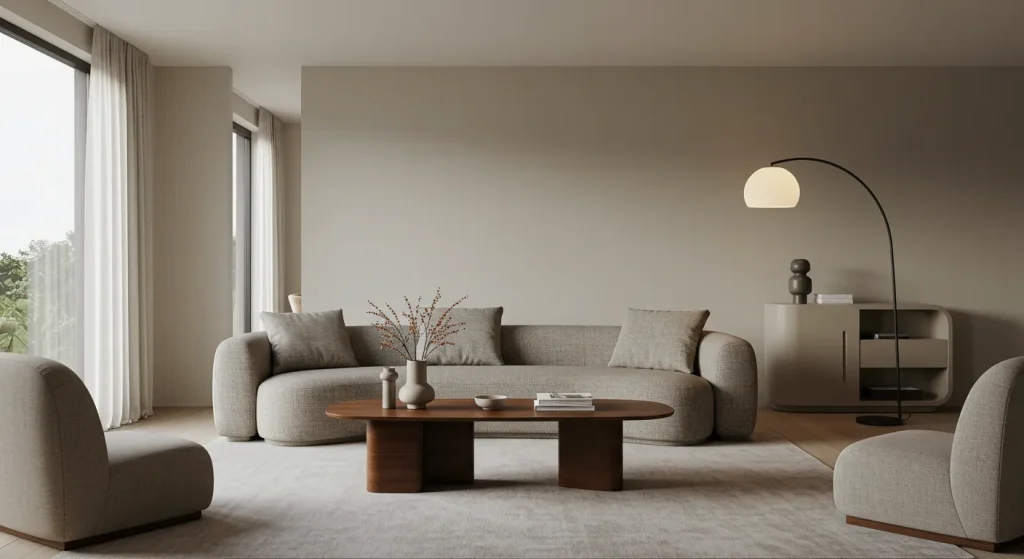
- Pro Tip: A round ottoman used as a coffee table is a fantastic way to introduce a large, soft, curved element into the center of your living space, breaking up all the straight lines of the seating.
- Directions: Start by swapping out a square side table for a round one. This small change can have a surprisingly large impact on the feel of a room, making it feel more fluid and gentle.
18. The Warmth of Natural Wood
Incorporate natural wood elements. A light oak coffee table, a walnut media console, or even simple wooden picture frames can add immense warmth. Wood’s natural grain connects the space to the outdoors.

- Pro Tip: Stick to two, or at most three, different wood tones in your room to maintain a cohesive look. For example, pair light oak floors with a darker walnut media console and small teak accents.
- Directions: Identify an opportunity to introduce wood. This could be as simple as a set of wooden coasters on the coffee table or as significant as replacing a metal-framed coffee table with a solid wood one.
19. The Floating Credenza
A wall mounted or “floating” credenza is a hallmark of minimalist design. It keeps the floor clear, creating an illusion of more space. This piece provides essential storage while maintaining a lightweight, airy feeling.

- Pro Tip: Mount the credenza at a height that aligns with another visual line in the room, like the windowsill or the height of your sofa’s armrest. This creates a subtle sense of order and intention.
- Directions: When installing, ensure it is securely anchored to wall studs to support the weight. The clear floor space underneath is perfect for tucking away a few large floor cushions or a low profile basket.
20. A Single, Comfortable Statement Chair
Instead of a matching set of bulky armchairs, opt for a single, beautifully designed statement chair. Make sure it is incredibly comfortable. This chair can be a different color or material from your sofa.

- Pro Tip: Before buying, always try to sit in the chair. A chair can be beautiful but terribly uncomfortable. Its primary purpose in a cozy room is to be an inviting place to sit.
- Directions: Position the statement chair at a slight angle towards the sofa to encourage conversation. Pair it with a small side table and a reading lamp to create a distinct, functional zone.
21. The “Invisible” Coffee Table
An acrylic or glass coffee table can be a great choice for smaller minimalist living rooms. It provides a functional surface without adding visual weight. This transparency allows you to see the cozy rug beneath.

- Pro Tip: Keep the surface of a glass or acrylic table very sparsely decorated. Its beauty lies in its transparency, so clutter will defeat its purpose. A single stack of books or a small plant is all you need.
- Directions: Clean the glass or acrylic surface frequently with a microfiber cloth. Smudges and dust are highly visible on these tables and can detract from the clean, minimalist aesthetic.
22. Multi Functional Furniture
Every piece should earn its place. A storage ottoman is a perfect example. It can act as a footrest, extra seating, or a coffee table with a tray on top, all while hiding clutter.
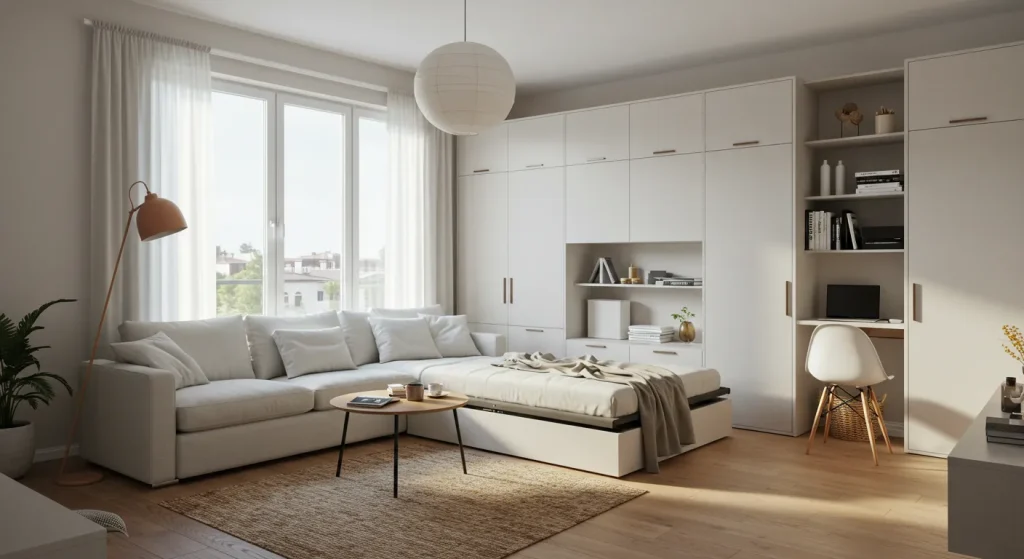
- Pro Tip: Look for a coffee table with a hidden lift-top mechanism. This transforms it into a small desk or dining surface, perfect for small spaces and cozy evenings spent working or eating on the sofa.
- Directions: Before purchasing a multifunctional piece, clearly define its roles. Will it be primarily a footrest or a storage unit? This will guide your choice of material (soft fabric vs. durable wood).
23. The Nesting Coffee Table
Nesting tables offer incredible versatility. They provide multiple surfaces when you need them but can be tucked away to save space. Often featuring mixed materials, they add layers of texture and interest.
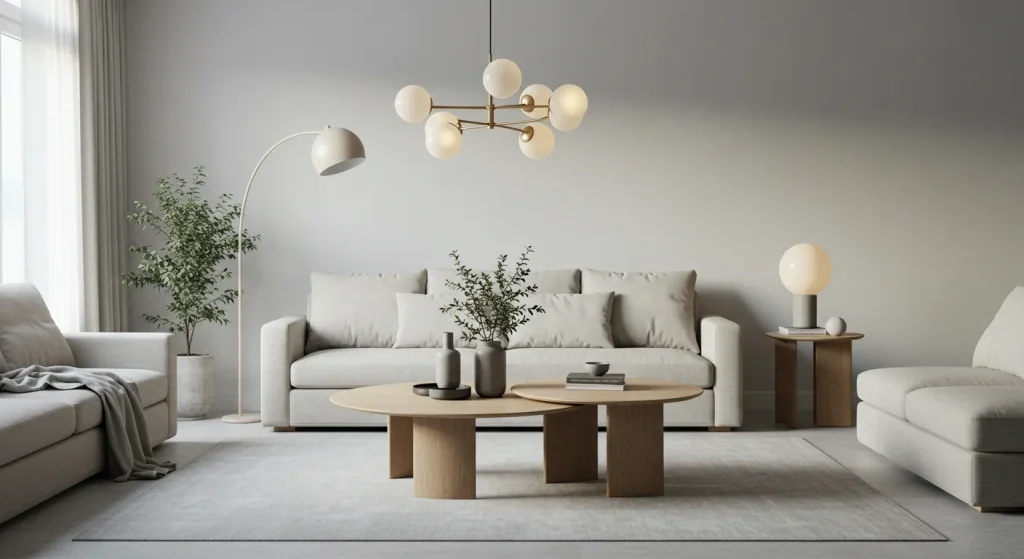
- Pro Tip: Don’t feel obligated to keep the tables nested together. You can pull the smaller table out and use it as a side table next to an armchair, creating a cohesive look across the room.
- Directions: Look for a set that combines different materials, such as a wood top on one table and a marble or metal top on the other. This adds visual interest even when they are neatly tucked together.
24. A Deep, Comfy Chaise Lounge
If you have the space, a sofa with a chaise lounge extension is the ultimate invitation to relax. It encourages you to put your feet up and unwind. This L-shape also helps to define the seating area in an open concept room.

- Pro Tip: Ensure the chaise is on the correct side for your room’s layout. It should typically be on the side with less foot traffic to create a cozy, protected corner for lounging.
- Directions: Measure your room to make sure the chaise won’t block a major walkway or a doorway. Leave at least three feet of clear space for comfortable movement around the furniture.
25. The Beauty of an Unfinished Look
Consider furniture with a raw, unfinished, or reclaimed wood look. The imperfections, knots, and unique grain tell a story. This aesthetic adds a layer of rustic charm and authenticity.

- Pro Tip: To protect raw or reclaimed wood without adding a high gloss finish, use a matte or satin polyurethane sealant. It will protect the wood from stains and spills while preserving its natural appearance.
- Directions: Introduce a single piece of reclaimed wood, like a small stool or a picture frame. The contrast between its rustic texture and the smoother finishes of your other furniture will create a beautiful focal point.
The Soul of the Space: Art and Personal Touches
26. Large Scale, Minimal Art
Instead of a busy gallery wall, choose one oversized piece of art. A large abstract painting with simple forms or a stunning landscape photograph works well. This creates a powerful focal point without adding visual clutter.

- Pro Tip: The center of the artwork should hang at average eye level, which is about 57 to 60 inches from the floor. This is a standard gallery height that works in most residential spaces.
- Directions: To create a cohesive look, pull one of the minor colors from the artwork and repeat it in a small accent in the room, like a throw pillow or a vase.
27. Black and White Photography
There is a timeless, soulful quality to black and white photography. Frame a series of personal photos or artistic prints in simple, matching frames. This creates a sophisticated display that adds emotion.

- Pro Tip: For a modern, high-impact look, print your photos in a very large format with a wide white mat inside the frame. The generous negative space around the image makes it feel more important and artful.
- Directions: Choose thin, simple frames in either black, white, or a natural wood. Using identical frames for all the photos is key to creating a unified, minimalist gallery wall.
28. Plants are Living Sculptures
Greenery is essential for a cozy minimalist home. Plants add life, color, and an organic element. Choose plants with interesting leaf shapes, like a Fiddle Leaf Fig or a Monstera, in simple ceramic or terracotta pots.

- Pro Tip: Choose plants that suit the light conditions of your room. Snake plants and ZZ plants are great low-light options, while a Fiddle Leaf Fig needs bright, indirect light. Healthy plants are beautiful plants.
- Directions: Place plants at varying heights to draw the eye around the room. Use a tall floor planter, place a smaller plant on a side table, and hang a trailing plant from a shelf or the ceiling.
29. Books as Decor
Don’t hide all your books away. A small, curated stack of beautiful hardcover books on a coffee table or a shelf adds personality and warmth. They signal that this is a space for relaxation and thought.

- Pro Tip: Remove the glossy paper dust jackets from a few hardcovers. The simple cloth or paper binding underneath often has a more minimal and textural quality that looks beautiful in a stack.
- Directions: Create a small, intentional stack of three or five books on your coffee table. Top the stack with a small, interesting object like a piece of coral, a small brass bowl, or a beautiful stone.
30. Display a Personal Collection
Minimalism doesn’t mean having no possessions; it means curating them. Display a small, meaningful collection on a floating shelf. This could be pottery, stones from your travels, or anything that holds personal value.

- Pro Tip: The “rule of three” is a powerful design principle. Grouping items in odd numbers, especially threes, is more visually appealing and dynamic than even numbered groupings.
- Directions: Select a dedicated spot, like one section of a bookshelf or a small tray. Arrange your collection there, ensuring there is some space between the items so each one can be appreciated individually.
31. The Elegance of a Leaning Mirror
A large, full length mirror leaned against a wall is a classic design trick. It bounces light around the room, making it feel brighter and larger. Choose one with a simple frame in a warm wood or matte black metal.

- Pro Tip: For safety, especially in a home with children or pets, secure the top of the leaning mirror to the wall with a small, invisible strap or piece of wire. This maintains the casual look while preventing accidents.
- Directions: Position the mirror on a wall that is perpendicular to a window, not directly across from it. This allows it to catch and refract light around the room in the most effective way.
32. A Focus on the View
If you are lucky enough to have a great view, make it the centerpiece of the room. Arrange your furniture to face the window. Keep window treatments simple to frame the view rather than obscure it.

- Pro Tip: Keep the area directly in front of the window free of tall furniture or clutter. A low bench or a couple of floor cushions can provide seating without blocking the precious view.
- Directions: Orient your main seating piece, the sofa, to face the window. If this isn’t practical, arrange your seating in an L-shape where the sofa and chairs still have a clear sightline to the outside.
33. Create a Cozy Reading Nook
Carve out a small corner dedicated to comfort. All you need is your statement armchair, a small side table, and a good reading lamp. This designated zone for quiet activity makes the entire living room feel more inviting.

- Pro Tip: Add a small, plush footstool or pouf to your reading nook. Being able to put your feet up is the final word in comfort and will make you much more likely to use the space.
- Directions: Find an underutilized corner of your living room. Place your most comfortable armchair there. Add a floor lamp right behind it and a small table next to it for a cup of tea and a book.
34. The Comfort of Negative Space
Cozy doesn’t have to mean filled to the brim. In minimalism, empty or “negative” space is a key element. It gives your eyes a place to rest. This visual quietness is a different kind of comfort that reduces stress.

- Pro Tip: One of the most impactful areas for negative space is the wall. Resist the urge to hang something on every empty wall. A large, blank wall can feel very calming and intentional.
- Directions: After setting up your furniture, take one small item away. It could be a pillow, a vase, or a side table. Often, removing just one thing can make the whole room breathe better.
35. A Touch of Brass or Copper
While matte black is a minimalist staple, a touch of a warm metal can elevate the coziness. Introduce small accents of brass or copper in the form of a lamp base, a decorative bowl, or cabinet hardware.

- Pro Tip: Choose a brushed or aged brass finish over a highly polished one. The softer, more muted glow of a brushed finish feels more sophisticated and less flashy, integrating better with a calm aesthetic.
- Directions: A simple way to introduce this is by swapping out the standard silver or black handles on a media console for small, elegant brass knobs or pulls. It is a small detail with a big impact.
Advanced Concepts for a Curated Home
36. The Wabi Sabi Philosophy
Embrace the Japanese philosophy of Wabi Sabi, which finds beauty in imperfection. This means cherishing items that are aged, weathered, or handmade. A worn wooden stool or a handmade vase contributes to a soulful home.

- Pro Tip: Wabi sabi is not an excuse for mess. It’s about finding beauty in authentic aging and craftsmanship, not in neglect. The imperfection should feel intentional and cherished.
- Directions: Visit a local flea market or antique shop. Look for a single object, like a small wooden bowl or a stoneware jug, that shows its age. Give it a place of honor on a shelf.
37. Asymmetrical Balance
Perfect symmetry can sometimes feel formal and stiff. Instead, aim for asymmetrical balance. For example, balance a large sofa on one side of the room with two smaller chairs on the other. This creates a more dynamic layout.

- Pro Tip: Visual weight is key to asymmetry. A dark-colored object has more visual weight than a light-colored one. A complex, textured item has more weight than a smooth, simple one. Balance accordingly.
- Directions: Instead of placing two identical table lamps on either end of your credenza, try placing one lamp on one side and a taller vase with a few branches on the other.
38. The Scent Scape
Comfort is a multi sensory experience. Introduce a subtle, signature scent to your living room with a high quality candle, essential oil diffuser, or incense. Choose calming scents like sandalwood, lavender, or cedar.

- Pro Tip: Rotate your home’s scent seasonally. Use light, fresh scents like citrus or linen in spring and summer, and warmer, spicier scents like cedar, clove, or pine in autumn and winter.
- Directions: Choose one method of scenting your space to avoid overwhelming aromas. An ultrasonic diffuser with a few drops of essential oil provides a subtle, consistent fragrance that isn’t overpowering.
39. A Single, Striking Pattern
While minimalism avoids busy patterns, a single, carefully chosen one can add life. This could be on a rug or a pair of throw pillows. Opt for a simple geometric design, a classic stripe, or an abstract pattern.

- Pro Tip: For the most cohesive look, ensure the colors within your chosen pattern echo the other colors already in your room’s palette.
- Directions: A patterned rug is a great way to introduce a single statement. Choose a rug with a large-scale, simple geometric pattern in two or three of your room’s neutral tones.
40. The Beauty of Concrete
It may sound cold, but concrete can be surprisingly warm and textural when used correctly. A concrete coffee table or a planter adds an earthy, industrial edge that pairs wonderfully with soft textiles.

- Pro Tip: Look for concrete items that are blended with other fibers (GFRC: Glass Fiber Reinforced Concrete). This makes them much lighter and less prone to cracking than pure concrete.
- Directions: Start small with concrete accents. A set of concrete coasters or a small concrete tray for your candles can introduce the texture without the commitment of a large piece of furniture.
41. Hide The Technology
Visible cables and a blinking array of electronics are the enemies of a calm space. Invest in a media unit that can hide them away. Use cable organizers and boxes to tame the mess behind your television.

- Pro Tip: Look for media units with slatted or cane doors. These allow infrared remote signals to pass through, so you can keep your devices hidden away even while you are using them.
- Directions: Purchase a simple cable management box. Gather all the wires and the power strip behind your TV and place them inside this box. This one simple step can dramatically clean up the entire area.
42. A Well Placed Bench
A simple wooden or upholstered bench is a wonderfully versatile piece. Place it under a window or against a spare wall. It can serve as extra seating, a place to display books, or a beautiful sculptural object.

- Pro Tip: An upholstered bench can add another layer of softness to the room. Choose one in a textural fabric like linen or bouclé to maximize its cozy contribution.
- Directions: Place a simple, backless wooden bench against the wall behind your sofa. This provides a narrow shelf for a few plants and books without taking up much floor space.
43. The Charm of Foraged Decor
Bring the outdoors in with foraged elements. A beautiful branch placed in a tall vase or a bowl of pinecones on the coffee table adds effortless, natural charm and seasonal texture.

- Pro Tip: Always make sure foraged items are clean and free of pests before bringing them inside. A beautiful branch might look nice, but you don’t want to bring any unwanted guests into your home.
- Directions: Find a single, interesting fallen branch on your next walk. Trim off any small, messy twigs. Place the clean, sculptural branch in a tall, simple ceramic vase on the floor or a console table.
44. A Daybed for Ultimate Lounging
For a truly relaxed and multifunctional space, consider a minimalist daybed instead of a traditional sofa. It serves as both a couch and a spot for napping, with simple, clean lines perfect for a minimalist aesthetic.

- Pro tip: Style a daybed with a mix of standard bed pillows and decorative throw cushions. This blurs the line between sofa and bed and makes it look inviting for both sitting and reclining.
- Directions: Push the daybed lengthwise against a wall. Add a row of large Euro pillows against the wall to act as a backrest for comfortable daytime seating.
45. The Single Shelf Statement
Instead of a bulky bookcase, install a single, long floating shelf on a prominent wall. Artfully arrange a few cherished books, a small plant, and a couple of meaningful objects on it for a curated display.

- Pro Tip: When styling the shelf, leave “breathing room” around your objects. Don’t line items up from end to end. Create small groupings with empty space in between for a more minimal, artful look.
- Directions: Install a floating shelf that is the same color as the wall. This makes the shelf itself visually recede, causing the objects on it to appear as if they are floating.
46. Let The Architecture Shine
If your home has interesting architectural details like exposed beams, brick walls, or beautiful moldings, let them be the star. Keep furniture and decor simple to draw the eye to these unique features.

- Pro Tip: If you have an exposed brick wall, don’t hang too much art on it. The texture and color variation of the brick is the art. Let it stand on its own as a powerful feature.
- Directions: Identify the most compelling architectural feature in your room. Arrange your furniture to highlight it or frame it. For instance, place your credenza on your most beautiful wall to draw attention to it.
47. The Round Coffee Table
In a room dominated by the rectangular shapes of sofas and media units, a round coffee table can be a welcome change. Its lack of sharp corners promotes better flow and a more communal feel.

- Pro Tip: In a larger seating area, consider using two smaller round coffee tables of slightly different heights instead of one large one. This is more flexible and creates a layered, interesting look.
- Directions: Ensure the round coffee table is at a proper scale. Its diameter should be about one-half to two-thirds the length of your sofa. This keeps it in proportion with the rest of the furniture.
48. Thoughtful Throw Pillow Arrangement
Be intentional with your pillows. You do not need a dozen. Instead, choose three to five pillows in varying sizes, shapes, and textures. A combination of sizes and materials creates a look that is both curated and comfy.

- Pro Tip: Always buy pillow inserts that are one to two inches larger than your pillow covers. A 20-inch insert in an 18-inch cover will look full and plush, not sad and deflated.
- Directions: Create an arrangement in one corner of the sofa. Start with a large 22-inch or 24-inch square pillow at the back, layer a 20-inch pillow in a different texture in front of it, and finish with a rectangular lumbar pillow.
49. The Personal Touch of Handmade Items
Incorporate items that are handmade, whether by you or an artisan. A hand-thrown ceramic mug, a knitted blanket, or a piece of pottery speaks volumes. These items carry a human touch and inherent warmth.

- Pro Tip: The best handmade items often have subtle imperfections. These are not flaws; they are the marks of the maker and what makes the piece unique and soulful. Embrace them.
- Directions: Visit a local craft fair or an online artisan marketplace like Etsy. Find one small, beautiful object that speaks to you, like a ceramic mug or a wooden bowl, and give it a functional place in your room.
50. The Feeling of “Enough”
Ultimately, the coziest minimalist living room is one that feels complete to you. It is not about a checklist, but about achieving a feeling of “enough.” It is a space where there is room to breathe, and comfort is the ultimate priority.

- Pro Tip: Periodically live in your space for a week without adding or removing anything. This helps you notice what you truly use and love, and what is just taking up space. It is a practical path to “enough.”
- Directions: Once you feel your room is complete, stop browsing for more decor. Unsubscribe from marketing emails. The contentment of having “enough” is the final, essential ingredient for a truly peaceful space.
Conclusion: Your Simple, Cozy Sanctuary
Creating a minimalist living room that radiates warmth and comfort is not a contradiction. It is a thoughtful design choice. As we have explored, the journey is about much more than just decluttering. It is about making intentional selections that cater to all the senses.
The key lies in a harmonious blend of soft, warm color palettes, a rich variety of touchable textures, and layers of gentle, controllable light. It is about choosing furniture that combines clean forms with undeniable comfort and making space for personal touches, from living plants to meaningful art, that turn a house into a home.
Remember that minimalism is a personal tool, not a rigid set of rules. Use these ideas as a starting point to craft a living room that is your perfect sanctuary. A space that is not only beautiful in its simplicity but also a deeply comforting, cozy, and restorative haven from the outside world.