


Keeping your home organized can feel like a never-ending challenge, but with the right strategies, it can become a rewarding and manageable task. From clever storage solutions to smart space-saving techniques, these 20 organization ideas will help you streamline your home and reduce clutter.


1. Maximize Closet Space with Slim Hangers
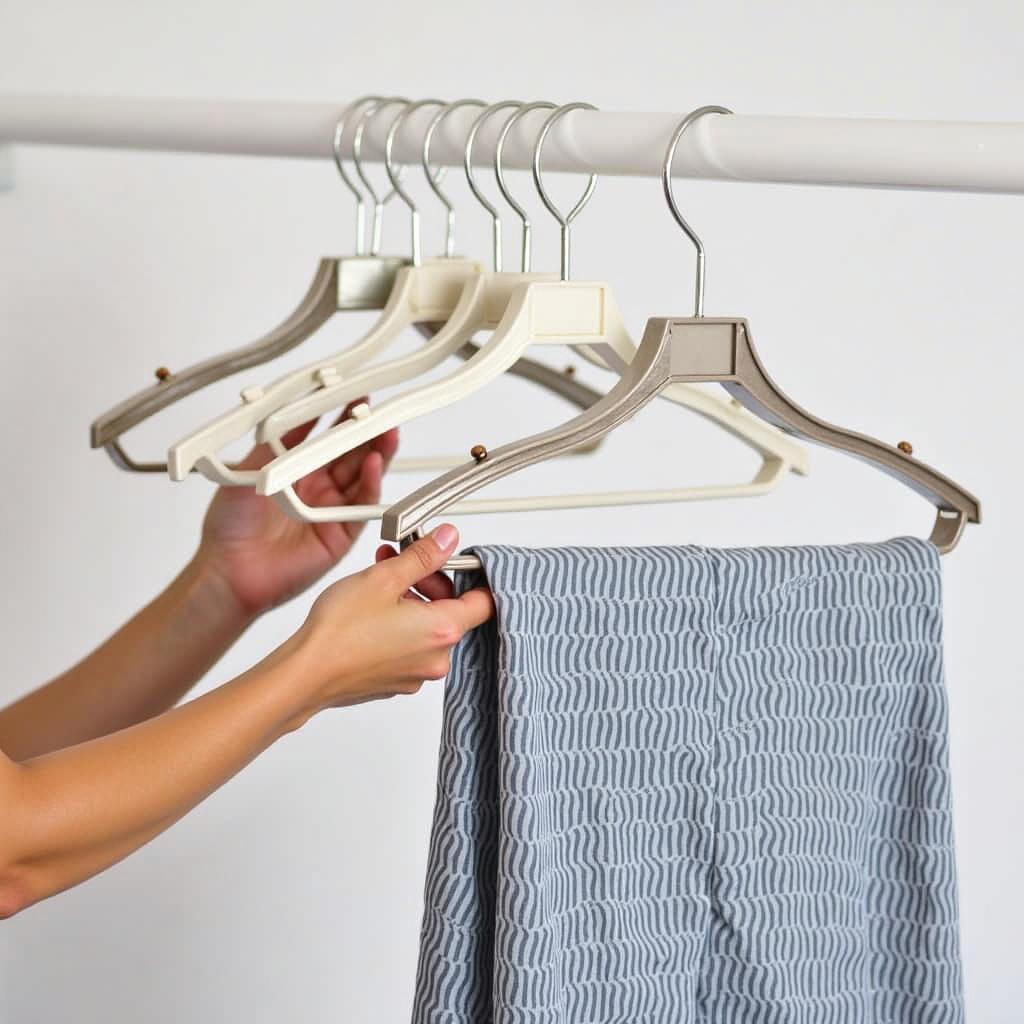
Upgrade your closet organization by switching to slim, non-slip hangers. They help you maximize hanging space, keep clothes in place, and allow for easier access to your wardrobe.
This simple switch creates a streamlined, uniform look that makes your closet feel less cluttered and more boutique-like. The consistency in hangers alone can transform the entire feel of your wardrobe.


Pro Tips for Maximizing Closet Space with Slim Hangers:
- Opt for velvet or flocked hangers to prevent silky or wide-neck tops from slipping off.
- Use the same color and style of hanger throughout the closet for a clean, cohesive look.
- Leave a small finger-width space between each hanger to prevent clothes from getting crushed and wrinkled.
- Organize your clothes by color on the hangers to make finding specific items much quicker.
- Use cascading hanger hooks to group outfits together, saving even more horizontal rod space.
- For every new item you hang, try to remove an old one to maintain a clutter-free closet.
- Face all your hangers in the same direction for a neat and orderly appearance.
- Avoid wire hangers from the dry cleaner as they can stretch and damage your clothing over time.
- Invest in specialty hangers for items like pants, skirts, or suits to maintain their shape properly.
- At the start of a season, face all hangers backward. As you wear an item, turn the hanger forward to easily see what you haven’t worn.
2. Use Baskets for Quick and Easy Storage
Baskets are versatile and stylish storage solutions for almost any room. Use them in the living room, bathroom, or bedroom to store small items like magazines, toys, or towels.
They blend functionality with decor, allowing you to conceal clutter while adding texture and warmth to your space. Choosing baskets that match your home’s aesthetic turns practical storage into a design element.


Pro Tips for Using Baskets:
- Choose the right material for the job: wire for pantries, wicker for living rooms, and fabric for bedrooms.
- Use clip-on or tie-on labels for opaque baskets so you never have to guess what is inside.
- Group similar items together in each basket, such as all remote controls, all pet toys, or all charging cords.
- Place baskets on open shelves to create a modular, tidy storage system that looks intentional.
- Slide low-profile baskets under coffee tables or entryway benches to utilize hidden storage space.
- Use a set of matching baskets in a single area to create a strong, unified visual statement.
- Designate a “clutter basket” in the main living area for a quick five-minute tidy-up before guests arrive.
- Buy nesting baskets so you can store them compactly when they are not in use.
- Measure your shelves or spaces before buying baskets to ensure a perfect, custom-like fit.
- In a child’s room, use soft, collapsible baskets for toys to make cleanup safe and easy for little hands.
3. Utilize Over-the-Door Organizers
An over-the-door organizer is a perfect solution for saving space. Hang one on the back of any door to store shoes, toiletries, or even cleaning supplies in an organized, easy-to-reach manner.
This method takes advantage of unused vertical space, making it ideal for small apartments, bathrooms, or pantries. It keeps frequently used items visible and accessible without taking up precious floor or shelf space.


Pro Tips for Using Over-the-Door Organizers:
- Choose clear pocket organizers to see contents at a glance, saving you time.
- Use one in the pantry for spices, snacks, and small packaged goods to free up shelves.
- In a kid’s room, an over-the-door organizer can hold art supplies, small toys, or hair accessories.
- Dedicate one in a hall closet for winter gear like hats, gloves, and scarves.
- Use a sturdy metal organizer on a utility room door to hold mops, brooms, and dusters.
- In the office, use it to sort craft supplies, wrapping paper, ribbons, and tape.
- Ensure the door can still close properly by choosing a slim-profile organizer with flat hooks.
- Distribute weight evenly among the pockets to prevent the organizer from sagging or pulling.
- Label the pockets if you are storing items that are not easily identifiable.
- Reinforce the top grommets with washers if you plan to store heavier items.
4. Label Storage Bins for Easy Identification
Labeling your storage bins is a simple yet effective way to stay organized. Whether you store seasonal items or craft supplies, labeling helps you quickly identify what’s inside, saving time and avoiding confusion.
A consistent labeling system transforms a stack of anonymous boxes into a functional archive. This small step eliminates the need to open multiple bins, reducing mess and frustration.


Pro Tips for Labeling Storage Bins:
- Use a label maker for neat, uniform, and easy-to-read labels.
- For clear bins, place the label on the inside to protect it from getting scuffed off.
- Use chalkboard or dry-erase labels so you can easily update the contents.
- Color-code your labels by category or by room for even faster identification.
- On opaque bins, place labels on at least two sides so you can read them from different angles.
- Be specific on your labels. Instead of “Christmas,” write “Christmas Ornaments, Tree Skirt.”
- Take a photo of the contents, print it, and tape it to the outside of the bin.
- Use luggage tags with inserts for a durable and changeable labeling option.
- Keep a digital inventory or a simple notebook that lists the contents of each numbered bin.
- Re-label bins immediately if you change the contents to keep your system accurate.
5. Install Floating Shelves
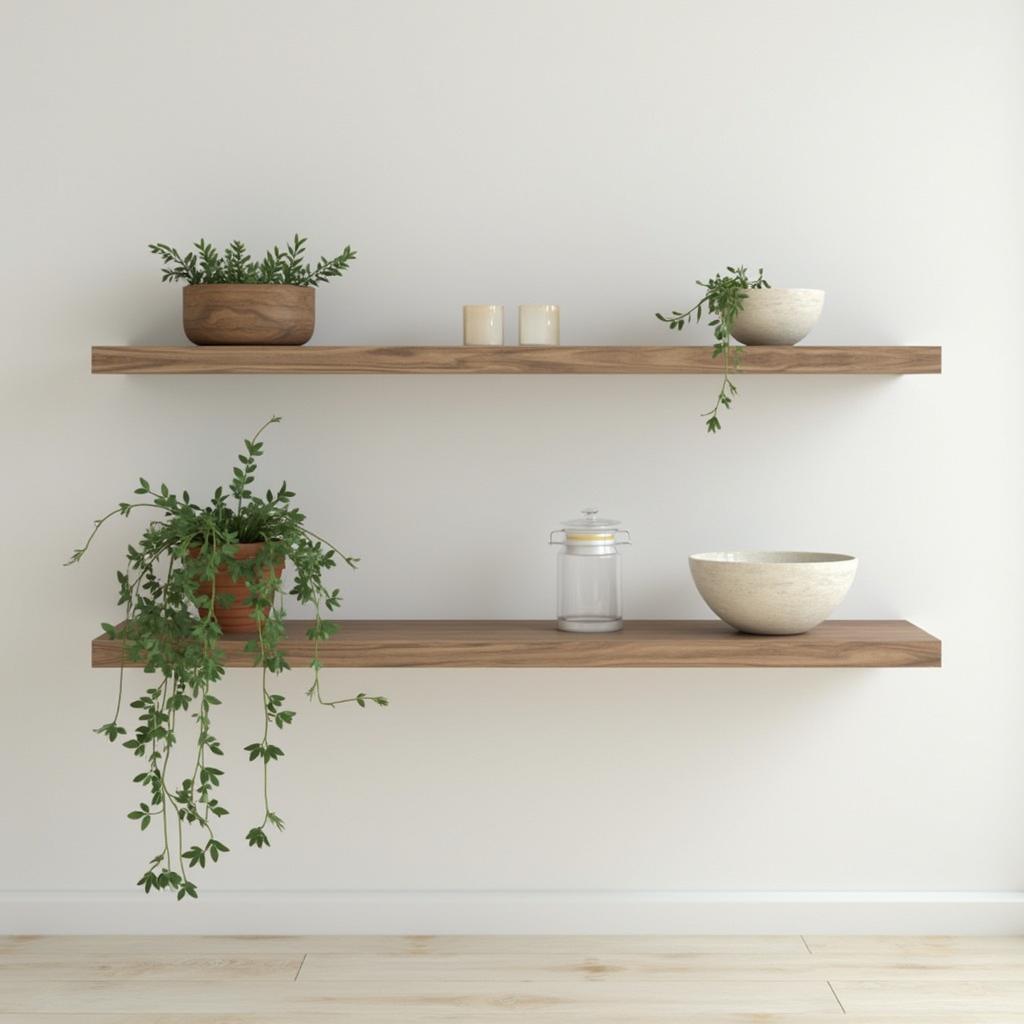
Floating shelves are a fantastic way to display decorative items while keeping them organized. They add storage without taking up floor space, making them ideal for small or cluttered areas.
These shelves create a clean, minimalist look that can make a room feel larger and more open. They are perfect for turning an empty wall into a functional and beautiful focal point.



Pro Tips for Installing Floating Shelves:
- Always install floating shelves into wall studs for maximum support, especially for heavy items.
- Use a level during installation to ensure your shelves are perfectly straight.
- Vary the height and length of shelves in an arrangement for a more dynamic, visually interesting look.
- Use them in the kitchen for everyday dishes, spices, or glassware to free up cabinet space.
- Install a small floating shelf near your entryway for keys, mail, and sunglasses.
- Group items in threes or fives on the shelves for a balanced and curated display.
- Do not overcrowd the shelves; leave some negative space to make the display feel calm and uncluttered.
- Use them in a bathroom above the toilet to store extra towels, toiletries, or decorative items.
- Paint the shelves the same color as the wall for a subtle, built-in look.
- Use small ledges or shelves with a lip to display photo frames or art prints securely.
6. Drawer Organizers for Kitchen Utensils
Keep your kitchen drawers neat and functional with dividers or organizers. These will separate your utensils, silverware, and gadgets, making it easier to find what you need without rummaging through a cluttered drawer.
A well-organized drawer not only saves you time during food prep but also protects your utensils from damage. It creates a calm and efficient workflow in the heart of your home.


Pro Tips for Organizing Kitchen Drawers:
- Measure your drawers’ interior dimensions before purchasing any organizer for a snug fit.
- Use adjustable or modular drawer dividers to create custom-sized compartments for odd-shaped tools.
- Group similar items together, such as all baking tools in one section and all prep gadgets in another.
- Use a diagonal drawer divider for long utensils like rolling pins and serving spoons.
- Place a non-slip liner at the bottom of the drawer to prevent the organizer and tools from sliding around.
- Declutter your utensils before organizing. Discard any duplicates or items you never use.
- Store sharp knives in a dedicated in-drawer knife block to protect the blades and your fingers.
- Use small, individual containers within a drawer for tiny items like corn cob holders or cake decorating tips.
- Assign a specific “home” for every item and stick to it to maintain organization.
- For deep drawers, consider two-tiered organizers to make use of the vertical space.
7. Use Pegboards for Tool Organization
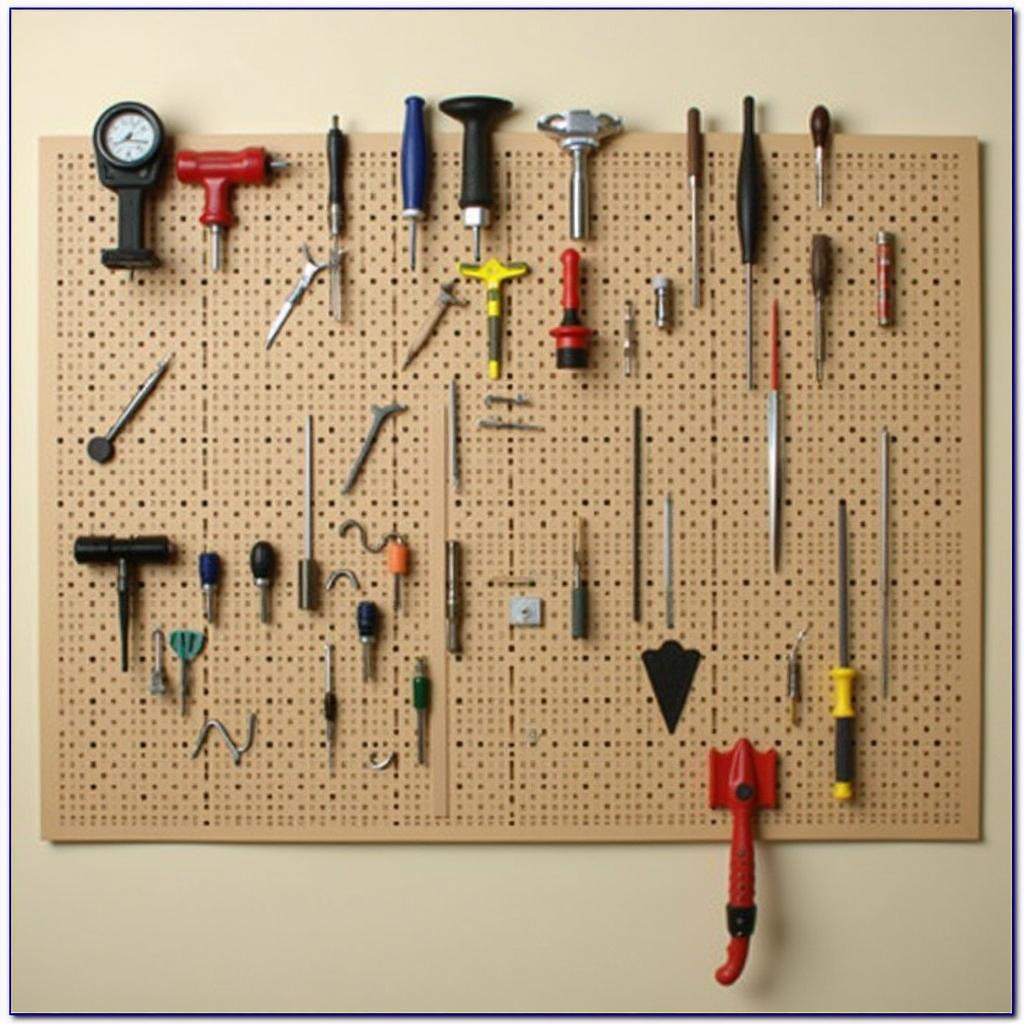
For your garage or workshop, a pegboard is a brilliant way to keep tools organized. You can hang tools, cords, and other small items, making them easily accessible while saving drawer or cabinet space.
This system provides a visual inventory of your tools, so you can see everything at a glance. It turns a wall into highly efficient, customizable storage that can adapt as your collection grows.


Pro Tips for Using Pegboards:
- Trace the outline of each tool on the pegboard with a marker to show where it belongs.
- Use a variety of hooks, including J-hooks, L-hooks, and double hooks, to fit different tools.
- Install small bins or baskets that attach to the pegboard for holding loose screws, nails, and bolts.
- Use pegboard locks or zip ties to keep the hooks from falling out when you remove a tool.
- Install the pegboard over a workbench to keep your most-used tools within arm’s reach.
- Paint the pegboard a bright color to add personality to your workspace and make tools stand out.
- Group tools by function, such as all screwdrivers in one area and all hammers in another.
- Use them in a craft room for organizing scissors, rolls of ribbon, and spools of thread.
- In the kitchen, a small pegboard can hold pots, pans, and utensils for an industrial-chic look.
- Leave some empty space on the board to allow for future tool acquisitions.
8. Use Under-Bed Storage Bins
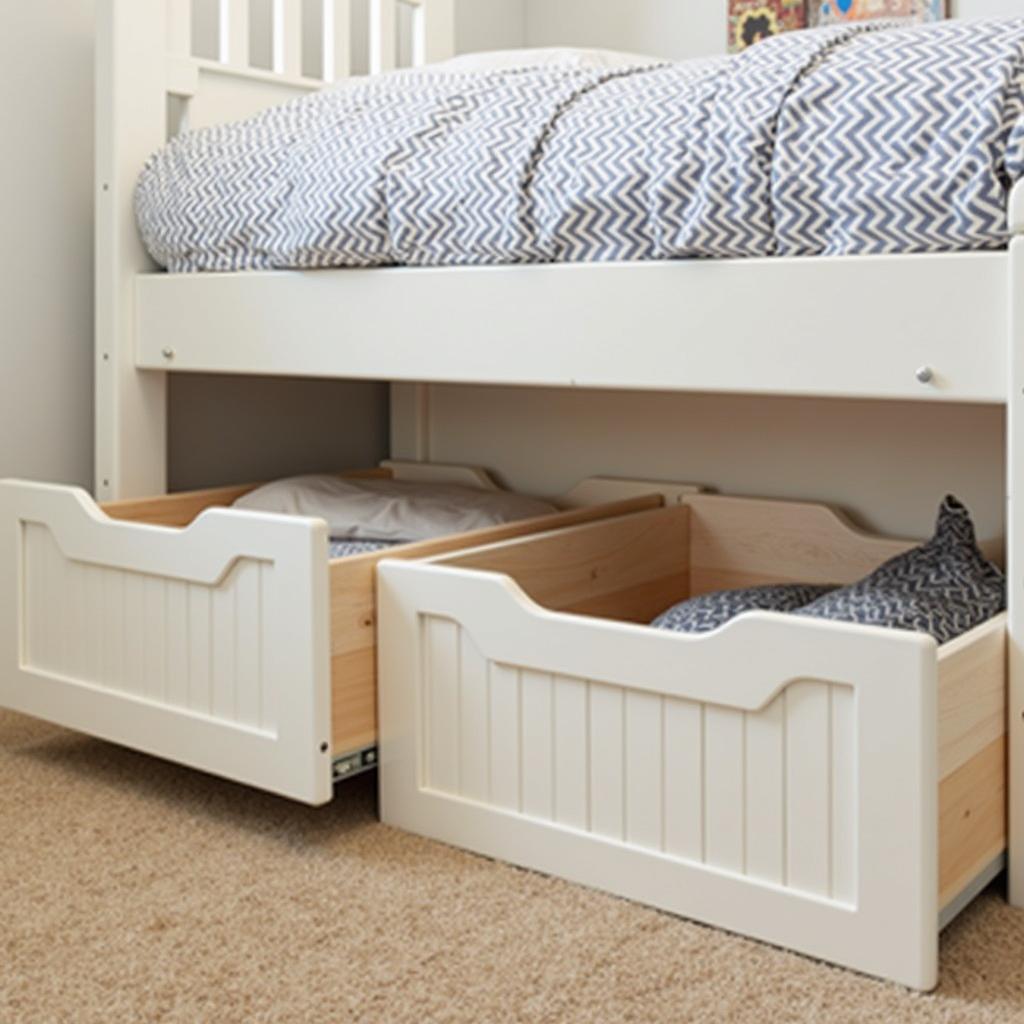
The space under your bed is often underutilized. Use under-bed storage bins or boxes to store items such as shoes, clothing, or extra linens.
This keeps them out of sight but easily accessible, making it a prime spot for storing off-season items. It is an excellent way to gain a significant amount of storage without sacrificing any visible space in your room.



Pro Tips for Under-Bed Storage:
- Choose bins with wheels to make them easy to pull out and push back in, especially on carpet.
- Opt for clear or labeled bins to quickly identify the contents without opening them.
- Use vacuum-sealed bags for bulky items like duvets and sweaters before placing them in bins to save space.
- Measure the clearance under your bed frame before buying containers to ensure they will fit.
- Use zippered fabric bags for clothing and linens to protect them from dust while allowing them to breathe.
- Store items you do not need daily, like seasonal clothes, gift wrap, or sentimental keepsakes.
- If you have multiple bins, create a small map or list of what is in each one.
- Use shallow trays for organizing shoes so you can see every pair at a glance.
- Ensure the area is clean and dry before storing anything to prevent mold or mildew.
- Bed risers can create additional height under the bed if you need to fit taller bins.
9. Create a Command Center for the Family
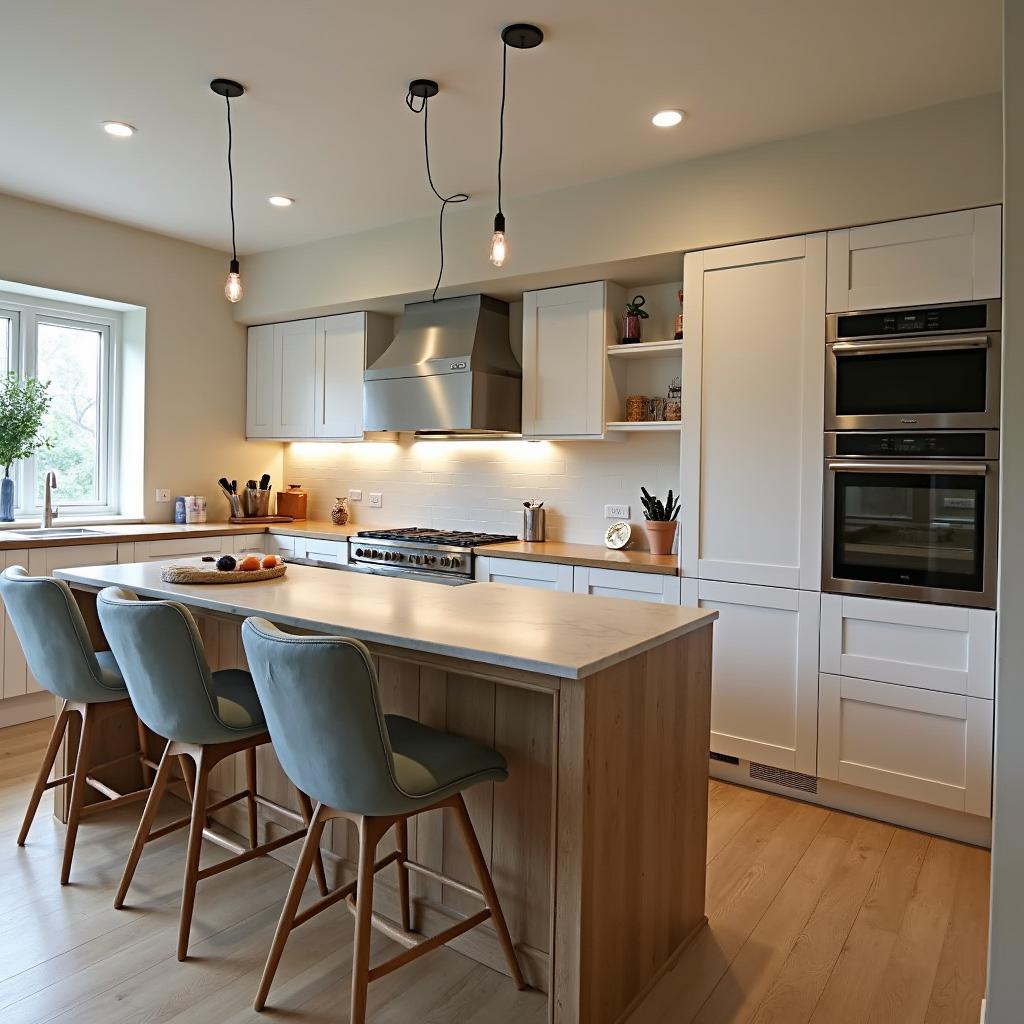
Set up a family command center near the entryway or kitchen. Use hooks for keys, a chalkboard or dry-erase board for reminders, and folders for mail to keep everyone’s schedule and responsibilities organized.
This central hub prevents important papers and schedules from getting lost and reduces mental clutter for the whole family. It establishes a routine for handling daily administrative tasks in one designated spot.


Pro Tips for Creating a Command Center:
- Choose a high-traffic area like the kitchen or mudroom where everyone will see it daily.
- Include a large calendar, a mail sorter, key hooks, and a message board as the core components.
- Assign a color or a small bin to each family member to personalize the space.
- Integrate a small, dedicated charging station for phones and tablets to keep counters clear.
- Create action files labeled “To Do,” “To File,” and “To Pay” to process incoming mail efficiently.
- Schedule a weekly reset to clear old notes, update the calendar, and file papers.
- Keep pens, markers, and erasers attached to the board with magnets or clips so they are always ready.
- Add a section for the weekly meal plan to answer the “What’s for dinner?” question in advance.
- Place some elements, like chore charts or schedules, at a child-friendly height to encourage their involvement.
- Avoid over-cluttering the command center itself; it should be a source of clarity, not more chaos.
10. Make Use of Vertical Space with Tall Storage Units
Maximize your storage by using tall shelves or cabinets that reach to the ceiling. This strategy helps you store items you don’t use often on higher shelves while keeping daily necessities within easy reach.
Drawing the eye upward can also make a room feel taller and more spacious. It is one of the most efficient ways to increase your storage footprint without increasing your floor footprint.


Pro Tips for Using Vertical Space:
- Always anchor tall furniture to the wall to prevent tipping, especially in homes with children or pets.
- Place heavier items on the bottom shelves for stability and lighter, less-used items on top.
- Use a sturdy, safe step stool to access items on high shelves.
- Use matching bins or baskets on shelves to create a cohesive and uncluttered look.
- In the kitchen, use vertical plate racks inside cabinets to store plates and cutting boards upright.
- Install shelving that goes all the way up the wall in a small bathroom for towels and toiletries.
- Use tall, narrow bookcases in tight corners to add storage without taking up much room.
- Label the spines of binders or the fronts of boxes stored on high shelves.
- Consider a library-style ladder for a functional and stylish way to access very high shelves.
- In a closet, add an extra shelf above the existing one to store out-of-season items or luggage.
11. Store Seasonal Items in Clear Plastic Bins
Store holiday decorations and seasonal items in clear plastic bins to keep them protected and organized. Clear bins allow you to see what’s inside without opening them, making it easier to find what you need each year.
This simple practice saves you from the annual frustration of digging through mystery boxes. It protects your seasonal treasures from dust, moisture, and pests during the off-season.


Pro Tips for Storing Seasonal Items:
- Use color-coded bins for different holidays, such as orange for Halloween and red or green for Christmas.
- Invest in specialty storage containers, like ornament boxes with dividers or wreath storage bags.
- Wrap fragile items in bubble wrap or tissue paper before placing them in the bin.
- Store all items for one season or holiday together so you only have to pull out one set of bins.
- Place a small moisture absorber packet in bins stored in a damp basement or attic.
- Label bins with a detailed list of contents, even if they are clear.
- After a holiday, declutter any broken or unused decorations before packing them away.
- Store bins in an easily accessible area like a garage, basement, or attic, but not in direct sunlight.
- Keep a bin for “Seasonal Linens” to store themed tablecloths, dish towels, and guest bedding.
- Use smaller bins whenever possible as large bins can become too heavy to lift safely when full.
12. Use Stackable Storage for Shoes
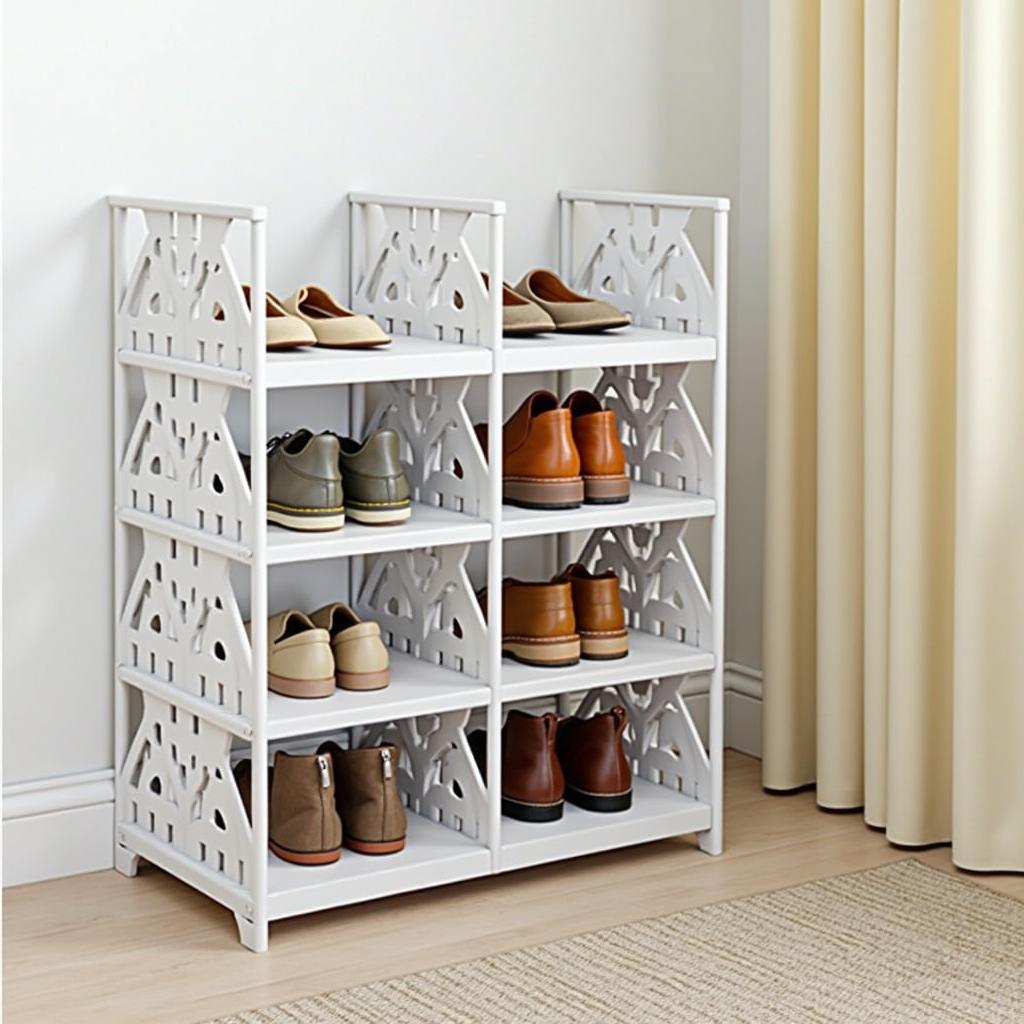
If shoes are taking over your closet, use stackable shoe racks or cubbies to keep them organized. This not only saves space but also keeps shoes neatly aligned and easy to access.
Stacking vertically frees up valuable floor space in a closet or entryway. It also helps shoes maintain their shape and prevents them from getting scuffed and dusty in a pile.

Pro Tips for Stackable Shoe Storage:
- Use clear, drop-front shoe boxes to protect shoes from dust while keeping them visible.
- Organize shoes by type: heels in one section, flats in another, and boots in a third.
- For a quicker morning routine, arrange your most-worn shoes in the most accessible spots.
- Use shoe stacker slots that hold one pair of shoes in the space of one, effectively doubling your shelf space.
- Ensure the stackable unit is sturdy and will not topple over as you add more layers.
- Before storing, make sure shoes are clean and dry to prevent odors and damage.
- Place cedar blocks or sachets in the storage units to keep shoes smelling fresh.
- Use boot shapers to help tall boots stand upright and maintain their form.
- For small closets, consider a hanging shoe organizer that stacks shoes vertically on the closet rod.
- Regularly purge shoes you no longer wear to keep your collection manageable.
13. Use Magnetic Strips for Small Tools and Kitchen Items
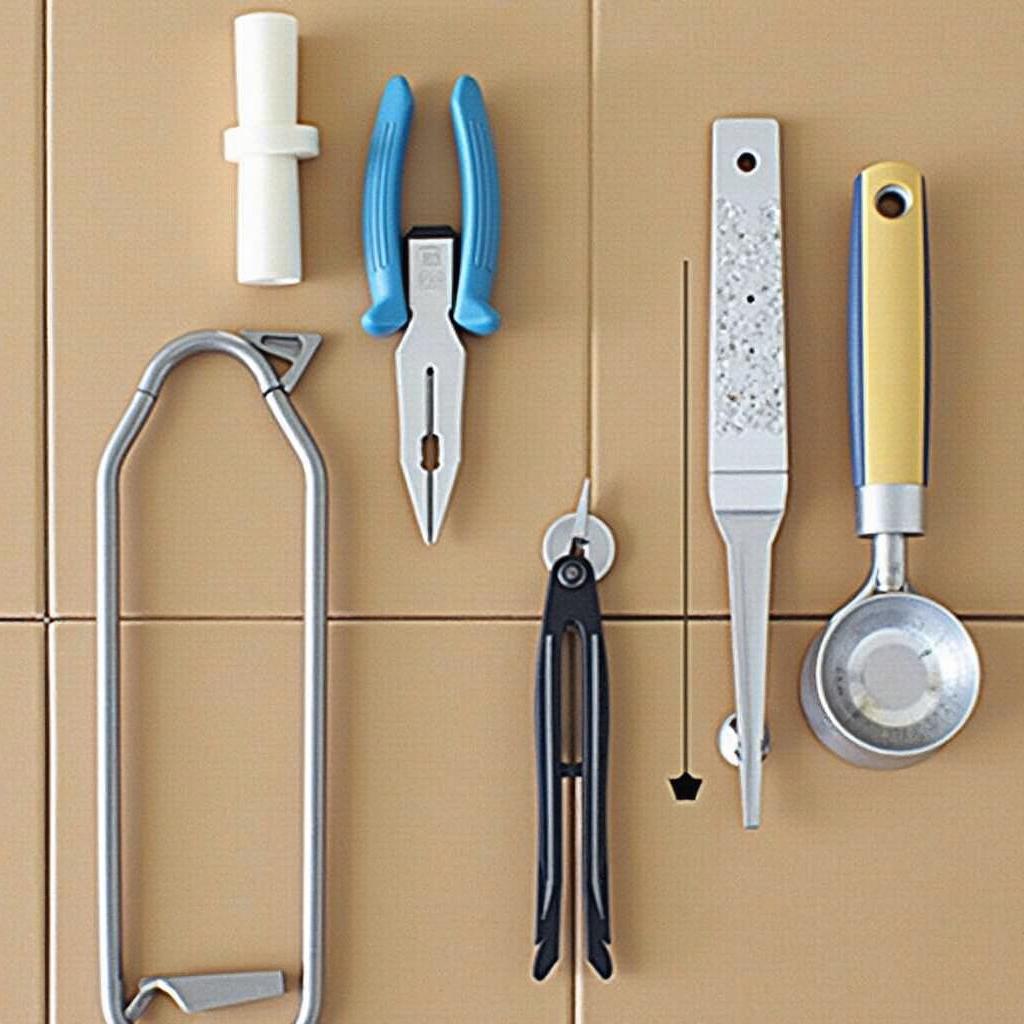
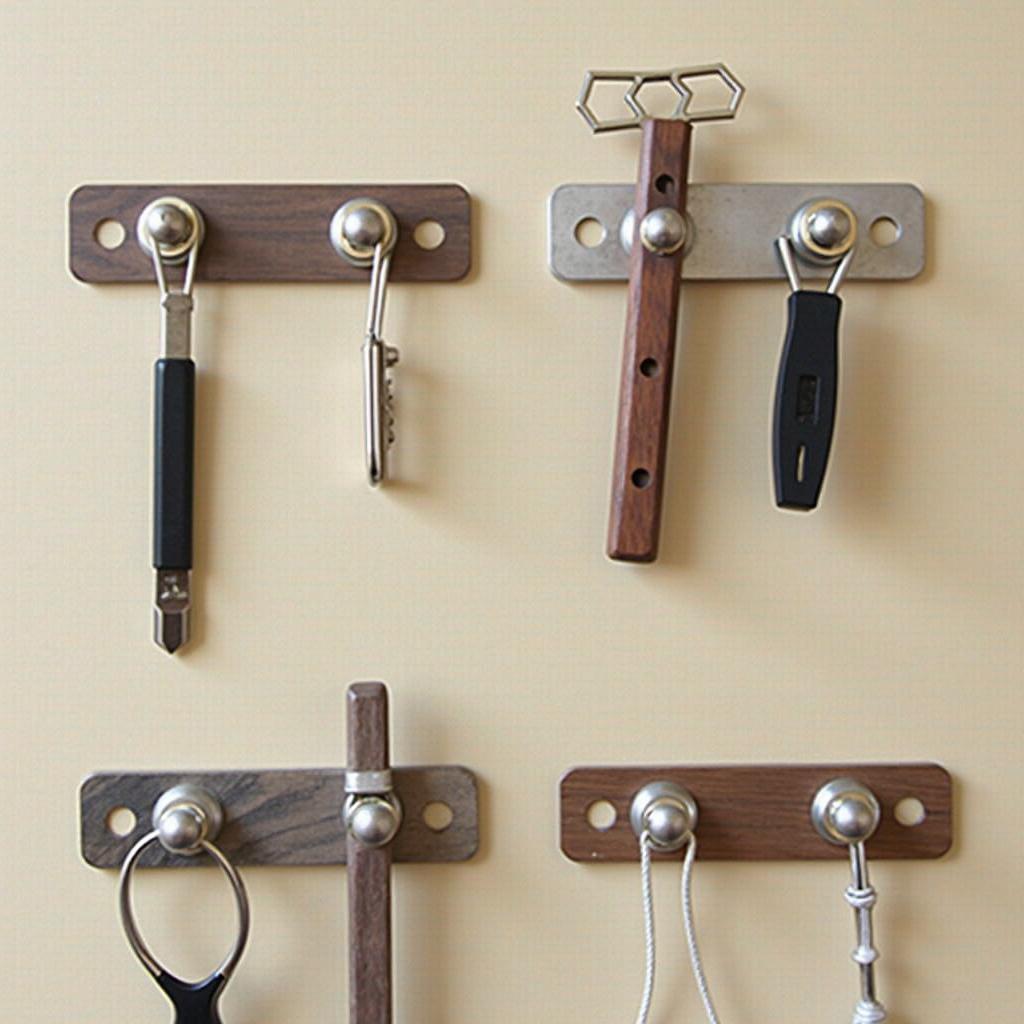
Magnetic strips are perfect for storing small metal items. Hang one in the kitchen for knives, or use one in your workshop for screws, nails, and other small metal tools.
This clever solution keeps items off the counter or out of drawers, making them visible and easy to grab. It is a space-saving technique that adds a touch of modern, professional organization to any area.


Pro Tips for Using Magnetic Strips:
- Install a magnetic knife strip in the kitchen high enough to be out of reach of children.
- Use one inside a medicine cabinet door to hold tweezers, nail clippers, and bobby pins.
- In the office or craft room, use a strip to hold scissors, paper clips in a small metal tin, and metal rulers.
- In the garage, use multiple strips to organize wrenches, screwdrivers, and drill bits by size.
- Clean the strip and the items regularly to prevent a buildup of dust and grime.
- Ensure the magnet is strong enough to securely hold the items you plan to store.
- Mount a strip on the side of a rolling tool cart for easy access to frequently used tools.
- Place small spice tins on a magnetic strip mounted on your fridge or a cabinet side.
- Use a strip near your sewing machine to hold pins and needles while you work.
- Be careful not to store items that could be damaged by magnets, like certain electronics or credit cards.
14. Create an Organized Entryway with Shoe Racks
The entryway is often the most cluttered area of the home. Install a shoe rack or tray near the door to keep shoes organized and prevent them from piling up.
A dedicated spot for shoes immediately makes the entrance feel cleaner and more welcoming. Combining it with hooks and a small bench creates a functional “drop zone” for the whole family.


Pro Tips for an Organized Entryway:
- Choose a shoe rack that fits your space, whether it is a multi-tiered rack, a cabinet, or a simple tray.
- Implement a “one in, one out” rule for shoes to prevent the rack from overflowing.
- Add a durable, easy-to-clean rug or mat under the shoe rack to catch dirt and moisture.
- Install a row of hooks above the shoe storage for coats, bags, and backpacks.
- Place a small bowl or tray on a narrow console table for keys, wallets, and sunglasses.
- Use a storage bench that combines seating with a place to hide shoes or bags.
- Assign each family member their own hook or cubby to encourage personal responsibility.
- Keep a basket handy for items that need to go to other rooms in the house.
- A wall-mounted mail sorter can keep countertops clear of paper clutter.
- Regularly clean out and organize the entryway, especially after a change in seasons.
15. Use Tension Rods in Cabinets for Extra Storage
Tension rods can be used in kitchen cabinets or closets to create extra storage. Install them under shelves to hang spray bottles, cleaning cloths, or even kitchen utensils, making it easier to access your items.
This simple trick unlocks hidden storage potential in areas that are often wasted. It is an inexpensive, non-permanent solution that can be easily adjusted or moved as your needs change.


Pro Tips for Using Tension Rods:
- Install a tension rod under the kitchen sink to hang spray bottles by their triggers, freeing up the cabinet floor.
- Use a rod vertically in a deep cabinet to act as a divider for cutting boards, baking sheets, and platters.
- In a closet, add a low tension rod for children’s clothes so they can reach them on their own.
- Create a makeshift drying rack for delicate laundry items over a utility sink or bathtub.
- Use small S-hooks on a tension rod to hang scarves, necklaces, or belts in a closet.
- In a pantry, use a tension rod to keep paper towel rolls or rolls of foil and plastic wrap organized.
- Install a rod at the back of a deep drawer to keep files or folders standing upright.
- Create a “ribbon dispenser” in a craft room by sliding spools onto the rod.
- Ensure you buy a rod that is the correct length and can hold the weight of your items.
- Use rubber end caps on the tension rod to prevent it from scratching your cabinets or walls.
16. Organize Cables with Cord Clips
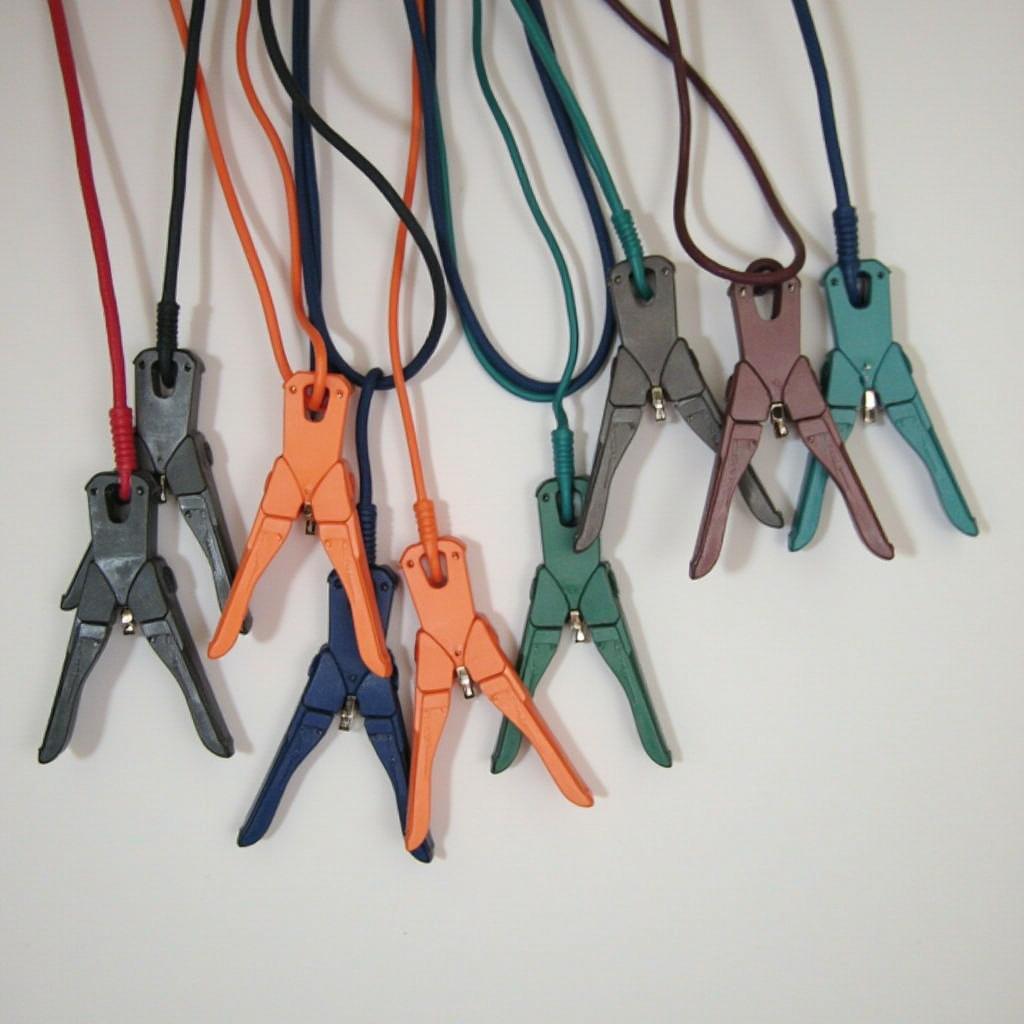
Tangled cords can be a headache, but cord clips are a simple solution. Use these clips on your desk, in the kitchen, or behind your entertainment center to keep your cords neat and organized.
Taming the “cable spaghetti” not only looks better but also prevents trip hazards and makes it easier to unplug the correct device. This small fix can bring a surprising amount of order to your tech-heavy spaces.

Pro Tips for Organizing Cables:
- Use adhesive cord clips along the back edge of a desk to route cables neatly.
- Label both ends of a cord with a bread tag or a small label maker to identify what it belongs to.
- Use hook-and-loop (Velcro) ties to bundle excess cable length together behind furniture.
- A cable management box can hide a power strip and all the messy plugs in one tidy container.
- For charging cables, a multi-port charging station can consolidate everything in one place.
- Use a cord winder for small cables like earbuds to keep them from tangling in a bag or drawer.
- Mount power strips to the underside of a desk or the back of a cabinet to get them off the floor.
- Designate one drawer for storing spare cables, sorted and tied into neat bundles.
- Use a rain gutter or a dedicated cable raceway mounted to the wall behind a TV for a clean look.
- Before organizing, unplug everything, untangle the mess, and get rid of any cords you no longer need.
17. Store Small Items in Clear Jars
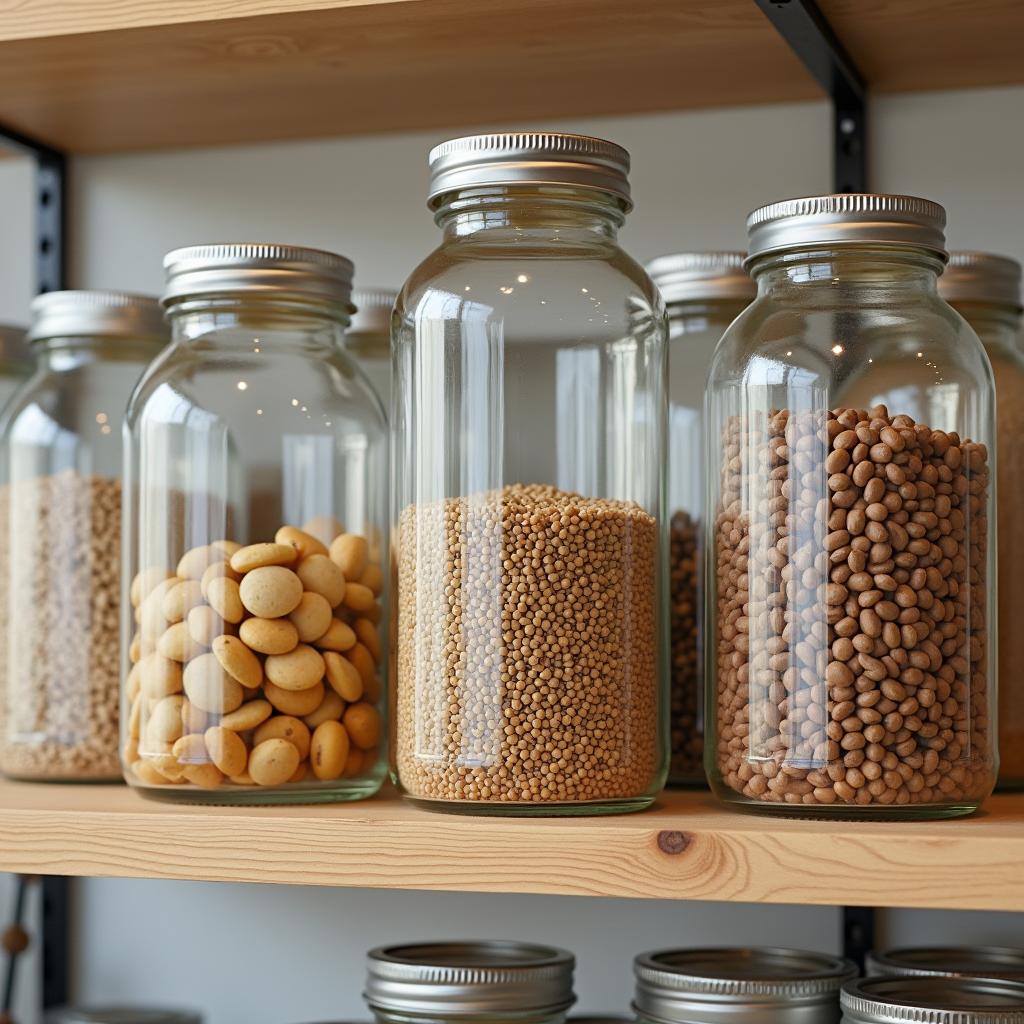
Clear jars are a great way to store small items like office supplies, pantry staples, or craft materials. Label the jars for easy identification, and arrange them neatly on shelves or counters.
Using clear containers turns everyday supplies into a visually appealing display. This approach keeps small, easily lost items contained and visible, so you always know what you have on hand.

Pro Tips for Storing in Clear Jars:
- Repurpose food jars for a budget-friendly and eco-friendly option.
- Use airtight jars in the pantry for things like flour, sugar, nuts, and pasta to keep them fresh longer.
- In the bathroom, use apothecary jars to store cotton balls, Q-tips, and bath salts for a spa-like feel.
- Group jars of different heights and sizes on a tray for a more curated and organized look.
- Use a paint pen or a simple label maker to label the jars for a uniform appearance.
- Store craft supplies like buttons, beads, and glitter in small jars to keep them sorted and visible.
- In the office, use jars to corral paper clips, binder clips, rubber bands, and pens.
- Arrange jars on tiered shelves or a lazy Susan to make every item easy to see and reach.
- Make sure the jars and lids are thoroughly clean and dry before filling them.
- For a cohesive look, use matching lids or spray paint all the lids the same color.
18. Install a Lazy Susan in Your Pantry
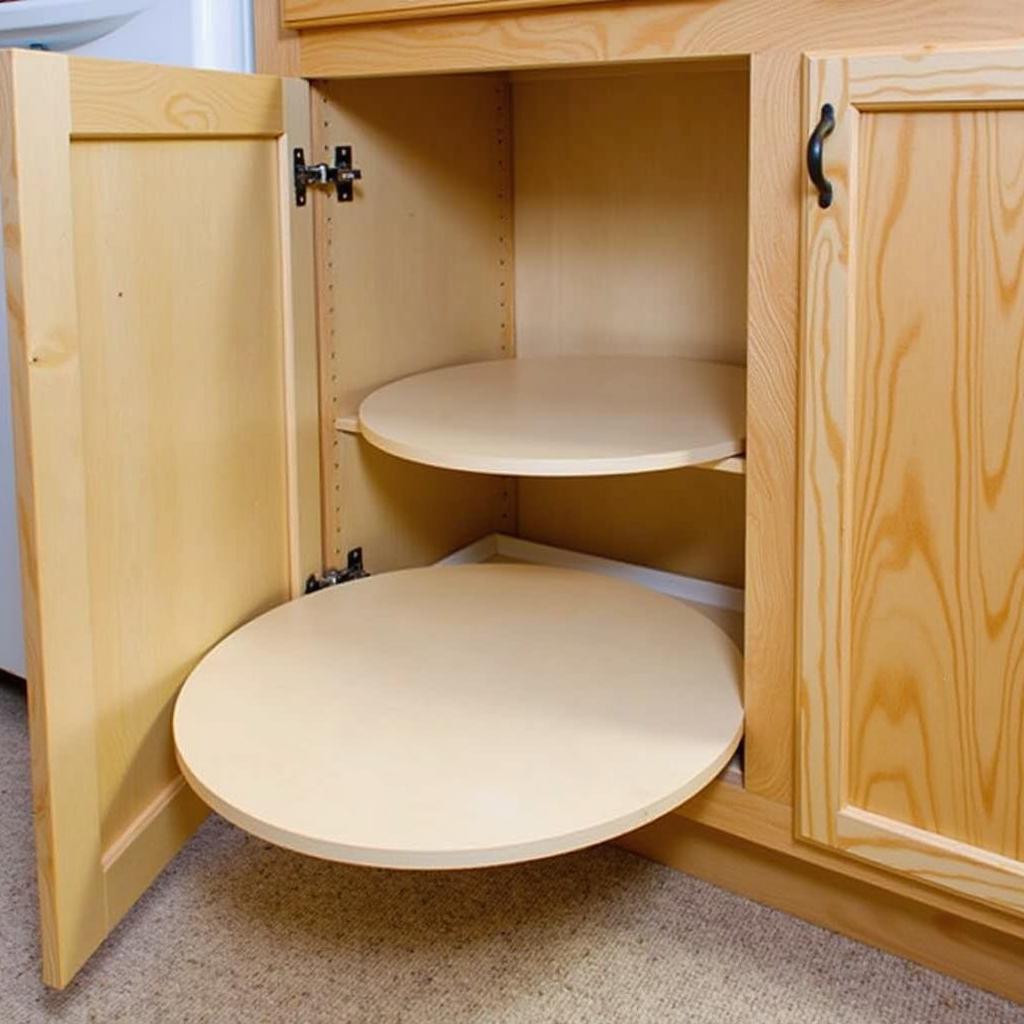
A lazy Susan can be a game-changer in your pantry or cabinet. Use it to store spices, canned goods, or condiments, so you can easily rotate and access items without digging through the back.
This simple rotating tray ensures that nothing gets lost and forgotten in the dark corners of your cabinets. It maximizes storage efficiency and makes finding what you need as easy as a simple spin.


Pro Tips for Using a Lazy Susan:
- Use one in a corner cabinet to make the entire space usable.
- Place a lazy Susan in the refrigerator for jars of condiments, jams, and sauces.
- Use a two-tiered lazy Susan to double the storage capacity in a tall cabinet.
- Organize vitamins and medications in a medicine cabinet with a small turntable.
- Use one on your countertop to hold daily essentials like salt, pepper, and olive oil.
- In a craft room, organize paints, glitters, or jars of beads on a lazy Susan for easy access.
- Choose a lazy Susan with a non-slip surface or a small lip to prevent items from falling off.
- Group similar items together on the turntable, like all baking spices or all Asian sauces.
- Before buying, measure your cabinet depth and width to ensure the lazy Susan will fit and spin freely.
- Wipe it down regularly to keep it clean from spills and dust.
19. Use Hanging Organizers for Closet Storage
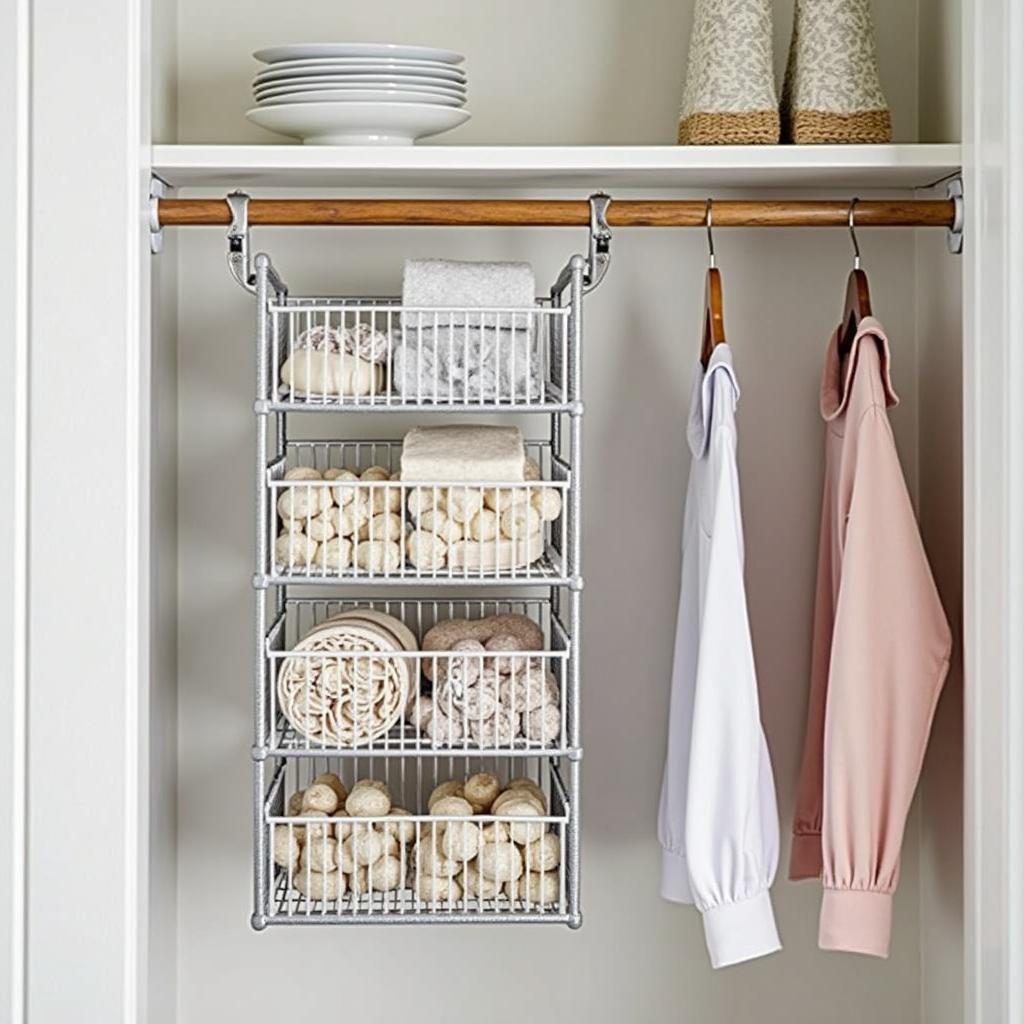
Maximize closet space with hanging organizers for shoes, accessories, or clothes. These hang from the closet rod and provide extra space without taking up valuable floor area.
These organizers are perfect for creating instant shelving for folded items like sweaters, t-shirts, and jeans. They are a flexible and affordable solution for closets that lack built-in shelves.

Pro Tips for Using Hanging Organizers:
- Choose organizers made of sturdy fabric like canvas to prevent sagging over time.
- Use them to plan your outfits for the week, placing each day’s clothes in a different cubby.
- Store bulky sweaters in a hanging organizer to prevent them from stretching out on hangers.
- Use smaller hanging organizers for accessories like purses, scarves, and belts.
- In a child’s closet, these are perfect for organizing small clothes, shoes, and toys.
- Look for organizers that have drawers or side pockets for extra, concealed storage.
- Distribute weight evenly among the shelves to maintain the organizer’s shape.
- Use them in a hall closet to create designated spots for each family member’s hats and gloves.
- Combine a hanging organizer with slim hangers on either side to create a complete storage zone.
- If the organizer starts to sag, you can insert a piece of sturdy cardboard into the bottom of each shelf for support.
20. Optimize Closet Space with Double Rods
Double rods in your closet can double your hanging space. Install a lower rod for shorter items like shirts and a higher rod for longer items like coats or dresses, keeping everything organized and easy to access.
This is one of the most effective ways to reclaim unused space in a standard closet. By stacking hanging space, you can often fit twice as much clothing without it feeling cramped.

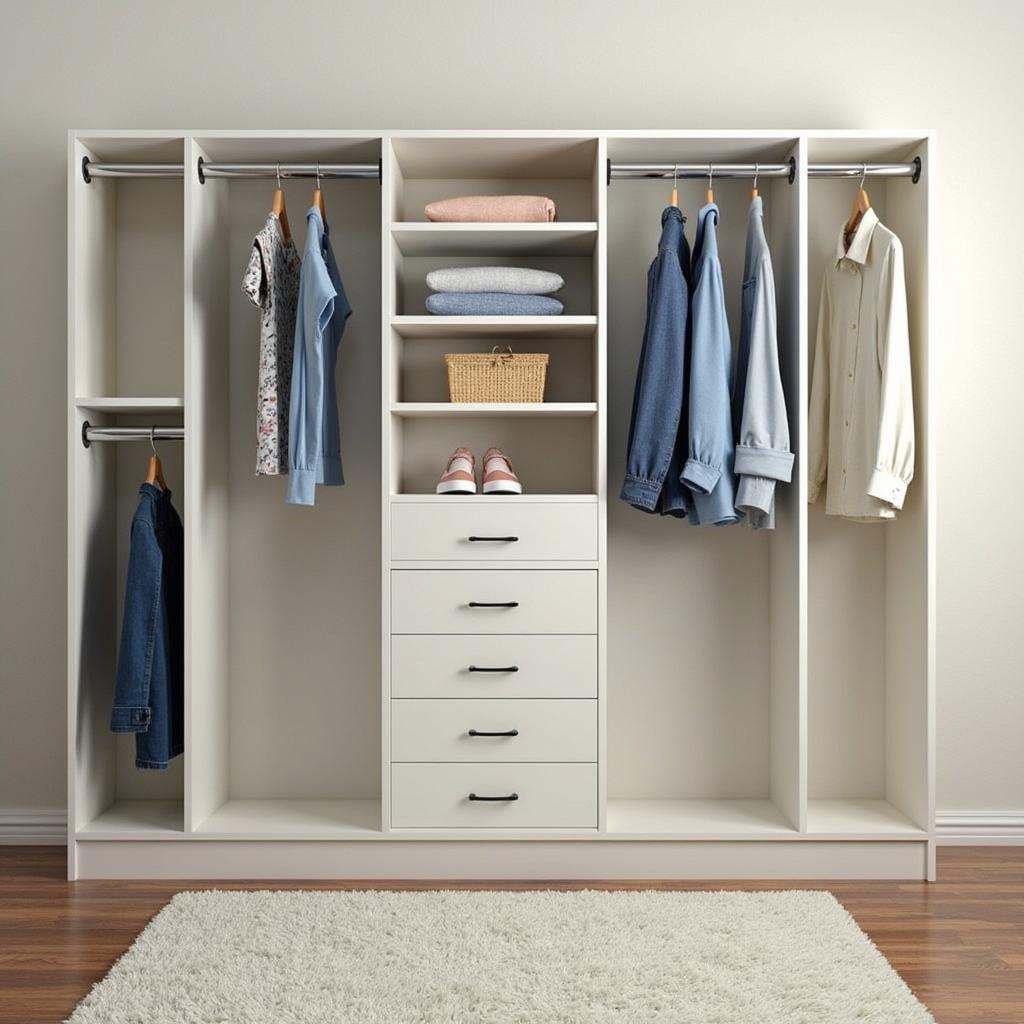
Pro Tips for Installing Double Rods:
- Measure your clothes first. Most shirts, skirts, and folded pants need about 36-42 inches of vertical space.
- Install the top rod high enough to keep clothes off the floor but still within comfortable reach.
- Leave one section of your closet with a single rod for long items like dresses, long coats, and jumpsuits.
- Use an adjustable, add-on closet rod that hangs from the existing rod for a no-drill, temporary solution.
- Install the lower rod so the clothes hanging on it are clear of any shoes or storage on the floor.
- Ensure both the new rod and its supports are strong enough to hold the weight of your clothes.
- Organize by clothing type, placing all shirts on one rod and all pants on another, for example.
- This system works best in closets with a height of at least 84 inches.
- Place your most-used items on the rod that is easiest for you to reach.
- When installing a permanent second rod, make sure to anchor it securely into the wall studs or closet system.
Conclusion
Organization is essential for creating a comfortable and functional home. With these 20 clever organization ideas, you can declutter your spaces, make the most of your storage, and keep your home neat and tidy. From creative solutions like hanging organizers and under-bed storage to practical tips like using labels and vertical space, these ideas will help you stay organized and enjoy a more efficient home.