
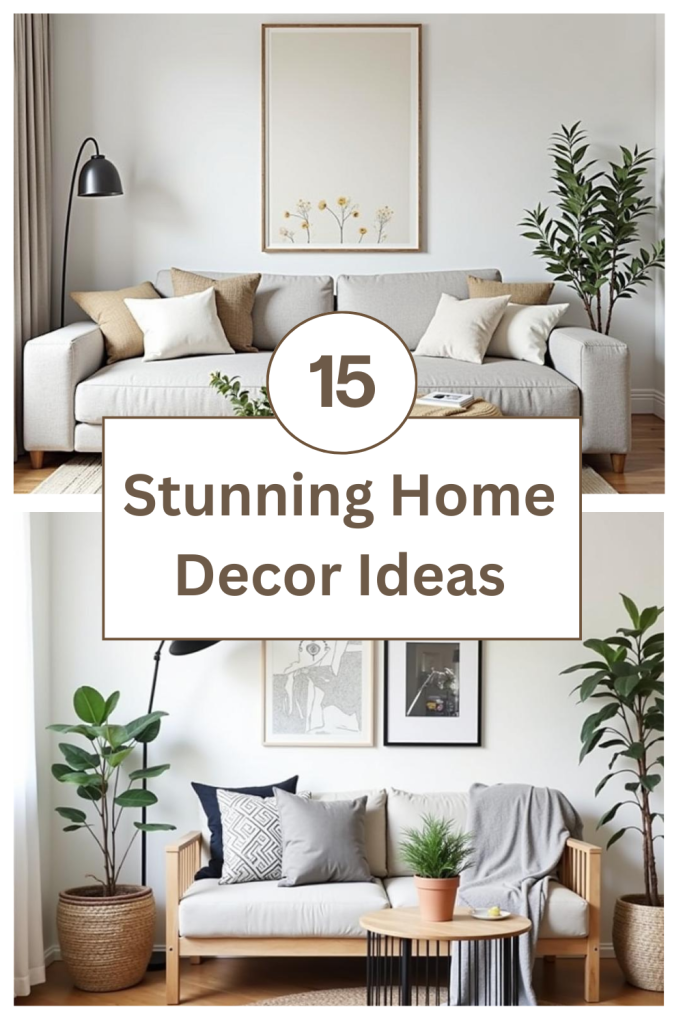

Creating a home that feels welcoming, stylish, and uniquely yours doesn’t have to be a monumental challenge. The secret lies in a series of thoughtful choices and creative touches that, together, make a profound impact.
Whether you’re working with a sprawling house or a compact apartment, the right decor can elevate your environment from a simple living space to a true sanctuary.


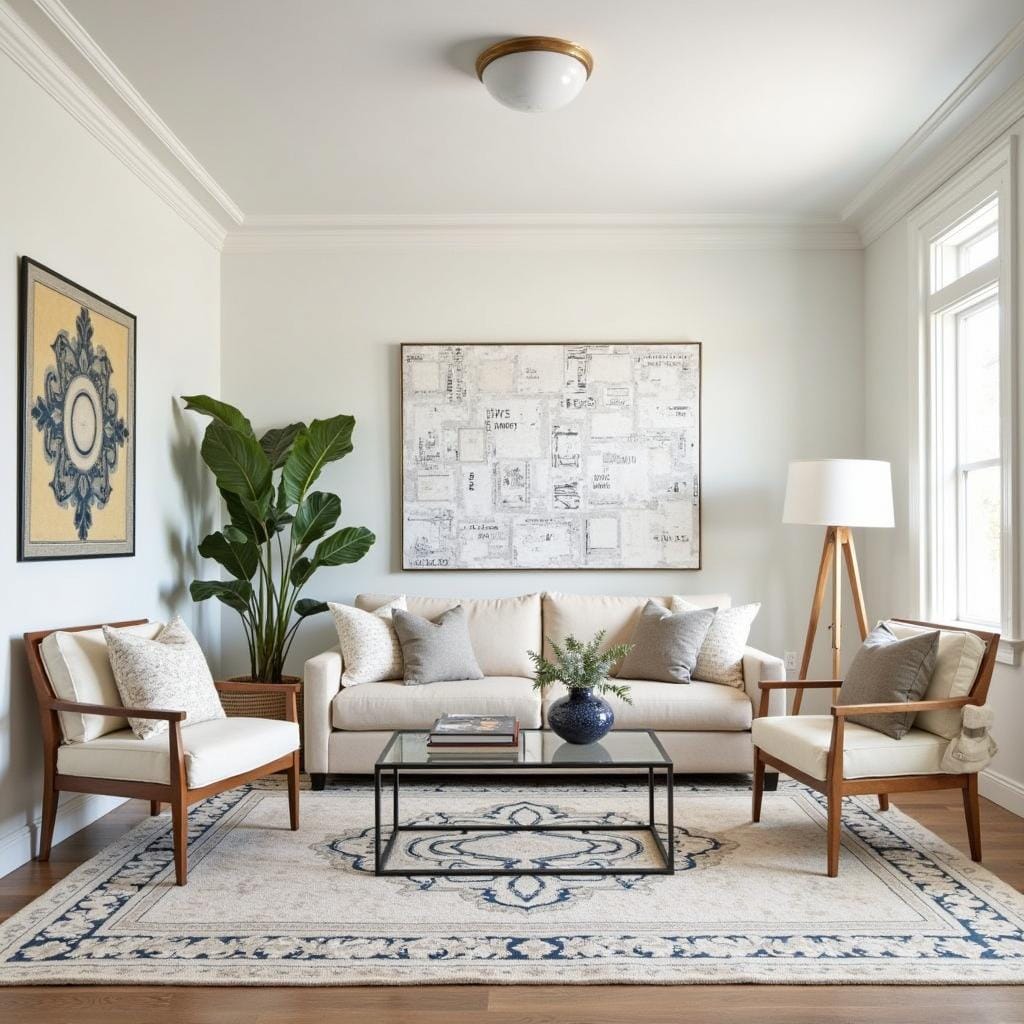
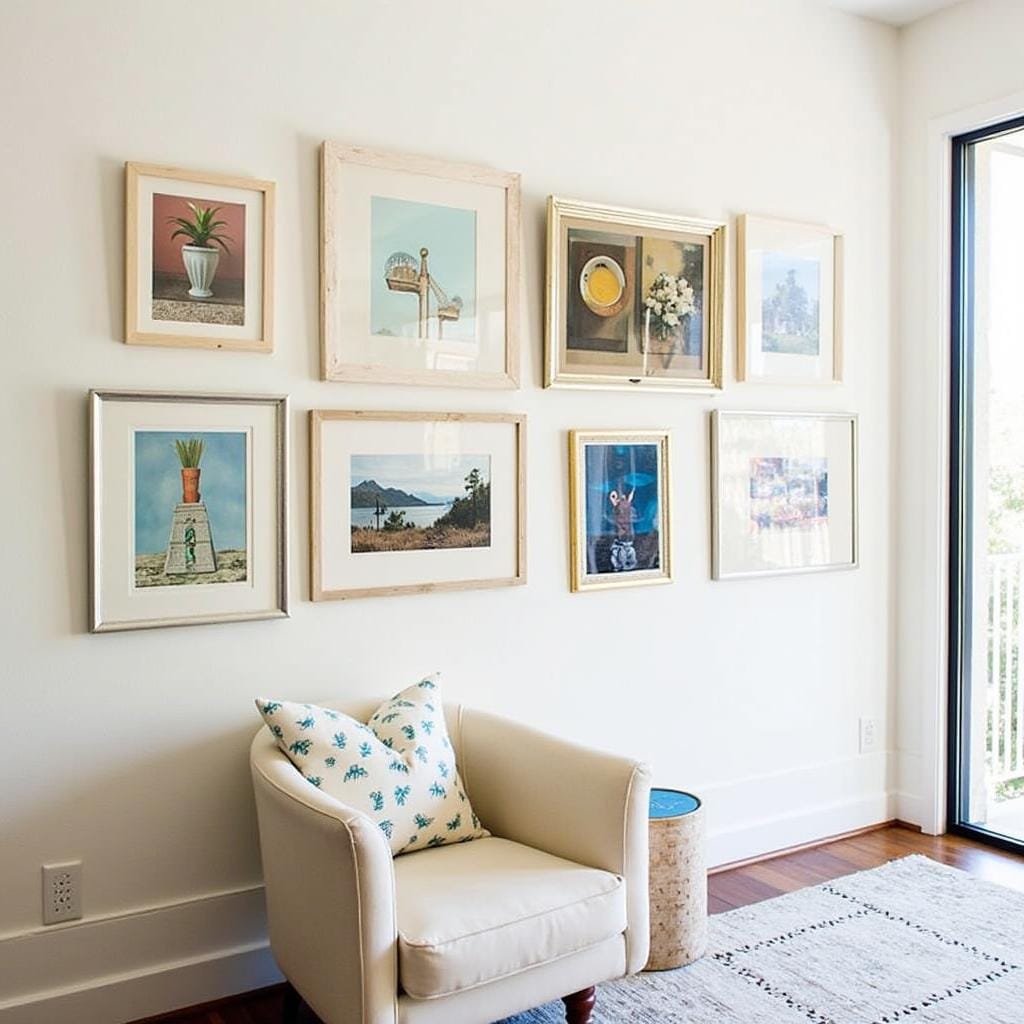
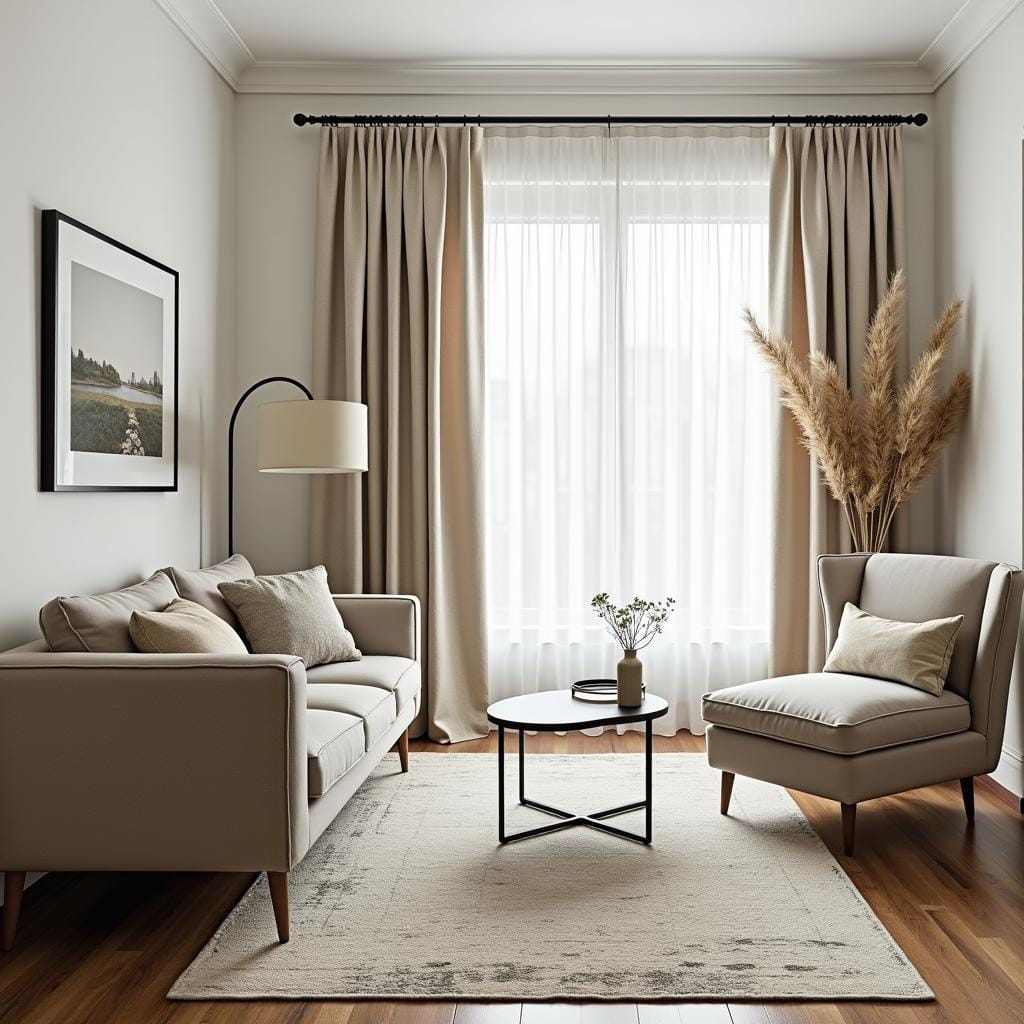
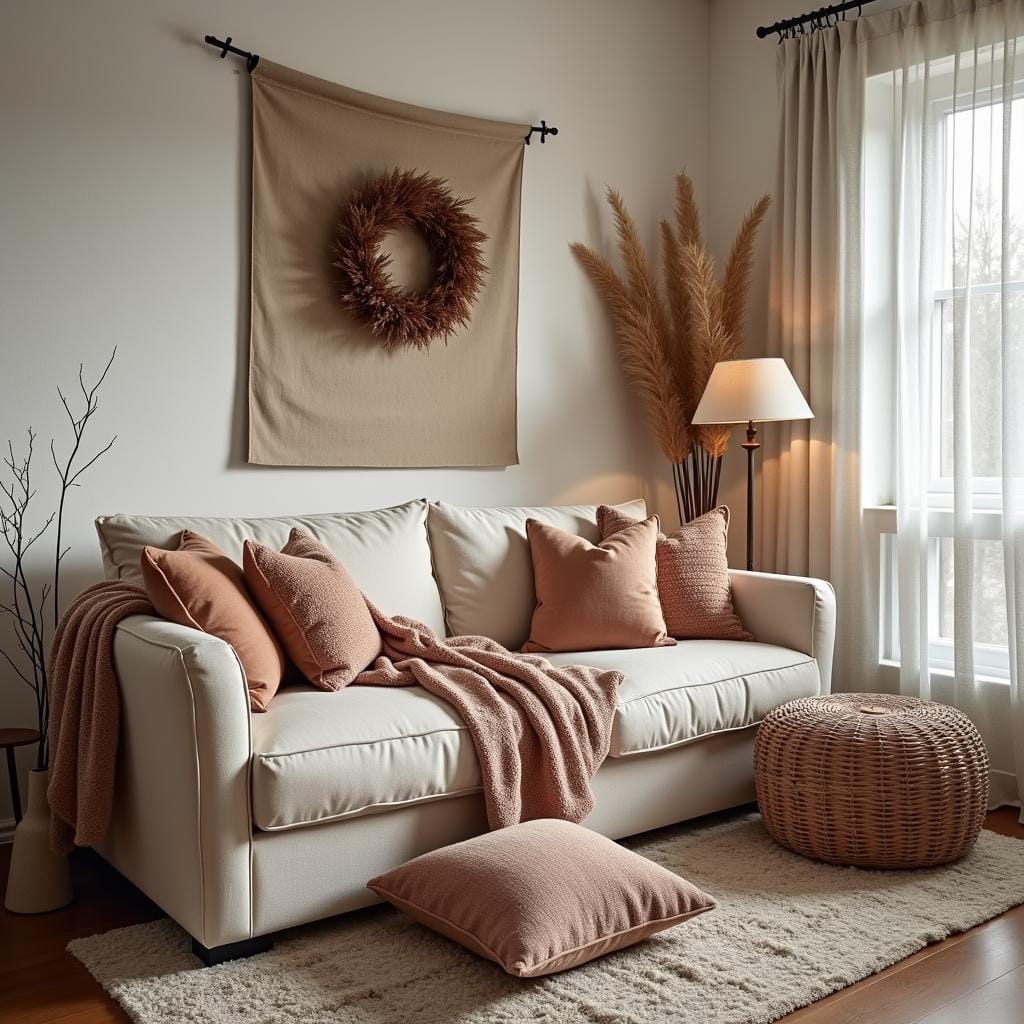


Here are 15 stunning home decor ideas that can transform any space, big or small, to make it feel perfectly like home.
1. Incorporate Statement Lighting
Lighting is one of the most powerful tools in a designer’s arsenal, playing a crucial role in setting the mood, defining zones, and highlighting architectural features. Forget basic, builder-grade fixtures; statement lighting is about choosing pieces that are as much a work of art as they are a source of illumination.
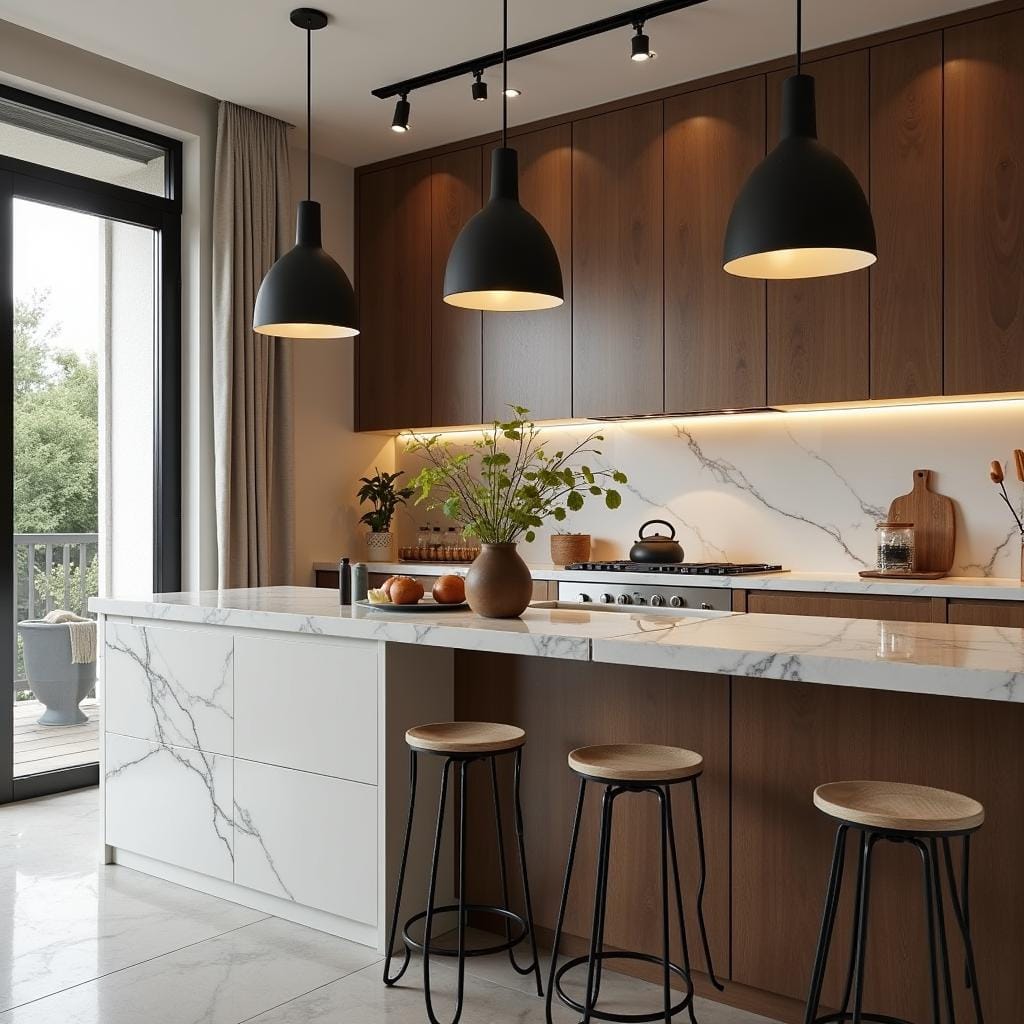
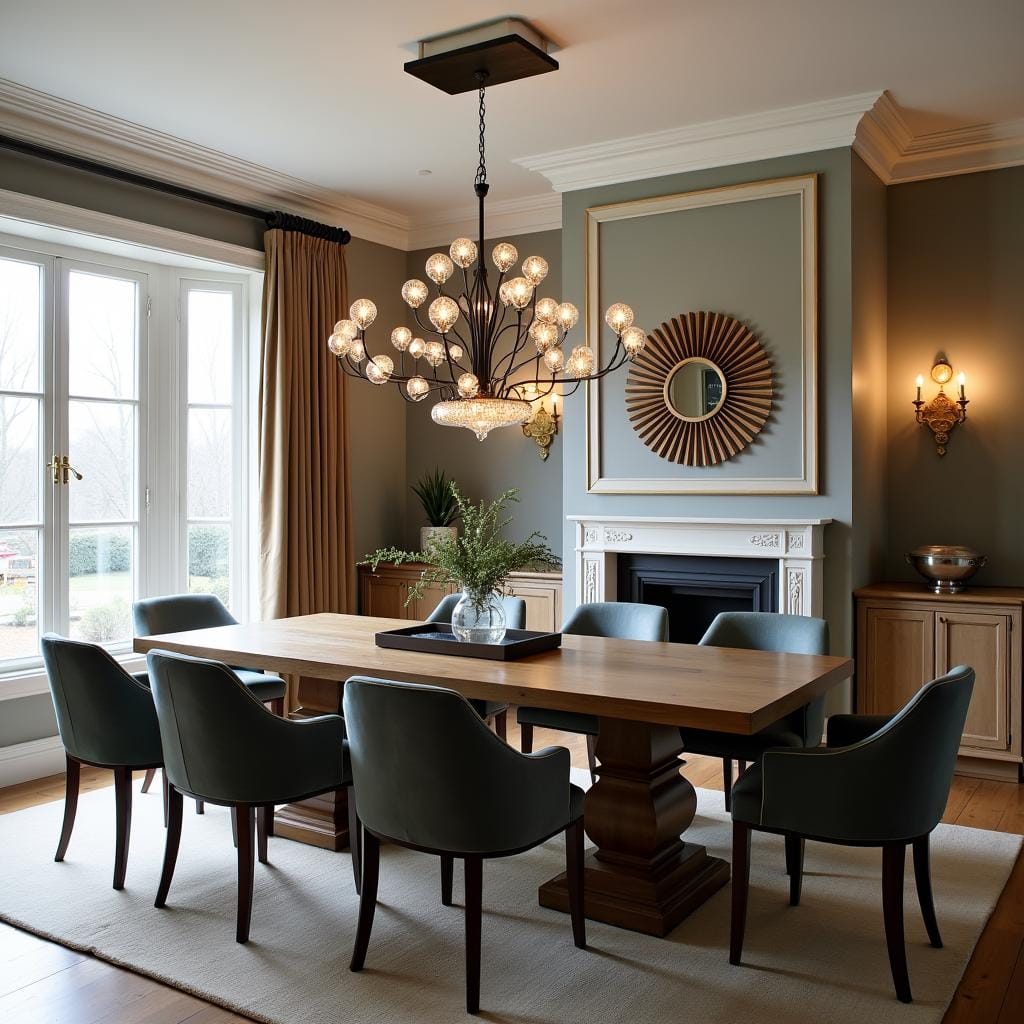
A bold chandelier can add a touch of drama and elegance to a dining room, becoming an instant conversation starter. In the kitchen, a row of sleek pendant lights over an island provides targeted task lighting with a modern touch. Meanwhile, a sculptural table or floor lamp in the living room can double as an art piece, casting a warm, inviting glow.

Pro Tips:
Scale and placement are critical. For a dining room chandelier, a good rule of thumb is that its diameter should be about half to two-thirds the width of your table. It should hang so the bottom is 30-36 inches above the tabletop to avoid blocking sightlines. Always install dimmer switches on your statement fixtures. This gives you complete control over the ambiance, allowing you to transition from bright, functional light for tasks to a soft, atmospheric glow for relaxing or entertaining. Pay attention to the lightbulb’s color temperature (measured in Kelvins); a warm white light (2700K-3000K) is generally best for creating a cozy, welcoming atmosphere in living spaces.
Style Tips:
Match your lighting to your home’s aesthetic. For a glamorous or traditional look, opt for a crystal or brass chandelier. If your style is more mid-century modern, a sputnik-style fixture with multiple arms and globe bulbs is a perfect choice. For industrial-chic spaces, consider fixtures with exposed Edison bulbs, black metal, and clean lines. In a bohemian or coastal home, look for lighting made from natural materials like rattan, wicker, or beaded details to add organic texture.
2. Embrace Indoor Plants
Bringing the outdoors in is a timeless way to add life, color, and vitality to your interiors. Greenery instantly softens hard edges and purifies the air, contributing to a healthier and more serene environment. The key is to choose plants that suit both your aesthetic and your lifestyle. If you’re a novice, start with low-maintenance options like snake plants, pothos, or succulents, which are famously forgiving. For a dramatic focal point in an empty corner, a tall fiddle-leaf fig or a Monstera Deliciosa is an excellent choice. To add vertical interest without taking up floor space, consider hanging planters with trailing plants like string of pearls or ivy.


Pro Tips:
The golden rule of houseplants is “right plant, right place.” Before you buy, assess the natural light in the spot you have in mind. South-facing windows offer bright, direct light, while north-facing windows provide lower, indirect light. Ensure your pots have drainage holes to prevent root rot, one of the most common plant killers. Grouping several plants together can create a mini-ecosystem, increasing the humidity around them and helping them thrive. When you water, water thoroughly until it runs out the bottom, then let the soil dry out appropriately for that specific plant type before watering again.
Style Tips:
The pot is just as important as the plant. Choose planters that complement your decor sleek ceramic pots for a modern look, rustic terracotta for a Mediterranean or bohemian vibe, or decorative metal planters for a touch of glam. Create dynamic arrangements by varying the height, texture, and leaf shape of your plants. Use plant stands to elevate smaller plants and create levels. Allow trailing plants to cascade down from bookshelves or a mantelpiece for a lush, romantic effect.
3. Play with Textures
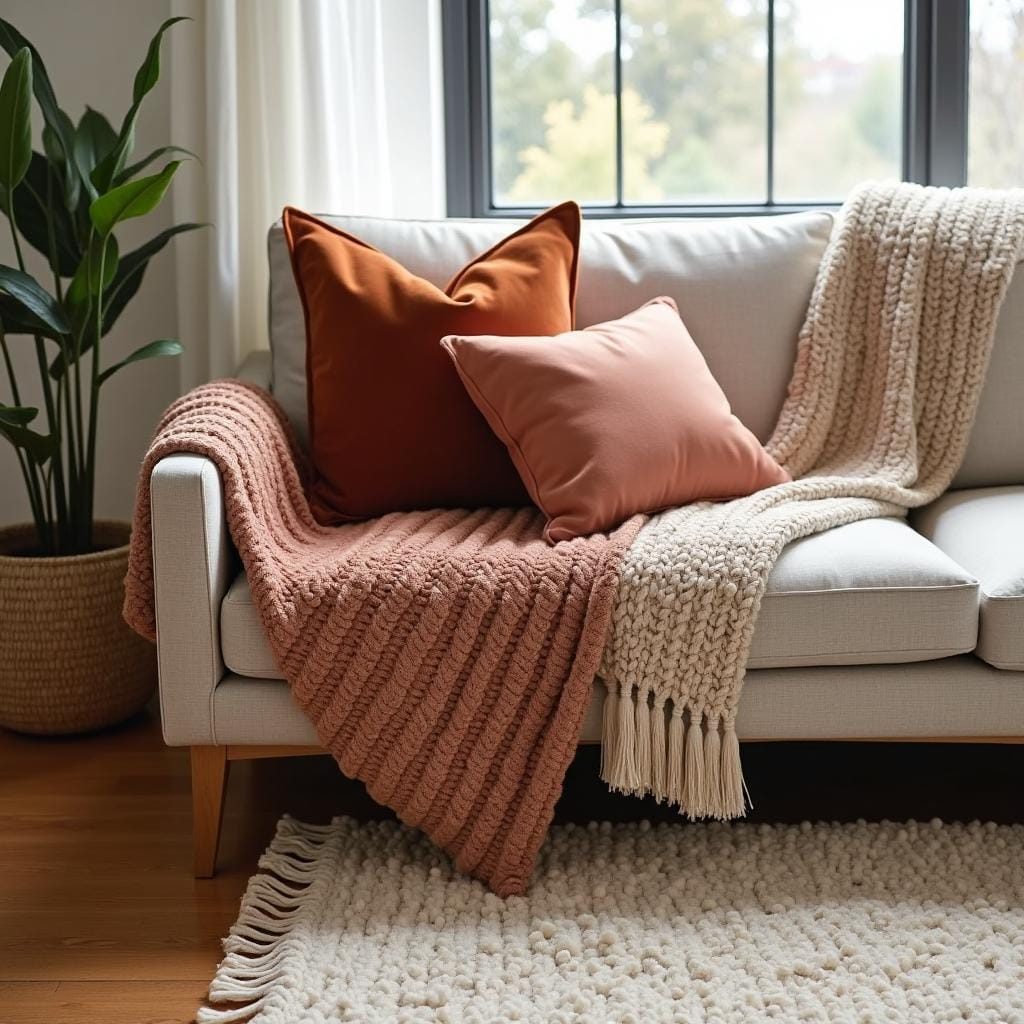
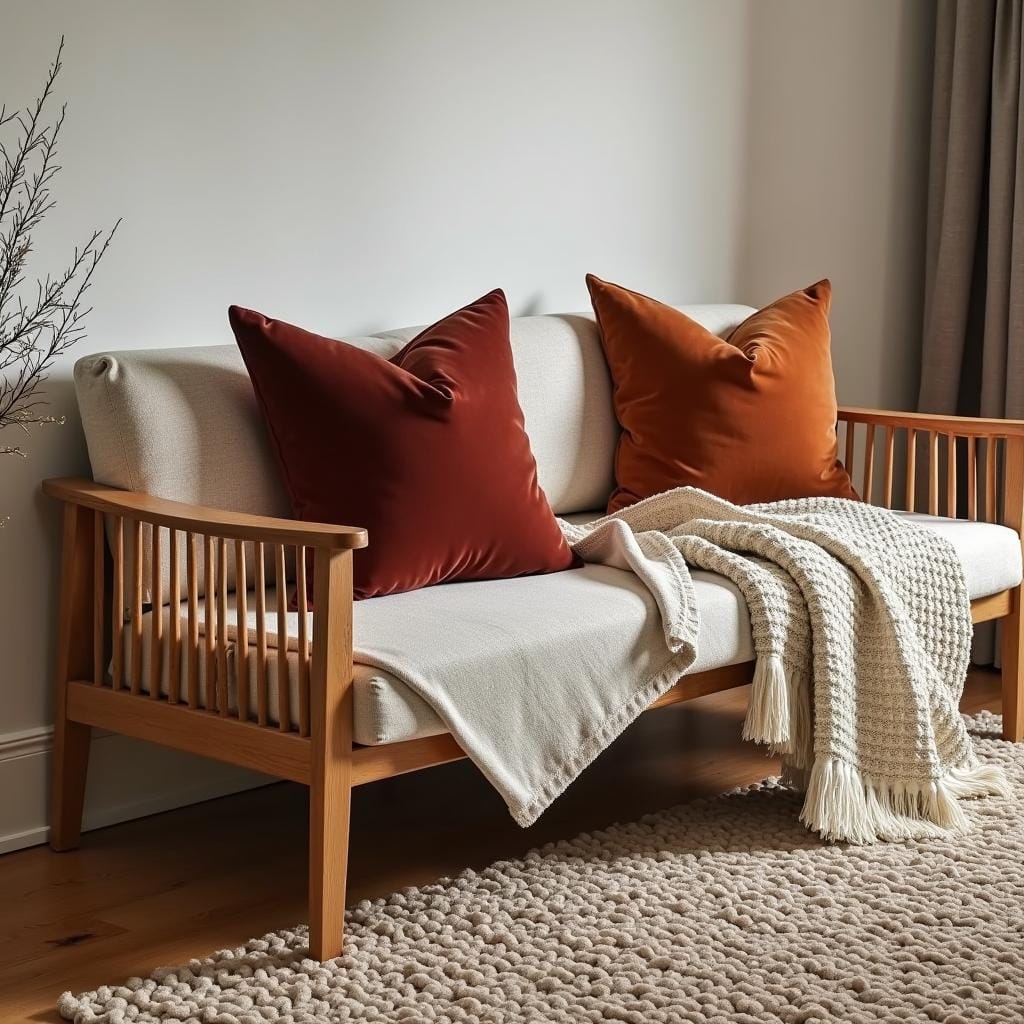
A room decorated in a single texture, even in beautiful colors, can feel flat and uninspired. Mixing a variety of textures is what gives a space depth, warmth, and visual interest. It invites touch and makes a room feel layered and cozy. Think about contrasting different materials: pair soft, plush velvet cushions with a rough, woven throw blanket on a leather sofa. Lay a chunky knit wool rug over smooth, polished wooden floors to create a cozy foundation. Natural materials like rattan, jute, seagrass, and linen are fantastic for enhancing the tactile appeal of a room and adding an organic, earthy element.

Pro Tips:
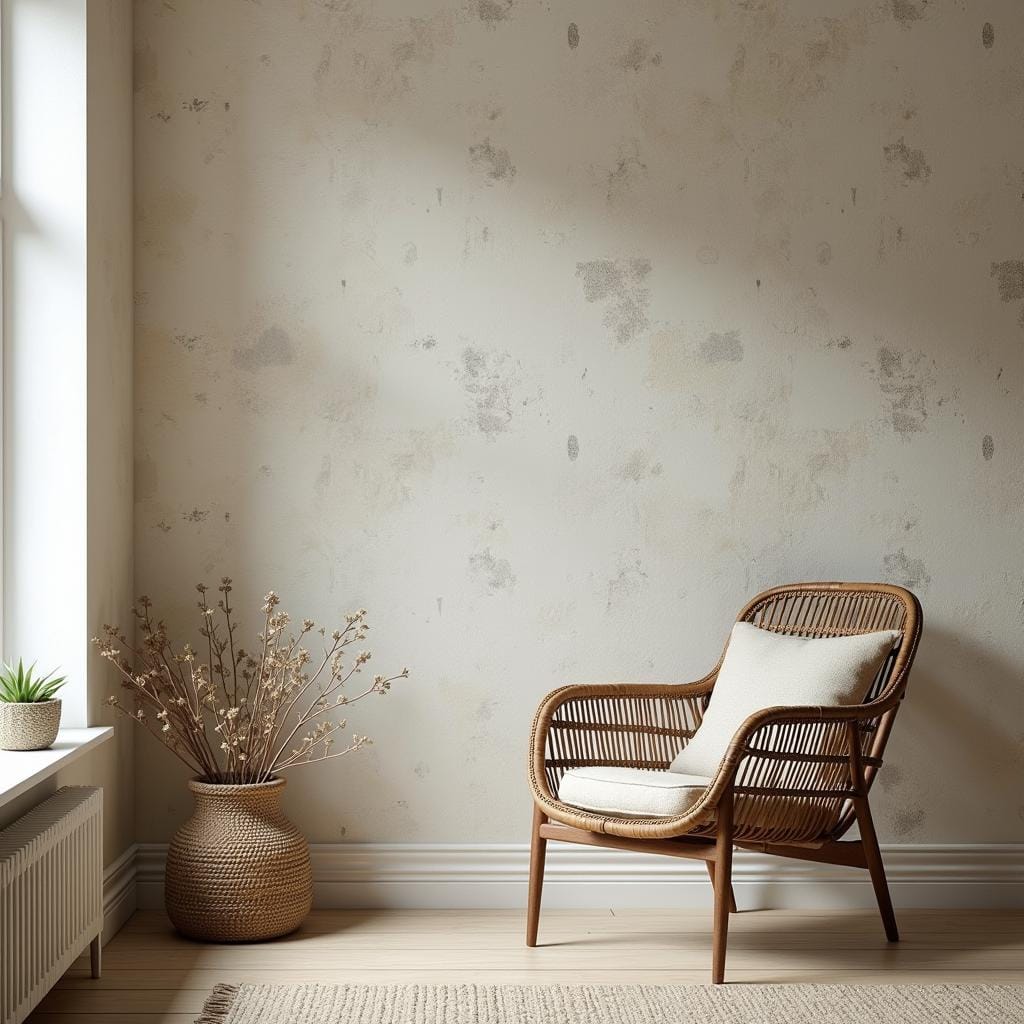
To successfully layer textures, think in terms of balance. If you have a lot of sleek, hard surfaces like glass, metal, and polished stone, you need to introduce soft, warm textures to compensate. Conversely, a room filled only with soft fabrics can feel shapeless, so add structure with wood, metal, or leather accents. Start with larger items like a rug or curtains and then layer in smaller pieces like pillows, throws, and decorative objects. Don’t forget about walls a textured wallpaper like grasscloth or a limewash paint finish can add incredible depth.
Style Tips:
For a minimalist or Scandinavian look, focus on subtle, natural textures like light wood, wool, shearling, linen, and ceramic. In a bohemian or eclectic space, go bold by mixing macramé, faux fur, shag rugs, and heavily embroidered fabrics. For a sophisticated, luxurious feel, combine high-sheen materials like silk and satin with rich, matte textures like velvet and suede, accented with polished marble and metallic details.
4. Add Mirrors to Reflect Light
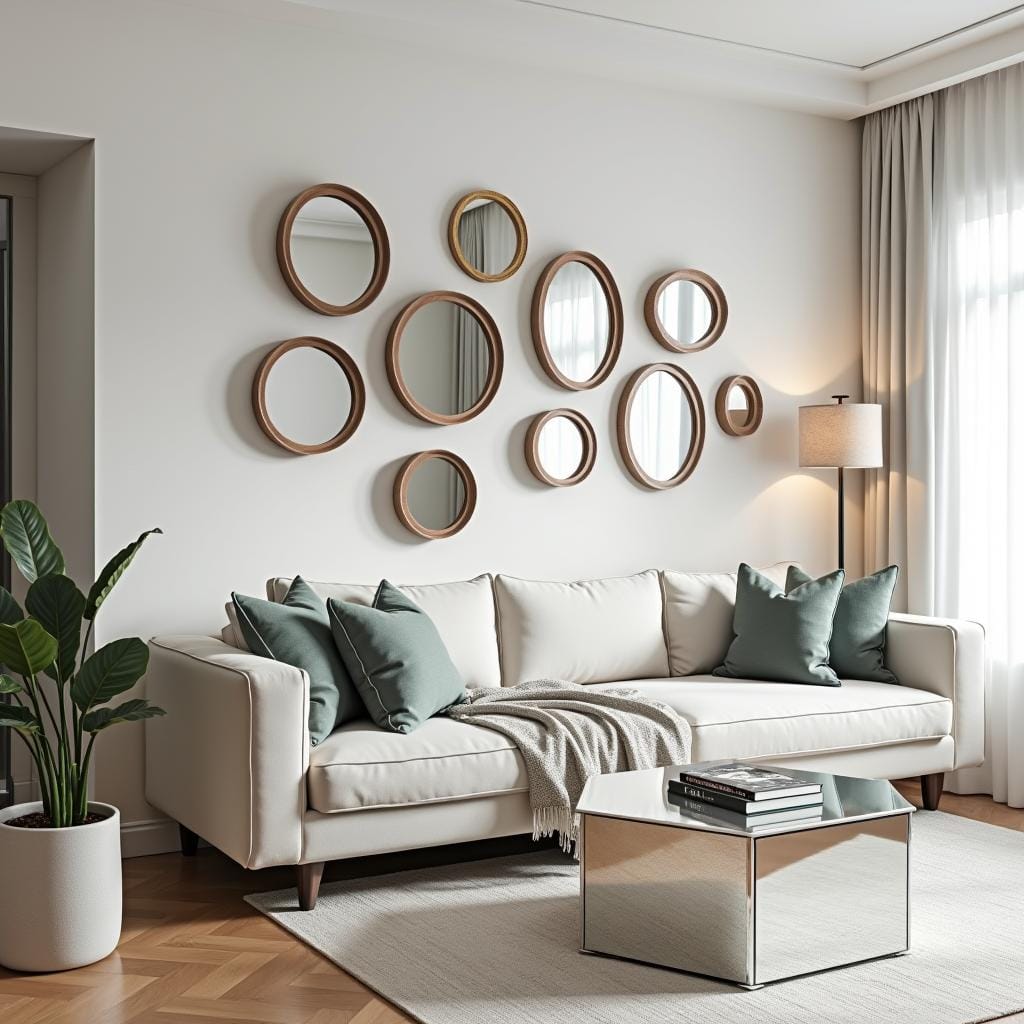
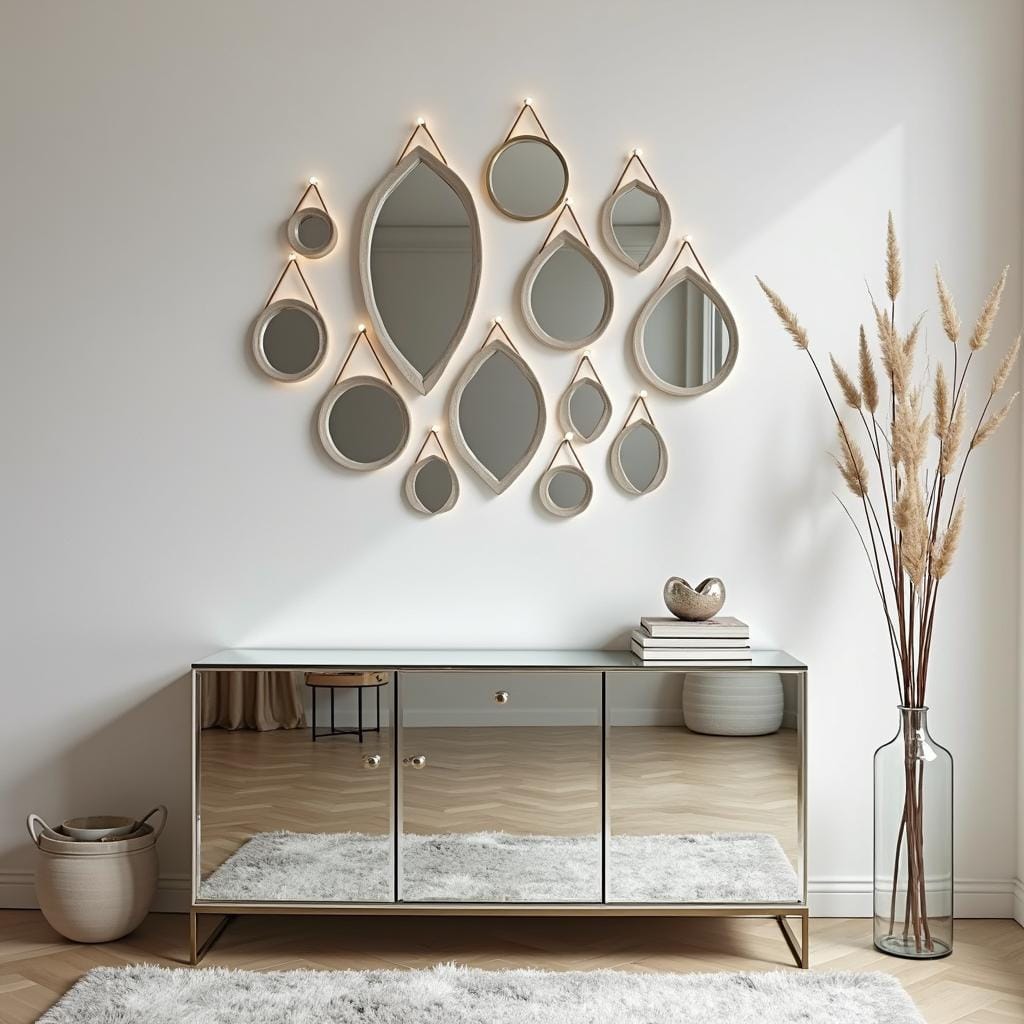
Mirrors are a designer’s secret weapon for making rooms feel larger, brighter, and more open. Their reflective quality works wonders in small or dimly lit spaces. The most effective trick is to hang a large mirror directly opposite a window to capture and bounce the natural light around the room, instantly doubling its impact. For a unique and artistic wall display, consider creating a gallery wall composed of several smaller mirrors in various shapes and sizes. You can also incorporate mirrored furniture, like a console table or nightstands, for a subtle, glamorous, and reflective effect that doesn’t overwhelm the space.


Pro Tips:
Placement is everything. In addition to placing a mirror opposite a window, consider hanging one behind a light source, like a table lamp, to amplify its glow in the evening. In a long, narrow hallway, a large floor-length mirror can create the illusion of a wider, more expansive space. Be mindful of what your mirror reflects. Position it to reflect something beautiful, like a piece of art, a lovely view, or a statement chandelier, not a cluttered corner or a blank wall. Ensure heavy mirrors are securely anchored to the wall using appropriate hardware.
Style Tips:
The frame of the mirror should be treated as a piece of decor in itself. An ornate, gilded frame adds a touch of traditional or Parisian chic elegance. A simple, thin black or metallic frame works perfectly in modern and industrial homes. A rustic wood-framed mirror is ideal for a farmhouse or coastal aesthetic, while a frameless, beveled mirror offers a sleek, minimalist look. Don’t be afraid to lean a large, full-length mirror against a wall for a more casual, relaxed vibe.
5. Use Bold Wallpapers
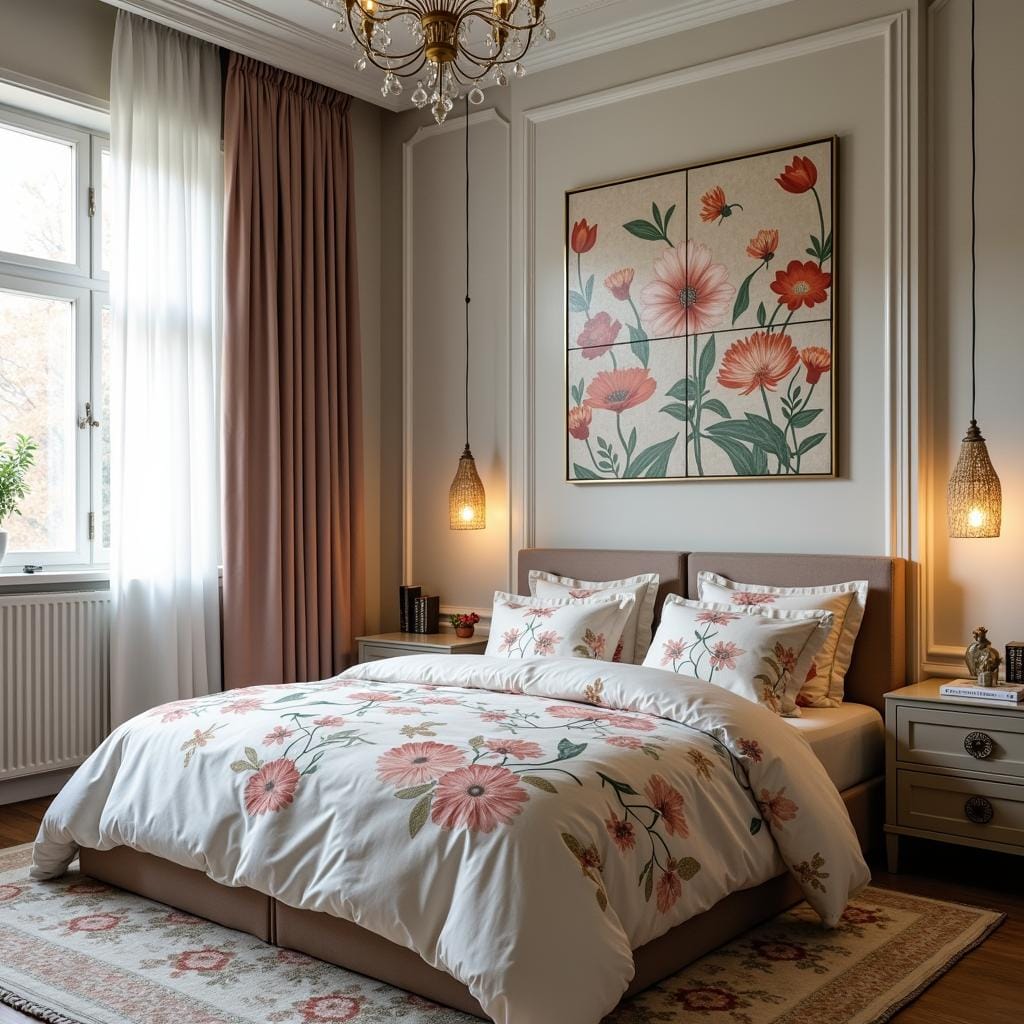
Wallpaper has made a tremendous comeback and is one of the easiest ways to inject personality and make a powerful statement in a room. Long gone are the days of fussy, dated florals; today’s options range from large-scale graphic prints to subtle, textured designs. In a bedroom, a romantic floral or a calming geometric pattern behind the bed can create a stunning feature wall. In a living room or entryway, a bold, dramatic print can set a sophisticated tone. Even a neutral space can benefit from a textured wallpaper, like grasscloth or vinyl, which adds depth and warmth without overwhelming the eye.

Pro Tips:
If you’re hesitant about the commitment or cost of traditional wallpaper, peel-and-stick options are a fantastic, renter-friendly alternative. They are easy to apply, reposition, and remove without damaging the walls. For a more subtle application, consider wallpapering the back of a bookshelf, the inside of a closet, or a small powder room for an unexpected pop of pattern and color. When choosing a pattern, consider the scale of the room. Large-scale patterns can make a small room feel grander, while small, busy patterns can sometimes feel overwhelming.
Style Tips:
Choose a wallpaper that amplifies your desired style. Art Deco-inspired geometric fans and metallic sheens create a glamorous look. Large-scale botanical or tropical prints are perfect for a maximalist or jungle-chic vibe. Subtle, hand-drawn patterns in muted tones suit a Scandinavian or Japandi interior. For a touch of classic elegance, consider a damask or toile print. You can even find mural wallpapers that depict entire landscapes or abstract art, turning your wall into a massive-scale masterpiece.
6. Style Open Shelving
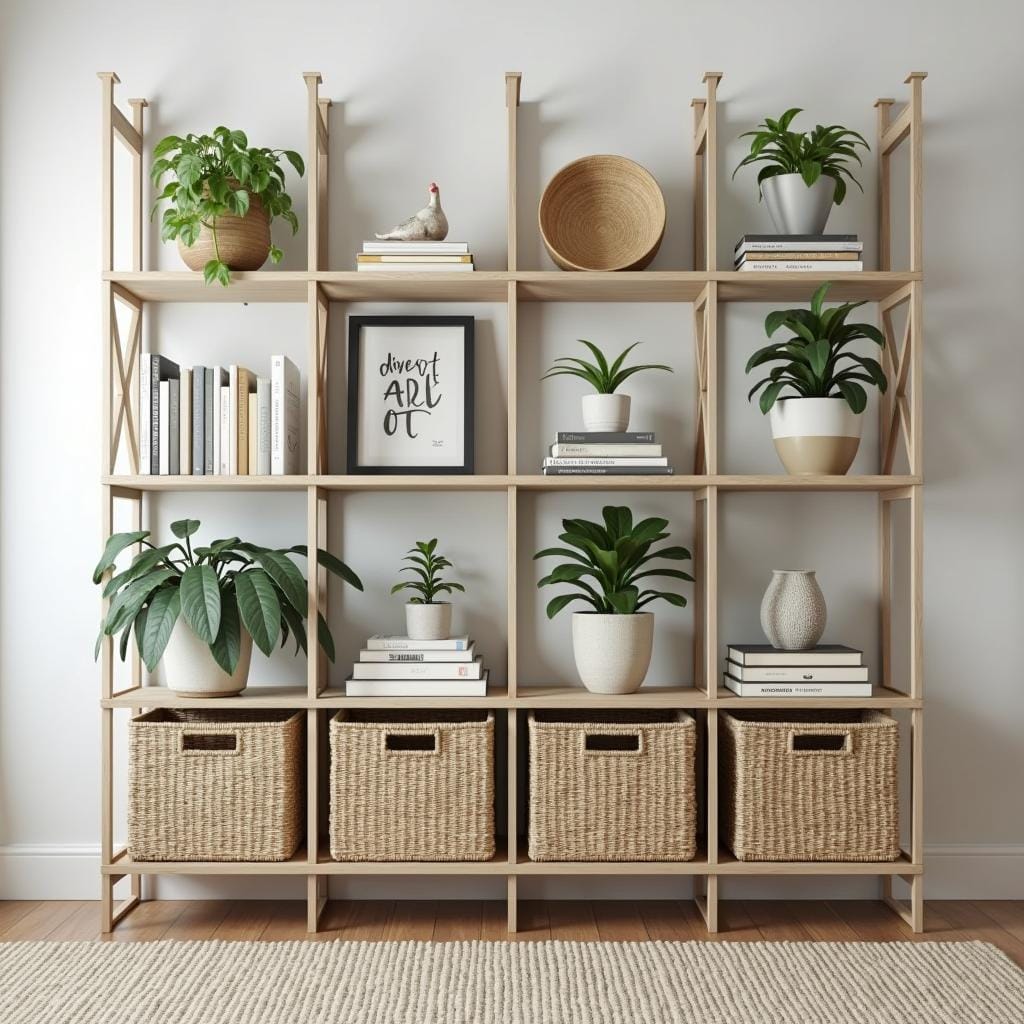
Open shelves are a beautiful blend of functional storage and decorative display, allowing you to showcase your personality. The key to making them look stylish rather than cluttered is thoughtful curation. Create a balanced and visually appealing display by mixing items of different heights, shapes, and textures. Combine vertically stacked books with horizontally placed ones, intersperse decorative objects, add small, trailing plants, and lean small pieces of framed art. Using matching storage baskets or boxes on the lower shelves is a great way to keep unsightly clutter hidden while maintaining a cohesive look.
Pro Tips:
Follow the “rule of threes” by grouping items in odd numbers, which is more visually appealing to the eye. Use the “visual triangle” concept by placing items of a similar color or shape at three different points on the shelves to guide the eye. Leave some “negative space” or empty areas on the shelves; this breathing room is essential to prevent the display from looking cluttered. Mix practical items (like everyday dishes in a kitchen) with purely decorative ones.
Style Tips:
Stick to a consistent color palette for your displayed items to create a cohesive, intentional look. For a minimalist aesthetic, use floating shelves and display a curated collection of neutral-toned ceramics and books. For an industrial feel, use shelves made of reclaimed wood and black metal pipes. In a kitchen, display a mix of white ceramic dinnerware, wooden cutting boards, and jars of dried goods for a functional yet beautiful farmhouse look. Color-code your books for a vibrant, rainbow effect that makes a huge visual impact.
7. Layer Your Lighting
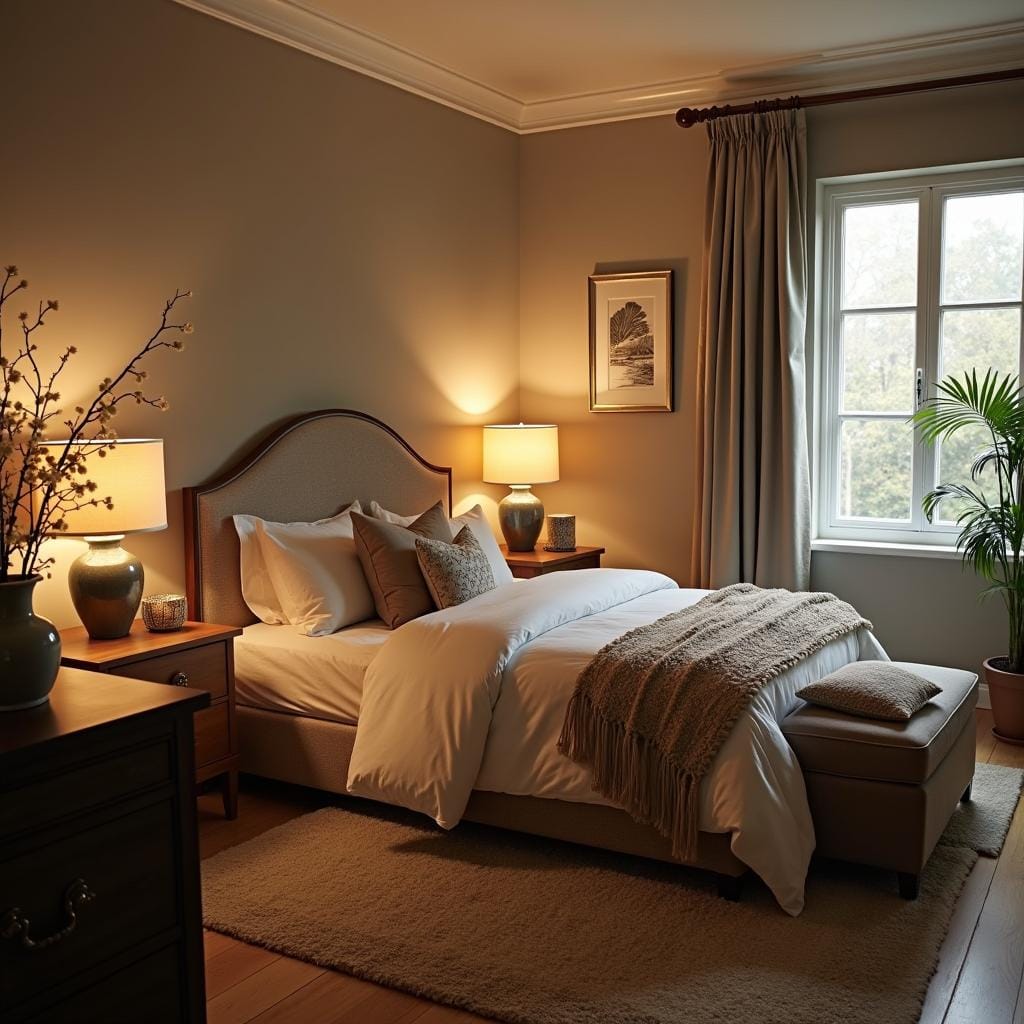
Just as you layer textures, layering your lighting is essential for creating a well-lit, functional, and atmospheric room. A single overhead light source often creates harsh shadows and a flat, uninviting environment. A successful lighting scheme incorporates three main types of light: ambient (the overall illumination from overhead fixtures), task (focused light for activities like reading or cooking, from table lamps or under-cabinet lights), and accent (light that highlights architectural features or art, from spotlights or picture lights). Combining these layers allows you to create the perfect ambiance for any occasion.
Pro Tips:
Install dimmer switches on as many light sources as possible. This is the single most effective way to control the mood of a room, allowing for bright light when needed and a soft, cozy glow when it’s time to relax. When planning your lighting, walk through the room and think about the activities that happen in each area. Where do you read? Where do you work? Where do you want to highlight art? This will determine where you need task and accent lighting. Don’t forget portable options like floor and table lamps, which can be moved around as your needs change.
Style Tips:
For a cohesive look, try to match the finish of your various light fixtures within a room (e.g., all brass or all matte black). Alternatively, for a more eclectic and curated style, feel free to mix metals, but stick to a rule of two or three finishes to keep it from looking chaotic. Use lighting to create cozy nooks—a comfortable armchair paired with a stylish floor lamp creates an instant reading corner. For a touch of whimsy and soft, ambient light, incorporate string lights or flameless LED candles.
8. Experiment with Accent Walls
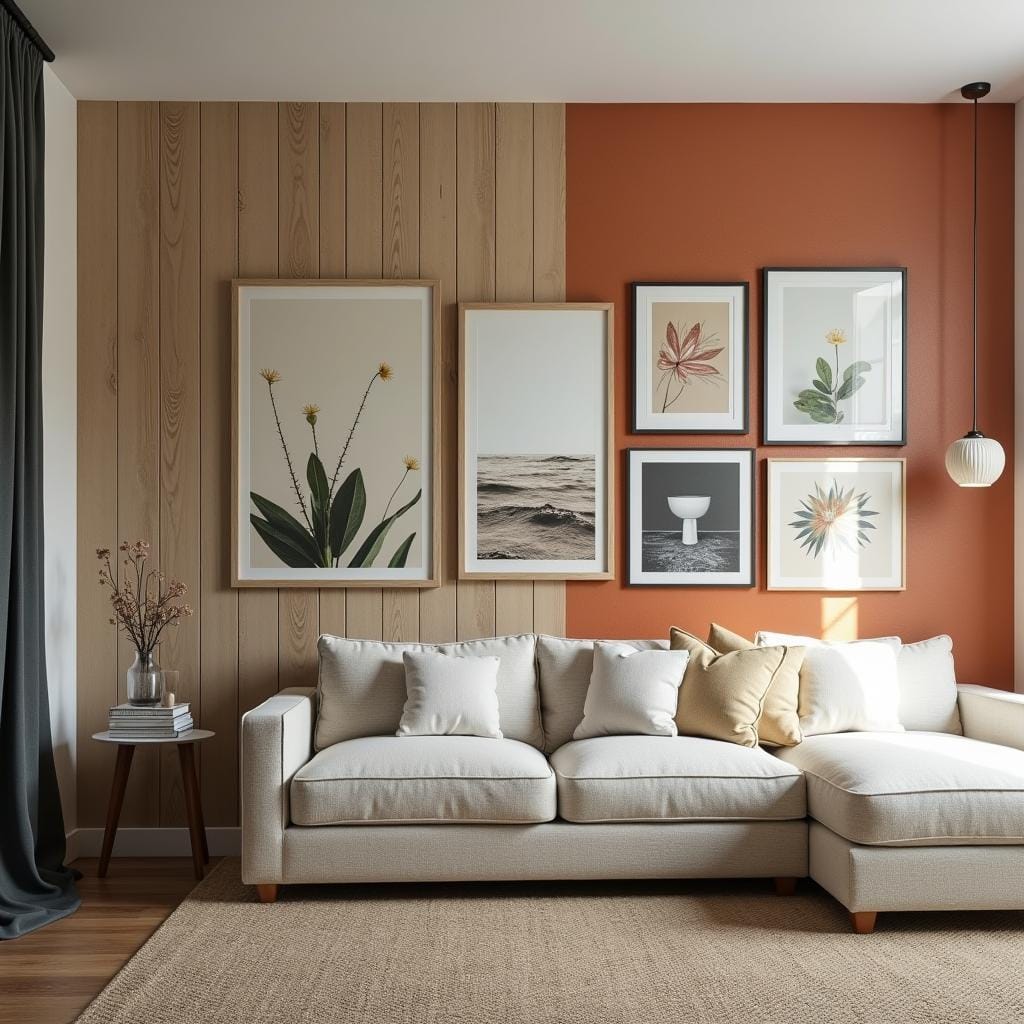
An accent wall is a fantastic way to draw attention, create a focal point, and add a dose of color and depth to any room without the commitment of painting the entire space. The most common approach is to paint one wall in a bold, contrasting color, but the possibilities extend far beyond that. You can install textural elements like shiplap or board and batten for a modern farmhouse or coastal feel. For a dramatic and sophisticated touch, consider a wall of dark, moody paint, stone veneer, or reclaimed wood. A personalized gallery wall or an oversized mural can also serve as a powerful accent, instantly showcasing your unique style.
Pro Tips:
Choose the right wall to accent. Typically, this is the first wall you see when you enter a room, or the wall behind a key piece of furniture like a bed or a sofa. Avoid accenting a wall that is broken up by too many doors or windows, as this will dilute the impact. Proper prep work is key for a professional finish. Ensure the wall is clean, smooth, and primed before you begin. Use high-quality painter’s tape to achieve crisp, clean lines.
Style Tips:
The material you choose will define the style. A dark green or navy accent wall creates a cozy, enveloping feel in a study or bedroom. A bright, sunny yellow can energize a kitchen or playroom. A shiplap wall (either horizontal or vertical) is a hallmark of modern farmhouse style. Geometric patterns painted using tape or stencils can add a modern, graphic punch. For a truly luxurious look, consider upholstered wall panels in a fabric like velvet or linen.
9. Introduce Cozy Rugs
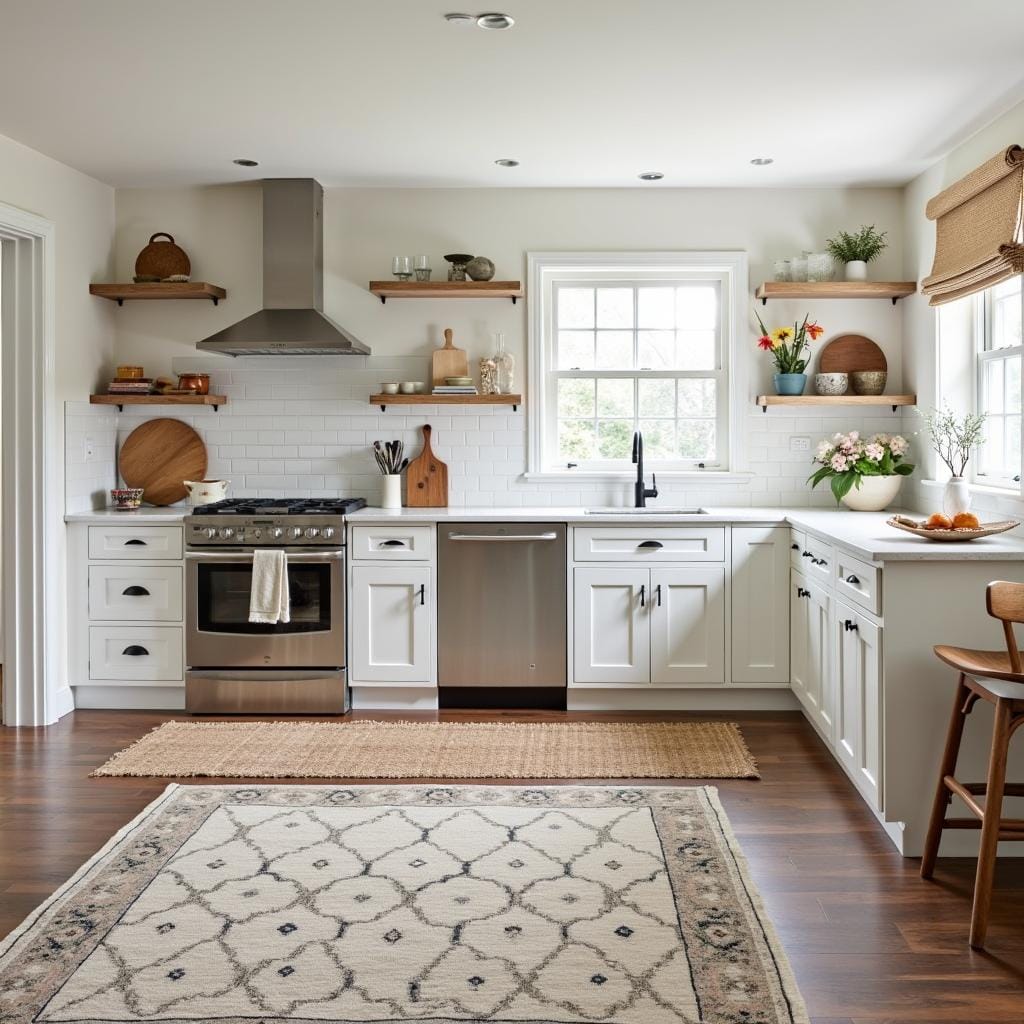
Rugs anchor a room and add comfort underfoot. Try layering a smaller, patterned rug over a neutral base rug for dimension. Hallways and kitchens can benefit from runners, which bring warmth and charm. Oversized rugs work well in defining seating areas in open layouts.

Pro Tips:
Sizing is the most critical element. In a living room, your rug should be large enough that at least the front legs of your sofa and chairs are sitting on it; ideally, all furniture legs should be on the rug. In a dining room, the rug should extend at least 24 inches beyond the table on all sides so that chairs remain on the rug even when pulled out. Always use a rug pad. It prevents slipping, adds extra cushioning, and extends the life of your rug.
Style Tips:
Let the rug guide your room’s color palette. Pull accent colors from its pattern to use in your throw pillows, curtains, and art. A bold, colorful rug can be the star of an otherwise neutral room. A vintage Persian or Moroccan rug adds a sense of history and soul to any space, from modern to traditional. For a contemporary look, opt for geometric patterns or abstract designs. Natural fiber rugs like jute and sisal are perfect for creating a relaxed, coastal, or rustic foundation.
10. Display Artwork Creatively
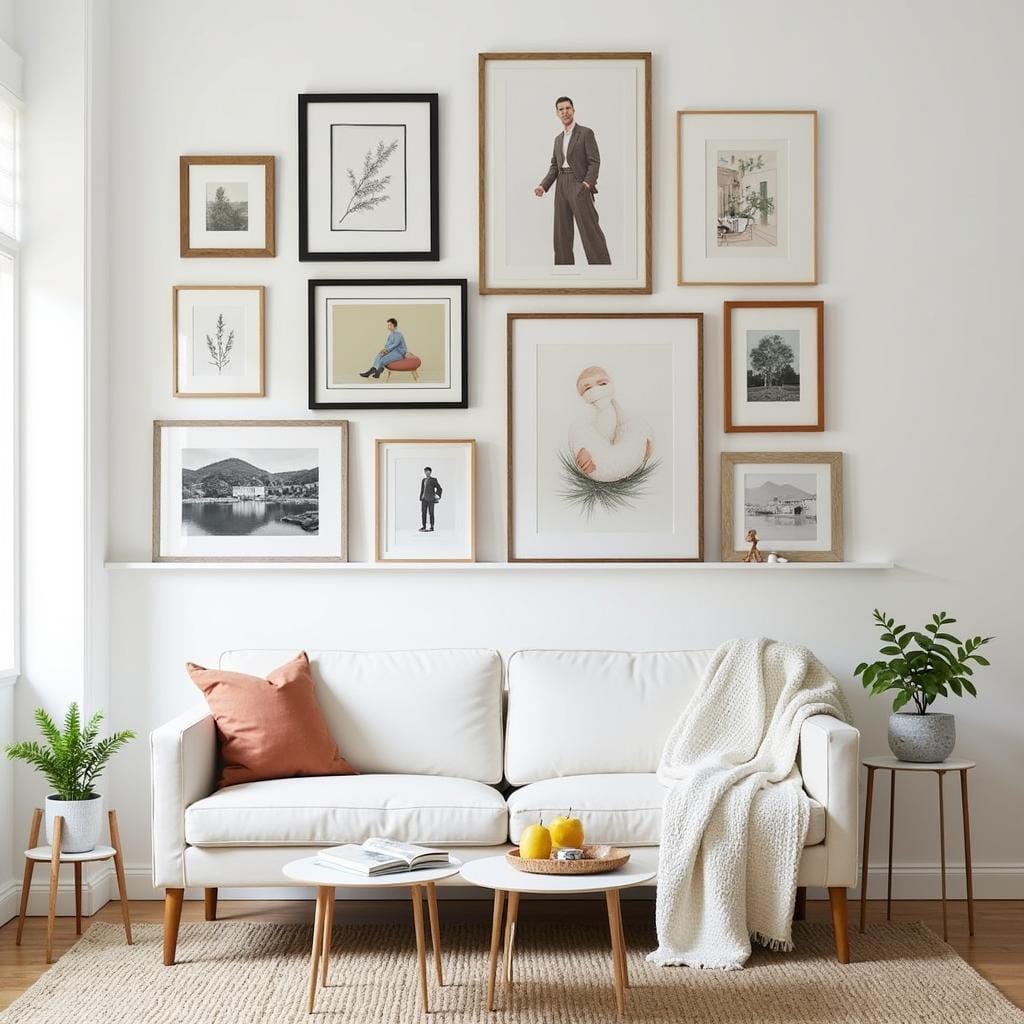
Artwork is the soul of a home; it’s what infuses a space with personality and tells a story about the people who live there. Move beyond simply hanging a single picture in the center of a wall. Create an eclectic gallery wall by mixing and matching frames, art styles, and mediums—combine paintings with photographs, prints, and even three-dimensional objects. For a more casual, studio-like vibe, lean oversized art pieces against a wall or on top of a console table or mantel. Picture ledges are another fantastic, flexible option, allowing you to easily swap out and rearrange artwork without putting more holes in the wall.

Pro Tips:
The most common mistake is hanging art too high. The center of your artwork or gallery wall grouping should be at eye level, which is approximately 57 inches from the floor. When creating a gallery wall, lay out your arrangement on the floor first to get the spacing and balance right before you start hammering nails. Maintain consistent spacing (2-3 inches) between frames for a clean, cohesive look.
Style Tips:
For a formal, symmetrical look, create a grid gallery wall using identical frames and similar-themed art. For an eclectic, bohemian feel, mix vintage gold frames with modern black ones, and round shapes with rectangular ones. A single, large-scale piece of abstract art can make a powerful, modern statement and is often all a room needs. Don’t limit art to the living room; add small pieces to the kitchen, bathroom, and hallways to make every corner of your home feel special.
11. Upgrade Your Hardware
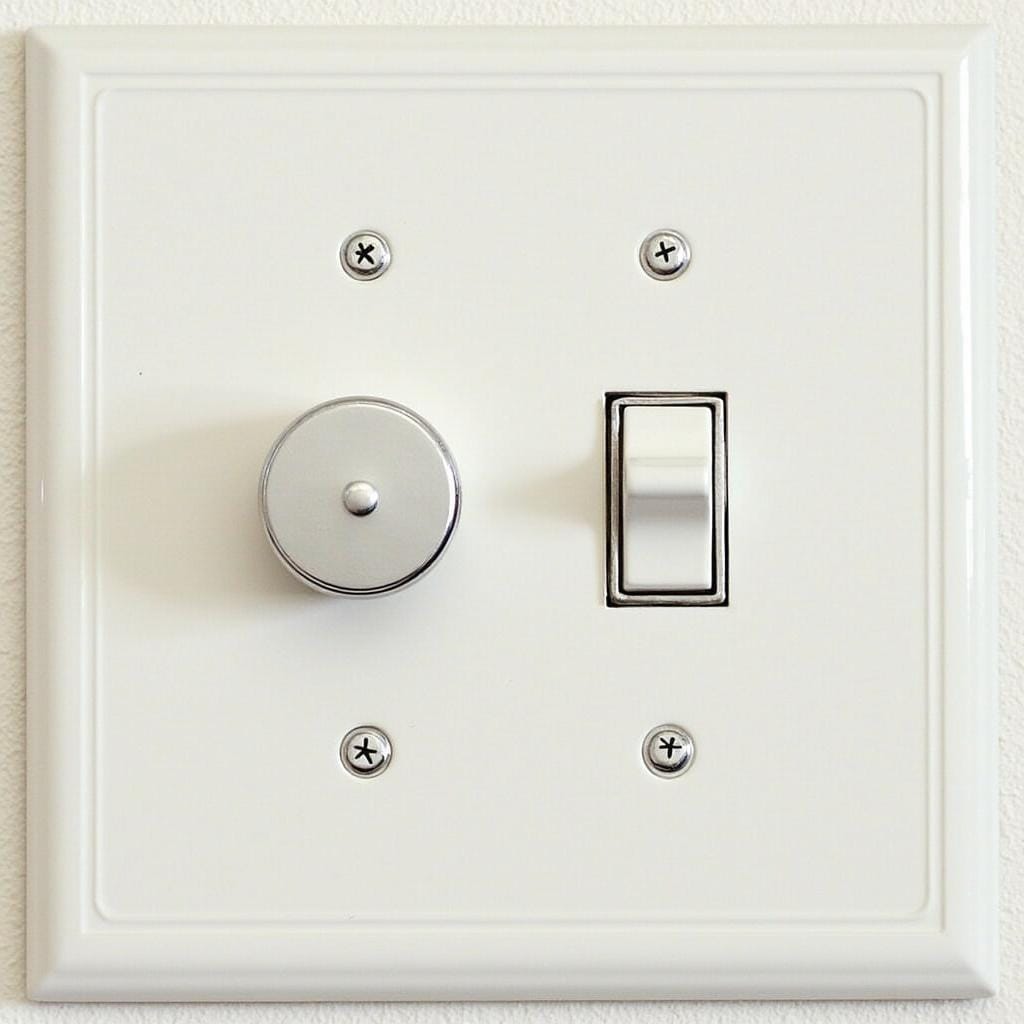
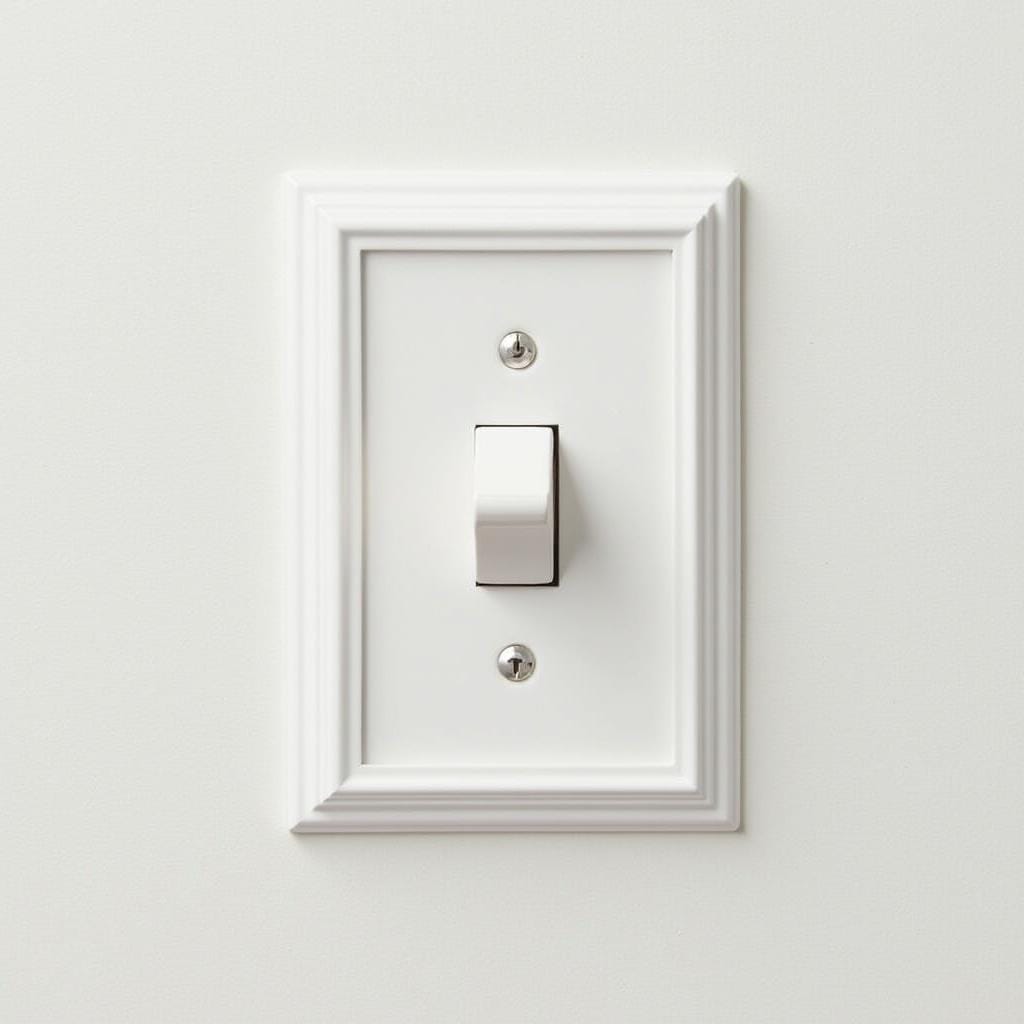
It’s amazing how much of an impact small details can have. Upgrading the hardware in your home is a relatively quick, easy, and affordable way to instantly refresh the look of a room. Swap out the generic, builder-grade cabinet handles and knobs in your kitchen or bathroom with modern or vintage-inspired designs to completely change the feel of the cabinetry. This small change can take a dated kitchen and make it feel current. Other quick fixes include replacing plastic light switch plates with stylish metal or decorative ones and upgrading interior doorknobs to something with more substance and style.

Pro Tips:
Before you buy new cabinet hardware, measure the distance between the screw holes on your existing handles (this is called the “center-to-center” measurement) to ensure the new ones will fit without you needing to drill new holes. If you’re switching from knobs to pulls, you will need to drill a second hole. Create a simple template out of cardboard to ensure your new holes are perfectly aligned. Consistency is key for a polished look, so try to use the same finish for hardware within a single room.
Style Tips:
Brushed brass or gold hardware adds warmth and a touch of glamour, pairing beautifully with dark green, navy, or white cabinets. Matte black hardware offers a sleek, modern, and slightly industrial look that contrasts well with light wood or white. Polished chrome or nickel is a classic choice for a clean, timeless feel. Leather pulls can add a unique, rustic, or masculine touch, while glass or crystal knobs are perfect for a vintage or glam aesthetic.
12. Create Zones in Open Spaces
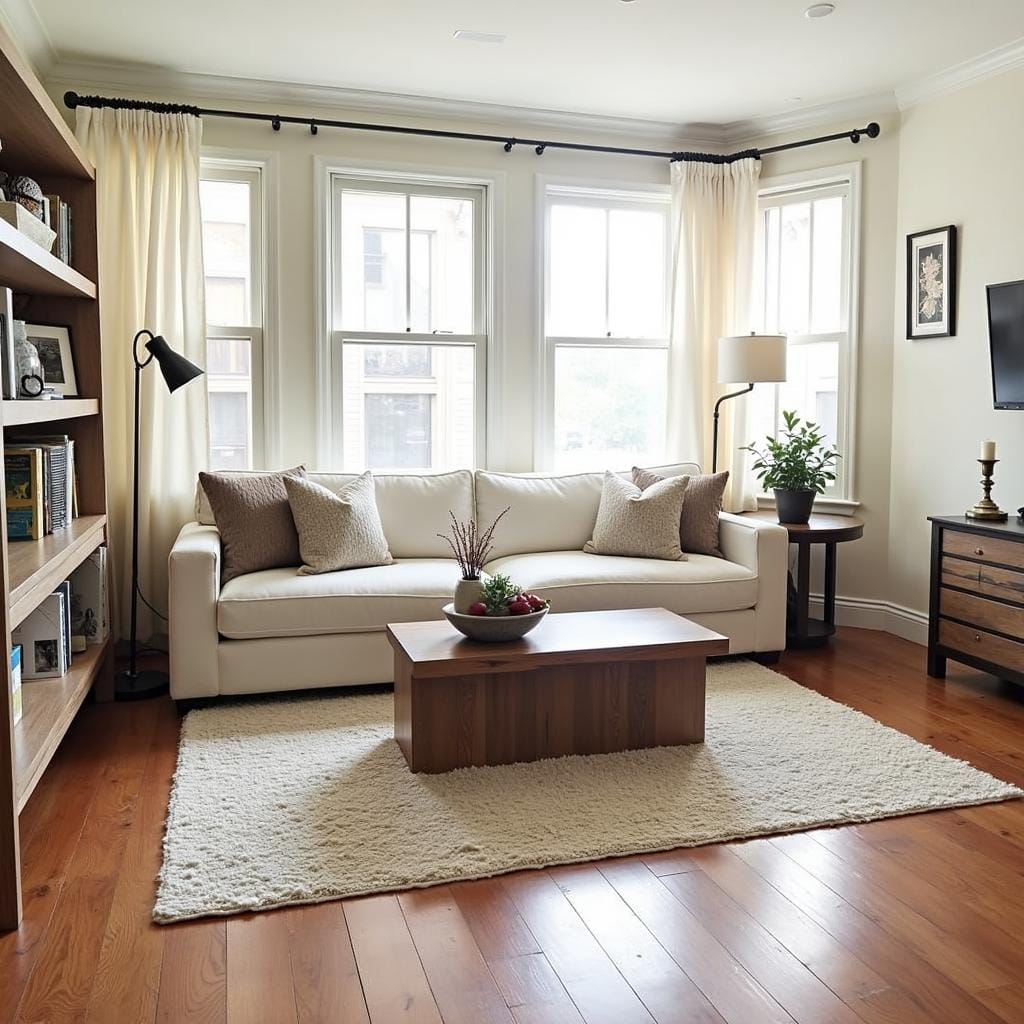
Open-plan living is popular for its airy, spacious feel, but it can also feel vast and undefined without a clear structure. The key is to create distinct “zones” for different activities, like living, dining, and working. Area rugs are one of the most effective tools for this, clearly demarcating the seating area in the living room or the space under the dining table. Strategic furniture placement is another powerful method; the back of a sofa can act as an “invisible wall,” separating the living area from a home office space or walkway. For more distinct separation, consider using stylish room dividers, open-backed bookshelves, or even strategically placed curtains.

Pro Tips:
While you want to create separate zones, you also want the overall space to feel cohesive. Achieve this by maintaining a consistent color palette and flooring material throughout the entire open-plan area. Use lighting to reinforce your zones—a chandelier over the dining table, pendant lights over the kitchen island, and a floor lamp in the living room’s reading corner. Ensure there are clear, unobstructed pathways for easy flow between the different zones.
Style Tips:
A large, open-backed bookshelf (like an Etagere) is a perfect room divider because it creates a sense of separation without completely blocking light or sightlines, and it provides valuable storage and display space. A stylish folding screen can be easily moved and adds a decorative, architectural element. You can also hang a curtain from a ceiling track to create a soft, flexible divider that can be opened or closed as needed.
13. Personalize with DIY Projects
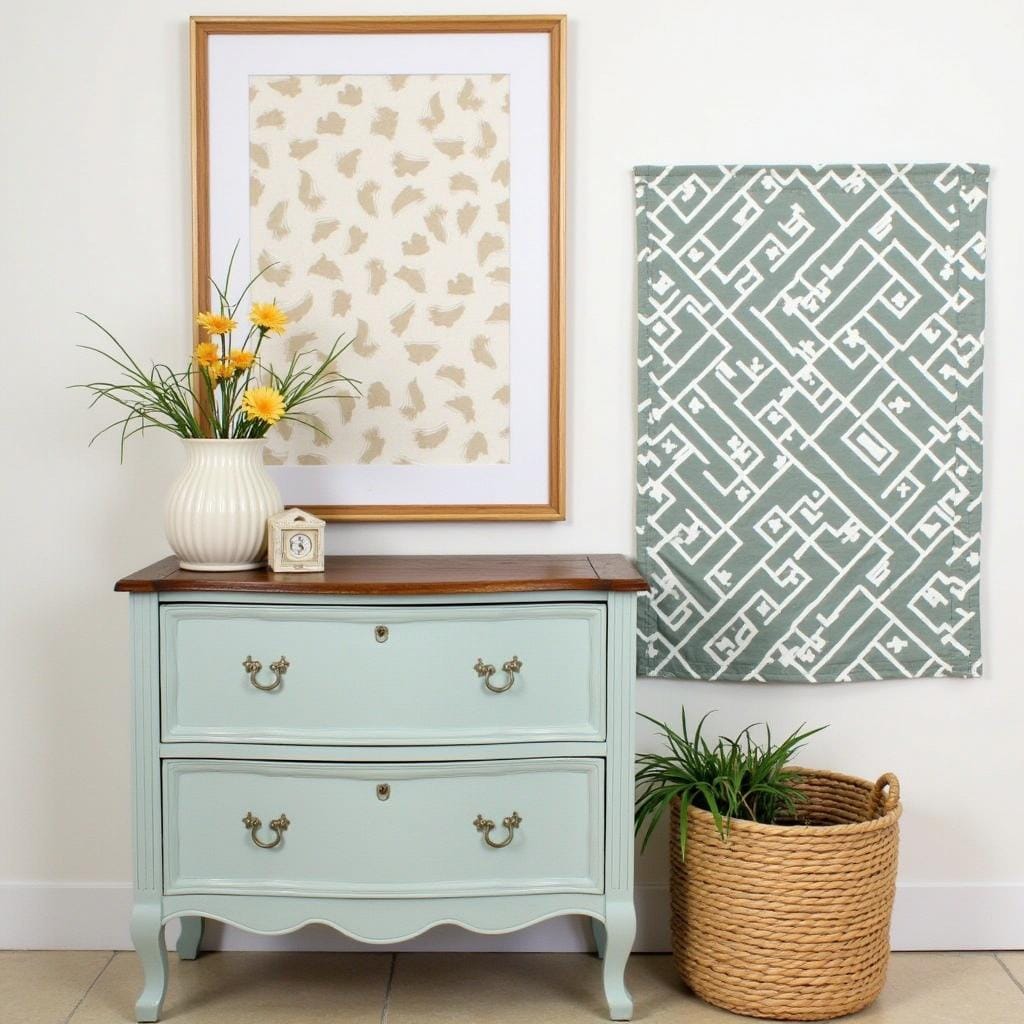
There is nothing that makes a house feel more like a home than adding your own personal touch. DIY decor projects allow you to create something truly unique that perfectly fits your space and style, often on a budget. Create custom art by painting a simple abstract design on a large canvas or by using stencils on a piece of wood. Give a tired, old piece of furniture a fresh lease on life with a coat of chalk paint and some new hardware. If you love the bohemian style, try your hand at making your own macramé wall hangings or plant hangers.

Pro Tips:
The success of any DIY project lies in the preparation. Don’t skip the crucial steps of cleaning, sanding, and priming before you paint furniture. Start with a small, low-stakes project to build your confidence before tackling something larger and more complex. Watch tutorials online—there are endless resources that can guide you step-by-step through almost any project imaginable. Most importantly, embrace imperfections; they are part of the charm of a handmade item.
Style Tips:
Upcycling is both sustainable and stylish. Hunt for unique pieces at thrift stores or flea markets and transform them. A dated dresser can become a chic new media console or a bathroom vanity. Create a high-end look for less by stenciling a pattern onto a plain rug or a set of curtains. Frame beautiful pieces of fabric, wallpaper scraps, or even sentimental items like old letters or maps to create deeply personal artwork.
14. Incorporate Seasonal Decor
Keeping your home feeling fresh and inspiring year-round can be as simple as switching up your decor with the changing seasons. This doesn’t mean you need to do a complete overhaul every three months. Instead, focus on small, impactful changes. In the fall and winter, create a cozy, hygge atmosphere by adding plush throw blankets, velvet pillows, and decor in warm, rich hues. As spring arrives, lighten things up with fresh flowers, botanical prints, and pastel tones. Summer is the perfect time to introduce breezy linens, and vibrant, tropical, or nautical accents.


Pro Tips:
Create a “seasonal decor capsule” for each season and store it in a labeled bin. This makes the switch-out process quick and organized. The easiest items to swap are textiles: throw pillows, blankets, and table linens. Focus your seasonal efforts on key areas like the entryway, mantelpiece, and coffee table for the biggest impact. Use natural elements whenever possible—pinecones and pumpkins in the fall, evergreen branches in the winter, fresh tulips in the spring, and a bowl of citrus in the summer.
Style Tips:
For autumn, think in a palette of rust, mustard, and deep green. Incorporate textures like wool, flannel, and cable knit. For winter, focus on a festive but sophisticated look with metallics (silver and gold), cozy faux fur, and natural elements like evergreen and birch logs. For spring, embrace a light and airy feel with pastel colors, floral patterns, and light fabrics like cotton and linen. For summer, go bold with bright colors like coral and turquoise, and bring in coastal elements like seashells, driftwood, and nautical stripes.
15. Optimize Storage Solutions
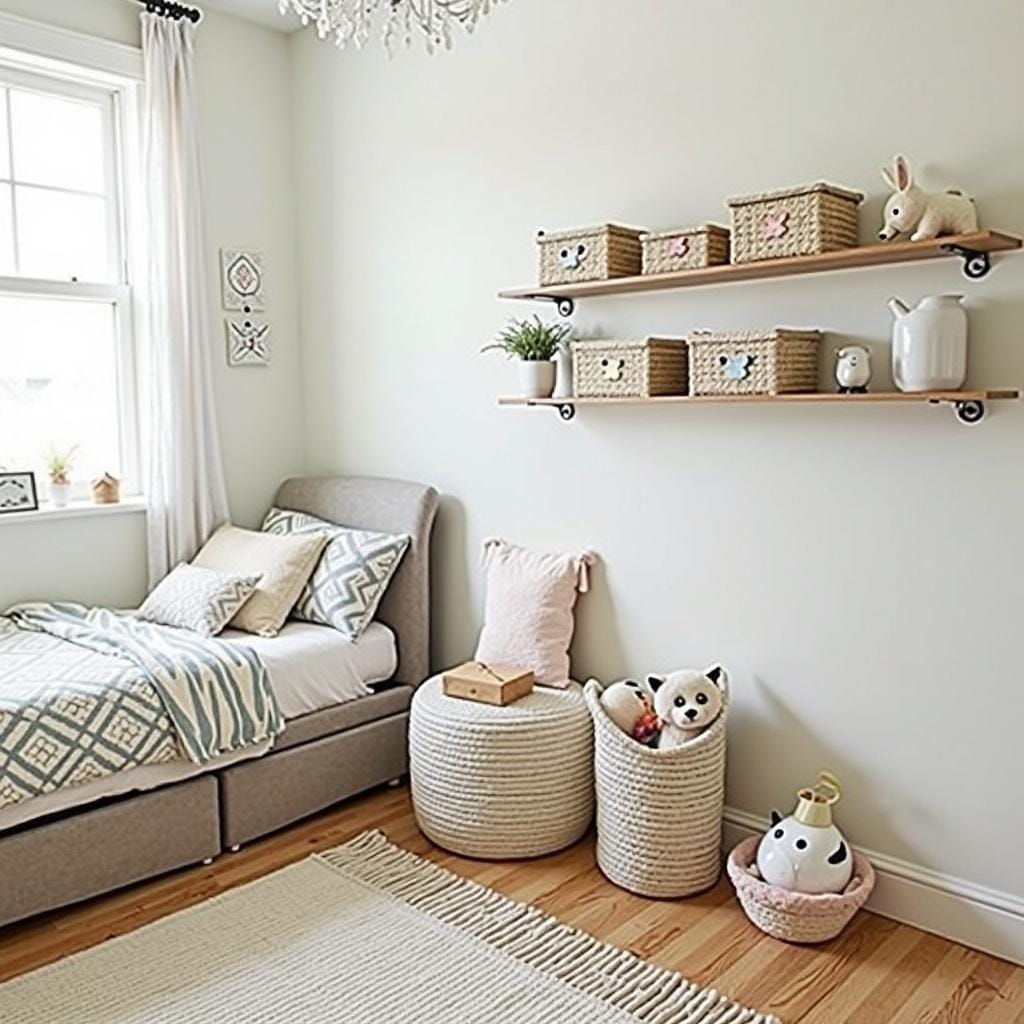
A clutter-free home is a calm and beautiful home, which makes stylish storage an absolute necessity. The goal is to find solutions that are as beautiful as they are functional. Decorative baskets made of wicker, seagrass, or wire are perfect for elegantly stashing away everything from kids’ toys and extra throws to magazines and remote controls. Invest in smart, multi-functional furniture with hidden storage, like an ottoman that opens up to store blankets, a coffee table with drawers, or a bed with built-in storage underneath. Make use of vertical space with floating shelves or tall, narrow bookcases.

Pro Tips:
Before you buy any storage solutions, first declutter. You can’t organize clutter, so be ruthless in editing down your belongings. Think vertically—walls offer a wealth of untapped storage potential. Use wall-mounted shelves, hooks, and ledges to get items off the floor and surfaces. Use drawer dividers and small bins within larger containers to keep small items organized and easy to find. Label everything so you can quickly locate what you need.
Style Tips:
Integrate your storage into your decor. Choose baskets and boxes that match your color scheme and style. A beautiful lidded basket can sit next to a sofa and look like a deliberate decorative choice. A row of stylish hooks in an entryway is both a practical spot for coats and a design feature. In a small space, use floating shelves to display a few curated items while storing others in attractive boxes on those same shelves. Choose furniture that does double duty, like a stylish bench with a lift-up seat at the foot of your bed.
Conclusion
Transforming your space is all about creativity, thoughtful choices, and attention to detail. With these 15 ideas, you can turn your home into a stunning retreat that reflects your personality and meets your needs. Whether you’re revamping a single room or an entire house, these tips can help you create a space you’ll love.