
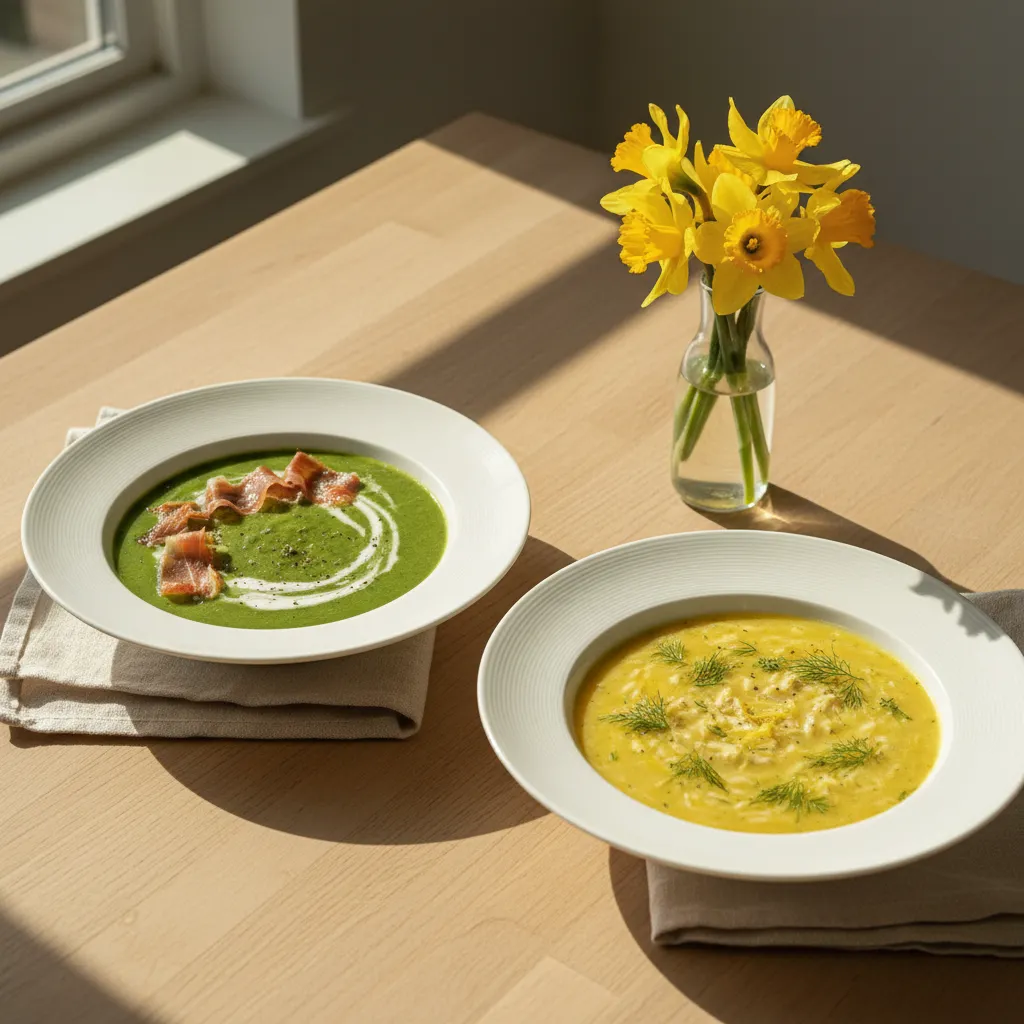

Table of Contents
- Velvety Roasted Asparagus and Garlic Soup
- Zesty Lemon Chicken Orzo with Fresh Dill
- Vibrant Garden Pea and Mint Bisque
- Rustic Spring Minestrone with Basil Pesto Swirl
- Creamy Leek and Potato Soup with Chive Oil
- Golden Turmeric and Carrot Ginger Detox Bowl
- Vegan Artichoke and White Bean Chowder
- Chilled Avocado and Cucumber Gazpacho for Late Spring
- Curating the Seasonal Palate
- Kitchen Architecture & Logistics
Constructing a sophisticated spring soup requires the same precision found in drafting a comprehensive floor plan. Just as a solid foundation supports a complex structure, a meticulously clarified stock anchors these recipes.
We begin by examining the structural integrity of fresh seasonal produce to build a culinary framework that is both functionally sound and flavorfully refined.
Attention then shifts to the material selection and interior finishes of the dish.
The interplay of textures, comparable to the transition between polished hardwood floors and plush textiles, defines the overall sensory experience.
We will analyze the aesthetic balance of vibrant green hues and creamy consistencies to ensure a cohesive design that suits any elegant environment.
Finally, the execution demands the practical skills of a master craftsman.
Whether styling a bowl for a formal client gathering or preparing a simple starter for the home, these actionable guides ensure success.
By blending technical accuracy with creative flair, you can fabricate a dining experience that reflects the renewal of the season without compromising on quality.
Velvety Roasted Asparagus and Garlic Soup

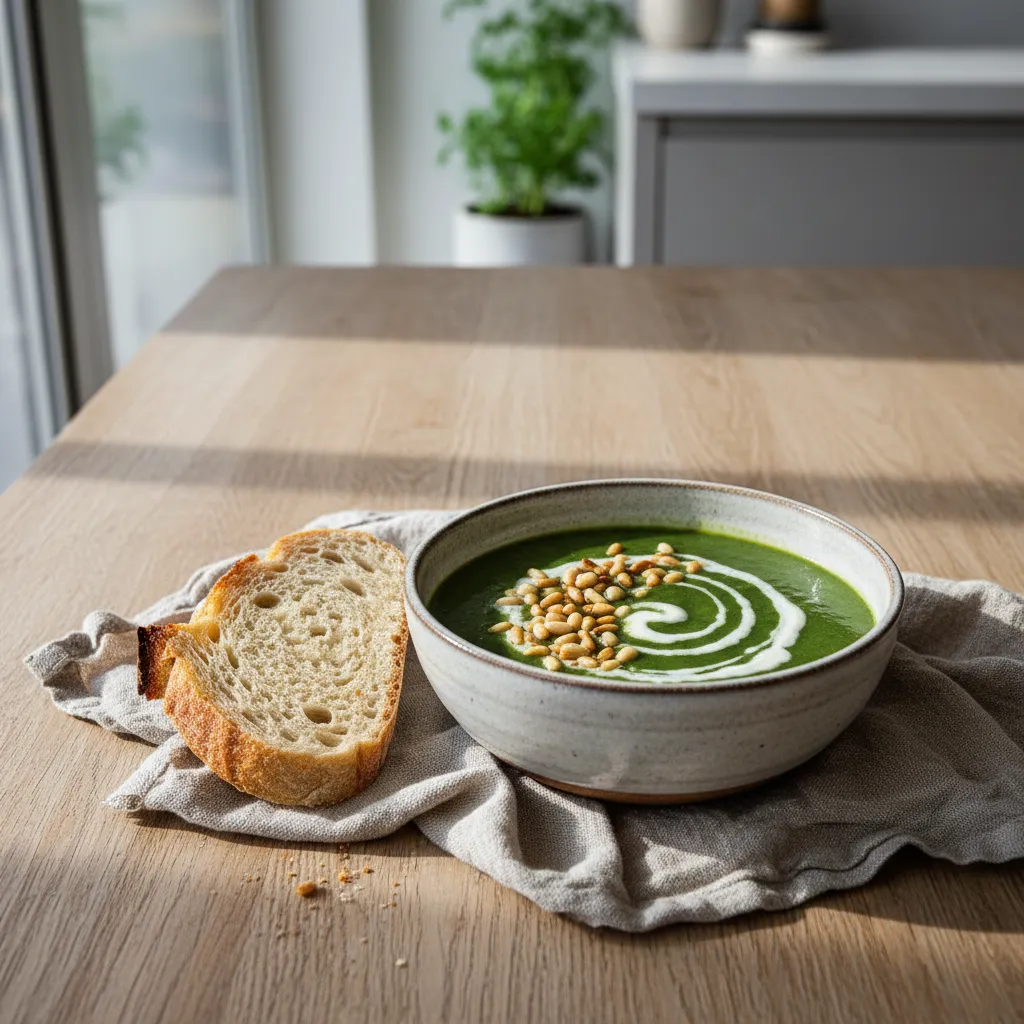
This dish captures the essence of the season more effectively than any other starter. The vibrancy of fresh asparagus anchors the visual palette of the table.
Most traditional recipes boil the stalks, which can lead to a watery and grassy flavor profile. Roasting the vegetables first creates a crucial depth.
By exposing the asparagus and garlic to high dry heat, you caramelize the natural sugars. This technique creates a nutty complexity that boiling cannot achieve.
True culinary design is about coaxing the maximum amount of flavor from the simplest ingredients available.
The Structural Integrity of Flavor

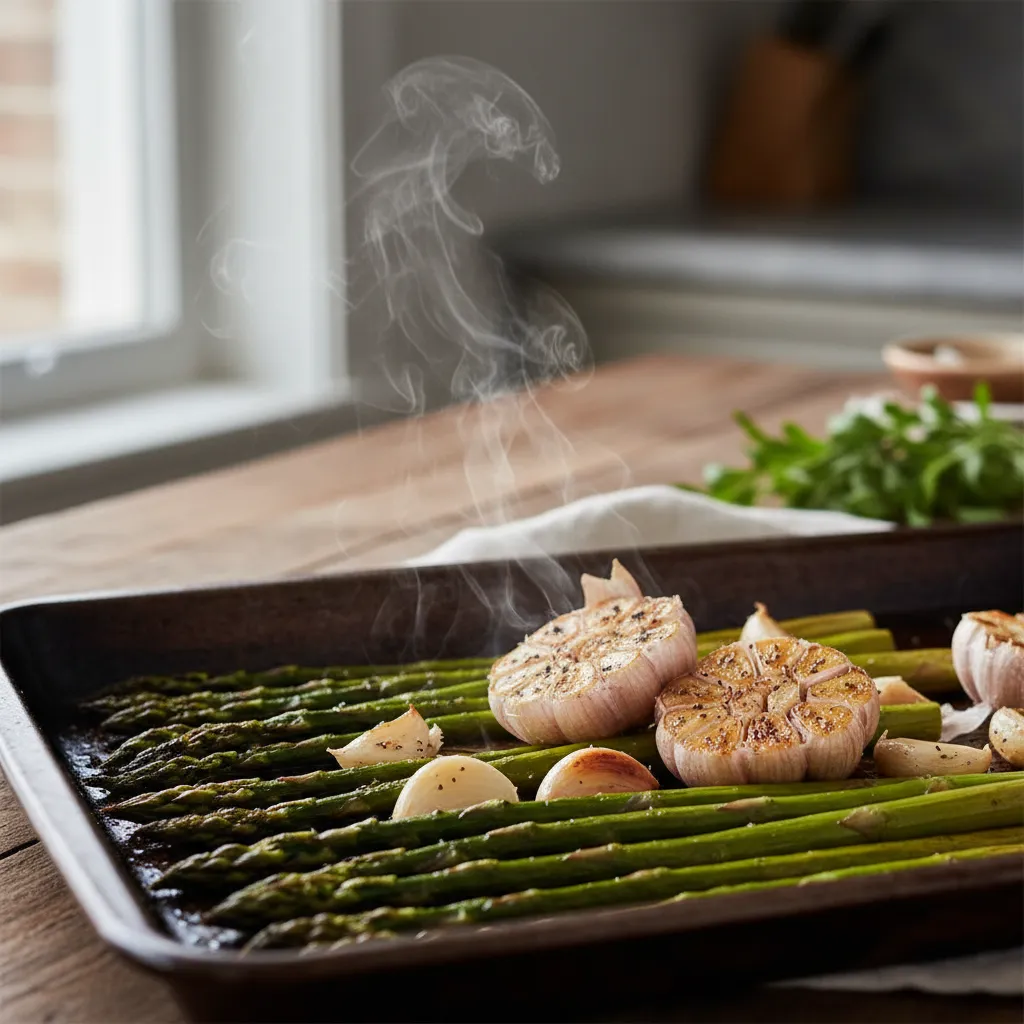
Texture plays a pivotal role in how we perceive the quality of a soup. A high-velocity blender is essential for breaking down the fibrous stalks completely.
The goal is an emulsion that feels like heavy velvet on the palate without relying on excessive dairy. This lightness makes it an ideal first course.
For those planning a larger gathering, this soup serves as a sophisticated prelude. It pairs exceptionally well with elegant Easter lunch menu ideas that feature cured ham or roasted lamb.
When you roast vegetables, you are evaporating the water and concentrating the flavor. It changes the vegetable completely, making it sweeter and more intense.
Ina Garten, Barefoot Contessa
Garnish and Texture Zoning
Just as a room needs varied textures to feel complete, a puréed soup requires a “crunch” element to prevent palate fatigue. The garnish is the focal point.
We recommend creating distinct zones within the bowl using contrasting colors and finishes. This elevates the visual presentation from rustic to refined.
| Texture Element | Flavor Profile | Visual Impact |
|---|---|---|
| Crispy Prosciutto | Salty, Umami | Deep rose contrast against green |
| Toasted Hazelnuts | Earthy, Sweet | Rustic, architectural shapes |
| Lemon Zest | Acidic, Bright | Vibrant yellow highlights |
| Crème Fraiche | Tangy, Cooling | Elegant white swirls |
Serve this soup in shallow, wide-rimmed bowls to maximize the surface area for these garnishes. The aroma of roasted garlic will act as an ambient scent.
To fully embrace the season, ensure your dining space reflects the fresh energy of the menu. Consider incorporating fresh spring decorating ideas like sheer drapes to maximize natural light.
Gourmet Secrets
- Pass your puréed soup through a fine-mesh sieve after blending to ensure a professional, fiber-free velvet texture.
- Reserve the roasted asparagus tips before blending; use them as a primary garnish to signal the main ingredient to your guests.
- Add a splash of dry white wine to the roasting pan during the last five minutes to deglaze and capture every bit of caramelized flavor.
Zesty Lemon Chicken Orzo with Fresh Dill

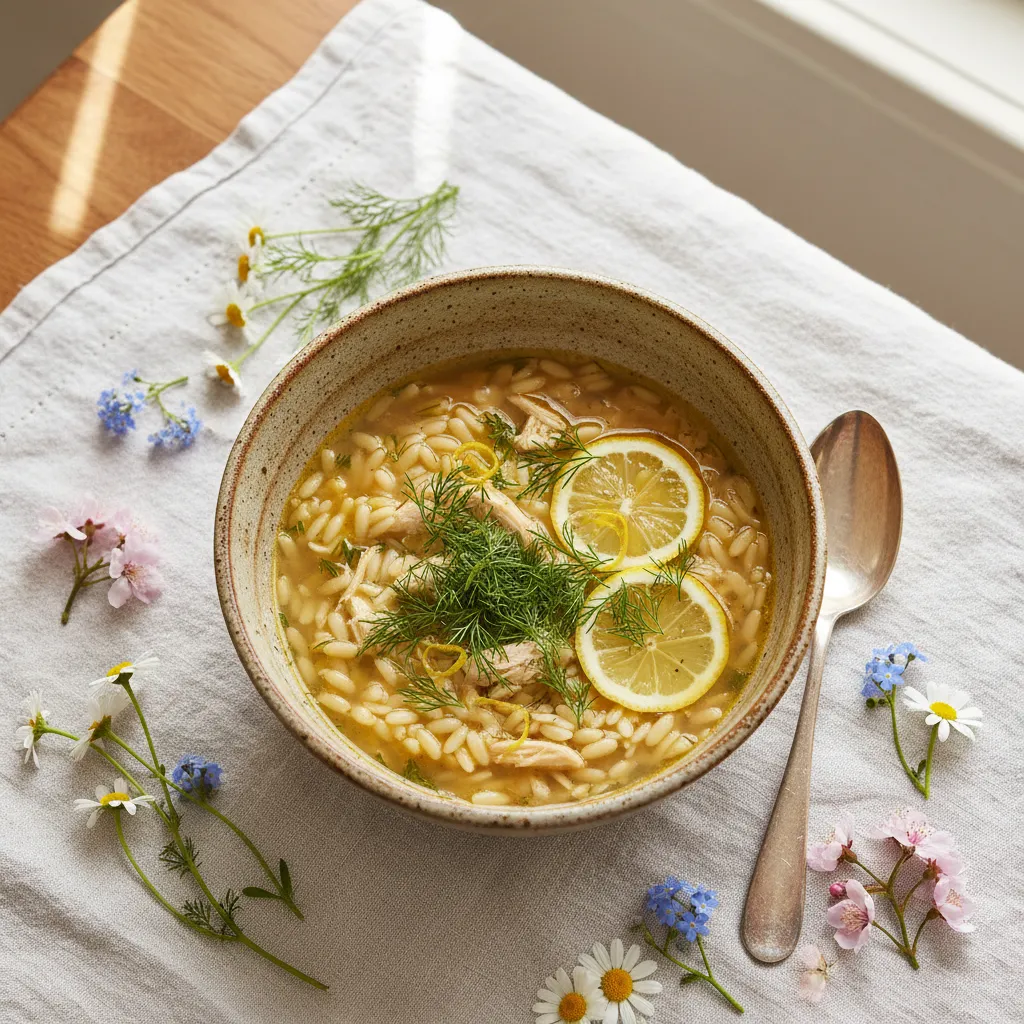
This soup serves as a culinary focal point for any spring gathering. The bright yellow broth mirrors the natural light streaming through open windows.
It brings a sense of renewal to the dining table. The aroma of citrus and savory chicken creates an inviting, warm ambient glow in the kitchen.
Think of the orzo as the textural flooring of the dish. It provides a consistent, comforting mouthfeel that balances the tender shredded chicken.
True comfort in design; and dining; comes from the perfect balance of warmth and brightness.
Constructing the Flavor Palette

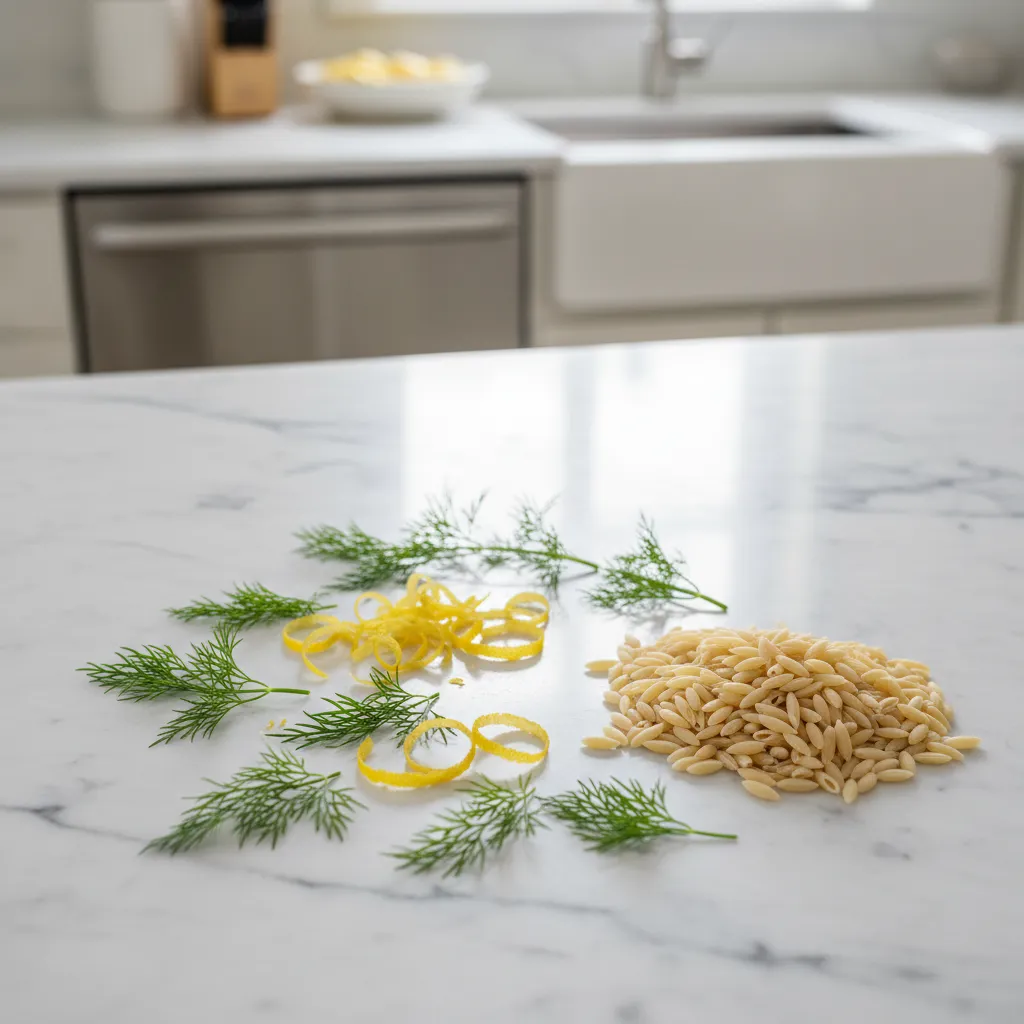
The foundation of this recipe relies on a high-quality broth. This structural element supports the lighter notes of lemon and fresh herbs.
Zoning your ingredients is crucial for a cohesive result. Keep your aromatics separate from the starch until the final assembly to preserve texture.
For those planning larger gatherings, this dish pairs beautifully with elegant Easter lunch menu ideas.
The lemon zest acts as the finishing polish. It cuts through the richness, much like a metallic accent in a matte-finished room.
To me, the most important aspect of a recipe is the quality of the ingredients. You can’t make a silk purse out of a sow’s ear.
Ina Garten, Food Network
Visual Presentation and Flow
Presentation transforms a simple meal into a dining experience. Use wide-rimmed bowls to allow the steam to rise freely, engaging the senses.
Incorporate fresh spring decorating ideas by matching linens to the soup’s hues. Soft yellows and greens create a seamless visual transition.
Fresh dill should be applied with the precision of a final design touch. Scatter it intentionally to create height and visual interest on the surface.
The following checklist ensures your plating achieves maximum impact. This approach treats the bowl as a canvas for edible art.
Plating Architecture Checklist
- The Foundation: Ladle the broth first to establish a level base.
- The Structure: Mound the chicken and orzo centrally for height.
- The Accent: Place a thin lemon wheel slightly off-center.
- The Finish: Garnish with dill fronds for organic texture.
- The Contrast: Crack fresh black pepper for a visual anchor.
This attention to detail improves the functionality of the dish. A well-plated soup ensures every spoonful contains a balanced mix of flavors.
Serve immediately to maintain the thermal integrity of the broth. The warmth should radiate comfortably, inviting guests to linger at the table.
Culinary Design Secrets
- To prevent the orzo from absorbing all the broth and losing its texture, cook it al dente in a separate pot and add it to individual bowls just before ladling the hot soup.
- Enhance the citrus profile by rubbing the lemon zest into a small amount of salt before garnishing; this releases essential oils for a more vibrant aromatic experience.
- For a professional finish, slice your lemon wheels ultra-thin using a mandoline and remove any seeds to ensure the visual ‘accent’ remains clean and elegant.
Vibrant Garden Pea and Mint Bisque

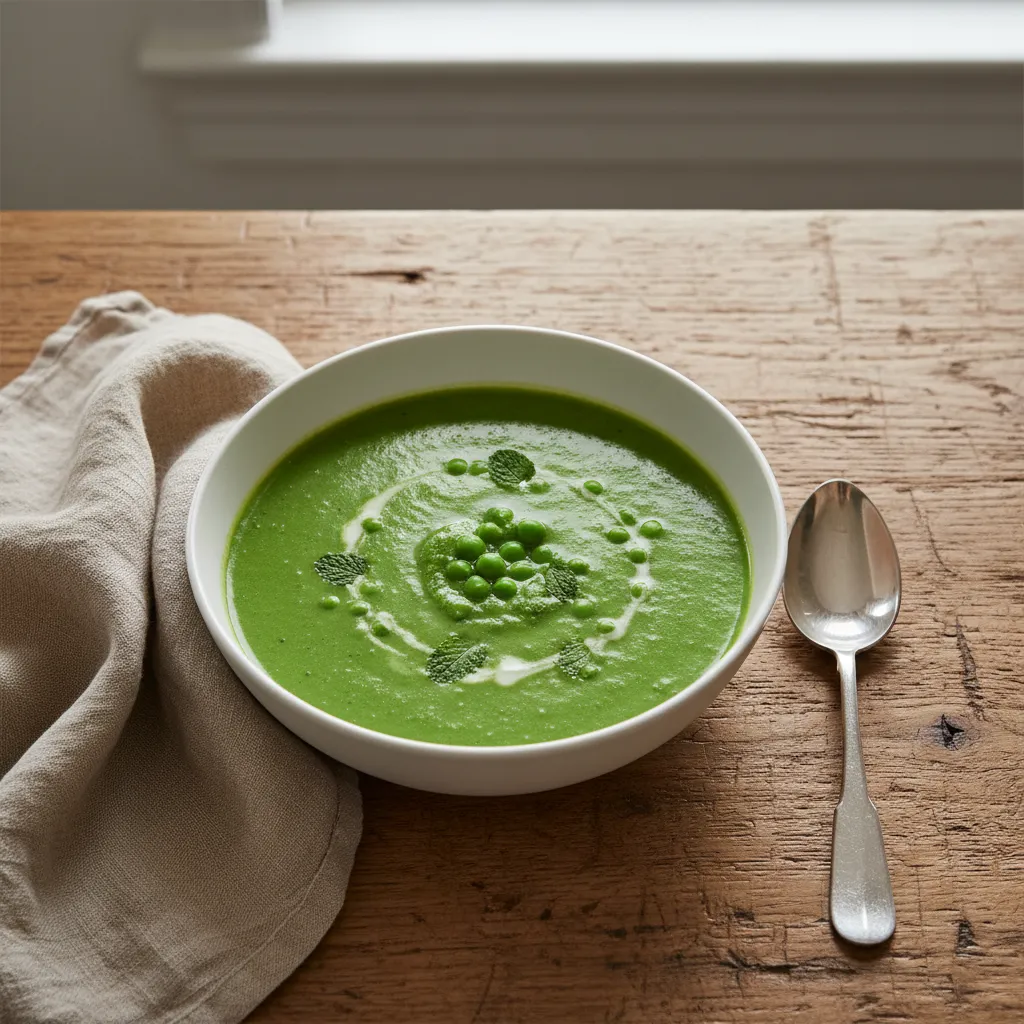
This soup serves as more than just a starter; it functions as a vibrant visual anchor for your entire dining arrangement.
The intense emerald hue brings the freshness of the outdoors directly to your table.
When plated in minimalist white bone china, the color contrast creates a sophisticated focal point. This visual impact elevates the meal from a simple lunch to a curated dining experience.
True seasonal dining is about letting the natural pigment of the ingredients dictate the palette of the table.
The texture of this bisque offers a luxurious mouthfeel that rivals heavy cream-based soups without the weight. We utilize the natural starch of the peas to achieve structural integrity.
For a complete hosting experience, pair this light dish with substantial textures. It complements elegant puff pastry appetizers which add a necessary buttery crunch.
Achieving the Velvety Finish

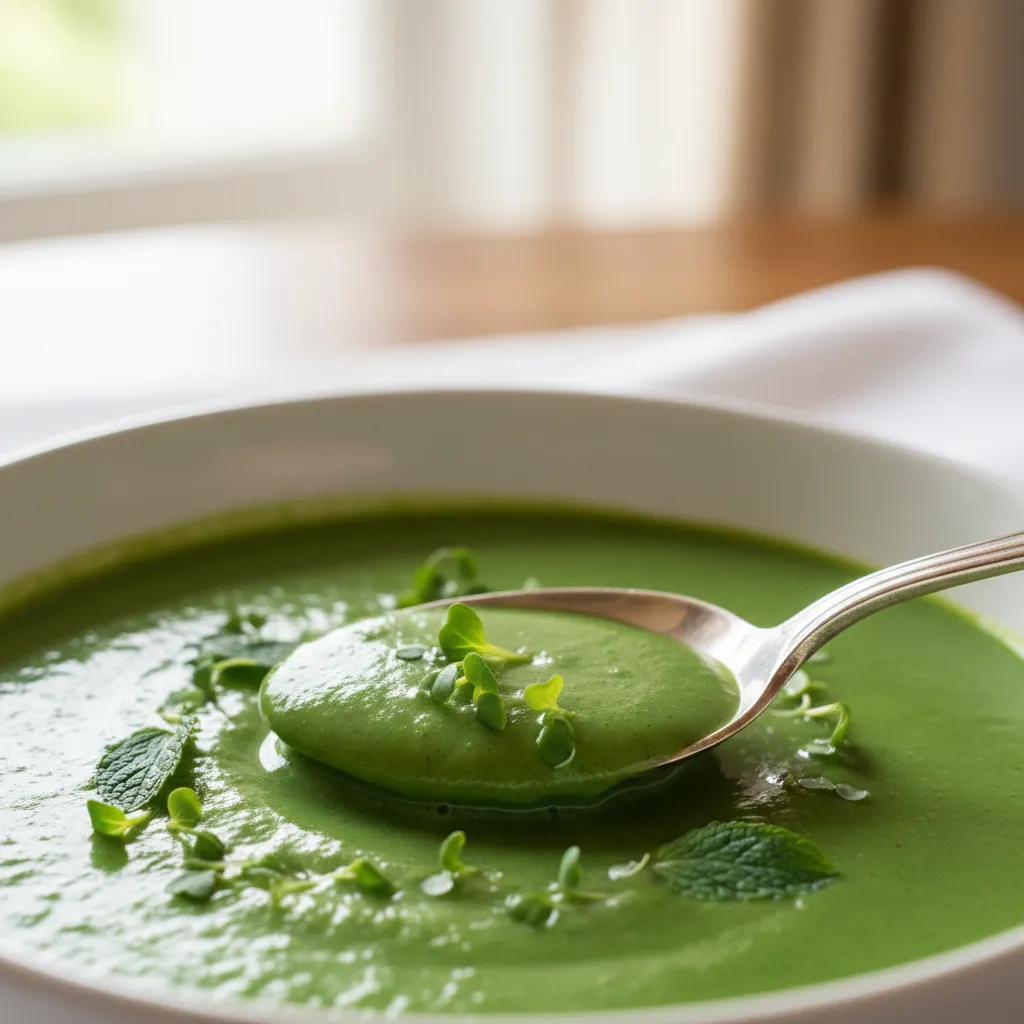
The secret to the soup’s elegant finish lies in the blending technique. High-speed pulverization ensures the skins of the peas disintegrate completely, resulting in a seamless liquid textile.
Design your flavor profile by balancing the earthy sweetness of garden peas with the sharp, aromatic lift of fresh mint. This combination awakens the palate for the courses to follow.
When using fresh herbs like mint in warm preparations, add them at the very last second before blending to preserve their bright green color and volatile oils.
Samin Nosrat, Salt, Fat, Acid, Heat
To maintain the soup’s vibrant color, shock the blanched peas in ice water before processing. This technique locks in the chlorophyll, ensuring the dish looks as fresh as it tastes.
Consider the beverage pairing carefully. A crisp, citrus-forward drink works best to cut through the creaminess. You might master a non-alcoholic lemoncello to serve alongside it.
Plating and Texture Pairings
The success of this dish relies on the interplay of textures. Since the bisque is smooth, the garnish must provide a structural counterpoint to keep the mouthfeel interesting.
Recommended Texture Pairings:
- Crispy Elements: Toasted pine nuts or parmesan frico crisps add a salty snap that contrasts with the sweet puree.
- Creamy Swirls: A drizzle of crème fraîche creates a white negative space against the green, adding visual depth.
- Fresh Greens: Micro-mint or pea shoots reinforce the garden aesthetic and add a raw, crisp finish.
- Rustic Vessels: Serve in wide-rimmed earthenware bowls to retain heat and provide an artisanal backdrop.
Ensure the soup is served immediately after blending to maintain the aeration. The result is a light, frothy consistency that feels modern and refined rather than heavy or dated.
The Emerald Secret
- Pass the blended bisque through a fine-mesh sieve or chinois to achieve a truly professional, silk-like texture that removes any remaining fiber.
- Add a tiny squeeze of lemon juice just before serving to heighten the natural sweetness of the peas and sharpen the aromatic mint notes.
- To prevent the graying of the pea base, avoid covering the pot with a lid during the final heating phase, as this traps acids that dull the chlorophyll.
Rustic Spring Minestrone with Basil Pesto Swirl

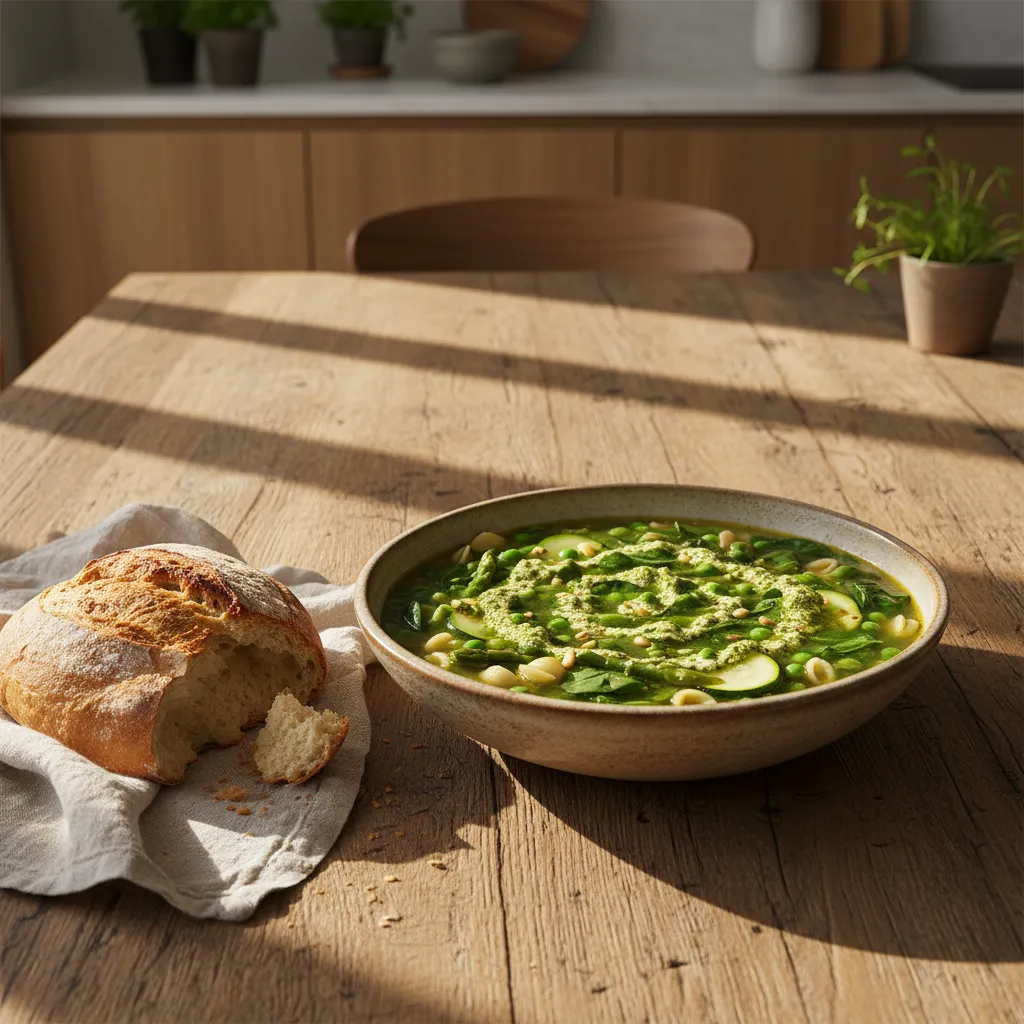
This soup acts as a culinary bridge between the seasons. It balances the structural integrity of hearty root vegetables with the delicate nature of fresh greens.
Think of the broth as the foundation of a room. It must be solid enough to support the other elements yet transparent enough to let the light through.
For a true spring palette, avoid heavy tomato bases. Opt for a clear vegetable or chicken consommé that reflects the airy quality of the season.
Incorporating seasonal produce aligns your menu with your environment. This approach mirrors the principles found in 15 Best Spring Decor Ideas for a Fresh, Airy Home Refresh.
True seasonal dining is about aligning your palate with the landscape outside your window.
Constructing the Flavor Profile

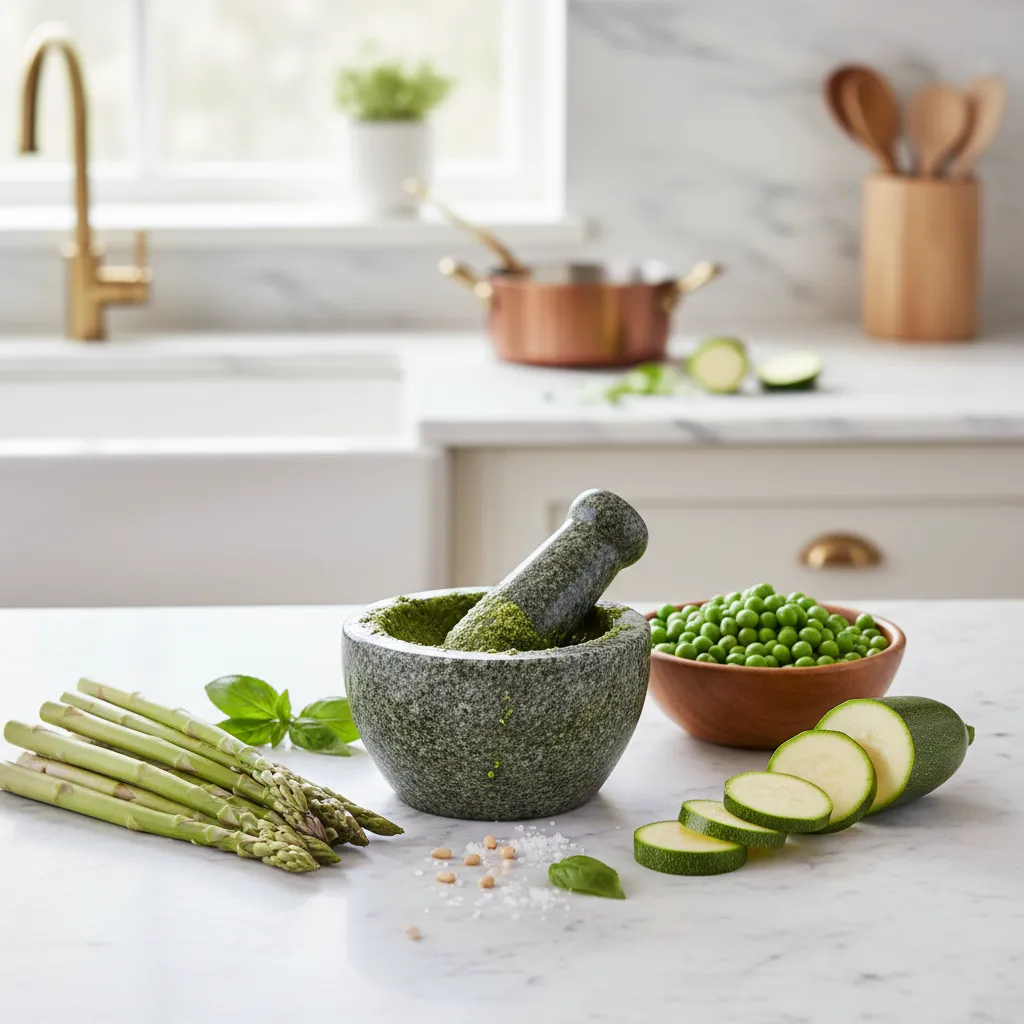
Building this minestrone requires attention to texture. You want a variety of materials in the bowl to create an engaging mouthfeel.
Begin with the “hardscaping” elements. Sauté diced carrots, celery, and leeks until they soften but retain their shape. These provide the framework.
Add the broth and simmer. Introduce the softer elements like zucchini and peas only in the final minutes. This preserves their vibrant green hue.
Overcooking destroys the structural integrity of spring vegetables. They should offer a slight resistance, much like a well-crafted piece of furniture.
Vegetables are a must on a diet. I suggest carrot cake, zucchini bread, and pumpkin pie.
Jim Davis, BrainyQuote
The Basil Pesto Swirl
The pesto is not merely a garnish. It serves as the focal point of the dish, adding a concentrated burst of flavor and a vivid visual contrast.
Prepare a classic Genovese pesto. Use fresh basil, pine nuts, garlic, and high-quality olive oil. The texture should be rustic, not completely smooth.
swirl of pesto into the hot soup creates an aromatic release. The heat activates the basil oils, filling the room with a garden-fresh scent.
This finishing touch transforms a simple vegetable soup into a gourmet experience. It elevates the dish from functional sustenance to culinary art.
Ingredient Architecture Comparison
Understanding how different ingredients function within the bowl ensures a balanced composition. Consider this blueprint for your soup.
| Structural Element | Ingredient Choice | Texture Profile | Visual Impact |
|---|---|---|---|
| Foundation | Cannellini Beans | Creamy, dense | Neutral backdrop |
| Framework | Leeks & Carrots | Firm, fibrous | Linear structure |
| Accent | Fresh Peas | Pop, crisp | Bright green orbs |
| Finish | Basil Pesto | Oily, granular | Verdant swirl |
Plating and Presentation
Serve this minestrone in wide, shallow bowls. This maximizes the surface area for the pesto swirl and allows the steam to carry the aroma effectively.
Pair the soup with rustic sourdough bread. The rough texture of the crust complements the smoothness of the broth and beans.
For a cohesive look, consider your table setting. A well-plated soup deserves a thoughtful display, similar to concepts in Easter Strawberries in Egg Carton: Chic Tablescape Ideas.
Natural linens and matte ceramics enhance the rustic aesthetic. The goal is to create a dining experience that feels grounded and organic.
Rustic Refinements
- To maintain a vibrant ‘spring’ green, blanch your peas and zucchini separately in ice water before adding them to the hot broth just seconds before serving.
- For a more aromatic pesto swirl, toast your pine nuts until golden-brown before blending; the roasted warmth adds a layer of depth that mimics a sun-drenched garden.
- Serve in wide, shallow bowls to allow the pesto’s essential oils to disperse across a larger surface area, maximizing the floral aroma for your guests.
Creamy Leek and Potato Soup with Chive Oil

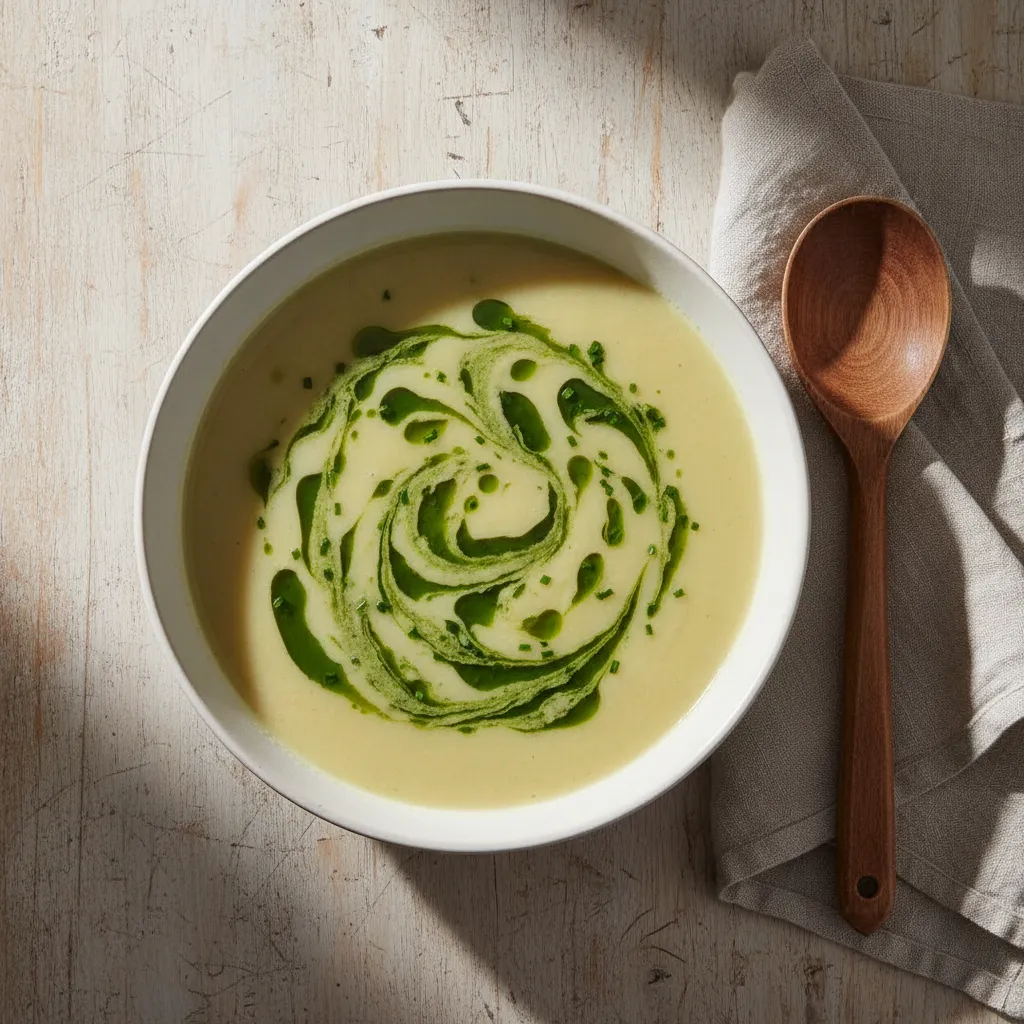
This dish perfectly bridges the gap between the lingering chill of winter and the bright promise of spring. It offers a velvety texture that soothes.
The visual presentation relies on high contrast. The pale, ivory hue of the soup provides a neutral canvas for the vibrant emerald chive oil.
Functionally, this soup serves as an ideal starter. It warms the palate without overwhelming the appetite, allowing for a heavier main course.
For a complete seasonal menu, consider pairing this starter with elegant traditional Easter dinner main dishes to create a cohesive flow.
The Architectural Ingredients

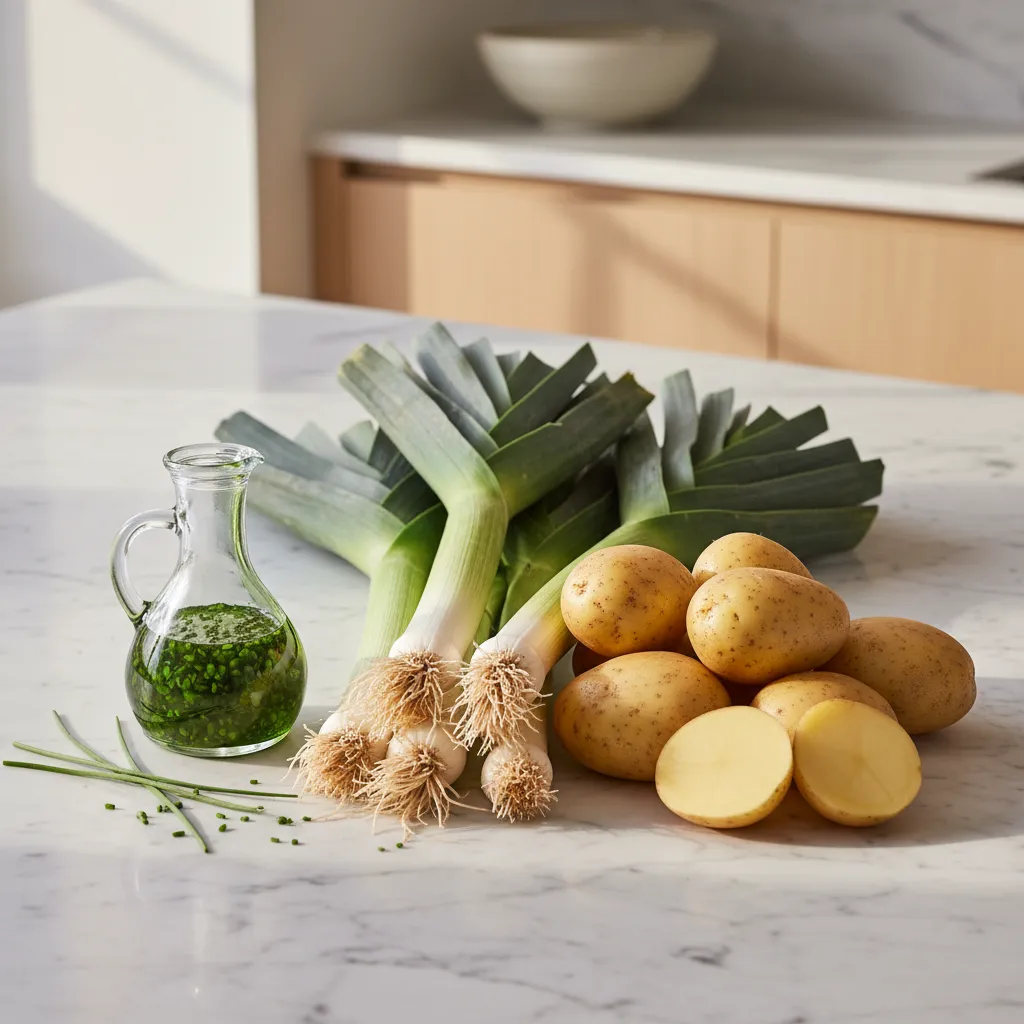
Selecting the right materials is as crucial in the kitchen as it is in a renovation. The structural integrity of the soup depends on the potato.
We recommend Yukon Gold potatoes. Their waxy yet creamy consistency creates a smooth finish that does not require excessive heavy cream.
- Leeks: Use only the white and light green parts for a delicate flavor profile and clean color.
- Yukon Gold Potatoes: These provide a buttery texture and a natural yellow tint that looks warm and inviting.
- Vegetable Stock: A high-quality clear stock ensures the flavors remain bright rather than muddy.
- Fresh Chives: Essential for the oil infusion, adding a sharp, grassy note that cuts through the richness.
True elegance in the kitchen comes from the simplest ingredients prepared with absolute precision.
Fabricating the Chive Oil
The chive oil is the focal point of this dish. It acts like an accent wall in a neutral room, providing a pop of color and concentrated flavor.
Blanching the chives briefly before blending preserves the chlorophyll. This ensures the oil stays a brilliant green rather than turning olive.
Store the oil in a clear glass dispenser. It doubles as edible decor for your kitchen counter when not in use, catching the light beautifully.
I think that soup is a very distinct and important part of a meal. It is a kind of relaxation.
Lidia Bastianich, BrainyQuote
Plating and Spatial Dynamics
When serving, consider the vessel carefully. A wide-brimmed bowl allows the oil garnish to spread out, creating a modern, abstract art effect.
Serve with a side of texture. Crispy elements like elegant puff pastries add a necessary crunch that contrasts with the smooth liquid.
Swirl the oil at the very last second. This maintains the visual separation between the fat and the liquid, keeping the presentation sharp.
Culinary Curation
- To ensure a grit-free texture, slice leeks lengthwise and rinse thoroughly under cold water, as sand often hides deep within the inner layers.
- For the smoothest finish, use a high-powered immersion blender directly in the pot, which avoids the risk of transferring hot liquids to a traditional blender.
- Maintain the oil’s vibrant emerald color by storing leftovers in an opaque container in the refrigerator to prevent light from dulling the chlorophyll.
Golden Turmeric and Carrot Ginger Detox Bowl

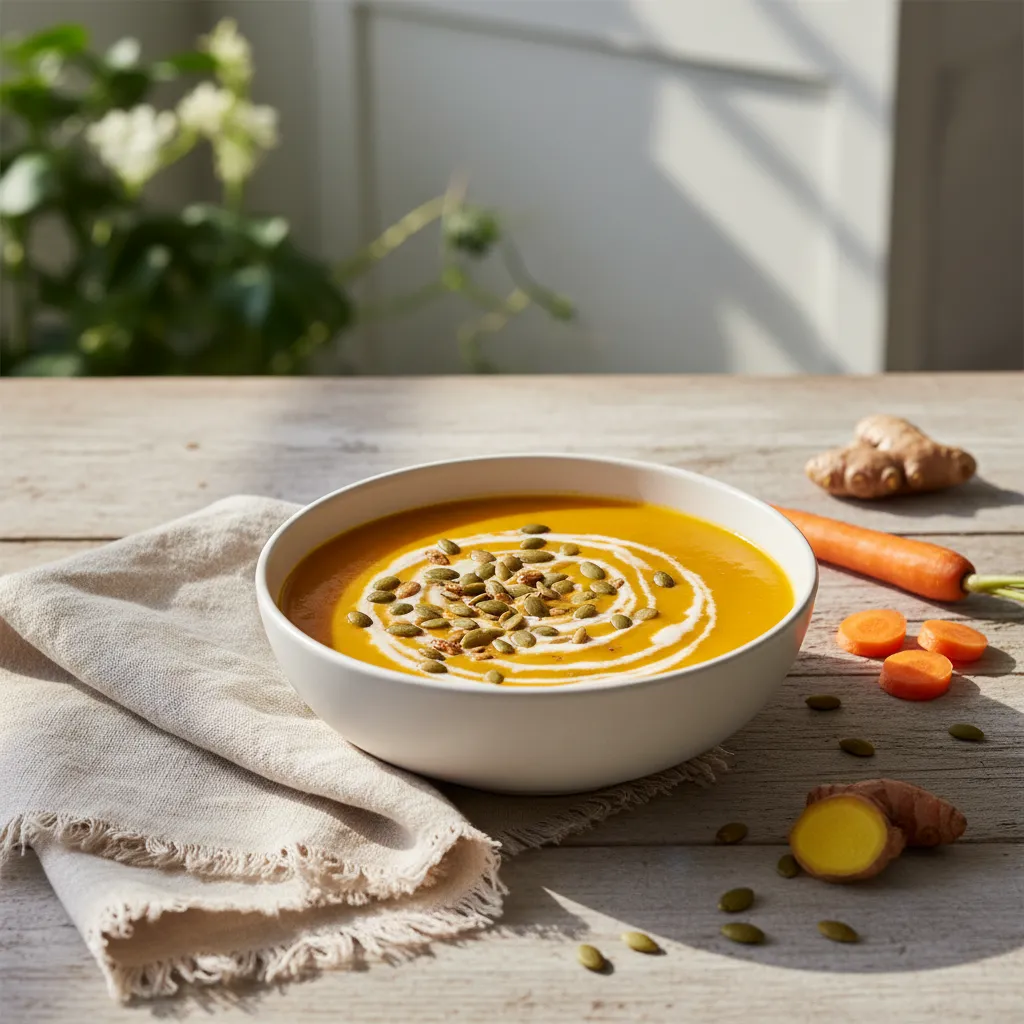
The vibrant ochre tones of this soup act as an immediate visual anchor for your spring table setting. It brings warmth to cool minimalist porcelain.
Beyond aesthetics, the combination of turmeric and ginger offers a functional reset. It is the culinary equivalent of decluttering a room.
For those curating a plant-based menu, this dish pairs exceptionally well with gourmet vegan eggplant recipes.
Clean eating restores the palette just as a coat of fresh white paint restores a room.
Structuring the Flavor Profile

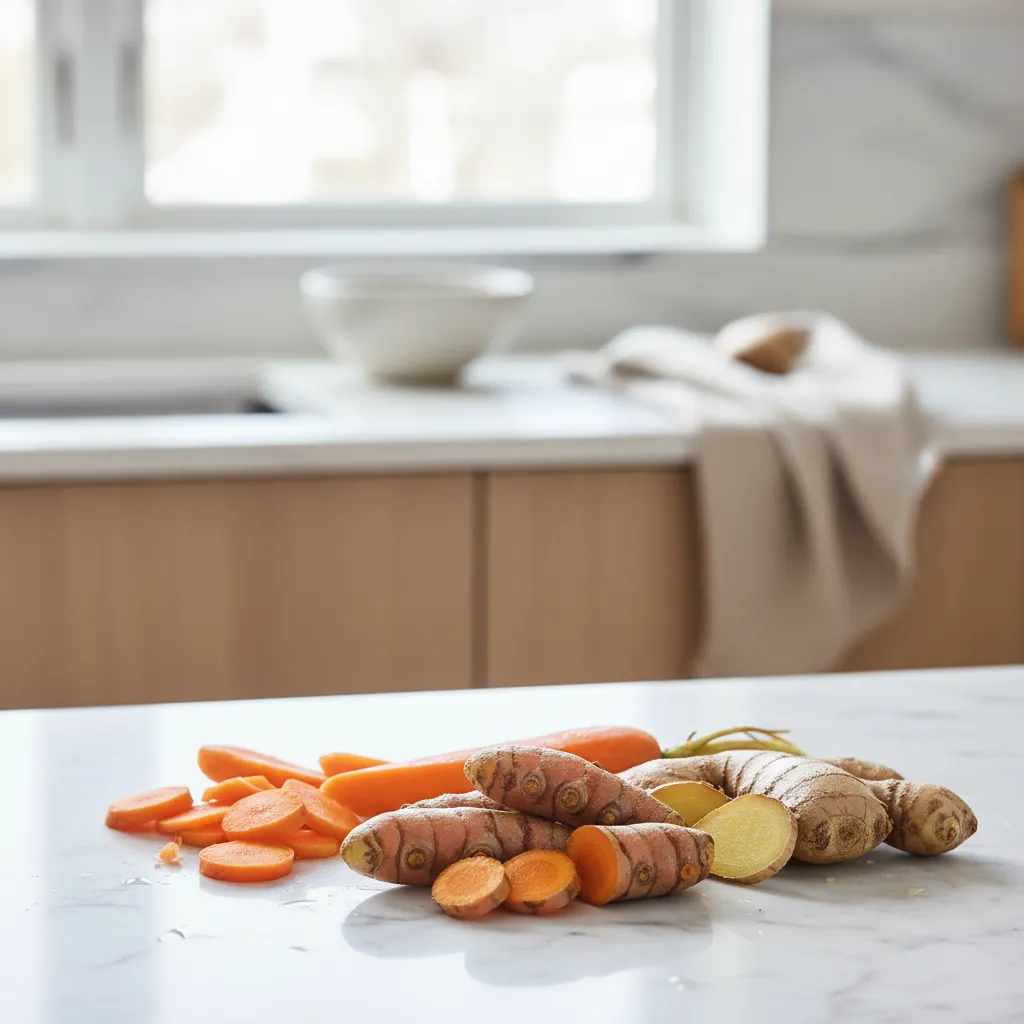
The architecture of this soup relies on the balance between earthiness and heat. Fresh turmeric provides a grounding, musk-like foundation.
Ginger adds a necessary sharp accent that cuts through the creaminess. This dynamic creates a spatial flow of flavors across the palate.
We recommend roasting the carrots before blending. This caramelizes the natural sugars and adds a depth similar to dark wood finishes.
I always say that you don’t need a silver fork to eat good food.
Paul Prudhomme, BrainyQuote
Texture and Vessel Selection
A smooth purée requires a contrasting texture to prevent the dining experience from feeling flat. The vessel choice is equally critical.
Serve this in wide-rimmed stoneware to allow the steam to disperse gently. This releases the aromatics effectively into the room.
If you are introducing complex flavors to children, this smooth texture can act as a texture bridge for picky eaters.
Garnish & Vessel Styling Guide
| Soup Finish | Recommended Vessel | Textural Contrast | Visual Impact |
|---|---|---|---|
| Velvet Purée | Matte Black Stoneware | Toasted Pumpkin Seeds | High Contrast |
| Chunky Rustic | Glazed Earthware | Micro-Greens | Organic Softness |
| Coconut Cream Swirl | Wide-Rim Porcelain | Red Chili Flakes | Modern Minimalist |
| Broth-Based | Deep Glass Bowl | Crispy Chickpeas | Light & Airy |
To finish the dish, drizzle a high-quality olive oil or coconut milk in a circular motion. This mimics the organic curves found in nature.
Ensure the soup is served steaming but not boiling. This temperature preserves the integrity of the delicate turmeric compounds.
The Wellness Edit
- To maximize the functional benefits of turmeric, always add a crack of black pepper; the piperine helps your body absorb the curcumin more effectively.
- For a professional-grade velvet texture, pass your soup through a fine-mesh sieve after blending to ensure a perfectly smooth, restaurant-quality mouthfeel.
- Roast your ginger along with the carrots to mellow its sharp bite into a warmer, more integrated spice that melds seamlessly with the earthy turmeric foundation.
Vegan Artichoke and White Bean Chowder

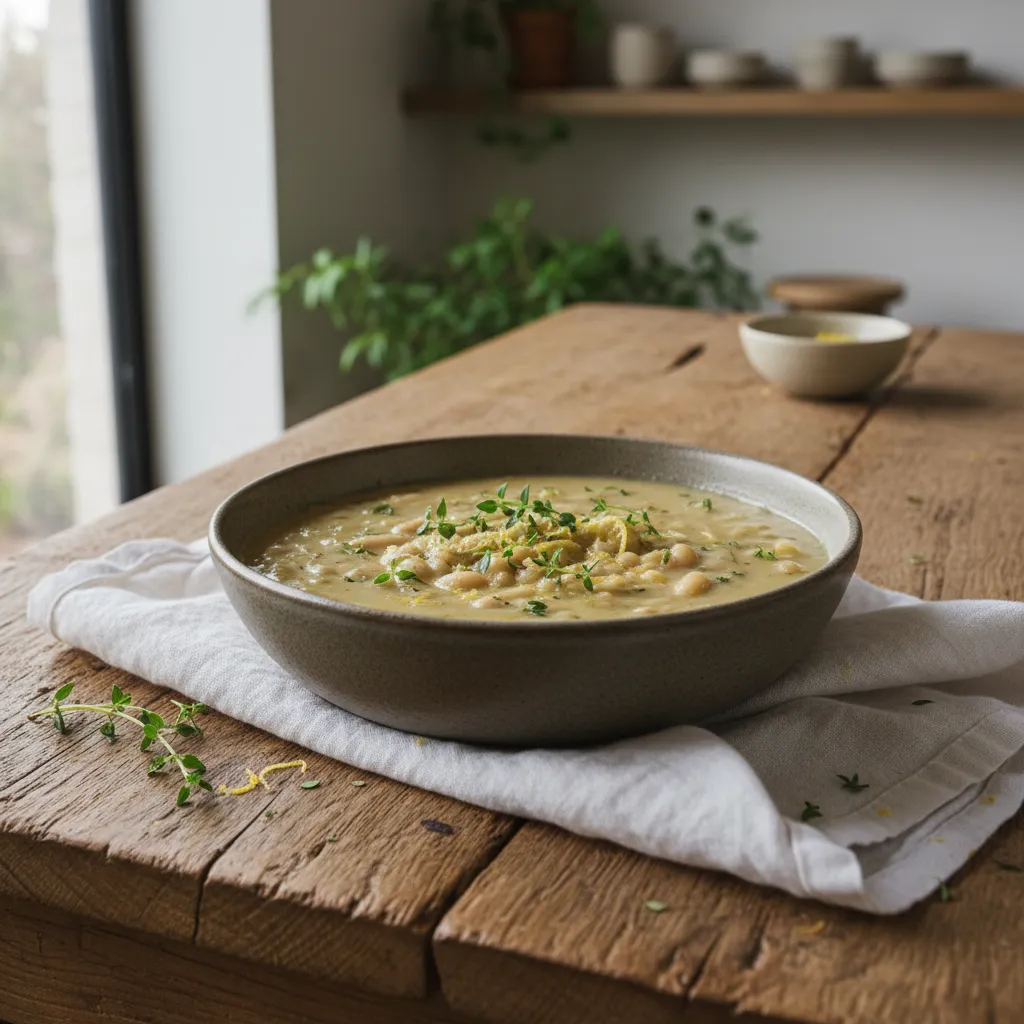
This chowder functions as a perfect transitional element for your dining repertoire. It bridges the gap between winter comfort and fresh spring vitality.
The visual presentation relies on a monochromatic palette of soft creams and muted greens. This aesthetic pairs beautifully with raw linen textiles and matte stoneware.
True seasonal dining captures the light of the season in both texture and taste.
Constructing the Flavor Profile
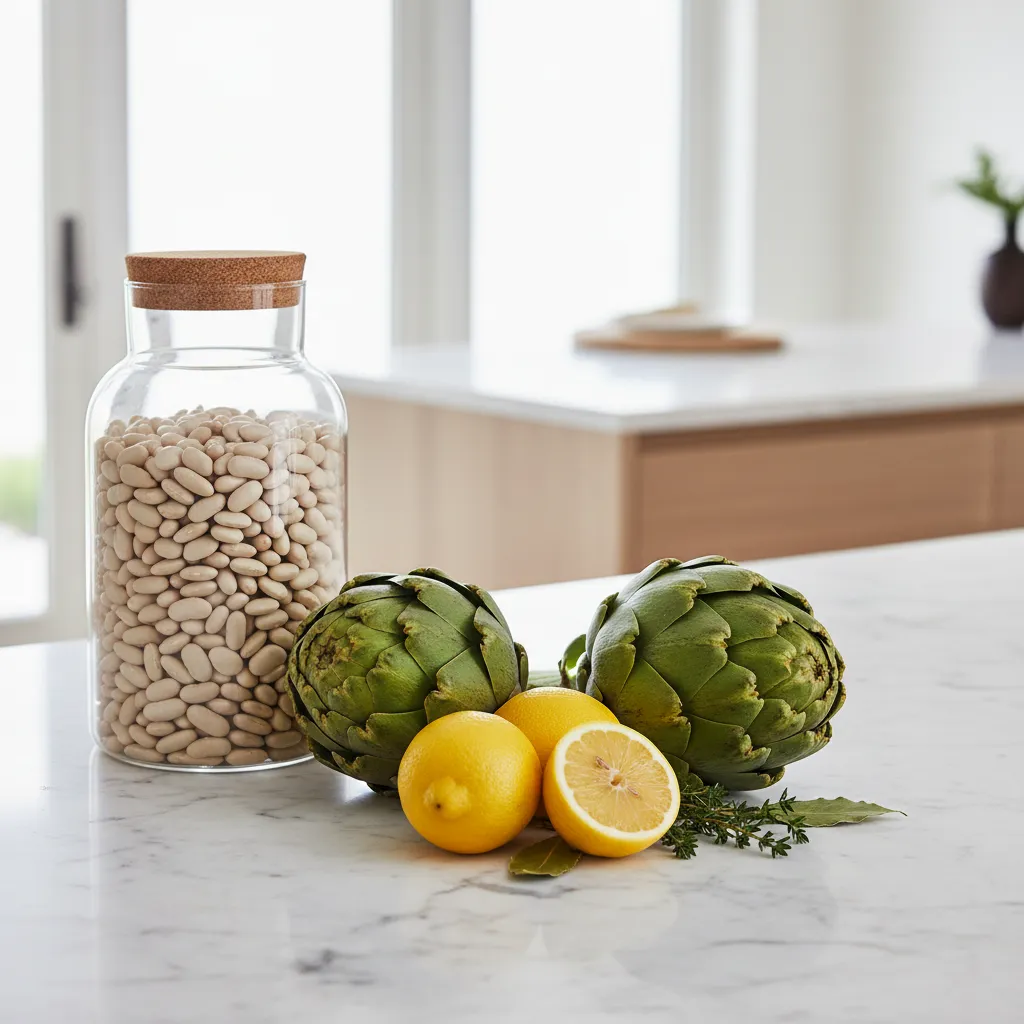
Structurally, this soup achieves density without heavy dairy. Blended white beans provide the load-bearing creamy texture needed for satisfaction.
The addition of marinated artichoke hearts introduces a complex acidity. This acts as a focal point against the neutral backdrop of the cannellini beans.
To enhance the spatial dynamics of the dish, we rely on layering aromatics. Leeks offer a milder, sweeter foundation than standard onions.

I’m interested in things that are real and authentic and not trying to be something else… Let things taste of what they are.
Alice Waters, MasterClass on Home Cooking
For a complete dining experience, pair this chowder with a crusty artisan loaf. You can utilize your discard to make 2 easy recipes with sour dough starter for the perfect side.
Textural Components & Ingredients
The success of this recipe lies in the quality of the “hardscaping” elements. We recommend using fresh herbs to break up the visual uniformity.
- Cannellini Beans: These provide the structural base and velvety finish when pureed.
- Artichoke Hearts: Use quartered hearts for a robust, fibrous texture that holds up to heat.
- Yukon Gold Potatoes: These add density and a buttery hue without requiring dairy fats.
- Fresh Thyme: This herb adds an earthy finish that grounds the brightness of the lemon.
This dish serves as an excellent starter for a larger gathering. It integrates seamlessly into elegant traditional Easter dinner main dishes and menus.
Thickening Agents Comparison
Choosing the right thickener is akin to selecting the correct grout; it binds the elements together. Here is how different agents affect the final soup architecture.
| Thickening Agent | Texture Profile | Flavor Impact |
|---|---|---|
| Pureed White Beans | Velvety, dense, matte finish | Neutral, earthy, savory |
| Cashew Cream | Smooth, rich, gloss finish | Slightly sweet, nutty |
| Potato Starch | Gel-like, cohesive | Invisible, purely functional |
| Coconut Milk | Silky, fluid, high sheen | Distinct tropical sweetness |
Finish the plating with a drizzle of high-quality olive oil. This adds a final sheen that catches the ambient light of your dining room.
Chef’s Finishing Touches
- Use a splash of the marinated artichoke brine during the simmering process to heighten the acidity and bridge the flavors between the beans and the hearts.
- For the perfect architectural texture, pulse only half of the soup in a blender; this maintains the structural integrity of the potatoes while creating a velvety base.
- Elevate the visual presentation by flash-frying a few extra thyme sprigs in olive oil to use as a crispy, aromatic garnish that adds both height and crunch.
Chilled Avocado and Cucumber Gazpacho for Late Spring

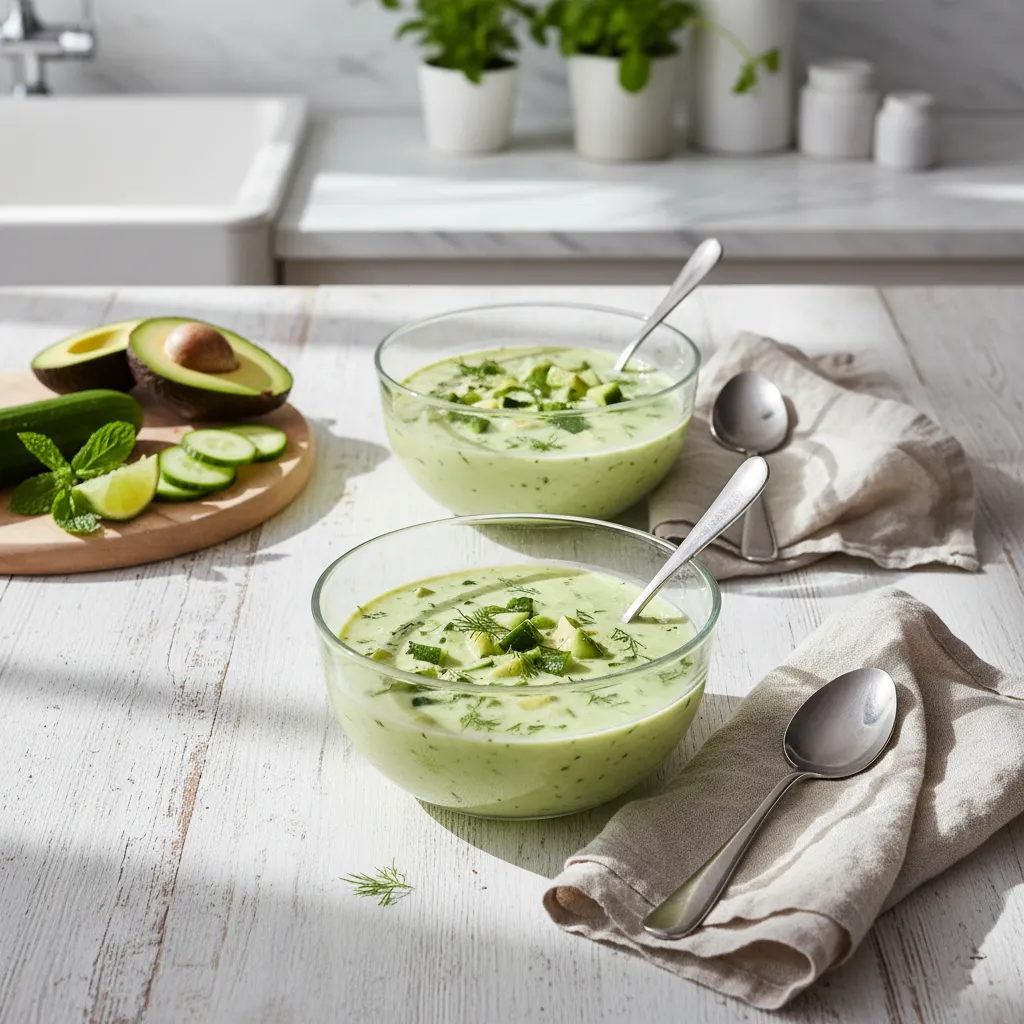
As the days grow longer and temperatures rise, heavy stews lose their appeal. This chilled soup offers a refreshing palate cleanser for warmer evenings.
The vibrant green hue serves as a stunning focal point on any dining table. It brings the freshness of the garden directly into your culinary design.
Green is the prime color of the world, and that from which its loveliness arises.
Texture and Flavor Profile

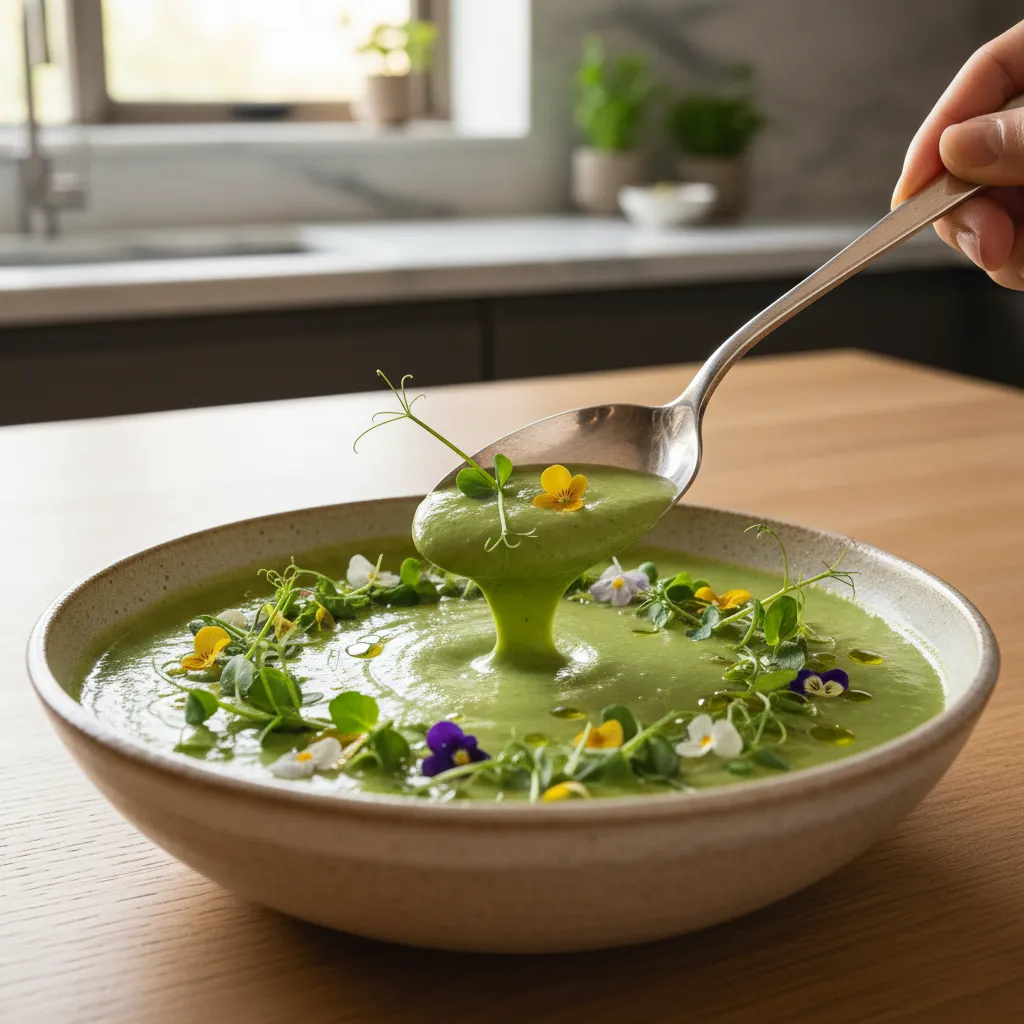
Avocado provides a luxurious, velvety texture without the need for heavy cream. It creates a mouthfeel similar to expensive silk or plush velvet.
Crisp cucumber cuts through the richness, adding a necessary structural element. This balance ensures the dish remains light rather than overwhelming.
A touch of lime juice brightens the flavor profile immediately. It acts like accent lighting in a room, highlighting the best features of the ingredients.
Preparation and Assembly
Efficiency is key in modern culinary architecture. This recipe requires no heat, preserving the raw integrity and nutrients of the produce.
- Prep the Base: Peel and roughly chop two ripe avocados and one large English cucumber.
- Blend for Smoothness: Combine vegetables with garlic, lime juice, and olive oil in a high-speed blender.
- Adjust Consistency: Slowly stream in cold water or vegetable broth until the desired thickness is achieved.
- Chill Thoroughly: Refrigerate for at least one hour to allow the flavors to meld and the temperature to drop.
While the soup chills, consider your menu flow. You might pair this with sophisticated mother day recipes desserts for an elegant finish.
Vegetables are a must on a diet. I suggest carrot cake, zucchini bread, and pumpkin pie.
Jim Davis, BrainyQuote
Styling the Tabletop

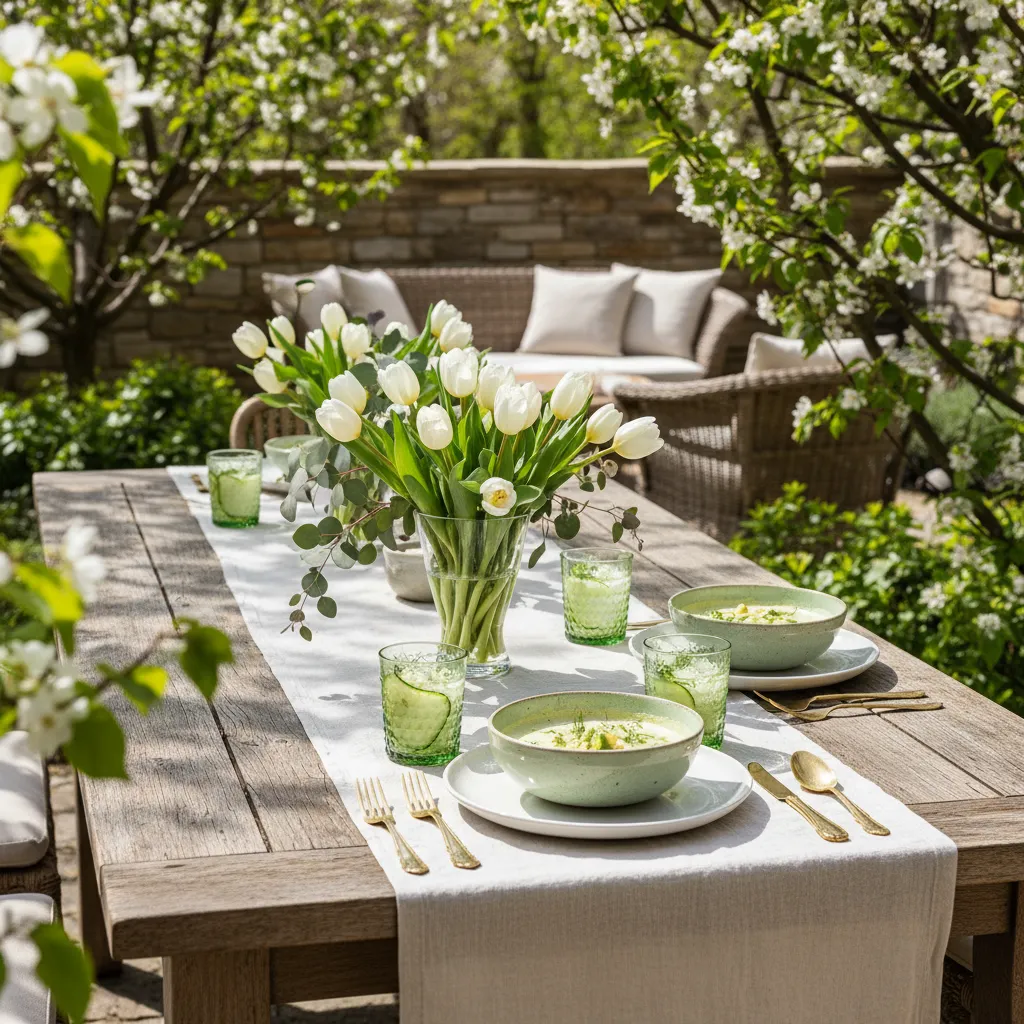
Presentation transforms a simple meal into an event. Serve this gazpacho in clear glass vessels to showcase its brilliant emerald color.
Pair the smooth soup with textured linens. Using best spring decor ideas keeps the atmosphere light and airy.
Contrast is essential for visual interest. Use garnishes that provide a crunch to oppose the creamy soup, creating a dynamic eating experience.
| Garnish Choice | Texture Profile | Visual Impact |
|---|---|---|
| Radish Slices | Sharp Crunch | Vibrant Red Pop |
| Toasted Pine Nuts | Buttery Snap | Earthy Gold Tone |
| Micro-Cilantro | Delicate Softness | Deep Green Layering |
| Edible Violas | Silky Petals | Purple Contrast |
Always serve this dish chilled. A warm room temperature can dull the vibrant flavors and compromise the refreshing nature of the soup.
Chef’s Finishing Touches
- Chill your glassware or ceramic bowls in the freezer for 10 minutes before serving to maintain the soup’s crisp, refreshing temperature at the table.
- To prevent oxidation and maintain that vibrant emerald hue, press a piece of plastic wrap directly onto the surface of the soup while it chills in the refrigerator.
- For an ultra-refined texture, pass the blended mixture through a fine-mesh sieve to remove any remaining fibrous bits from the cucumber skin.
Curating the Seasonal Palate
Just as a renovation refreshes a living space, these recipes revitalize your culinary repertoire. They mark the essential shift from heavy winter layers to light, vibrant textures.
Whether crafting the velvety asparagus purée or the zesty chicken orzo, success lies in the quality of raw materials. Treat produce with the same care you would fine joinery.
Finally, remember that presentation frames the experience. Use garnishes as focal points to elevate a simple bowl of soup into a sophisticated design statement.
Kitchen Architecture & Logistics
Rely on the emulsification of roasted vegetables. For added structural density, blend in a small cooked potato or white beans rather than relying on dairy.
The broth base benefits from resting. However, cook the orzo separately and integrate it just before serving to prevent the pasta from compromising the liquid’s clarity.
Texture is paramount. Serve with a crusty artisan sourdough or a crisp fennel salad to provide a necessary crunch against the fluid consistency of the soup.
Absolutely. Boiling retains water and dilutes flavor. Roasting evaporates moisture and caramelizes sugars, building a foundational depth that boiling cannot achieve.