

Table of Contents
- The Golden Ratio: Mastering the Classic Original Recipe
- Double Chocolate Mocha Whip for Dessert Lovers
- Salted Caramel Cloud with Crunchy Toffee Bits
- Spiced Cinnamon and Maple Autumn Blend
- Vanilla Bean and Almond Milk Aesthetic Layer
- Sugar-Free Keto Whipped Coffee with Heavy Cream
- Boozy Bailey’s Infused Whipped Coffee Cocktail
- Troubleshooting Your Whip: Texture and Stiffness Tips
- The Final Blueprint for Caffeine Elegance
- Architectural Coffee Inquiries
Creating the perfect morning beverage requires a structural approach similar to drafting a functional floor plan.
This whipped coffee recipe is more than a simple caffeine fix; it is a calculated exercise in texture and balance.
By understanding the chemical properties of ingredients, you can construct a stable foam that serves as the foundation of your daily ritual.
The selection of materials is paramount to achieving a professional finish in any project. High-quality coffee granules act as the structural base, while precise ratios of boiling water ensure the necessary integrity for a lasting peak.
Whether you are outfitting a sleek home office or a corporate breakroom, the tools you choose will determine the final aesthetic and mouthfeel of your creation.
Once the technical base is secure, you may transition to the creative phase of personal styling.
From choosing the appropriate glassware to layering spices or syrups, this process allows for bespoke modifications that reflect your unique taste.
This guide provides the blueprint for a sophisticated drink that bridges the gap between industrial efficiency and artisanal craftsmanship.
The Golden Ratio: Mastering the Classic Original Recipe

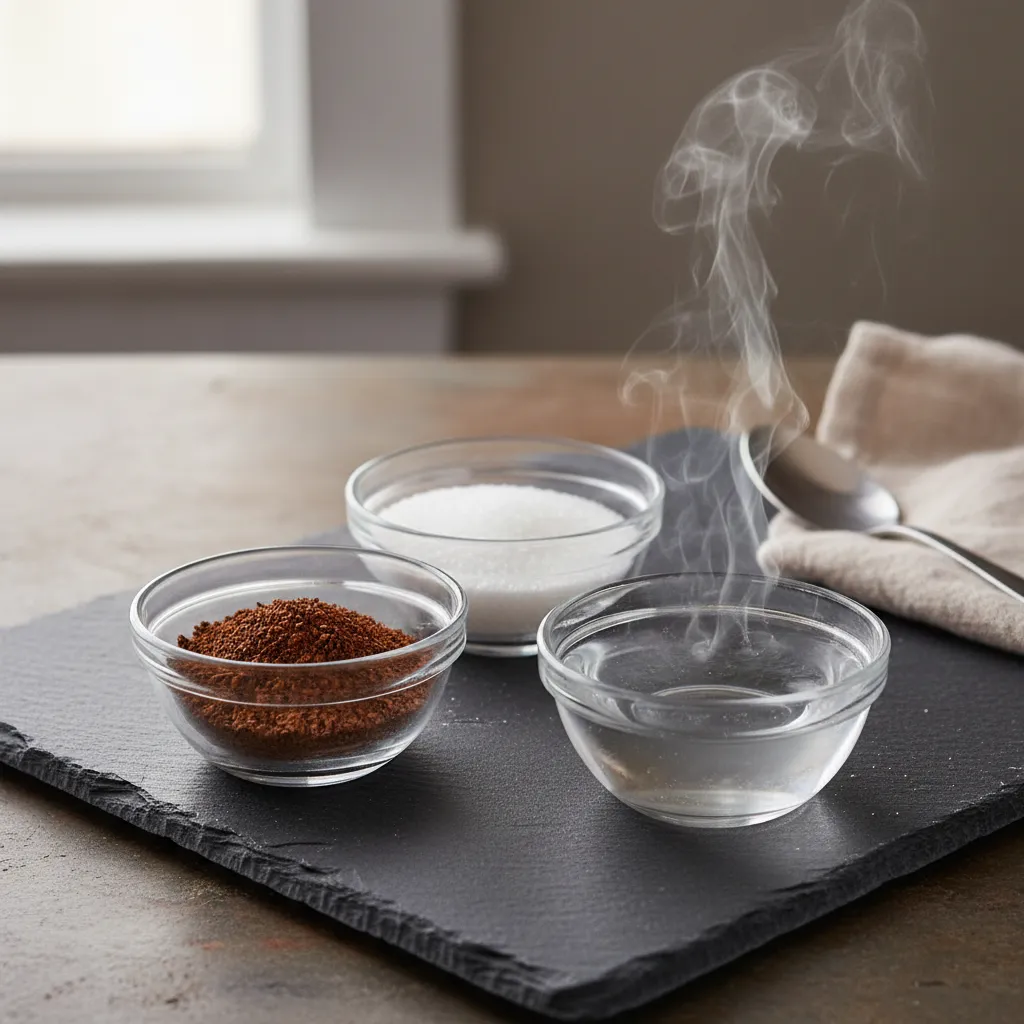
Creating the perfect whipped coffee requires a dedication to precision similar to drafting a floor plan. The structural integrity of the foam relies entirely on the “Golden Ratio” of ingredients.
To achieve the signature velvet texture that holds its peak, you must adhere to a strict 1:1:1 ratio. This balance ensures the mixture aerates properly without collapsing.
This formula consists of equal parts instant coffee, granulated sugar, and boiling water. Deviating from this blueprint can result in a liquid that refuses to loft or a foam that is too bitter.
The Material Palette

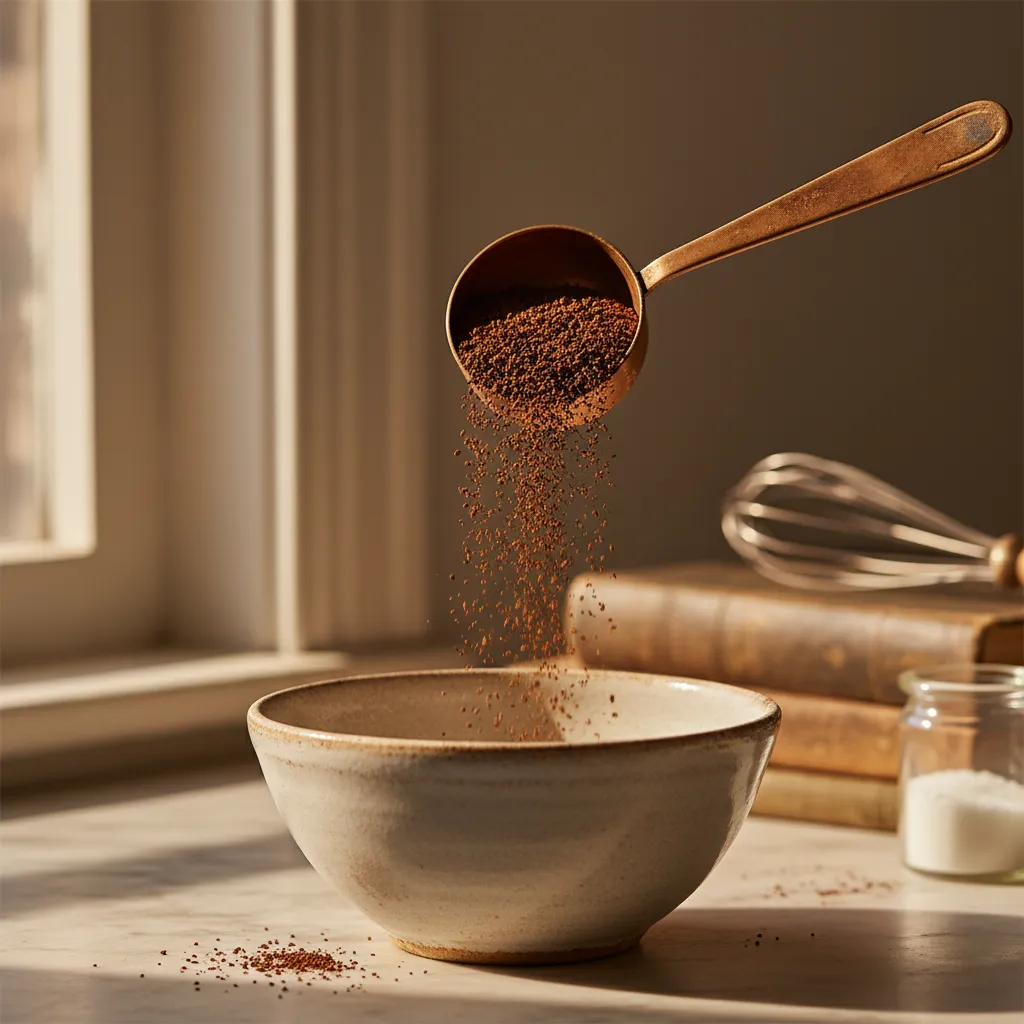
Quality materials are the foundation of any renovation, and your coffee is no different. You must use instant coffee for this recipe.
Finely ground espresso or standard grounds will not dissolve or aerate. The drying process of instant coffee preserves the necessary polymers that trap air bubbles.
While a standard Black Coffee Recipe for Diet prioritizes purity, this recipe relies on sugar as a stabilizer. The sugar crystals create a viscous syrup that holds the air pockets in suspension.
The details are not the details. They make the design.
Charles Eames, Eames Office
The Construction Phase: Mixing Mechanics

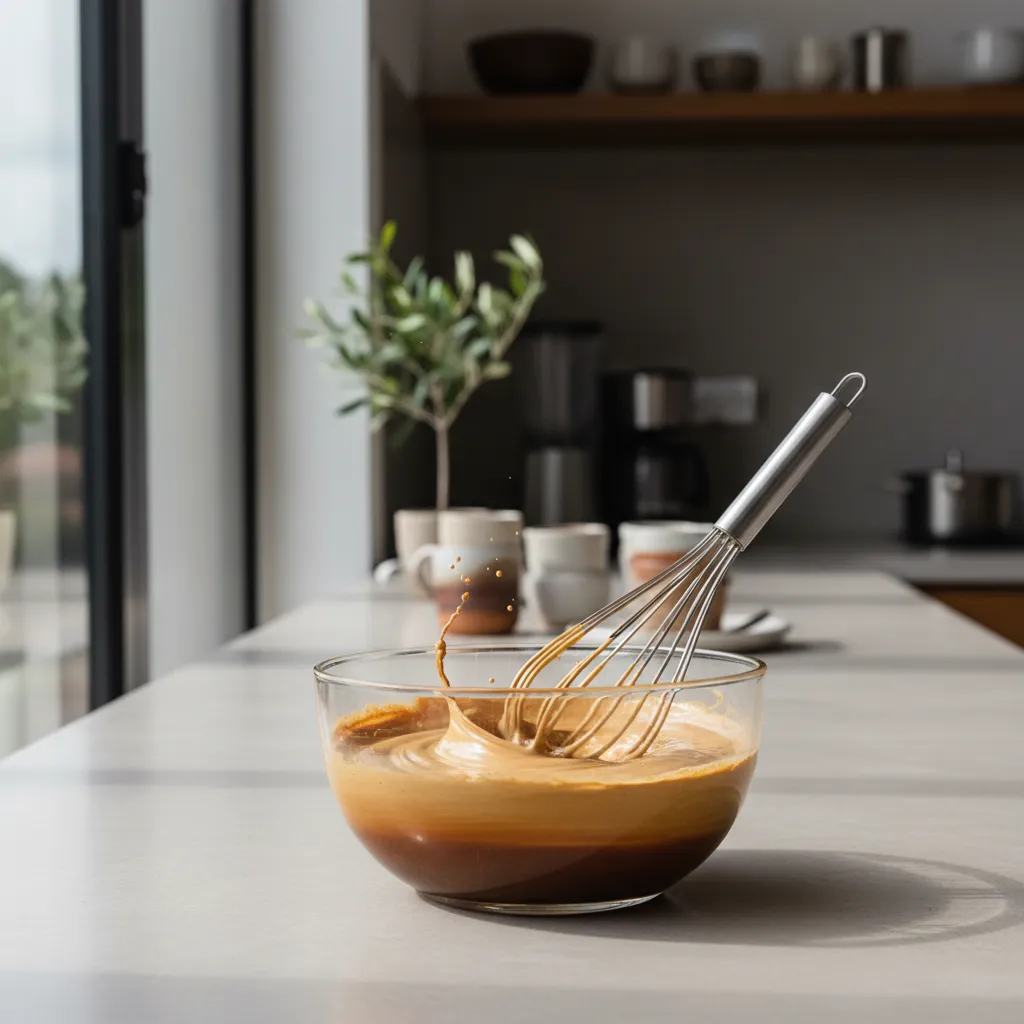
The transformation of these ingredients from a dark liquid to a pale, golden cloud is a study in chemistry and physics. As you introduce air, the color shifts significantly.
The mixture will transition from a deep mahogany to a warm toffee, and finally to a light sandstone hue. This visual cue indicates that the foam has reached optimal stiffness.
Selecting the right tool for the job determines the workflow and the final finish of your foam. Consider the ergonomics and efficiency of each method.
| Tool Choice | Time Required | Texture Quality | Effort Level |
|---|---|---|---|
| Hand Whisk | 8–12 Minutes | Rustic, Dense | High (Labor Intensive) |
| Electric Hand Mixer | 3–5 Minutes | Silky, Glossy | Low (Efficient) |
| Stand Mixer | 2–3 Minutes | Aerated, Light | Minimal (Hands-Free) |
Once the foam creates stiff, glossy peaks, it is ready for assembly. This texture should resemble wet paint or meringue, holding its shape when the whisk is lifted.
For the final assembly, pour the whip over your preferred milk base. For a richer mouthfeel, you might opt for a Homemade Creamer for Coffee Heavy Cream Recipe instead of standard dairy.
Design your morning ritual with the same intention you design your home.
The contrast between the cold, fluid milk and the dense, ambient-temperature foam creates a unique sensory experience. It engages both the palate and the eye.
Structural Secrets
- Opt for a narrow, deep mixing vessel rather than a wide bowl to maximize whisk contact and accelerate the aeration process.
- Ensure your water is at a rolling boil; the intense heat is vital for transforming the sugar into the viscous syrup required to hold air bubbles.
- Chill your glassware and milk prior to assembly to maintain a sharp, architectural line between the dense foam and the liquid base.
Double Chocolate Mocha Whip for Dessert Lovers

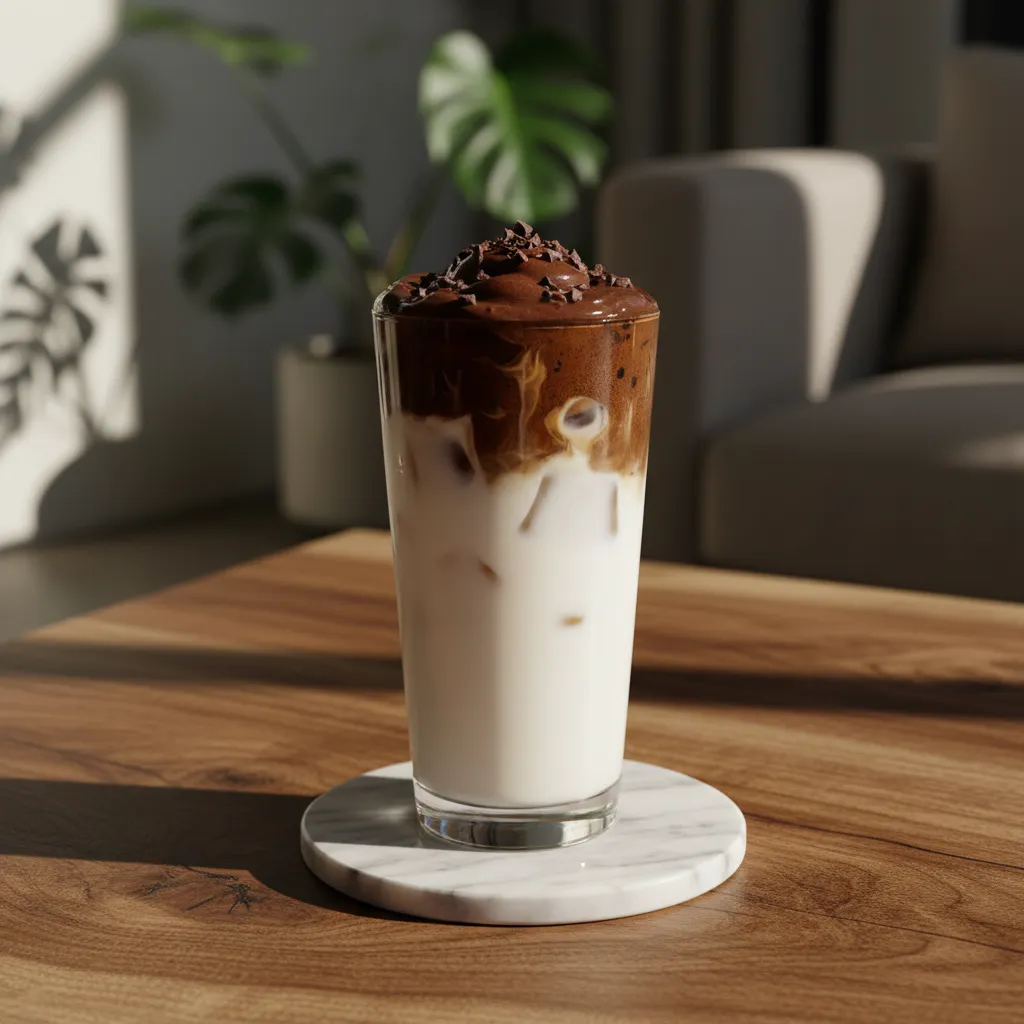
This variation transforms the standard whipped coffee recipe into a decadent feature piece. The visual texture of this drink rivals high-end velvet upholstery.
It brings a sophisticated dark cocoa palette to your morning routine. This recipe treats the foam as a structural element that holds its shape indefinitely.
We approach this blend like a design project. You are balancing the bitterness of coffee with the richness of cocoa for a harmonized finish.
Treat your morning brew like a design masterpiece; layer the textures, balance the palette, and savor the craftsmanship.
Constructing the Mocha Base

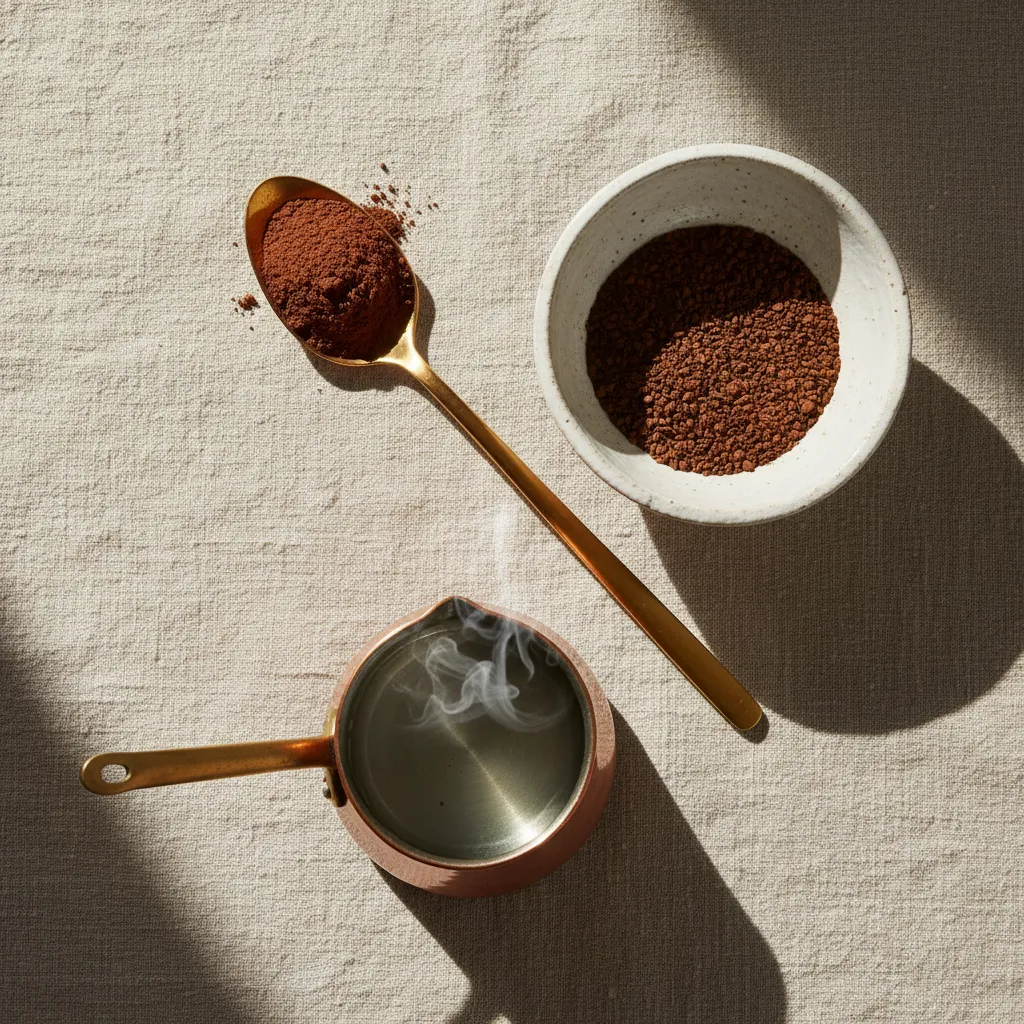
Start by selecting your foundation materials carefully. You need robust instant coffee and high-quality cocoa powder for structural integrity.
Combine equal parts coffee, sugar, and boiling water in a mixing vessel. Add a tablespoon of unsweetened cocoa to infuse that deep mocha architecture.
Whip the mixture until it reaches stiff peaks. This ensures the foam can support its own weight when layered over the milk base.
For a sweeter finish, swap standard sugar for flavored options. This mirrors the way we layer textures in a room design.
You can even elevate your brew with easy homemade coffee syrup recipes for depth. A vanilla or hazelnut syrup adds a subtle, aromatic dimension to the mocha.
The details are not the details. They make the design.
Charles Eames, Eames Office
Serving and Presentation
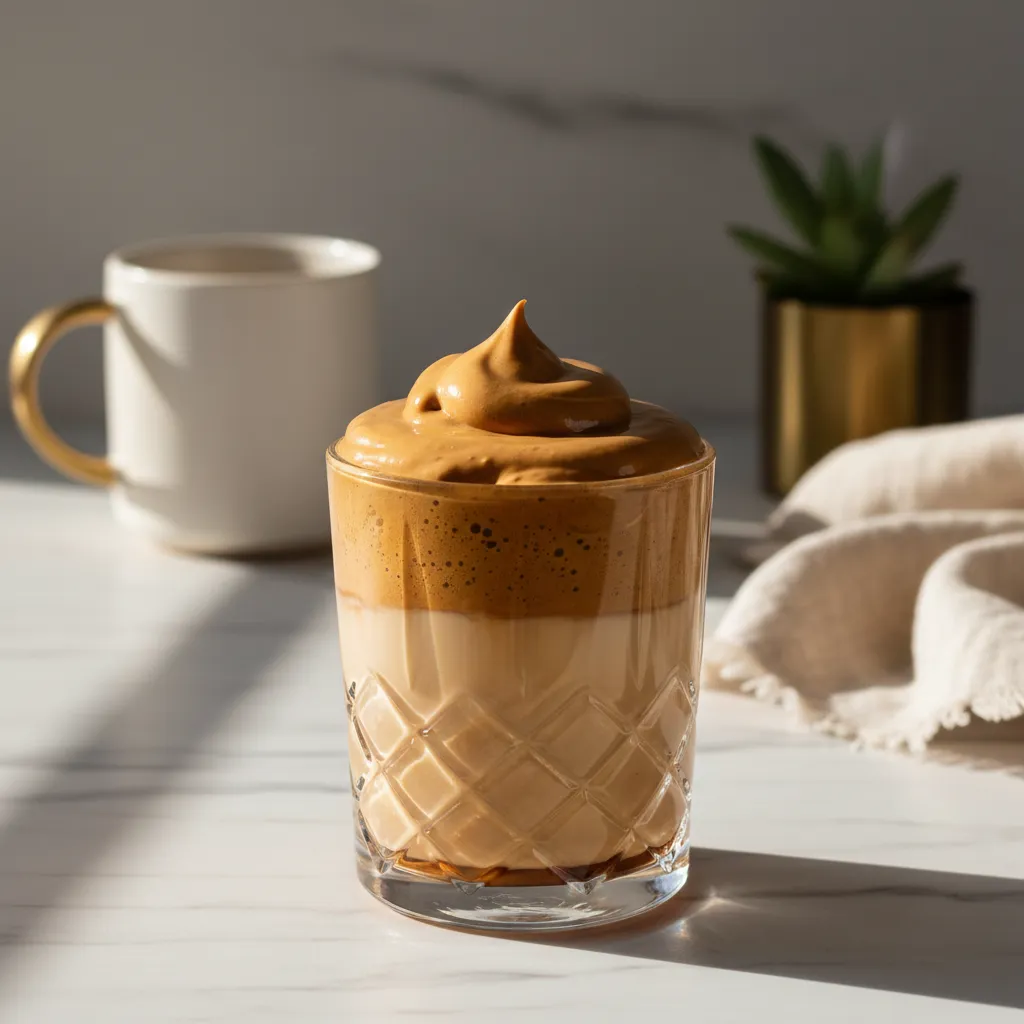
Serve this over ice in a crystal glass to catch the light. The contrast between the dark whip and white milk creates striking visual balance.
Enjoy this rich dessert drink in a dedicated relaxation zone. It pairs perfectly with soft lighting and plush seating arrangements.
Consider sipping this while curled up in one of our 15 cozy home library ideas for the ultimate aesthetic reading nook. The atmosphere enhances the flavor profile significantly.
Cocoa Selection Guide
The type of cocoa you choose acts as the finish for your drink. Just as you select paint finishes, choose your powder based on the desired mood.
| Cocoa Material | Visual Finish | Flavor Profile |
|---|---|---|
| Dutch-Process | Deep, Dark Charcoal | Smooth, earthy, and mellow acidity. |
| Natural Cocoa | Light Rust Brown | Bright, acidic, and fruity notes. |
| Black Cocoa | Midnight Black | Intense, savory, Oreo-like depth. |
Dust the final creation with chocolate shavings. This adds a tactile crunch that contrasts beautifully with the smooth, aerated foam.
The Barista’s Blueprint
- Sift your cocoa powder before mixing to ensure a smooth, architectural finish without any structural lumps in the whip.
- For a high-contrast aesthetic, chill your glass in the freezer for ten minutes before pouring to maintain the foam’s sharp, crisp lines.
- To achieve maximum structural integrity, ensure your water is truly boiling; this dissolves the coffee granules instantly for a more stable foam.
Salted Caramel Cloud with Crunchy Toffee Bits

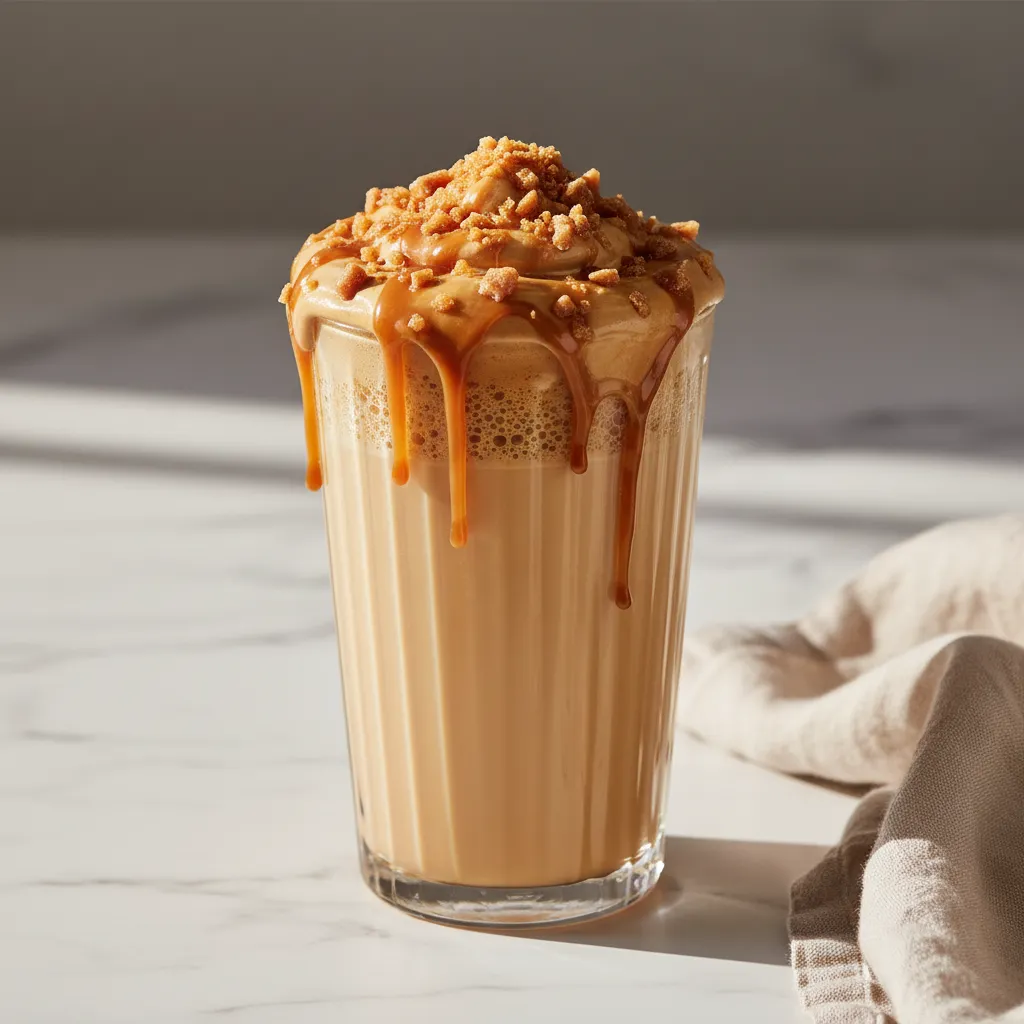
This variation of the classic Whipped Coffee Recipe introduces a sophisticated twist to your morning routine. It balances the robust bitterness of instant espresso with buttery sweetness.
Think of this drink as a study in contrasting textures. You have the airy foam, the liquid milk, and the rigid crunch of toffee. These elements work together to create a complex mouthfeel.
The salted caramel element acts as the visual and flavor focal point. It bridges the gap between the strong coffee foam and the neutral creamy base, much like an accent color in a neutral room.
Design is not just about what you see, but how the elements make you feel. Texture is the secret language of comfort.
The Materials Palette

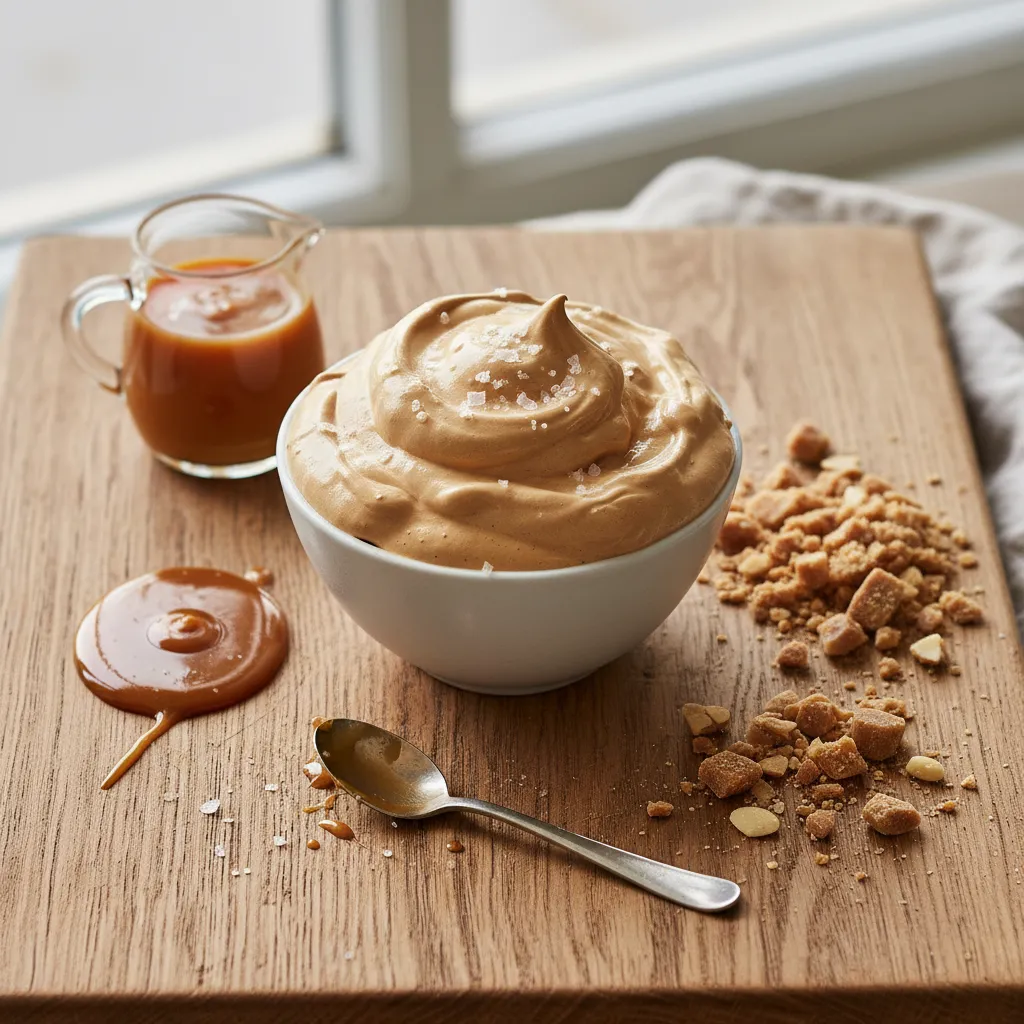
To construct this beverage, you need materials that offer both structural integrity for the foam and depth of flavor. Quality ingredients ensure the final product holds its shape.
- Base Framework: 2 tablespoons premium instant coffee.
- Structural Binder: 2 tablespoons granulated sugar.
- Catalyst: 2 tablespoons boiling water.
- Flavor Accent: A pinch of flaky sea salt.
- Finishing Touch: Crushed toffee bits and caramel drizzle.
If you prefer crafting your own distinct flavors, consider exploring homemade coffee syrup recipes. This allows you to control the viscosity and sweetness level of the caramel component.
Assembly and Spatial Flow
Begin by whisking the coffee, sugar, and hot water. You want to achieve stiff peaks that resemble the texture of wet plaster or meringue. This ensures the foam floats perfectly.
Once the foam is rigid, fold in the sea salt gently. Pour your milk into a glass filled with ice, leaving about two inches of negative space at the top for the coffee cloud.
Spoon the mixture over the milk. Top immediately with the toffee bits and a drizzle of sauce. The weight of the toppings will slowly interact with the foam, creating beautiful vertical streaks.
Salt has a way of unmasking flavor. It balances sweetness and suppresses bitterness, making it an essential tool for creating depth in any dish.
Samin Nosrat, Salt, Fat, Acid, Heat
For the best visual impact, serve this in clear, fluted glassware. The ridges in the glass will catch the light and highlight the amber hues of the caramel as it mixes with the coffee.
This drink pairs exceptionally well with modern rustic decor. The warm tones of the coffee complement raw wood surfaces and linen textiles, enhancing the overall sensory experience.
The Flavor Architect’s Secret
- For maximum structural integrity, ensure your water is at a rolling boil; the heat is crucial for dissolving the sugar into a stable, meringue-like matrix.
- To prevent the toffee bits from sinking immediately, wait thirty seconds after assembly for the foam to settle slightly before adding your toppings.
- Elevate the visual ‘spatial flow’ by chilling your glassware beforehand, which helps maintain the distinct layers and prevents the ‘cloud’ from dissolving into the milk too quickly.
Spiced Cinnamon and Maple Autumn Blend

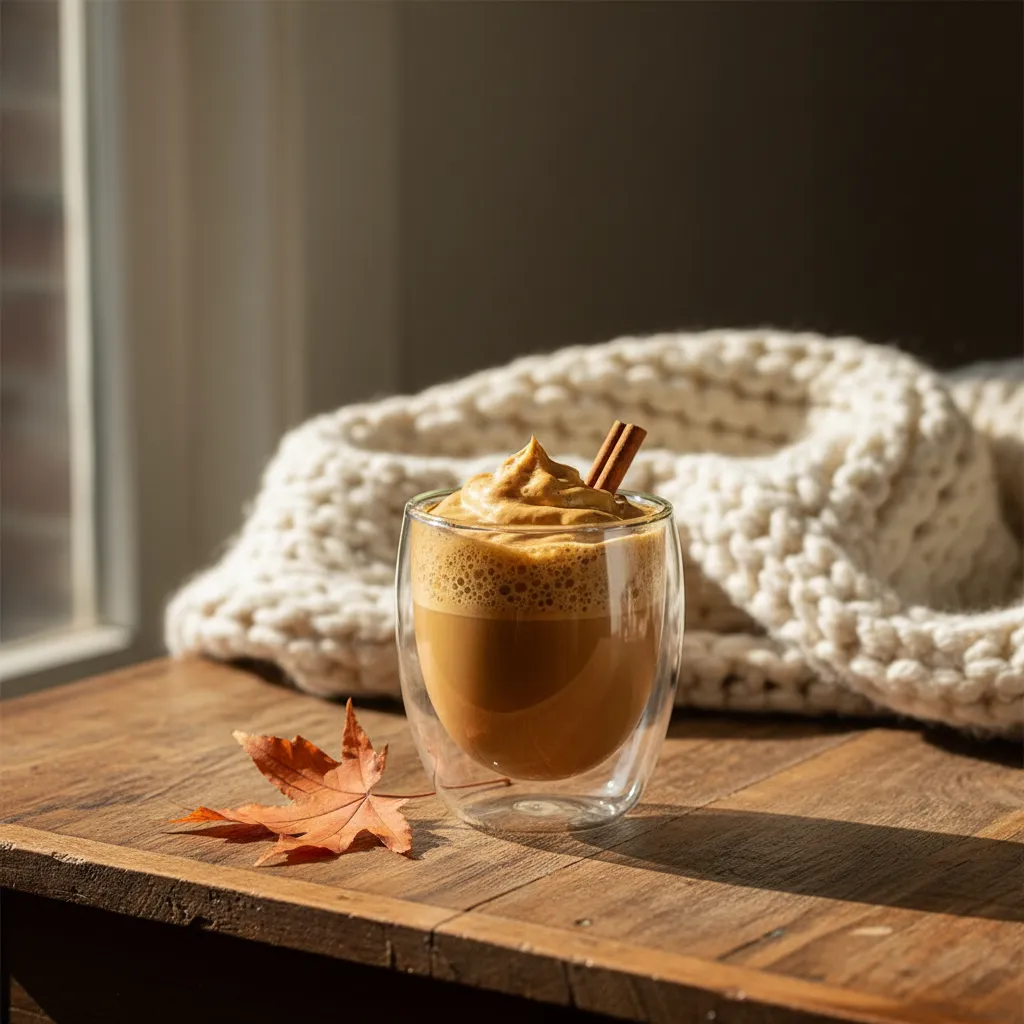
As the light shifts and days grow shorter, our interiors demand warmth. This recipe variation introduces a rich, amber palette to your morning ritual.
The standard whipped coffee, while visually striking, often lacks depth. By substituting sugar with maple syrup, we introduce an earthy complexity.
This blend mirrors the texture of raw velvet. The addition of cinnamon creates a sensory experience that complements a room filled with natural wood tones.
Autumn interiors require sensory layering; let your morning brew be the first texture you experience.
The Structural Ingredients

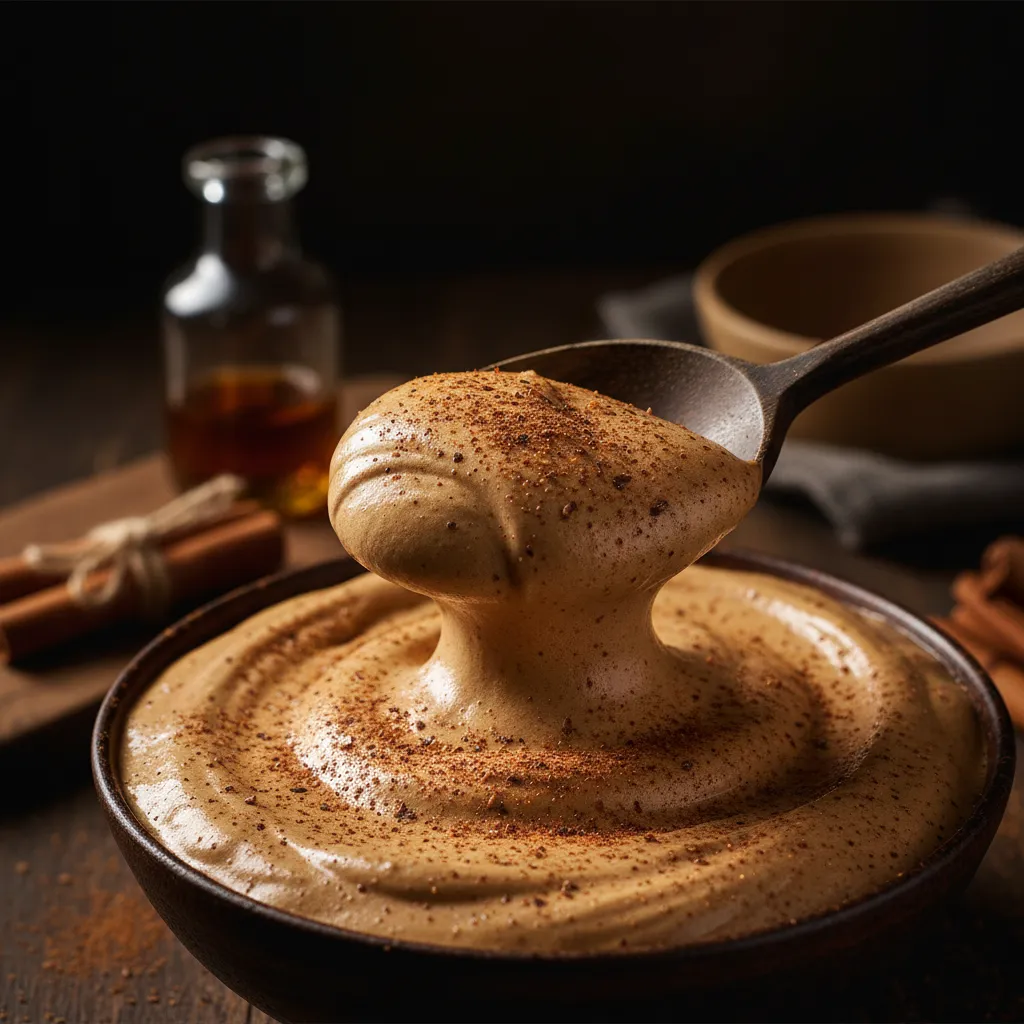
To achieve the correct viscosity, precision is key. Maple syrup is heavier than granulated sugar, so the whipping duration increases slightly.
Using Grade A amber syrup provides clarity in flavor without overpowering the coffee. It acts as the binding agent, ensuring the foam holds its peak.
For the base, consider the liquid’s weight. A heavier oat milk supports the foam better than skim milk, maintaining the drink’s visual layers.
- 2 tbsp Instant Coffee: Use a robust roast to cut through the sweetness.
- 2 tbsp Pure Maple Syrup: Avoid artificial syrups as they collapse the foam structure.
- 2 tbsp Boiling Water: Essential for dissolving the coffee crystals instantly.
- 1/2 tsp Cinnamon: Ceylon cinnamon offers a floral note suitable for this blend.
Assembly and Presentation
Combine the coffee, syrup, and boiling water in a mixing bowl. Tilt the bowl to a 45-degree angle to incorporate more air during the whipping process.
Whip aggressively for roughly four to five minutes. You are looking for a finish that resembles glossy oil paint rather than stiff meringue.
Once the mixture holds a soft peak, fold in the cinnamon gently. This prevents the spice from deflating the aeration you worked hard to build.
Pour your milk of choice into a glass filled with ice. If you prefer a richer base, you might explore a homemade heavy cream recipe to add density.
Spoon the spiced mixture over the milk. The separation between the white milk and the dark bronze foam creates a stunning architectural contrast.
I believe that your home should tell the story of who you are, and be a collection of what you love.
Nate Berkus, Nate Berkus Interiors
Serving Suggestions
Visual appeal extends beyond the glass. Serve this beverage on a slate coaster to contrast the warmth of the drink with cool, natural stone.
This recipe pairs exceptionally well with baked goods that share its flavor profile. Consider serving it alongside perfect cinnamon rolls for a cohesive brunch spread.
For a final touch, garnish with a whole cinnamon stick. This adds a vertical element to the presentation and enhances the aromatic experience.
| Milk Base | Texture Profile | Visual Layering | Best Glassware |
|---|---|---|---|
| Oat Milk | Creamy, dense | High contrast, stable separation | Double-walled Bodum |
| Almond Milk | Thin, nutty | Fast mixing, creates a gradient | Highball Crystal |
| Whole Milk | Velvety, rich | Clean lines, holds weight well | Ceramic Tumbler |
| Soy Milk | Smooth, neutral | Soft blending, lighter color | Fluted Glass |
The choice of glassware dictates the aesthetic. A double-walled glass preserves the temperature and highlights the stratification of the liquids.
Enjoying this drink is about slowing down. Create a zone in your living space with soft textiles where you can appreciate the craftsmanship of your brew.
The Art of the Pour
- Chill your glassware in the freezer for ten minutes before assembly to maintain the distinct architectural layers of the foam.
- Toast your cinnamon stick garnish over a low flame for a few seconds to release aromatic oils that enhance the sensory layering.
- If the foam feels too dense, use a hand-held frother at a 45-degree angle to introduce micro-bubbles for a lighter, more velvet-like texture.
Vanilla Bean and Almond Milk Aesthetic Layer

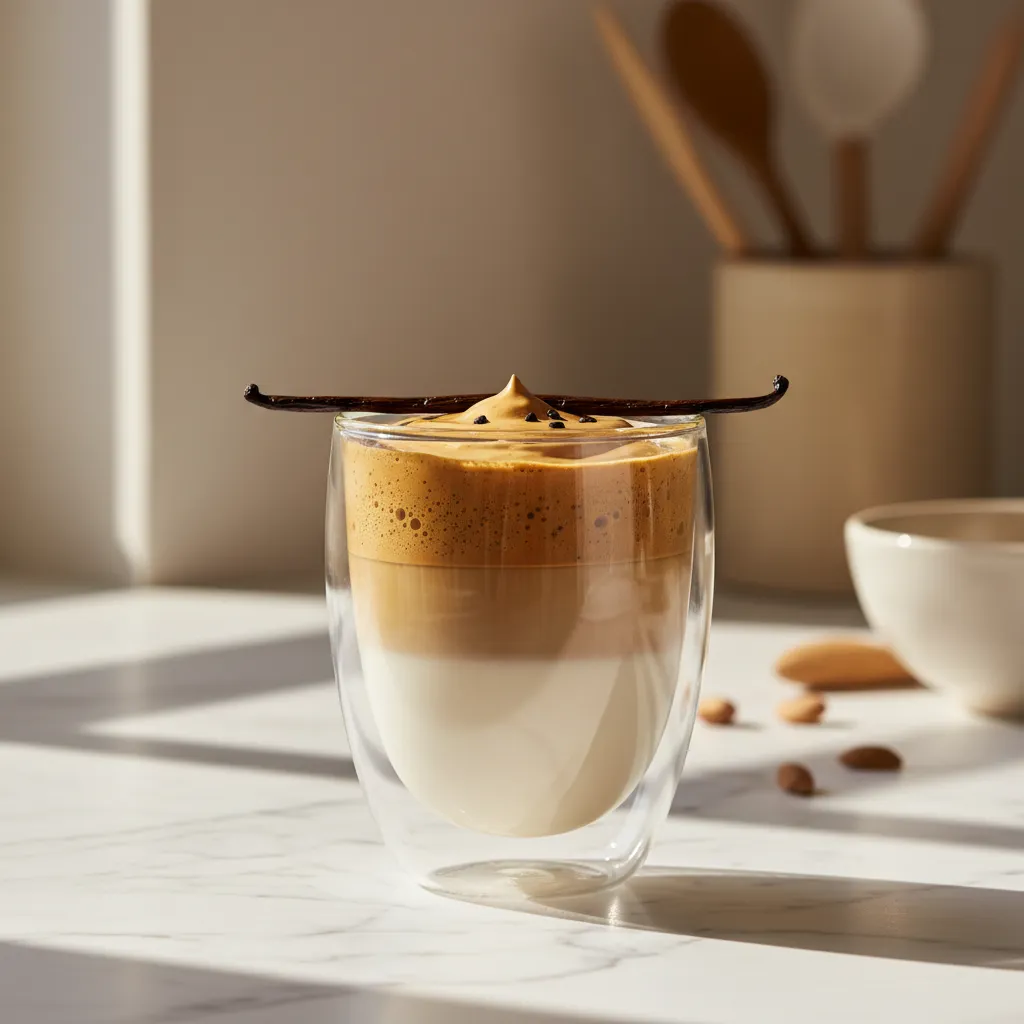
The transition from a simple caffeine fix to a visual masterpiece often lies in the precision of the layering. This step defines the drink’s character.
Using almond milk provides a nutty and translucent base that contrasts beautifully with the dense, golden foam of the whipped coffee mixture.
To elevate the sensory experience, infuse the milk with real vanilla beans. The tiny black specks add a raw and organic texture to the liquid.
This visual detail looks stunning against the smooth white milk. It turns a standard beverage into a focal point of your morning kitchen ritual.
The art of coffee lies in the patience of the pour and the beauty of the layers.
For those expanding their repertoire beyond basic brews, this technique fits perfectly into a broader Guide to Fun Drinks to Make at Home.
Glassware and Visual Ergonomics

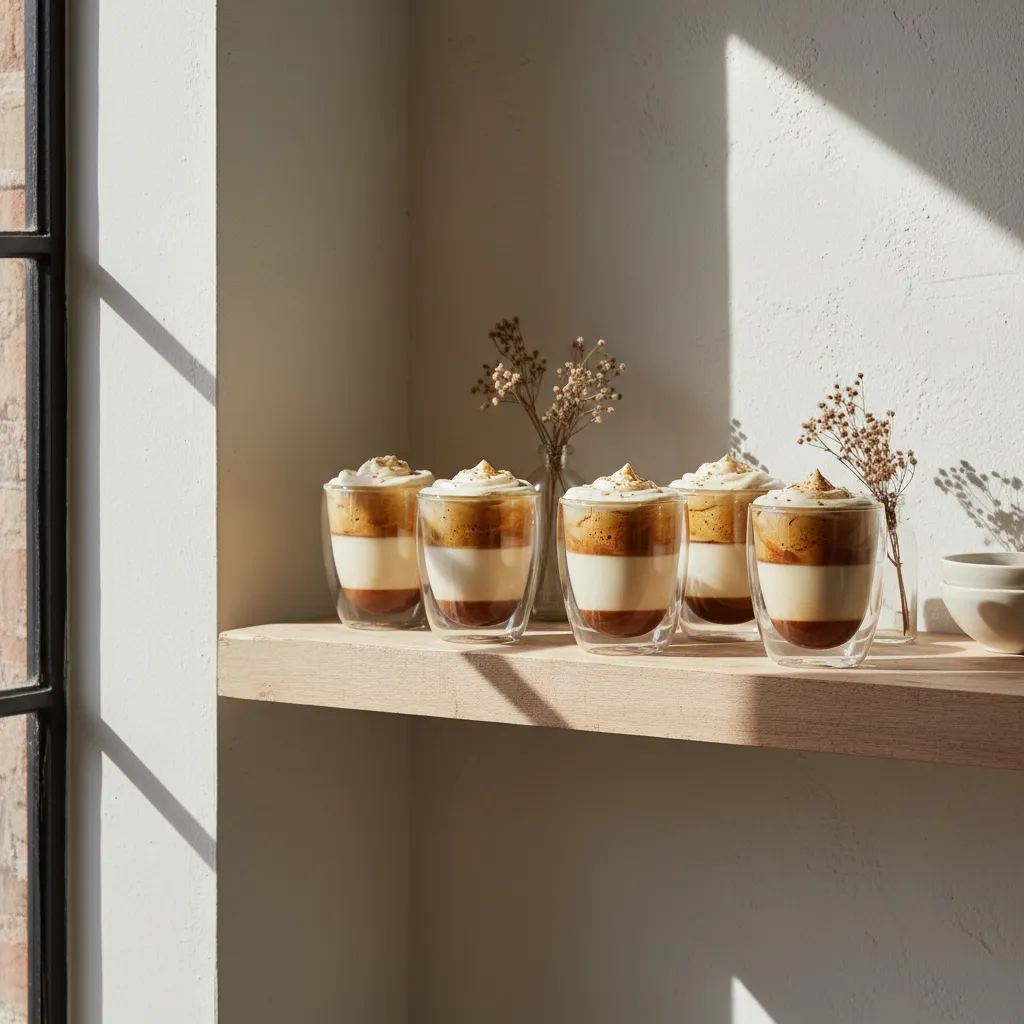
The vessel you choose dictates the spatial flow of the drink. A double-walled glass not only insulates but creates a floating optical illusion.
Clear glass allows natural light to penetrate the layers. This highlights the amber hues of the coffee and the creamy consistency of the almond milk.
Using the right glassware enhances the ambient lighting in your kitchen. It transforms the act of drinking coffee into a moment of calm reflection.
Coffee is about pleasure. It’s about that moment in the day where you have a little bit of luxury.
James Hoffmann, The World Atlas of Coffee
Achieving the perfect separation requires specific mechanics. The density of the milk must support the foam without immediate blending.
If you enjoy experimenting with visual textures in beverages, you might also appreciate the Matcha Starbucks Drinks Order Raspberry: Aesthetic Guide.
Milk Base Comparison for Layering
Selecting the right milk affects both the structural integrity of the whip and the aesthetic finish. Here is how different bases perform.
| Milk Base | Visual Opacity | Foam Support | Texture Profile |
|---|---|---|---|
| Almond Milk | Translucent White | Moderate | Nutty & Thin |
| Oat Milk | Creamy Beige | High | Rich & Velvety |
| Soy Milk | Off-White | High | Smooth & Neutral |
| Whole Milk | Bright White | Very High | Dense & Creamy |
Almond milk is preferred for its lighter color and lower viscosity. This creates a sharper definition between the dark coffee foam and the milk base.
Ensure the milk is ice-cold before pouring. Temperature differences play a crucial role in maintaining distinct layers for longer periods.
The Aesthetic Edge
- Use the back of a chilled spoon to slow the pour of your coffee mixture, preventing it from crashing through the almond milk for a sharp, defined horizontal line.
- Scrape the vanilla bean seeds directly into your milk while cold to ensure the black specks distribute evenly and remain visible against the glass.
- Opt for a tall, slender double-walled glass to exaggerate the height of the layers and maximize the floating optical illusion effect.
Sugar-Free Keto Whipped Coffee with Heavy Cream

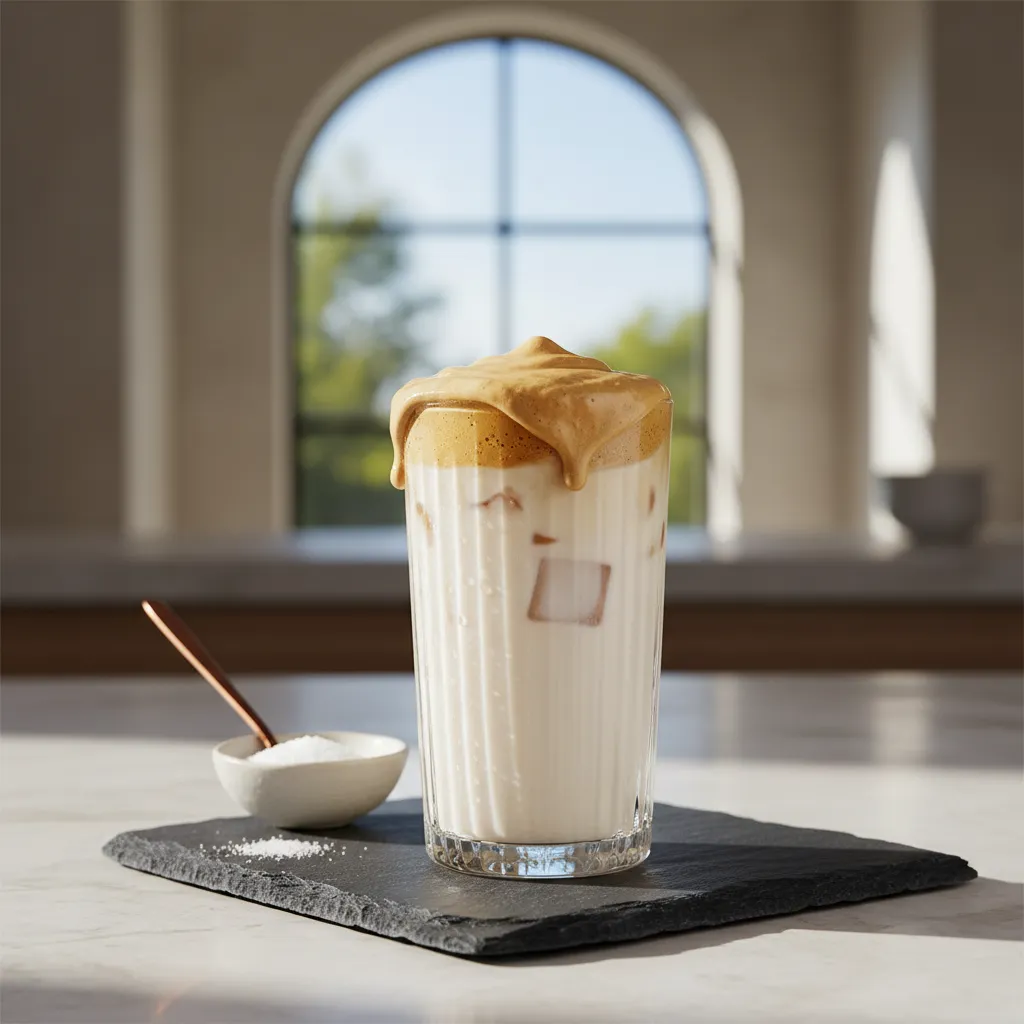
Transforming the viral whipped coffee trend into a keto-friendly ritual requires a shift in materials. We replace standard sugar with alternatives.
The aesthetic appeal of this beverage lies in the velvety contrast between layers. The foam must be dense enough to hold its shape indefinitely.
True luxury in design and dining comes from the integrity of the materials, not the complexity of the process.
The Structural Integrity of Heavy Cream

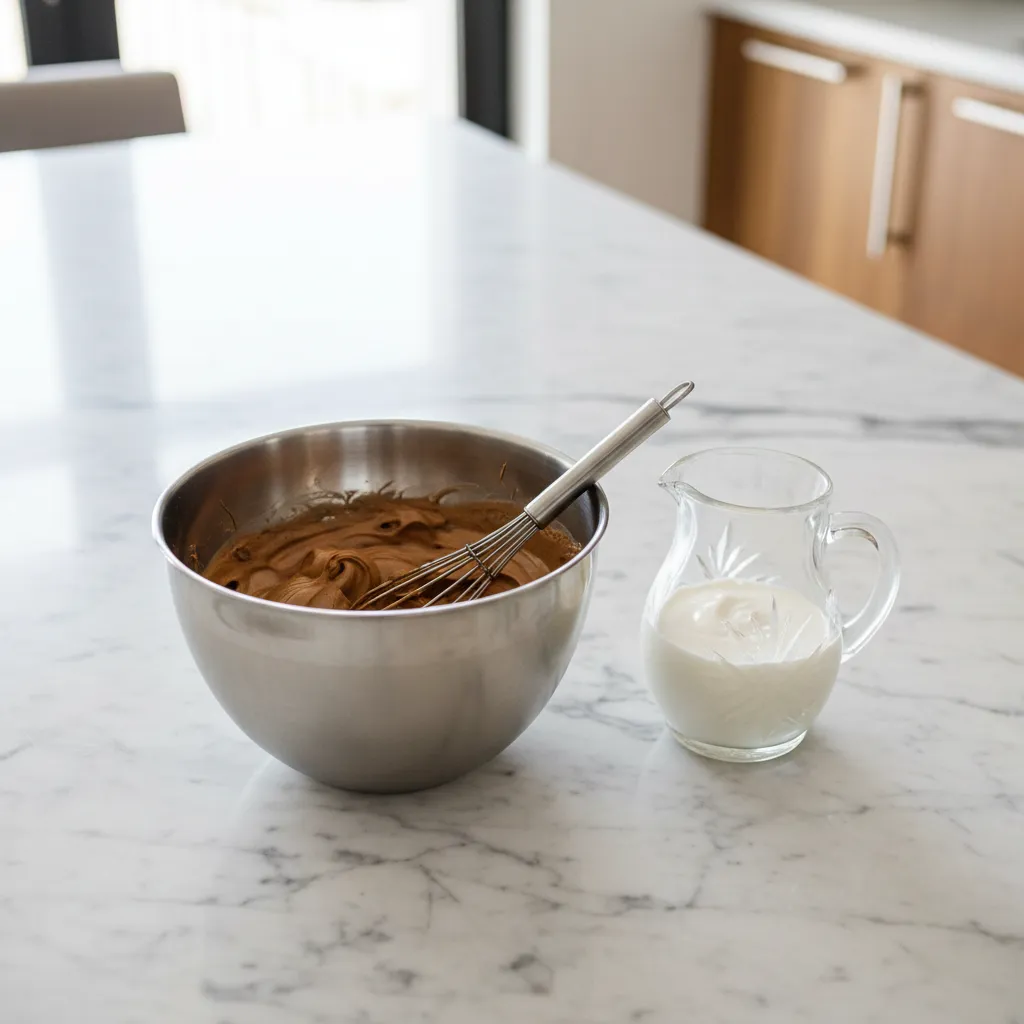
In traditional interior architecture, the foundation dictates the longevity of the build. Similarly, heavy cream provides essential structure here.
Unlike water-based foams that dissipate quickly, the fat content in heavy cream stabilizes the aeration. This creates a luxurious mouthfeel.
For a lighter visual profile, you can utilize a black coffee foundation before adding the whip. This maintains the visual drama while reducing caloric density.
Fat is a medium for flavor. It carries the aroma compounds that are dissolved in it and delivers them to our taste buds.
Harold McGee, On Food and Cooking: The Science and Lore of the Kitchen
Sweetener Architecture and Texture

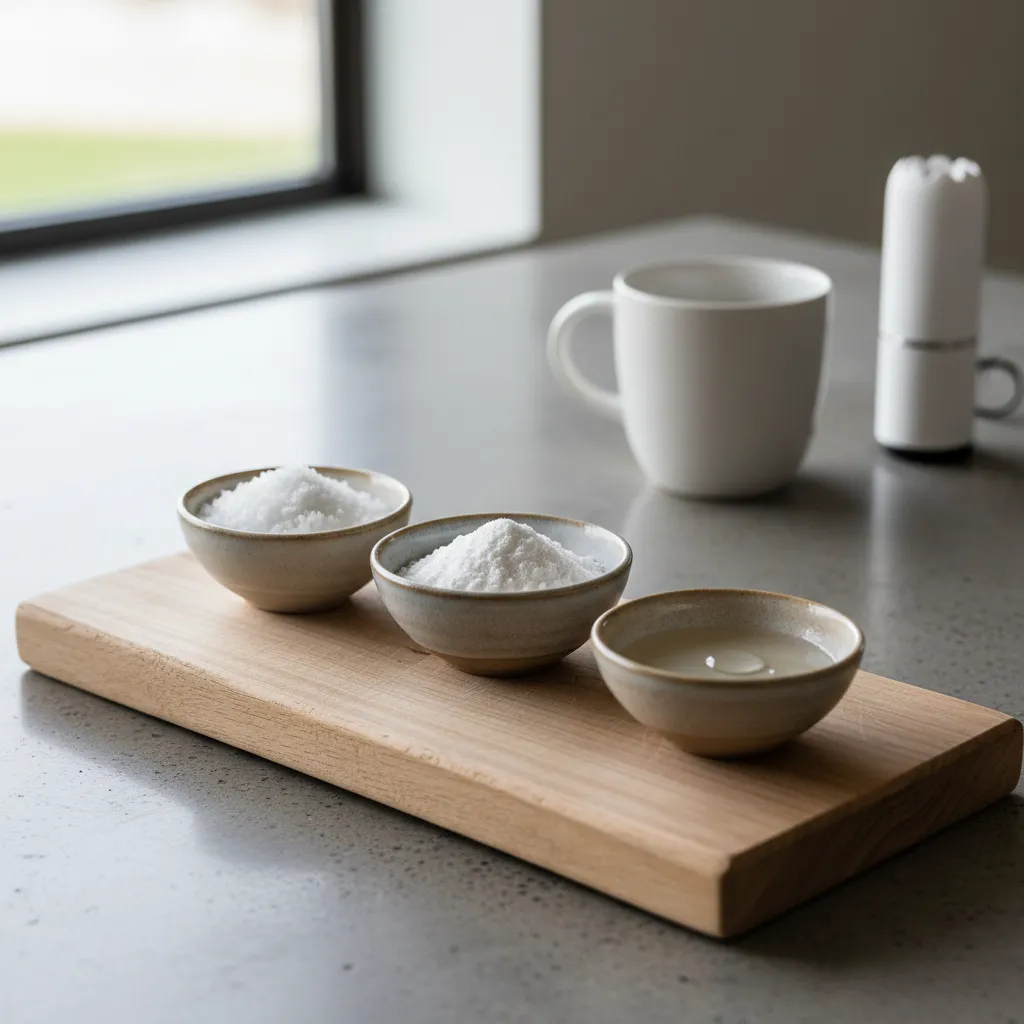
The granularity of your sweetener affects the final finish of the foam. A coarse grind may leave a gritty texture that disrupts the spatial flow.
Powdered erythritol dissolves rapidly, creating a seamless, plaster-like finish. This ensures the whip remains glossy rather than matte or grainy.
If you prefer healthy protein-infused variations, ensure your protein powder is micronized. This prevents the foam from collapsing under its own weight.
The following table outlines how different low-carb sweeteners interact with the whipping process to help you achieve the perfect aesthetic.
| Sweetener Type | Dissolution Rate | Structural Stability | Gloss Finish |
|---|---|---|---|
| Powdered Erythritol | High | Excellent (Stiff Peaks) | High Sheen |
| Liquid Stevia | Instant | Low (Requires Stabilizer) | Matte |
| Granulated Monk Fruit | Medium | Good (Slight Grit) | Satin |
| Allulose | High | Medium (Softer Foam) | Glassy |
Execution and Assembly
Begin by whipping the heavy cream until it reaches the consistency of soft clouds. This mirrors the texture of raw silk or velvet upholstery.
Fold in the instant coffee paste gently. This preservation of air bubbles ensures the drink feels light on the palette despite the richness.
Pour over ice in a tall architectural glass. The visual separation of liquids creates a stunning focal point for any morning routine.
The Aesthetic Edge
- Chill your bowl and whisk before whipping; lower temperatures help the fat molecules in the heavy cream stabilize more effectively for a firmer structural peak.
- Opt for powdered erythritol over granulated varieties to ensure a seamless, grit-free finish that mimics the smooth texture of polished plaster.
- When integrating the coffee, use a slow folding motion rather than aggressive stirring to preserve the aeration and maintain the drink’s luxurious volume.
Boozy Bailey’s Infused Whipped Coffee Cocktail


Transforming the viral morning staple into a sophisticated evening digestif requires only a subtle shift in ingredients. This version adds depth.
The texture profile changes dramatically when you introduce a cream-based liqueur. The alcohol cuts through the density of the sugar foam.
Visually, this drink demands clear glassware to showcase the stunning separation of layers. The stark contrast creates an architectural look.
Design is not just about where you sit, but what you sip; elevate your evening ritual with textures that soothe the soul.
Constructing the Cocktail

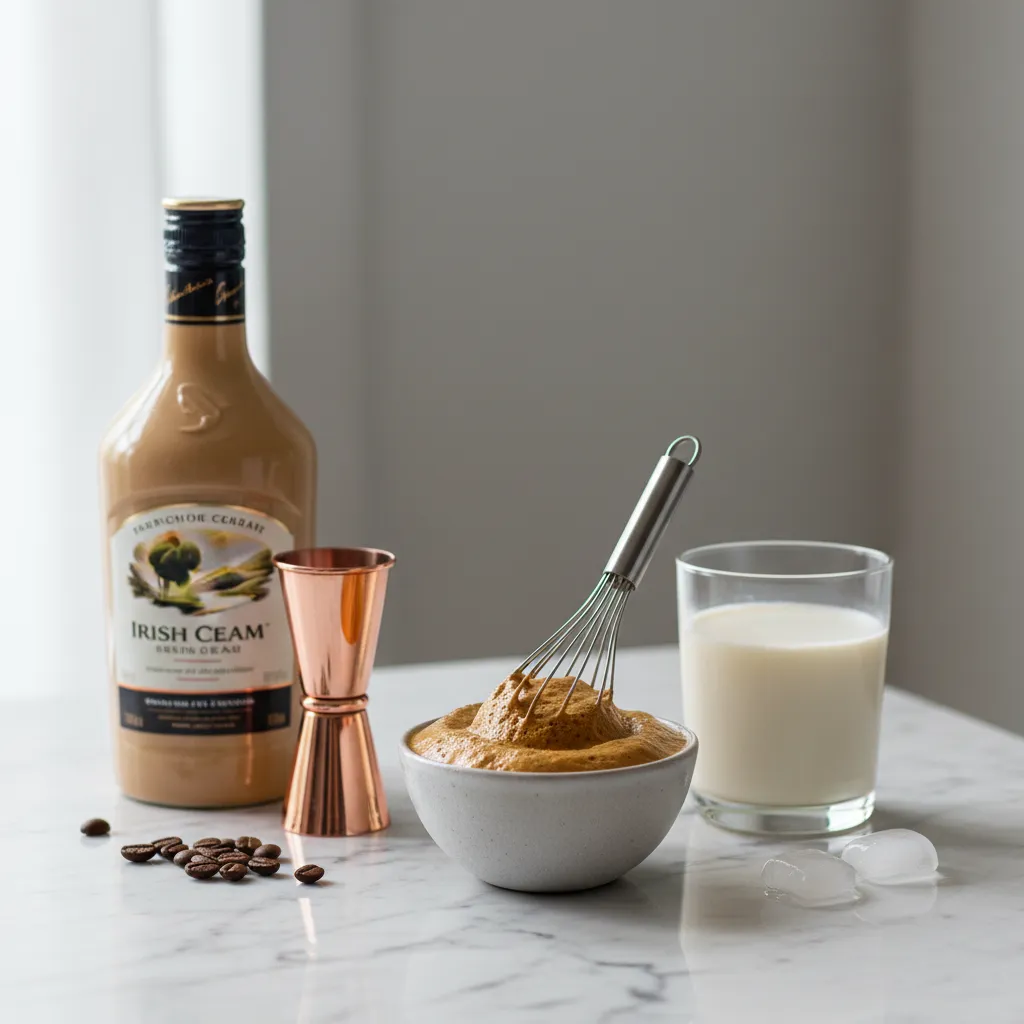
Balance is critical here to prevent the drink from becoming cloyingly sweet. The bitterness of the coffee whip must counteract the liqueur.
For the best spatial dynamics in your glass, fill it with ice first. This anchors the liquid and supports the heavy foam on top.
If you are exploring a broader guide to fun drinks to make at home, this recipe stands out for its unique mouthfeel.
Follow these specific ratios to maintain the structural integrity of the foam while delivering a potent flavor profile:
- The Base: 2 ounces of Irish Cream Liqueur (chilled).
- The Mixer: 4 ounces of unsweetened almond milk or oat milk.
- The Whip: 2 tablespoons instant coffee, 2 tablespoons sugar, 2 tablespoons hot water.
- The Garnish: A dusting of cocoa powder or a single coffee bean.
Using unsweetened plant milk is a functional choice. It provides a neutral canvas that allows the Irish cream and espresso to shine.
The key to a successful coffee cocktail is managing the dilution. You want the ice to chill the spirit without watering down the textural experience of the foam.
The Editors, Imbibe Magazine
Serve this drink in a heavy-bottomed tumbler. The weight of the glass adds a tactile element of luxury that complements the rich beverage.
Adjust the lighting in your space to a warm, ambient glow. The golden hues of the foam look best under soft, non-directional light.
For a lighter variation, you might consider how this pairs with other treats. It works exceptionally well alongside dessert courses.
If you prefer a non-alcoholic base for guests, simply swap the liqueur for a drop of vanilla extract, similar to a homemade creamer for coffee approach.
This cocktail bridges the gap between culinary art and interior mood setting. It functions as both a dessert and a conversation piece.
Mixology Masterclass
- Chill your glassware in the freezer for ten minutes before serving to maintain the structural integrity of the foam layers.
- Use an electric hand frother for the coffee whip to achieve a denser, more architectural peak than manual whisking provides.
- Slowly pour the whipped coffee over the back of a spoon to ensure a clean separation between the dark espresso foam and the creamy base.
Troubleshooting Your Whip: Texture and Stiffness Tips

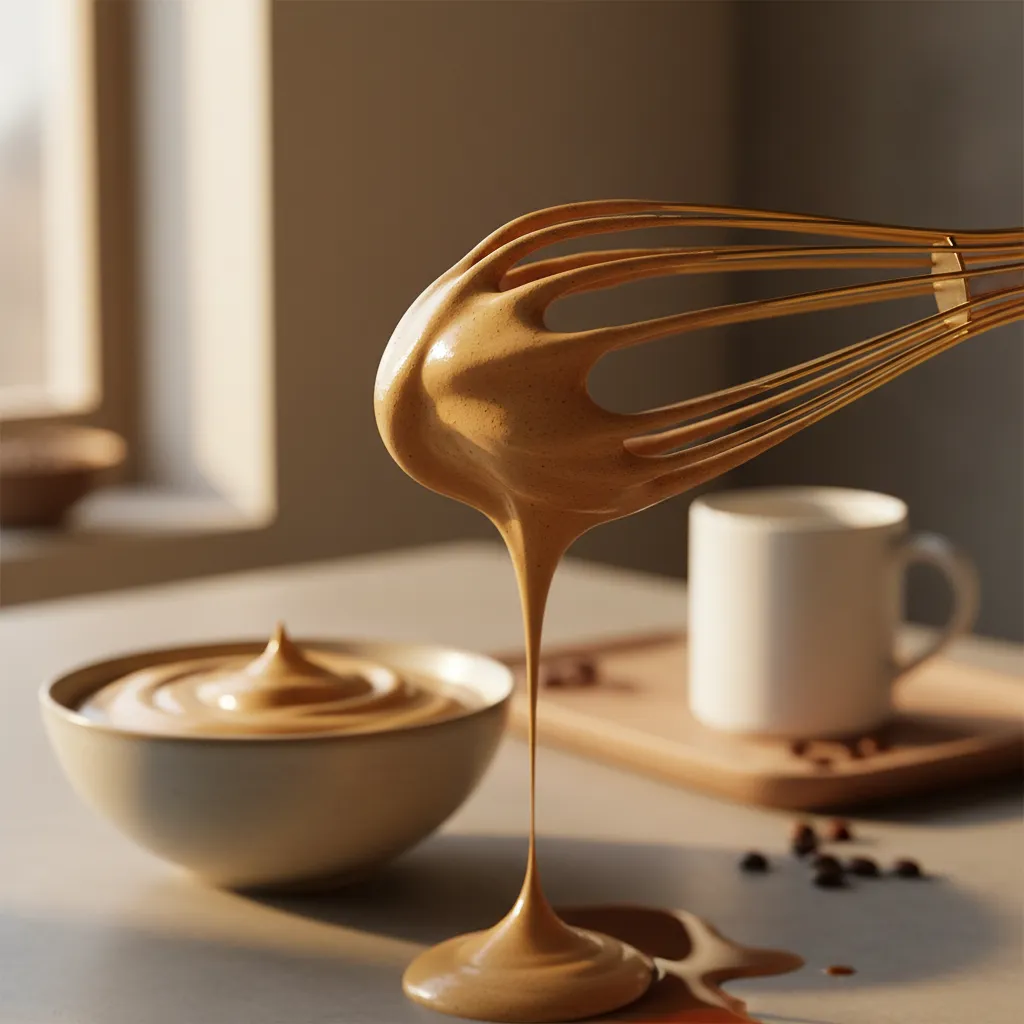
Achieving the architectural height of a perfect whipped coffee requires more than just enthusiasm. It demands a respect for the chemistry of aeration and the structural integrity of your ingredients.
If your foam looks flat or refuses to hold a peak, the issue often lies in the ratio of the components. You are essentially building a scaffold of sugar and coffee solids to trap air bubbles.
The key to a stable foam is the viscosity created by the sugar syrup. It coats the air bubbles and prevents them from popping or draining.
J. Kenji López-Alt, The Food Lab
The Structural Role of Sugar

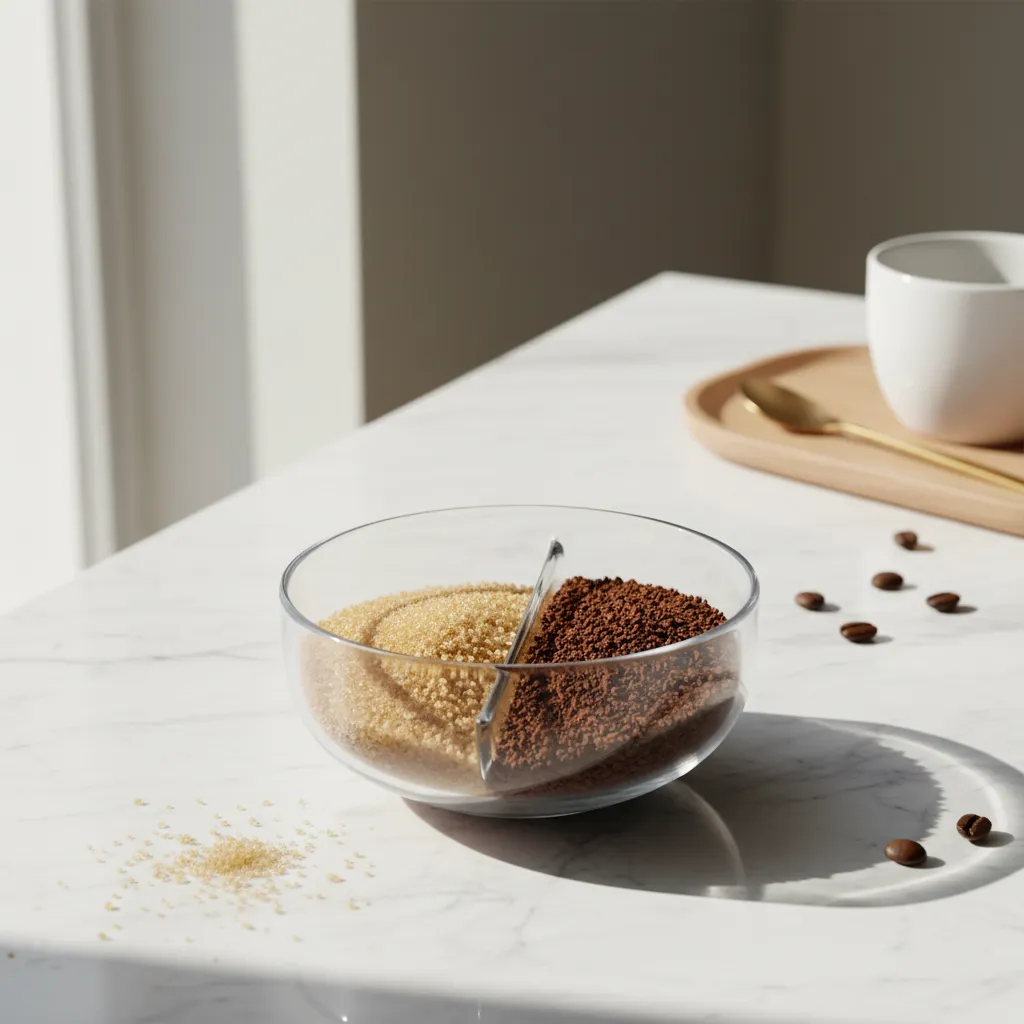
Sugar is not merely a sweetener in this application; it is the primary stabilizing agent. Reducing sugar weakens the lattice structure that holds the whip together.
Without sufficient granules to dissolve and thicken the water, the mixture remains liquid. This principle is similar to the precise chemistry required for a Perfectly Easy Crème Brûlée.
For those attempting to reduce sweetness, note that the texture will inevitably suffer. The glossy, meringue-like finish relies heavily on that full tablespoon of sugar.
Design is in the details, and the perfect whip lies in the persistence of the whisk.
Temperature and Whisking Dynamics

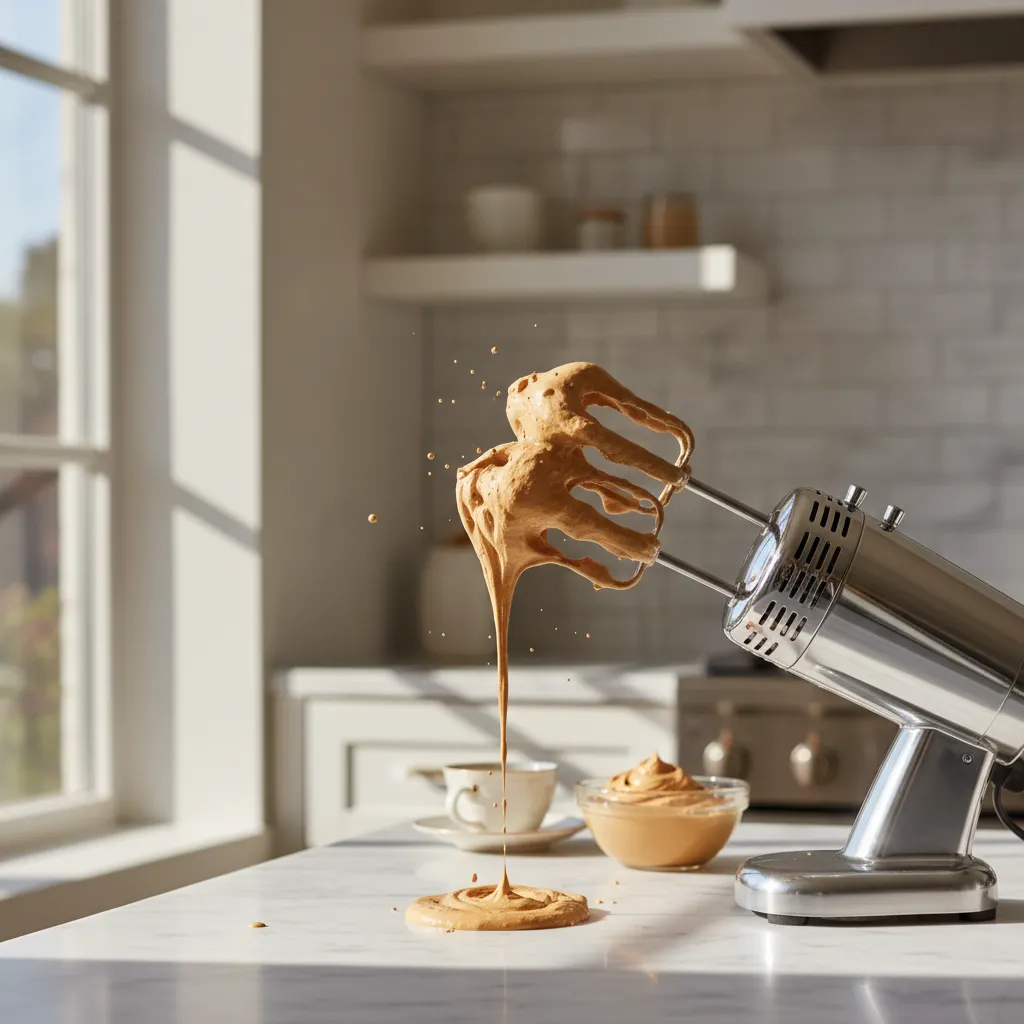
The temperature of your water acts as the catalyst. It must be boiling hot to instantly dissolve the coffee granules before aeration begins.
Using lukewarm water often results in a grainy texture. The granules fail to break down completely, leaving an unpleasant grit in the final mouthfeel.
Consider the ergonomics of your tools as well. While hand whisking is possible, it requires significant stamina to introduce enough air for stability.
If you enjoy experimenting with beverage textures, you might also appreciate the technique involved in Mastering Healthy Premier Protein Coffee Recipes.
Common Texture Failures and Fixes
Diagnosing your foam is the first step to correcting it. Use this checklist to identify where the structural breakdown occurred during the process.
- The Result is Runny: You likely did not whip long enough. The mixture transitions from dark liquid to pale foam. Keep going until it holds its shape.
- The Foam is Gritty: Your water was too cold to dissolve the sugar and coffee fully. Ensure the water is rolling boil hot when added.
- The Foam Collapses Quickly: There was likely not enough sugar in the ratio. Stick to the 1:1:1 rule for maximum durability.
- The Color is Too Dark: This indicates a lack of aeration. As air is incorporated, the refraction of light should turn the mixture a light toffee color.
The visual cue you are looking for is the “stiff peak.” When you lift the whisk, the foam should stand straight up without curling over itself.
Structure & Stability Secrets
- Use a narrow, high-walled vessel rather than a wide bowl to concentrate the whisking energy and allow the mixture to climb the sides for faster aeration.
- For the glossiest finish, ensure your water is at a rolling boil immediately before adding it to the mixture to guarantee the sugar ‘scaffold’ dissolves completely.
- If hand-whisking, employ a vigorous zig-zag motion rather than a circular one to break the surface tension more effectively and introduce air faster.
The Final Blueprint for Caffeine Elegance
Mastering whipped coffee is like finalizing a luxury floor plan. Precision in the 1:1:1 ratio ensures a structural masterpiece that delights the senses every single morning.
By selecting high-quality instant coffee and stabilizing with sugar, you create a velvet texture. This aesthetic cloud transforms a simple cup into a sophisticated design statement.
Architectural Coffee Inquiries
No, structural integrity requires instant coffee. Standard grounds lack the polymers needed to trap air, resulting in a failed loft rather than a glossy, stable peak.
Granulated sugar acts as a stabilizer for the foam framework. While some substitutes work, the texture may lose its density and collapse faster without real sugar crystals.
Much like a fresh coat of paint, it is best enjoyed immediately. However, you can store it in an airtight container for up to 48 hours before the aeration begins to settle.
Absolutely. Spoon the foam over steaming milk for a cozy experience. The heat softens the texture slightly, creating a rich, latte-like finish for your morning ritual.