


Living in a small house does not mean you have to feel trapped within four solid walls. A central courtyard can transform a tiny footprint into an expansive sanctuary. By bringing the sky and greenery into the heart of the home, these designs eliminate the boundaries between nature and architecture.
Courtyard gardens act as the lungs of a small house, providing fresh air and natural light to every room. They offer a private outdoor space that remains shielded from the noise of the street. This architectural feature allows residents to enjoy the changing seasons from the comfort of their living room.
In the following sections, we will explore twenty one unique small houses that utilize courtyards to maximize space. Each design offers a different approach to blurring the lines between the interior and the exterior. You will find inspiration for materials, plant choices, and spatial layouts that suit various climates.

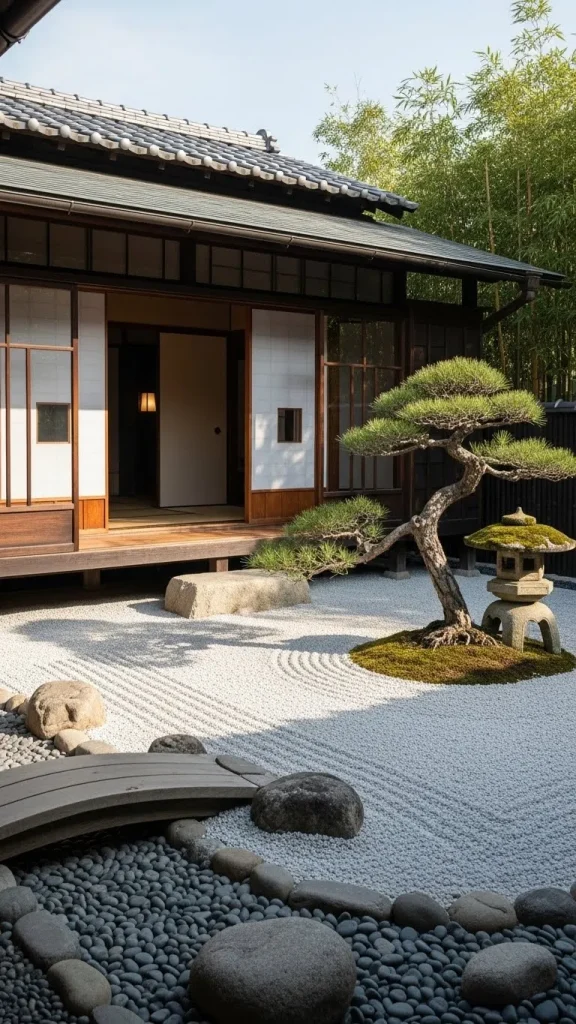
1. The Japanese Zen Sanctuary
The Japanese Zen Sanctuary focuses on the principle of Ma, which refers to the beauty of empty space. This small house features a central gravel courtyard that serves as a visual anchor for the surrounding rooms. Large wooden sliding doors allow the living area to fully merge with the garden.
The use of natural materials like cedar and light oak creates a warm atmosphere inside the home. The courtyard is intentionally sparse, featuring only a single maple tree and a few carefully placed stones. This minimalism prevents the small area from feeling cluttered or overwhelming.
By keeping the ground level consistent between the inside and outside, the floor seems to extend infinitely. This trick of the eye makes the compact interior feel much larger than its actual dimensions. The sound of a small water basin adds a layer of tranquility to the entire living environment.
DIY Tips
- Use light colored pea gravel to brighten dark corners of your outdoor space.
- Install a simple bamboo water spout to introduce calming sounds into your garden.
- Plant a single focal point tree like a Japanese Maple in a large ceramic pot.
- Use wooden slats to create a privacy screen that still allows light to filter through.
- Place smooth river stones around the base of your plants for a clean look.

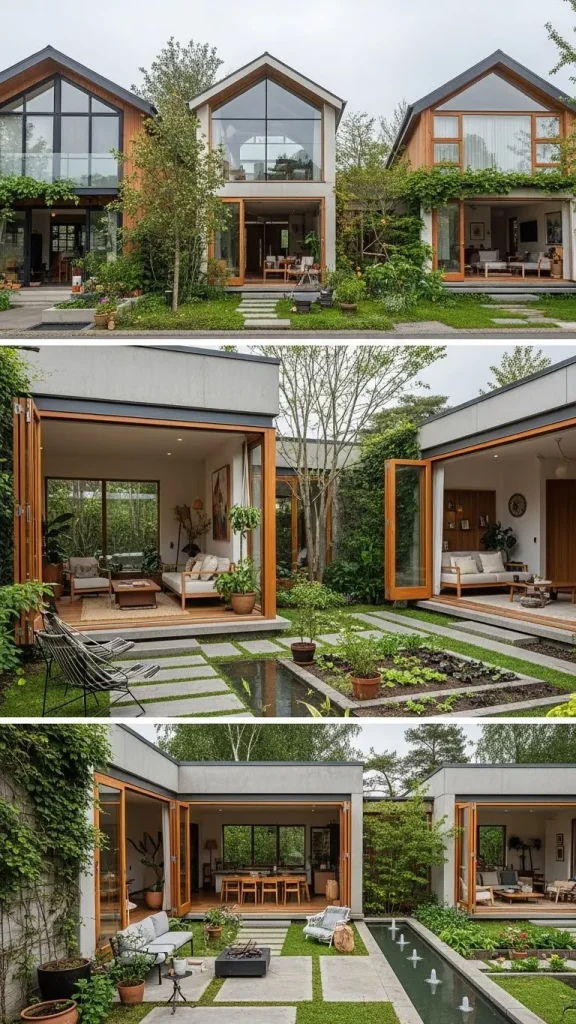
2. The Scandinavian Light Atrium
The Scandinavian Light Atrium is designed to capture every possible ray of sunlight during short winter days. This house is built around a glass enclosed courtyard that acts as a giant light well for the interior. The white walls reflect the brightness, ensuring that even the back corners of the house remain vibrant.
Natural pine flooring extends from the kitchen directly out onto the courtyard decking. This seamless transition encourages the residents to step outside for their morning coffee regardless of the temperature. The courtyard is filled with hardy evergreens that provide color even when the ground is covered in snow.
The furniture inside is kept low to ensure that views across the courtyard are never obstructed. Large windows on opposite sides of the garden create a transparent effect through the entire house. This design prioritizes a connection with the rhythm of the day and the movement of the sun.
DIY Tips
- Paint your exterior courtyard walls a crisp white to bounce more light indoors.
- Choose weather resistant light wood decking to match your interior flooring.
- Plant boxwood or other evergreens to maintain structure throughout the winter months.
- Use glass lanterns with candles to create a cozy atmosphere during the evening.
- Hang a large mirror on an outdoor wall to create the illusion of a bigger garden.


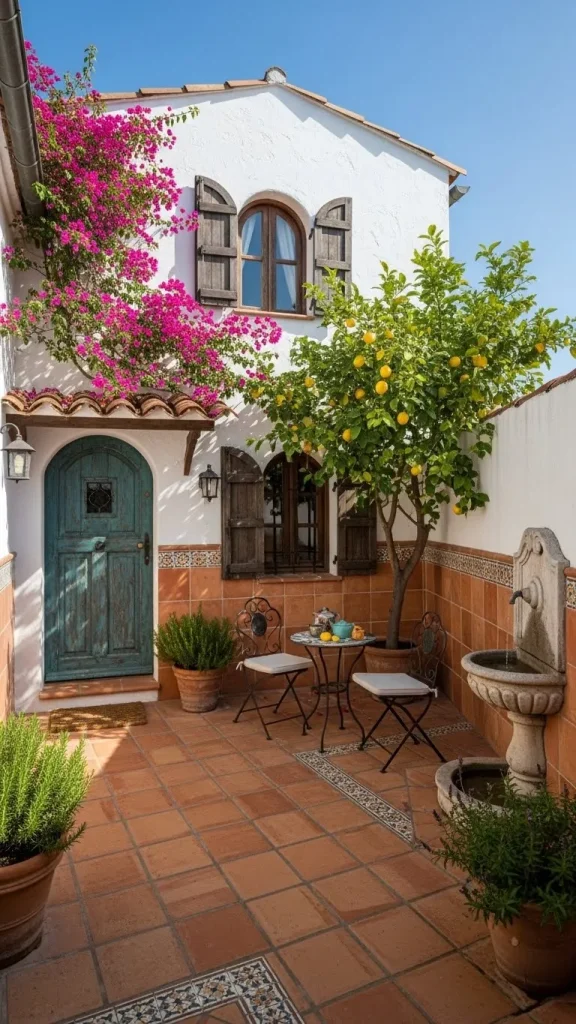
3. The Mediterranean Terracotta Court
This Mediterranean inspired home uses a central courtyard to provide natural cooling in a hot climate. The floors are covered in handmade terracotta tiles that stay cool underfoot even in the afternoon sun. A small fountain in the center of the court helps to lower the surrounding temperature through evaporation.
The walls are finished with a rough lime wash that gives the house a timeless and organic feel. Arched doorways lead from the bedrooms directly into the garden, which is filled with aromatic herbs like lavender and rosemary. The scent of these plants is carried into the house by the evening breeze.
Wrought iron furniture and climbing vines create a romantic atmosphere that feels like a private escape. The courtyard serves as the primary dining area for most of the year, doubling the usable living space. Thick stone walls provide insulation while the open sky above keeps the home feeling airy.
DIY Tips
- Mix different sizes of terracotta pots to create a layered and rustic look.
- Plant climbing jasmine or bougainvillea to cover vertical wall surfaces with color.
- Install a wall mounted fountain if you do not have space for a central water feature.
- Use colorful patterned tiles as a decorative border around your courtyard floor.
- Place a small bistro set in a corner to create a dedicated outdoor breakfast nook.

4. The Industrial Glass Box
The Industrial Glass Box uses steel frames and large glass panels to create a modern courtyard home. This design is perfect for urban environments where privacy is a priority but light is scarce. The courtyard is tucked away in the center, surrounded by black metal beams and polished concrete.
The interior features an open plan layout that wraps around the central garden. This ensures that every room has a view of the greenery, breaking up the harshness of the industrial materials. The courtyard itself might feature a simple concrete bench and a bed of architectural grasses.
Large pivot doors are used instead of traditional hinges to create wide openings to the outside. This allows the living room to become a covered porch during the summer months. The contrast between the cold metal and the soft green plants creates a visually stunning balance.
DIY Tips
- Use black spray paint on outdoor metal furniture to achieve a modern industrial look.
- Plant tall ornamental grasses to add movement and texture to a minimalist space.
- Install strip lighting under outdoor benches for a dramatic nighttime effect.
- Use large concrete pavers with narrow gaps filled with dark pebbles for a sleek floor.
- Add a few oversized metal planters to hold structural plants like yuccas or agaves.


5. The Tropical Rain Garden
The Tropical Rain Garden house is designed for high humidity and lush plant life. The courtyard is filled with large leafed plants like monsteras and ferns that thrive in the dappled light. A slatted wooden roof over the courtyard provides shade while allowing rain to reach the soil below.
The interior of the house uses dark tropical woods and woven textures to complement the garden. Wide openings without glass are often used in this climate to allow for maximum airflow. This creates a living experience where the boundaries between inside and outside are almost non-existent.
A small koi pond often sits at the base of the courtyard, adding a sense of movement and life. The sound of falling rain on the large leaves becomes a natural soundtrack for the home. This design turns a small urban lot into a private jungle retreat.
DIY Tips
- Group plants with different leaf shapes together to create a lush jungle feeling.
- Use a misting system to keep your tropical plants hydrated in drier weather.
- Decorate with natural materials like bamboo, rattan, and seagrass indoors.
- Plant a variety of ferns in the shaded corners of your courtyard.
- Add a hammock to your outdoor space for a relaxed and tropical vibe.


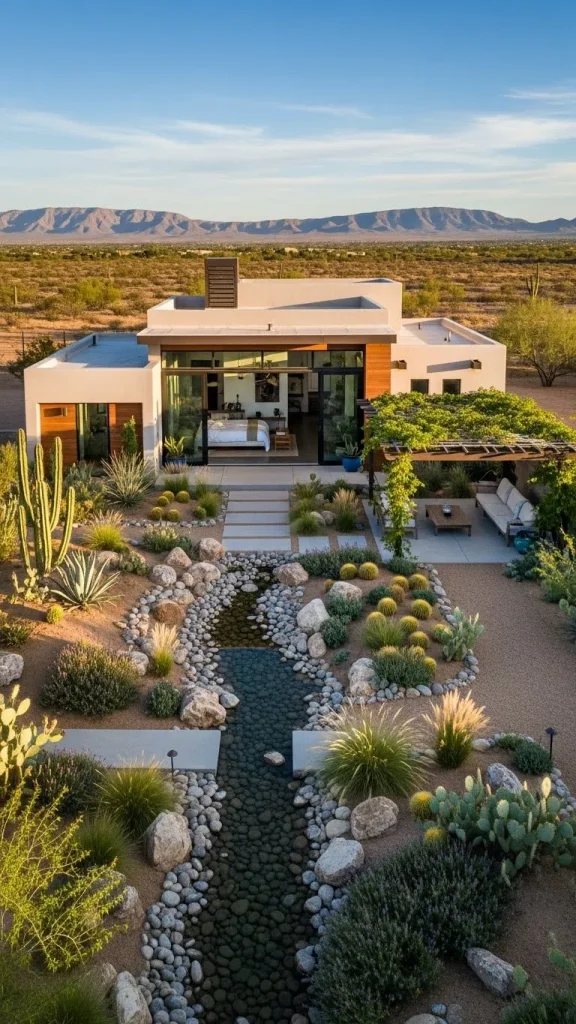
6. The Desert Xeriscape Retreat
The Desert Xeriscape Retreat is built to thrive in arid conditions with minimal water usage. The courtyard features a collection of cacti and succulents arranged in a bed of crushed volcanic rock. This low maintenance garden provides a striking visual contrast to the smooth plaster walls of the house.
Deep overhangs provide shade for the windows that face the courtyard, preventing the house from overheating. The color palette is inspired by the desert landscape, using sandy beiges and dusty oranges. The courtyard acts as a thermal chimney, drawing warm air up and out of the living spaces.
At night, the courtyard becomes a stargazing platform shielded from the wind. Outdoor fireplaces are common in these designs, extending the usability of the space into the cool desert nights. The simplicity of the planting allows the architectural lines of the house to stand out.
DIY Tips
- Use different colors and textures of gravel to create patterns on the ground.
- Choose native desert plants that require very little watering once established.
- Incorporate large boulders into your landscape to add height and visual interest.
- Install solar powered spotlights to highlight unique cactus shapes at night.
- Build a simple fire pit using heat resistant bricks for chilly evenings.

7. The Victorian Conservatory Style
The Victorian Conservatory Style house uses a glass roofed courtyard to create a year round garden. This design is ideal for colder climates where an open courtyard would be unusable for half the year. The glass enclosure keeps the heat in while allowing the sun to nourish a variety of indoor plants.
Ornate ironwork and checkered tile floors give the space a classic and elegant feel. The conservatory often acts as a transition zone between the kitchen and the main living area. It provides a bright spot for reading or dining even on the grayest winter days.
Traditional furniture with plush cushions makes the courtyard feel like a true extension of the interior. The sound of rain tapping on the glass roof adds a cozy element to the home. This design proves that you can have a lush garden even in the middle of a cold city.
DIY Tips
- Use vintage style floor tiles to give your space a historical character.
- Hang hanging baskets at different heights to fill the vertical space with greenery.
- Add a comfortable armchair or a small sofa to encourage lounging in the sun.
- Use white lace curtains to soften the light and add a touch of Victorian charm.
- Keep a collection of flowering indoor plants like orchids or begonias for pops of color.


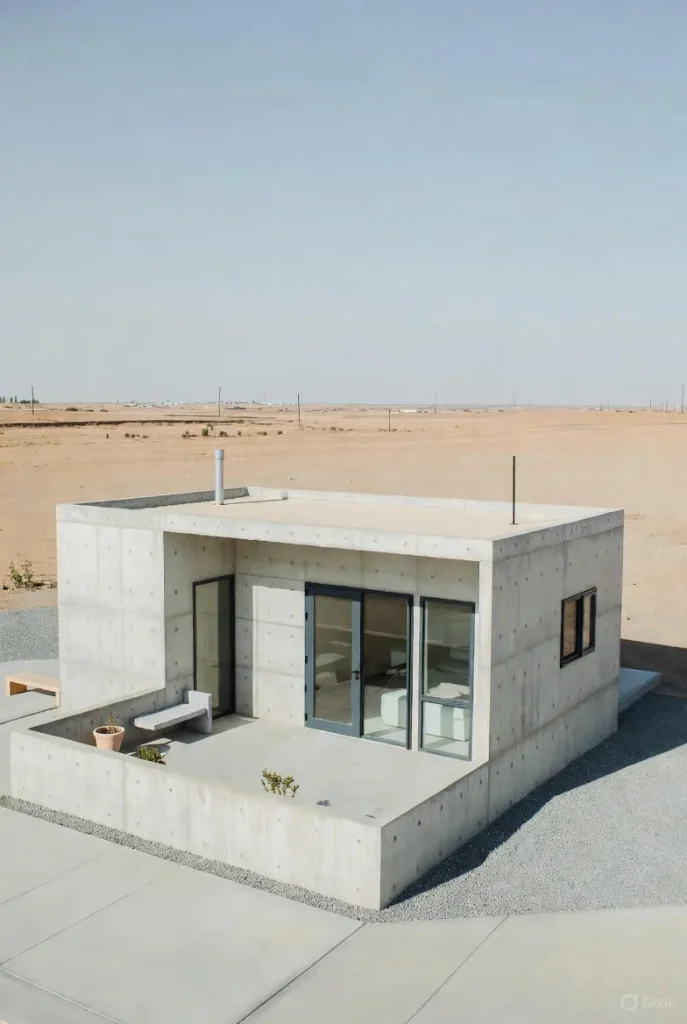
8. The Minimalist Concrete Void
The Minimalist Concrete Void focuses on the interplay of light and shadow on raw surfaces. This house features a courtyard that is essentially a cut out in a solid concrete block. The starkness of the gray walls highlights the green of a single tree or a patch of grass.
The interior is kept equally simple with hidden storage and integrated furniture. The courtyard is often visible from every room through floor to ceiling glass partitions. This creates a sense of transparency and lightness despite the heavy construction materials used.
Drainage is hidden beneath the floor surface to maintain a clean and uncluttered look. The courtyard serves as a meditative space where the focus is on the sky above. This architectural approach is perfect for those who seek a quiet and disciplined living environment.
DIY Tips
- Use concrete sealer on your outdoor floors to protect them and give a polished finish.
- Choose a single species of plant for the entire courtyard to maintain a minimalist look.
- Build integrated concrete planters that match the walls for a seamless appearance.
- Use hidden LED strips to light the walls from the bottom up at night.
- Keep the space free of decorative clutter to emphasize the architecture.

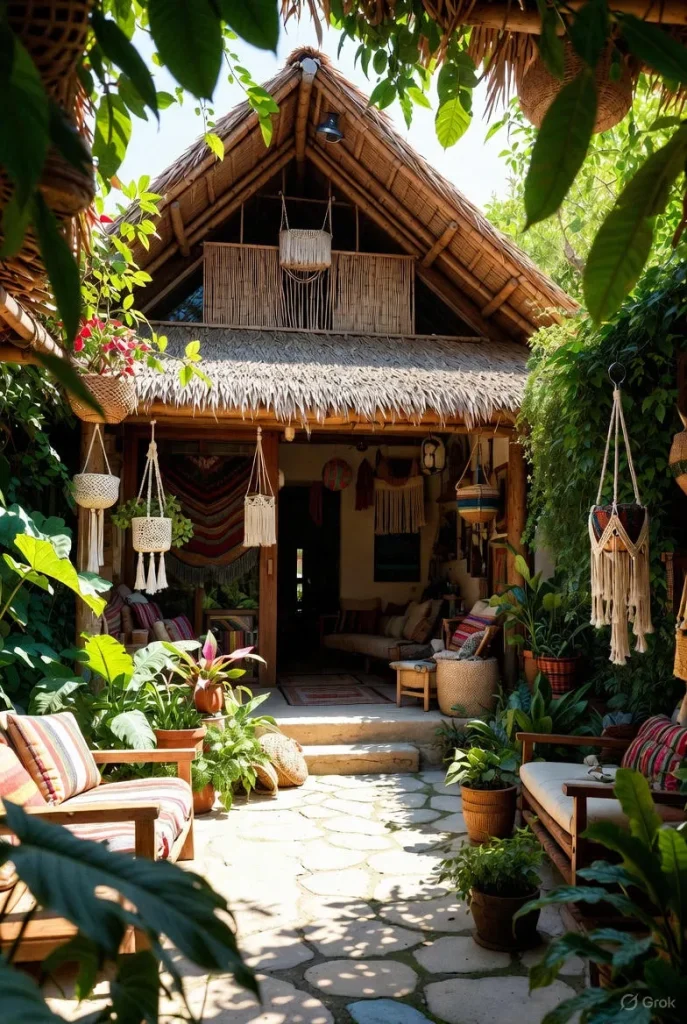
9. The Bohemian Jungle Nook
The Bohemian Jungle Nook is all about texture, color, and an abundance of plants. The courtyard is often small but packed with life, using every available inch for greenery. Colorful textiles and floor cushions make the outdoor space feel like an outdoor living room.
Strings of fairy lights and lanterns are draped across the courtyard for a magical evening glow. The house itself might feature reclaimed wood and mismatched vintage finds that add to the eclectic charm. There is no strict order here, as the goal is to create a space that feels lived in and loved.
The courtyard is a place for creativity, often featuring art pieces or a small potting bench. The blur between indoors and outdoors is achieved through a shared aesthetic of cozy chaos. This design is perfect for those who want their home to feel like a vibrant and personal sanctuary.
DIY Tips
- Layer multiple outdoor rugs to create a soft and colorful floor surface.
- Hang a variety of wind chimes and sun catchers to add movement and sound.
- Use old wooden crates as tiered plant stands for your collection.
- Mix and match different styles of pots for a curated but casual look.
- Create a DIY macrame plant hanger to utilize the vertical space in your court.

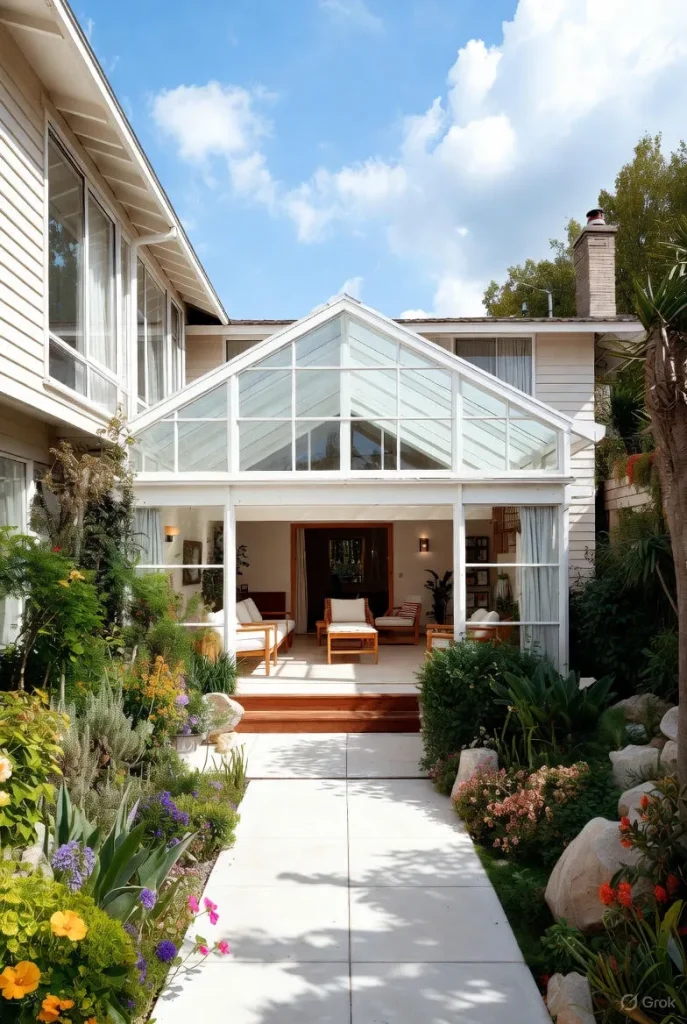
10. Mid-Century Modern Atrium
The Mid-Century Modern Atrium stays true to the 1950s philosophy of bringing the outdoors in. This house typically features a central atrium with glass walls on all four sides. The roofline often extends over the courtyard to create a sheltered walkway around the perimeter.
Functional and stylish furniture in materials like plywood and chrome fills the interior. The courtyard often features a simple lawn or a collection of architectural plants like snake plants and palms. The layout is designed to facilitate easy movement between the different wings of the house.
This design emphasizes horizontal lines and a connection to the natural landscape. The atrium provides a safe and private space for children to play or for adults to host dinner parties. It is a classic example of how a courtyard can make a small house feel luxurious and open.
DIY Tips
- Look for vintage mid century furniture at thrift stores to give your home authentic style.
- Plant structural plants like Sansevieria or Monsteras for a period accurate look.
- Use globe shaped lights to illuminate your courtyard in a classic 50s style.
- Paint an accent wall in a bold color like orange or teal to pop against the greenery.
- Keep the lawn neatly trimmed to maintain the clean lines of the era.

11. The English Rose Courtyard
The English Rose Courtyard brings the charm of a traditional country garden into an urban setting. This small house features a courtyard filled with climbing roses and hydrangeas. The scent of the flowers fills the house during the summer months when the windows are left open.
Cobblestone or brick flooring adds a sense of history and warmth to the outdoor space. Small bird feeders and baths are placed among the plants to attract local wildlife. The interior is decorated in a cozy cottage style with soft fabrics and floral prints.
A small wooden bench nestled among the flowers provides a perfect spot for afternoon tea. The courtyard is designed to be a romantic and soft escape from the busy world outside. It proves that even a tiny space can hold the beauty of a full sized garden.
DIY Tips
- Plant climbing roses on a wooden trellis to add height and fragrance.
- Use aged bricks to create a classic herringbone pattern for your courtyard floor.
- Place a small stone birdbath in the center to invite nature into your home.
- Grow a variety of traditional herbs in terracotta pots for both beauty and utility.
- Add a weathered wooden bench with some outdoor cushions for a comfortable seat.


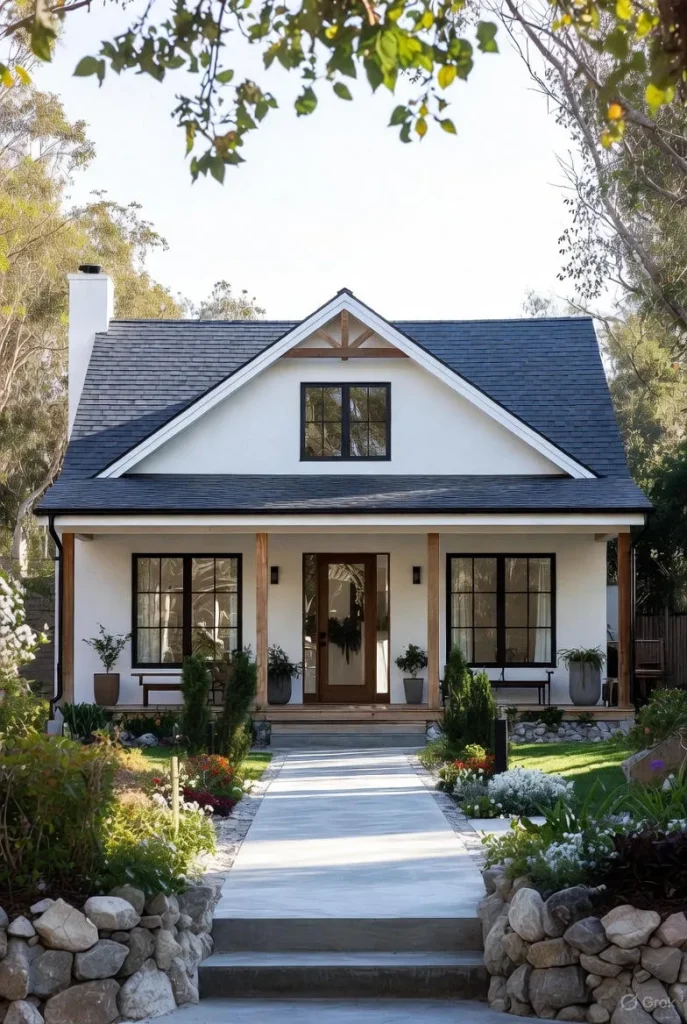
12. Modern Farmhouse Pocket
The Modern Farmhouse Pocket combines rustic charm with clean contemporary lines. This house features a courtyard that uses materials like reclaimed wood and black metal hardware. The garden often includes a raised vegetable bed or a small fruit tree.
Inside, the house features vaulted ceilings and white shiplap walls that make the space feel airy. The courtyard is accessed through large sliding barn doors that add a touch of farmhouse character. This design is perfect for those who want a home that feels grounded and connected to the earth.
The courtyard acts as a functional extension of the kitchen, providing fresh ingredients for cooking. Outdoor lighting is often provided by simple barn style sconces. This approach creates a warm and inviting atmosphere that is both practical and beautiful.
DIY Tips
- Build your own raised garden beds using cedar planks for a clean look.
- Install a sliding barn door to save space and add a rustic touch to your interior.
- Use black metal lanterns to light the path through your courtyard.
- Plant a dwarf citrus tree in a large pot for fresh fruit in a small space.
- Use white paint on your interior walls to keep the small house feeling bright.

13. Zen Rock Garden Flat
The Zen Rock Garden Flat is a masterpiece of low maintenance and high impact design. The courtyard consists entirely of raked sand, large rocks, and a few patches of moss. This creates a peaceful environment that requires very little upkeep compared to a traditional garden.
The house uses large glass walls to ensure the rock garden is always visible from the main living area. This visual connection provides a sense of calm and order that permeates the entire home. The minimalist aesthetic is carried through the interior with clean lines and a neutral color palette.
Raking the sand can become a meditative practice for the residents, helping them to destress. The lack of tall plants ensures that the courtyard never blocks the natural light coming into the rooms. This design is ideal for busy professionals who want a serene home without the work of gardening.
DIY Tips
- Use a wooden rake to create swirling patterns in a bed of fine sand.
- Select rocks with interesting shapes and textures to serve as natural sculptures.
- Plant small patches of moss in the shaded areas for a touch of green.
- Use hidden spotlights to create dramatic shadows on the rocks at night.
- Keep the color palette of your interior furniture neutral to match the garden.

14. Vertical Green Wall Studio
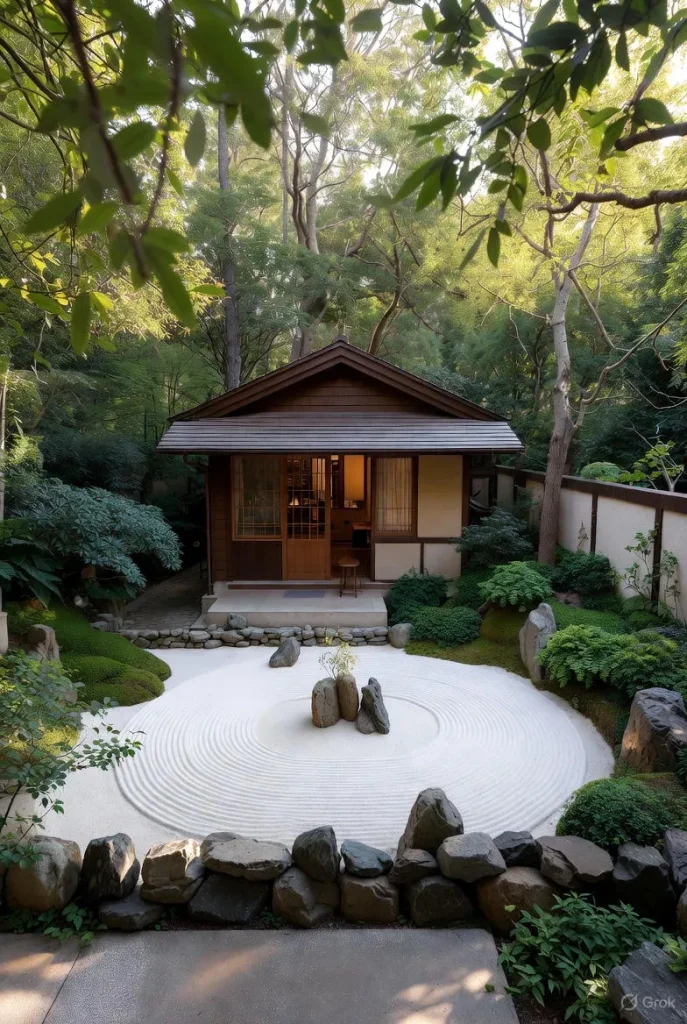
The Vertical Green Wall Studio is the ultimate solution for extremely small houses with limited ground space. Instead of a traditional floor garden, one or more walls of the courtyard are covered in living plants. This maximizes the amount of greenery without taking up any precious square footage.
The vertical garden acts as a natural air purifier and a sound insulator for the home. Inside, the studio is designed with multifunctional furniture to make the most of the compact area. The green wall is visible through large windows, providing a vibrant backdrop for daily life.
An automated irrigation system is usually hidden behind the plants to make maintenance easy. This design turns a narrow light well into a spectacular vertical forest. It is a brilliant example of how technology can help us bring nature into the densest urban environments.
DIY Tips
- Use a modular pocket system to easily install a vertical garden on an exterior wall.
- Choose a mix of trailing plants and upright ferns for a full and varied look.
- Install a simple drip irrigation kit to ensure your vertical plants stay hydrated.
- Use a liquid fertilizer in your watering system to keep the wall lush and green.
- Place a small mirror opposite the green wall to double its visual impact.

15. Spanish Colonial Cloister
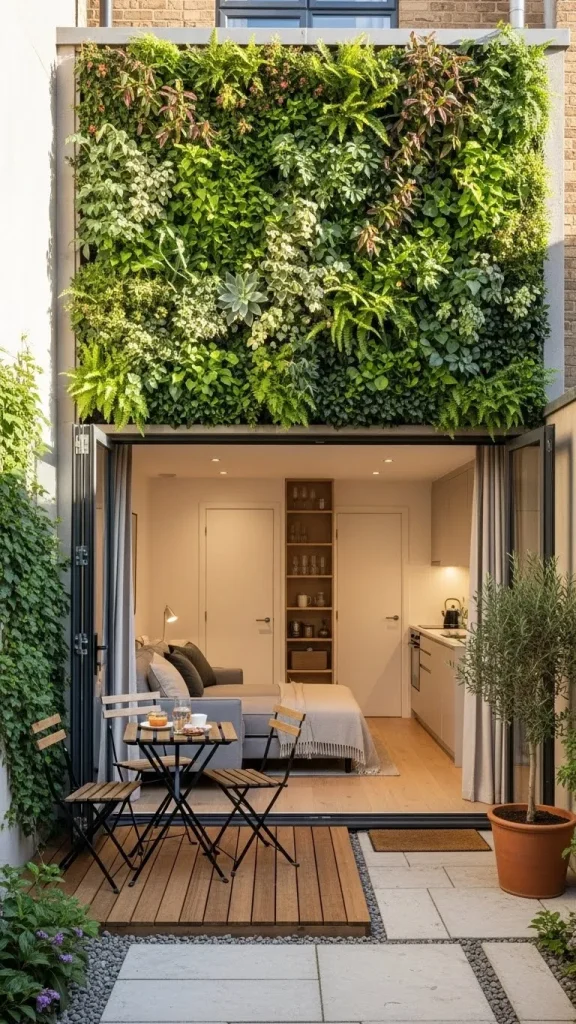
The Spanish Colonial Cloister house is built around a central walkway that overlooks a garden. This traditional layout provides shade and ventilation while creating a beautiful focal point. The courtyard often features a mix of potted palms and bright flowering plants like hibiscus.
Heavy wooden beams and white plaster walls give the interior a solid and historic feel. The courtyard floor is typically paved with decorative tiles that reflect the rich cultural heritage of the style. This design creates a sense of enclosure and security that is very comforting.
The sound of water from a central fountain echoes through the covered walkways. This creates a cool and refreshing atmosphere that is perfect for hot summer days. The cloister design is a timeless way to integrate a garden into the very structure of a home.
DIY Tips
- Use brightly colored talavera tiles to decorate the edges of your courtyard steps.
- Hang wrought iron planters on the walls to add greenery at eye level.
- Plant a mix of succulents and flowering tropicals for a diverse garden.
- Use dark wood stain on any outdoor timber to match the colonial style.
- Place a small fountain in the center of your space to create a cooling effect.

16. Coastal Sand Garden
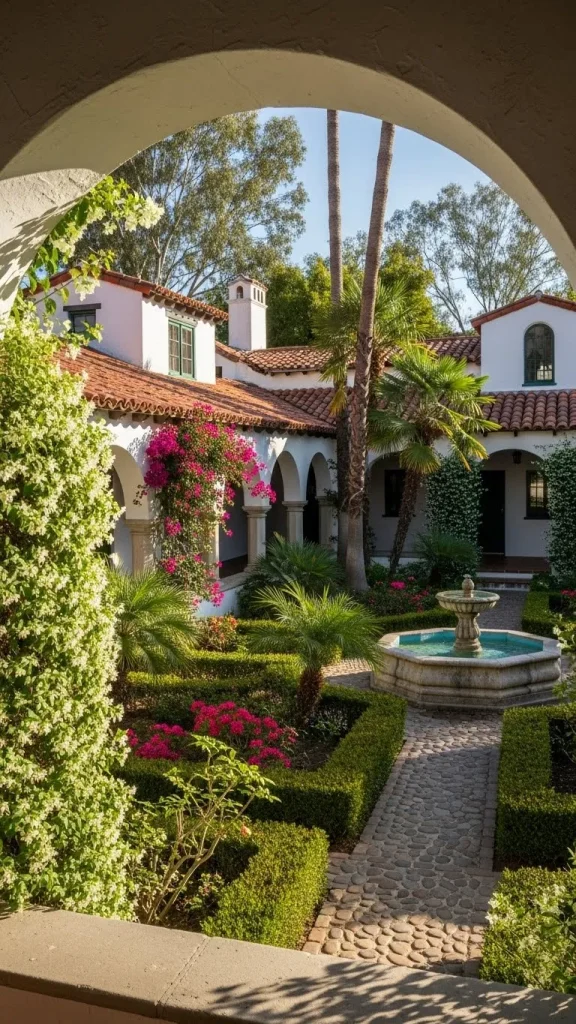
The Coastal Sand Garden house is designed for a relaxed lifestyle by the sea. The courtyard features a floor of soft white sand instead of grass or pavers. This encourages a barefoot lifestyle where the transition from the beach to the home is seamless.
Weathered wood and light blue accents dominate the interior decor, reflecting the colors of the ocean. The courtyard might include a few pieces of driftwood and some hardy coastal grasses. This low maintenance approach fits perfectly with the laid back atmosphere of a beach house.
A simple outdoor shower is often tucked into a corner of the courtyard for rinsing off after a swim. Large folding doors allow the salt breeze to flow through the entire house. This design is all about simplicity and a deep connection to the coastal environment.
DIY Tips
- Use play sand or crushed shells to create a beach like floor for your courtyard.
- Incorporate pieces of driftwood you find on the beach as natural decor.
- Plant sea oats or other salt tolerant grasses that can handle the wind.
- Install an outdoor shower head on a wooden fence for a practical beach feature.
- Use light colored fabrics for your outdoor cushions to resist fading in the sun.

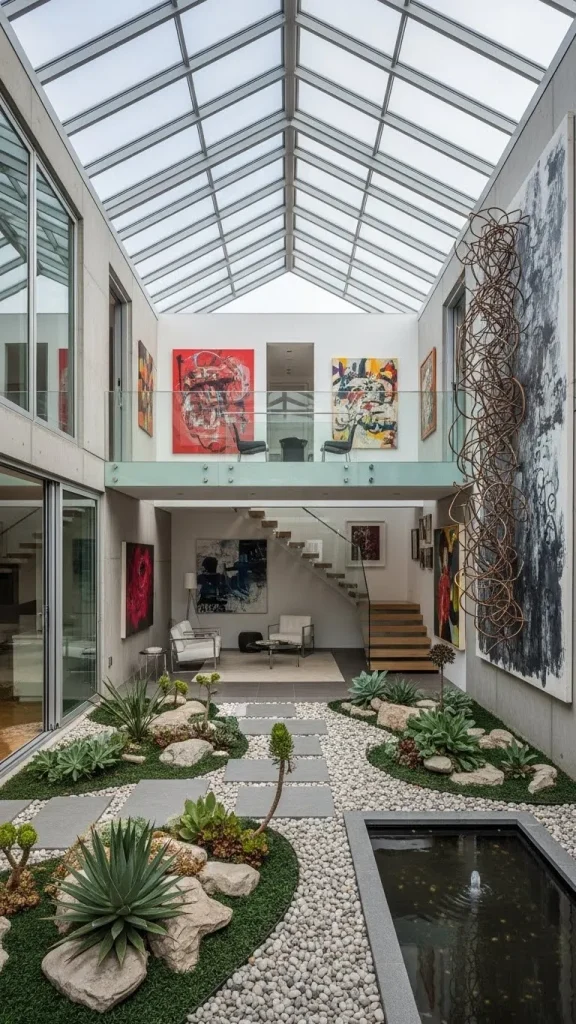
17. Contemporary Art Atrium
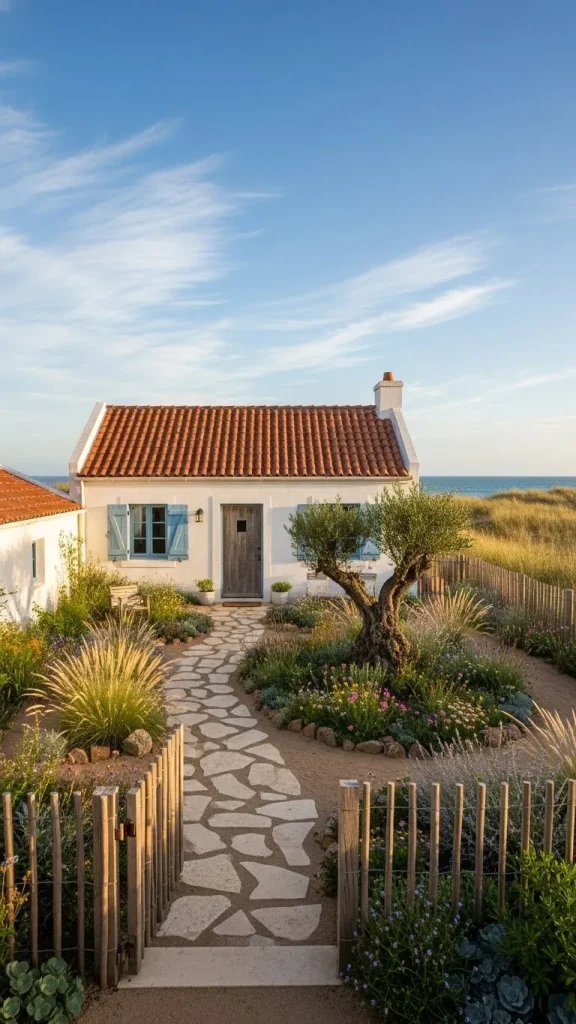
The Contemporary Art Atrium treats the courtyard as a private gallery space. The walls are designed to showcase outdoor sculptures and wall mounted art pieces. The garden elements are kept minimal to ensure the focus remains on the artwork.
Polished metal, glass, and smooth stone are the primary materials used in this house. The interior is open and bright, with large windows that act as frames for the art in the courtyard. This design is perfect for collectors who want to enjoy their pieces from every room.
Strategic lighting is used to highlight the sculptures during the evening hours. The courtyard becomes a sophisticated space for entertaining guests and discussing art. It proves that a garden can be much more than just a collection of plants.
DIY Tips
- Use weather resistant materials like bronze or treated steel for your outdoor art.
- Install adjustable spotlights to change the focus of your courtyard at night.
- Create a simple pedestal using a concrete block to display a favorite sculpture.
- Use a neutral background wall color to make your artwork stand out.
- Keep the planting very simple, such as a single type of low growing grass.

18. Reclaimed Wood Sanctuary
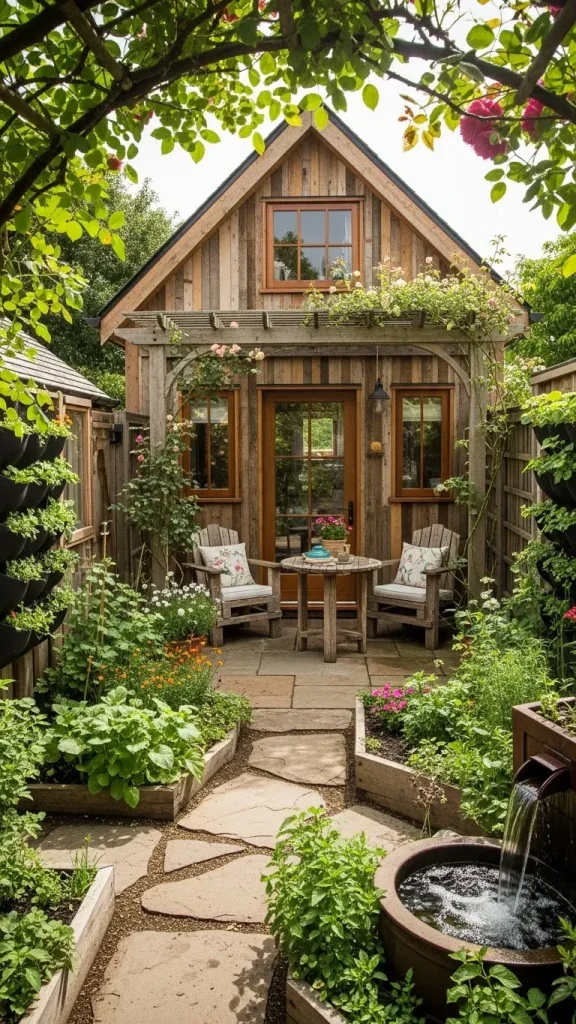
The Reclaimed Wood Sanctuary uses recycled materials to create a warm and sustainable home. The courtyard walls and decking are made from salvaged timber that has a rich history. This gives the house a unique character that cannot be replicated with new materials.
Inside, the home features exposed beams and handmade furniture that complement the rustic courtyard. The garden is filled with native plants that require little water and support local pollinators. This design is perfect for those who prioritize environmental responsibility and natural beauty.
A small wood burning stove in the courtyard provides a cozy spot for gathering during the autumn months. The texture of the old wood adds a tactile quality to the space that feels very grounded. This approach shows that luxury can be found in the reuse and repurpose of materials.
DIY Tips
- Source old pallets or barn wood to create a unique feature wall in your garden.
- Use natural oils to protect your reclaimed wood without hiding its character.
- Plant a variety of wildflowers to attract bees and butterflies to your courtyard.
- Build a simple bench out of thick timber offcuts for a rugged look.
- Use old glass bottles as decorative borders for your garden beds.

19. High Tech Smart Garden
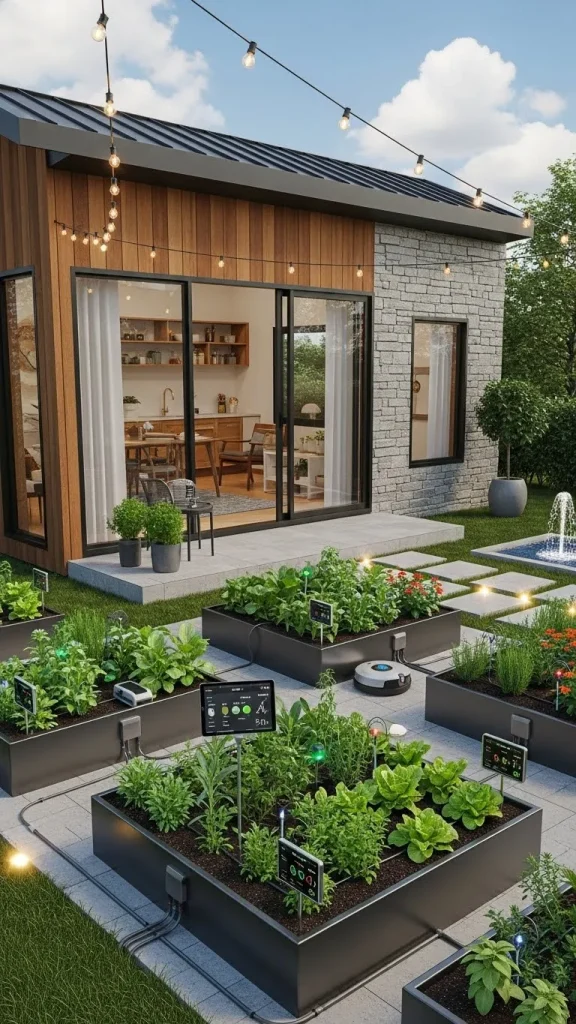
The High Tech Smart Garden house uses the latest technology to manage the indoor outdoor connection. The courtyard features automated glass walls that open and close based on the weather. A smart irrigation system ensures that every plant receives the perfect amount of water.
The interior is sleek and modern, with integrated systems for lighting and climate control. The courtyard garden might feature color changing LED lights that can be controlled from a phone. This design is perfect for those who love gadgets and want a highly functional home.
Sensors in the soil can alert the owner when the plants need extra nutrients. This level of control allows for a lush garden even for those who do not have a green thumb. It is a futuristic approach to blurring the lines between nature and the digital world.
DIY Tips
- Install a smart outdoor plug to control your garden lights with your voice.
- Use a Wi-Fi connected irrigation controller to manage watering from anywhere.
- Add a solar powered weather station to monitor the conditions in your courtyard.
- Use LED strips that can change colors to suit your mood or the season.
- Set up an outdoor camera to watch the local birds and wildlife in your garden.

20. Rustic Stone Enclosure
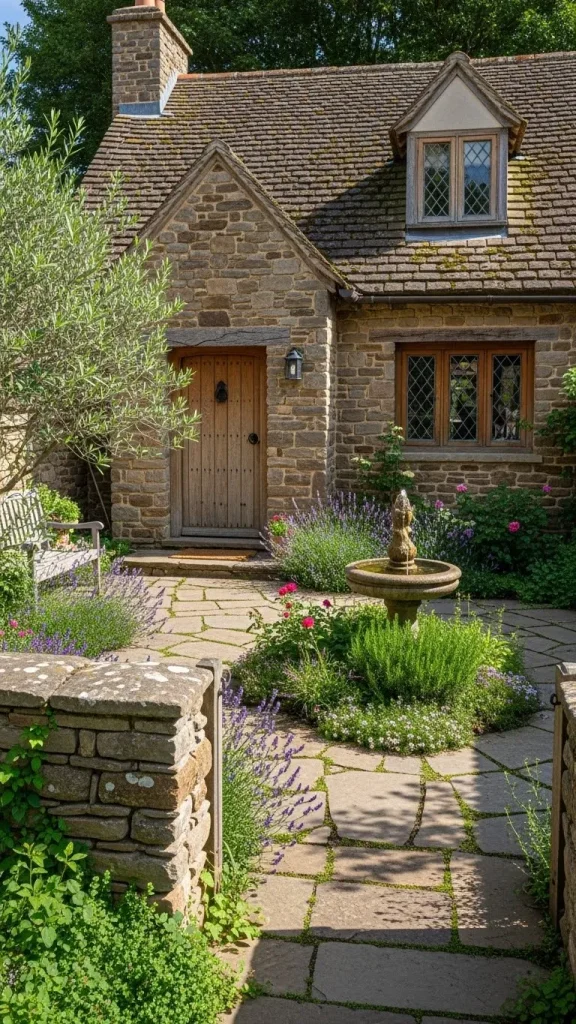
The Rustic Stone Enclosure is built using traditional masonry techniques to create a solid and cozy home. The courtyard is surrounded by thick stone walls that provide excellent insulation and privacy. The garden features a mix of hardy shrubs and climbing ivy that softens the stone.
Inside, the house has a warm and cave like feel with deep window sills and wooden floors. The courtyard acts as a private sun trap, capturing and holding the heat during the day. This design is perfect for hilly or mountainous regions where protection from the elements is key.
A stone hearth in the courtyard allows for outdoor cooking over an open flame. The timeless quality of the stone ensures that the house will age beautifully over many decades. This design feels like a permanent and secure anchor in the landscape.
DIY Tips
- Use local stones to build a small dry stack wall for your garden beds.
- Plant ivy or creeping fig to grow directly onto the stone surfaces.
- Create a simple stone path using irregular flags for a natural look.
- Use a heavy iron grate over a fire pit for a rustic outdoor cooking area.
- Place a large stone trough as a unique and durable planter for your courtyard.

21. Tiny Mirrored Reflection Court
The Tiny Mirrored Reflection Court uses optical illusions to make a very small space feel huge. Large mirrored panels are placed on the courtyard walls to reflect the plants and the sky. This creates the feeling of a much larger garden that extends beyond the house.
The house itself is designed with minimalism in mind to avoid competing with the reflections. Glass floors or walls are used to increase the sense of transparency and light throughout the home. This design is a clever solution for the tightest urban plots where every inch counts.
The plants are chosen for their interesting shapes which look great when doubled in the mirrors. Small water features are also used to add another layer of reflection and movement. This approach turns a tiny light well into a mesmerizing and expansive focal point.
DIY Tips
- Use acrylic mirrors instead of glass for a safer and lighter outdoor option.
- Position your mirrors so they reflect the most attractive parts of your garden.
- Keep the mirrors clean to maintain the clarity of the reflection.
- Plant symmetrical groups of plants to create interesting patterns in the mirrors.
- Use a narrow reflecting pool to add depth and light to a small ground area.


Conclusion
Small houses with courtyard gardens offer a unique way to live in harmony with nature. By breaking down the walls between the inside and the outside, these homes feel larger and more vibrant. Whether you prefer a minimalist Zen space or a lush tropical retreat, a courtyard can transform your living experience.
These twenty one examples show that there are no limits to what can be achieved in a small footprint. From the use of smart technology to the application of ancient architectural principles, courtyards remain a powerful tool for modern living. They provide the light, air, and peace that we all crave in our daily lives.
By incorporating some of the DIY tips provided, you can begin to blur the lines in your own home. Even the smallest outdoor space can be turned into a sanctuary with a little creativity and planning. A courtyard is more than just a garden, it is the heart of a home that breathes with the world outside.