
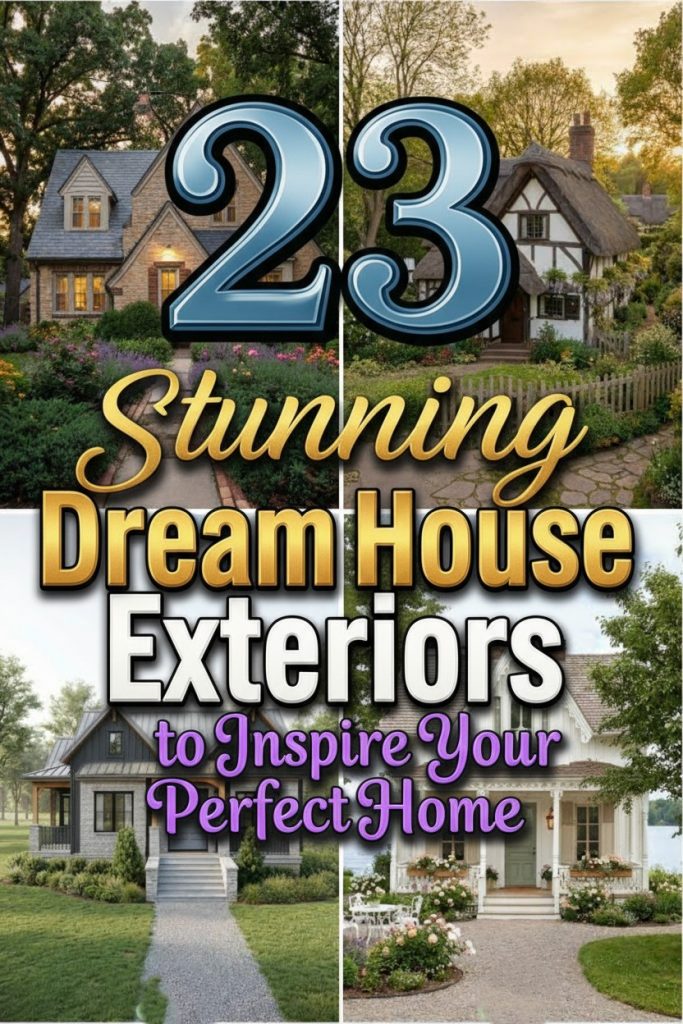

Choosing the right exterior for your home is one of the most significant decisions you will ever make. It sets the tone for the entire property and reflects your personal style to the world. A well designed facade creates an immediate emotional connection.
The exterior architecture tells a story about the history and character of the building. It influences the curb appeal and the overall value of your investment. There are countless styles to choose from, ranging from historical to futuristic.
Finding inspiration is the first step toward building or renovating your dream home. You might prefer the clean lines of modern design or the intricate details of the Victorian era. The goal is to find a look that feels authentically you.
This guide explores twenty three distinct architectural styles to spark your imagination. We will dive into the specific features that define each look. You will also find practical advice on how to achieve these aesthetics yourself.

1. The Modern Minimalist Masterpiece
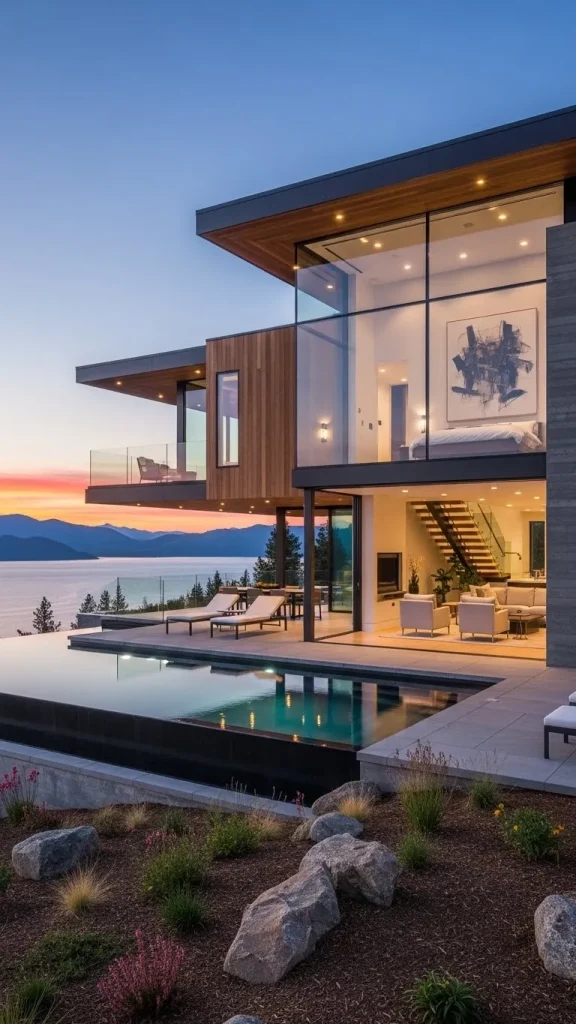
The modern minimalist home is defined by its refusal to use excess decoration. It relies on the beauty of clean geometric forms and sharp angles. The silhouette is usually asymmetrical and strikingly simple.
Flat roofs are a signature element that gives these homes a sleek profile. They often extend out to create covered patios or carports without adding visual clutter. This horizontal emphasis helps ground the house to its site.
Glass is a primary material used to dissolve the barrier between inside and out. Floor to ceiling windows allow natural light to flood the interiors. They also turn the surrounding landscape into a living part of the home decor.
The color palette is strictly limited to neutrals like white, black, and gray. This restraint allows the architectural shape to take center stage. Textures like smooth stucco or raw concrete provide visual interest without chaos.
Industrial materials such as steel and concrete are frequently exposed. They are celebrated for their strength and honest appearance. Warm wood accents are often added to prevent the home from feeling too cold.
DIY Tips for Modern Minimalist Exteriors:
- Paint your front door a matte black or charcoal gray for a sleek focal point.
- Swap out ornate house numbers for a large and simple sans serif font.
- Install geometric wall sconces with cool toned LED bulbs for modern lighting.
- Create a simple gravel pathway using crushed granite or gray stones.
- Remove overgrown shrubs to reveal the sharp architectural lines of the house.
- Clean all windows thoroughly to maximize transparency and reflection.

2. The Contemporary Farmhouse
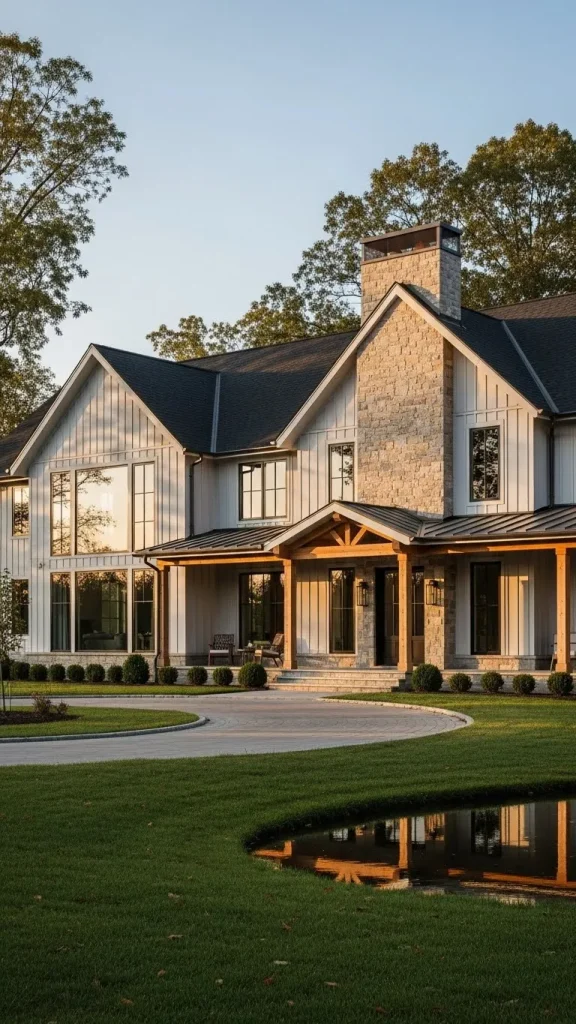
The contemporary farmhouse blends rural heritage with sophisticated modern living. It has become a dominant trend because it feels both nostalgic and fresh. The style evokes a sense of comfort and family tradition.
White vertical board and batten siding is the most recognizable feature. It creates a crisp and clean backdrop that looks good in any season. This siding is durable and adds a subtle texture to the walls.
High contrast is essential to achieving this specific look. Dark metal roofs, often in black or bronze, provide a striking counterpoint to the white walls. This juxtaposition makes the home pop against the sky.
Black window frames are another non negotiable element for this style. They add a modern industrial edge to the classic farmhouse shape. The windows are typically large to let in plenty of sunlight.
Wide and welcoming front porches are a staple of the farmhouse aesthetic. They encourage outdoor living and engagement with the neighborhood. Timber columns and metal railings often complete the porch design.
DIY Tips for Contemporary Farmhouse Exteriors:
- Install board and batten shutters painted in a deep matte black.
- Place galvanized metal planters with tall grasses on your front porch.
- Wrap existing porch columns with natural cedar boards for warmth.
- Hang a simple greenery wreath on the front door to add a soft touch.
- Swap standard outdoor lights for black gooseneck barn fixtures.
- Add a wooden rocking chair or a porch swing to the entryway area.

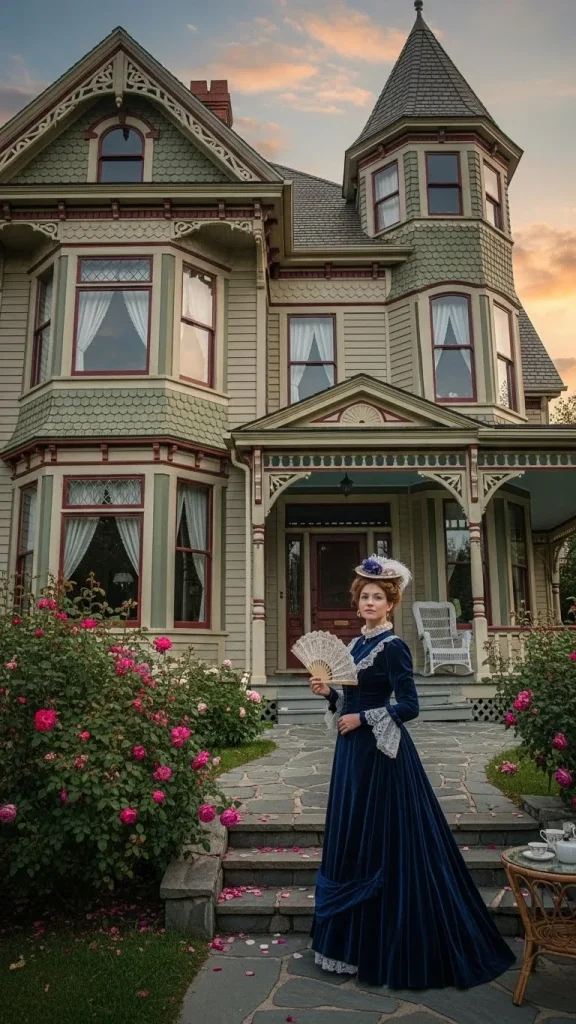
3. The Timeless Victorian Lady
Victorian homes are the jewelry boxes of the architectural world. They are known for their intricate craftsmanship and decorative excesses. Every inch of the facade is treated as a canvas for artistic expression.
Steeply pitched roofs with irregular shapes create a dramatic silhouette. You will often see turrets or towers rising from the corners. These vertical elements give the home a castle like appearance.
The exterior is typically clad in textured shingles or narrow clapboards. These surfaces are often painted in three or more contrasting colors. This “painted lady” effect highlights the complex trim work.
Bay windows are a beloved feature that adds dimension to the flat walls. They project outward to create cozy interior nooks and window seats. Stained glass often decorates the upper sash of these windows.
Expansive wrap around porches provide generous outdoor living space. They feature turned spindles, carved brackets, and decorative railings. The asymmetry of the design keeps the eye moving across the facade.
DIY Tips for Victorian Exteriors:
- Paint your window trim a contrasting accent color to highlight the shape.
- Add decorative wooden corbels under the roof eaves for instant character.
- Plant colorful flower beds with hydrangeas and roses along the foundation.
- Install a vintage style door knocker in polished brass.
- Use patterned Victorian tiles for the porch floor surface.
- Repair and repaint any peeling gingerbread trim to keep it crisp.

4. The Mediterranean Villa
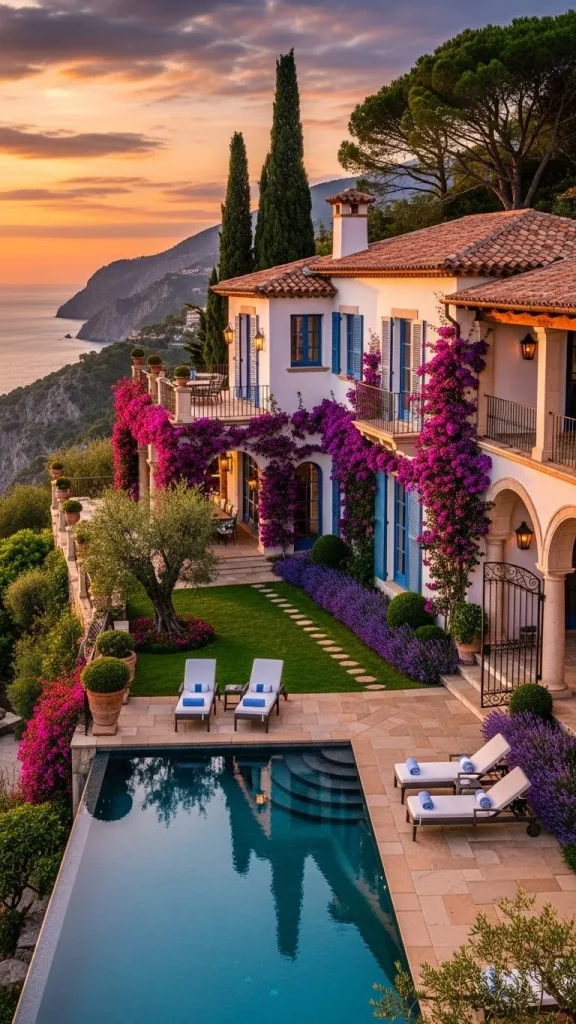
This style brings the sun drenched warmth of Europe to your doorstep. It draws inspiration from the coastal architecture of Spain, Italy, and Greece. The look is synonymous with relaxed luxury and indoor outdoor living.
Stucco walls are the defining material for the Mediterranean aesthetic. They are often painted in warm earth tones like terracotta, beige, or cream. This heavy masonry helps keep the interior cool in hot climates.
Red barrel tile roofs provide the signature silhouette for these homes. The tiles add rich texture and cultural authenticity to the design. Low pitched rooflines are typical and extend into wide overhangs.
Arched doorways and windows soften the structure with elegant curves. These openings often lead to balconies or courtyards. Heavy wooden doors with iron hardware anchor the entryway.
Wrought iron is a key decorative element used throughout the exterior. It appears on window grilles, stair railings, and balcony enclosures. Lush gardens with fountains often complete the villa atmosphere.
DIY Tips for Mediterranean Exteriors:
- Place large terracotta pots with olive or citrus trees near the entry.
- Paint your front door a rich turquoise or deep espresso brown.
- Install wrought iron window boxes filled with vibrant red geraniums.
- Add mosaic tile numbers to your mailbox post or house wall.
- Replace outdoor lighting with heavy iron lantern fixtures.
- Plant climbing bougainvillea to frame an archway or garage door.

5. The Mid-Century Modern Retreat
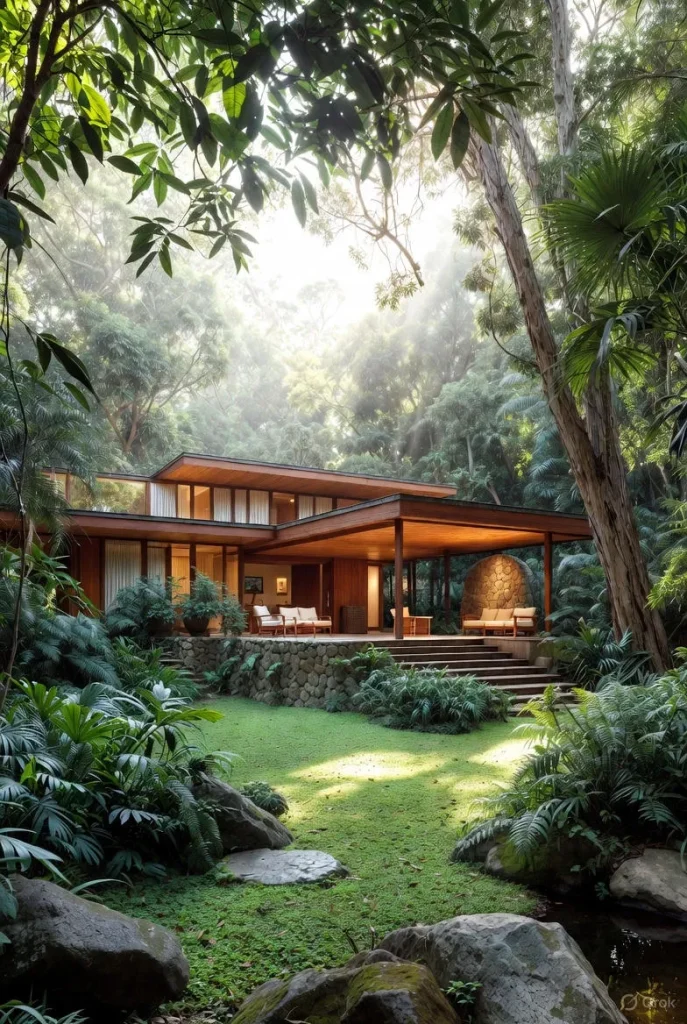
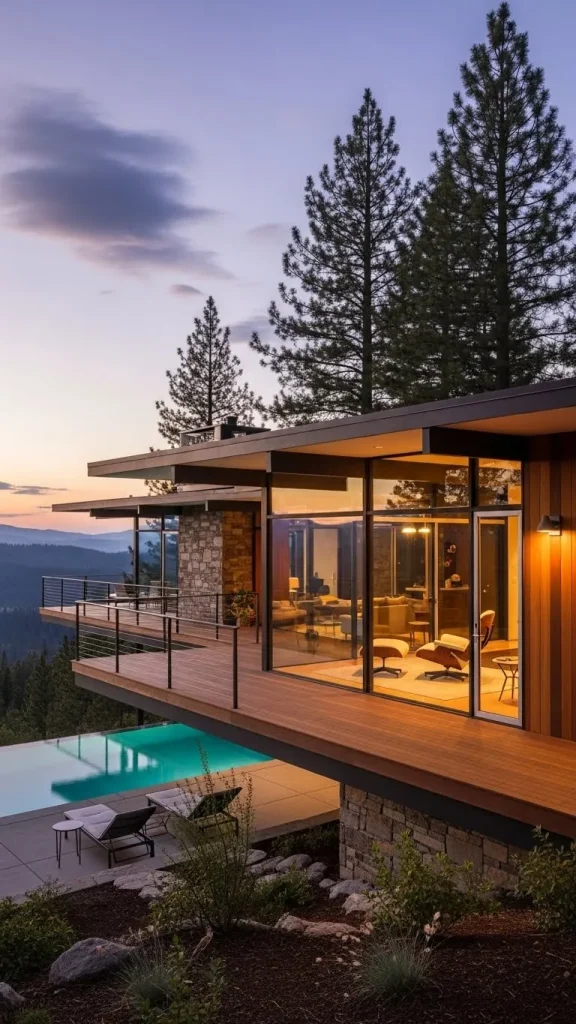
Originating in the middle of the 20th century, this style is timelessly cool. It emphasizes functionality and a seamless organic integration with nature. The design rejects historical references in favor of something new.
Low pitched or completely flat roofs are very common in this style. The horizontal lines of the house are exaggerated to blend with the horizon. This helps the home feel grounded and unobtrusive.
Large expanses of glass are a hallmark feature of the mid century look. Sliding glass doors often open directly onto patios or pool decks. The goal is to erase the distinction between the living room and the yard.
Mixed materials are frequently used to create visual interest on the facade. Stone, wood, and brick often coexist beautifully on a single wall. These natural textures contrast with the sleek glass and metal.
Carports are often seen instead of heavy enclosed garages. Decorative screen blocks may be used to create privacy walls without blocking air. The overall design feels open, airy, and optimistic.
DIY Tips for Mid-Century Modern Exteriors:
- Paint the front door a bright pop color like orange, teal, or chartreuse.
- Install a starburst style light fixture near the entry for retro flair.
- Use decorative breeze blocks to build a short privacy screen or wall.
- Plant structural succulents or agave in sleek concrete planters.
- Replace traditional house numbers with a modern font like Neutraface.
- Add low profile path lights along the walkway to highlight the geometry.

6. The Cozy Craftsman Bungalow
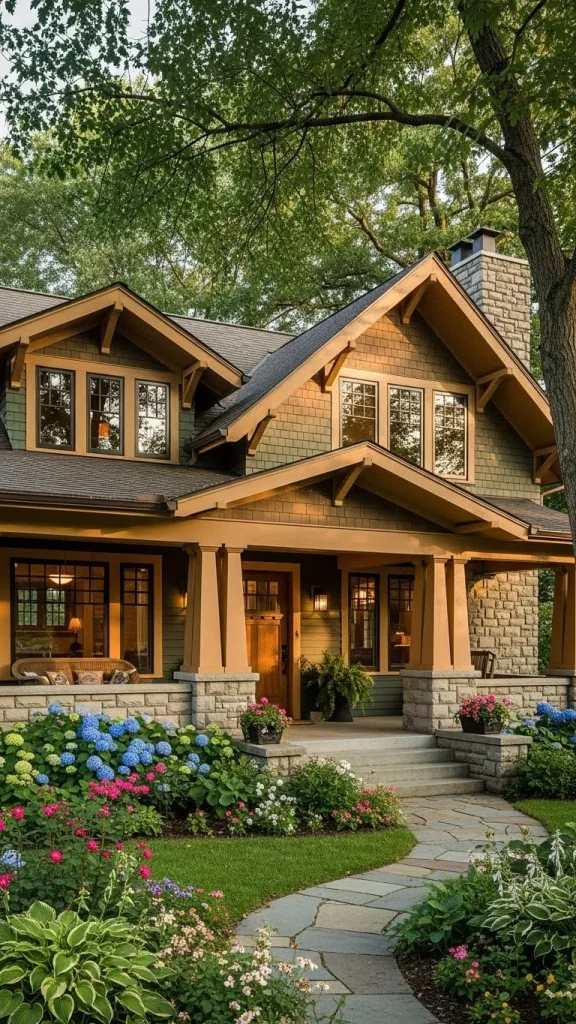
Craftsman homes celebrate the art of human handiwork and natural materials. They emerged as a reaction against the mass production of the Victorian era. The focus is on quality construction, honesty, and simplicity.
Low pitched gable roofs are a standard feature of the bungalow style. Deep overhanging eaves protect the home and porch from the elements. You can often see exposed rafter tails under the roofline.
Tapered columns on the porch are an iconic Craftsman element. These columns often sit on sturdy stone or brick piers. The front porch is considered a vital open air living room.
Windows often feature a multi pane upper sash over a single pane lower sash. Earth tones dominate the exterior color palette to blend with nature. Greens, browns, and rusts are perfect choices.
Stone and wood shingles are the primary materials used for cladding. The texture is rough and organic rather than smooth and manufactured. The home feels solid, grounded, and built to last.
DIY Tips for Craftsman Exteriors:
- Stain your front door to highlight the natural wood grain.
- Add a mission style welcome mat to the porch entry.
- Install copper or bronze exterior light fixtures with warm glass.
- Plant native grasses and shrubs around the stone foundation.
- Build a simple wooden bench or swing for the front porch.
- Paint the window sashes a deep red or forest green for contrast.

7. The Storybook Tudor Revival
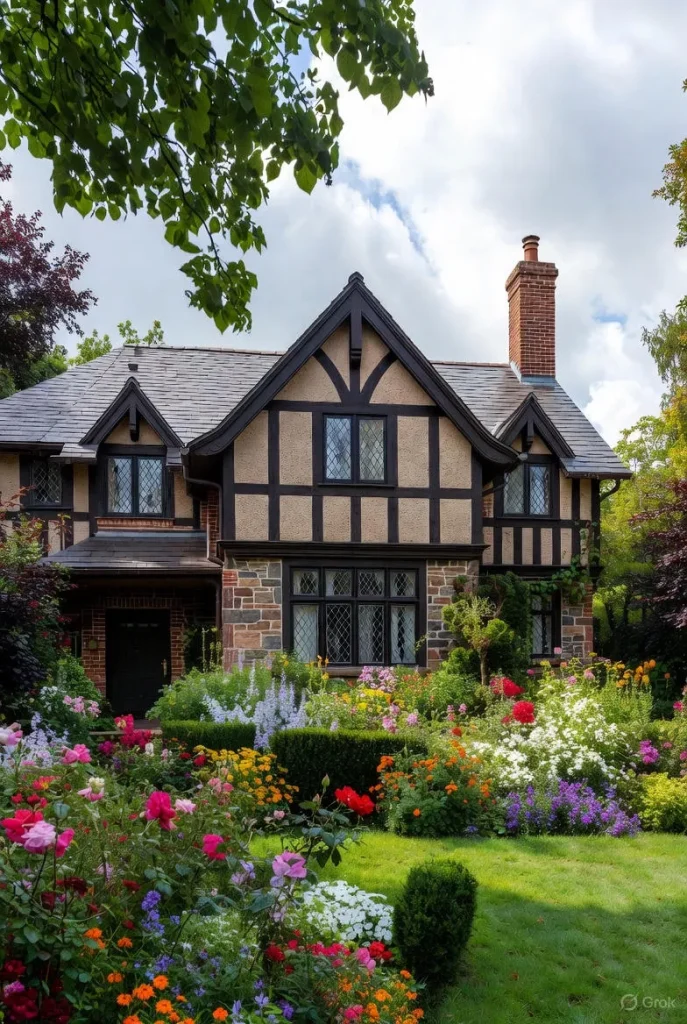
Tudor homes look like they have been plucked from a medieval fairytale. They are based on English architecture from centuries past. The style is romantic, historic, and full of unique character.
Decorative half timbering is the most recognizable feature of this style. Dark wood framing creates geometric patterns against light stucco walls. This high contrast look is instantly identifiable.
Steeply pitched roofs are essential to the dramatic Tudor silhouette. Prominent cross gables add visual complexity to the roofline. Tall and narrow windows are often grouped together in bands.
Brick or stone is often used on the lower level of the home. Massive chimneys with decorative chimney pots are a common focal point. Arched entryways add to the charm and curb appeal.
The overall feel is solid, fortified, and incredibly cozy. It evokes a sense of history and permanence that is hard to replicate. Gardens are usually lush, green, and slightly overgrown.
DIY Tips for Tudor Exteriors:
- Plant climbing ivy on a trellis near brick walls for an aged look.
- Refinish the timber details with a dark exterior stain to boost contrast.
- Install a carriage style lantern light with seeded glass.
- Add window boxes filled with trailing flowers under the windows.
- Use a heavy iron handle set and hinges for the front door.
- Create a curved brick or stone pathway leading to the entry.

8. The Elegant French Provincial
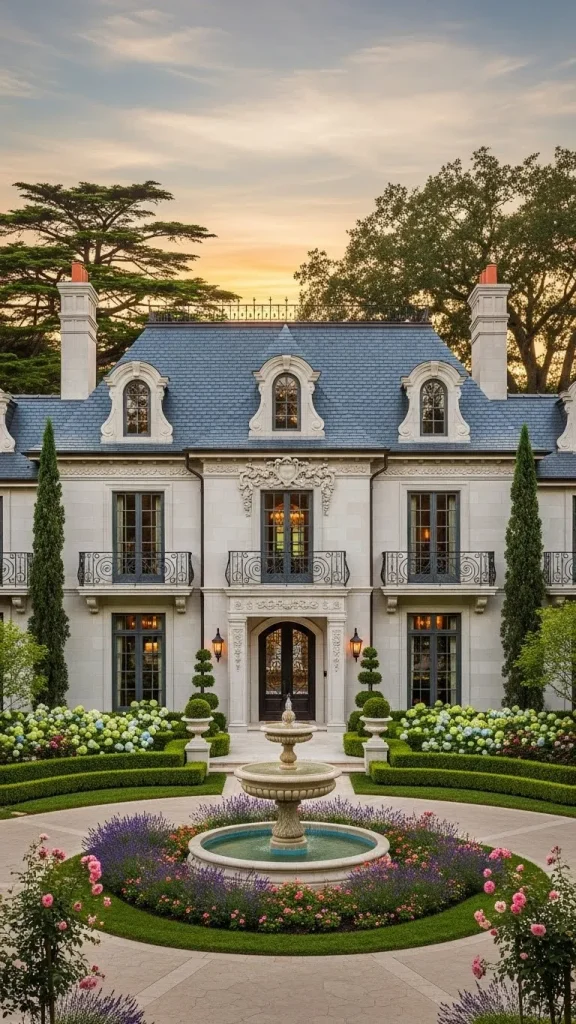
This style is inspired by the country manors found in rural France. It balances rustic charm with a sense of aristocratic elegance. Symmetry is a key component of the architectural design.
Steep hipped roofs are a defining characteristic of the French Provincial look. The facade is usually balanced with a centered front door. Windows are tall, rectangular, and often arched at the top.
Brick, stone, or stucco are the most common exterior materials. The colors are usually neutral and understated to evoke limestone. Creams, soft whites, and light grays are popular choices.
Iron balconies or railings often grace the upper floor windows. Copper accents may be used on gutters or roof flashing. The entry is formal but welcoming.
Landscaping is typically manicured and very orderly. Boxwood hedges and crushed gravel paths fit the aesthetic perfectly. The home feels sophisticated without being overly showy.
DIY Tips for French Provincial Exteriors:
- Plant symmetrical boxwood shrubs on either side of the front door.
- Install functional window shutters with ornate iron hardware.
- Use pea gravel for the driveway or front walkways.
- Paint the front door a soft blue or slate gray to match the roof.
- Add a copper rain chain to the gutter system for a metallic accent.
- Place two tall manicured topiaries in urns by the entrance.

9. The Breezy Coastal Beach House
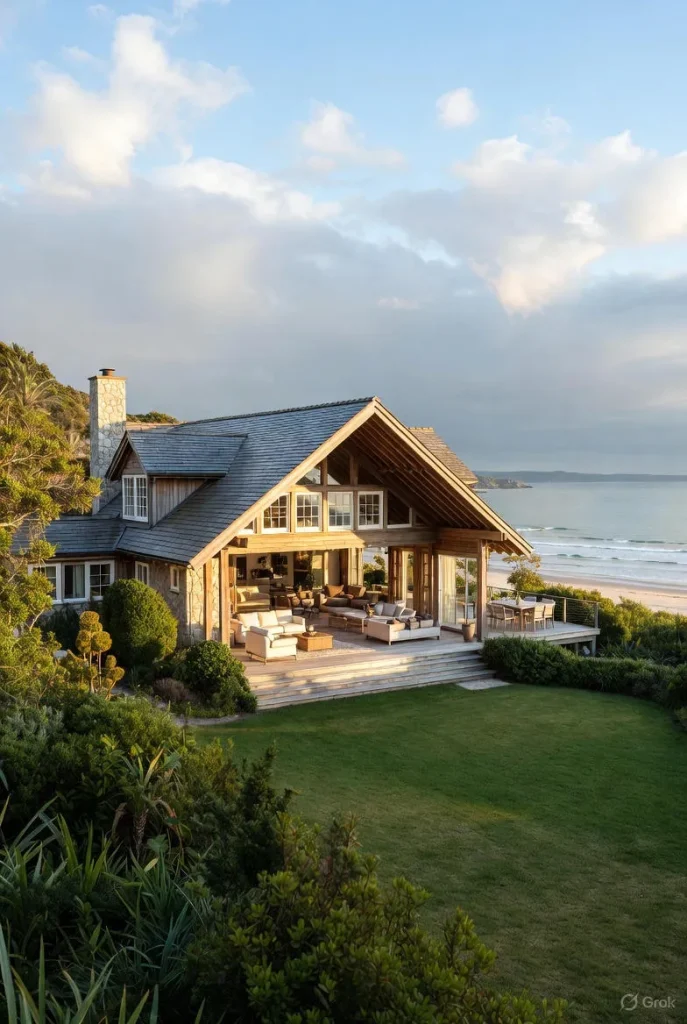
Coastal homes are designed for relaxation, views, and weathering the elements. They are often elevated on pilings to protect against high tides. The style is open, airy, and inherently cheerful.
Light colored siding is the norm to reflect the hot sun. Pastel blues, seafoam greens, and crisp whites mimic the ocean. Wood shingles that weather to a silvery gray are also authentic.
Large windows capture the cooling ocean breeze and natural sunlight. Wrap around decks provide essential outdoor living space for entertaining. Railings are often made of wire or glass to preserve the view.
Metal roofs are popular for their durability in salty air. They reflect heat and withstand coastal storms better than asphalt. The architecture is casual and unpretentious.
Landscaping usually features salt tolerant native plants. Dune grasses and palms are natural choices that require little water. The vibe is strictly vacation mode all year round.
DIY Tips for Coastal Exteriors:
- Hang a nautical style light fixture or onion lantern by the door.
- Paint your porch ceiling a soft “haint blue” for tradition.
- Use thick rope accents on railings or for outdoor decor.
- Place white Adirondack chairs on the front deck for lounging.
- Display a collection of driftwood or large shells near the entry.
- Install a rhythmic wind chime to catch the sea breeze.

10. The Scandinavian Cottage
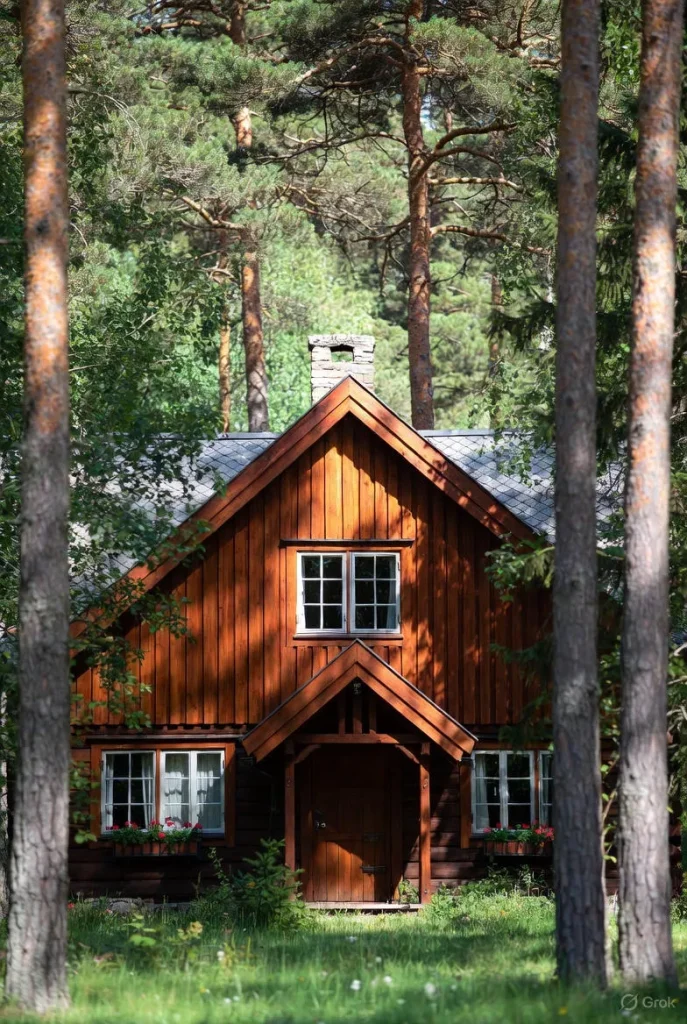
Scandinavian design is famous for its extreme functionality and simplicity. It embraces the concept of hygge which means coziness and well being. The exterior is clean, modern, and inviting.
Black or dark exterior cladding is a bold and popular trend here. This allows the house to visually recede into the forest background. Alternatively, white wood creates a bright contrast against gray skies.
Roofs are steep to shed heavy snow loads easily during winter. Windows are large and unadorned to maximize light intake. There is a complete lack of ornate decoration or trim.
Natural wood is used for decks and accents to warm up the facade. The connection to the surrounding nature is vital to the design. Lighting is warm and welcoming to combat the dark winters.
The scale of these homes is usually modest and efficient. Every square foot has a purpose and nothing is wasted. Simplicity is considered the ultimate form of sophistication.
DIY Tips for Scandinavian Exteriors:
- Keep the entryway completely clutter free and minimalist.
- Stack firewood neatly near the entrance as a functional decor element.
- Use a clear or light wood stain on the front door.
- Install sleek and simple black exterior wall lights.
- Plant evergreens for year round color and texture against the snow.
- Add a sheepskin or heavy wool throw to your outdoor seating.

11. The Industrial Loft Style
Industrial exteriors celebrate the raw materials of construction. This style often repurposes old commercial buildings for residential use. However, new builds also mimic this edgy and urban look.
Exposed brick is a highly desirable feature for the facade. Concrete blocks and corrugated metal siding are also frequently used. The look is gritty, tough, and uniquely beautiful.
Windows are typically black framed and divided into a grid pattern. They resemble old factory windows and are often oversized. This allows for massive amounts of light to enter the home.
Steel beams and columns may be left exposed as architectural features. The infrastructure of the building becomes the decoration. Utility pipes and ducts might even be visible.
Lighting is functional and heavy duty in its design. The color palette is neutral and leans towards the dark side. Rust, charcoal gray, and black are the main tones.
DIY Tips for Industrial Exteriors:
- Use galvanized metal buckets for planters to hold greenery.
- Install cage style lighting fixtures around the front door.
- Paint existing window frames a matte black color.
- Use large concrete pavers for the main walkway.
- Add house numbers stenciled in a military or cargo font.
- Incorporate reclaimed wood for a bench or decorative accents.

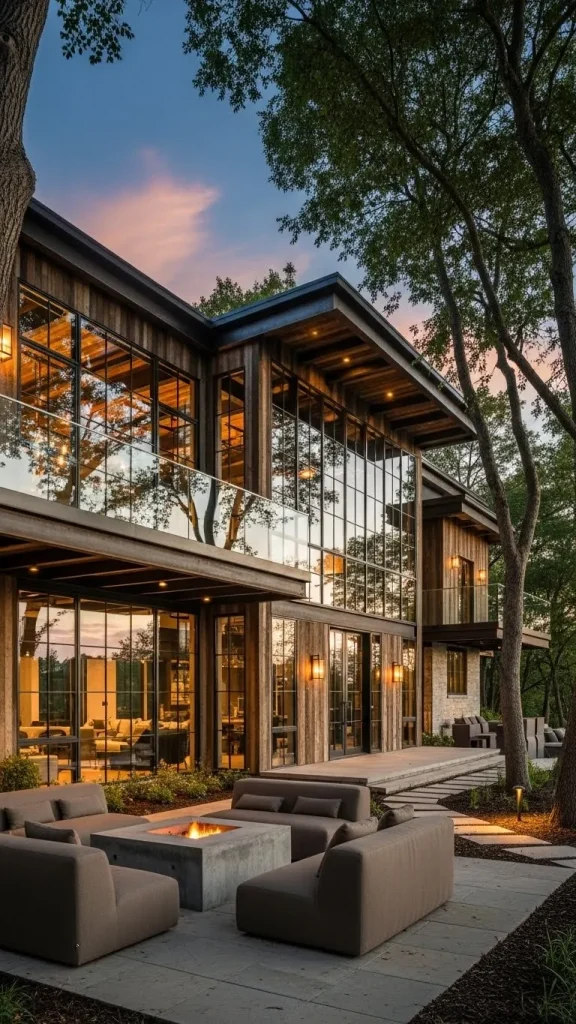
12. The Spanish Colonial Revival
This style is prominent in warmer regions like California and Florida. It reflects the architectural history of early Spanish settlers. The homes are designed specifically to stay cool in the heat.
Thick stucco walls provide thermal mass to regulate temperature. White or beige are the standard wall colors to reflect the sun. Red clay roof tiles are the crowning glory of the look.
Arches are used frequently for windows, doors, and porch openings. Small balconies with iron railings often overlook the street. The design focuses heavily on indoor outdoor flow.
Decorative tiles are often found on stair risers or around doors. Heavy wooden doors add a sense of security and history. The aesthetic is romantic, old world, and inviting.
Courtyards are central to the layout of these homes. Fountains provide the soothing sound of running water. The home feels like a private sanctuary away from the world.
DIY Tips for Spanish Colonial Exteriors:
- Add colorful Talavera tiles to your stair risers for a pop of pattern.
- Hang a wrought iron lantern in the main archway.
- Plant succulents and cacti in terracotta pots.
- Paint the front door a dark rustic wood tone or seal natural wood.
- Install decorative iron grilles over small accent windows.
- Add a wall mounted fountain near the entry for ambiance.

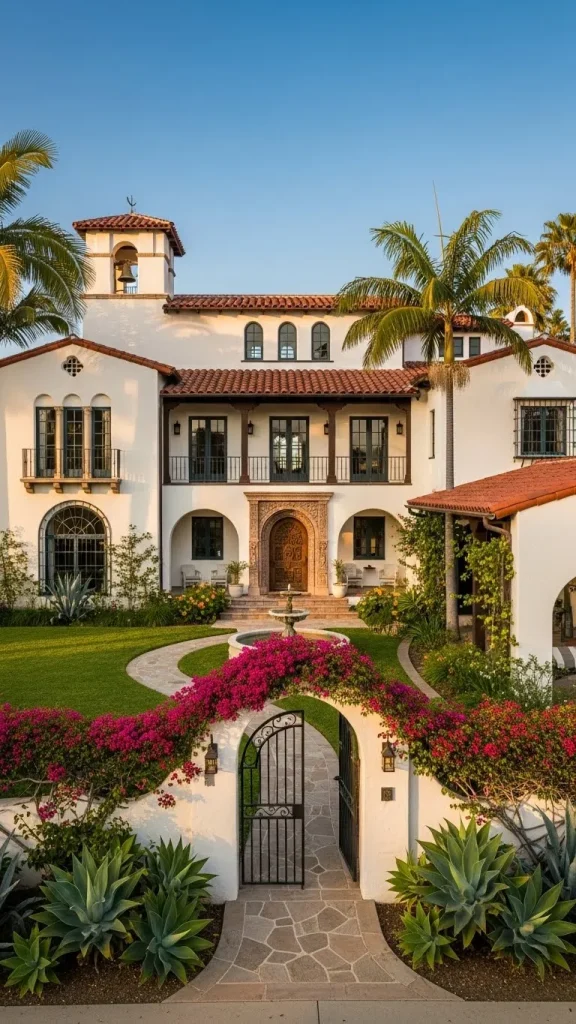
13. The Cape Cod Traditional
Cape Cod homes are the essence of American cottage style. They originated in New England in the 17th century to withstand harsh winters. The design is practical, sturdy, and undeniably charming.
The shape is generally rectangular, symmetrical, and simple. Steep roofs prevent heavy snow from accumulating and causing damage. Dormer windows often poke out from the roofline to light the upper floor.
Cedar shingles are the traditional siding choice for this style. They weather to a beautiful silver gray color over time. Clapboard siding painted white is also a very common look.
The front door is usually centered on the main facade. Windows are flanked by decorative shutters for a pop of color. The scale is cozy and manageable for a family.
Flower gardens are often planted close to the house foundation. Picket fences complete the quintessential cottage look. It is a style that instantly feels like home.
DIY Tips for Cape Cod Exteriors:
- Install window boxes filled with bright red geraniums.
- Paint the front door a classic navy blue or deep red.
- Add functional shutters with metal shutter dogs (holders).
- Install a brass kickplate on the bottom of the front door.
- Line the walkway with crushed clam shells or white gravel.
- Hang a welcoming wreath made of dried hydrangeas.

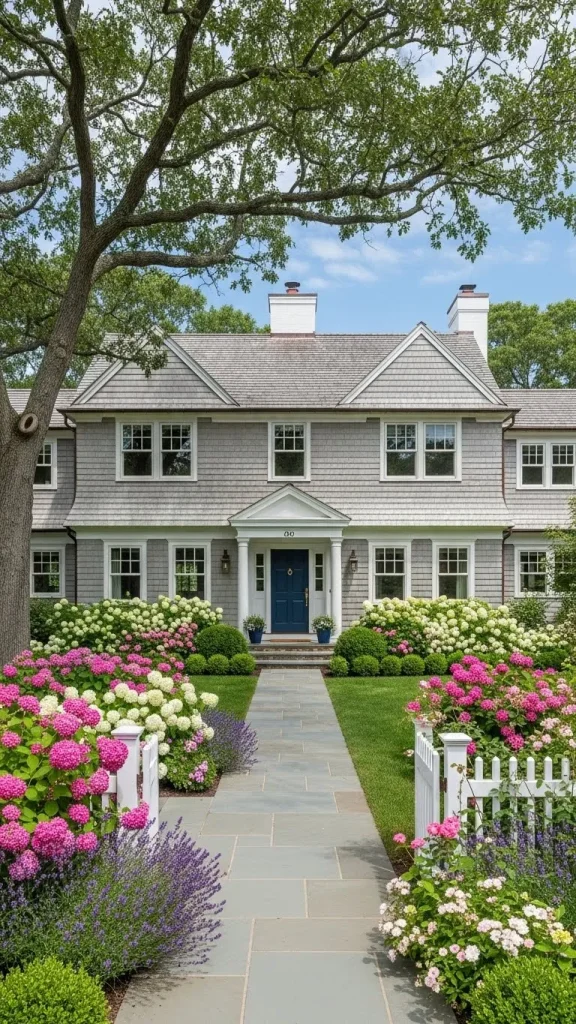
14. The Rustic Log Cabin
Log cabins connect us deeply to the wilderness and nature. They are the ultimate escape from the hustle of city life. The structure itself is the aesthetic, with no need to hide it.
Round or square logs form the sturdy exterior walls. Chinking is the material that fills the gaps between the timber. The look is rugged, textured, and incredibly natural.
Stone foundations often anchor the cabin to the earth visually. Large porches are essential for sitting and viewing the landscape. Green or red metal roofs often top the structure.
Windows frame specific views of the surrounding forest or mountains. The design relies entirely on the beauty of natural wood. It blends perfectly into a wooded setting without disruption.
Smoke rising from a stone chimney is an iconic image for this style. The home feels warm, safe, and secluded from the world. It represents a simpler and slower way of living.
DIY Tips for Rustic Log Cabin Exteriors:
- Restain the logs regularly to protect and enrich the wood color.
- Build a railing using raw branches or antlers for a unique touch.
- Place a carved wooden bear or eagle statue nearby.
- Hang vintage snowshoes or antique skis on the exterior wall.
- Install lantern lights with a rustic or rusted finish.
- Create a fire pit area with stone seating near the house.

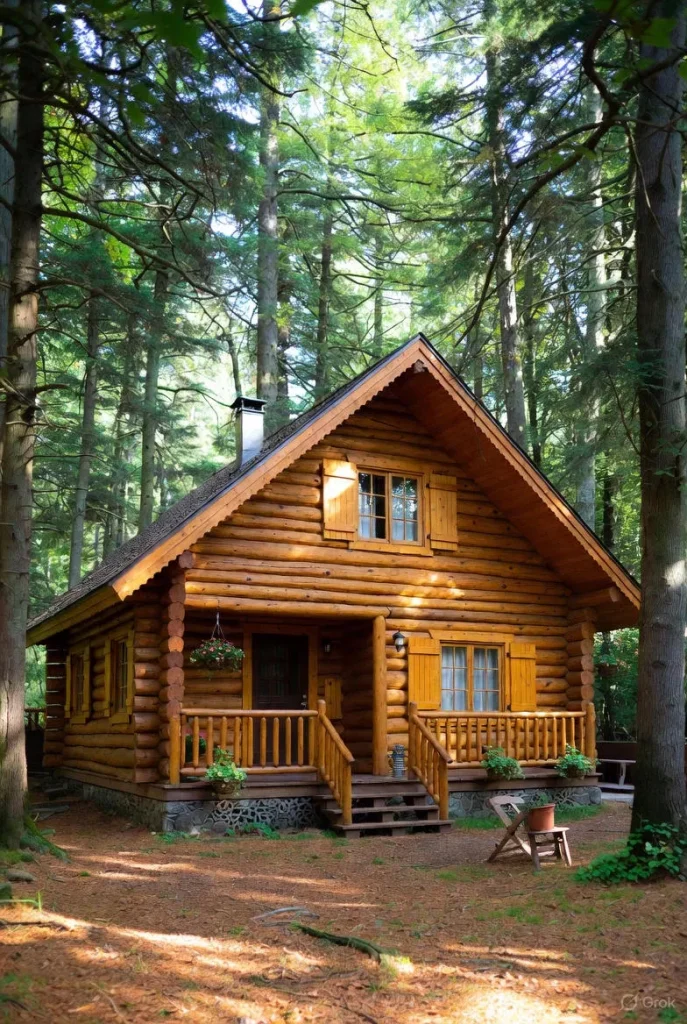
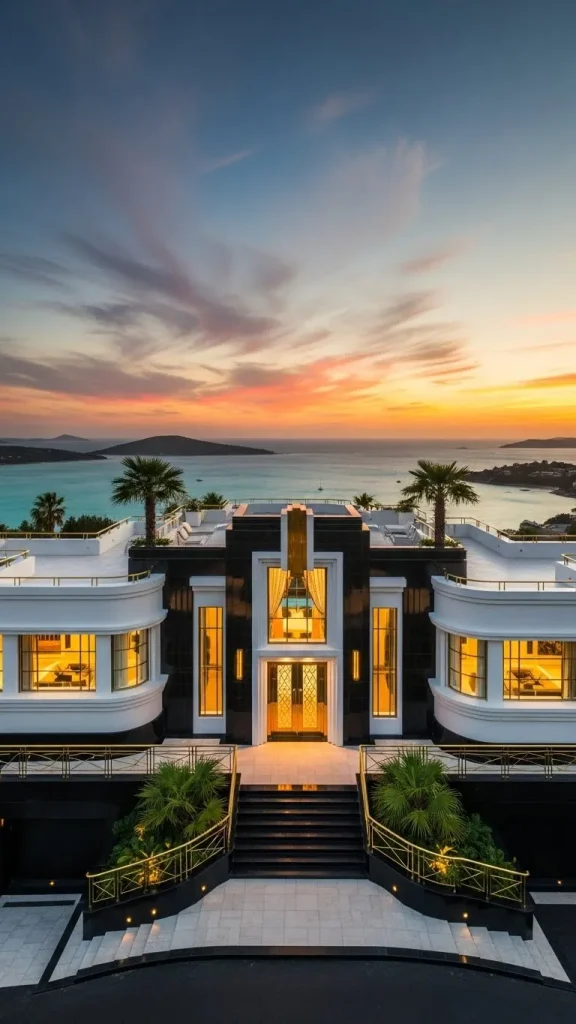
15. The Art Deco Geometry
Art Deco homes are rare and glamorous jewels from the 1920s and 30s. They symbolize the machine age, modernism, and luxury. The style is sleek, linear, and highly decorative.
Stucco is the most common exterior material for this streamlined look. Corners are often rounded rather than sharp to mimic ships. The roof is typically flat and hidden behind parapet walls.
Geometric patterns are carved into the facade or grillwork. Zigzags, chevrons, and sunbursts are popular motifs. Glass block windows add texture and privacy while letting in light.
Bold colors are often used for accents against white walls. Turquoise, flamingo pink, and black stand out beautifully. The look is theatrical and makes a major statement.
Metal railings feature streamlined and horizontal designs. The house often looks like a luxury ocean liner docked on land. It is a style for those who love drama and history.
DIY Tips for Art Deco Exteriors:
- Paint the front door a bold and glossy color like black or teal.
- Install chrome or stainless steel light fixtures with geometric shapes.
- Add house numbers in a distinctive Art Deco typeface.
- Use geometric planters near the entrance with spiky plants.
- Clean any glass blocks thoroughly to make them sparkle.
- Paint accent stripes on the stucco facade in a contrasting tone.

16. The Grand Greek Revival
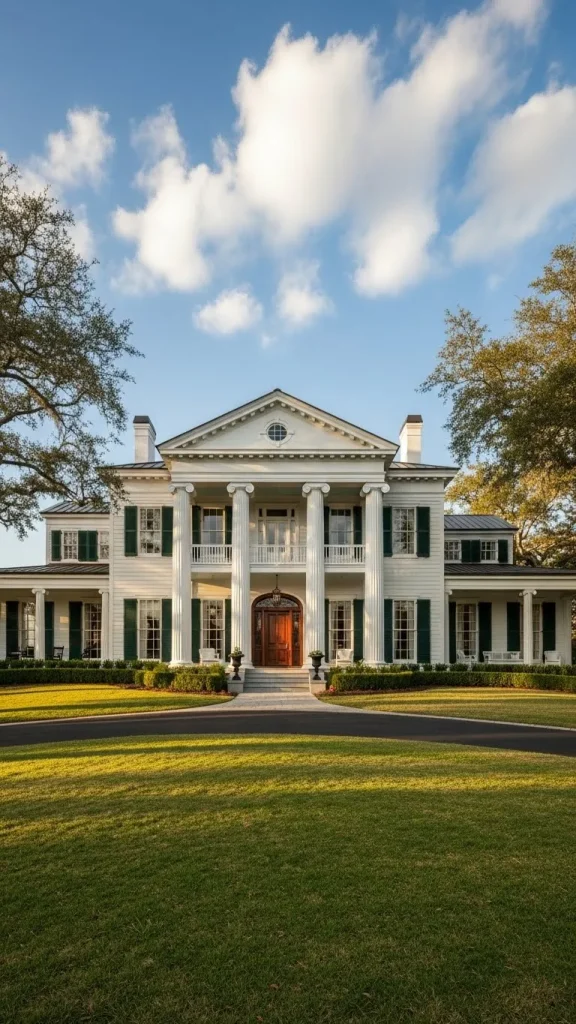
Greek Revival homes command attention, respect, and admiration. They were popular in the mid 19th century as a symbol of democracy. The style mimics the marble temples of ancient Greece.
Large columns are the most obvious and impressive feature. They support a prominent triangular pediment above the porch. The entry is usually grand, imposing, and centered.
White is the traditional color for these homes to simulate stone. It creates a crisp and clean look that stands out against green lawns. The design is strictly symmetrical and balanced.
Cornice lines are heavy and detailed with molding. Windows are tall and usually feature six panes over six panes. The front door is surrounded by transom lights and side windows.
This style is often found on large estates or government buildings. It conveys power, permanence, and classical beauty. The landscaping is usually formal to match the architecture.
DIY Tips for Greek Revival Exteriors:
- Keep the exterior paint a pristine and crisp white.
- Polish the brass door hardware until it shines brightly.
- Install a symmetrical pair of large urns on the porch.
- Keep hedges trimmed in sharp and geometric shapes.
- Repair any rot in the column bases immediately to maintain grandeur.
- Add a heavy brass door knocker centered on the front door.

17. The Ranch Style Rambler
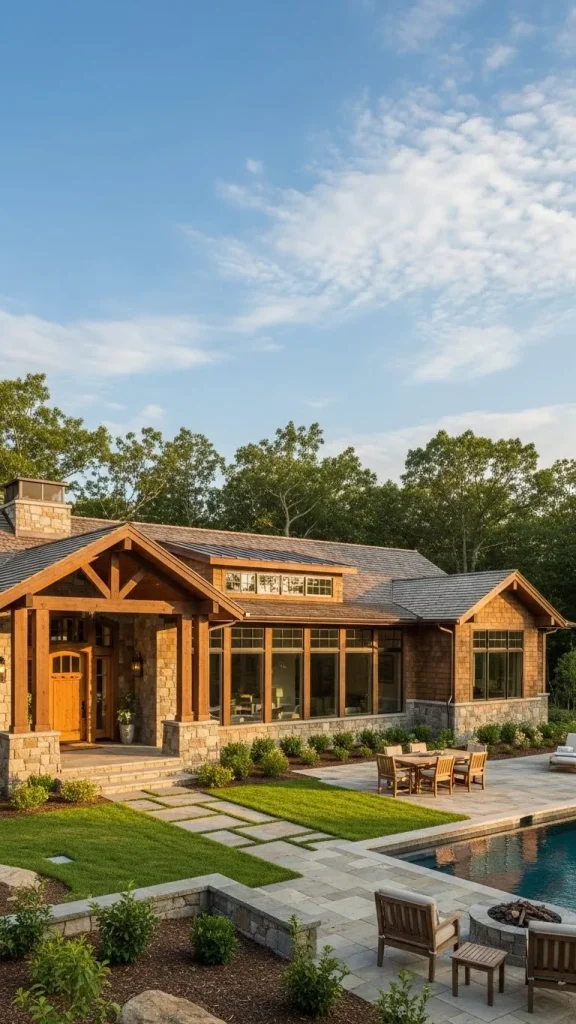
Ranch homes are the true icons of American suburban living. They became incredibly popular after World War II for their practicality. The layout is long, low to the ground, and single story.
The roofline is usually low pitched or hipped with wide eaves. Deep eaves extend past the exterior walls to provide shade. The focus is on horizontal width rather than vertical height.
Attached garages are a standard feature of the ranch design. Large picture windows face the street to bring in light. Sliding glass doors often open to a backyard patio.
Materials are often mixed on the facade for texture. Brick wainscoting is frequently paired with wood siding. The style is unpretentious, accessible, and easy to maintain.
Landscaping typically focuses on a large front lawn. Foundation plantings help soften the long horizontal lines. It is a practical home design suitable for all ages.
DIY Tips for Ranch Style Exteriors:
- Update the garage door with a modern wood look or windows.
- Paint the brick wainscoting a neutral color for a fresh look.
- Install mid century inspired outdoor lighting fixtures.
- Create a dedicated seating area on the front porch.
- Add a horizontal slat fence for privacy and modern style.
- Use colorful mulch to define flower beds against the house.

18. The Trendy Barndominium
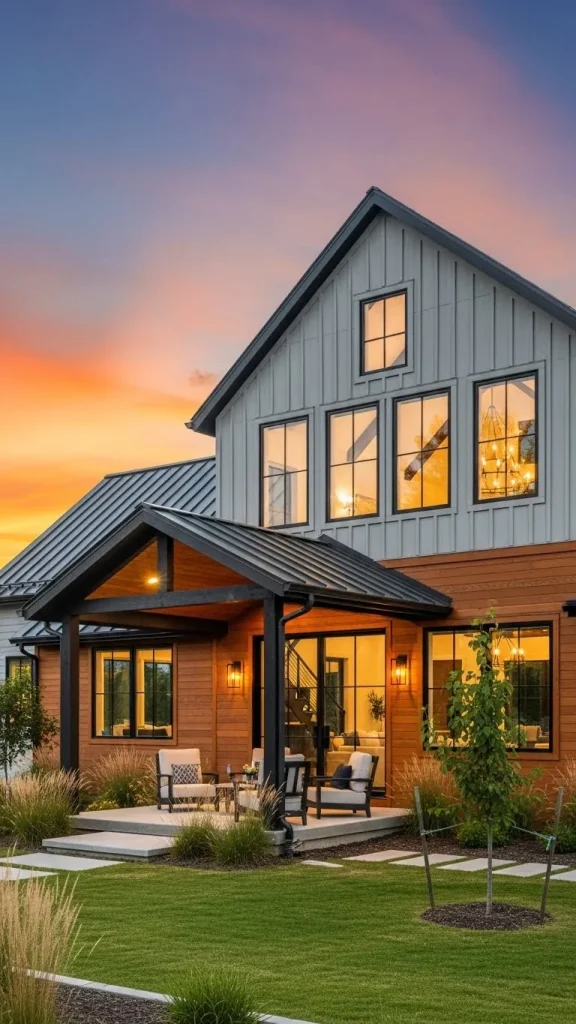
Barndominiums are a recent and rapidly growing architectural phenomenon. They convert metal barns into functional living spaces. The result is massive open space, high durability, and low cost.
Metal siding is the primary exterior material used here. It is low maintenance, fire resistant, and comes in many colors. The structure is simple, rectangular, and efficient to build.
Large sliding barn doors are often decorative or functional. They cover oversized glass windows or entry doors. The roof is usually a simple gable with a gentle pitch.
Ceilings are incredibly high both inside and on porches. Porches are often carved out of the main volume of the building. The aesthetic is a blend of rural and industrial styles.
They are energy efficient and cost effective for the square footage. The simple exterior allows for massive creativity in the layout. It is a lifestyle choice popular in rural areas.
DIY Tips for Barndominium Exteriors:
- Install large gooseneck lights above the main doors.
- Add a cupola with a weathervane to the roof peak.
- Build a wrap around porch with chunky cedar posts.
- Use stone veneer on the bottom third of the walls for weight.
- Hang oversized rustic decor on the large exterior walls.
- Create a gravel driveway for a rustic approach to the home.

19. The Gothic Revival
Gothic Revival homes are steep, dramatic, and ornate. They are inspired by the medieval cathedrals of Europe. The style is distinctive and vertically oriented to draw the eye up.
Pointed arches are the defining feature of this architecture. They appear in windows, doors, and gable vents. The roof pitch is incredibly steep to enhance the verticality.
Vergeboards or gingerbread trim decorates the roof gables. This scrollwork adds a lacy and delicate touch to the facade. Bay windows often protrude from the front of the house.
Board and batten siding is commonly used for vertical texture. Earth tones like olive, brown, and tan are traditional choices. The home feels like a small castle or a storybook church.
The aesthetic is slightly mysterious, romantic, and unique. It stands out in any neighborhood due to its sharp lines. The vertical elements make the house feel taller than it is.
DIY Tips for Gothic Revival Exteriors:
- Highlight the vergeboard trim with a lighter paint color.
- Install arched window inserts if replacing windows is too costly.
- Use iron fencing to enclose the front yard for atmosphere.
- Plant dark foliage plants for a moody garden vibe.
- Add a lantern post near the walkway for soft lighting.
- Ensure the pointed arch of the door is highlighted, not hidden.


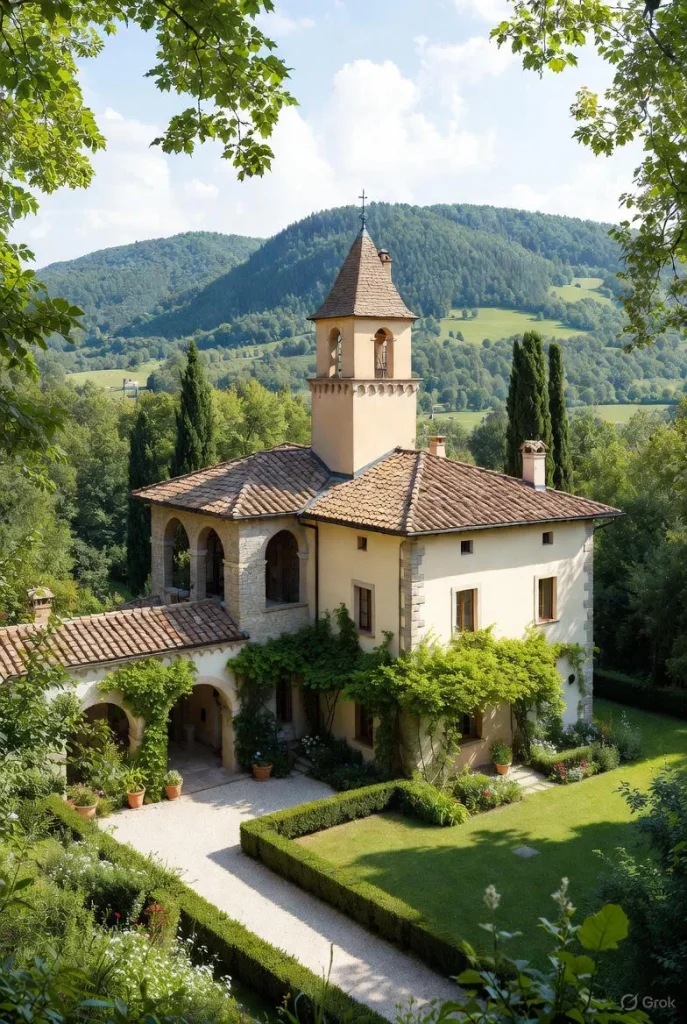
20. The Italianate Villa
Italianate homes were wildly popular during the Victorian era. They are square, tall, and very ornamental in nature. The style mimics the look of Italian farmhouses and villas.
Wide eaves are supported by large decorative brackets. These brackets are the most telltale sign of the Italianate style. The roofs are very low pitched or sometimes completely flat.
Windows are tall, narrow, and rounded at the top. Heavy hood moldings often sit above the windows for emphasis. Cupolas or belvederes often sit on the center of the roof.
Double doors are common at the main entrance. They are often tall and paneled with etched glass. Porches are usually small, centered, and highly decorative.
The house feels vertical and imposing from the street. It is a style associated with merchants and wealth. The details are rich, heavy, and meticulously crafted.
DIY Tips for Italianate Exteriors:
- Paint the decorative brackets a contrasting color to show them off.
- Install tall and narrow shutters on the windows.
- Use urns on plinths at the base of the entry stairs.
- Restore the double entry doors to their original wood finish.
- Add detailed molding above the doorway if it is missing.
- Keep trees trimmed so they don’t hide the cornice details.

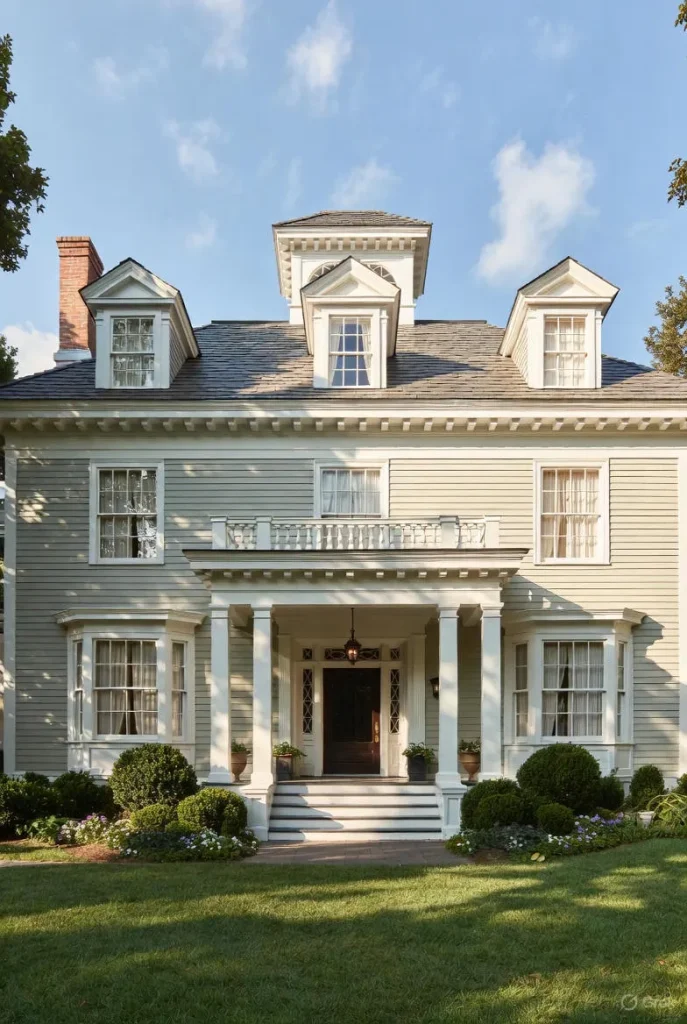
21. The Prairie Style
Frank Lloyd Wright made this architectural style famous. It is designed to mimic the flat, open landscape of the Midwest. The emphasis is entirely on horizontal lines and integration with the land.
Roofs are low pitched with very wide overhanging eaves. Chimneys are broad, rectangular, and centrally located. The house appears to hug the ground visually.
Rows of casement windows are a common feature. They often feature geometric art glass patterns or leaded glass. The interior and exterior are designed to flow together.
Natural materials like brick, wood, and stone are used. Colors are drawn from the landscape: rust, tan, and green. Ornamentation is part of the structure, not added on later.
Planters and urns are often built directly into the design. The home feels organic, modern, and uniquely American. It is distinct from European influences.
DIY Tips for Prairie Exteriors:
- Emphasize horizontal lines with trim paint or siding direction.
- Install low voltage path lighting that spreads light horizontally.
- Use large rectangular planters made of concrete or stone.
- Plant low spreading shrubs rather than tall vertical trees.
- Replace the front door with a design featuring geometric glass.
- Add a water feature that is low and wide, like a reflecting pool.

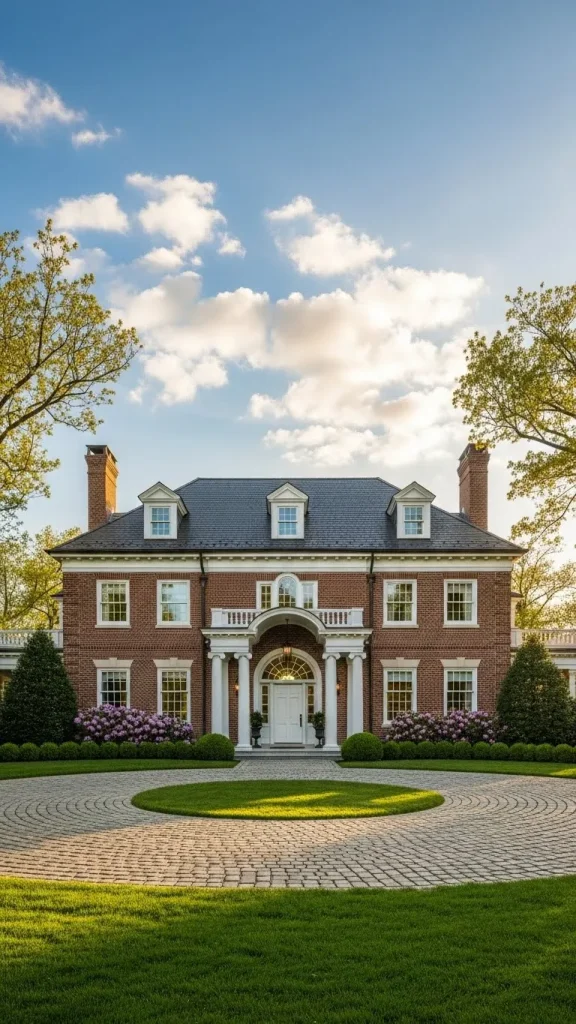
22. The American Colonial Revival
This style is the most popular residential architecture in the United States. It is a rebirth of the design from the Revolutionary War era. The look is symmetrical, formal, and timeless.
The facade is rectangular and strictly symmetrical. The front door is in the center with windows balanced on both sides. It conveys a sense of order and tradition.
Clapboard siding or brick are the standard materials. White, cream, or red brick are the most common colors. Black or green shutters are almost always present.
The entrance is the focal point of the home’s exterior. It usually features a decorative crown or pediment supported by pilasters. It is a very formal way to welcome guests.
Dormer windows are often spaced evenly across the roof. The roof is a medium pitch gable or hip design. The home feels grand but not ostentatious.
DIY Tips for Colonial Revival Exteriors:
- Paint the shutters a high gloss black or forest green.
- Install a brass kickplate and door knocker for a classic touch.
- Place two matching topiaries on either side of the entrance.
- Use brick pavers for the walkway to the front door.
- Add a lantern style light fixture on a post near the street.
- Ensure the house number is displayed in a classic serif font.

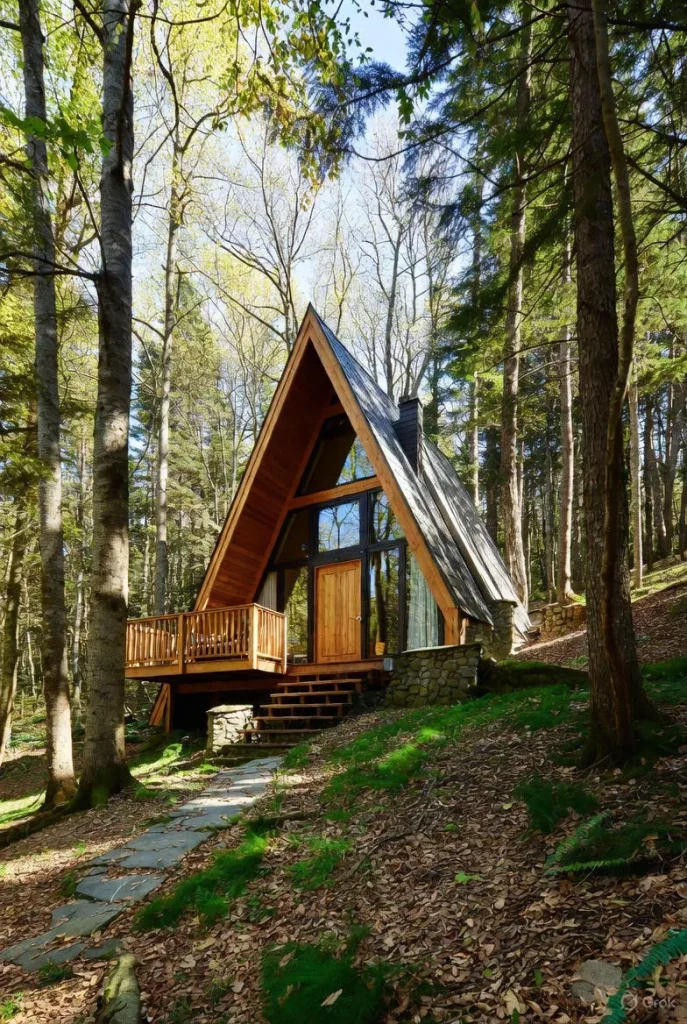
23. The Adventurous A-Frame
A-Frame houses are instantly recognizable by their shape. They look like a capital letter “A” or a triangle. They became icons of vacation living in the 1960s and 70s.
The roofline begins at the foundation and meets at a sharp peak. This steep slope is perfect for shedding heavy snow. It eliminates the need for traditional vertical walls.
The front and back facades are usually walls of glass. This floods the interior with natural light and captures views. Decks usually extend from these glass walls.
The structure is simple, affordable, and incredibly strong. It is often built in mountains or near lakes. The interior features soaring cathedral ceilings.
Wood is the primary material for both structure and siding. The aesthetic is rustic, cozy, and unique. It is the ultimate design for a nature lover’s retreat.
DIY Tips for A-Frame Exteriors:
- Paint the roof trim a bright color to outline the triangle shape.
- Build a large deck that extends the living space outdoors.
- Install fairy lights or string lights along the roofline.
- Use retro outdoor furniture to match the vintage vibe.
- Keep the glass clean to maintain the connection to nature.
- Plant ferns and native ground cover around the base.

Conclusion
Your home’s exterior is a canvas that displays your personality and lifestyle. Whether you love the clean lines of a Modern Minimalist home or the charm of a Victorian, there is a style for you. The key is to choose elements that resonate with your vision of a perfect home.
Renovating an exterior or building from scratch is a journey. It requires patience, planning, and a clear understanding of architectural styles. By studying these twenty three examples, you can identify the features that matter most to you.
Don’t be afraid to mix and match elements if they work together. A Contemporary Farmhouse, for example, borrows from two distinct worlds. The most important thing is that your home feels welcoming and authentic.
Remember that landscaping and small DIY touches make a huge difference. Changing lighting, paint colors, or hardware can transform a house without a major renovation. Start with small projects to boost your curb appeal immediately.
Ultimately, your dream house exterior should make you happy every time you pull into the driveway. It is the face of your sanctuary and the backdrop for your memories. Use these ideas to create a home that is truly stunning.